Keeping a Pit Bull Comfortable in Heat and Cold
As a Pit Bull owner, you know these incredible dogs are bundles of muscle and affection, but their short coats and high energy levels often leave them surprisingly vulnerable to extreme weather. Whether it's the scorching summer sun or the biting chill of winter, keeping your Pit Bull comfortable and safe requires proactive planning and a deep understanding of their unique needs. This comprehensive guide will walk you through everything you need to know to ensure your beloved companion thrives no matter what the thermometer says.
Understanding Your Pit Bull's Natural Insulation
Many people assume that because Pit Bulls are tough and resilient, they can handle anything Mother Nature throws at them. While they certainly have a strong spirit, their physical attributes actually put them at a disadvantage in both very hot and very cold conditions compared to many other breeds. It’s crucial to look beyond their muscular exterior and understand the biological realities that impact their comfort and safety.
The Short Coat Conundrum
Unlike breeds with thick double coats, like Huskies or Newfoundlands, Pit Bulls typically sport a very short, single coat that offers minimal insulation. In summer, this means their skin is more exposed to direct sunlight, making them prone to sunburn, especially on lighter-colored or sparsely haired areas. Their dark coats can also absorb and retain heat faster, turning them into little heat sponges if they're out in the sun too long. Imagine trying to wear a black t-shirt on a 90-degree day – that’s essentially what it’s like for a dark-coated Pit Bull.
When winter rolls around, that same short coat provides hardly any barrier against the cold. There's no thick undercoat to trap warm air close to their body, which means they lose heat much more rapidly. This isn't just about being chilly; it can quickly lead to their core body temperature dropping, setting the stage for more serious health concerns. They just don't have the natural defenses that breeds designed for colder climates possess, making them highly susceptible to the elements.
Body Type and Metabolic Rate Factors
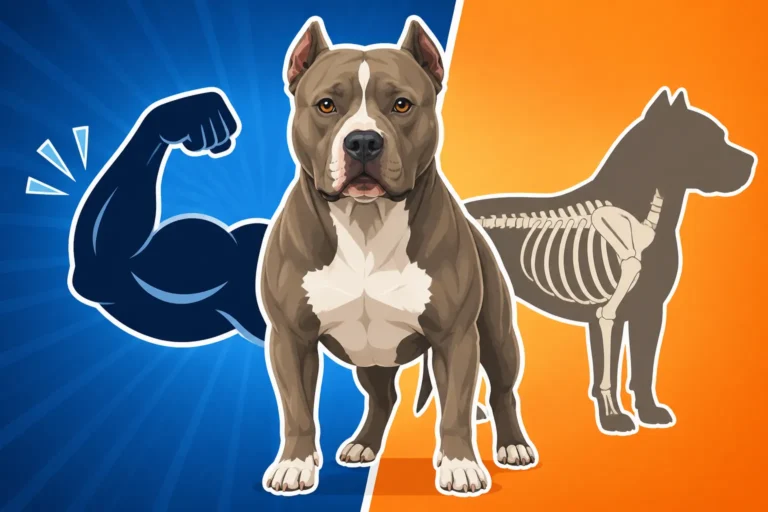
Pit Bulls are incredibly athletic dogs, known for their powerful, muscular builds. While this is fantastic for their strength and agility, it also plays a role in how they handle temperature. Muscle mass generates heat, and an active Pit Bull can quickly overheat during strenuous exercise, even on days that don't feel excessively hot to us. Their dense musculature also means they can retain heat longer, especially after a burst of activity, taking more time to cool down. It’s like a compact engine that runs hot; it needs efficient ways to dissipate that heat.
In colder weather, their generally lean body composition, despite the muscle, means they have less insulating fat compared to some other breeds. Their metabolic rate, which is how fast their body burns energy to produce heat, can help, but it's not enough to counteract significant heat loss from a short coat. Growing puppies and senior Pit Bulls, in particular, may have less efficient thermoregulation due to their age, making them even more sensitive to temperature extremes. You really have to keep an eye on them, as their inherent drive and desire to please might push them past their physical limits if left unchecked.
Managing Heat Stress in Pit Bulls
Summer can be a glorious time for outdoor adventures, but for Pit Bulls, it also brings significant risks related to heat. Their enthusiasm often overrides their common sense, meaning it’s entirely up to us as their guardians to set appropriate boundaries and provide the necessary safeguards. Ignoring these precautions isn't just uncomfortable for them; it can be life-threatening.
Limiting Outdoor Activity During Peak Heat
One of the most critical steps in preventing heat stress is simply adjusting your Pit Bull's daily routine. During summer months, especially in regions with intense heat and humidity, avoid taking your dog out for walks, runs, or play sessions during the hottest parts of the day. This typically means between 10 AM and 4 PM. Even if it feels okay to you, the ground temperature can be scorching, potentially burning their paw pads. Imagine walking barefoot on asphalt in July – that’s exactly what your Pit Bull is doing. Instead, plan walks for early mornings when the sun is still low and the air is cooler, or late evenings after the pavement has had a chance to cool down.
If you absolutely must go out during warmer hours, keep it short and ensure you stick to shaded, grassy areas. A quick potty break is fine, but it’s not the time for a brisk stroll around the block. Remember that even on cloudy days, humidity can make the heat feel much more oppressive and hinder your dog's ability to cool down through panting. This is especially true for active dogs who might try to work through discomfort. For more insights on this, check out Whether to Walk a Pit Bull Above Eighty Degrees.
Providing Cool Retreats and Relief
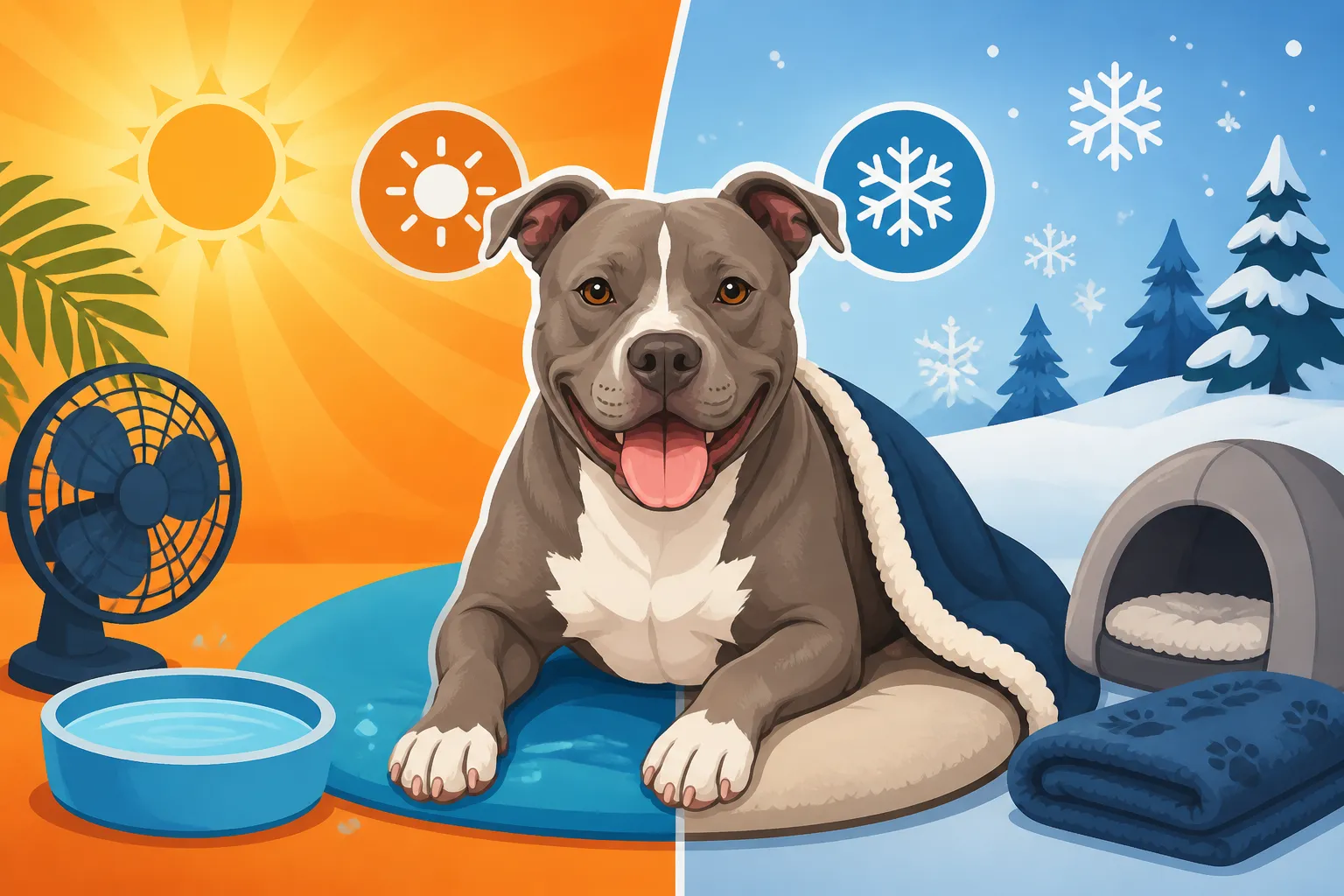
Beyond adjusting activity times, you need to actively create cool spaces for your Pit Bull. Indoors, this means ensuring they have access to air conditioning or fans. A cool, tiled floor can be a lifesaver for them to sprawl out on and dissipate heat. You can also offer cooling mats, which absorb body heat and provide a cooler surface, or even a damp towel for them to lie on. These aren't just luxuries; they're vital tools for managing their body temperature.
Outdoors, if your Pit Bull spends any time in the yard, ensure there's ample shade at all times of the day, not just when you let them out. A kiddie pool filled with a few inches of water can be a wonderful way for many Pit Bulls to cool off, allowing them to splash and lie down in refreshing water. Just make sure the water is clean and readily available, and never force a dog into water if they're hesitant. A good quality, sturdy, shade sail from a retailer like Amazon can provide much-needed relief in an open yard.
Recognizing the Signs of Overheating
Knowing the signs of overheating is paramount, as early intervention can prevent a critical situation. Pit Bulls are stoic and sometimes won't show obvious distress until they're really struggling. Watch for excessive panting that seems labored or non-stop, even when resting. Their gums might appear bright red or turn very pale, and their saliva could become thick and ropey. They might also become lethargic, stumble, or even collapse. If their eyes look glazed over or they seem disoriented, it’s a serious red flag.
Other subtle signs can include seeking out shade or cool surfaces more aggressively than usual, or simply refusing to engage in play when they normally would. If you notice any of these symptoms, get your Pit Bull into a cooler environment immediately. Offer small amounts of water, and if possible, apply cool (not ice cold) water to their paw pads, belly, and inner thighs to help lower their body temperature. It’s always better to err on the side of caution and contact your vet right away if you suspect heatstroke. You can learn more about these critical signs in Spotting Heat Trouble in a Working Pit Bull.
Protecting Your Pit Bull in Cold Weather
Just as summer brings heat concerns, winter presents its own set of challenges for Pit Bulls. That same short coat that offers no protection against the sun also fails miserably at keeping them warm. The cold can sneak up on them, and us, leading to discomfort and potentially dangerous conditions if we aren't careful.
Assessing Your Pit Bull's Cold Tolerance
It's tempting to think all Pit Bulls are the same, but individual cold tolerance can vary. A young, healthy, active Pit Bull might tolerate a quick romp in moderate cold better than an older dog with arthritis or a tiny puppy still developing its thermoregulation. Factors like body fat (leaner dogs get colder faster), activity level, and overall health play a significant role. If your Pit Bull starts shivering uncontrollably, tucking its tail, lifting its paws off the ground, or trying to huddle close to you, these are clear signs they are uncomfortable and need to get warm immediately.
Pay attention to the wind chill, not just the ambient temperature. A breezy 30°F can feel much colder and cause more rapid heat loss than a still 20°F. If you have a Pit Bull Weight and Muscle on a Working Frame who is very active, they might generate more body heat, but that also means they can sweat and then get even colder if they don't dry quickly. Always observe your specific dog's behavior. If they seem miserable, they probably are.
Utilizing Protective Outerwear
For many Pit Bulls, a good quality coat or sweater isn't just a fashion statement; it's a necessity when temperatures drop. Look for options that cover their chest and belly, as these areas are particularly vulnerable to cold. Materials like fleece, wool blends, or waterproof, insulated fabrics are excellent choices. Make sure the fit is snug enough to provide warmth but not so tight that it restricts movement. A Pit Bull needs to be able to run, jump, and do their business comfortably.
There are many fantastic options available from retailers like Chewy or Amazon, ranging from lightweight sweaters for a crisp autumn day to heavy-duty, waterproof coats for snowy excursions. For added protection against ice and salt on sidewalks, consider dog booties. Not all dogs take to them easily, but they can prevent chemical burns and frostbite on paw pads. Just like with any gear, introduce them slowly and positively, making it a comfortable experience. You can read more about options in Whether a Short Coated Pit Bull Needs Clothing.
Shortening Outdoor Exposure in Winter
Just as with summer heat, winter cold demands adjusted routines. During freezing temperatures, especially when snow and ice are present, limit outdoor bathroom breaks to quick, purposeful trips. Long walks or extended play sessions should be curtailed when it's truly frigid. While your Pit Bull might love to zoom around in the snow for a few minutes, their exposure time needs to be carefully monitored.
Consider engaging in more indoor activities to keep them mentally stimulated and physically exercised. Puzzle toys, training sessions, or even a game of fetch in a long hallway can burn off energy without exposing them to dangerous cold. If you live in an area with harsh winters, creating a warm, cozy indoor environment is paramount. A comfy, elevated bed away from drafts can make a huge difference. For ideas on keeping them entertained indoors, check out Indoor Games for a Housebound Pit Bull.
Hydration and Nutrition Considerations for Extreme Temperatures
Extreme temperatures place additional demands on your Pit Bull's body, and their diet and water intake need to reflect this. It’s not just about keeping them cool or warm; it's about supporting their internal systems so they can regulate their body temperature effectively and recover from environmental stresses.
Ensuring Adequate Water Intake
Hydration is crucial year-round, but it becomes even more critical in extreme heat and cold. In hot weather, dogs pant to cool down, which means they lose a lot of water vapor. They need constant access to fresh, cool water to replenish fluids and prevent dehydration. Make sure water bowls are always full, and consider adding extra bowls around the house or yard. When you're out and about, carry a portable water bottle and collapsible bowl, making frequent stops for water breaks.
In colder weather, dogs might seem less thirsty, but the dry winter air can still lead to dehydration. If they're exercising in the snow, they're still burning energy and losing fluids. Ensure their water bowl isn't freezing over if it's outdoors. Some dogs might prefer slightly warmer water in winter, or you can add a splash of low-sodium broth to their water to encourage them to drink. Keep an eye on their water intake, and remember that Pit Bull Water Intake After Hard Exercise is always important, no matter the season.
Adjusting Diet for Energy Needs
A Pit Bull's dietary needs can shift slightly with temperature changes. In hot weather, if their activity level decreases due to heat, you might need to slightly reduce their food intake to prevent unwanted weight gain. However, if they are still maintaining a good activity level, they'll need consistent, high-quality nutrition. Good quality food is crucial for healthy skin, which is their first line of defense against the elements. If you notice A Pit Bull That Refuses Food for a Day during extreme weather, it's a sign they might be feeling unwell and warrants careful observation.
In contrast, during very cold weather, especially if your Pit Bull is spending more time outdoors or is naturally lean, they might benefit from a slight increase in calories to help them maintain body heat. This doesn't mean overfeeding, but rather a modest adjustment if they are expending more energy to stay warm. Always monitor their body condition closely. High-quality dog foods, easily found on platforms like Chewy or specialized brands like Ollie, provide the balanced nutrition they need. Consult your vet before making significant dietary changes, especially if your Pit Bull has any health conditions.
Special Considerations for Sensitive Stomachs
Some Pit Bulls can have sensitive stomachs, and extreme temperatures can exacerbate digestive issues. Stress from heat or cold can sometimes throw their system off balance. If your Pit Bull is prone to digestive upset, stick to their regular diet as much as possible, avoiding sudden changes or new treats during periods of weather stress. Introducing new foods or treats can add another layer of potential discomfort.
If your Pit Bull is on a specialized diet for allergies or sensitivities, maintain that consistency. Sudden changes, even with good intentions, can lead to digestive upset, which further stresses their system when they are already trying to cope with environmental factors. Always have a bland diet option, like boiled chicken and rice, on hand for those occasional days when their stomach just isn't quite right.
Preparing Your Home for Temperature Fluctuations
Your home is your Pit Bull's primary sanctuary, and making sure it's adequately prepared for both heat waves and cold snaps is fundamental to their well-being. Thinking ahead about your indoor environment can prevent a lot of stress for both you and your dog.
Indoor Environment Control
In summer, effective cooling is key. This might mean keeping your air conditioning running, even when you're not home, especially if outdoor temperatures are soaring. If AC isn't an option, use fans strategically to create air circulation. Remember, a fan just moves air; it doesn't cool it. For them, it can help evaporate moisture from their panting, aiding their natural cooling process. Close blinds and curtains during the day to block out direct sunlight, which can significantly heat up a room.
During winter, maintaining a comfortable indoor temperature is crucial. Keep your home heated to a level that's comfortable for you and your dog, usually around 68-72°F (20-22°C). Ensure windows and doors are well-sealed to prevent drafts, which can make your Pit Bull feel much colder, especially if they like to sprawl out on the floor. While space heaters can provide localized warmth, use them with extreme caution, always ensuring they are pet-safe and cannot be knocked over.
Safe Resting Spots Away From Drafts or Direct Sun
Consider where your Pit Bull chooses to rest throughout the day. In summer, they will naturally gravitate to the coolest spots, often on tile or bare floors. Provide access to these areas and ensure they aren't forced to lie on heat-retaining surfaces like thick carpets in sunny spots. Elevated dog beds, especially those with mesh, can also help by allowing air circulation underneath them, preventing heat from pooling around their body.
In winter, provide warm, soft, and inviting beds in draft-free zones. A plush dog bed with high sides can help them burrow and retain body heat. Avoid placing their beds directly in front of heat vents or fireplaces, as this can lead to overheating or dry out their skin. Similarly, keep beds away from exterior doors or drafty windows. Creating a cozy "den" with blankets can offer a sense of security and extra warmth, especially for older Pit Bulls.
Emergency Preparedness for Power Outages
Power outages, whether due to summer storms or winter blizzards, can quickly turn a comfortable home into a dangerous environment. Have a plan in place. In summer, know where you can take your Pit Bull if your home becomes too hot—a friend's house, a pet-friendly hotel, or even a local community cooling center. Keep plenty of frozen water bottles on hand to place in their bed or crate to act as temporary cooling packs.
For winter outages, have extra blankets and warm clothing ready. Consider a pet-safe generator if power outages are common in your area. Have an emergency kit packed with extra food, water, any necessary medications, and their favorite blankets. Knowing emergency contacts and alternative shelter options that accept Pit Bulls is vital, as breed restrictions can sometimes make finding temporary accommodation difficult during a crisis.
Recognizing and Responding to Weather-Related Emergencies
While prevention is always the best strategy, sometimes, despite our best efforts, emergencies happen. Being able to quickly identify and respond to severe weather-related conditions like heatstroke or hypothermia can be the difference between life and death for your Pit Bull.
Heatstroke: A Medical Emergency
Heatstroke is an incredibly serious condition where a dog's body temperature rises to a dangerously high level, and their internal cooling mechanisms fail. This can lead to organ damage, brain damage, and even death. As we discussed, Pit Bulls are especially susceptible. If you see signs like collapsing, severe disorientation, seizures, vomiting, or uncontrolled diarrhea, your Pit Bull is likely experiencing heatstroke and requires immediate veterinary attention. These are not symptoms to wait out.
The first aid for suspected heatstroke is to immediately move your dog to a cooler area. Begin cooling them down gradually, not with ice water, which can cause blood vessels to constrict and actually hinder cooling. Use cool (not cold) water to wet their fur, focusing on their belly, armpits, and groin. You can use a fan to increase evaporative cooling. Offer small amounts of water if they are conscious and able to drink. Crucially, transport them to the nearest emergency vet clinic as quickly as possible, continuing to cool them on the way. Every minute counts.
Hypothermia and Frostbite Risks
On the other end of the spectrum, hypothermia occurs when a dog's body temperature drops too low. This is a risk for Pit Bulls during prolonged exposure to cold, especially if they are wet or old. Signs of mild hypothermia include shivering, weakness, and seeking warmth. As it progresses, they may become lethargic, unresponsive, have shallow breathing, and their muscles might become stiff. Frostbite, the freezing of body tissues, commonly affects extremities like paw pads, ears, and tail. These areas might appear pale, grayish, or even bluish, and feel cold to the touch.
If you suspect hypothermia or frostbite, get your Pit Bull into a warm, dry environment immediately. Wrap them in warm (not hot) blankets. You can use warm water bottles wrapped in towels and place them gently against their body, focusing on their chest and abdomen. Never rub frostbitten areas, as this can cause further tissue damage. Offer warm water or broth. For any suspected hypothermia or frostbite, especially if it seems moderate to severe, a veterinary visit is essential to assess damage and prevent complications. Remember Whether a Pit Bull Feels Cold in Winter is not always obvious.
When to Seek Veterinary Help
It cannot be stressed enough: if you are ever unsure about the severity of your Pit Bull's symptoms related to extreme weather, always contact your veterinarian. It’s far better to make an unnecessary trip than to wait until it’s too late. Trust your gut. If something feels off, or your dog isn't recovering quickly with first aid measures, pick up the phone.
The following table summarizes key dangers and symptoms to look out for:
| Extreme Weather Condition | Primary Dangers | Key Symptoms to Watch For | Immediate Action | When to Call Vet |
|---|---|---|---|---|
| Heat Stress/Heatstroke | Organ damage, brain damage, death | Excessive panting, bright red/pale gums, thick saliva, lethargy, stumbling, collapse, vomiting, seizures, disorientation | Move to cool area, apply cool water to paw pads/belly/groin, fan, offer small water sips | Immediately for any severe symptoms or if cooling efforts don't quickly improve condition |
| Cold Stress/Hypothermia/Frostbite | Organ failure, tissue damage, death | Shivering, weakness, lethargy, stiff muscles, shallow breathing, pale/gray/blue extremities (frostbite) | Move to warm/dry area, wrap in warm blankets, apply warm water bottles (wrapped), offer warm water/broth | Immediately for moderate/severe hypothermia or any suspected frostbite |
Veterinarians can provide intravenous fluids, medications, and advanced cooling or warming techniques that you cannot provide at home. They can also assess for any underlying conditions that might make your Pit Bull more vulnerable to temperature extremes. Always keep your vet's emergency number handy.
Year-Round Gear for Temperature Management
Outfitting your Pit Bull with the right gear can make a tremendous difference in their comfort and safety, bridging the gap where their natural coat falls short. Investing in these items is not just about convenience; it's a vital part of responsible Pit Bull ownership.
Essential Cooling Products
For hot weather, several products can offer significant relief. Cooling vests and bandanas use evaporative cooling to help dissipate heat from your dog's body. They typically get wet and then the evaporation helps cool the dog as they wear it. Always ensure these products are designed for dogs and fit well, without restricting movement or causing chafing. Elevated cooling beds are also excellent, allowing air to circulate underneath your Pit Bull as they lie down, preventing heat from building up.
Another simple but effective tool is a sturdy, chew-proof water bowl that won't tip over. Stainless steel bowls can be kept clean and hold cool water well. Freeze-ahead water bottles can be placed in crates or beds (wrapped in a towel) for a temporary cool spot. Many pet product retailers like Chewy or Amazon offer a wide array of Cooling Gear for a Short-Coated Pit Bull, making it easy to find what you need. Don't forget sunscreen for Pit Bulls with light-colored noses or sparse fur, specifically formulated for dogs.
Warmth-Providing Apparel and Bedding
When the mercury drops, warm clothing becomes essential. A well-fitting winter coat or sweater, as mentioned earlier, is a must-have for walks and outdoor time. Look for options with reflective strips for nighttime visibility, as winter days are shorter. Consider waterproof options if you live in an area with snow or freezing rain. For longer periods outdoors, specialized cold-weather boots can protect their paws from ice, snow, and de-icing chemicals. While some Pit Bulls tolerate them, others might take time to adjust, so start with short wear sessions indoors.
Indoors, comfortable, warm bedding is paramount. Insulated dog beds, orthopedic foam beds, or even self-warming beds (which reflect your dog's body heat back to them) can provide much-needed warmth. Make sure their bed is large enough for them to stretch out comfortably. Having multiple bedding options means they can choose what's most comfortable, depending on their mood and the ambient temperature.
Paw Protection for All Seasons
Paw pads are often overlooked but are incredibly vulnerable to extreme temperatures. In summer, hot pavement can cause severe burns. Always check the pavement temperature with your hand before walking your Pit Bull – if it's too hot for your bare hand, it's too hot for their paws. Opt for walks on grass or dirt paths whenever possible. If unavoidable, dog boots can offer protection against hot surfaces.
In winter, ice, snow, and de-icing salts can be extremely harsh on paw pads, leading to cracks, irritation, or chemical burns. Dog boots are the ideal solution here. If boots aren't an option, consider applying a paw balm before walks to create a protective barrier, and always rinse and dry their paws thoroughly after coming inside to remove any salt or chemicals. This simple routine can prevent a lot of discomfort and potential injury. Read more about protecting their paws in Pit Bull Paw Pad Injuries on Hard Ground or Pit Bull Paws on Salted Sidewalks.
Disclaimer
This article is for general informational purposes only and does not constitute professional advice. Laws, prices and regulations vary by location and change over time. Consult a qualified professional for guidance on your specific situation.