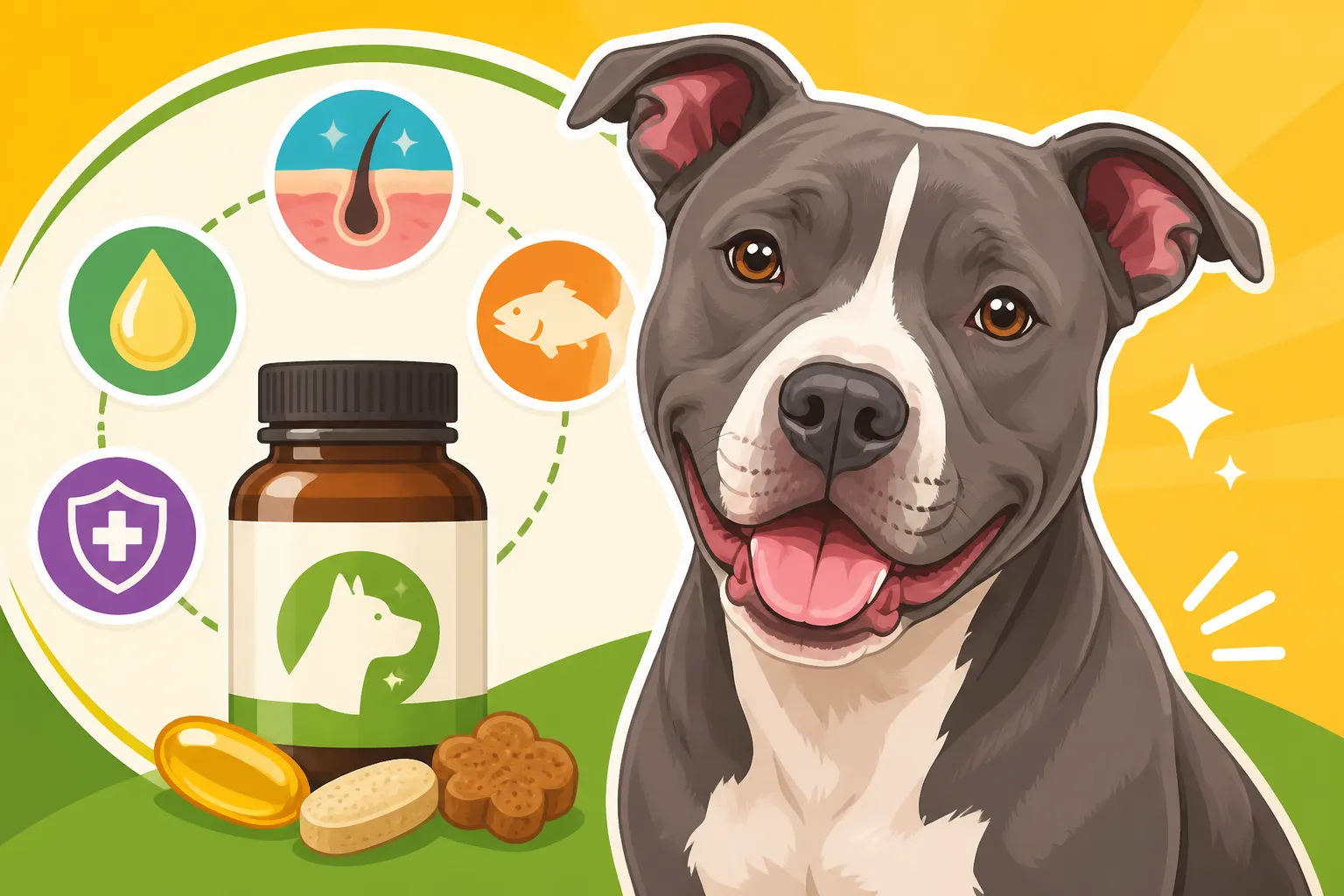
Supplements That Help Pit Bull Skin
It’s a frustrating reality for many Pit Bull owners: you love your dog, you feed them well, and yet they’re still scratching, licking, and suffering from irritated skin. The endless cycle of vet visits, temporary relief, and recurring flare-ups can be emotionally and financially draining. You want to help your furry companion feel comfortable in their own skin, and this guide is here to walk you through how various supplements can play a vital role in supporting your Pit Bull’s dermatological health, offering relief and promoting a strong, resilient skin barrier from the inside out.
The Power of Omega Fatty Acids for Pit Bull Skin
When your Pit Bull's skin is red, flaky, or constantly itching, one of the first things many veterinarians and experienced owners consider is the addition of omega fatty acids. These aren't just trendy ingredients; they are essential nutrients that play a fundamental role in maintaining skin integrity and reducing inflammation throughout the body, including the skin. For a breed so prone to Pit Bull Skin Allergies and the Atopy Pattern, getting these fats right can make a huge difference.
Why Omegas are Crucial for Skin Health
Omega fatty acids, particularly omega-3s and omega-6s, are like the building blocks for healthy skin cell membranes. Imagine your Pit Bull’s skin as a protective wall against the outside world – allergens, irritants, and moisture loss. Healthy cell membranes make that wall strong and intact. When these membranes are compromised, the skin barrier weakens, becoming more permeable and allowing irritants in, while letting precious moisture out. This leads to dryness, itchiness, and increased susceptibility to secondary infections, which is a common problem for Pit Bulls struggling with chronic skin issues.
Beyond structural support, omega fatty acids are potent natural anti-inflammatories. Omega-3s, specifically EPA (eicosapentaenoic acid) and DHA (docosahexaenoic acid), found predominantly in fish oil, help to counteract the inflammatory pathways in the body. If your Pit Bull is constantly inflamed due to allergies, whether Food Allergies Behind Pit Bull Itching or environmental triggers, these omegas can help calm that internal storm, leading to less redness, less itching, and a more comfortable dog. It's not a magic bullet, but it's a foundational piece of the puzzle for long-term skin health.
Sources of Omega-3 and Omega-6
When it comes to sourcing omega fatty acids, quality and balance are key. The most beneficial omega-3s for dogs are EPA and DHA, predominantly found in cold-water fish like salmon, mackerel, sardines, and anchovies. These are the "active" forms that the body can readily use. Plant-based omega-3s, such as alpha-linolenic acid (ALA) from flaxseed or chia seeds, need to be converted by the body into EPA and DHA, a process that is often inefficient in dogs. While plant sources can contribute, they are typically not sufficient on their own for therapeutic effects on skin.
Omega-6 fatty acids, like linoleic acid, are also important for skin and coat health, but they are often abundant in commercial dog foods, especially those made with chicken fat or vegetable oils. The trick is to ensure a proper balance, as too much omega-6 without sufficient omega-3 can actually promote inflammation. Therefore, when choosing a supplement, the focus is usually on boosting omega-3 intake to rebalance the ratio and leverage its anti-inflammatory properties. Many owners look for specific Omega Oils for Pit Bull Skin and Coat that are concentrated and purified.
Choosing the Right Omega Supplement
Navigating the world of omega supplements can feel overwhelming, but a few key pointers can help. Look for products that clearly state the amounts of EPA and DHA per dose, rather than just the total fish oil amount. This is what truly matters for therapeutic benefit. For a Pit Bull with significant skin issues, you'll likely need a higher dose than what's found in maintenance formulas. Reputable brands will also often indicate that their oils are molecularly distilled to remove heavy metals and other contaminants, which is especially important for fish-derived products.
Common forms include liquid oils, soft gels, and chewable supplements. Liquid oils can be easily added to food, offering flexibility in dosing, but they can oxidize faster once opened. Soft gels are convenient and protect the oil from oxidation but may be harder for some dogs to swallow. Chewable supplements can be a great option for picky eaters, but check the ingredient list for fillers or additional allergens if your Pit Bull is sensitive. Many dedicated pet supply sites like Chewy or Amazon offer a vast selection, allowing you to compare brands and read reviews from other pet owners. Always start with the recommended dose and monitor your dog for any digestive upset, gradually increasing if needed, under veterinary guidance.
Boosting Skin Health from Within: Probiotics and Gut Balance
It might seem counterintuitive to talk about gut health when we're discussing skin issues, but the connection between your Pit Bull's digestive system and their skin is profound and well-documented. An unhappy gut often manifests as unhappy skin, especially in breeds prone to sensitivities. If you've addressed external factors and diet, but your Pit Bull is still struggling with Pit Bull Atopy and Seasonal Itching, looking inward at their gut microbiome could be the next crucial step.
The Gut-Skin Connection in Pit Bulls
The gastrointestinal tract is home to trillions of bacteria, collectively known as the gut microbiome. This complex ecosystem plays a vital role not only in digestion and nutrient absorption but also in immune system regulation. A healthy, balanced gut microbiome helps to maintain the integrity of the intestinal lining, preventing what's sometimes called "leaky gut" – a condition where undigested food particles and toxins can escape into the bloodstream, triggering systemic inflammatory responses. These inflammatory responses can directly impact the skin, exacerbating allergies and leading to conditions like Pit Bull Hot Spots and Secondary Infection.
For Pit Bulls, who often battle chronic inflammation from allergies, a compromised gut can be a major contributing factor to their skin woes. When the gut is out of whack, the immune system can become overactive or dysregulated, making them more reactive to environmental allergens or even components of their diet. By nurturing a healthy gut, you can help to modulate the immune response, reduce systemic inflammation, and strengthen the body's natural defenses, all of which reflect positively on the health and resilience of the skin. It’s about building health from the inside out.
Types of Probiotic Supplements
Probiotic supplements introduce beneficial live bacteria into your Pit Bull's digestive tract, aiming to restore balance to the microbiome. These supplements come in various forms, including powders, capsules, and chewable treats, and often contain a blend of different bacterial strains. Common strains found in dog probiotics include Lactobacillus and Bifidobacterium species, which are known for their ability to support gut health and immune function.
Prebiotics are another important component to consider. These are non-digestible fibers that act as food for the beneficial bacteria already present in the gut, helping them to thrive. Many effective gut health supplements will combine both probiotics and prebiotics (often called synbiotics) to provide a more comprehensive approach. When choosing a probiotic, look for products specifically formulated for dogs, as human probiotics may not contain the appropriate strains or dosages. Some fresh food services, like Ollie, focus on providing natural, whole food ingredients that can support a healthy gut microbiome, which might reduce the need for additional standalone supplements over time.
When to Consider Probiotics
Probiotics can be beneficial for Pit Bulls with ongoing skin issues, especially if those issues are accompanied by digestive upset like intermittent diarrhea or soft stools, or if they have recently been on antibiotics which can disrupt gut flora. If your Pit Bull has a history of allergies or sensitivities, introducing a quality probiotic might help to calm their immune system and reduce their reactivity. It’s also a good idea to consider probiotics during times of stress, such as boarding, travel, or after surgery, as stress can also impact gut health.
It's important to remember that probiotics are not a quick fix. It can take several weeks to see noticeable improvements in skin condition, as the gut microbiome slowly rebalances and the body's inflammatory response calms down. Consistency is key, and integrating probiotics as a regular part of your Pit Bull's routine, particularly if they are prone to Pit Bull Ear Infections and Allergy Links or other allergy-related issues, can offer long-term support. Always consult with your veterinarian before starting any new supplement, especially if your dog has underlying health conditions.
Fighting Skin Damage with Antioxidants
Just like in humans, your Pit Bull's body is constantly battling against oxidative stress, a process that can lead to cellular damage throughout the body, including the skin. For Pit Bulls already dealing with chronic inflammation from allergies or environmental stressors, this battle can be particularly intense. Antioxidant supplements offer a way to arm your dog's system against this cellular damage, potentially leading to healthier, more resilient skin.
How Oxidative Stress Impacts Skin
Oxidative stress occurs when there's an imbalance between the production of harmful free radicals and the body's ability to neutralize them with antioxidants. Free radicals are unstable molecules that can damage cells, proteins, and DNA. In the context of skin, this damage can weaken the skin barrier, accelerate aging processes, and exacerbate inflammatory conditions. Think of your Pit Bull constantly scratching and licking – this irritation itself can generate free radicals, creating a vicious cycle where inflammation drives more damage, and more damage drives more inflammation.
For Pit Bulls with chronic skin issues, oxidative stress can worsen the symptoms of allergies, making the skin more susceptible to irritation and slower to heal. It can also contribute to a dull, unhealthy coat and even affect the skin's ability to recover from environmental assaults. By providing a rich supply of antioxidants, we can help their bodies combat these damaging molecules, protecting cells and tissues, and ultimately supporting the skin's natural repair mechanisms.
Key Antioxidants for Skin Health
Several antioxidants are particularly beneficial for canine skin health. Vitamin E is a fat-soluble antioxidant that plays a crucial role in protecting cell membranes from oxidative damage. It's often found in skin and coat supplements and can work synergistically with omega fatty acids. Vitamin C, a water-soluble antioxidant, also helps neutralize free radicals and is essential for collagen production, a vital component of healthy skin. While dogs can synthesize their own Vitamin C, supplementation can be beneficial during times of stress or illness.
Other powerful antioxidants include selenium, zinc (which we'll discuss further), and various plant-based compounds like those found in cranberries, blueberries, or even certain algae. Coenzyme Q10 (CoQ10) is another popular antioxidant that supports cellular energy production and can help protect cells from damage. When choosing supplements, look for a blend of antioxidants rather than focusing on just one, as they often work best in concert, providing a broader spectrum of protection against different types of free radicals.
Integrating Antioxidants into the Diet
Many high-quality commercial dog foods already include antioxidants in their formulations, often in the form of vitamins E and C, and sometimes botanical extracts. However, for Pit Bulls with specific skin challenges, additional supplementation might be necessary to reach therapeutic levels. You can find standalone antioxidant supplements or combination products that include omegas and other skin-supporting nutrients.
Feeding fresh, antioxidant-rich whole foods can also make a difference. Adding small amounts of dog-safe fruits and vegetables like blueberries, spinach, or carrots can naturally boost your Pit Bull's antioxidant intake. However, for consistent and targeted dosing, a formulated supplement is often more reliable. When using an antioxidant supplement, patience is key, as cellular repair and reduction in oxidative stress take time. This approach, alongside other strategies like Medicated Baths for a Pit Bull With Atopy, can contribute to a more comprehensive plan for managing chronic skin issues.
Essential Vitamins and Minerals for a Healthy Coat
While omega fatty acids and probiotics often get the spotlight for skin health, several vitamins and minerals are equally critical players. A deficiency in any one of these micronutrients can lead to a host of dermatological problems, from dry, flaky patches to poor coat quality and increased susceptibility to infections. For a breed like the Pit Bull, with their often short, sleek coats, any issues tend to be quite noticeable. Ensuring they receive these vital nutrients is fundamental to their overall skin and coat vitality.
Zinc's Role in Skin Integrity
Zinc is an unsung hero for skin health. This essential trace mineral is involved in over 300 enzymatic reactions in the body, many of which are crucial for skin cell division, wound healing, and immune function. A zinc deficiency can manifest as dull, flaky skin, hair loss, crusting around the eyes and mouth, and even recurring skin infections. Certain breeds are more prone to zinc-responsive dermatosis, a condition where the body doesn't absorb zinc efficiently from the diet. While not as common in Pit Bulls as some northern breeds, it's still a mineral worth considering.
For Pit Bulls with chronic skin inflammation, zinc's role in supporting the immune system and helping new skin cells regenerate properly makes it particularly important. It aids in maintaining the skin's barrier function, which is the first line of defense against allergens and pathogens. If you notice persistent skin issues that aren't fully resolving with other treatments, your vet might suggest checking zinc levels or trying a trial of zinc supplementation. It’s a powerful mineral, but like all supplements, it needs to be dosed carefully, as too much can also cause problems.
Vitamin E for Skin Barrier Support
We touched on Vitamin E earlier as an antioxidant, but its importance for skin extends beyond just fighting free radicals. As a fat-soluble vitamin, it's incorporated directly into cell membranes, where it helps maintain their structure and stability. For the skin barrier, this means stronger, more resilient cells that are less prone to damage and can better retain moisture. This is especially vital for Pit Bulls who might have dry, irritated skin that struggles to hold hydration.
Vitamin E also supports the immune system and can aid in wound healing, making it valuable for dogs who frequently scratch or chew at their skin, potentially creating lesions. Often, Vitamin E is included in high-quality omega-3 supplements, as it also helps prevent the oxidation of the delicate fatty acids in the supplement itself. Look for natural forms of Vitamin E (d-alpha-tocopherol) which are often more bioavailable than synthetic versions.
Other Important Micronutrients
Beyond zinc and Vitamin E, several other micronutrients contribute to healthy skin. B vitamins, particularly biotin, play a role in maintaining healthy skin and hair growth. While severe biotin deficiencies are rare in dogs fed a balanced diet, some anecdotal evidence suggests supplementation might improve coat quality. Vitamin A is crucial for healthy vision, but it's also essential for cell growth and differentiation, including skin cells. A deficiency can lead to dry, scaly skin.
Copper is another trace mineral that works closely with zinc and is involved in collagen and elastin formation, which gives skin its elasticity and strength. Iron is critical for healthy red blood cells, which deliver oxygen and nutrients to skin cells. While most balanced dog foods provide adequate levels of these, specific health conditions or highly restricted diets might necessitate a closer look at these micronutrients. Always discuss any suspected deficiencies or the need for specific mineral supplementation with your veterinarian, as excessive intake of some minerals can be harmful. For example, if your Pit Bull is on a Limited Ingredient Food for a Pit Bull With Atopy, ensuring full nutritional balance through supplements might be necessary.
| Supplement Category | Key Benefits for Pit Bull Skin | Primary Active Ingredients | Typical Forms | Considerations |
|---|---|---|---|---|
| Omega Fatty Acids | Reduces inflammation, strengthens skin barrier, improves coat shine | EPA, DHA (from fish oil); ALA (from flaxseed) | Liquid oil, soft gel, chew | Dosage based on EPA/DHA; purity (heavy metals); can oxidize |
| Probiotics/Prebiotics | Supports gut microbiome, modulates immune response, reduces systemic inflammation | Lactobacillus, Bifidobacterium strains; FOS, inulin | Powder, capsule, chew | Strain-specific benefits; consistency for results; requires live cultures |
| Antioxidants | Fights oxidative stress, protects cells from damage, aids healing | Vitamin E, Vitamin C, Selenium, CoQ10, botanical extracts | Capsule, chew, added to oils | Synergistic effects; quality of ingredients |
| Vitamins & Minerals | Supports cell regeneration, immune function, barrier integrity | Zinc, Biotin, Vitamin A, Copper, Iron | Tablet, chew, added to multivitamins | Balance with diet; potential for toxicity with overdose; vet consultation for deficiencies |
Navigating the Supplement Aisle: What to Look For
Walking into a pet store or browsing online for supplements can be incredibly overwhelming. The sheer number of options, combined with often confusing claims, makes it hard to know what’s genuinely helpful for your Pit Bull’s sensitive skin and what might just be expensive marketing. Understanding how to critically evaluate supplements and when to involve your vet is crucial to making effective choices.
Reading Supplement Labels and Ingredients
When you pick up a supplement, the label is your first and most important source of information. Don't just glance at the front – turn it over and dive into the "Guaranteed Analysis" and "Ingredient List." For omega fatty acids, as mentioned, look for the specific amounts of EPA and DHA. For probiotics, check the "Colony Forming Units" (CFUs) and the specific bacterial strains listed. A higher CFU count generally means more live bacteria delivered. For vitamins and minerals, ensure the amounts are clearly stated in milligrams (mg) or International Units (IU).
Beyond the active ingredients, scrutinize the "other ingredients." Avoid supplements with excessive fillers, artificial colors, flavors, or preservatives, especially if your Pit Bull has a sensitive stomach or Pit Bull Food Allergy Signs Beyond the Skin. If your dog has known allergies, check for common culprits like chicken, beef, or grains. Transparency is key: reputable brands will clearly list all ingredients, their sources, and often provide information about their manufacturing processes and third-party testing for purity and potency. Don't hesitate to research a brand if you're unsure. You can find a vast array of brands and product details on platforms like Chewy or Amazon, making it easier to compare ingredients side-by-side.
Considering Whole Food vs. Isolated Supplements
There’s a growing trend towards incorporating whole foods and fresh food diets into a dog's regimen, and for good reason. Whole foods naturally contain a complex array of nutrients, including vitamins, minerals, antioxidants, and beneficial fibers, all working synergistically. For example, fresh fish provides not only omega-3s but also protein, Vitamin D, and selenium. Incorporating small, dog-safe portions of fresh fruits and vegetables can boost antioxidant intake more holistically than an isolated supplement. Even services like Ollie, which deliver fresh, human-grade food, can contribute significantly to foundational nutritional health.
However, for Pit Bulls with specific, chronic skin issues, whole foods alone might not deliver the therapeutic doses required for significant improvement. This is where isolated supplements shine. If your Pit Bull needs a high dose of EPA/DHA to combat severe inflammation, or targeted probiotics to rebalance a disrupted gut, a concentrated supplement is often the most efficient way to achieve that. The best approach for many owners is a combination: a high-quality, balanced diet supplemented with targeted nutrients addressing specific skin health needs.
Working with Your Vet for a Supplement Plan
This is perhaps the most critical piece of advice: always involve your veterinarian when considering new supplements for your Pit Bull’s skin. Skin issues can be complex, and what appears to be a simple allergy might be something else entirely, like Demodex Mange in a Pit Bull or even a sign of an underlying systemic condition. Your vet can accurately diagnose the root cause of the skin problem and recommend appropriate treatments, whether they be medications like Apoquel and Cytopoint for an Itchy Pit Bull, prescription diets, or, yes, supplements.
They can also guide you on appropriate dosages, potential interactions with any medications your Pit Bull is already taking, and specific brands they trust. For instance, too much of certain vitamins or minerals can be harmful, and a vet can help ensure you maintain a healthy balance. They can also help you track progress and determine if a supplement is truly making a difference or if a different approach is needed. Think of supplements as part of a holistic management plan, with your vet as your most valuable partner in navigating your Pit Bull's journey to healthier, happier skin.
Disclaimer
This article is for general informational purposes only and does not constitute professional advice. Laws, prices and regulations vary by location and change over time. Consult a qualified professional for guidance on your specific situation.