The Sounds and People a Pit Bull Puppy Needs
Pit Bull puppy socialization involves positive exposure to diverse people and sounds between three and sixteen weeks of age.
Work with the temperament you have.
House-training and crate work, recall, leash manners, separation anxiety, and the behaviors this breed is wired for.

Pit Bull puppy socialization involves positive exposure to diverse people and sounds between three and sixteen weeks of age.

Proper playmate selection for a Pit Bull involves assessing energy levels, physical play styles, and adult dog selectivity.

Pit Bull dog park safety analysis covering breed bias, rough physical play styles, and adult selectivity between one and three years.

Safe strategies for breaking up a pit bull fight help handlers and dogs prevent severe physical injuries and legal fallout.

Pit Bull body language cues, stress signs, and subtle signals help owners prevent scuffles and manage interactions safely.
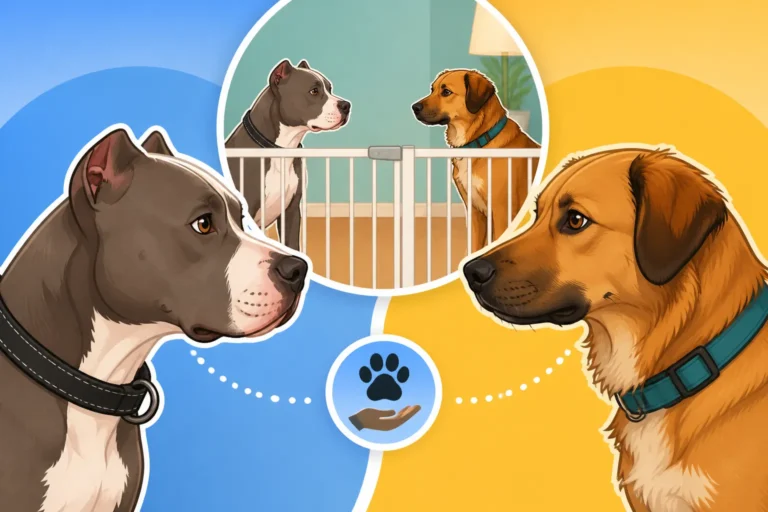
A gradual introduction process helps integrate a new Pit Bull and a resident dog while minimizing stress and managing dog selectivity.
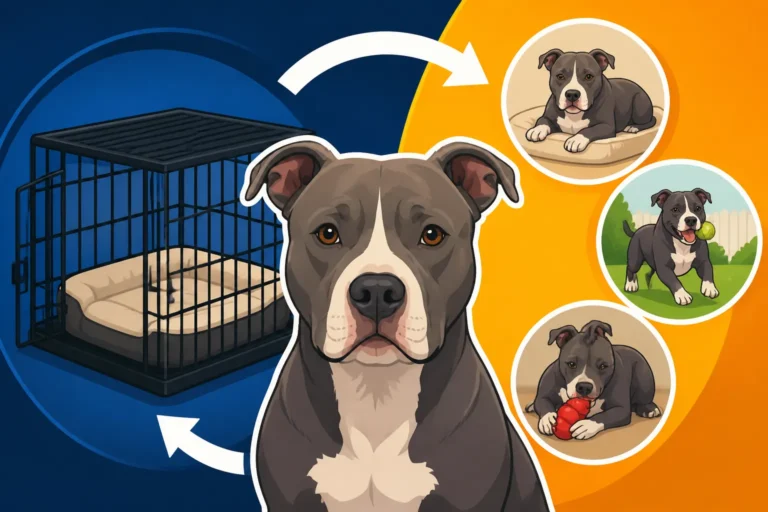
Crate and rotate management for multiple Pit Bulls prevents household dog fights using secure containment and scheduled routines.

Same-sex Pit Bull pairs can trigger serious household conflicts because canine social hierarchies and breed traits amplify resource guarding and rivalry.

Pit Bull dog selectivity and resource competition over toys or food explain why two canines may struggle sharing one home.

Pit Bull dog selectivity typically appears between eighteen months and three years of age during the transition to young adulthood.