What Neutering Does to Pit Bull Behavior
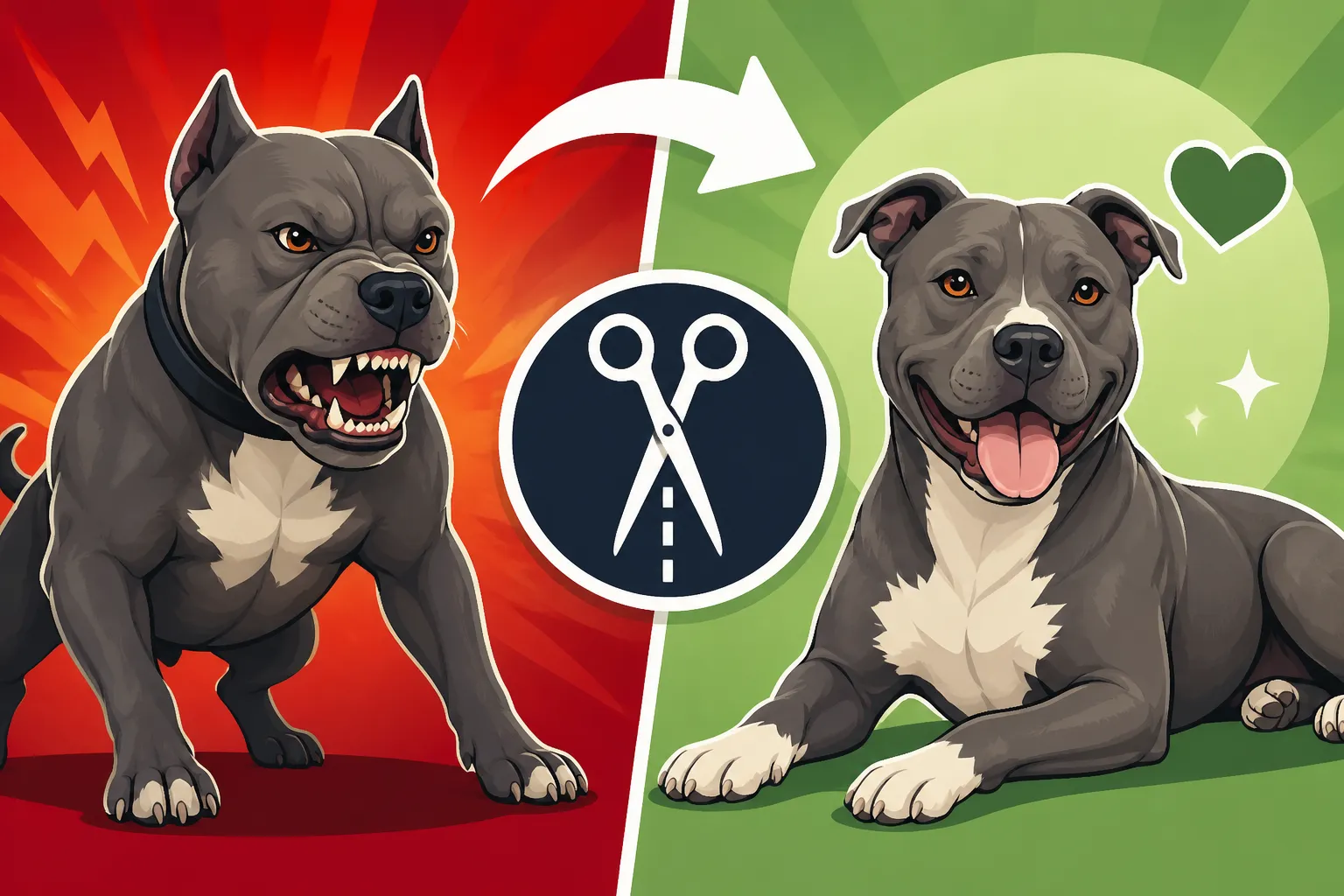
It’s completely normal to wonder what changes might occur in your beloved Pit Bull's behavior after neutering. Many owners come to this decision hoping to curb specific issues like marking, roaming, or even certain types of aggression, but it’s easy to feel uncertain about what to truly expect. This guide will walk you through the real-world impacts of neutering on Pit Bull behavior, separating myths from reality, and helping you understand the factors at play.
Understanding the Hormonal Landscape Before and After Neutering
Before we delve into specific behaviors, it’s important to understand the fundamental shift that neutering brings: a dramatic change in hormone levels. For male dogs, this primarily means the removal of the testes, which are the main source of testosterone. This isn't just a physical change; it's a profound biological one that lays the groundwork for potential behavioral adjustments.
The Role of Testosterone in Intact Male Pit Bulls
Testosterone is a powerful hormone, and in intact male Pit Bulls, it plays a significant role in a suite of behaviors often associated with "maleness." We're talking about the instincts that drive a dog to seek out females in heat, mark territory with urine, and often, engage in more assertive, sometimes confrontational, interactions with other intact males. Think about that powerful drive to follow a scent trail for miles, or the way some intact males carry themselves with an almost palpable swagger around other dogs. This isn't just personality; a lot of it is hardwired by those circulating hormones.
It's also a hormone that contributes to the physical development of a Pit Bull, influencing muscle mass and overall robust build. Owners often notice that intact males can have a slightly different look, sometimes a broader head or more pronounced musculature, which is also tied to testosterone. This hormonal influence on both body and behavior means that removing the source of testosterone can have wide-ranging effects, though these effects are never a guarantee, nor are they the sole determinant of a dog’s personality.
How Neutering Alters the Hormonal Balance
When a male Pit Bull is neutered, the production of testosterone from the testes ceases almost immediately. However, it takes time for the existing hormones to clear from the system, and for the dog's brain and body to adjust to this new internal environment. It's not like flipping a switch where behavior instantly changes. The influence of testosterone diminishes over several weeks to months, and during this period, you might begin to observe subtle shifts.
This shift can reduce the biological drive for certain behaviors. For instance, the intense urge to escape the yard to find a female in heat, driven by that powerful hormonal call, largely disappears. The motivation behind marking every vertical surface in your house or yard can also lessen significantly. It's about removing a fundamental, instinctual push. However, it’s crucial to remember that learned behaviors, habits, and personality traits that developed while intact don't just magically disappear with the hormone reduction. If your Pit Bull has a long-standing habit of lifting his leg inside, he'll still need training to unlearn that behavior, even if the hormonal motivation is gone.
Individual Variation in Response to Hormonal Changes
One of the most important things to grasp is that every Pit Bull is an individual. There’s no universal script for how neutering will affect their behavior. Genetics, early socialization, past experiences, and ongoing training all play massive roles that often overshadow the hormonal component. While neutering removes the source of specific hormonal drives, it doesn't erase a dog's history or innate personality.
You might have a Pit Bull whose dominant trait is a strong prey drive, or one who is naturally more anxious. Neutering isn't going to eliminate these fundamental aspects of their temperament. For some dogs, the change is quite noticeable, particularly in hormone-driven behaviors. For others, it might be so subtle you barely perceive it. It often depends on how heavily a particular behavior was influenced by testosterone to begin with. A Pit Bull with a history of strong territorial marking might show significant improvement, while one whose "aggression" was rooted in fear or poor socialization might show little to no change without additional intervention. This is where understanding your individual dog's history and personality is absolutely key.
Specific Behavioral Shifts You Might Observe
Many Pit Bull owners consider neutering for behavioral reasons, and it's certainly true that some changes are common and often welcomed. However, it’s vital to have realistic expectations and understand that not every "problem behavior" is solely hormone-driven.
Positive Changes: Reduced Roaming, Marking, and Reactivity
One of the most frequently cited benefits of neutering is a reduction in behaviors linked directly to the desire to reproduce. Let's face it, having a Pit Bull that's constantly trying to tunnel under the fence or bolt out the door in search of a mate is a huge headache and a safety risk. After neutering, that intense drive to roam diminishes significantly, making escapes far less likely. This doesn't mean your dog won't ever try to wander, especially if he's bored or curious, but the powerful, hormonal "call of the wild" largely fades.
Similarly, scent marking – that tendency to lift a leg on every tree, bush, and sometimes, even your furniture – can decrease. While some neutered males will still mark, particularly in new environments or when feeling insecure, the compulsive, hormone-driven marking often lessens considerably. This can make house-training easier for dogs neutered at a younger age, or reduce frustration for owners of older dogs who have developed the habit.
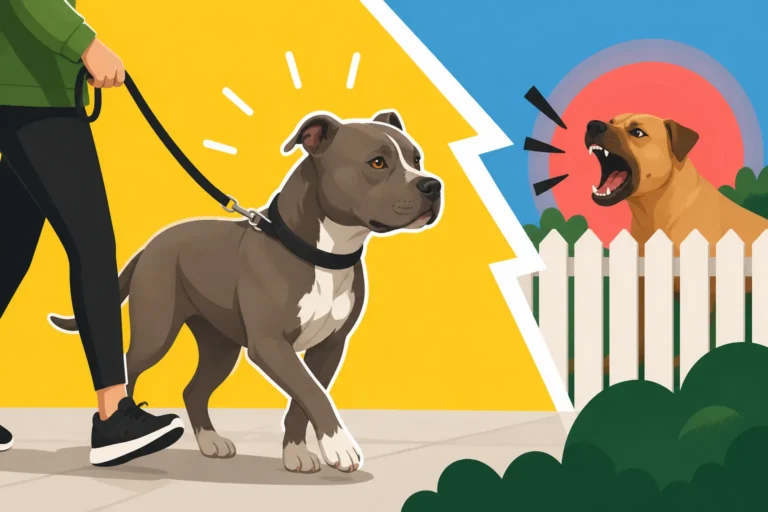
Regarding reactivity towards other intact male dogs, some owners do report a noticeable mellowing. The intense posturing, growling, and sometimes even lunging that can occur between two intact males, often driven by competition and testosterone, might become less frequent or less intense. This can lead to a more relaxed experience on walks and in dog-friendly settings. However, it's important to differentiate this from true aggression rooted in fear or poor socialization, which neutering alone typically won't resolve. For insights into managing leash behavior, you might find Pit Bull Leash Pulling at Fifty Pounds helpful.
Less Desirable Changes or Unaffected Behaviors
While there are many potential positives, it’s also important to understand what neutering doesn't necessarily fix, and even some less desirable, though often temporary, changes. Many owners mistakenly believe neutering will be a magic bullet for all behavioral issues. It won't. Behaviors like jumping on guests, excessive barking at the mail carrier, or destructive chewing when left alone are typically learned behaviors, responses to anxiety, boredom, or a lack of proper training, not primarily hormonal drives. For these issues, consistent positive reinforcement training is paramount.
Some owners also report a temporary increase in shyness or anxiety post-neuter, especially if the dog was already predisposed to these traits. The hormonal shift can impact their confidence levels, leading to a period of adjustment. This is usually transient, but it highlights the need for continued support, routine, and positive experiences during recovery.
It's also worth noting that neutering doesn't usually impact Pit Bull Prey Drive Toward Cats or other small animals. That instinctual drive to chase and capture is largely separate from sex hormones and is deeply ingrained in many terrier-type dogs. If your Pit Bull has a strong prey drive, neutering won't make your cat any safer without diligent training and management.
Impact on Aggression (Reality vs. Myth)
This is perhaps the most contentious and misunderstood area when discussing neutering and behavior. Many people believe neutering is a guaranteed cure for aggression, particularly dog-on-dog aggression or aggression towards humans. The reality is far more nuanced.
Neutering can reduce hormone-driven inter-male aggression, meaning aggression between intact male dogs, often over resources or females. If your Pit Bull's reactivity towards other intact males is largely rooted in territorial or competitive drives, you might see a decrease in intensity or frequency after neutering. However, if the aggression is rooted in fear, poor socialization, pain, or genetics, neutering is unlikely to resolve it and could, in some cases, even exacerbate fear-based behaviors if not managed carefully. The nuance around Pit Bull Dog Selectivity Explained is crucial here; what looks like aggression might be dog selectivity, which is often not solved by neutering.
It's a myth that neutering will cure aggression towards humans. This type of aggression is almost never hormonally driven in a direct way; it's typically a result of fear, resource guarding, pain, or poor handling and training. In fact, if an intact male Pit Bull is showing fear-based aggression, neutering too early could potentially worsen it by removing the confidence-boosting effects of testosterone before the dog has fully matured emotionally. Always consult with a qualified veterinary behaviorist or certified professional dog trainer if you are dealing with aggression. They can help you determine the root cause and develop a comprehensive behavior modification plan.
The Importance of Timing and Individual Temperament
Deciding when to neuter your Pit Bull is just as important as the decision to neuter itself. There’s a lot of debate and evolving research on this topic, particularly for larger, more powerfully built breeds like Pit Bulls. It’s not a one-size-fits-all answer, and a thoughtful discussion with your veterinarian is essential.
The Debate Around Early vs. Late Neutering
For many years, traditional veterinary advice leaned towards early neutering, often between 6-12 months of age. The thinking was that this would prevent unwanted pregnancies, reduce marking, and potentially curb some undesirable behaviors before they became ingrained. However, more recent research, particularly for larger breeds, suggests that waiting until a Pit Bull is more physically mature, allowing them to fully develop, might offer some benefits, especially regarding joint health.
Pit Bulls are muscular dogs, and hormones play a role in the closing of growth plates in bones. Neutering before these growth plates have closed can sometimes lead to longer limb bones, potentially altering joint angles and increasing the risk of conditions like Pit Bull Hip Dysplasia Showing at One to Two Years or Cruciate Ligament Tears in a Muscular Pit Bull later in life. This is why many vets now advocate for waiting until a Pit Bull is closer to 18-24 months of age, or even older, to allow for full skeletal maturity, especially if joint health is a primary concern.
Of course, waiting comes with its own considerations, like managing an intact male's hormonal drives, which could include increased roaming or inter-male reactivity. It's a balance of potential health benefits versus behavioral management challenges. For a deeper dive into this timing, consider reading When to Neuter a Pit Bull Without Costing Joints.
How a Pit Bull's Baseline Temperament Plays a Role
The impact of neutering is never in a vacuum; it always interacts with your Pit Bull's existing temperament. If you have a naturally confident, well-socialized Pit Bull with good manners, neutering might lead to minimal behavioral changes beyond reducing sex-hormone driven urges. His core personality will remain the same.
However, if your Pit Bull is already prone to anxiety, fear, or insecurity, neutering could potentially affect how these traits manifest. For a dog that relies on the confidence boost of testosterone, removing it might, in some rare cases, make an already shy dog even more withdrawn or prone to fear-based reactions. This isn't to say you shouldn't neuter an anxious dog, but it underscores the importance of a holistic approach that includes behavioral support, training, and a stable environment, especially if you opt for neutering. Always observe your dog closely and be prepared to provide extra reassurance or consult a professional if you notice concerning shifts in confidence.
Combining Neutering with Consistent Training
Neutering is a tool in your behavior management toolbox, but it's rarely the only tool. For the best outcomes, it needs to be combined with consistent, positive reinforcement training and thorough socialization from puppyhood. Think of neutering as potentially reducing the motivation for certain behaviors, but training as teaching your dog the alternative acceptable behaviors.
If you neuter your Pit Bull hoping to stop jumping, but never teach him to "sit" for greetings, the jumping will likely continue. If you want to improve his dog-dog interactions, neutering might help reduce some of the hormonal posturing, but you still need to actively work on polite greetings and impulse control. Engaging with a structured training program, perhaps through an online resource like BAXTER & Bella, can provide the guidance needed to reinforce good manners, whether your dog is intact or neutered. This combination approach creates a well-adjusted dog who understands expectations, rather than simply relying on a physiological change.
Beyond the Snip: Holistic Approaches to Pit Bull Behavior
While neutering can certainly be a valuable part of managing certain behaviors in your Pit Bull, it's just one piece of a much larger puzzle. Focusing solely on this surgical procedure without addressing other crucial aspects of your dog's life can lead to frustration and unmet expectations. A truly well-behaved Pit Bull is the result of a comprehensive approach.
The Enduring Power of Training and Socialization
Nothing, absolutely nothing, replaces consistent training and robust socialization for a Pit Bull. These two elements are the bedrock of good behavior, regardless of your dog's hormonal status. Training isn't just about teaching commands; it's about building a common language, establishing trust, and providing your dog with the tools to navigate the human world confidently. This includes basic obedience like sit, stay, and recall, as well as more advanced impulse control exercises. Many Pit Bull owners find immense value in resources like those offered by BAXTER & Bella, which provide structured training programs that can be followed from the comfort of your home.
Socialization, particularly during the critical puppy period, is equally vital. Exposing your Pit Bull puppy to a wide variety of sights, sounds, people, and appropriate dog interactions helps them develop into a confident, resilient adult. Even with an adult rescue Pit Bull, thoughtful and positive exposure to new experiences, at their own pace, can continue to build their comfort levels. Remember, a confident, well-trained dog is less likely to resort to fear-based reactions, which are often mistaken for aggression. You can learn more about this in Socializing a Pit Bull Puppy Thoroughly.
Environmental Management and Lifestyle Adjustments
Sometimes, the simplest solutions lie not in surgery, but in how you manage your Pit Bull's environment and daily routine. For instance, if your intact male is constantly trying to escape the yard, neutering might reduce the drive, but a secure fence (perhaps one you can find supplies for on Amazon) is still your first line of defense. If your Pit Bull is engaging in destructive chewing, addressing boredom with ample exercise and appropriate chew toys can make a huge difference, whether they're neutered or not. Providing mental enrichment through puzzle feeders, scent work, and regular training sessions can satisfy their intelligent minds.
Adequate physical exercise tailored to your Pit Bull's age and fitness level is also crucial. A bored or under-exercised Pit Bull, regardless of neuter status, is far more likely to invent their own "fun" – which often translates to destructive or unwanted behaviors. For a breed known for its energy, exploring options like long walks, runs (once fully grown), or engaging play sessions can be transformative. Consider reading Pit Bull Exercise for a Powerful Athletic Dog for ideas.
When to Seek Professional Guidance
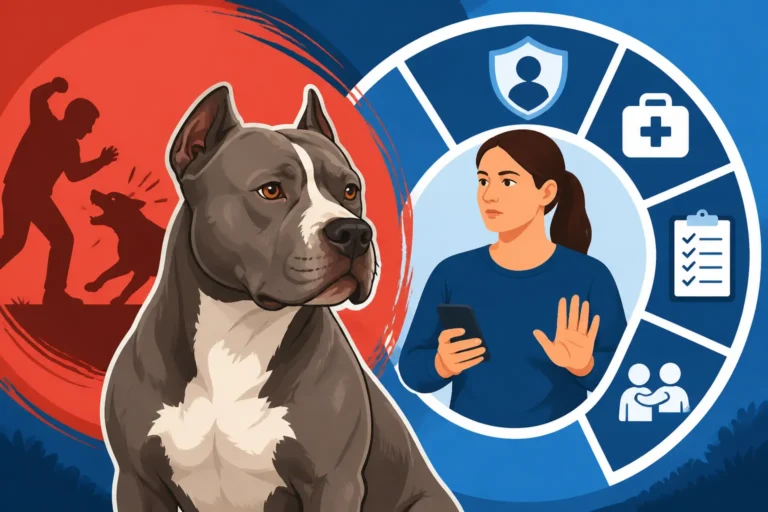
It's important to know when to call in the cavalry. If you're struggling with significant behavioral issues, such as severe anxiety, fear-based aggression, or behaviors that put your dog or others at risk, neutering might be a small piece of the puzzle, but professional intervention is essential. A certified professional dog trainer, a veterinary behaviorist, or a qualified behavior consultant can assess your Pit Bull's specific situation, identify the root causes of the behavior, and develop a customized modification plan.
They can help you navigate complex issues that neutering alone simply cannot address, such as managing profound anxieties, addressing resource guarding, or improving dog-to-dog interactions in a multi-dog household. Don't feel discouraged if you need this help; it's a sign of a responsible and loving owner committed to their Pit Bull's well-being. Sometimes, understanding What to Do If a Pit Bull Is Involved in an Incident can also involve consulting professionals for guidance on management and legal aspects.
Disclaimer
This article is for general informational purposes only and does not constitute professional advice. Laws, prices and regulations vary by location and change over time. Consult a qualified professional for guidance on your specific situation.