Whether an Incident Report Follows a Pit Bull
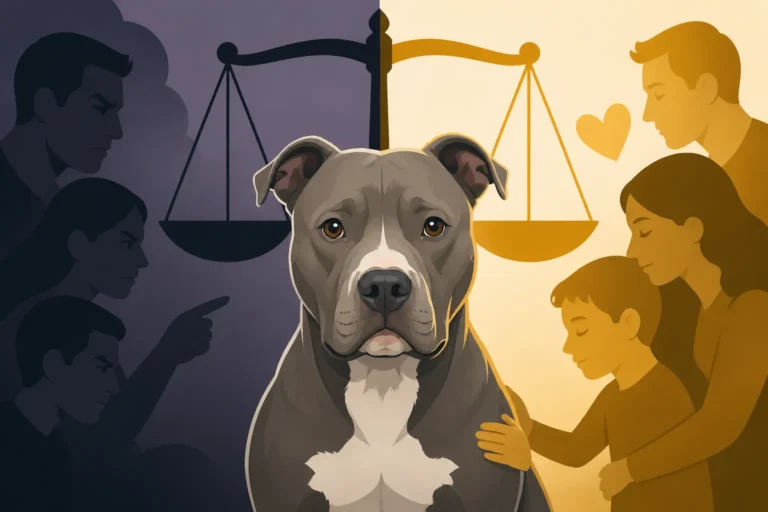
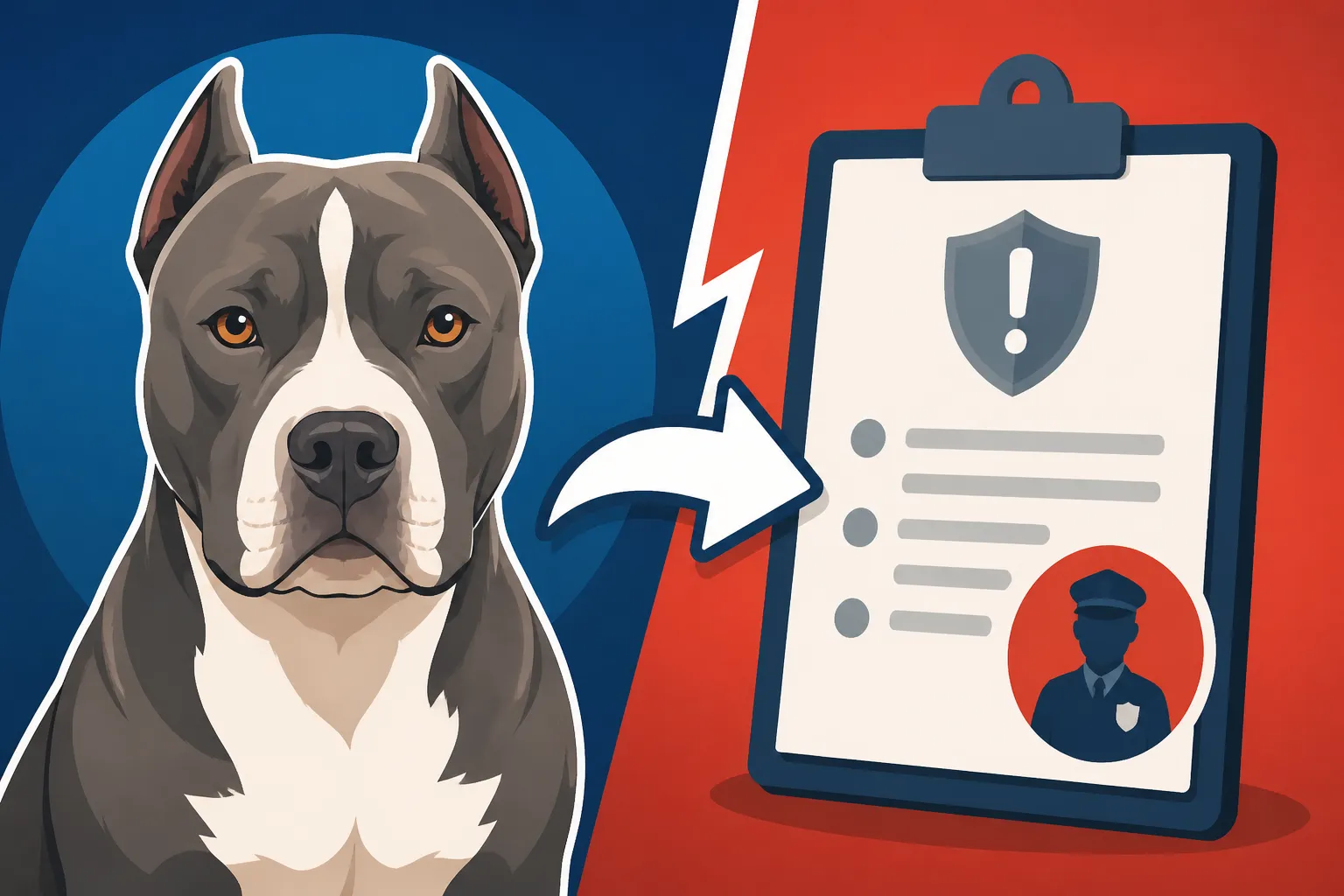
It's a genuine worry for many Pit Bull owners: the fear that one misstep, one misunderstanding, or even an accidental incident could lead to a permanent black mark against their beloved dog. The idea of an official "incident report" following your Pit Bull can feel like a heavy weight, threatening their future housing, insurance, and even their right to be in certain places. This guide is here to shed light on what these reports mean, their potential impact, and how you can proactively manage the situation to protect your Pit Bull.
Understanding Incident Reports and Their Scope
When an incident involving a dog occurs, whether it’s a minor growl that alarms a passerby or something more serious, an official report might be filed. This isn't just a casual note; these reports can carry significant weight and have long-lasting implications for you and your Pit Bull. It’s vital to understand what triggers such reports and who is typically involved in making them official.
What Constitutes a Reportable Incident?
The definition of a "reportable incident" can be surprisingly broad and often depends on local ordinances and the discretion of those involved. It's not always about a bite, though that is certainly the most severe end of the spectrum. Sometimes, it's a dog getting loose from your yard and creating a disturbance, even if no one was harmed. Imagine your Pit Bull, usually a gentle giant, bounding up to a nervous neighbor on their morning walk, tail wagging but perhaps a little too enthusiastically for comfort. If that neighbor feels threatened or is genuinely scared, even without physical contact, they might report it to animal control.
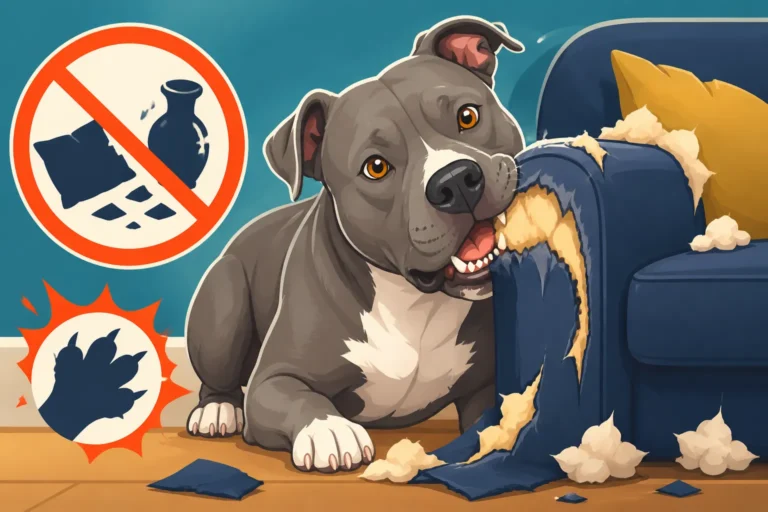
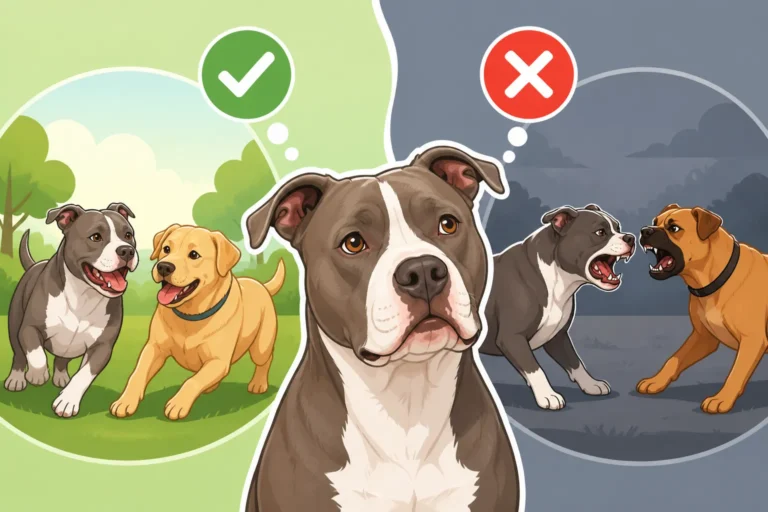
Other examples can include persistent barking complaints, a dog destroying property (like digging under a fence into a neighbor's yard, or damaging shared property in an apartment complex), or even just a perception of aggression from another dog owner. If your Pit Bull has a tense interaction with another dog at the dog park, leading to a loud verbal argument between owners, someone might decide to file a report. This can be especially true if your dog is perceived as a "Pit Bull type" dog, which, unfortunately, often comes with a heightened level of scrutiny.
Who Files These Reports and Why?
Incident reports are primarily filed by official bodies like local animal control, law enforcement, or sometimes by landlords or property managers. However, the initial complaint often comes from private citizens – neighbors, fellow dog owners, mail carriers, delivery drivers, or even visitors to your home. These individuals report an incident because they feel concerned for their safety, the safety of their pets, or simply because they believe a rule or law has been broken.
Once a complaint is made, animal control or law enforcement may investigate. They will gather statements, assess the situation, and determine if local ordinances have been violated. The resulting report becomes a formal record. In some cases, veterinarians might also have a role, particularly if they treat an injury caused by an animal and are mandated reporters for certain types of incidents. This report, once filed, can then be accessed by various parties, and it is this accessibility that creates many of the anxieties for Pit Bull owners regarding their dog's future. For instance, if you've ever had to handle the aftermath of a minor scuffle, you know how quickly things can escalate to an official complaint. What to Do If a Pit Bull Is Involved in an Incident can offer more direct guidance if you ever find yourself in such a challenging situation.
The Impact of an Incident Report on Your Pit Bull
The existence of an incident report can cast a long shadow over your Pit Bull's life, even if the incident itself was minor or a misunderstanding. The consequences can range from difficulty securing housing to skyrocketing insurance premiums, and a general chipping away at public perception. It’s not just about what happened, but how that event is officially recorded and interpreted by others.
How Incident Reports Affect Housing and Leases
This is often one of the most immediate and frustrating impacts of an incident report. Many rental properties, HOAs, and even entire communities have breed-specific legislation or blanket bans on certain dog breeds, and Pit Bulls are frequently at the top of these lists. Even in places without outright bans, landlords or property management companies often have strict policies regarding dogs with a history of incidents. An official report, regardless of its severity, can appear as a red flag on a background check.
Imagine trying to find a new apartment. You fill out the application, you're excited, and then the landlord discovers an incident report from three years ago when your Pit Bull, in a moment of puppy exuberance, jumped on a child, no harm done, but reported as an "uncontrolled animal." Suddenly, that perfect apartment is out of reach. Landlords want to minimize their liability, and a documented incident, however minor, gives them a clear reason to deny your application. Some places have a "one-strike" policy, meaning any reported incident could lead to non-renewal of a lease. It’s a disheartening reality that responsible Pit Bull owners face, often feeling judged before they even get a chance to prove their dog’s true nature. If you're struggling to find suitable accommodation, you might find some useful strategies in Finding a Rental That Takes a Pit Bull.
Insurance Implications for Pit Bull Owners
Beyond housing, insurance is another significant hurdle. Homeowners and renters insurance providers are increasingly scrutinizing dog ownership, and a Pit Bull, unfortunately, often comes with built-in challenges. Many insurance companies maintain "dangerous dog breed" lists, and Pit Bulls are almost universally included. If an incident report exists, it can complicate matters immensely.
An incident report can lead to your current insurer dropping your coverage, refusing to renew your policy, or drastically increasing your premiums. Even if they don't drop you, they might introduce breed-specific exclusions, meaning your Pit Bull would not be covered for any future liability claims. If you're trying to get new insurance, that incident report could make it nearly impossible to find a carrier willing to cover you, forcing you to seek out specialty, and often much more expensive, policies. Some states have laws preventing insurers from refusing coverage based solely on breed, but an incident report provides another justification for denial. It’s a financial strain on top of an emotional one. Learning about Getting Home Insurance With a Pit Bull can help you navigate this complex landscape, and understanding Whether a CGC Title Helps a Pit Bull Policy might offer avenues for mitigation.
The Public Perception After an Incident
While not a formal "consequence," the shift in public perception after an incident report can be incredibly isolating. In communities where an incident has occurred, word spreads. Even if the incident was minor, people tend to remember the "Pit Bull involved in an incident" rather than the details. This can lead to neighbors crossing the street when they see you, other dog owners avoiding you at the park, or whispers among community members.
This heightened scrutiny can make everyday life more challenging. Simple walks become stressful, knowing that every interaction is being watched. It reinforces the negative stereotypes that Pit Bull owners constantly fight against. This is why being hyper-vigilant about your Pit Bull’s behavior and preventing incidents in the first place is so crucial. Even a seemingly small event can snowball into a community-wide perception that makes life difficult for you and your dog.
Mitigating the Effects and Moving Forward
If an incident report has been filed involving your Pit Bull, it's not the end of the road. While the challenges are real, there are proactive steps you can take to mitigate the fallout and work towards a more secure future for your dog. Your immediate actions and long-term commitment to responsible ownership are key.
Documenting Your Pit Bull's Training Record
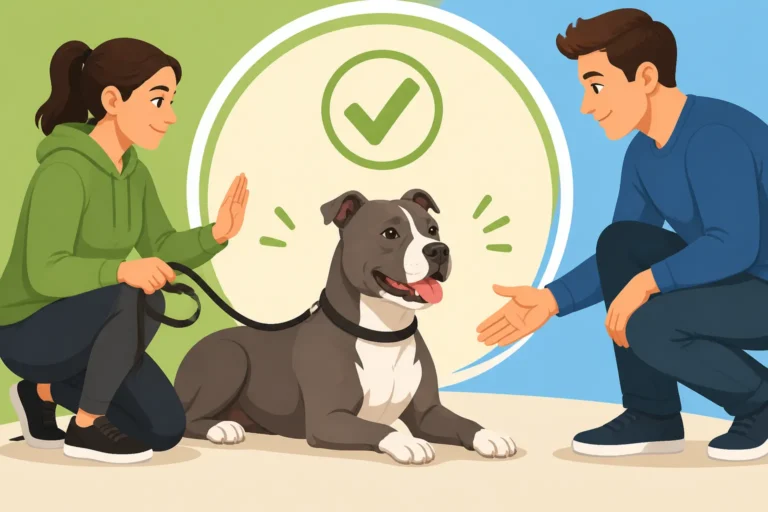
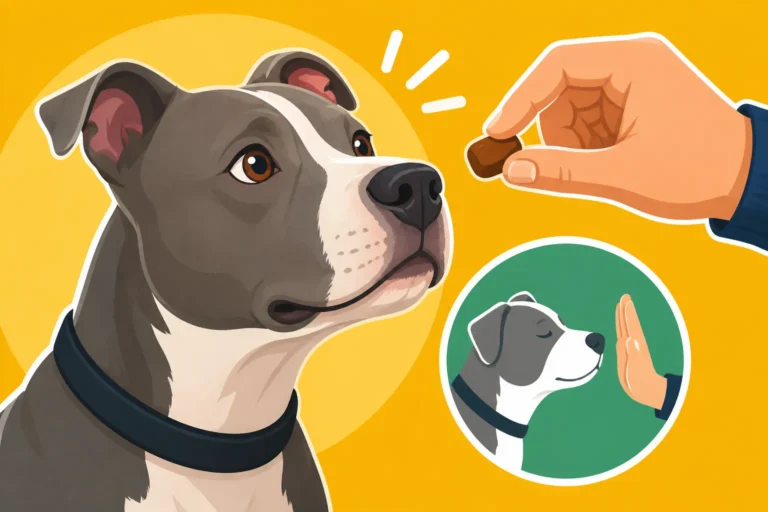
One of the most powerful tools you have is a robust and verifiable training record for your Pit Bull. This isn't just about saying your dog is well-behaved; it's about having tangible proof. Start by enrolling in formal obedience classes, perhaps through a local dog club or an online platform like BAXTER & Bella, which often provides completion certificates. Document everything: class completion certificates, titles from Canine Good Citizen (CGC) tests, and even notes from private training sessions. Documenting a Pit Bull's Training Record is a critical step in building a strong case for your dog's temperament.
This documentation can be invaluable when dealing with landlords, insurance companies, or even local animal control if further issues arise. It demonstrates your commitment to responsible ownership and shows that your Pit Bull has been formally evaluated and trained. For instance, if a potential landlord is hesitant due to an incident report, presenting a binder full of certificates, including a CGC title, can often make a significant difference. It shifts the narrative from a vague "incident" to a dog with a proven track record of good manners and obedience. Always keep these records updated and easily accessible, perhaps even digitizing them for quick sharing.
Seeking Professional Behavioral Help
If your Pit Bull was involved in an incident, especially one related to fear, reactivity, or aggression, seeking help from a certified professional dog trainer or veterinary behaviorist is paramount. This isn't a sign of failure; it's a responsible step towards understanding and addressing the root cause of the behavior. Look for trainers who use positive reinforcement methods and have experience with Pit Bulls and behavior modification. Resources for finding such professionals can often be found through organizations like the Certification Council for Professional Dog Trainers (CCPDT) or the International Association of Animal Behavior Consultants (IAABC). Finding a Trainer Experienced With Pit Bulls is crucial, as their expertise can make all the difference.
A professional can help identify triggers, implement a behavior modification plan, and teach you how to manage your Pit Bull safely and effectively in various situations. They can also provide written evaluations of your dog's progress, which, like training certificates, can serve as valuable documentation. This expert opinion can carry weight with authorities or housing providers, demonstrating that you are actively working to prevent future incidents and that your dog's behavior is being responsibly managed.
Preventing Future Incidents Through Proactive Management
The best way to deal with incident reports is to prevent them from ever being filed. For Pit Bull owners, this means adopting an even higher standard of proactive management and continuous training. Given the societal biases and breed-specific scrutiny, every outing, every interaction, and every moment your Pit Bull is in public (or even visible from public spaces) needs to be carefully considered.
Proactive Management and Safety Protocols
This is where you become your Pit Bull's most diligent advocate and protector. It starts with secure containment. Ensure your yard fencing is robust and regularly checked for weaknesses. If your dog is an escape artist, consider a double-gate system or supervised outdoor time. When out for walks, always use a secure leash and collar or a harness designed for strong pullers. Many owners find front-clip harnesses or head halters purchased from places like Amazon to be incredibly effective for Pit Bull Leash Manners and Physical Strength. Avoid retractable leashes, as they offer little control over a powerful dog.
Consider muzzle training for your Pit Bull, not as a punishment or a sign of an aggressive dog, but as a responsible safety tool. A well-fitted basket muzzle allows your dog to pant, drink, and take treats, making it comfortable for vet visits, crowded public places, or during introductions to new dogs if there's any uncertainty. Muzzle Training Every Pit Bull Should Have is an excellent preventative measure that can prevent escalation of any perceived incident. Always be aware of your surroundings; if you see another dog or person who looks nervous, choose to cross the street or create space. It’s about being proactive, anticipating potential issues, and taking steps to avoid them before they even begin.
Continued Training and Socialization
Training is not a one-time event; it's an ongoing commitment throughout your Pit Bull's life. Consistent practice of basic obedience commands like "sit," "stay," "come," and "leave it" builds a strong foundation. But for a Pit Bull, going beyond the basics is often beneficial. Work on advanced impulse control exercises, teaching your dog to calmly wait for permission rather than reacting immediately. Enroll in advanced obedience classes or consider dog sports like agility or scent work, which provide mental stimulation and reinforce good behavior. These activities also look great on a training record!
Socialization, too, is a lifelong process. It doesn't mean letting your Pit Bull greet every dog or person they see. Instead, it means exposing them to a variety of sights, sounds, people, and appropriate dog interactions in a controlled, positive manner. This builds confidence and helps them learn to respond calmly to new stimuli. However, it's crucial to understand your dog's individual preferences. If your Pit Bull prefers the company of people over other dogs, or is "dog selective" after maturity, respect that. Managed exposure, where your dog can observe others from a comfortable distance, is more valuable than forced, stressful interactions. Attending Pit Bull obedience class can be an investment that pays dividends in peace of mind. Remember, the goal is a confident, well-adjusted dog who can navigate the world calmly, reducing the chances of any situation escalating to a reportable incident. If you're managing a multi-dog home, understanding concepts like Pit Bull Dog Selectivity and Multi-Dog Homes becomes especially important.
Comparative Actions and Potential Outcomes
Taking proactive steps is crucial when an incident occurs or to prevent future ones. Here's a quick look at various actions and their potential influence.
| Incident Type (Example) | Owner Action (Example) | Potential Outcome if Report Filed | Mitigating Factor/Proactive Step |
|---|---|---|---|
| Dog barks aggressively at neighbor | Ignore, no training | Neighbor files complaint; verbal warning from animal control | Enroll in training; document progress; professional help |
| Dog gets loose, chases a person/car | Unsecured yard, no recall training | Animal control issues citation; potential "dangerous dog" designation | Secure fencing; robust recall training; always on leash outdoors |
| Dog bites (minor, no broken skin) | No vet visit for other party, no follow-up | Formal report, mandatory quarantine; possible "dangerous dog" hearing | Immediate first aid; offer to cover vet bills; seek professional behaviorist |
| Dog growls/snaps at child (no contact) | Dismiss as "just a warning" | Report to child protective services or animal control; potential removal | Muzzle training; strict supervision; professional behavior consult |
| Dog damages neighbor's property | Deny responsibility, no compensation | Animal control investigation; civil suit; property damage citation | Offer to repair damage; secure containment; manage destructive chewing |
Disclaimer
This article is for general informational purposes only and does not constitute professional advice. Laws, prices and regulations vary by location and change over time. Consult a qualified professional for guidance on your specific situation.