Pit Bull Vaccine Reactions
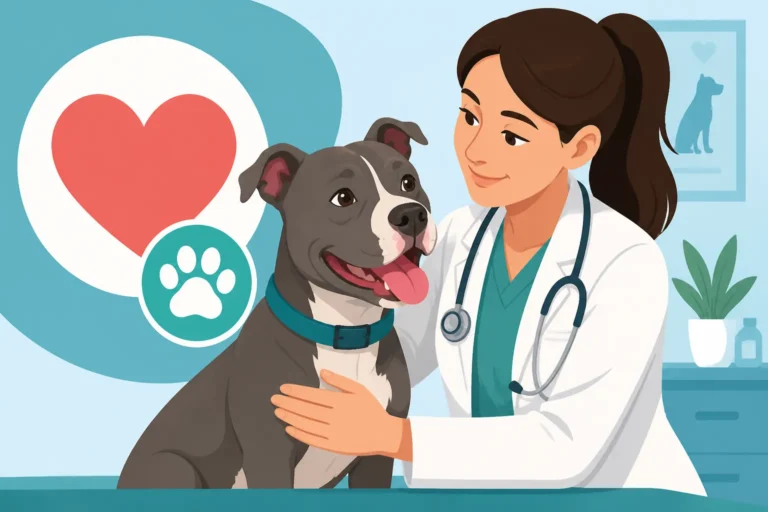
It's incredibly worrying when you take your beloved Pit Bull to the vet for what should be a routine vaccination, only for them to come home feeling under the weather, or worse, develop a more serious reaction. Understanding why these reactions happen, what they look like, and most importantly, what you can do about them, is crucial for any Pit Bull owner navigating their dog's health. This guide will walk you through the ins and outs of vaccine reactions, from the mildest sniffles to the most severe emergencies, and help you prepare for a safer future.
Understanding Common Vaccine Reactions in Pit Bulls
Vaccinations are an essential part of keeping our Pit Bulls healthy, protecting them from a whole host of serious, often deadly, diseases. However, just like in people, dogs can sometimes have a less-than-ideal response to these protective shots. It's not always a cause for panic, but knowing the signs and distinguishing between a common, mild reaction and something more serious is key.
Mild, Localized Reactions
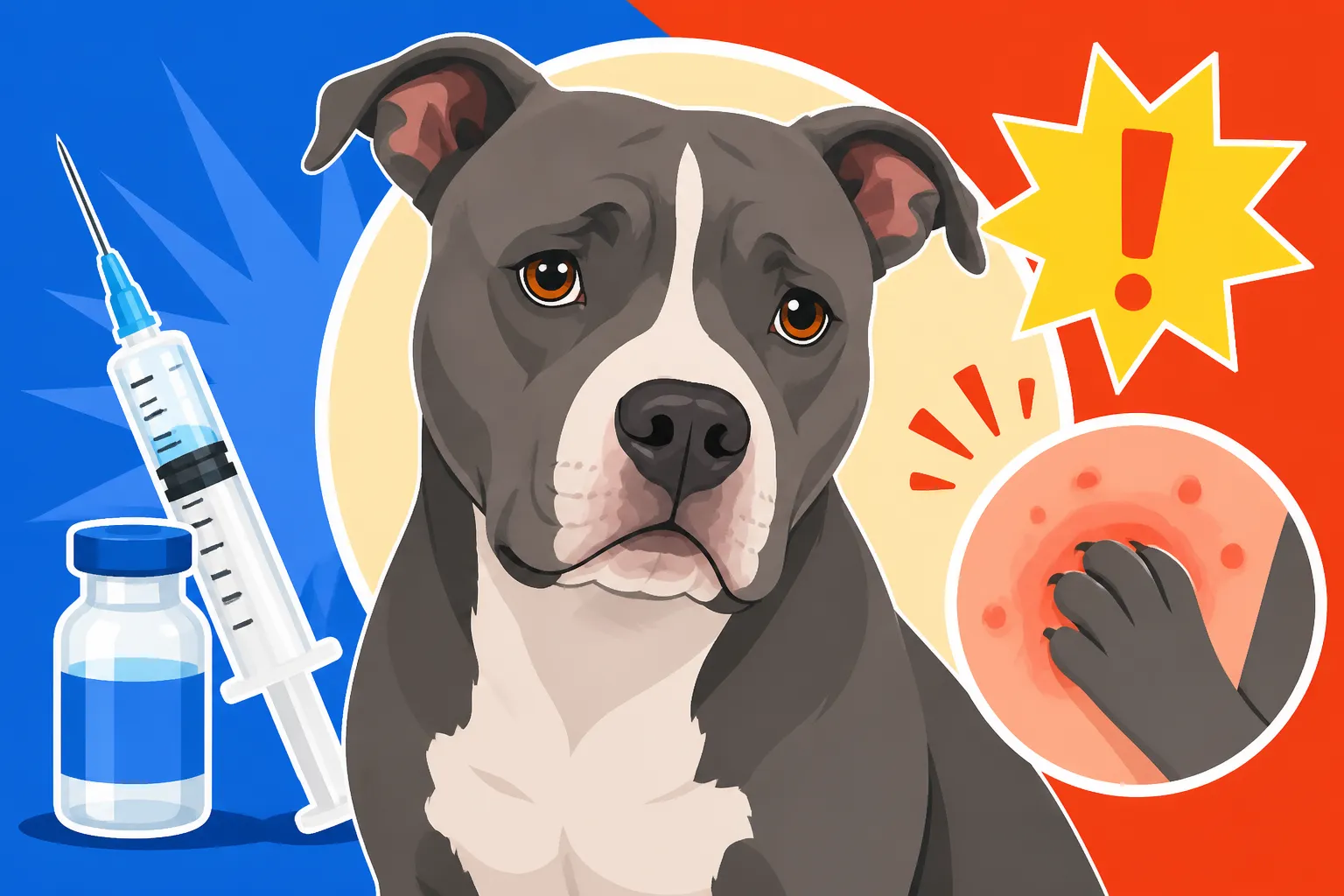
These are by far the most common type of reactions, and thankfully, they usually resolve on their own with a little time and comfort. Think of it like getting a flu shot yourself – sometimes you just feel a bit off afterward. Your Pit Bull might experience some tenderness, swelling, or a small bump at the injection site. This is their body's immune system doing its job, reacting to the vaccine and building immunity. The lump might feel a little warm to the touch and could even be slightly itchy, leading your dog to try and lick or rub it.
Beyond the immediate injection site, you might notice your Pit Bull seems a bit tired or lethargic. They might sleep more than usual, seem less enthusiastic about playtime, or just generally be a bit subdued. A slight fever is also possible, which can contribute to that sleepy feeling. Sometimes, they might even have a decreased appetite, perhaps refusing a meal or only picking at their food. This general malaise usually kicks in within a few hours of the vaccine and typically fades within a day or two. While it's certainly not fun to see your dog feeling down, these mild reactions are generally not serious and indicate that their immune system is working exactly as it should be.
Systemic Body-Wide Reactions
While less common than localized reactions, systemic reactions affect the whole body and can be a bit more concerning. These aren't usually life-threatening but definitely warrant a call to your veterinarian. These reactions can manifest in a variety of ways, extending beyond just the injection site. You might notice more pronounced lethargy or a fever that seems to linger longer than 24-48 hours. Your Pit Bull might become noticeably quiet, withdrawn, and perhaps even shiver or tremble.
One common systemic reaction is gastrointestinal upset. Your Pit Bull might experience vomiting or diarrhea, or both. This can be particularly distressing to witness, especially if your dog has a sensitive stomach to begin with. It's important to monitor them closely for signs of dehydration if this occurs. Some dogs might also develop generalized itchiness or hives, where small, raised red bumps appear all over their body, often starting on the belly or inner thighs. This can look a lot like other allergic reactions, such as those seen in Pit Bull Skin Allergies and the Atopy Pattern. These symptoms often start within a few hours to a few days after vaccination. If you observe any of these signs, it's always best to contact your vet for advice. They might recommend specific medications or simply want to check your dog over to ensure everything is okay.
Severe Allergic Responses Anaphylaxis
Now, this is the one every owner dreads, and for good reason. Anaphylaxis is a severe, life-threatening allergic reaction that requires immediate veterinary intervention. While thankfully rare, it can happen rapidly, sometimes within minutes of a vaccine being administered. This is why vets often ask you to stay in the waiting room for 15-30 minutes after your dog's shots.
The signs of anaphylaxis are dramatic and escalate quickly. You might see sudden, severe facial swelling, especially around the muzzle, eyes, or ears. Your Pit Bull's gums might turn pale, indicating a drop in blood pressure. They may experience severe vomiting and diarrhea, collapse, or have difficulty breathing, which could manifest as gasping, wheezing, or very rapid, shallow breaths. Their heart rate might race, or they might become extremely weak and unresponsive. In some cases, a Pit Bull might even suffer from seizures. This isn't just a "feeling unwell" situation; this is a full-blown emergency where every second counts. If you see any of these signs, you need to get your Pit Bull to an emergency vet immediately. Do not wait to see if it improves. These are definitive Emergency Signs That Cannot Wait in a Pit Bull.
Why Pit Bulls Might Be More Prone to Reactions
It’s natural to wonder if Pit Bulls, with their unique genetics and robust build, are somehow more susceptible to vaccine reactions than other breeds. While there’s no definitive scientific consensus stating that Pit Bulls are more prone than every other breed, their sturdy immune systems and genetic background do play a role in how they respond to various stimuli, including vaccines.
Genetic Predispositions and Breed-Specific Traits
Pit Bulls, like many purebred and even mixed-breed dogs, can have certain genetic predispositions that influence their health, including their immune response. For example, some lines of Pit Bulls may have a slightly more reactive immune system, which could theoretically lead to a more pronounced response to a vaccine. While it's not a universal trait across all Pit Bulls, individual dogs within the "Pit Bull type" umbrella – which often includes American Pit Bull Terriers, American Staffordshire Terriers, and Staffordshire Bull Terriers – can inherit sensitivities. These aren't always specific to vaccines but rather reflect a broader immune system characteristic.
Another factor might be their active lifestyles. A healthy, robust Pit Bull often has a very active immune system, which can respond vigorously to the antigens in a vaccine. This isn't necessarily a bad thing, as it means they are building strong immunity, but the visible signs of that response might be more noticeable. Discussing your dog’s specific lineage and any known family health issues with your vet can provide valuable context when planning their Pit Bull Puppy Vaccination and Parvovirus schedule.
Over-Vaccination Concerns
The concept of "over-vaccination" is a topic that comes up frequently in discussions about vaccine reactions, and it’s a valid concern for many Pit Bull owners. While vaccines are critical, administering too many vaccines at once, or vaccinating for diseases that aren't prevalent in your area or necessary for your dog's lifestyle, can potentially increase the load on their immune system.
For adult dogs, the shift from annual boosters to three-year protocols for core vaccines (like distemper, adenovirus, parvovirus, and rabies) has been a positive step in reducing the frequency of vaccinations. For puppies, however, multiple rounds of shots are still necessary to ensure robust immunity. If your Pit Bull puppy is getting multiple vaccines in one visit, it's worth discussing with your vet whether spreading them out over separate appointments might be a safer approach, especially if they've had a history of feeling particularly rough after shots. This doesn't mean skipping vaccines, but rather optimizing the timing and combination. It's a balance between comprehensive protection and minimizing potential stress on the immune system.
The Role of Overall Health and Immune System
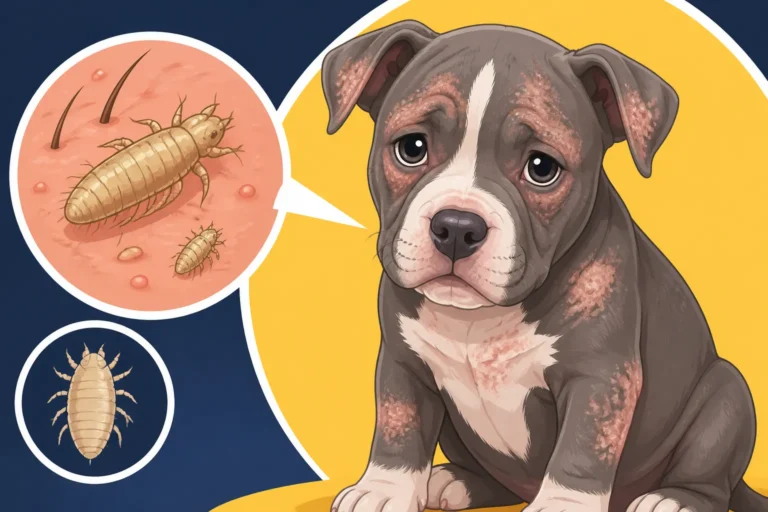
A Pit Bull's overall health plays a significant role in how they react to vaccines. A dog that is already feeling unwell, is stressed, or has an underlying health issue might be more likely to experience a reaction. For instance, a Pit Bull battling chronic allergies, dealing with a parasite infestation requiring Year-Round Parasite Cover for a Pit Bull, or recovering from a recent illness might have a compromised immune system that makes them more sensitive.
Before any vaccination, your vet should perform a thorough physical examination to ensure your Pit Bull is healthy enough for the shots. This includes checking their temperature, listening to their heart and lungs, and generally assessing their demeanor. If your dog seems even slightly off, or if they’ve been experiencing any unusual symptoms like A Pit Bull That Refuses Food for a Day, it's crucial to bring it up. A healthy, well-nourished dog with a strong immune system is generally better equipped to handle the immune challenge presented by a vaccine with minimal side effects. Maintaining excellent nutrition and a low-stress environment can contribute to their resilience.
| Reaction Type | Symptoms | Onset Time | Severity | Action Needed |
|---|---|---|---|---|
| Mild/Localized | Soreness, swelling, small lump at injection site, mild lethargy, decreased appetite, low-grade fever | Within hours | Low | Monitor, comfort, notify vet if persistent |
| Systemic (General) | More pronounced lethargy, persistent fever, vomiting, diarrhea, hives, generalized itchiness, trembling | Hours to 1-2 days | Moderate | Contact vet for advice, possible medication |
| Severe/Anaphylaxis | Facial swelling, pale gums, severe vomiting/diarrhea, collapse, difficulty breathing, seizures | Minutes to 1 hour | Life-Threatening | IMMEDIATE EMERGENCY VET CARE |
What to Do If Your Pit Bull Has a Vaccine Reaction
It's one thing to know about vaccine reactions, but it's another to know exactly what to do when your own Pit Bull is exhibiting symptoms. Your quick, informed response can make all the difference, especially in severe cases.
Immediate Steps for Mild Reactions
If your Pit Bull is experiencing only mild, localized reactions or general mild lethargy, the most important thing is to keep a close eye on them. Provide a quiet, comfortable space for them to rest. Offer plenty of fresh water, and if they're willing to eat, stick to their regular food, perhaps a bit softened if they seem tender. You might offer a bland diet if they're experiencing a slightly upset stomach, like plain boiled chicken and rice, but don't force it if they're not interested.
Check the injection site gently. If there's a small lump, a cool compress might offer some comfort, but avoid rubbing it vigorously. Note down the time the symptoms started and how severe they seem. If they persist beyond 24-48 hours, or if you notice any worsening, a call to your regular vet is in order. They might recommend an over-the-counter antihistamine like Benadryl (ensure it's plain diphenhydramine with no other active ingredients) and will provide precise dosing instructions based on your Pit Bull's weight. Never give human medication without consulting your vet first.
When to Seek Emergency Veterinary Care
There's a clear line between mild discomfort and a true emergency. If you observe any signs of a severe allergic reaction, such as rapid or extreme facial swelling, difficulty breathing (gasping, wheezing, blue-tinged gums), sudden collapse, profuse vomiting and diarrhea, or seizures, you need to act immediately. Do not call your regular vet first unless they are literally minutes away and open. Instead, locate the nearest emergency veterinary clinic and head there without delay.
Call the emergency clinic while you're on the way to let them know you're coming and what symptoms your Pit Bull is experiencing. This allows them to prepare for your arrival. Time is critical in anaphylactic shock. The faster your Pit Bull receives medical attention, including epinephrine, IV fluids, and other supportive care, the better their chances of a full recovery. Don't worry about whether you're overreacting; it's always better to be safe than sorry when it comes to potentially life-threatening reactions. Keep the address and phone number of your nearest emergency vet readily accessible.
Discussing Future Vaccination Protocols
After any vaccine reaction, whether mild or severe, it's imperative to have a detailed discussion with your veterinarian before your Pit Bull's next round of shots. Your vet will update your Pit Bull's medical records with the specifics of the reaction, including which vaccine was administered and the exact symptoms. This information is critical for planning future vaccinations.
For dogs with a history of mild reactions, your vet might recommend separating vaccinations into individual appointments, giving one vaccine at a time with a few weeks in between, rather than multiple shots at once. For those who experienced more significant systemic reactions, or certainly anaphylaxis, your vet might suggest pre-medicating before future vaccines. This could involve administering an antihistamine or a corticosteroid (like prednisone) an hour or two before the appointment to blunt the immune response. In some severe cases, they might even discuss titre testing, which measures the level of antibodies in your Pit Bull's blood to see if they still have protective immunity from previous vaccines, potentially allowing you to skip a booster altogether. This helps address whether What a Pit Bull Health History Should Cover includes prior reactions. This detailed approach ensures that your Pit Bull gets the protection they need while minimizing the risk of adverse events.
Preventing and Managing Vaccine Reactions
While some reactions are unpredictable, there are proactive steps you can take as a Pit Bull owner to minimize the risk and manage any potential issues effectively. This isn't about avoiding vaccines, but about smart, informed vaccination practices.
Spreading Out Vaccinations
One of the most practical strategies to reduce the likelihood of a vaccine reaction, especially for Pit Bulls with a known sensitivity or those receiving multiple vaccines, is to spread out the vaccinations. Instead of giving the rabies, distemper/parvo, and leptospirosis vaccines all on the same day, your vet might suggest scheduling them a few weeks apart.
For example, you could get the core distemper/parvo vaccine one week, and then return two to four weeks later for the rabies shot. This gives your Pit Bull's immune system time to respond to one set of antigens before being introduced to another. It might mean a few extra trips to the vet, but for a dog who's had a rough experience with combined shots, it can be well worth the effort and peace of mind. This strategy is especially useful for The Vaccine Schedule for a Shelter Pit Bull Puppy where their history might be unknown.
Pre-Medication Options
For Pit Bulls with a history of moderate vaccine reactions (like hives or significant lethargy), your veterinarian might recommend pre-medicating them before future vaccinations. The most common pre-medication is an antihistamine, such as diphenhydramine (Benadryl). Your vet will provide the correct dosage for your Pit Bull's weight and instruct you to administer it orally about an hour or two before the vet appointment.
In some cases, particularly for more severe past reactions that weren't quite anaphylactic, your vet might even prescribe a short course of corticosteroids to be given before the vaccine. These medications help to dampen the immune system's inflammatory response, reducing the chances of an adverse reaction. Remember, always follow your vet's specific instructions for any pre-medication, as improper dosing can have its own risks. Your vet might even suggest administering the vaccine and monitoring your Pit Bull at the clinic for a longer period if pre-medication is used, especially if you have pet insurance like Healthy Paws which can help with unexpected vet bills.
Monitoring After Vaccination
The work doesn't stop once the shot is given. Monitoring your Pit Bull closely after vaccination is paramount, especially for the first 24-48 hours. When you bring your Pit Bull home, keep them in a calm, familiar environment. Avoid strenuous exercise, exciting visitors, or new stressors immediately after their shots.
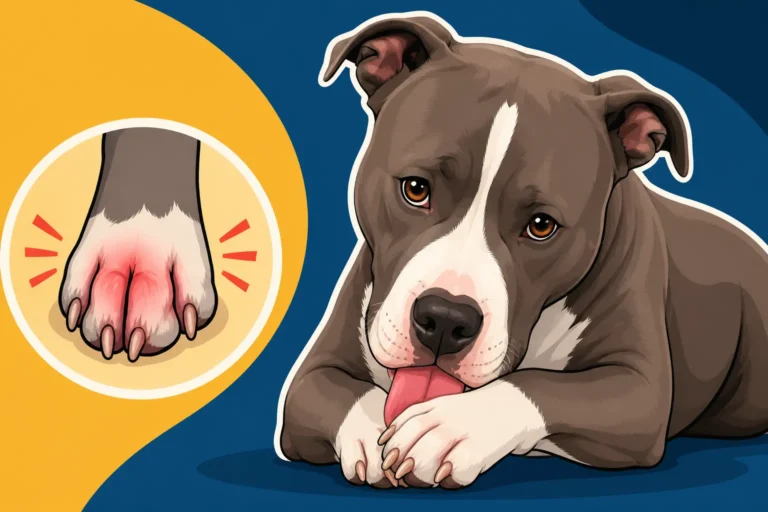
Observe them for any changes in behavior, appetite, or energy levels. Check the injection site periodically for swelling or tenderness. If you notice anything out of the ordinary, even if it seems minor, make a note of it. Keep your vet's number handy, along with the number for your nearest emergency clinic. Being vigilant allows you to catch any potential reactions early, giving you the best chance to intervene effectively. Even a seemingly small thing, like persistent paw licking and chewing, could be a subtle sign of discomfort or a developing issue. If you're covered by pet insurance, such as Healthy Paws, it's good to know that routine check-ups and follow-ups are often a covered expense.
Disclaimer
This article is intended for informational purposes only and does not constitute veterinary advice. Always consult with a qualified veterinarian for any health concerns or before making any decisions about your Pit Bull's care or treatment. Individual reactions to vaccines can vary, and professional guidance is essential.