Pit Bull Cataracts and Eye Problems
There’s nothing quite like looking into your Pit Bull’s bright, expressive eyes. They communicate so much – joy, curiosity, sometimes a little bit of mischief. So, when those eyes start looking a little off, it's completely natural to feel a pang of worry. Eye problems, from subtle irritation to more serious conditions like cataracts, can be distressing for both you and your beloved companion. This guide is here to walk you through the various eye issues Pit Bulls can face, helping you understand the signs, when to seek help, and what to expect from diagnosis and treatment.
Understanding Pit Bull Eye Health Challenges
Our Pit Bulls are known for their robust health and vibrant energy, but like any breed, they have their specific predispositions, and eye health is an area where proactive observation truly pays off. You might not think of a Pit Bull as having particularly delicate eyes, but certain conditions can certainly crop up, causing discomfort and potentially impacting their quality of life if not addressed promptly. It's about being tuned into the subtle cues our stoic companions often give us.
Why Eye Problems Can Be Especially Concerning in Pit Bulls
Pit Bulls are incredibly visual dogs, relying heavily on their eyesight for communication, play, and navigating their world. Their expressive faces, often with large, dark eyes, are a cornerstone of their appeal and personality. When something affects their vision or causes chronic discomfort in their eyes, it can significantly alter their demeanor, making them hesitant during walks, less enthusiastic about fetch, or even more withdrawn. It's heartbreaking to see them struggle with something so fundamental to their everyday joy. Plus, some eye conditions can be quite painful, and a Pit Bull, known for its stoicism, might not vocalize its discomfort until the issue is quite advanced. This makes vigilant observation even more critical for us as their caregivers. We need to be their advocates, noticing the small changes before they become big problems.
General Signs to Watch For in Your Pit Bull's Eyes
Being attentive to your Pit Bull's eyes on a daily basis is the first line of defense. You don't need to be an ophthalmologist, just a keen observer. Common symptoms are often shared across various eye conditions, making it important to note any deviation from normal. Look for things like persistent redness in the whites of their eyes or around the eyelids, which can indicate inflammation or infection. Any change in discharge from their eyes is also a red flag – while a little clear discharge can be normal, excessive tearing, or discharge that is thick, yellow, or green, signals a problem.
Squinting or holding one eye partially closed might suggest pain or sensitivity to light, often linked to corneal abrasions or foreign bodies. If your Pit Bull starts rubbing their face excessively on furniture or pawing at their eyes, they're likely trying to alleviate irritation. A sudden cloudiness or a change in the color of the eye itself – perhaps a bluish-white haze over the pupil – should always prompt a call to your vet. Don't forget behavioral changes too; if your usually confident dog is bumping into familiar objects, seems disoriented in dim lighting, or is suddenly reluctant to navigate stairs, their vision might be compromised. Remember that even a seemingly minor symptom can escalate quickly, especially with eye issues.
Common Pit Bull Eye Conditions Beyond Cataracts
While cataracts are a significant concern, they are far from the only eye issue that can affect our Pit Bulls. There's a whole host of other conditions that can cause discomfort, impair vision, and demand our attention. Being aware of these can help you spot potential problems sooner rather than later, giving your vet a head start on treatment.
Cherry Eye Explained in Pit Bulls
Cherry eye, while it sounds almost charming, is anything but for your Pit Bull. It occurs when the third eyelid gland, normally tucked away neatly in the corner of the eye, pops out and becomes visible. This gland is crucial for tear production, contributing a significant portion of the eye's lubricating tears. When it prolapses, it looks like a small, reddish mass, often described as a "cherry," sitting at the inner corner of your dog's eye.
Pit Bulls, along with several other breeds like Beagles, Bulldogs, and Boston Terriers, are known to be genetically predisposed to this condition. It's often seen in younger dogs, typically under two years old, but can occur at any age. The exposed gland can become dry, inflamed, and easily irritated, leading to discomfort, persistent tearing, and a higher risk of secondary infections. If you notice a cherry eye, it's important to get it addressed quickly, as prolonged exposure can damage the gland and impair its ability to produce tears. Surgical repositioning, rather than removal, is the preferred treatment to preserve tear function. If you're looking into comprehensive care, understanding What a Pit Bull Health History Should Cover can help you track such genetic predispositions and past treatments.
Entropion and Ectropion in Pit Bull Eyes
Eyelid abnormalities like entropion and ectropion are also seen in Pit Bulls, and they can cause chronic irritation or dryness. Entropion is a condition where the eyelid, usually the lower one, rolls inward, causing the eyelashes and fur to constantly rub against the surface of the eye (the cornea). Imagine having a constant eyelash in your eye, and you start to understand the discomfort! This constant friction can lead to chronic irritation, excessive tearing, redness, corneal ulcers, and even scarring, potentially affecting vision over time. You might notice your Pit Bull squinting, pawing at their eye, or having thick discharge.
On the flip side, ectropion is when the eyelid rolls outward, creating a droopy appearance. This leaves the delicate conjunctiva (the pink membrane lining the eyelid) exposed to the elements, making the eye more susceptible to dryness, dust, and foreign debris. While often less immediately painful than entropion, chronic exposure can lead to conjunctivitis and infections. Both conditions are often congenital, meaning dogs are born with a genetic predisposition to them. In many cases, surgical correction is required to reposition the eyelids and prevent ongoing damage and discomfort. For more in-depth information on specific eyelid issues, check out our guide on Entropion in a Pit Bull.
Conjunctivitis and Eye Infections
Conjunctivitis, commonly known as "pink eye," is an inflammation of the conjunctiva, the clear membrane that lines the inside of your Pit Bull's eyelids and covers the white part of the eyeball. This is one of the most frequent eye problems veterinarians see, and it can affect Pit Bulls just like any other dog. The symptoms are pretty classic: redness, swelling, discharge, and often a lot of blinking or pawing at the eye.
The causes can vary widely. It could be due to allergies, much like how humans get seasonal allergies, and this can be particularly common if your Pit Bull suffers from wider environmental sensitivities. If you’ve ever dealt with Pit Bull Skin Allergies and the Atopy Pattern, you know how frustrating chronic inflammation can be. Bacterial or viral infections are also common culprits, often producing thicker, pus-like discharge. Foreign bodies, like a speck of dirt or a grass seed, can irritate the eye and lead to conjunctivitis, as can chemical irritants like shampoo or smoke. Sometimes, it's a secondary symptom of another underlying eye condition, like dry eye (keratoconjunctivitis sicca) where insufficient tears are produced.
Diagnosis usually involves a thorough eye exam by your vet, sometimes with a fluorescein stain to check for corneal ulcers. Treatment depends on the cause: antibiotics for bacterial infections, anti-inflammatory drops for allergies, or removal of foreign bodies. If your vet suspects allergies, they might recommend strategies similar to those used for chronic ear issues, which you can learn more about in Pit Bull Ear Infections and What Drives Them. Timely treatment is key to preventing discomfort and potential complications like corneal damage.
Diving Deep into Pit Bull Cataracts
Cataracts are a condition that many dog owners, especially those with aging companions, become familiar with. It's a progressive clouding of the eye's lens, and for our active, engaged Pit Bulls, it can significantly impact their ability to see and interact with the world around them. Understanding what they are, why they happen, and how they manifest is vital for providing the best care for your furry friend.
What Exactly Are Cataracts and How They Affect Vision
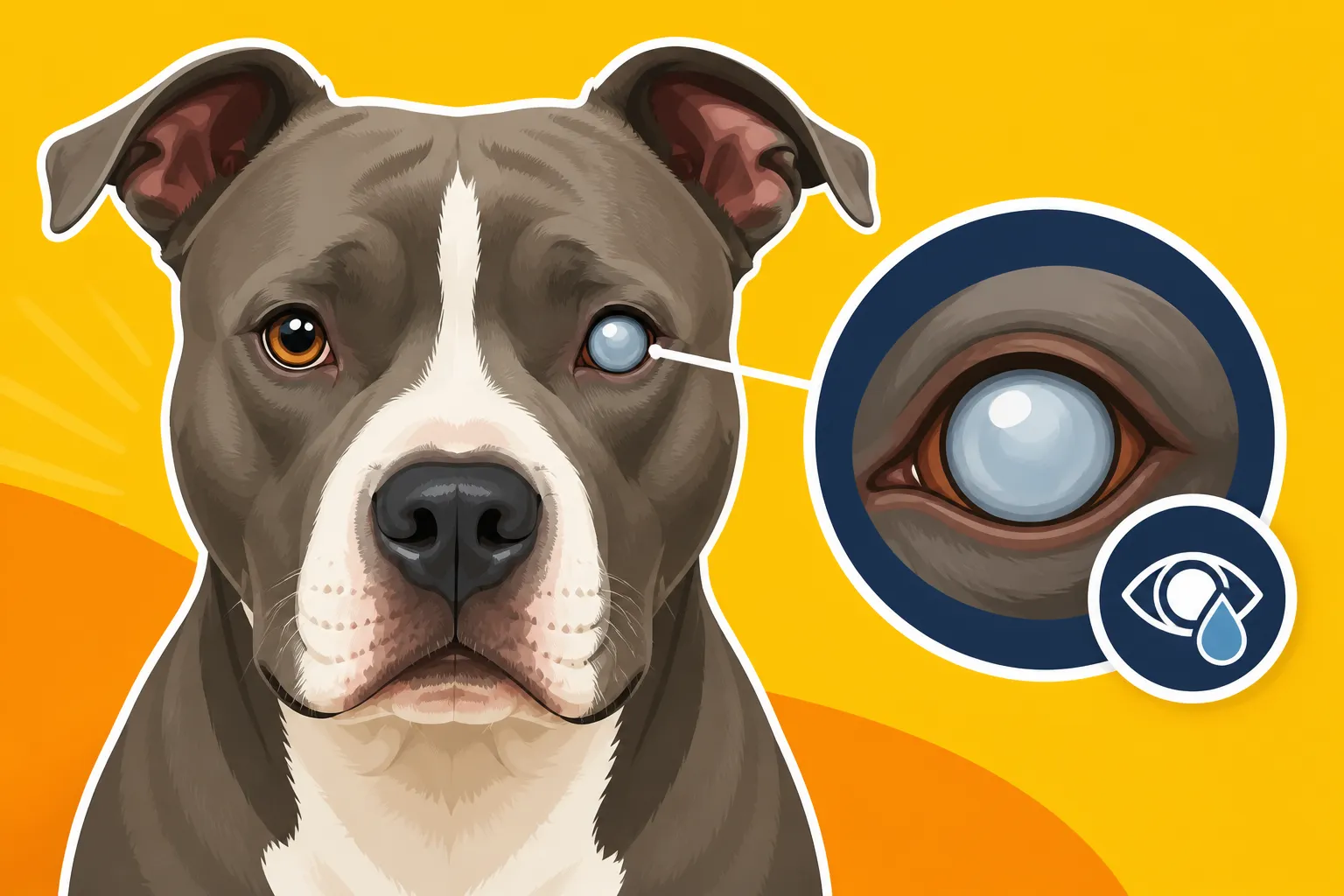
At its simplest, a cataract is an opacity or cloudiness that develops within the lens of your Pit Bull's eye. The lens, normally a clear, transparent structure located behind the iris (the colored part of the eye), is responsible for focusing light onto the retina at the back of the eye, much like a camera lens. When a cataract forms, it essentially creates a "haze" or obstruction within this lens, preventing light from passing through cleanly.
Initially, a cataract might be small and only affect a tiny portion of the lens, having little to no impact on your dog's vision. At this stage, you might notice a very slight cloudiness if you look closely, often more visible in certain light. As the cataract progresses, it becomes larger and denser, blocking more and more light. This is when vision truly starts to deteriorate. Imagine looking through a frosted window or a smudged camera lens – that's akin to what your Pit Bull might experience. Their world becomes increasingly blurry, making it difficult to discern shapes, distances, and even familiar faces. In advanced stages, known as mature cataracts, the entire lens becomes opaque, leading to complete blindness in that eye. This can be incredibly disorienting and frightening for a dog, especially one as confident and energetic as a Pit Bull.
Causes and Risk Factors for Cataracts in Pit Bulls
Cataracts aren't just one thing; they can have several different origins, some of which our Pit Bulls are more susceptible to. Understanding these causes helps us appreciate why diligent veterinary care is so important.
One of the most common causes, particularly in Pit Bulls, is genetics. There are instances of juvenile cataracts, where dogs are born with them or develop them very early in life, sometimes before they even reach two years old. This points to a clear inherited component, highlighting the importance of responsible breeding practices and asking about parental eye health when acquiring a puppy.
Another significant cause of cataracts is diabetes mellitus. Dogs with uncontrolled or poorly managed diabetes are highly prone to developing cataracts, often rapidly. The excess glucose in their bloodstream diffuses into the lens, where it's converted into sorbitol. Sorbitol then accumulates, drawing water into the lens, which disrupts the lens fibers and leads to clouding. If your Pit Bull has been diagnosed with diabetes, eye checks become an even more critical part of their routine care. Regular bloodwork, as discussed in The Bloodwork an Old Pit Bull Should Have, can sometimes catch early signs of metabolic issues that might predispose them to eye problems.
Age-related (senile) cataracts are also a factor. Just like humans, as dogs get older, the lens can naturally become less transparent. This is a very gradual process, often starting with a diffuse haziness called nuclear sclerosis (which we'll discuss differentiating from true cataracts shortly). While not all older dogs develop significant cataracts, the risk increases with age.
Other, less common causes include trauma to the eye (a direct blow or puncture), inflammation within the eye (uveitis), nutritional deficiencies in puppies, or exposure to certain toxins or radiation. Sometimes, cataracts can develop secondary to other eye diseases, like glaucoma.
Given the potential costs associated with managing conditions like diabetes or eventual cataract surgery, many Pit Bull owners find value in pet insurance. Companies like Healthy Paws often cover unexpected illnesses, including metabolic diseases that can lead to cataracts, and can offer significant relief when those big vet bills arrive.
Recognizing Cataract Symptoms in Your Pit Bull
Spotting cataracts early can be tricky because the initial changes are subtle, and our dogs are remarkably good at compensating for gradual vision loss. However, with careful observation, you can identify the signs.
The most obvious visual sign is a cloudy, bluish-white, or grayish appearance in the pupil of your Pit Bull's eye. Unlike the clear, dark pupil you're used to, it might look like a milky film has developed. This cloudiness can start small and then spread, eventually encompassing the entire lens. It's often easiest to spot in bright light or when your dog is looking towards a light source.
Beyond the physical appearance of the eye, behavioral changes are critical indicators. As their vision declines, you might notice your Pit Bull starting to bump into furniture, doorframes, or other objects in familiar surroundings, especially when lighting is poor (e.g., at dusk or dawn). They might become hesitant to jump off the couch or navigate stairs, misjudging distances. You might see them moving more slowly or cautiously than usual, particularly in new environments. They may also startle more easily if approached from their blind side, as they're relying more on their hearing and smell. If your Pit Bull is nearing their senior years, and you're noticing changes like these, alongside others like hearing loss, our guide on An Old Pit Bull Losing Sight and Hearing might offer further insights.
It's important to differentiate cataracts from nuclear sclerosis, which is a normal, age-related change in the lens that often appears as a bluish-gray haze in the pupils of older dogs (typically over 6-8 years old). Unlike cataracts, nuclear sclerosis doesn't significantly impair vision because light can still pass through the hardened lens fibers. A vet can easily distinguish between the two during an eye exam using an ophthalmoscope. While both can give the eye a cloudy appearance, nuclear sclerosis doesn't progress to blindness, whereas cataracts do. So, if you see cloudiness, don't panic immediately, but definitely schedule that vet visit!
Diagnosis and Treatment Options for Pit Bull Eye Problems
When you notice something amiss with your Pit Bull's eyes, the first and most important step is a visit to your veterinarian. Self-diagnosing or waiting it out can lead to more severe problems or even permanent damage, especially with conditions that progress rapidly. A thorough professional examination is crucial for pinpointing the exact issue and developing an effective treatment plan.
The Veterinary Examination and Diagnostic Tools
Your regular veterinarian is typically the first point of contact for any eye concerns. They will perform a comprehensive eye examination, which usually begins with a visual inspection, looking for redness, swelling, discharge, or any obvious abnormalities in the eyelids or surrounding tissues. They will likely use an ophthalmoscope to peer into the eye and examine the lens, retina, and optic nerve for any cloudiness, inflammation, or other issues. This is how they can differentiate between nuclear sclerosis and a true cataract.
Beyond the basic visual exam, several diagnostic tools help get a clearer picture. A Schirmer tear test measures tear production, which is essential for diagnosing dry eye syndrome (keratoconjunctivitis sicca), a condition that can mimic or contribute to other eye problems. Tonometry is used to measure the intraocular pressure (pressure inside the eye), crucial for diagnosing glaucoma, a painful condition that can lead to blindness if not treated quickly. If a corneal ulcer is suspected, your vet will apply a fluorescein stain to the eye; this dye adheres to any damaged areas on the cornea, making them glow under a special light.
Sometimes, underlying systemic conditions can manifest as eye problems. For instance, if cataracts are suspected, especially in a younger dog, your vet might recommend blood tests to screen for diabetes or other metabolic disorders. These diagnostic steps are invaluable, and it’s good to know that many pet insurance providers, like Healthy Paws, typically cover the costs associated with these diagnostic procedures, easing the financial burden during an already stressful time.
Managing Non-Cataract Eye Conditions
Treatments for eye conditions other than cataracts are diverse and depend heavily on the specific diagnosis. Most involve some form of medication, lifestyle adjustments, or surgical intervention.
For common issues like conjunctivitis, treatment might range from simple saline flushes to clean the eye, to prescription eye drops or ointments. If a bacterial infection is present, antibiotic drops will be prescribed. For allergic conjunctivitis, anti-inflammatory drops or oral antihistamines might be used. It's often recommended to keep the eye clean and free of irritants during recovery.
Conditions like cherry eye almost always require surgical intervention. The goal is to reposition the prolapsed gland back into its normal anatomical position and suture it in place, preserving its vital tear-producing function. Removal of the gland is generally avoided because it can lead to chronic dry eye later in life. Similarly, entropion and ectropion are corrected surgically. A specialized procedure called blepharoplasty reshapes the eyelid to ensure it sits correctly, preventing irritation or exposure. Post-operative care for these surgeries often involves a strict regimen of eye drops, pain medication, and the dreaded E-collar (cone of shame) to prevent your Pit Bull from rubbing or scratching the surgical site.
For issues like corneal ulcers or injuries, treatment might involve antibiotic drops, pain relief, and sometimes even a contact lens to protect the healing eye. The recovery period is crucial, and consistent application of medications as directed by your vet is paramount. If you suspect any emergency eye signs, such as sudden blindness or extreme pain, remember that Emergency Signs That Cannot Wait in a Pit Bull should always prompt an immediate vet visit.
Cataract Surgery and Post-Operative Care
For Pit Bulls suffering from significant vision impairment due to cataracts, surgery is often the most effective solution. This isn't just about restoring vision; it's about improving their quality of life, allowing them to navigate their world confidently and joyfully once more.
The gold standard for cataract removal in dogs is a procedure called phacoemulsification. This highly specialized surgical technique involves using an ultrasonic probe to break up the cloudy lens into tiny fragments, which are then suctioned out of the eye. After the natural lens material is removed, an artificial intraocular lens (IOL) is typically implanted to restore clearer vision. This is the same procedure used in humans, demonstrating the advanced level of veterinary ophthalmology available today.
Cataract surgery is generally recommended when the cataracts are mature or hypermature, meaning they are significantly impacting your Pit Bull's vision and quality of life. The decision to proceed with surgery also considers your dog's overall health, as they need to be healthy enough to undergo general anesthesia. While the success rate is high, it's a delicate procedure, and potential risks, though rare, include glaucoma, retinal detachment, or infection.
Post-operative care is absolutely critical to the success of the surgery and preventing complications. This is a commitment for the owner and typically involves:
- A strict regimen of eye drops: Often several different types, applied multiple times a day for several weeks or even months. This can be challenging but is non-negotiable for healing and preventing inflammation.
- Oral medications: Including anti-inflammatories and sometimes antibiotics.
- An Elizabethan collar (E-collar): Your Pit Bull will need to wear one consistently for several weeks to prevent them from rubbing or pawing at their eyes, which could cause serious damage.
- Restricted activity: No running, jumping, rough play, or stairs for a designated period to allow the eye to heal without strain. This can be tough for an energetic Pit Bull, but gentle leash walks are usually permitted.
- Regular follow-up appointments: With the veterinary ophthalmologist to monitor healing and adjust medications.
While cataract surgery can be a significant investment, the return in your Pit Bull's improved quality of life is immeasurable. Pet insurance, such as a plan from Healthy Paws, can be a lifesaver here, covering a substantial portion of the surgical costs, making this vital procedure more accessible for many families. It truly alleviates some of the financial stress during an already emotionally taxing time.
Prevention and Long-Term Eye Care for Your Pit Bull
Preventing eye problems entirely might not always be possible, especially with genetic predispositions, but proactive care can go a long way in maintaining your Pit Bull's eye health and catching issues early. It’s about creating a routine of vigilance and wellness that benefits their whole body, not just their eyes.
Proactive Steps for Maintaining Eye Health
The best offense is a good defense, and that holds true for your Pit Bull's eyes. Integrating a few simple habits into your routine can make a big difference in preventing issues and spotting them before they become serious.
Firstly, regular veterinary check-ups are paramount. These aren't just for vaccinations; your vet performs a thorough physical exam, which always includes a basic eye check. They might catch subtle changes you've missed. Consider discussing eye health specifically during your annual visit, especially as your Pit Bull ages. If you are caring for an older dog, our guide on Caring for a Pit Bull in Its Second Decade emphasizes the importance of these routine checks as they age.
A balanced diet and proper hydration are also foundational. Good nutrition supports overall health, including the health of ocular tissues. Ensure your Pit Bull is on a high-quality dog food appropriate for their life stage and activity level, and always has access to fresh, clean water. Good hydration helps maintain tear production and keeps eyes lubricated.
Protecting their eyes from trauma is another key step. Pit Bulls love to explore and play, which means they might run through tall grass, dense brush, or rough terrain. Be mindful of environments where foreign objects like grass awns, thorns, or branches could poke their eyes. After outdoor adventures, take a moment to gently wipe their eyes clean and check for any debris. Even activities like playing fetch with hard, irregular objects could pose a risk if not supervised carefully. Just as we consider appropriate dental chews to prevent broken teeth, as outlined in Pit Bull Dental Disease and Hard Chewing, we should consider safe play that protects their eyes.
Finally, a simple daily habit of visually inspecting your Pit Bull's eyes can be invaluable. Look at them when they're relaxed. Are they clear? Are the pupils dark and equal? Is there any excessive tearing or discharge? Notice if they're squinting or pawing at their face. The more familiar you are with their normal appearance, the quicker you'll spot something out of the ordinary.
The Importance of Early Intervention
We often talk about "early detection," and it's a mantra for a reason, especially with eye conditions. Many eye problems, if left untreated, can progress rapidly, leading to increased pain, more complex and expensive treatments, and sometimes irreversible vision loss. A small corneal abrasion can quickly become a deep, infected ulcer. A mild case of conjunctivitis can turn chronic. The longer you wait, the more severe the problem tends to become.
Think of it this way: your Pit Bull can't tell you in words that their eye hurts or that their vision is blurring. They rely on you to observe and act. If you notice any of the signs we've discussed – redness, discharge, squinting, cloudiness, rubbing, or behavioral changes – don't delay. A phone call to your vet is always warranted. They might simply reassure you, or they might advise you to come in, but either way, you'll have peace of mind knowing you're being proactive. Early intervention often means simpler, less invasive treatments, quicker recovery times, and a better prognosis for your Pit Bull's long-term eye health and vision.
Genetic Screening and Responsible Breeding
When it comes to certain eye conditions, particularly cataracts that appear early in a Pit Bull's life (juvenile cataracts) or specific structural abnormalities like entropion, genetics can play a significant role. This is where responsible breeding practices become critical in minimizing the prevalence of these issues.
Reputable breeders will actively screen their breeding stock for hereditary eye diseases. One common screening program is the OFA Eye Certification Registry (CAER) exams, previously known as CERF. This involves a board-certified veterinary ophthalmologist examining the eyes of potential breeding dogs for any signs of inherited eye conditions. Only dogs that pass this comprehensive eye exam, indicating they are free of detectable hereditary eye diseases, should be used for breeding.
When looking for a Pit Bull puppy, don't hesitate to ask breeders about their health testing protocols. A responsible breeder should be transparent and willing to share the results of CAER exams (or similar certifications from other registries) for both the puppy's parents. They should also be able to discuss the eye health history of their dog's lineage. While these tests don't guarantee a puppy will never develop an eye problem, they significantly reduce the risk of inherited conditions. This commitment to health screening is a hallmark of a responsible breeder, much like other important health tests discussed in What Testing a Pit Bull Breeder Should Have Done. By supporting breeders who prioritize genetic health, you're not just getting a healthier puppy; you're helping to improve the overall health of the Pit Bull population.
Common Pit Bull Eye Conditions At a Glance
To help you keep track of the various eye issues your Pit Bull might encounter, here's a quick overview of some of the conditions we've discussed, their key symptoms, and typical treatment approaches. Remember, this table is for informational purposes only and is not a substitute for professional veterinary advice.
| Condition | Key Symptoms | Typical Treatment |
|---|---|---|
| Cataracts | Cloudy, bluish-white or gray pupil; bumping into objects; hesitant movement; vision loss. | Surgical removal (phacoemulsification) with artificial lens implant. |
| Cherry Eye | Red, swollen "cherry" mass in inner corner of eye; excessive tearing; discharge. | Surgical repositioning of the prolapsed gland. |
| Entropion | Eyelid rolls inward; excessive tearing; redness; squinting; chronic irritation; ulcers. | Surgical correction to turn eyelid outward. |
| Ectropion | Eyelid rolls outward; droopy appearance; chronic dryness; irritation; conjunctivitis. | Surgical correction to turn eyelid inward; lubricating drops. |
| Conjunctivitis | Redness of whites of eyes/eyelids; discharge (clear, yellow, green); squinting; swelling. | Eye drops/ointments (antibiotics, anti-inflammatories); allergy management; removal of foreign bodies. |
| Corneal Ulcer | Squinting; pain; excessive tearing; red eye; visible defect on cornea (with stain). | Antibiotic drops; pain relief; protective contact lens; sometimes surgery for deep ulcers. |
| Dry Eye (KCS) | Thick, sticky discharge; chronic redness; irritation; cloudy cornea; frequent infections. | Tear stimulant drops (e.g., cyclosporine); artificial tears; anti-inflammatory medication; surgery in severe cases. |
| Glaucoma | Red, painful, swollen eye; dilated pupil; cloudy cornea; sudden blindness; head pressing. | Emergency treatment to reduce eye pressure; medications; sometimes surgery; often manages, not cures. |
Disclaimer
The information provided in this article is intended for general informational purposes only and does not constitute veterinary medical advice. Always consult with a qualified veterinarian for any health concerns or before making any decisions related to your Pit Bull's care. Never disregard professional veterinary advice or delay seeking it because of something you have read here.