Pit Bull Chewing Through a Wire Crate
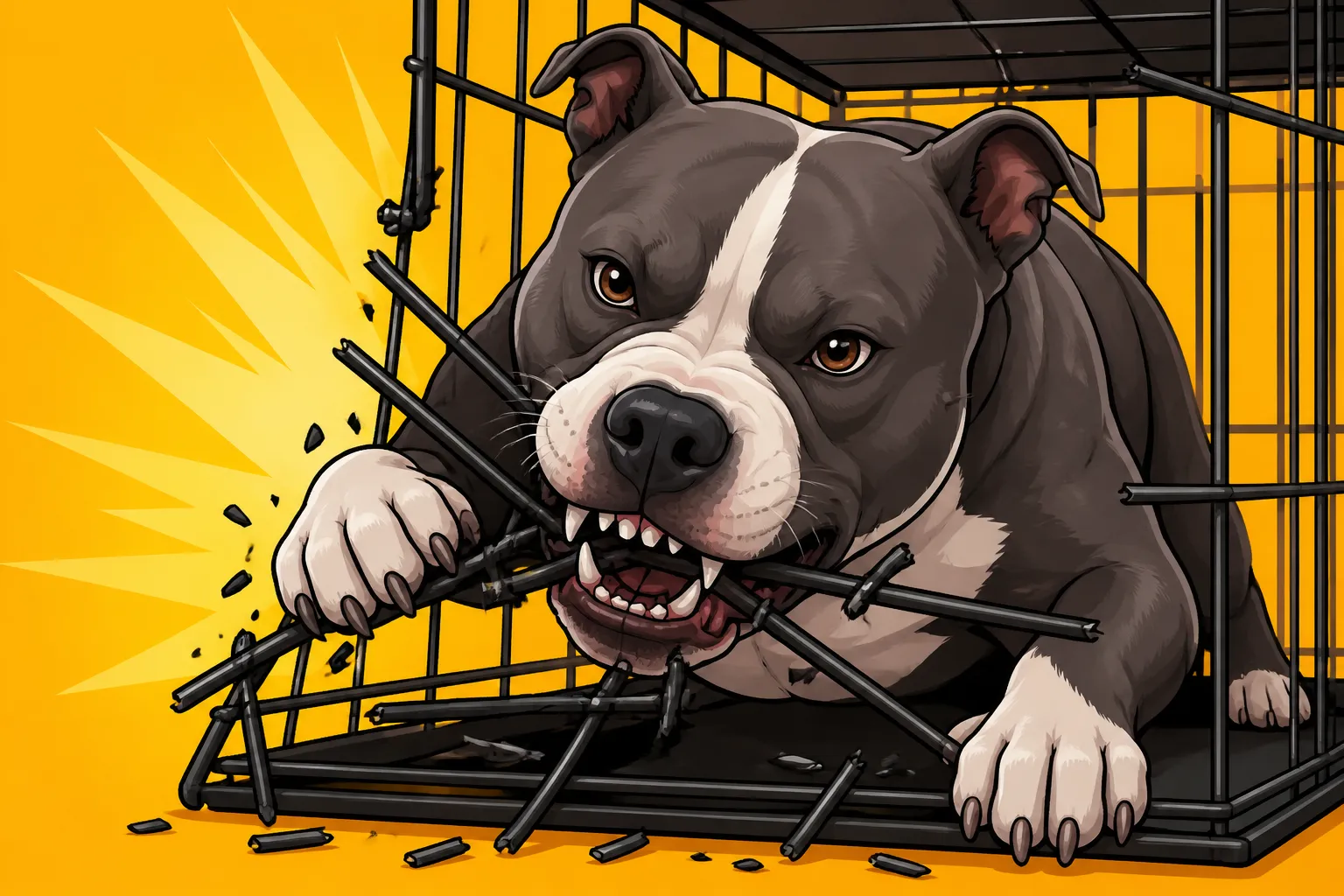
It's incredibly frustrating, not to mention alarming, to come home and find your strong, determined Pit Bull has managed to chew through what you thought was a secure wire crate. This isn't just about property damage; it's a serious safety concern for your dog, who could injure themselves on sharp metal edges or even escape. This comprehensive guide will help you understand why your Pit Bull might be turning their crate into a demolition project, identify the inherent dangers, and provide actionable strategies to prevent further destruction and keep your beloved companion safe and secure.
Understanding Why Your Pit Bull Chews Through Wire Crates
When your Pit Bull starts chewing on their wire crate, it's rarely out of pure spite or a desire to be naughty. Instead, it's usually a clear signal that something isn't quite right. These powerful dogs, known for their strong jaws and determined personalities, can make short work of even seemingly sturdy barriers if their underlying needs aren't met. Pinpointing the root cause is the first critical step toward finding a lasting solution.
Anxiety and Stress as a Driving Force
One of the most common reasons a Pit Bull might chew through a wire crate is underlying anxiety. This isn't just mild nervousness; we're talking about genuine distress that can manifest as destructive behavior when left alone. Separation anxiety is a significant culprit here. A dog suffering from this condition experiences intense panic when their primary human leaves, leading to frantic attempts to escape or self-soothe through chewing. The crate, which is supposed to be a safe den, becomes a barrier trapping them in their distress. You might see other signs of separation anxiety, such as excessive barking, pacing, house-soiling, or drooling when you're gone. The chewing isn't aimed at destroying the crate itself, but at getting out of the situation causing the overwhelming fear.
Beyond separation anxiety, other stressors can contribute. Perhaps there's been a recent change in your home environment, like a new routine, moving to a new house, or the absence of another pet or family member. These shifts can throw a sensitive Pit Bull off balance, leading them to act out in ways they wouldn't normally. The crate, in these instances, might be seen as an additional source of confinement when they feel unsettled and need to move or express their discomfort. It's their way of saying, "I'm not okay, and I need to get out of here."
Boredom and Lack of Mental Stimulation
Pit Bulls are intelligent dogs with a surprising need for mental engagement. If they're regularly left in a crate without enough to occupy their minds, boredom can quickly set in. For a smart, powerful breed, boredom isn't just a slight inconvenience; it can be a profound source of frustration. Imagine being locked in a room with nothing to do for hours on end – you'd probably start looking for ways to entertain yourself, too! For a Pit Bull, that entertainment often involves their mouth and their incredible jaw strength. Chewing is a natural, self-rewarding behavior for dogs. When there are no appropriate outlets, the crate itself becomes the most accessible target.
This isn't just about physical activity, though that plays a huge role. It's about mental puzzles, training, and engaging their problem-solving skills. A dog who is mentally under-stimulated will seek out novel ways to pass the time, and dismantling their enclosure provides a compelling challenge. Think of it as an extreme form of canine fidgeting. The act of chewing releases endorphins, making it feel good, which only reinforces the behavior. If your dog isn't getting enough opportunities to "think" during the day, they'll invent their own games, and those games might involve a wire crate.
Unmet Physical Exercise Needs
Pit Bulls are athletic, powerful dogs that need a substantial amount of physical exercise to stay happy and healthy. If your Pit Bull isn't getting enough opportunities to burn off their energy before being crated, that pent-up energy has to go somewhere. And often, it goes into destructive chewing. A dog that's been properly exercised is more likely to settle down and rest in their crate, rather than feeling restless and looking for an outlet for their vigor. This isn't about running for five minutes; it's about engaging their body in a meaningful way that leaves them tired but content.
Consider your Pit Bull's breed type; whether it’s an American Pit Bull Terrier, an American Staffordshire Terrier, or a Staffordshire Bull Terrier, these dogs were bred for endurance and strength. A brisk walk around the block might be a good start for many dogs, but for a Pit Bull, it's often just a warm-up. They need vigorous activity—think fast-paced fetch, long runs, or active play sessions—that truly tires them out, both physically and mentally. If they're put in a crate with a full tank of energy, they're going to try to empty it, and chewing is a powerful way to do so. This is a common issue that contributes to broader Pit Bull Chewing and Destructive Behavior.
Puppy Teething and Exploratory Chewing
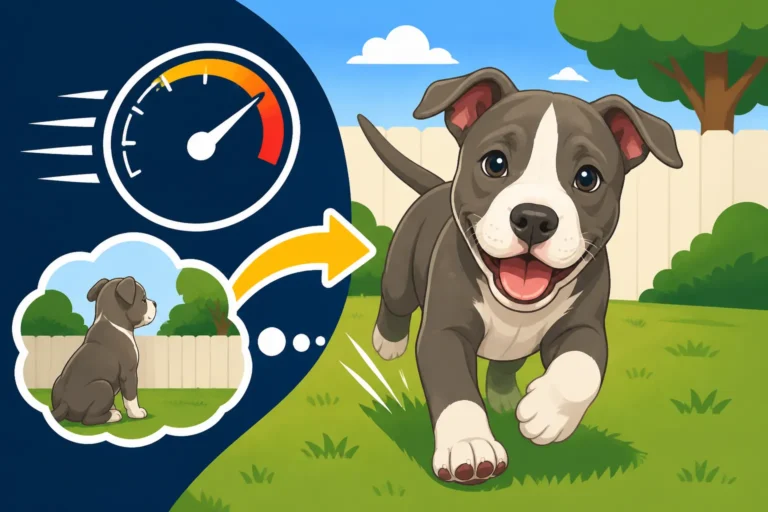
While adult Pit Bulls might chew due to stress or boredom, if you have a puppy or young adolescent Pit Bull, their chewing might simply be part of their normal developmental stage. Puppies explore the world with their mouths, and as they grow, they go through intense teething phases. Their gums can be sore, and chewing provides relief. Wire crates, with their hard, cool surfaces, can be quite appealing for a teething pup looking for something to gnaw on. This isn't malice; it's an instinctual need.
Even beyond teething, young Pit Bulls are often still learning what is and isn't appropriate to chew. They might simply be experimenting with their environment, testing the boundaries, and finding out what yields interesting textures or sounds. Without clear guidance and a consistent supply of appropriate chew items, the crate can become a convenient target. It's a phase that requires patience, redirection, and ensuring they have plenty of alternatives, but it's important to recognize it as distinct from anxiety or boredom-driven destruction.
Identifying the Dangers of a Damaged Wire Crate
A Pit Bull chewing through a wire crate isn't just a minor inconvenience; it poses significant risks to their health, safety, and even the integrity of your home. It's crucial to address this behavior swiftly and effectively before a serious accident occurs.
Ingestion Risks and Internal Injuries
When a Pit Bull chews through a wire crate, they can break off pieces of metal, plastic coatings, or even ingest sharp fragments. These ingested pieces can cause a range of severe internal injuries. Imagine small, jagged shards traveling through their digestive tract. This can lead to punctures in the mouth, esophagus, stomach, or intestines. Even if a piece passes without causing a full puncture, it can still cause inflammation, pain, or blockages. Symptoms might include vomiting, diarrhea, abdominal pain, loss of appetite, lethargy, or blood in their stool.
Such injuries often require emergency veterinary intervention, including endoscopy or surgery, which can be incredibly costly and traumatic for your dog. It's a terrifying scenario to consider, but the reality is that a determined Pit Bull's powerful jaws can create these dangerous fragments. What might start as innocent chewing can quickly escalate into a life-threatening situation if those pieces are swallowed.
Escape and Injury to Your Pit Bull
A compromised wire crate is no longer a secure containment solution. If your Pit Bull manages to bend wires or create a large enough opening, they can easily escape. The dangers of an unsupervised escape are numerous. Your dog could injure themselves on the sharp, broken edges of the crate during their frantic exit. They could then roam your house, potentially getting into dangerous household items like cleaning supplies, medications, or toxic foods. This unchecked exploration can lead to poisoning, electrocution (if they chew on wires), or other serious accidents.
Beyond the home, if the crate is compromised enough to allow them to break through and escape the house entirely, they face even greater risks. They could run into traffic, get lost, or encounter other animals or people in an uncontrolled manner, potentially leading to injuries or incidents. For a breed that already faces scrutiny, an unsupervised escape can have severe consequences, both for your dog and potentially for your reputation as an owner. A secure crate is not just for your convenience; it's a vital safety measure.
Damage to Your Home and Belongings
While the safety of your Pit Bull is paramount, it's also important to acknowledge the damage a destroyed crate and an escaped dog can inflict on your home and belongings. A Pit Bull that has chewed through their crate is likely to continue their destructive behavior once free in the house. This can mean chewed furniture, ripped carpets, damaged baseboards, or even destroyed personal items like shoes, books, or electronics. The financial cost of repairing or replacing these items can quickly add up, turning a relatively minor problem into a major household expense.
Furthermore, if the chewing is linked to anxiety or frustration, the destruction can be widespread and severe. It's not just about one object; it can be a general assault on anything within reach. This kind of damage can be incredibly frustrating for owners, adding stress to an already difficult situation. It underscores the need to address the root cause of the crate destruction, not just replace the crate, to protect both your dog and your living space.
Strategies to Prevent Crate Chewing and Ensure Safety
Preventing your Pit Bull from chewing through their wire crate requires a multi-pronged approach that addresses both the immediate problem and the underlying causes. It's about creating a safe, stimulating environment and teaching them appropriate behaviors.
Upgrading to a More Durable Crate Solution
If your Pit Bull is consistently destroying wire crates, it’s a clear sign that the current crate isn't robust enough for their strength and determination. The first step might be to consider a more durable option. Standard wire crates are simply not built to withstand the powerful jaws of a frustrated or anxious Pit Bull. You might need to explore heavy-duty, reinforced crates made from thicker gauge steel or even solid metal construction. Some specialized crates are specifically designed for escape artists and strong chewers, often featuring heavy-duty welds, secure latching mechanisms, and materials that are much harder to bend or break.
When looking for an upgrade, prioritize crates marketed as "escape-proof" or "heavy-duty" for large or powerful breeds. Materials like aircraft-grade aluminum or reinforced steel are far more resilient than standard wire. While these crates can be a significant investment, they are often a necessity for the safety of your Pit Bull and the peace of mind they provide. Remember, a cheaper, less sturdy crate that your dog destroys repeatedly will cost you more in the long run, both in replacement costs and potential vet bills. Many owners find durable options for their strong chewers on platforms like Amazon, reading reviews specifically from other Pit Bull owners. For more options, check out The Crate a Pit Bull Cannot Break Out Of.
Here's a quick comparison of common crate types and their suitability for a determined Pit Bull chewer:
| Crate Type | Material | Durability for Pit Bulls | Pros | Cons |
|---|---|---|---|---|
| Standard Wire | Thin steel wire | Low – easily bent, chewed, and broken | Affordable, good ventilation, portable | Unsafe for chewers, can cause injury, prone to escape |
| Heavy-Duty Wire | Thicker gauge steel wire | Moderate – better than standard, but still vulnerable | Better ventilation, stronger latches | Still possible to chew through for determined dogs, can be noisy |
| Plastic/Airline | Hard plastic | Moderate – can be chewed through, especially ventilation holes | Den-like feel, good for travel, enclosed | Less ventilation, plastic can be ingested, less visual contact |
| Solid Steel/Aluminum | Reinforced steel, aircraft aluminum | High – designed for powerful chewers and escape artists | Extremely durable, secure, safe, long-lasting | Expensive, heavy, less ventilation, may feel less "open" |
| Furniture-Style | Wood, particle board | Low – decorative, not chew-proof | Blends with home decor, doubles as furniture | Easily destroyed, very expensive to replace |
Enrichment and Exercise Before Crating
A tired Pit Bull is a good Pit Bull, and a mentally stimulated Pit Bull is less likely to resort to destructive behaviors out of boredom. Before crating your dog, ensure they receive ample physical exercise. This means more than just a quick potty break. Aim for at least 30-60 minutes of vigorous activity, such as a fast-paced walk, a run, a game of fetch, or a play session in a secure yard. The goal is to get their energy levels down so they are ready to rest and relax in their crate.
Beyond physical exercise, mental enrichment is key. Engage their minds with puzzle toys stuffed with their meals or treats, or partake in short training sessions before crating. Puzzle Feeders a Pit Bull Cannot Destroy are excellent for keeping their brain active and redirecting their chewing instincts. Leaving them with a challenging, appropriate chew toy (like a Kong stuffed with frozen peanut butter or a durable Nylabone) inside the crate can also provide a positive outlet for their chewing drive. Ensure the toys are safe and cannot be easily destroyed or ingested. A good session of Indoor Trick Work for a Bored Pit Bull can also help tire them out mentally.
Addressing Underlying Anxiety Through Training and Management
If separation anxiety is the root cause of the crate destruction, simply providing a stronger crate won't solve the problem; it will only contain a distressed dog more securely. This requires a dedicated approach. Start by making the crate a positive space. Never use it for punishment. Feed meals in the crate, offer high-value treats only when they're in the crate, and practice short, positive "crate games" where they go in and out voluntarily.
Gradually desensitize your Pit Bull to your departure cues. Pick up your keys, put on your coat, or walk to the door without leaving. The goal is to make these actions boring. Then, begin with very short departures. Leave for literally 30 seconds, come back, and greet them calmly. Slowly increase the duration of your absences only if they remain calm. If they start to show signs of anxiety, you've gone too far, too fast. This process takes time, patience, and consistency. For dogs with severe anxiety, you may need to consult with a certified professional dog trainer or a veterinary behaviorist who can guide you through a behavior modification plan and potentially discuss medication. For more on this, see A Pit Bull That Panics When the Door Shuts.
Introducing Appropriate Chew Toys and Redirection
Pit Bulls need to chew. It's a fundamental part of their canine nature, providing mental stimulation, stress relief, and dental benefits. The key is to provide them with appropriate, durable chew toys that can withstand their powerful jaws, rather than leaving them to find inappropriate outlets like furniture or, in this case, their crate. Not all chew toys are created equal, especially for a strong chewer like a Pit Bull. Look for toys made from virtually indestructible materials like natural rubber, reinforced nylon, or heavy-duty compressed rawhide (if appropriate for your dog and supervised).
Rotate their chew toys regularly to keep them interesting and novel. Fill treat-dispensing toys with kibble, yogurt, or pumpkin and freeze them to extend the challenge. Always supervise your Pit Bull with new chew toys to ensure they are safe and don't pose a choking hazard or become easily ingestible. If you catch your Pit Bull chewing on their crate, calmly interrupt them, redirect them to an appropriate chew toy, and praise them enthusiastically when they chew on the correct item. Consistency in redirection is crucial for teaching them what they can chew on. Many brands offer extra-durable chew options, and stores found on Amazon often have a good selection of Chew Toys That Hold Up to a Pit Bull. You could also look into online training resources, such as those offered by BAXTER & Bella, which often include advice on toy selection and enrichment strategies.
When to Seek Professional Help for Persistent Crate Destruction
Sometimes, despite your best efforts, a Pit Bull's crate chewing habit can be deeply ingrained or stem from complex behavioral issues. Knowing when to call in the experts can save you a lot of stress, money, and potentially prevent harm to your dog.
Recognizing Signs Beyond Normal Chewing
It's one thing for a puppy to mouth at the bars during teething, or for a bored adolescent to try to get at a forgotten toy. It's quite another when your Pit Bull is relentlessly dismantling their crate, to the point of causing injury to themselves or making frantic escape attempts. If the chewing is accompanied by other distress signals such as excessive drooling, pacing, persistent barking or howling, destructive behavior outside the crate when you're home, or self-harm (like paw licking to the point of rawness), these are red flags. These aren't just "bad manners"; they're indicators of significant underlying stress or anxiety.
Furthermore, if the crate destruction occurs every single time your dog is crated, regardless of how much exercise or enrichment they've had, and they appear genuinely panicked during your departures, the issue is likely beyond simple behavior modification techniques you can implement on your own. You might even notice signs of fear or aggression when you approach the damaged crate, indicating a high level of stress. These persistent and escalating behaviors suggest a deeper problem that needs professional assessment.
Consulting a Vet or Certified Behaviorist
When you've tried everything and the crate destruction persists, it's time to bring in the professionals. Your first stop should be your veterinarian. They can rule out any underlying medical conditions that might be contributing to the behavior, such as pain, discomfort, or neurological issues that could manifest as anxiety or compulsive chewing. They can also discuss potential pharmaceutical interventions if anxiety is severe, which can be used in conjunction with a behavior modification plan to help your dog feel more comfortable.
After a vet check-up, or in parallel, seeking guidance from a certified professional dog trainer or a veterinary behaviorist is highly recommended. A certified professional dog trainer (CPDT-KA) has the expertise to help you implement effective, positive reinforcement-based training protocols to address anxiety, boredom, and teach appropriate crating behaviors. For more complex cases, especially those with severe separation anxiety, a veterinary behaviorist (DACVB) is a specialist who can provide a comprehensive diagnosis and develop a tailored treatment plan, which may include medication, specialized training, and environmental management strategies. They can offer invaluable insights into managing behaviors that are deeply rooted in fear or phobia. You can find guidance on selecting an expert in Finding a Trainer Experienced With Pit Bulls. These experts can help ensure your Pit Bull's physical and emotional well-being, transforming their crate experience from a stressful confinement to a safe haven.
Disclaimer
This article is for general informational purposes only and does not constitute professional advice. Laws, prices and regulations vary by location and change over time. Consult a qualified professional for guidance on your specific situation.