Teaching a Pit Bull to Ignore Other Dogs
Walking your strong, energetic Pit Bull should be an enjoyable experience, but it can quickly turn into a frustrating wrestle when another dog appears. Many of us have been there, feeling that sudden jolt as our beloved companion lunges and barks, making us feel embarrassed or even worried about what others think. This guide is here to offer you practical, empathetic strategies to help your Pit Bull learn to remain calm and gracefully ignore other dogs, transforming your walks into peaceful outings for both of you.
Understanding Why Your Pit Bull Reacts to Other Dogs
Before we can effectively teach our Pit Bulls to ignore other dogs, it's crucial to understand why they might be reacting in the first place. It’s rarely as simple as just being "naughty" or "aggressive." There are often deeper emotional or instinctual drivers at play that we, as their human companions, need to recognize and address with patience and understanding.
The Root of the Reaction: Not Always Aggression
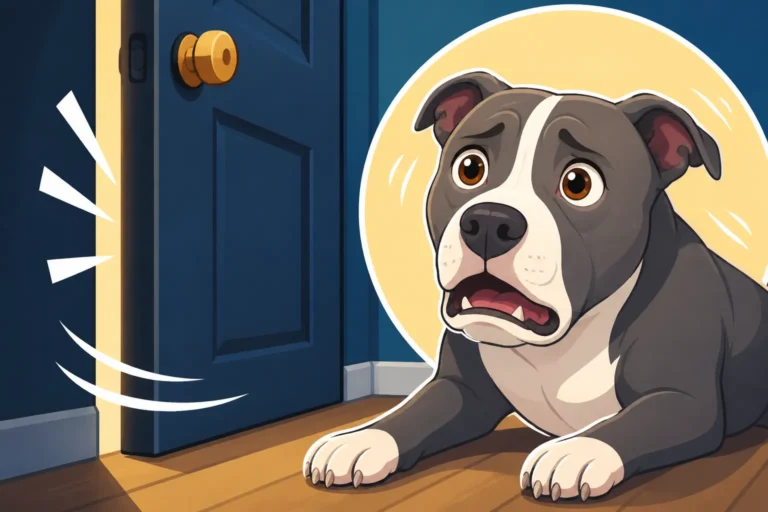
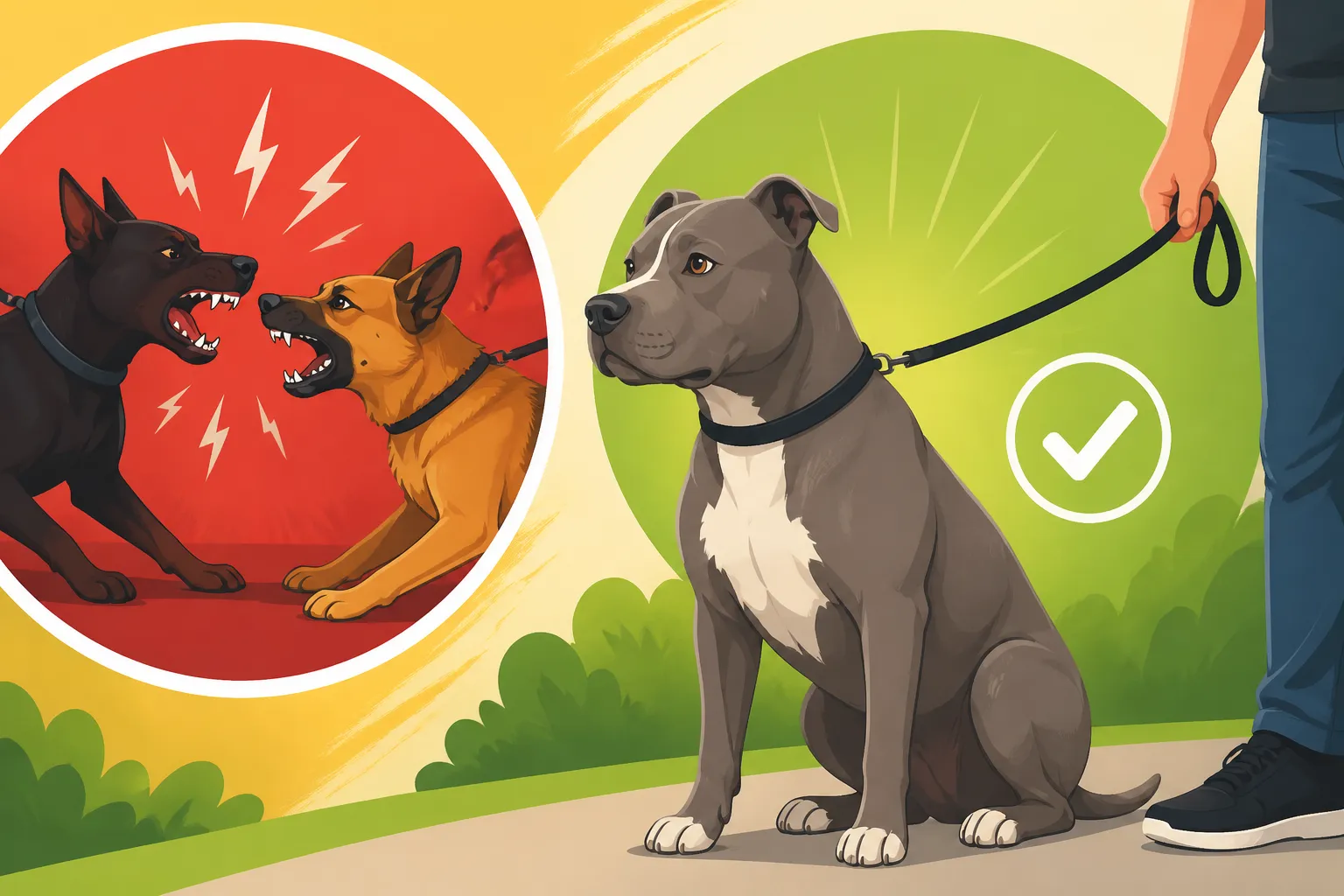
When your Pit Bull sees another dog and starts to pull, bark, or lunge, it’s easy to jump to the conclusion that they’re being aggressive or are trying to start a fight. However, this isn't always the case, and in many instances, it's quite the opposite. Often, these strong reactions stem from excitement, over-arousal, frustration, or even fear.
Think about it from your dog's perspective. They might be incredibly excited and just want to greet every dog they see, but the leash prevents them from doing so. This builds up immense frustration, which then explodes into barking and lunging—a desperate attempt to get closer. For some Pit Bulls, the sight of another dog might trigger anxiety. They might feel vulnerable on leash and believe that the best defense is a strong offense, barking and lunging to make the other dog go away. Their muscular build and intense demeanor can make these reactions look much more intimidating than they actually are. It's a common misconception that all lunging is a sign of wanting to harm, when often it's a frantic plea to engage or to create distance.
It’s important to remember that Pit Bulls are often highly sensitive and can have intense focus. This intensity, combined with their inherent strength, means that any reaction, whether driven by excitement or fear, can manifest as a very strong physical display that’s hard to manage. Understanding this distinction is the first step toward finding the right training approach, because the way you address fear-based reactivity will differ from how you tackle over-excitement. For a deeper dive into managing that physical strength, consider our article on Pit Bull Leash Manners and Physical Strength.
Reading Your Pit Bull's Body Language
Before your Pit Bull goes full "grenade on a leash," there are almost always subtle signals that they are noticing another dog and beginning to get aroused. Learning to read these early warning signs is absolutely vital, as it allows you to intervene before your dog goes over their threshold – the point at which they can no longer process information or respond to you.
Here are some common cues to look for:
- Heightened Awareness: Their ears might perk up, their head might lift slightly, or their gaze might lock onto the other dog. This is often the first sign they've spotted something.
- Stiffening Body: Their body might become more rigid, less fluid. The tail might stop wagging or hold stiffly, sometimes even slightly raised.
- Whale Eye: You might see the whites of their eyes more prominently, especially when they're staring intently at the other dog. This is a clear sign of stress or heightened arousal.
- Lip Licking or Yawning (Out of Context): These can be displacement behaviors, meaning your dog is feeling conflicted or stressed and performing an irrelevant action to cope. If your dog isn't sleepy or just finished a meal, a sudden yawn or lip lick can indicate anxiety.
- Freezing: Your dog might suddenly stop walking and "freeze," planting their feet and becoming utterly focused. This often happens right before a lunge.
- Subtle Growl or Whine: Sometimes, a low growl or a frustrated whine can precede the more obvious vocalizations.
If you can catch these signals early, you have a much better chance of redirecting your Pit Bull's attention or increasing distance before they completely shut down and react. The goal is to keep them below that threshold where they can still think and respond to your cues. It’s all about becoming a detective of your dog’s emotions on a walk, constantly observing and anticipating. Paying close attention to these cues is a core part of Reading a Pit Bull Before a Scuffle Starts.
Setting Up for Success: Management First, Then Training
Training a reactive Pit Bull can feel overwhelming, especially when you're out in the real world. That's why successful training relies heavily on good management. Management is all about preventing situations where your dog practices the unwanted behavior, giving you the space and calm to actually teach them new, more appropriate responses. Think of it as creating a controlled environment where your dog can learn without being constantly triggered.
Creating a Safe and Controlled Training Environment
Imagine trying to learn to play the piano while a rock concert is blaring next door. You wouldn't be able to focus, right? It's the same for your Pit Bull. Trying to train them to ignore other dogs when they're constantly surrounded by high-level distractions is a recipe for frustration for both of you. This is why setting up the right environment is critical.
The cornerstone of this approach is understanding your dog's "threshold." This is the imaginary line at which your dog goes from noticing another dog calmly to reacting uncontrollably. Your job is to find the distance at which your Pit Bull can see another dog, acknowledge its presence, but still remain calm enough to respond to you and take treats. For some dogs, this might be across a football field; for others, it might be just a few yards. You always want to start training below this threshold.
To create a controlled environment, consider these steps:
- Scout Locations: Look for wide-open spaces like large fields, empty parking lots during off-hours, or quiet trails where you can see other dogs from a distance. Avoid busy dog parks or narrow city sidewalks, at least initially.
- Planned Set-Ups: If possible, arrange "set-up" training sessions with a friend and their calm, well-behaved dog. This allows you to control the distance, the movement of the other dog, and the duration of exposure. Start with the dogs very far apart, ideally with a barrier like a fence or car between them if your Pit Bull is highly reactive.
- Observation Walks: Sometimes, simply taking your dog to a park and observing from a great distance, without the pressure of direct interaction, can be helpful. Just watch your dog's reaction to other dogs at various distances, noting when they start to get tense. This helps you identify their threshold more accurately.
- Avoidance is Key (Initially): In the early stages of training, your priority is to prevent your Pit Bull from practicing reactive behaviors. If you see another dog approaching and you know you're too close, don't hesitate to turn around, duck behind a car, or cross the street. It's not "giving up"; it's smart management that protects your dog from rehearsing unwanted habits and keeps them under threshold. Every successful walk where they don't react builds positive associations and strengthens their ability to remain calm.
Remember, the goal isn't to never see another dog; it's to systematically and gradually expose your Pit Bull to other dogs in a way that allows them to learn a different, more relaxed response.
Essential Tools and High-Value Rewards
Just like a carpenter needs the right tools for a job, you'll need specific equipment and motivators to effectively train your Pit Bull. Their incredible strength and focus mean that generic gear or bland treats often won't cut it when you're trying to re-pattern a strong reactive response.
Let's talk about physical management tools first:
- Harnesses: A standard back-clip harness can sometimes encourage pulling, as it allows your dog to use their full body strength. For a strong Pit Bull, a front-clip harness is often a game-changer. Brands like the Freedom No-Pull Harness or the Easy Walk Harness attach the leash at the dog's chest. When your Pit Bull pulls, they are gently redirected sideways, making it much harder for them to lunge forward with force. This provides better control and less strain on your arm. Harness Fit Across a Broad Pit Bull Chest is incredibly important, as a poorly fitting harness can chafe or be ineffective.
- Head Halters: Devices like the Gentle Leader or Halti act much like a horse's halter, giving you control over the dog's head, and where the head goes, the body often follows. These can be very effective for redirecting a dog's gaze away from a trigger and providing immediate control. They do require careful introduction and positive conditioning, as some dogs initially resist them. However, for sheer control, they are hard to beat.
- Sturdy Leashes: Invest in a strong, durable leash, ideally 6 feet long, made of nylon or leather, with robust hardware. A double-ended leash can be fantastic for connecting to both the front and back clips of a harness, offering even more versatile control. Avoid retractable leashes, as they offer no real control over a lunging dog and can be dangerous.
Now, onto the motivation – high-value treats:
When you're asking your Pit Bull to ignore something as exciting or scary as another dog, their regular kibble simply won't be enough motivation. You need the "big guns" of treats. Think about what your dog absolutely loves more than anything else.
Examples of high-value treats include:
- Small pieces of cooked chicken breast (unseasoned)
- Slices of hot dogs or sausages
- Cheese cubes (in moderation)
- Freeze-dried liver or meat treats
- Peanut butter (on a lick mat or in a squeeze tube)
These treats should be reserved only for training around distractions. The idea is to make seeing another dog a predictor of something amazing happening (getting a delicious treat from you), rather than a predictor of frustration or fear. You'll need a steady supply, so carry a treat pouch for easy access. For more ideas on how to use these effectively, check out High-Value Treats That Hold a Pit Bull's Focus.
Finally, a clicker can be a wonderful training tool for precision. It's a marker signal that tells your dog exactly when they've done something right, bridging the gap between the desired behavior and the delivery of the treat. While optional, it can significantly speed up learning, especially when teaching new behaviors around distractions. Many resources, including those from BAXTER & Bella, offer great guidance on using a clicker with positive reinforcement.
| Tool Type | Description | Pros | Cons |
|---|---|---|---|
| Front-Clip Harness | Leash attaches at the dog's chest; redirects pulling to the side. | Reduces pulling, provides better control, comfortable. | Can get tangled under legs, may not stop lunging entirely, fit is crucial. |
| Head Halter | Fits over the nose and behind the ears, giving control of the head. | Excellent control, redirects attention, prevents jumping. | Requires careful conditioning, some dogs intensely dislike it, can be seen negatively by others. |
| Sturdy Leash | Fixed-length (e.g., 6ft) leash with strong hardware. | Reliable, safe, good for communication, durable. | Offers no inherent "no-pull" mechanism, requires strong handler for heavy pullers. |
| Treat Pouch | Bag worn by owner to hold treats for quick access. | Keeps treats handy, prevents fumbling. | Can be an extra accessory to wear. |
| Clicker | Small device making a distinct "click" sound. | Precise marker for desired behavior, speeds up learning. | Requires timing practice, adds another item to manage, not essential for all. |
Step-by-Step Training Strategies for Ignoring Dogs
Once you have your management strategies in place and your high-value treats at the ready, you can start actively teaching your Pit Bull new ways to react (or, rather, not react) to other dogs. The key here is consistency, patience, and always working below your dog's threshold. Remember, positive reinforcement is your best friend. For a general understanding of how this approach works with your powerful companion, you might want to read Positive Reinforcement Training With a Pit Bull.
The Engage-Disengage Game
The Engage-Disengage game is a powerful tool for changing your Pit Bull's emotional response to other dogs. Instead of seeing another dog as a trigger for a meltdown, your dog learns that the appearance of another dog predicts something wonderful – a treat from you!
Here's how to play:
- Find Your Distance: Take your Pit Bull to a location where you can reliably see other dogs at a distance where your dog notices them but does not react (no barking, lunging, stiffening, etc.). This might be across a park or down a long street.
- Dog Appears (Engage): The moment your Pit Bull spots another dog, and before they have a chance to react, simply mark the behavior. If you're using a clicker, click the instant your dog's eyes land on the other dog. If not, use a verbal marker like "Yes!" or "Good!"
- Treat Time (Disengage): Immediately after your marker, give your Pit Bull a high-value treat. The treat should be given at your side, not in front of their face, encouraging them to look away from the distraction.
- Repeat: Continue to do this. Your dog sees the other dog (Engage) -> you mark -> your dog gets a treat (Disengage).
- Look for the Head Turn: After several repetitions, you might start to notice a shift. Instead of staring intently at the other dog, your Pit Bull might see the other dog, and then immediately turn their head to look at you, anticipating the treat. This is the magic moment! When this happens, mark and reward enthusiastically. Your dog is actively choosing to disengage from the distraction and engage with you.
The brilliance of this game is that it transforms the other dog into a "cue" for your Pit Bull to look at you for a reward. You are changing their association from "other dog = freak out" to "other dog = treat delivery from my human." Gradually, over many, many sessions, you can slowly decrease the distance to other dogs, always ensuring your dog remains below their threshold. If they start to react, you've moved too close, too fast. Simply increase your distance again and rebuild. This method helps your dog build Building a Pit Bull's Impulse Control by making calm choices rewarding.
"Look at That!" (LAT) or "Watch Me" Commands
These commands are about actively teaching your Pit Bull to focus on you, even when tempting distractions are present. They give your dog a clear job to do instead of allowing them to fixate on the other dog.
"Look at That!" (LAT):
The LAT game is a slight variation on Engage-Disengage, specifically teaching your dog to glance at the distraction and then voluntarily turn their attention back to you.
- Preparation: Start in a low-distraction environment. Hold a treat near your nose, say "Watch Me," and reward when your dog makes eye contact. Practice until this is solid.
- Introducing Distraction (from afar): With your Pit Bull at a distance from another dog where they are aware but calm, point towards the other dog and say "Look at that!"
- Wait for the Turn: Wait for your Pit Bull to glance at the other dog, then turn their head back to you (even briefly). The instant their head turns back to you, mark (click or "Yes!") and deliver a high-value treat to your nose.
- Reward the Check-in: You're rewarding the choice to disengage from the distraction and check in with you. Don't reward them for staring at the other dog.
- Gradual Progression: As your Pit Bull gets better, you can gradually decrease the distance to other dogs. The goal is for them to see another dog, briefly acknowledge it, and then instantly look to you for their reward. This becomes their default, calm response.
"Watch Me" (General Attention):
While "Look at That!" is distraction-specific, "Watch Me" is a general attention-getting command that's incredibly valuable for any dog, especially a Pit Bull who needs to be highly attentive in public. For strategies on getting your Pit Bull to focus, you might also find insights in Teaching a Pit Bull to Sit Before Every Door.
- Low-Distraction Start: Begin teaching "Watch Me" in a quiet, familiar environment. Hold a treat near your nose. When your dog looks at your eyes, say "Watch Me" (or just click/mark, then say "Watch Me" after they look, associating the action with the phrase) and give the treat.
- Increase Duration: Gradually increase the amount of time your dog maintains eye contact before getting the treat.
- Add Minor Distractions: Slowly introduce minor distractions in your home or yard – a dropped toy, someone walking by in the background. Reward heavily for sustained eye contact.
- Practice in Public: Once solid indoors, take "Watch Me" outside. Start in quiet outdoor areas and progressively move to more distracting environments. The moment you see your Pit Bull getting tense or noticing another dog, use your "Watch Me" command. If they respond, jackpot them with several high-value treats. If they don't, you're likely too close to the distraction and need to increase your distance.
Both of these strategies reinforce the idea that you are the most rewarding thing in the environment, even when another dog is present. They empower your Pit Bull to make a calm choice and look to you for guidance and delicious rewards.
Parallel Walking and Desensitization
Parallel walking is a technique designed to desensitize your Pit Bull to the presence of other dogs by gradually normalizing their proximity in a controlled, non-confrontational way. This works best when you have a calm, neutral "helper dog" and owner who understands the process.
Here’s how to implement parallel walking:
- The Setup: Arrange to walk with a friend who has a calm, dog-neutral canine companion. Choose a wide, open space like a park or a large field where you can easily control the distance between the dogs.
- Initial Distance: Start walking parallel to each other at a significant distance where both dogs are completely calm and below their threshold. This might mean you're on opposite sides of a large field, each walking your dog independently. The goal is for your Pit Bull to simply exist in the same space as another dog without reacting.
- Positive Association: As you walk, casually reward your Pit Bull with high-value treats for any moments of calm, for glancing at the other dog and then looking away, or for simply walking nicely beside you. You want the presence of the other dog to predict good things (treats, calm walk) rather than stress or excitement.
- Gradual Reduction in Distance: Over many, many sessions, and only if both dogs remain completely relaxed, you can very slowly begin to decrease the distance between you and your helper dog. This might mean moving 5 feet closer in one session, then maintaining that distance for several more sessions until your Pit Bull is completely comfortable.
- Maintain Parallel Lines: Always aim to walk in parallel lines, never directly towards each other (head-on approaches can be very intimidating for dogs). Avoid direct eye contact between the dogs, and ensure leashes remain loose.
- Read the Signs: Constantly monitor your Pit Bull's body language. If you see any signs of tension, stiffening, or fixation, you've gone too close, too fast. Immediately increase the distance again. It's better to take a step back than to let your dog practice reactive behavior.
- Vary Environments (Once Proficient): Once your Pit Bull is consistently calm during parallel walks with the helper dog in one location, try the exercise in a different, slightly more stimulating environment. This helps generalize the training.
This method teaches your Pit Bull that other dogs can be part of the environment without requiring a strong reaction. It helps them build positive associations at a controlled pace, slowly chipping away at their reactivity. Remember, this is a long-term strategy, and patience is your most important virtue.
Common Challenges and Troubleshooting
Even with the best strategies, training a reactive Pit Bull is rarely a smooth, linear journey. There will be setbacks, frustrating moments, and times when you feel like you're not making any progress. It's completely normal! Understanding these common challenges and knowing how to troubleshoot them can make all the difference in keeping you motivated and your training on track.
When Your Pit Bull Goes Over Threshold
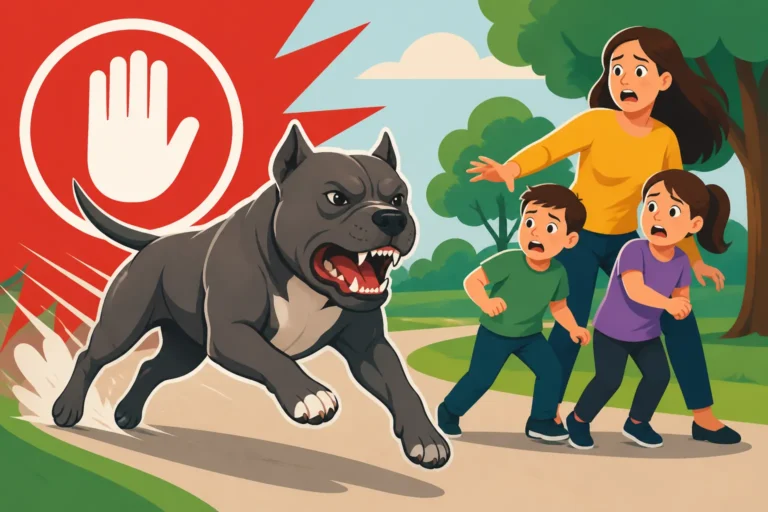
Despite your best efforts, there will be times when your Pit Bull inevitably goes "over threshold." This means they've become too aroused or stressed to learn, to listen to you, or to control their reactions. They might start barking, lunging, whining incessantly, pulling frantically, or even completely ignoring your commands and high-value treats. When this happens, it can feel like a punch to the gut after all your hard work.
Here’s what to do when your Pit Bull goes over threshold:
- Create Distance Immediately: The absolute priority is to calmly and quickly increase the distance between your Pit Bull and the trigger (the other dog). Do not linger. Turn around, cross the street, duck behind a car, or find a natural barrier. Your goal is to get your dog back into a state where they can think and listen.
- Avoid Scolding or Punishment: It's tempting to get frustrated and scold your dog, but this is counterproductive. Punishment can increase their fear or anxiety around other dogs, making the problem worse, or it can teach them to fear you when other dogs are present. They are not being "bad" on purpose; they are struggling to cope.
- Calm Your Own Energy: Dogs are incredibly adept at reading our emotions. If you become stressed, tense, or angry, your Pit Bull will pick up on that and it will only heighten their own anxiety. Take a deep breath, keep your voice calm, and move with purpose.
- Don't Ask for Commands: Once your dog is over threshold, they can't process commands effectively. Trying to make them "sit" or "watch me" will likely fail and only add to your frustration. Focus solely on managing the situation and creating space.
- Reset and Re-evaluate: Once you've created enough distance and your Pit Bull has calmed down, take a break. Don't immediately try to re-engage in training. Go home, let them decompress, and then later, re-evaluate what went wrong. Did you misjudge the distance? Was the other dog's behavior particularly stimulating? What could you do differently next time?
- Learn from the Experience: Every time your dog goes over threshold is a learning opportunity. It tells you where your current training limits are and helps you understand your dog better. Don't view it as a failure, but as data.
Remember, consistency, patience, and realistic expectations are key. It's a journey, not a sprint. One bad day doesn't erase weeks of good training. If you find yourself consistently struggling or feel overwhelmed, seeking help from a professional is a fantastic idea. Finding a Trainer Experienced With Pit Bulls can provide personalized guidance.
Maintaining Progress and Generalization
Making progress in a specific training scenario is wonderful, but the real challenge is ensuring that your Pit Bull can maintain that calm demeanor in all sorts of environments and situations. This process is called generalization, and it's essential for truly confident and relaxed walks.
Here’s how to work on maintaining and generalizing your Pit Bull's progress:
- Vary Your Training Locations: Don't just stick to one park or street. Once your Pit Bull is doing well in one location, gradually introduce new ones. Start with equally low-distraction environments, then slowly move to places with slightly more activity. Practice on different surfaces (grass, pavement, trails), at different times of day, and even in different weather conditions. Each new environment adds a layer of complexity that helps solidify their learning.
- Consistency Across All Handlers: If multiple people walk your Pit Bull, everyone needs to be on the same page. Use the same commands, the same techniques, and the same high-value treats. Inconsistency can confuse your dog and slow down progress. Hold regular family meetings to ensure everyone understands the training plan.
- Continue to Carry High-Value Treats: Even when your Pit Bull seems "cured," continue to generously reward them for calm behavior around other dogs. You want to maintain that strong positive association. The goal is for them to choose to ignore other dogs, not just to tolerate them.
- Don't Rush the Process: It's tempting to want to push forward quickly when you see progress, but reactivity training is a marathon. Pushing your Pit Bull into situations they're not ready for will almost certainly lead to setbacks and can undermine all your hard work. Respect their pace and celebrate small, incremental successes.
- Practice Short, Frequent Sessions: Instead of one long, exhausting training session a day, aim for several short (5-10 minute) sessions. Dogs, especially under distraction, learn best in shorter bursts. These brief, successful interactions build confidence and prevent burnout for both of you.
- Address Other Skills: A well-mannered Pit Bull is a confident Pit Bull. Continue to work on basic obedience like "sit," "stay," and a solid recall in various environments. A dog who trusts your guidance and knows what's expected of them is more likely to listen when distractions arise. The Manners a Pit Bull Needs in Public are a lifelong project.
- Consider Mentorship or Group Classes: Once your Pit Bull is significantly calmer, you might consider enrolling in a "control unleashed" class or a similar reactive dog class. These are specifically designed for dogs learning to manage distractions in a group setting, always at a safe distance. A trainer experienced with reactive dogs can provide invaluable guidance and support. You can also explore online resources like BAXTER & Bella for further courses or community support.
- Regular "Check-ins": Even years down the line, continue to do occasional "check-in" training sessions in distracting environments. It keeps the skills sharp and reinforces the desired behavior.
Maintaining progress and generalizing skills requires ongoing commitment. There will be days when it feels like one step forward, two steps back. But with patience, consistency, and a deep understanding of your Pit Bull, you can help them become a calm, confident companion in any situation.
Disclaimer
This article is for general informational purposes only and does not constitute professional advice. Laws, prices and regulations vary by location and change over time. Consult a qualified professional for guidance on your specific situation.