Pit Bull Crates, Harnesses and Chew-Proof Gear
Bringing a Pit Bull into your home is an incredibly rewarding experience, but it also comes with a unique set of challenges, especially when it comes to finding durable gear that can stand up to their impressive strength and often intense chewing habits. Many new owners quickly discover that standard crates, harnesses, and toys just don't cut it, leading to wasted money, frustration, and sometimes even safety concerns. This guide will walk you through everything you need to know about selecting the best crates, harnesses, and chew-proof gear designed to keep your Pit Bull safe, comfortable, and well-behaved.
The Unique Challenges of Equipping a Pit Bull
Owning a Pit Bull often means thinking differently about everyday dog essentials. These aren't just any dogs; they're powerful, intelligent, and often possess an unmatched enthusiasm for life. That boundless energy and jaw strength, while endearing in many ways, can turn conventional pet supplies into shredded remnants in a matter of minutes.
Power and Strength Demands
Let's be real: Pit Bulls are athletes. They are built with incredible muscle mass and a low center of gravity, which translates into surprising power, especially when they decide to pull on the leash or test the integrity of a kennel. A standard nylon harness that works fine for a Beagle might shred or fray on a determined Pit Bull after just a few walks. You might find yourself dragged down the street by a Pit Bull that pulls hard, making walks less enjoyable and potentially unsafe. This isn't just about their size; a 50-pound Pit Bull can exert far more force than many larger, lankier breeds. This physical prowess means that any gear designed for restraint or control needs to be exceptionally robust. Think reinforced stitching, heavy-duty buckles, and materials that can withstand significant tension and repeated stress.
Beyond walks, their strength can also be a factor in the home. A crate that easily contains a less powerful dog might become a flimsy obstacle for a Pit Bull determined to get out. Owners often recount tales of bent bars, broken latches, and completely dismantled crates, leaving them frustrated and worried about their dog's safety and the safety of their home. It's not about them being "bad"; it's about understanding their physical capabilities and choosing gear that can genuinely handle it.
The "Chew Everything" Mentality
If you've ever owned a Pit Bull, you know their jaws are legendary. Many Pit Bulls, especially as puppies and adolescents, go through phases of intense chewing. This isn't just destructive behavior for the sake of it; it's often a natural instinct, a way to explore their world, relieve stress, or satisfy a strong oral fixation. However, this natural tendency means that anything left within reach—be it shoes, furniture, or flimsy dog beds—can quickly become a casualty. When it comes to their own gear, this "chew everything" mentality poses a significant challenge.
Traditional dog beds, plastic crates, and even some harnesses can become appealing chew targets. A new puppy might chew its feet through the night, but an adult Pit Bull can chew through a wire crate. It's not uncommon for owners to wake up to a perfectly good dog bed ripped to shreds or a plastic crate with a gaping hole where the door used to be. This means that any item that's going to be in constant contact with your Pit Bull, especially when they're unsupervised, needs to be designed with extreme durability in mind. Materials, construction, and overall design must be chosen to withstand persistent gnawing, tearing, and general roughhousing. Investing in chew toys that hold up to a Pit Bull is paramount, as is understanding their motivations for chewing.
Public Perception and Necessary Solutions
Let's address the elephant in the room: Pit Bulls often face unfair stereotypes and scrutiny. Because of this, Pit Bull owners often feel a heightened responsibility to ensure their dogs are impeccably behaved and well-managed in public. This isn't just about good manners; it's about protecting your dog and advocating for the breed. The right gear can play a crucial role in managing public interactions and showcasing your dog's true temperament.
For example, a sturdy, well-fitting harness can provide better control on walks, preventing accidental pulling towards other dogs or people, which can unfortunately be misinterpreted as aggression. A visible, high-quality leash and collar can convey a sense of responsible ownership. In some areas, or for certain dogs, Why Every Pit Bull Should Be Muzzle Trained is an important consideration, not as a punishment, but as a tool for safety and positive public interaction. The goal is to set your Pit Bull up for success and demonstrate to the world that they are well-loved, well-trained companions. Investing in gear that supports this public image, both through its durability and its functionality, is a non-negotiable part of responsible Pit Bull ownership.
Choosing the Right Crate for Your Pit Bull
Crates can be invaluable tools for house-training, managing destructive chewing, providing a safe den, and even for travel. But for a Pit Bull, selecting the right crate isn't just about size; it's about security and durability.
Wire Crates and Their Limitations
Standard wire crates are a common choice for many dog owners due to their affordability, portability, and good ventilation. They come in various sizes and often fold flat for storage or travel. For a calm, non-destructive Pit Bull who views their crate as a safe haven, a heavy-gauge wire crate might suffice. Look for ones with thicker wires and secure latching mechanisms. However, for many Pit Bulls, especially those prone to anxiety, strong chewers, or those with a history of escape attempts, standard wire crates often prove inadequate.
The main limitation of wire crates for powerful dogs like Pit Bulls is their vulnerability to bending and breaking. A determined Pit Bull can quickly learn to exploit weak spots, bending the bars, popping open latches, or even escaping through a widened gap. It’s not just about them getting out; bent bars can create sharp edges, posing a significant injury risk to your dog. If you’ve ever come home to find your living room rearranged and your Pit Bull looking sheepish, chances are their wire crate didn't stand a chance. For these reasons, while they might work for some, many Pit Bull owners find themselves needing to upgrade quickly.
Heavy-Duty Crates for Escape Artists
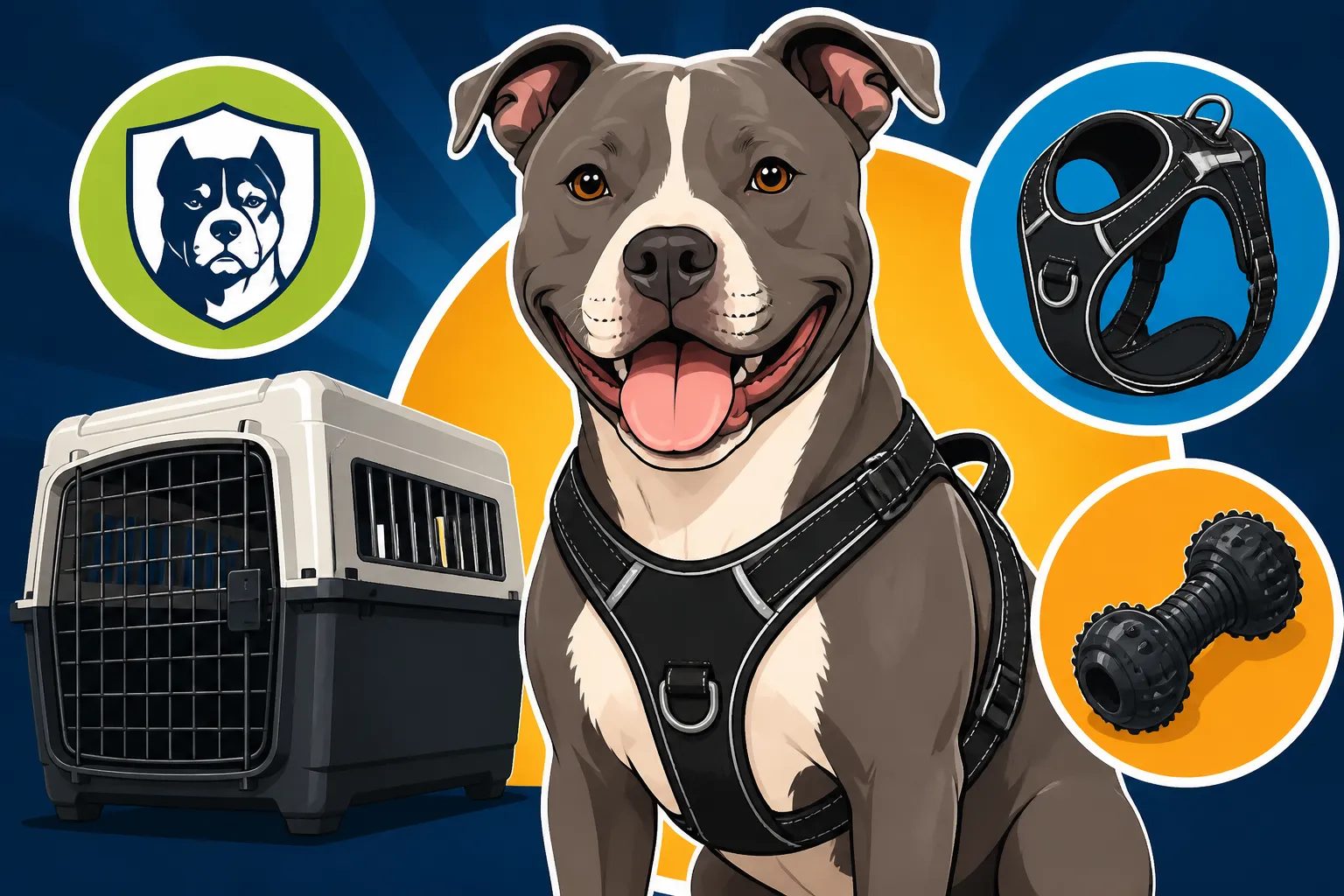
If your Pit Bull views their crate as a challenge to be conquered rather than a cozy den, you'll need to seriously consider a heavy-duty, indestructible crate. These are often constructed from reinforced steel or aluminum, with robust welds, solid doors, and multi-point locking systems. Brands like Impact Dog Crates, Zinger Winger, and Ruffland Kennels are popular among owners of strong, powerful breeds for their unparalleled durability and security. These crates are designed to withstand significant force, preventing bent bars, popped latches, and chewed-through exits. They are an investment, no doubt, but one that can save you money on replacement crates, veterinary bills from escape-related injuries, and the stress of property damage.
When looking for a heavy-duty crate, pay attention to the gauge of the metal, the quality of the welds, and the security of the door latch. Some even come with escape-proof latches that require multiple steps to open. These crates are typically heavier and less portable than wire crates, but they offer peace of mind that your Pit Bull is safely contained. They are often the answer for The Crate a Pit Bull Cannot Break Out Of and can be a game-changer for managing a high-energy or anxious dog when you can't supervise them directly.
Soft-Sided and Travel Crates
Soft-sided crates, typically made from canvas or heavy fabric over a collapsible frame, offer convenience for travel, temporary confinement, or a quiet space at dog shows or events. They are lightweight, easy to set up, and often very comfortable. However, they are absolutely not suitable for unsupervised containment of a Pit Bull, especially if your dog has any chewing tendencies or separation anxiety. A determined Pit Bull can tear through the fabric in minutes, rendering the crate useless and potentially ingesting harmful material.
That said, for a Pit Bull that is already reliably crate-trained, views their crate as a safe den, and doesn't have a history of destructive chewing, a soft-sided crate can be a good option for specific, short-term situations like car travel or a hotel stay. Always supervise your dog closely when using a soft-sided crate, and ensure it's only used as a comfortable temporary den, not as a primary containment solution. If you need a travel crate that offers greater security, consider the heavy-duty airline-approved plastic crates from brands like Petmate or Gunner Kennels, which offer a much sturdier build than typical soft-sided options.
Finding the Perfect Harness for Walks and Training
Walking a Pit Bull should be an enjoyable experience for both of you, not a test of strength. A good harness can make all the difference, providing control, comfort, and safety.
Front-Clip and No-Pull Harnesses
For Pit Bulls who tend to pull on the leash, a front-clip harness can be a game-changer. Unlike back-clip harnesses that often encourage pulling by allowing a dog to lean into their strength, front-clip harnesses redirect the dog's momentum. When your dog pulls, the leash attachment point on their chest turns them to the side, making it uncomfortable and inefficient to continue pulling forward. This encourages them to walk more politely beside you. Brands like the Freedom No-Pull Harness or the Easy Walk Harness are popular choices.
These harnesses are particularly effective for Pit Bull Leash Pulling at Fifty Pounds and can greatly improve your control on walks, making it easier to manage a strong Pit Bull as a smaller handler. When selecting one, ensure it fits snugly but comfortably, without restricting shoulder movement or chafing under the armpits. Look for durable webbing and strong buckles, as a determined puller can put a lot of stress on the hardware. Consistent training alongside the harness is still key, but a front-clip design gives you a significant advantage.
Harnesses for Strength and Durability
Beyond no-pull features, any harness for a Pit Bull needs to be built tough. These dogs are powerful, and a flimsy harness simply won't last or provide the necessary security. Look for harnesses made from high-denier nylon webbing, reinforced stitching, and heavy-duty metal (not plastic) hardware. Padded areas, especially around the chest and under the armpits, can also prevent chafing and add to your dog's comfort, particularly during longer walks or vigorous exercise.
For Pit Bulls, a Y-front design that allows for full range of shoulder motion is often preferred over harnesses that cross directly over the shoulder joint, which can impede movement and cause discomfort. Consider harnesses designed for working dogs or hiking, as these are typically built with maximum durability in mind. Even if your Pit Bull doesn't pull excessively, the sheer strength of their breed means that any gear needs to be able to withstand sudden lunges, rolls in the grass, and general wear and tear that would quickly destroy less robust options. Finding Harness Fit Across a Broad Pit Bull Chest is crucial to avoid rubs or escape attempts.
Proper Fit and Avoiding Chafing
A poorly fitting harness is not only uncomfortable for your Pit Bull but can also be unsafe. Too loose, and they can slip out; too tight, and it can cause chafing, skin irritation, or restrict movement. Pit Bulls have deep chests and often powerful shoulders, so finding a harness that accommodates their unique build is essential. When fitting a harness, you should be able to comfortably slide two fingers under all straps. The harness shouldn't restrict shoulder movement or rub in the armpit area.
Pay close attention to the areas where the harness sits. For a Pit Bull, common problem spots for chafing include the armpits and the front of the chest if the straps are too narrow or abrasive. If your dog exhibits signs of discomfort, such as rubbing against furniture, licking the harness area excessively, or developing raw spots, the harness is likely ill-fitting. Brands that offer multiple adjustment points and a wide range of sizes can help you achieve a better fit. Remember, your dog will be wearing this for every walk, so their comfort is paramount. A well-fitting harness is also a critical tool for Stopping a Pit Bull That Drags You Down the Street, allowing you to calmly redirect their energy.
Indestructible Chew Toys and Enrichment
The "chew everything" mentality of many Pit Bulls means that providing appropriate, durable chew toys isn't a luxury; it's a necessity. It protects your belongings, satisfies their natural instincts, and keeps them mentally stimulated.
Material Matters for Super Chewers
When it comes to chew toys for a Pit Bull, material is everything. Forget about flimsy plush toys or soft rubber that will be destroyed in minutes. You need toys made from nearly indestructible materials designed for power chewers. Look for:
- Hard Rubber: Brands like Kong (their Extreme line) and GoughNuts are renowned for their ultra-durable rubber toys. These are often solid, heavy, and designed to withstand aggressive chewing for extended periods. They come in various shapes and sizes, perfect for stuffing with treats or just for a good gnaw.
- Nylon: Hard nylon chews, such as Nylabone DuraChew or Benebone products, are excellent for satisfying the need to gnaw. They are not meant to be consumed but rather to be slowly abraded as your dog chews. Always choose the largest size appropriate for your Pit Bull to prevent accidental swallowing.
- Natural Materials (with caution): Items like bully sticks, yak chews, or even certain types of antlers can be good options, but always supervise your Pit Bull closely. Antlers can be too hard for some dogs and potentially crack teeth. Bully sticks are digestible but can be consumed quickly, and yak chews can become small enough to be a choking hazard. Always choose appropriate sizes and remove them when they become too small.
The key is to select Chew Toys That Hold Up to a Pit Bull, providing a safe and satisfying outlet for their powerful jaws. Rotate toys regularly to keep things interesting and always inspect them for damage, discarding any that could pose a choking hazard.
Interactive and Puzzle Toys
Beyond just hard chew toys, Pit Bulls thrive on mental stimulation. Interactive and puzzle toys challenge their minds, help prevent boredom, and can slow down fast eaters. These toys require your dog to figure out how to get treats or kibble out, engaging their problem-solving skills.
Examples include:
- Treat-dispensing balls: These require your Pit Bull to roll, nudge, or shake the toy to release food. The Kong Wobbler is a popular and durable option.
- Puzzle feeders: These come in various complexities, from simple trays with hidden compartments to more advanced puzzles requiring multiple steps. Trixie Pet Products offers a good range.
- Lick mats: While not strictly "chew-proof" (as some can be destroyed), a good quality, heavy-duty lick mat can provide a calming and enriching activity, especially when spread with peanut butter, yogurt, or wet food and frozen. It's an excellent way to help a Pit Bull relax or distract them during grooming or crate time.
These toys not only provide mental exercise but can also help redirect unwanted chewing behavior by offering an acceptable and rewarding alternative. They're especially useful for keeping your Pit Bull occupied when you're busy or when they need some quiet downtime. Finding puzzle feeders a Pit Bull cannot destroy can be a challenge, but brands specializing in tough toys often have good options.
Safe Chewing Habits and Supervision
Even with the toughest toys, responsible chewing habits and supervision are critical. No toy is truly "indestructible" for every dog, especially a strong chewer like a Pit Bull.
- Supervise: Always supervise your Pit Bull, especially with new toys or chews. This allows you to intervene if a toy breaks apart, becomes a choking hazard, or if your dog is chewing too aggressively on something inappropriate.
- Rotate Toys: Don't leave all toys out all the time. Rotate them to keep your dog interested and to extend the life of each toy.
- Size Matters: Always choose toys that are appropriately sized for your Pit Bull. A toy that's too small can be swallowed or become a choking hazard.
- Inspect Regularly: Before giving a toy to your dog, inspect it for cracks, loose pieces, or excessive wear. Discard damaged toys immediately.
- Chewing vs. Consumption: Make a distinction between chewing and consuming. Hard rubber or nylon toys are meant to be chewed on, not eaten. If your dog is breaking off large pieces or ingesting parts of a toy, it's not the right toy for them.
By establishing these safe chewing habits, you can provide endless hours of appropriate mental and physical stimulation for your Pit Bull, protecting both them and your home.
Essential Gear Beyond Crates and Harnesses
While crates and harnesses are often top-of-mind, there's a host of other gear crucial for a Pit Bull owner. These items need to be just as durable and well-suited to their strength and chewing tendencies.
Beds That Stand Up to a Pit Bull
A comfortable, supportive bed is essential for any dog, but for a Pit Bull, a standard fluffy bed can quickly become shredded stuffing. Their instinct to "nest," combined with their powerful jaws, means many beds are simply not built to last.
- Chew-Proof Beds: Look for beds specifically marketed as "chew-proof" or "indestructible." These often feature reinforced ballistic nylon, heavy-duty canvas, or even aluminum frames. K9 Ballistics and Carhartt offer excellent options in this category. These beds might not feel as soft and squishy as a plush bed, but they are designed to withstand serious abuse.
- Elevated Beds: Elevated cot-style beds, like those from Kuranda, are excellent for Pit Bulls. They keep the dog off the floor (great for temperature regulation and joint support), and their aluminum frame prevents access to the fabric edges, making them truly chew-proof for most dogs. Plus, replacement slings are often available if the fabric ever does wear out.
- Material and Construction: Focus on beds with robust, tear-resistant outer covers and dense, supportive foam or fiberfill that won't easily flatten or clump. Reinforced stitching and hidden zippers also add to durability.
Investing in a high-quality bed that survives a Pit Bull might seem like a splurge upfront, but it will save you money and frustration in the long run by avoiding constant replacements.
Leashes and Collars for Security
A strong, reliable leash and collar are foundational for walking and handling your Pit Bull safely.
- Leashes: Opt for leashes made from thick, heavy-duty nylon webbing, biothane, or leather. Metal clasps should be solid brass or steel, with strong spring-loaded mechanisms that won't accidentally open. A standard 6-foot length is generally recommended for daily walks, offering enough freedom without sacrificing control. For training, particularly recall, Long Line Hardware That Holds a Pit Bull can be incredibly useful.
- Collars: For everyday wear, a flat buckle collar made of durable nylon or leather is suitable. Ensure it fits snugly enough that your Pit Bull cannot slip out, but not so tight that it chokes them. For more control during walks, especially if your dog pulls, a martingale collar (often called a "limited slip" collar) can be a good option. It tightens slightly when the dog pulls, preventing escape without applying constant pressure like a choke chain.
- Avoid Retractables: Retractable leashes are generally not recommended for Pit Bulls. They offer little control over a powerful dog, can snap, and can cause serious injury to both dog and handler.
Always have a backup leash and collar, and regularly inspect your gear for signs of wear and tear. A broken leash or collar can have serious consequences. For where to get sturdy leashes and collars, retailers like Chewy offer a wide selection of heavy-duty options from brands like Ruffwear and PetSafe.
Food and Water Bowls That Last
Even something as seemingly simple as food and water bowls needs a second thought for a Pit Bull.
- Stainless Steel: Stainless steel bowls are the gold standard. They are durable, easy to clean, hygienic, and chew-proof. Avoid plastic bowls, which can be chewed, scratched (harboring bacteria), and can sometimes cause skin irritation on a Pit Bull's chin.
- Heavy Ceramic: While ceramic bowls can be attractive, choose thick, heavy-duty ones to prevent them from being easily knocked over, cracked, or shattered by an enthusiastic Pit Bull. Ensure they are lead-free and dishwasher safe.
- Slow Feeder Bowls: If your Pit Bull tends to gulp their food down too quickly, a slow feeder bowl can help prevent bloat and aid digestion. These bowls have ridges or obstacles that force your dog to eat around them, slowing down their mealtime. Look for robust plastic or stainless steel versions that can withstand chewing if left unattended after the meal.
- Raised Bowls: For deep-chested breeds like Pit Bulls, elevated food and water bowls are often recommended to promote better posture and digestion, and some believe it can reduce the risk of bloat, though evidence is mixed. Ensure the height is appropriate for your dog's size. Check out options on Chewy for various bowl types.
Consider bowls with non-slip bottoms to prevent them from sliding around or being flipped during mealtime.
Budgeting for Durable Pit Bull Gear
The initial cost of durable Pit Bull gear might seem higher than standard pet supplies, but it's a wise investment that pays dividends in safety, longevity, and peace of mind.
Initial Investment vs. Replacement Costs
When you first start looking at heavy-duty crates or chew-proof beds, you might experience a bit of sticker shock. A high-quality, escape-proof crate could cost several hundred dollars, and a truly indestructible bed might be over a hundred. Compare this to a flimsy wire crate for $70 or a plush bed for $40. It's easy to be tempted by the cheaper option.
However, consider the long-term costs. If that $70 wire crate is destroyed in a month (a common story for Pit Bull owners), you're out that money and still need a new crate. If it happens three times in a year, you've spent $210 and still don't have a reliable solution. The same goes for beds, harnesses, and toys. A durable, well-made item, though more expensive upfront, is designed to last for years, potentially even for the entire lifespan of your Pit Bull. Over time, the initial investment in robust gear often proves to be significantly more economical than repeatedly replacing cheaper, less durable alternatives. This is a crucial part of what a Pit Bull costs from eight weeks on, as gear is a continuous expense.
Researching Brands and Warranties
Before making a significant purchase, especially for items like heavy-duty crates or chew-proof beds, take the time to research brands and read reviews from other Pit Bull owners. Some brands specialize in gear for powerful dogs and have built reputations for quality and durability. Look for companies that stand behind their products with robust warranties.
Many top-tier brands offer limited lifetime warranties or guarantees against chewing for specific products. For example, some chew-proof bed companies might offer a one-time replacement if your dog manages to destroy their product. Understanding these policies can give you extra confidence in your purchase and provide a safety net if, against all odds, your Pit Bull manages to defeat their "indestructible" gear. Don't be afraid to ask questions about materials, construction, and warranty specifics before you buy. Websites like Chewy often have extensive customer reviews that can offer real-world insights into a product's durability with strong breeds.
Here's a quick comparison of typical gear costs:
| Gear Item | Standard (Flimsy) Cost | Heavy-Duty (Durable) Cost | Annual Replacement Rate (Flimsy) | Long-Term Value (Durable) |
|---|---|---|---|---|
| Wire Crate | $70 – $150 | $300 – $800+ | 2-4 times/year | Lasts for years |
| Dog Bed | $30 – $80 | $100 – $300+ | 3-6 times/year | Lasts for years |
| Harness | $20 – $40 | $50 – $100 | 1-2 times/year | Lasts for 1-3 years |
| Chew Toys (per toy) | $5 – $15 | $15 – $40 | 2-5 times/month | Lasts for weeks/months |
| Leash | $10 – $25 | $30 – $60 | 1 time/year | Lasts for years |
As you can see, while the initial outlay for durable gear is higher, the savings from reduced replacement frequency quickly add up. For additional insights on overall expenses, check out The First Month Cost of a Pit Bull.
When to Upgrade Your Pit Bull's Gear
It's tempting to try and make do with existing gear, especially if your Pit Bull starts out gentle. However, there are clear signs it's time to upgrade.
- Signs of Destruction: If your Pit Bull is consistently bending crate bars, chewing through straps, or ripping beds, it's a clear signal that their current gear is not up to the task. Don't wait for a serious injury or escape.
- Growth and Development: Puppies grow incredibly fast. What fits a 10-week-old Pit Bull puppy won't fit a 6-month-old adolescent. You'll need to upgrade crates, harnesses, and collars as they grow. Monitor The Age a Pit Bull Finishes Growing to ensure you're adjusting gear accordingly.
- Behavioral Changes: Sometimes, a sudden increase in destructive behavior or escape attempts can be a sign of underlying anxiety or boredom. While gear alone won't solve these issues, having appropriate, secure gear allows you to manage the situation safely while you address the root cause with training or veterinary help.
- Safety Concerns: Any gear that is worn, frayed, or damaged can become a safety hazard. A weak leash or harness could break during a walk, putting your Pit Bull and others at risk. A damaged crate could lead to cuts or entrapment. Prioritize your dog's safety and upgrade immediately if gear shows significant wear.
Making the commitment to high-quality, durable gear from the outset, or upgrading as soon as issues arise, is a fundamental part of responsible Pit Bull ownership. It’s about anticipating their needs and ensuring their environment is safe and enriching.
Disclaimer
This article is for general informational purposes only and does not constitute professional advice. Laws, prices and regulations vary by location and change over time. Consult a qualified professional for guidance on your specific situation.