Preventives Dosed at Pit Bull Weight
One of the biggest head-scratchers for Pit Bull owners, especially those with powerful, muscular dogs, is figuring out the right dose for their preventive medications. It’s not just about grabbing the "large dog" size; your Pit Bull's unique build means that getting the dosage wrong can range from ineffective protection to dangerous side effects. This guide is all about demystifying how preventives are dosed according to your Pit Bull's specific weight, ensuring they get the safe, effective protection they deserve.
Understanding the Importance of Accurate Dosing for Your Pit Bull
When it comes to keeping your beloved Pit Bull healthy, preventive medications for parasites like heartworms, fleas, and ticks are non-negotiable. But here's the kicker: these aren't one-size-fits-all solutions. The effectiveness and safety of these crucial medications hinge almost entirely on accurate dosing, which, for a Pit Bull, means paying close attention to their specific weight. It's a critical detail that many owners might overlook, assuming a "large dog" label is good enough, but for a breed known for its robust and often varied physique, it's a detail that could make all the difference.
Why Weight is the Critical Factor
Think of your Pit Bull's body as a complex system, and every medication introduced into it needs to reach a certain concentration to be effective without causing harm. That concentration is directly tied to body mass. If your Pit Bull is a solid 60-pound powerhouse, they need a different amount of medication than a leaner 45-pound dog, even if both might technically fall into a "large dog" category in some generic sizing charts. Manufacturers spend a great deal of time and research to establish these weight-based dosing guidelines precisely because they understand the delicate balance required. The drug needs to be potent enough to kill or repel parasites, but not so potent that it overwhelms your dog's system. Ignoring this can lead to either a drug that doesn't do its job, leaving your Pit Bull vulnerable, or one that causes unnecessary adverse reactions. It's a scientific fact that too little medication is simply ineffective, while too much can be downright dangerous, and Pit Bulls, with their often dense musculature and varied sizes, are particularly susceptible to these nuances.
The Risks of Under-dosing and Over-dosing
The consequences of getting the dosage wrong can be quite serious. If you consistently under-dose your Pit Bull's preventives, you're essentially giving the parasites a fighting chance. For instance, heartworm medication, which is vital for Heartworm Cover Through a Pit Bull's Life, might not fully eliminate microfilariae, allowing them to mature and cause devastating heart and lung damage. Under-dosing flea and tick preventives can lead to infestations, causing intense itching, skin infections, and even the transmission of diseases like Lyme disease or Ehrlichiosis. The parasites can also develop resistance to the medication, making future treatments even harder.
On the flip side, over-dosing carries its own set of grave risks. Administering too much of a preventive medication can lead to toxicity, with symptoms ranging from mild gastrointestinal upset (vomiting, diarrhea) to more severe neurological issues (tremors, seizures), and even liver or kidney damage. Some Pit Bulls might also have sensitivities to certain ingredients, and an overdose can exacerbate these reactions. For example, some herding breeds carry a mutation (MDR1 gene) that makes them sensitive to certain drugs, though it's less common in Pit Bulls, it highlights the general principle that all dogs can react negatively to excessive medication. It’s a fine line, and your veterinarian's guidance based on your Pit Bull's precise weight is truly your best defense against these preventable problems.
Common Preventives and Their Dosing Protocols
Navigating the world of canine preventives can feel overwhelming, especially with so many options available. However, understanding the basic categories and how they're dosed according to your Pit Bull's weight is a huge step in ensuring their long-term health. These medications are designed to tackle specific threats, and each comes with its own set of guidelines to maximize effectiveness and safety.
Heartworm Prevention
Heartworm disease is a serious and potentially fatal condition spread by mosquitoes, making Year-Round Parasite Cover for a Pit Bull absolutely essential. Most heartworm preventives come in monthly oral tablets or chewables, though injectables are also available. Common active ingredients include ivermectin, milbemycin oxime, moxidectin, and selamectin. The dosing for these medications is strictly based on your Pit Bull's body weight, typically falling into specific weight ranges (e.g., 25-50 lbs, 51-100 lbs). It’s not just a general category; manufacturers provide precise tiers. For example, a popular brand like Heartgard Plus will have distinct chew sizes for dogs up to 25 lbs, 26-50 lbs, and 51-100 lbs. If your Pit Bull weighs 52 pounds, they would typically need the chew for the 51-100 lb range, not two of the 26-50 lb chews, as this could lead to an inaccurate dose or an unnecessary double dose of other ingredients.
It's paramount to get an accurate weight measurement from your vet annually, especially before renewing the prescription. Pit Bulls can fluctuate in weight due to muscle gain, diet changes, or aging, and even a slight shift can move them into a different dosing tier. Your vet will also perform an annual heartworm test to ensure your dog isn't already infected before starting or continuing preventives, as giving preventives to an infected dog can cause severe reactions. Always follow your vet's specific instructions for the brand they prescribe, as formulations can differ.
Flea and Tick Control
Flea and tick preventives are equally crucial, protecting your Pit Bull from itchy infestations and the diseases these pests transmit. These come in various forms: oral chewables, topical spot-ons, and collars. Oral medications, such as those containing afoxolaner (NexGard), fluralaner (Bravecto), or sarolaner (Simparica), are typically given monthly or quarterly and are dosed precisely by weight. For instance, a 70-pound Pit Bull would receive a different strength chew than a 40-pound one, and often the manufacturer will have a specific product for dogs in a 60-120 lb range, requiring only one tablet. These are often flavored, making them easier to administer.
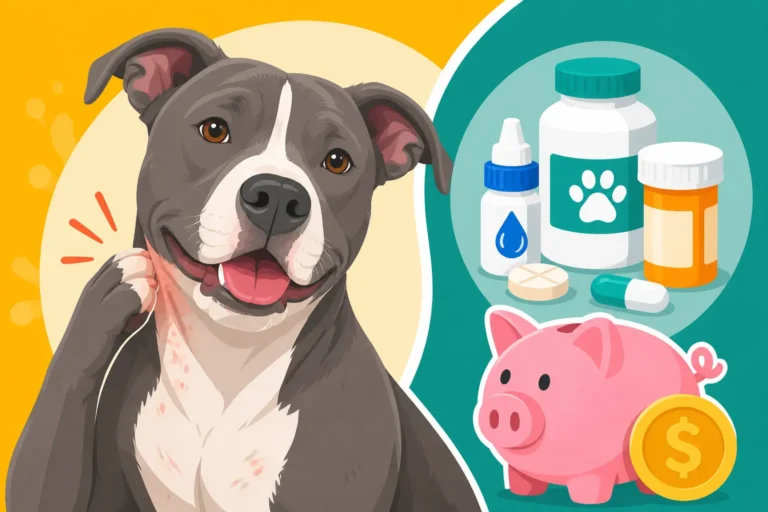
Topical spot-ons, like Frontline Plus or K9 Advantix II, are applied to the skin between the shoulder blades and are also packaged by weight range. For a muscular Pit Bull, ensuring the liquid makes direct contact with the skin and not just the fur is vital for proper absorption. This might mean parting their dense fur significantly. Improper application can render them ineffective, leaving your dog susceptible to Flea Allergy Dermatitis in a Pit Bull or other issues. Collars like Seresto offer long-term protection, with a "large dog" size usually sufficient for most Pit Bulls, but they still have weight guidelines, and fit is important to ensure the active ingredients are distributed correctly. Again, always check the packaging and your vet's advice for the specific product you're using.
Intestinal Parasite Control
While heartworm preventives often include ingredients that protect against some common intestinal parasites like roundworms and hookworms, broader spectrum dewormers are sometimes necessary, especially for puppies or dogs with recurrent issues. These typically target worms like whipworms and tapeworms. Products containing pyrantel, fenbendazole, or praziquantel are common. Dosing for these is, you guessed it, based on weight, often given as a specific milligram per kilogram (mg/kg) amount, or provided in tablets categorized by weight. For a Pit Bull puppy, who might be more susceptible to parasites, this is especially important, and their dose will change rapidly as they grow.
Your veterinarian will often recommend routine fecal examinations, usually annually for adults and more frequently for puppies, to identify any existing parasite burdens. This is because some parasites are not covered by routine monthly preventives, or a heavy burden might require a stronger, specific deworming protocol. If a Pit Bull puppy experiences Pit Bull Puppy Diarrhea in the First Week, or if you adopt a rescue, they may need an initial course of deworming, and the correct dose is crucial to effectively clear the parasites without causing distress to a young or compromised system. Always discuss any suspected parasite issues and your Pit Bull's exact weight with your vet before administering any dewormers.
The Unique Challenges with Pit Bulls and Weight
Pit Bulls are renowned for their powerful, athletic builds, but this very characteristic can sometimes make accurate weight assessment tricky for preventive dosing. Their dense musculature can easily be mistaken for excess weight or can mask underlying changes in body composition. This isn't just about throwing them on a scale; it's about understanding what that number truly represents in the context of their unique physique.
Muscle vs. Fat: Getting an Accurate Weight
Unlike some other breeds where fat is more readily apparent, a Pit Bull's muscle mass can make them look heavier and denser than they might actually be in terms of fat. This means that simply looking at your dog and guessing their weight, or even relying on an old scale reading, isn't enough. A fit, muscular 60-pound Pit Bull might have a very different body composition than a 60-pound, less active dog, but they will both require the same weight-based dosage of preventive. The key is regular, accurate weigh-ins at your vet's office.
Beyond the number on the scale, understanding your Pit Bull's body condition score is invaluable. This involves visually assessing and physically feeling your dog to determine if they are at an ideal weight. You should be able to feel their ribs easily, but not see them protruding. There should be a noticeable waist tuck when viewed from above, and an abdominal tuck when viewed from the side. A dog that is too heavy (carrying excess fat) might need a different dose of certain medications if their "ideal" weight would be lower. Conversely, a dog that is underweight might need careful monitoring. This subjective assessment, combined with an objective scale reading, helps ensure that the weight used for dosing is truly representative of your Pit Bull's lean body mass, where the drug needs to act. You can learn more about assessing your dog's ideal physique in Pit Bull Weight and Muscle on a Working Frame.
Growth and Weight Changes in Pit Bull Puppies
Pit Bull puppies grow at an astonishing rate, sometimes gaining several pounds a week during their most rapid growth phases. This rapid development presents a significant challenge for preventive dosing. A dose that was perfectly adequate for your 15-pound puppy at 10 weeks might be dangerously insufficient by 14 weeks when they've ballooned to 25 pounds. It's a common pitfall for new puppy owners, who might buy a multi-pack of preventives and assume it will last for a few months without re-evaluating the dosage.
Because of this, regular weigh-ins are even more critical for puppies. Your vet will likely recommend more frequent check-ups during the puppy phase, not just for vaccinations like Pit Bull Puppy Vaccination and Parvovirus but also to track growth and adjust preventive dosages. You might find yourself moving through several weight tiers for medications like heartworm or flea/tick preventives within the first year. Always err on the side of caution: if your puppy is nearing the upper limit of a weight range for a preventive, consult your vet before giving the next dose to see if they've crossed into the next tier. Many clinics are happy to let you pop in for a quick weight check between appointments.
Managing Weight in Adult and Senior Pit Bulls
Even after reaching adulthood, a Pit Bull's weight isn't static. Adult Pit Bulls, especially those with active lifestyles, can maintain a lean, muscular physique, but changes in activity level or diet can lead to gradual weight gain. Obesity in Pit Bulls is a serious concern, not only for their general health but also because it impacts how medications are metabolized. An overweight Pit Bull, while physically heavier, might not need a proportionally higher dose of all medications, as some drugs are distributed primarily in lean body mass, not fat. Over-dosing for excess fat can still lead to toxicity. Pit Bull Obesity and Joint Strain is a common problem, and managing their weight is key.
As Pit Bulls enter their senior years, typically around seven to ten years old, their metabolism can slow down, and they might become less active, leading to further weight changes. Some senior Pit Bulls might even experience muscle loss, further complicating dosing. For Caring for a Pit Bull in Its Second Decade, regular vet visits become even more crucial. Your vet will monitor their body condition closely, taking into account age-related changes, and adjust preventive prescriptions accordingly. They might also recommend specific diets or supplements to support joint health, which can sometimes impact overall body weight. Never assume an adult or senior Pit Bull's weight remains constant; consistent monitoring and vet consultations are vital for accurate and safe preventive care throughout their life stages.
Working with Your Veterinarian for Optimal Dosing
Your veterinarian is your primary partner in ensuring your Pit Bull receives the correct preventive dosing. They possess the knowledge, tools, and experience to accurately assess your dog's health needs, including precise weight measurements and appropriate medication selection. Establishing a strong, open line of communication with your vet is key to navigating the complexities of preventive care for your unique Pit Bull.
Regular Vet Checkups and Weigh-ins
The cornerstone of optimal preventive dosing for your Pit Bull is the annual (or more frequent, especially for puppies or seniors) veterinary checkup. These appointments aren't just for vaccinations or general health assessments; they are crucial opportunities for an accurate, up-to-date weight measurement. Most vet clinics have calibrated scales, and many are happy for you to stop by for a quick weigh-in between scheduled appointments, especially if you suspect your Pit Bull's weight has changed. This proactive approach ensures that any prescription you receive for heartworm, flea, or tick preventives is based on the most current data.
During these visits, your vet will not only weigh your dog but also perform a thorough physical examination, discussing your Pit Bull's activity levels, diet, and any changes in their lifestyle. This holistic view helps them determine the most suitable preventive strategy. For example, a Pit Bull who spends a lot of time outdoors in tick-heavy areas might benefit from a dual-action preventive or one with specific tick-killing efficacy, while another primarily indoors might need a different focus. They'll also run annual tests, such as the heartworm test, which is a non-negotiable step before prescribing or refilling heartworm medication. This ensures your dog is negative for the parasite, preventing potentially severe reactions if treatment were given to an infected dog. Keeping up with How Often a Ten Year Old Pit Bull Needs Checking is especially important for older dogs whose health needs can change rapidly.
Discussing Off-Label or Combination Treatments
Sometimes, a standard, single-product preventive might not be the ideal solution for your Pit Bull. Your veterinarian might suggest an "off-label" use of a medication (using a drug in a manner not specified on the label, but which is medically sound and evidence-based) or a combination of different products to achieve comprehensive protection. This could be due to specific parasite prevalence in your area, your Pit Bull's individual sensitivities, or a particular lifestyle that warrants broader coverage. For instance, if your Pit Bull travels frequently to different regions, they might encounter different parasite threats that require a tailored approach.
It's vital to have an open conversation with your vet about any such recommendations. Ask questions: Why is this combination being suggested? Are there any increased risks or side effects? How does this impact dosing? For example, if your Pit Bull has a severe Pit Bull Skin Allergies and the Atopy Pattern, your vet might recommend a different type of flea preventive to minimize skin irritation, or combine it with a topical soothing treatment. Always ensure you understand the rationale and never attempt to combine or alter preventive medications yourself without explicit veterinary guidance. Your vet is the expert on safe and effective medical practices for your dog.
What to Do If Your Pit Bull Has a Reaction
Even with accurate dosing and veterinary oversight, some Pit Bulls can, unfortunately, experience adverse reactions to preventive medications. No medication is 100% risk-free for every individual. Reactions can range from mild, like a transient upset stomach or lethargy, to more severe, such as neurological symptoms (tremors, seizures), skin reactions, or anaphylaxis. It's crucial for you, as the owner, to be vigilant and know how to respond.
First, familiarize yourself with the potential side effects listed on the medication's packaging or discussed by your vet. After administering a new preventive, closely observe your Pit Bull for the next 24-48 hours. If you notice any unusual behavior or symptoms, contact your veterinarian immediately. It helps to have your vet's emergency number readily available. If the reaction is severe (e.g., difficulty breathing, collapse, prolonged seizures), seek emergency veterinary care without delay. Be prepared to tell the vet what medication was given, the dose, and when. Reporting adverse events to both your vet and the drug manufacturer (or regulatory bodies like the FDA) helps track medication safety and contributes to a better understanding of how drugs affect different breeds. Your prompt action can make a critical difference in your Pit Bull's outcome and inform future preventive choices.
Sourcing and Administering Preventives Safely
Once you and your veterinarian have determined the correct preventive medications and dosages for your Pit Bull, the next crucial steps involve safely sourcing these products and ensuring they are administered correctly. The integrity of the medication and the method of delivery are just as important as the prescription itself to guarantee efficacy and protect your Pit Bull’s health.
Reputable Sources for Medications
In today's digital age, it's tempting to seek out cheaper deals online for pet medications. However, when it comes to preventives, especially those dosed by weight for a powerful breed like a Pit Bull, it is paramount to source them from reputable and trusted channels. Your veterinarian's office is always the safest and most reliable source. Not only do they stock legitimate products directly from the manufacturers, but they can also vouch for their storage conditions and authenticity. Buying directly from your vet ensures you're getting exactly what your Pit Bull needs, with no risk of counterfeit or improperly stored medications.
If you choose to purchase online, always use a Veterinary-Verified Internet Pharmacy Practices Sites (VIPPS) accredited online pharmacy. Look for the NABP (National Association of Boards of Pharmacy) seal, which indicates the site meets rigorous safety standards. Reputable online pharmacies like Chewy or VetSource work directly with veterinarians to verify prescriptions and ensure product integrity. Avoid websites that offer prescription medications without requiring a vet's approval, as these are often unregulated and could be selling expired, fake, or incorrectly formulated products. The slight savings are never worth the risk to your Pit Bull's health. You want to ensure the product is what it says it is, particularly when dealing with medications as vital as heartworm preventives.
Tips for Administering Oral Preventives
Administering oral preventives to a strong-willed Pit Bull can sometimes feel like a wrestling match. These dogs are intelligent and can be quite adept at spitting out pills or eating around them. But with a bit of patience and strategy, you can make the process smoother. For chewable tablets, many are flavored to be palatable, but some Pit Bulls are still suspicious. You can try breaking the chewable into smaller pieces and mixing it thoroughly with a small amount of highly appealing, moist food like peanut butter (xylitol-free!), cream cheese, or wet dog food. Just ensure your Pit Bull eats all of it.
For pills, "pill pockets" – soft, flavored treats designed to conceal a tablet – are a godsend. Brands like Greenies Pill Pockets are widely available. Alternatively, you can create your own by wrapping the pill in a small amount of cheese, deli meat, or even a piece of Ollie fresh food if that's part of their diet. The trick is to make it irresistible and ensure they swallow it without chewing, which might reveal the pill. If your Pit Bull is particularly stubborn, you might need to use a piller tool, which helps you safely deposit the pill at the back of their tongue. Your vet or a vet tech can show you the proper technique to avoid injury to yourself or your dog. Consistency and positive reinforcement (a special treat afterward) can also help build a positive association with pill time. If your Pit Bull starts developing picky eating habits, see our guide on A Pit Bull That Refuses Food for a Day.
Applying Topical Preventives Correctly
Topical spot-on preventives, while less invasive than pills, require careful application to be effective. The main goal is to get the liquid medication directly onto your Pit Bull's skin, not just on their fur. For a Pit Bull with a thick coat, this means parting the fur firmly between the shoulder blades until you can see the skin clearly. Apply the entire contents of the applicator tube in a single spot or a line along the back, depending on the product's instructions.
After application, prevent your Pit Bull from licking the treated area, and keep them separate from other pets or children for at least 24 hours, or until the product has dried completely. Some products can be irritating if ingested or transferred. Avoid bathing your Pit Bull for a couple of days before and after application, as the natural skin oils help distribute the medication. Also, ensure you apply it to an area where your Pit Bull can't easily reach to lick, typically high up on the back of the neck. Proper application ensures the medication is absorbed into the sebaceous glands or the bloodstream, providing the intended protection against fleas and ticks.
Financial Aspects and Long-Term Planning
Owning a Pit Bull, especially one requiring consistent preventive care, comes with financial responsibilities. It’s not just about the initial adoption or purchase cost; the ongoing expenses for medications can add up. Understanding these costs and planning for them is a crucial part of responsible Pit Bull ownership, ensuring your dog receives the uninterrupted protection they need without breaking your budget.
Costs Associated with Pit Bull Preventives
The cost of preventive medications for your Pit Bull can vary widely based on the specific products chosen, your geographic location, and where you purchase them. Generally, you can expect to pay anywhere from $15-$50 per month for combined heartworm, flea, and tick prevention. Over a year, this can easily amount to $180-$600 or more. Heartworm preventives, especially the monthly chewables, typically range from $8-$20 per dose. Flea and tick preventives, whether oral or topical, can also fall in a similar range. Broader spectrum dewormers, if needed, might be an additional cost, though some heartworm preventives cover a range of intestinal parasites.
It’s worth noting that manufacturers sometimes offer rebates or incentives for purchasing a 6-month or 12-month supply, which can lead to some savings. Your veterinarian's office often participates in these programs. While this might seem like a significant outlay, consider it an investment in your Pit Bull’s long-term health. Treating heartworm disease or a severe tick-borne illness can cost thousands of dollars, making preventive care a far more economical and humane choice in the long run. When considering all initial costs, it's good to remember The First Month Cost of a Pit Bull often includes a round of preventives.
Pet Insurance and Preventive Care
Pet insurance is a fantastic tool for managing unexpected veterinary costs, but its role in covering preventive care can be a bit nuanced. Most standard pet insurance policies, such as those from Healthy Paws or Trupanion, are designed to cover accidents and illnesses, which means they would typically cover the costs of treating a disease like heartworm if your Pit Bull contracted it, but not the monthly preventive medication itself. This is similar to how human health insurance often covers treatment for illnesses but not routine vitamins.
However, many pet insurance providers offer optional "wellness plans" or "preventive care packages" as add-ons to their standard policies. These plans specifically budget for routine care items like annual exams, vaccinations, and yes, preventive medications. If you opt for a wellness plan, you might pay a slightly higher monthly premium, but it can help offset the cost of your Pit Bull's monthly preventives, as well as other routine care like Pit Bull Dental Cleaning Schedule. It's crucial to thoroughly research different providers and their wellness offerings, understanding what is covered, reimbursement percentages, and any waiting periods. This helps ensure you choose a plan that aligns with your Pit Bull's needs and your financial planning. Be sure to understand if any breed restrictions apply to getting your Pit Bull insured. You can explore this further in Keeping a Pit Bull Insured Past Twelve.
Budgeting for Year-Round Protection
Consistent, year-round protection is non-negotiable for preventing parasites in your Pit Bull. Skipping doses or stopping preventives during colder months, even if you think parasites aren't active, can leave your dog vulnerable. Mosquitoes (which transmit heartworm) and fleas can survive surprisingly well indoors or in sheltered outdoor areas, even in winter. Therefore, budgeting for these costs as a consistent, predictable expense is key to responsible Pit Bull ownership.
One effective strategy is to set aside a small amount of money each month specifically for pet care expenses. This could be a dedicated savings account or simply earmarking funds in your regular budget. If your vet offers package deals for annual wellness and preventives, that can be a cost-effective way to pay for several services at once. Another approach is to purchase 6- or 12-month supplies of medication when rebates are available, which often means a larger upfront cost but can save you money over time. While the annual cost of preventives might seem significant, remember that it is a fraction of the potential cost, pain, and heartache associated with treating a preventable disease. Proactive budgeting for preventives ensures your Pit Bull stays healthy and happy for years to come.
Disclaimer
This article is intended for informational purposes only and does not constitute professional veterinary advice. Always consult with a qualified veterinarian for any health concerns or before making any decisions about your Pit Bull's medical care, diet, or treatment plans.