Pit Bull Pyoderma and Antibiotic Courses
It’s incredibly frustrating when you notice those red, crusty, or puss-filled spots popping up on your beloved Pit Bull's skin, often seemingly out of nowhere. You clean it, you worry, and you wonder why your tough dog keeps getting these annoying infections. This guide is here to help you understand pyoderma, a common bacterial skin infection in Pit Bulls, and more importantly, how antibiotic courses work to clear it up, what to expect, and how to prevent it from coming back.
Understanding Pyoderma in Pit Bulls: More Than Just a Rash
When your Pit Bull starts looking miserable, scratching incessantly, or you notice little pimple-like bumps or scabs on their skin, it's natural to jump to conclusions or feel overwhelmed. But with Pit Bulls, skin issues are often a recurring theme, and one of the most common culprits is pyoderma. It’s a term that simply means "pus in the skin," and it’s a bacterial infection that can range from mild to quite severe.
What Pyoderma Really Is and Why Pit Bulls Get It
Pyoderma isn't usually a primary problem; it's almost always secondary to something else going on. Think of it like this: your Pit Bull has an underlying issue that compromises their skin barrier or immune response, creating a perfect environment for bacteria, usually Staphylococcus pseudintermedius, to take hold and multiply. This is a common bacterium that lives naturally on dog skin, but when conditions are right, it becomes opportunistic.
For our Pit Bulls, several factors make them particularly susceptible. Allergies, whether they're environmental (like pollen or dust mites, known as atopy) or food-related, are huge drivers. When a Pit Bull is constantly scratching, licking, or chewing due to an itch, they damage their skin, allowing bacteria to enter. Those powerful jaws and persistent licking can break the skin surface in no time, turning a minor itch into a full-blown infection. Breeds with significant skin folds, while less common in a classic Pit Bull, can also trap moisture and bacteria, leading to infections in those areas. Sometimes, even minor trauma or an underlying immune system imbalance can set the stage. Remember Buster, my neighbor's red-nose Pit Bull? He'd get these awful crusty patches and bald spots every spring, which we later found out was a combination of seasonal allergies and a nasty secondary pyoderma. It's a common story in the Pit Bull world. You can dive deeper into the root causes by reading about Pit Bull Skin Allergies and the Atopy Pattern.
Recognizing the Signs of Pyoderma on Pit Bull Skin
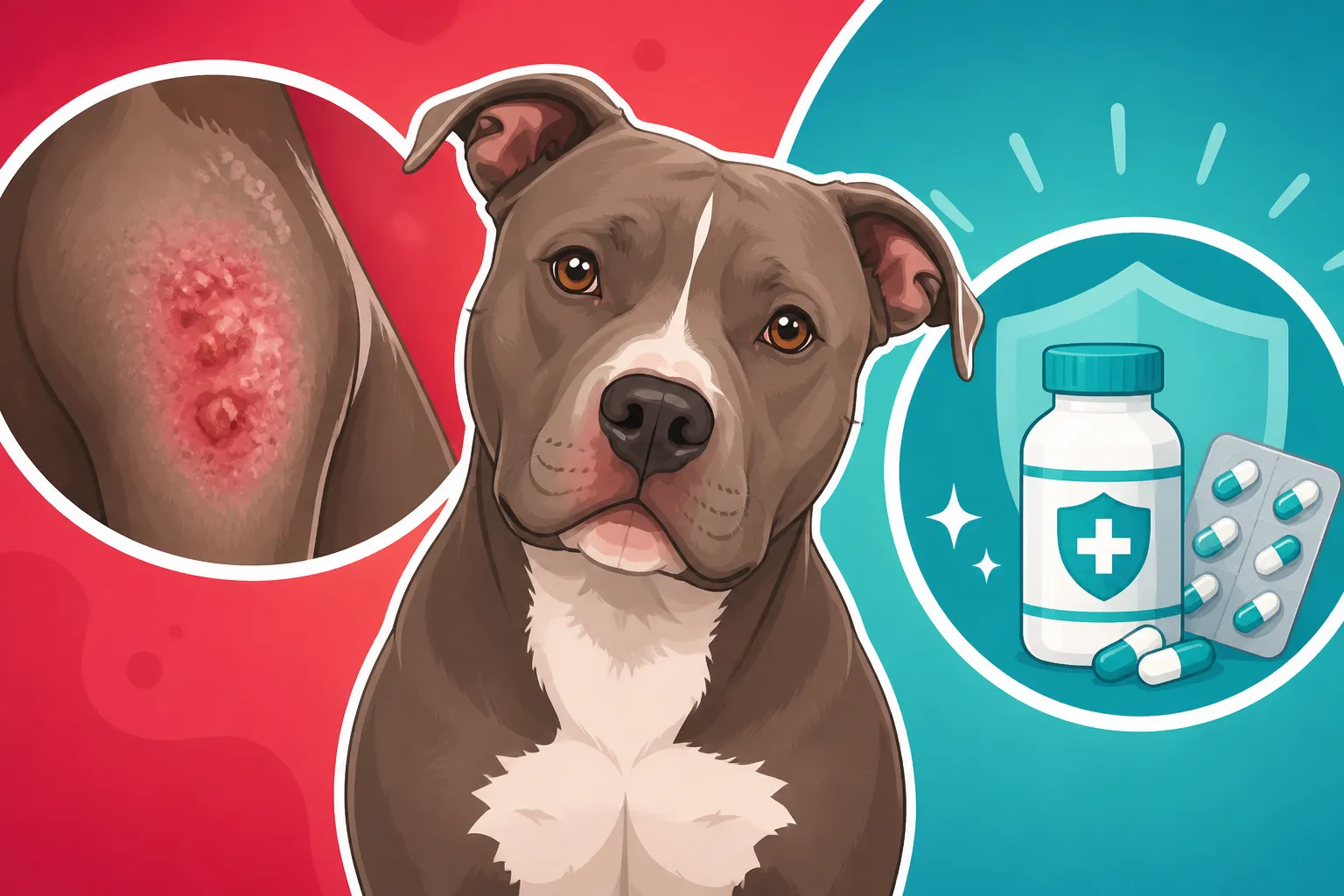
Spotting pyoderma early can make a big difference in treatment and comfort for your Pit Bull. The signs can vary depending on how deep the infection goes, but there are some common indicators to look out for. You might notice small, red bumps that look like human pimples – these are called pustules. These can then burst, leading to crusts and scabs forming over the affected areas. Hair loss, or alopecia, is also very common, often in circular or irregular patches. The skin underneath might be red and inflamed. Sometimes, especially in deeper infections, you might even notice a foul odor emanating from the skin, or a general greasiness.
Superficial pyoderma, which affects the upper layers of the skin and hair follicles, often presents with these pustules, crusts, and target-like lesions called epidermal collarettes, which look like rings of scale. Deep pyoderma, on the other hand, is much more serious, extending deeper into the hair follicles and surrounding tissues. This can lead to painful boils (furuncles), draining tracts, and widespread inflammation. Your Pit Bull might be extremely itchy, constantly licking their paws – a common indicator you can learn more about in Pit Bull Paw Licking and Chewing – or rubbing their face against the carpet to relieve the discomfort. It’s crucial to remember that these symptoms can mimic other conditions, like fungal infections (ringworm) or even certain types of mange, which is why a proper vet diagnosis is essential.
Diagnosing Pyoderma and When Antibiotics Become Necessary
When your Pit Bull is showing signs of a skin infection, a trip to the vet is non-negotiable. Trying to treat it at home with over-the-counter creams without a proper diagnosis can not only delay effective treatment but also mask symptoms, making the underlying problem harder to pinpoint. Vets have a systematic approach to get to the bottom of these itchy, scabby mysteries.
The Diagnostic Process for Pit Bull Skin Issues
When you bring your Pit Bull in, your veterinarian will start by gathering a thorough history. They'll ask about when the symptoms started, how long they've been going on, if there have been any previous skin issues, changes in diet, new environments, and how much itching your dog is experiencing. This information is vital for narrowing down potential causes.
Next comes a detailed physical examination, where your vet will meticulously inspect your Pit Bull's skin, looking for specific lesions, patterns of hair loss, and areas of inflammation. But a visual inspection is often not enough. To confirm pyoderma and rule out other issues, several diagnostic tests might be performed:
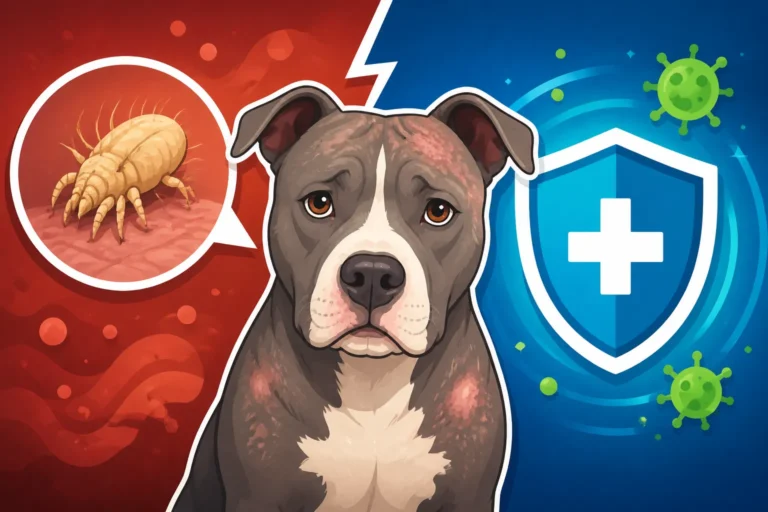
- Skin Scrapings: This is a quick and simple test where a small area of skin is scraped with a blade to collect samples that are then examined under a microscope. This is primarily done to rule out external parasites like mites, including Demodex, which causes mange. Understanding Skin Scrapings That Confirm Pit Bull Mange is important, as mange can look very similar to pyoderma.
- Cytology: This involves taking samples directly from the skin lesions, either by pressing a slide directly onto a lesion (direct impression smear) or using clear tape to lift cells (tape prep). The samples are then stained and examined under a microscope. This test is incredibly useful because it allows the vet to see the type of bacteria present (usually cocci, sometimes rods) and the inflammatory cells (neutrophils) that confirm a bacterial infection. This immediate insight often guides the initial choice of antibiotic.
- Fungal Culture: To rule out ringworm, which is a fungal infection, your vet might take hair or skin samples for a fungal culture. This is especially important because fungal infections require different treatments than bacterial ones.
It's critical to understand that while these tests confirm pyoderma, they don't always identify the underlying cause. The antibiotics prescribed will target the bacterial infection itself, but the quest to find and manage the primary trigger, whether it's allergies, parasites, or something else, is an ongoing process that is just as important as clearing the infection.
Choosing the Right Antibiotic and Understanding Resistance
Once pyoderma is confirmed, your vet will prescribe an antibiotic. For many straightforward cases of superficial pyoderma, they might start with a broad-spectrum oral antibiotic like cephalexin, clindamycin, or amoxicillin/clavulanate. These are common and effective against the usual skin bacteria.
However, if your Pit Bull has a history of recurrent skin infections, if the initial antibiotics aren't working, or if the infection is particularly deep or severe, your vet might recommend a culture and sensitivity (C&S) test. This test takes a sterile swab of the infection, sends it to a lab, and grows the bacteria. The lab then tests which specific antibiotics effectively kill that particular strain of bacteria. This is an incredibly powerful tool for combating antibiotic resistance, a growing concern in veterinary medicine. Using the right antibiotic from the start, based on C&S results, ensures the infection is cleared efficiently and reduces the chance of creating "superbugs" that are harder to treat.
Beyond oral antibiotics, topical treatments are often used in conjunction. Medicated shampoos, for example, are fantastic for reducing bacterial load on the skin, soothing irritation, and helping to remove crusts and debris. These can be a crucial part of the treatment plan, even after starting oral medications. Learn more about their role in Medicated Baths for a Pit Bull With Atopy. For very localized lesions, a topical antibiotic ointment like mupirocin might be prescribed, but it's rarely sufficient for widespread pyoderma.
Table of Common Oral Antibiotics for Pit Bull Pyoderma
| Antibiotic Class | Common Examples | Typical Use | Potential Side Effects (Common) | Notes |
|---|---|---|---|---|
| Cephalosporins | Cephalexin | First-line for superficial pyoderma | Vomiting, diarrhea | Often given with food to minimize GI upset. |
| Lincosamides | Clindamycin | Effective against Staph, good for deep pyoderma | Vomiting, diarrhea, anorexia | Can be good for patients intolerant to cephalosporins. |
| Potentiated Penicillins | Amoxicillin/Clavulanate | Broad-spectrum, good for mixed infections | Vomiting, diarrhea, anorexia | Used when a broader spectrum is needed or initial treatment fails. |
| Fluoroquinolones | Enrofloxacin (Baytril), Marbofloxacin | Reserved for resistant or deep infections | GI upset, cartilage issues (young dogs) | Used only with C&S results due to resistance concerns. Cannot be used in growing puppies. |
| Sulfonamides | Trimethoprim/Sulfa | Broad-spectrum, some resistance issues | GI upset, dry eye, blood dyscrasias | Less common as a first choice due to potential side effects and resistance. |
Always consult your veterinarian for the appropriate antibiotic and treatment plan for your Pit Bull.
Navigating Antibiotic Courses for Pit Bull Pyoderma
Getting a diagnosis and a prescription is a huge first step, but the real work, and sometimes the biggest challenge, comes in diligently following the antibiotic course. Many Pit Bull owners find themselves caught in a cycle of recurring skin infections, and often, not completing the full treatment is a major contributor.
The Critical Importance of Following the Full Course
This cannot be stressed enough: you must complete the entire course of antibiotics, even if your Pit Bull's skin looks perfectly normal after a few days or a week. It’s incredibly tempting to stop once the visible signs like redness, crusts, and itching subside. You see your dog feeling better, the skin looking clearer, and you might think, "Great, we're cured!" But this is the biggest mistake you can make.
While the surface infection might appear gone, there can still be a significant number of bacteria lingering deeper in the skin, or at lower concentrations. Stopping antibiotics prematurely allows these surviving bacteria to rebound and multiply, often leading to a quick recurrence of the infection. Worse yet, the bacteria that survive are often the most resilient ones, meaning the next infection might be caused by a strain that is resistant to the antibiotic you just used. This makes future treatments much harder and can necessitate stronger, more expensive, or less readily available medications.
A typical course for superficial pyoderma might be 3-4 weeks, but for deep pyoderma, it can easily extend to 6-8 weeks, or even longer in severe cases. Your vet will advise on the specific duration. Make a schedule, set reminders, and do whatever you need to ensure every single dose is given until the prescription runs out or your vet explicitly tells you to stop after a re-check.
Potential Side Effects and Monitoring During Treatment
While antibiotics are crucial for clearing bacterial skin infections, they aren't without potential side effects. The most common issues you might observe in your Pit Bull are gastrointestinal upset, including vomiting, diarrhea, or a decreased appetite. This is because antibiotics can disrupt the natural balance of beneficial bacteria in the gut.
If your Pit Bull experiences these side effects, don't panic or stop the medication immediately without consulting your vet. Often, giving the antibiotic with food can help mitigate GI upset. Your vet might also recommend a probiotic supplement specifically designed for dogs to help support gut health during the antibiotic course. If the side effects are severe or persistent, your vet might adjust the dosage, switch to a different antibiotic, or prescribe supportive medications to help with the GI symptoms.
Regular follow-up visits are also a key part of monitoring during treatment. Your vet will want to re-check your Pit Bull's skin to ensure the infection is resolving appropriately. This might involve another physical exam, and often, repeat cytology (skin smears) to confirm that the bacterial numbers have significantly decreased or are completely gone. This helps ensure that the full course truly clears the infection and isn't stopped too soon. Managing these recurring vet visits and potential extended courses can certainly add up. Many Pit Bull owners find that pet insurance, such as policies from Healthy Paws, can be incredibly helpful in covering these ongoing treatment costs, especially if your dog is prone to chronic skin issues.
Addressing the Root Cause to Prevent Future Pyoderma
Clearing the current pyoderma with antibiotics is only half the battle. As we discussed, pyoderma is almost always a secondary infection. If you don't identify and manage the primary underlying cause, your Pit Bull is highly likely to experience recurrent pyoderma, leading to a frustrating cycle of endless antibiotic courses and discomfort. This is where the detective work really begins, and it often requires significant commitment from you, the owner.
The most common primary culprits for Pit Bulls are allergies. This could be environmental allergies (atopy), where your dog reacts to pollen, dust mites, or molds, leading to constant itching and subsequent self-trauma. Managing this might involve medications like Apoquel or Cytopoint to control the itch, or even long-term immunotherapy (allergy shots) to desensitize your Pit Bull to specific allergens. You can learn more about managing these conditions in Apoquel and Cytopoint for an Itchy Pit Bull or by understanding What Allergy Shots Cost a Pit Bull Owner.
Food allergies are another significant trigger, often manifesting as skin issues. This requires a strict, veterinary-prescribed elimination diet, often for eight weeks or more, to identify offending ingredients. It means no treats, no table scraps, and strict adherence to a novel protein or hydrolyzed protein diet. This can be challenging, but it's often the only way to pinpoint a food allergy. Get the full scoop on this process in An Eight Week Food Trial on an Itchy Pit Bull.
Other potential underlying causes to address include:
- Parasites: Year-round flea, tick, and mite prevention is essential. Even a single flea bite can trigger a severe allergic reaction and secondary pyoderma in a sensitive Pit Bull. More on this in Flea Allergy Dermatitis in a Pit Bull.
- Endocrine Issues: Less common, but conditions like hypothyroidism can weaken the skin and immune system, making dogs more susceptible to infection. If other causes are ruled out, your vet might consider a thyroid panel. Learn about When a Pit Bull Thyroid Panel Is Worth Running.
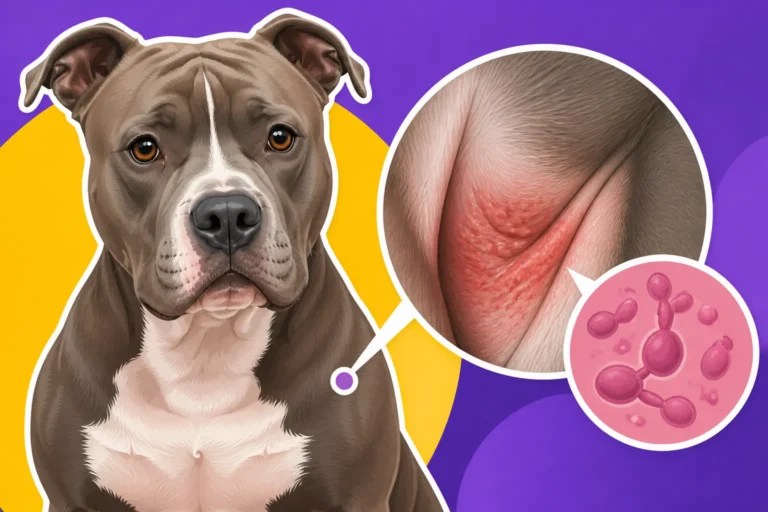
- Skin Fold Dermatitis: While not as common in all Pit Bulls, some individuals or specific bully breeds may have skin folds that trap moisture and bacteria, leading to irritation and infection. Regular cleaning and attention to these areas, like those covered in Pit Bull Skin Fold and Belly Irritation, are critical. This also ties into Yeast Infections in Pit Bull Skin Folds, which often co-occur with bacterial pyoderma.
Managing these underlying conditions is often a lifelong commitment for Pit Bull owners, and it can involve ongoing costs for special diets, medications, and vet visits. This is where having pet insurance like Healthy Paws can truly provide peace of mind, helping to cushion the financial impact of chronic skin management and ensuring your Pit Bull receives the best possible care without you having to choose between your budget and their well-being. A proactive and comprehensive approach to their skin health is the best way to keep those pesky pyoderma infections from coming back.
Disclaimer
The information provided in this article is for general informational purposes only and is not a substitute for professional veterinary advice. Always consult with a qualified veterinarian for any health concerns or before making any decisions related to your pet's health and treatment.