Rescue Transport Costs for a Pit Bull
Bringing a Pit Bull into your home is a huge step, and it's even more complex when your perfect furry friend is located hundreds or even thousands of miles away. Many hopeful adopters face the frustrating reality of finding their ideal companion in a rescue that's just too far to drive to easily, making rescue transport a critical, yet often underestimated, part of the adoption journey. This guide will walk you through the various costs and logistical considerations involved in safely transporting a Pit Bull from a distant rescue to your loving home, helping you budget and prepare for this significant undertaking.
Understanding Rescue Transport for Pit Bulls
It's a common scenario: you've been searching diligently for your next family member, perhaps specifically for a Pit Bull type dog, and you finally spot "the one" on a rescue's website or social media. There's just one catch – they're in another state, or even across the country. This isn't unusual, as many wonderful Pit Bulls find themselves in shelters with high intake rates, far from areas with greater demand or fewer breed restrictions. Rescue transport fills this gap, connecting dogs in need with homes ready to open their doors.
Why Distant Adoptions Happen So Often
The reality for many Pit Bull type dogs is that their journey to a forever home is rarely straightforward. Shelters in certain regions can be overwhelmed with these wonderful dogs, leading to lower adoption rates and higher euthanasia numbers. Conversely, areas with more lenient breed-specific legislation or a stronger Pit Bull advocacy community often have a higher demand for these dogs than their local shelters can meet. This imbalance naturally creates a need for transport. You might live in a state where landlords are more accepting, or your local shelter has already been cleared of suitable Pit Bulls. Finding the right match often means looking further afield.
The emotional connection you feel to a dog you see online can be incredibly powerful. You might see their soulful eyes, their goofy grin, or read a story that just pulls at your heartstrings. When that dog is far away, the initial excitement can quickly turn into a logistical headache. It’s not just about the commitment to the dog; it’s about navigating the practical hurdles that stand between you and bringing them home. Many people underestimate the planning and costs involved, thinking it’s a simple matter of a bus ticket or a plane ride. We're here to tell you it's a bit more involved, especially for a Pit Bull.
The Journey from Shelter to Forever Home
Typically, the rescue transport process involves several key stages. First, the dog needs to be deemed healthy enough for travel by the sending rescue's veterinarian. This usually includes a comprehensive health check, up-to-date vaccinations, and often a spay/neuter surgery if not already done. Then, a transport coordinator, either within the rescue or an independent volunteer, arranges the logistics. This might involve a network of volunteer drivers who hand off the dog relay-style across state lines, or professional ground transporters who cover longer distances. In some limited cases, air transport might be considered, though this is far less common for Pit Bulls due to breed restrictions. Finally, the dog arrives at a designated meeting point, ready for you to pick up and begin your new life together. It's a journey filled with anticipation, but also with necessary steps and expenses that need careful consideration. For more on what a Pit Bull health history should cover, you might want to read our article on that topic.
Factors Influencing Pit Bull Transport Costs
Understanding the variables that influence the cost of transporting a Pit Bull is crucial for accurate budgeting. This isn't a one-size-fits-all expense, and several factors can significantly swing the final price tag.
Distance and Geographical Location
This is perhaps the most obvious factor. The further your new Pit Bull needs to travel, the higher the cost. A dog coming from a neighboring state might only require a few hundred miles of travel, potentially covered by a volunteer network or a short professional transport. However, a dog traveling cross-country, say from Texas to New England, involves thousands of miles, multiple drivers, more fuel, and potentially overnight stops. Each leg of the journey adds to the overall expense. Think about the mileage; professional transporters often charge by the mile, with variations for rural vs. urban routes. If your desired Pit Bull is coming from a region with unique geographical challenges, like mountainous terrain or areas prone to severe weather, that can also impact logistics and cost.
Method of Transport: Ground Versus Air
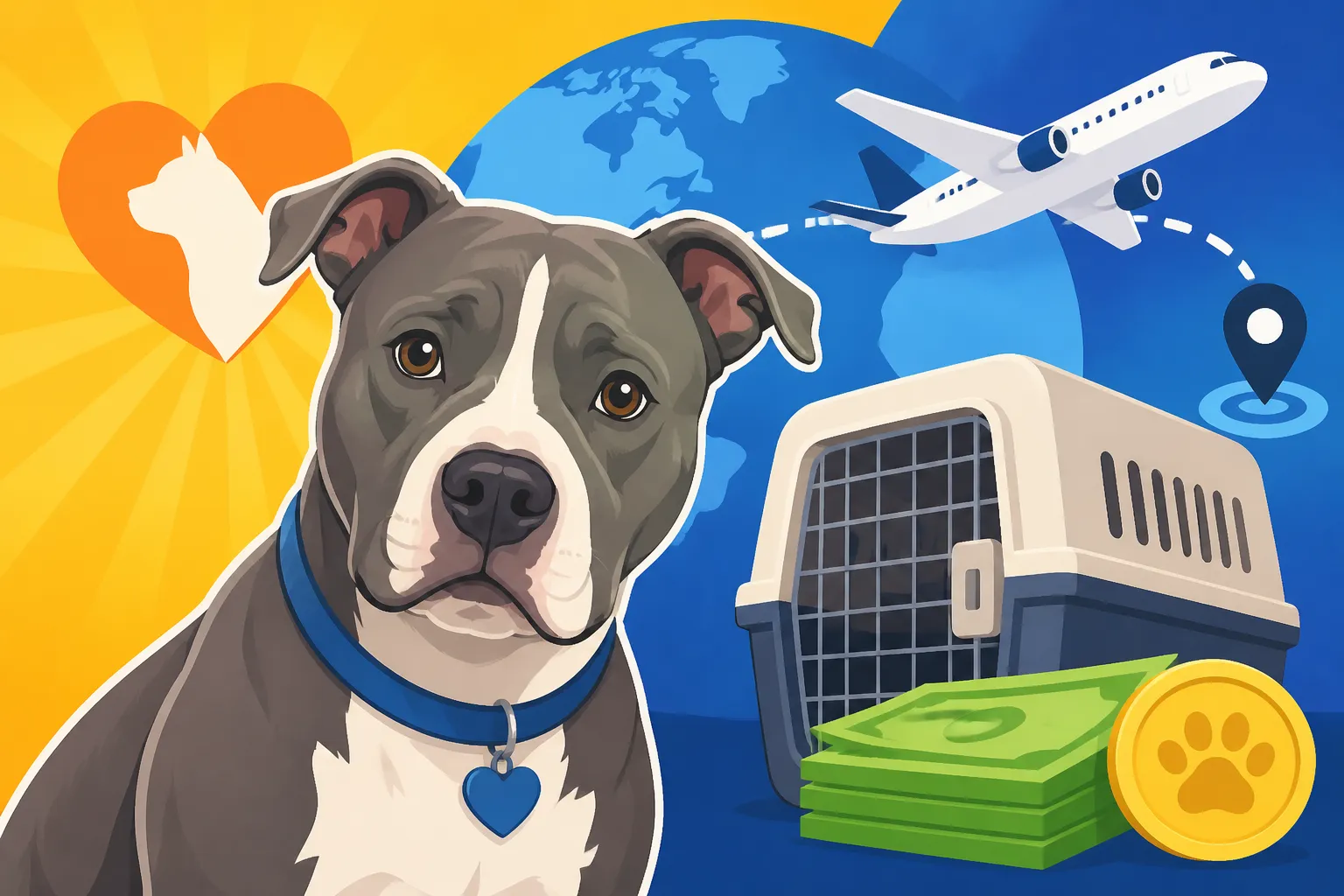
For Pit Bulls, ground transport is overwhelmingly the most common, and often the only, viable option. Many airlines have breed restrictions that prohibit "Pit Bull type dogs" from flying in cargo, regardless of their individual temperament or training. These restrictions are a major hurdle for adopters looking to fly their new companion home, and they mean that ground transport services are in high demand for these breeds.
- Ground Transport: This can range from volunteer "freedom rides" where individuals drive a leg of the journey, to professional transport companies. Volunteer transport might only cover fuel costs, but it requires coordination with multiple people and schedules. Professional ground transport offers reliability and door-to-door or hub-to-hub service but comes with a higher price tag. They typically use climate-controlled vehicles, provide regular potty breaks, and feed the dogs on schedule.
- Air Transport: While generally faster, air transport is often off-limits for Pit Bulls. If by some rare chance an airline does permit a Pit Bull (perhaps if it's a smaller, less "Pit-like" mix and cleared by their specific rules), the costs involve specialized crates, airline cargo fees, potential temperature restrictions (meaning they can only fly during specific times of year), and health certifications issued within a very tight window. This can quickly become prohibitively expensive and logistically complex.
Size, Age, and Special Needs of the Dog
A larger, heavier Pit Bull will naturally cost more to transport than a smaller puppy or a leaner adult. This is due to crate size requirements, the amount of space they take up in a transport vehicle, and increased fuel consumption. An older Pit Bull or one with existing health conditions might require more frequent stops, specialized handling, or medication administration during transport, which can also increase fees. For instance, a dog recovering from a recent surgery, or one needing specific joint support for a heavily muscled Pit Bull, might require extra care during the journey. A puppy, especially a young one, might need more frequent potty breaks and feeding, which transporters factor into their pricing. This is something to discuss upfront with any transport service or rescue.
Associated Medical and Care Costs Before Transport
Before a Pit Bull can even begin its journey, it often needs a clean bill of health. This means a full veterinary check-up, necessary vaccinations (including a check on its Pit Bull Puppy Vaccination and Parvovirus status), deworming, and potentially a microchip (if not already done). Many rescues also spay or neuter all animals before adoption, and that cost is sometimes folded into the adoption fee but can be an additional transport prerequisite. Depending on the rescue's protocols and state regulations, a health certificate issued by a licensed veterinarian is usually mandatory, certifying the dog is fit for travel and free of contagious diseases. These veterinary expenses are often included in the overall adoption fee, but if you're coordinating transport yourself, you'll need to factor them in. Knowing What a Pit Bull Health History Should Cover can help you understand these pre-transport requirements.
Breaking Down the Common Costs
When you’re planning to bring a rescue Pit Bull home from a distance, it’s not just one big lump sum. There are several distinct categories of expenses that contribute to the final transport cost. Thinking about these individually can help you budget more effectively and avoid surprises.
Pre-Transport Veterinary Care and Health Certificates
As mentioned, a healthy dog is a travel-ready dog. Before any reputable transport, your Pit Bull will need a recent vet check. This ensures they are physically sound and up-to-date on all required vaccinations. Many rescues include these costs in their adoption fees, but it's always good to confirm. If you’re working directly with a private rehoming situation or a smaller rescue, you might need to cover the cost of a veterinarian visit for a health certificate. This certificate, often required by law for interstate travel, verifies that your dog is healthy and free of communicable diseases. The cost for this can vary, but generally, expect a consultation fee plus the certificate charge itself. Sometimes, additional tests might be needed, or booster shots if the dog's records aren't current. These are vital steps to ensure the safety and well-being of your new companion during travel, as well as preventing the spread of illness.
Travel Crates and Supplies
A safe and comfortable travel crate is non-negotiable for transport. For ground transport, this often means a sturdy plastic kennel, sometimes called an airline-approved crate (even if not flying). The crate must be appropriately sized for your Pit Bull – large enough for them to stand up, turn around, and lie down comfortably. A smaller dog might fit in a less expensive crate, but a larger, more muscular Pit Bull will require a bigger, more robust model, which naturally costs more. You'll also need bedding for comfort, and food and water bowls that attach securely to the crate door. Some transporters might require specific types of bowls to prevent spills.
Consider investing in quality gear, as these items will be essential not just for transport, but also for ongoing crate training once your Pit Bull arrives home. Brands like Chewy offer a wide selection of crates and accessories, from soft beds to attachable water dispensers, making it easy to find what you need. Remember, this isn't just about the journey; it's about preparing a safe space for your dog. For more on essential gear, check out our guide on Pit Bull Crates, Harnesses and Chew-Proof Gear.
Fuel, Lodging, and Handler Fees for Ground Transport
When you opt for professional ground transport, you're paying for more than just gas. You're covering the cost of fuel for the entire journey, which can be significant for long distances. Beyond that, handlers often need to factor in lodging for overnight stops, especially on multi-day trips. These costs ensure the drivers are well-rested and can safely continue the journey, prioritizing the welfare of the animals in their care.
Professional transporters also charge a fee for their time, expertise, and the use of their specialized vehicles. This "handler fee" covers their labor, vehicle maintenance, and the careful planning involved in coordinating routes, potty breaks, and feeding schedules. These services often provide updates along the way, giving you peace of mind. It’s a comprehensive service, and these fees reflect the dedication required to safely move animals over long distances. Some transporters even offer premium services like one-on-one attention or more frequent stops for anxious dogs, which can add to the cost.
Airline Cargo Fees and Specific Requirements
While challenging for Pit Bulls, if you do find an airline that will transport your dog, the fees can be substantial. Air cargo costs are typically determined by the size and weight of the crate and the dog combined. There are often additional fees for specific flight times, climate control requirements, and handling. Airlines also have very strict rules about crate construction, ventilation, and labeling. You'll need specific "Live Animal" stickers and often a signed health certificate issued within 10 days of travel, sometimes even closer to the flight date.
Furthermore, many airlines have embargoes on live animal transport during extreme weather conditions (too hot or too cold), which can lead to last-minute cancellations and delays. The stress and potential health risks associated with air travel for brachycephalic (short-nosed) breeds are also concerns that some airlines extend to Pit Bull types, even if they aren't technically brachycephalic, due to general perception and safety precautions. This complexity is why Traveling and Moving With a Pit Bull is often easiest by car.
Quarantine, Import/Export Paperwork, and Local Legislation
For most domestic rescue transports within the United States, extensive quarantine or import/export paperwork isn't typically required beyond the health certificate. However, if you are moving a Pit Bull internationally, or even from some U.S. territories to the mainland, the requirements become much more stringent and costly. This can involve blood tests, extended quarantine periods, and a stack of veterinary and government-issued documents. Each country, and even some states, has its own rules regarding animal entry, and for breeds with perceived restrictions like Pit Bulls, these can be even more complicated.
Beyond explicit import/export rules, it's crucial to be aware of local legislation at your destination. Some cities or counties still have breed-specific legislation that can affect Pit Bull ownership, even if your state doesn't. You need to ensure your new home actually allows Pit Bulls before you even begin the transport process. This research needs to happen well in advance, as being unprepared could lead to heartbreaking complications upon arrival.
Here's a quick comparison of common transport options:
| Feature | Volunteer Ground Transport | Professional Ground Transport | Air Cargo (Rare for Pit Bulls) |
|---|---|---|---|
| Cost | Low (fuel reimbursement) | Moderate to High | High |
| Speed | Variable, can be slow | Moderate | Fast |
| Reliability | Dependent on volunteer network | High, scheduled routes | High (if permitted), but weather-dependent |
| Comfort/Care | Varies by volunteer | High, trained handlers | Regulated, but stressful |
| Breed Specific | Generally accommodating | Generally accommodating | Very restricted |
| Documentation | Health certificate | Health certificate | Extensive, strict timeline |
| Required Crate | Sturdy travel crate | Sturdy travel crate | Airline-approved specific crate |
Navigating Breed-Specific Transport Challenges
Adopting a Pit Bull comes with its own set of unique considerations, and transport is no exception. Due to public perception and historical biases, Pit Bulls often face hurdles that other breeds do not, even when it comes to simply getting them from one place to another.
Airline Restrictions on Pit Bull Type Dogs
This is arguably the biggest breed-specific challenge when it comes to transport. Many major airlines, both domestic and international, either outright refuse to transport "Pit Bull type dogs" in cargo or have severe restrictions that make it nearly impossible. They often lump several breeds under this umbrella term, including American Pit Bull Terriers, American Staffordshire Terriers, Staffordshire Bull Terriers, and sometimes even American Bullies or various mixes. The reasoning usually boils down to perceived safety risks, even though countless Pit Bulls travel safely every day.
These restrictions mean that if you find a Pit Bull you adore across the country, flying them to you is likely off the table. This forces adopters and rescues to rely almost exclusively on ground transport, which, while often safer and less stressful for the dog, significantly increases the time and cost involved for long distances. It's a frustrating reality for many, and it means thorough research into transport options needs to happen before you even commit to adoption.
Ground Transport as the Primary Solution
Given the airline limitations, ground transport becomes the hero of the story for Pit Bull adoptions. This method offers several advantages specific to these powerful, often robust dogs. Ground transporters can make more frequent stops for potty breaks and exercise, which is great for a high-energy Pit Bull who might struggle with being confined for long stretches. The environment is typically quieter and less jarring than an airport cargo hold, reducing stress.
Professional ground transport services, in particular, are accustomed to handling Pit Bulls and other strong breeds. They have vehicles equipped to safely secure large crates and provide climate control. While it takes longer, the journey is often more comfortable and less traumatic for the dog. Many rescues work with trusted ground transporters regularly, making the process smoother. However, this also means that the cost of professional ground transport for a Pit Bull is a non-negotiable expense for long-distance adoptions.
Finding a Vet Comfortable with Pit Bulls for Health Certificates
When you're arranging transport, particularly if you're coordinating with a smaller rescue or an individual, you'll need a veterinarian to issue the health certificate. Believe it or not, finding a vet who is comfortable and experienced with Pit Bulls can sometimes be a minor hurdle, even in the sending location. While most vets are professional and treat all breeds equally, some may have less experience or specific protocols depending on their clinic's policies.
It’s crucial that the vet providing the health certificate is thorough and understands the requirements for interstate travel. A simple oversight on the certificate could cause delays or even rejection of the transport. Rescues typically have established relationships with vets who know the ropes, but if you're navigating this yourself, be prepared to ask questions and ensure all paperwork is precisely filled out. Our article, Finding a Vet Comfortable With Pit Bulls, offers some great advice on this front.
Local Legislation Impacts on Arrival
This is a critical, often overlooked, aspect of Pit Bull transport. Before you even consider bringing a Pit Bull to your home, you must research the local laws and regulations in your specific city, county, and state. Despite progress in many areas, breed-specific legislation (BSL) still exists in various forms across the country. Some localities may ban Pit Bull ownership outright, while others impose strict requirements like mandatory muzzling in public, specialized licensing, higher insurance premiums, or even microchipping requirements.
Imagine going through all the expense and effort of transporting your beloved Pit Bull, only to find out upon arrival that your municipality has a ban or stringent rules you cannot meet. This can lead to heartbreaking situations where you might be forced to rehome your dog or move. Websites like the Animal Legal Defense Fund or national breed advocacy groups often have resources that list areas with BSL. Don't rely on general state laws; drill down to your specific city or county ordinances. Being informed upfront can save you immense stress and potential heartache down the line. Our article Where Pit Bull Legislation Still Applies can be a good starting point for your research.
Budgeting for Your Pit Bull's Safe Journey Home
Once you understand the factors and potential costs, it's time to put together a realistic budget. This isn't just about the transport fee itself, but all the peripheral expenses that add up.
Estimating Transport Service Costs
The primary cost will be the transport service. As discussed, ground transport is most likely. Prices can range widely depending on distance, the type of service (volunteer vs. professional), and the specific company. For a professional ground transport covering a significant distance (e.g., across several states), you might expect costs to be in the hundreds of dollars, potentially reaching into the four figures for very long hauls or specialized services. Always get a detailed quote that outlines what is included (e.g., food, water, stops, updates). Some companies might offer discounts for multiple animals if you happen to be adopting more than one, or if they have other dogs traveling your route.
Don't be afraid to shop around and get quotes from a few reputable transport companies. Check their references and reviews, ensuring they have experience with Pit Bull types and maintain high standards of animal welfare. While price is a factor, safety and comfort for your new family member should be the priority.
Unexpected Costs and Contingency Planning
No matter how well you plan, unexpected costs can arise. A sudden vet visit might be needed if the dog develops an issue during transport, or an overnight stay might become necessary due to unforeseen road closures or vehicle trouble. Having a buffer in your budget is always a smart move.
Consider pet insurance from providers like Healthy Paws. While it won't cover pre-existing conditions or the transport itself, having a policy in place before your Pit Bull arrives could be invaluable for unexpected medical issues shortly after settling in. This is especially true for rescue dogs whose past health history might not be fully known. Many plans have waiting periods, so enrolling early is key.
Another unexpected cost could be a last-minute need for specific supplies. Maybe the crate the rescue planned to send isn't quite right, or you realize you need specialized food quickly. Having a little extra set aside, perhaps for a quick order from Chewy for emergency supplies, can alleviate stress.
Preparing for Arrival: Initial Supplies and Vet Visits
The costs don't end when your Pit Bull steps out of the transport vehicle. You'll need a whole host of supplies waiting for them at home. This includes a comfortable bed, a secure collar and leash, identification tags with your current contact information, food and water bowls, and a selection of durable chew toys. Pit Bulls are known for their strong jaws, so invest in toys that will last!
Your Pit Bull will also need a post-arrival vet check-up within a few days of getting home. This allows your local vet to establish a baseline for your dog's health, review their records, and discuss any immediate concerns or future care plans. This initial visit will have its own costs. If your dog is on a specific diet from the rescue, like a sensitive stomach formula, plan for that too. Companies like Ollie offer custom meal plans that can be a great option for maintaining a healthy diet and managing sensitivities for your new Pit Bull.
Finally, think about initial training. Even a well-behaved Pit Bull will benefit from a structured training class to bond with you and learn your household rules. This also helps with socialization and can be an investment in their long-term behavior.
Disclaimer
This article is for general informational purposes only and does not constitute professional advice. Laws, prices and regulations vary by location and change over time. Consult a qualified professional for guidance on your specific situation.