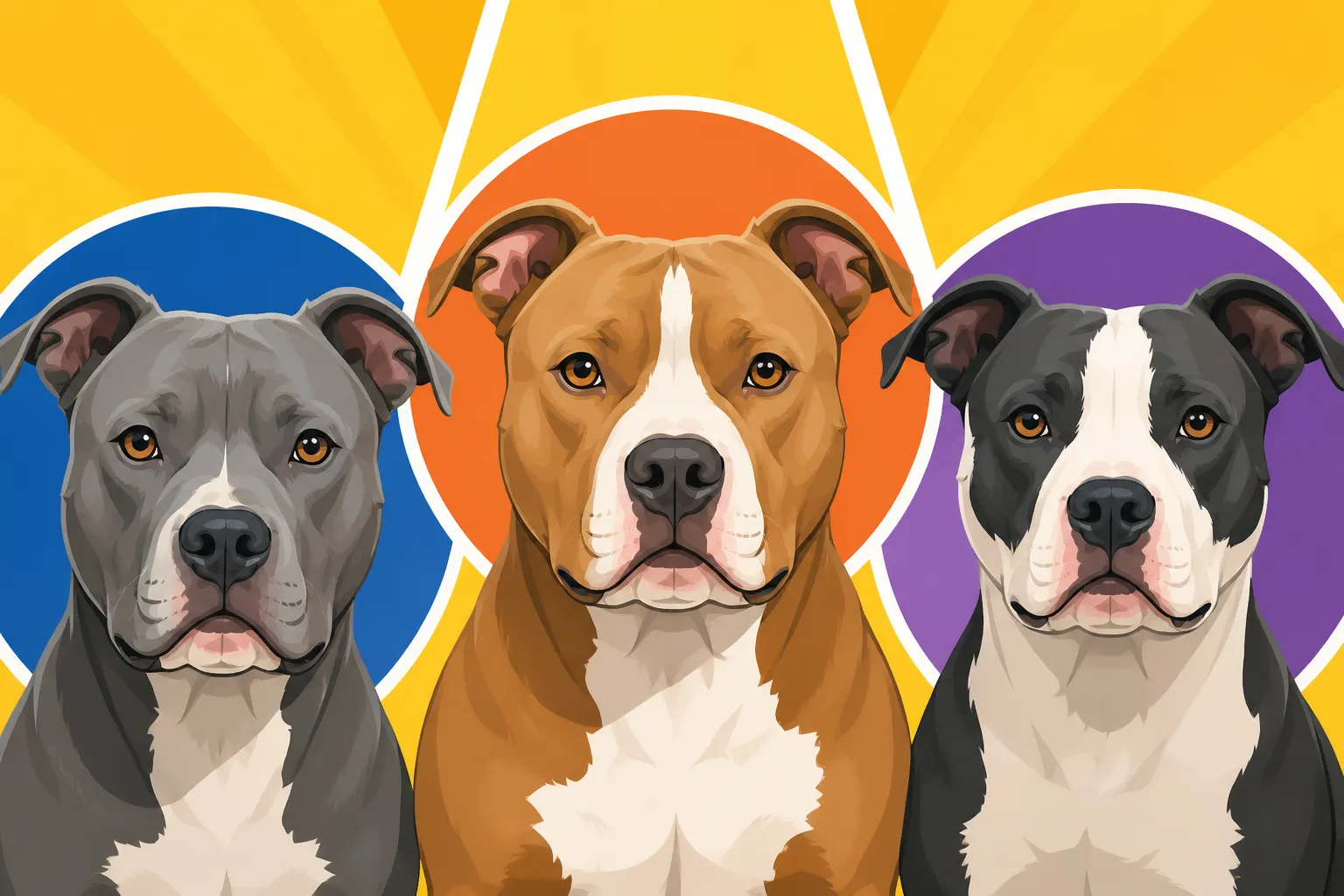
The Three Breeds People Call Pit Bulls
For many folks, the term "Pit Bull" conjures up a specific image – a powerful, muscular dog with a strong jaw and an undeniable presence. But if you've spent any time researching these incredible dogs, you quickly realize that "Pit Bull" isn't actually a single breed, and the confusion surrounding this label can make finding accurate information, or even finding housing, a real headache. This guide is here to clear the air, diving deep into the three distinct breeds most commonly grouped under that broad "Pit Bull" umbrella, giving you the real lowdown on their histories, characteristics, and what makes each one unique.
Understanding the "Pit Bull" Label: More Than Just One Breed
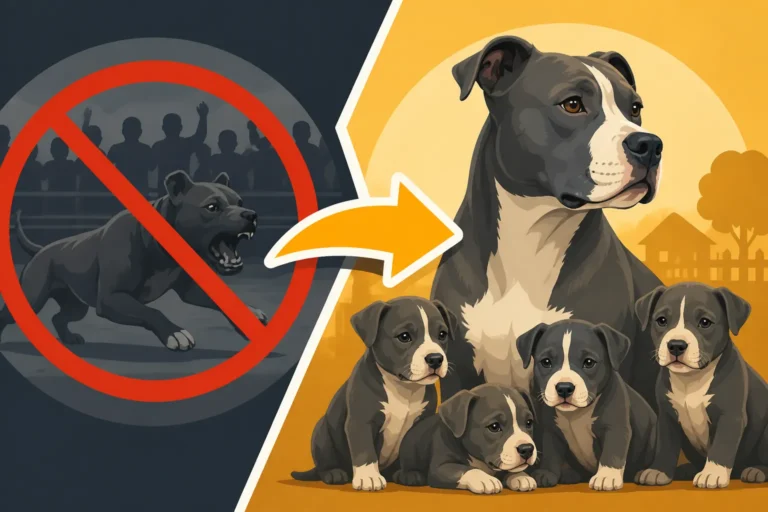
It's a common frustration: you say "Pit Bull," and everyone has an opinion, often based on media hype or outdated stereotypes. The truth is, the term "Pit Bull" is an umbrella, a type, rather than a single, officially recognized breed. It's like saying "terrier" or "hound" – it encompasses several distinct breeds that share common ancestry and physical traits. This widespread misunderstanding often leads to significant challenges for owners, from difficulty with insurance to outright breed bans in certain areas. It's tough when your beloved family member is lumped into a category that carries so much baggage.
The Common Misconception
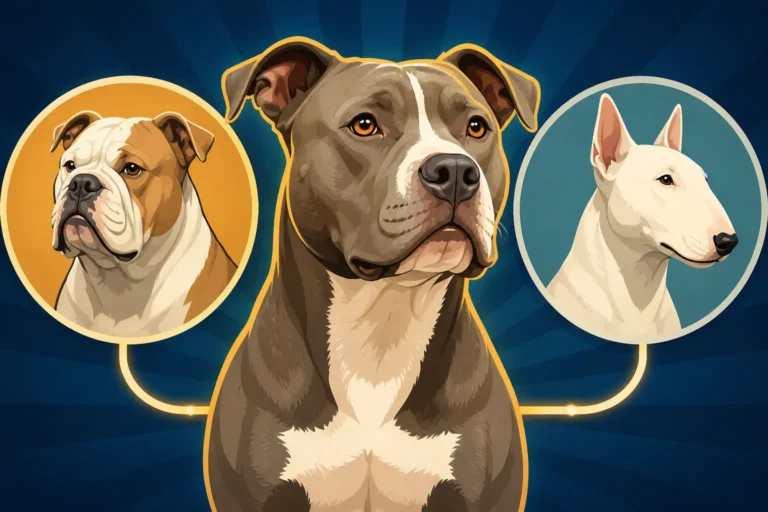
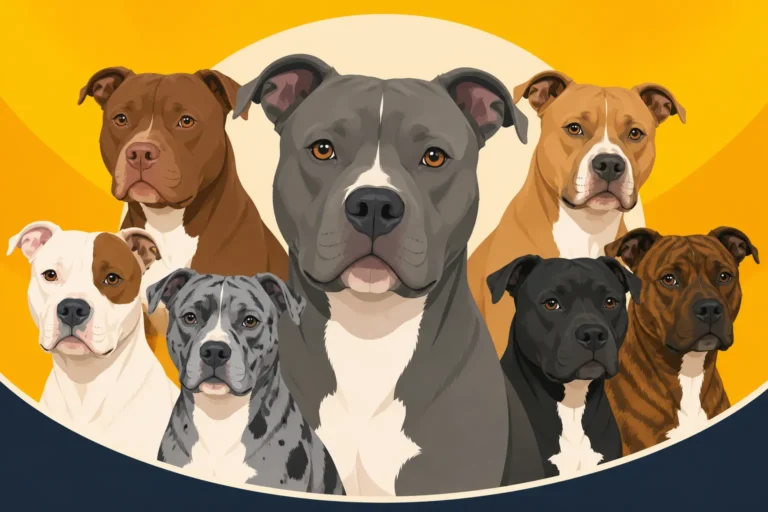
When someone refers to a "Pit Bull," they could genuinely be talking about one of three primary breeds: the American Pit Bull Terrier (APBT), the American Staffordshire Terrier (AmStaff), or the Staffordshire Bull Terrier (Staffie). Sometimes, even mixed-breed dogs with certain physical characteristics – a blocky head, muscular build, and short coat – are indiscriminately labeled "Pit Bull" by shelters, vets, or the general public. This visual identification, while understandable, is often inaccurate and fails to capture the nuances of a dog's genetic makeup or individual temperament. It's why Why Pit Bull Is a Type and Not a Breed is such an important topic to grasp early on.
The problem here isn't just semantics; it deeply affects the lives of these dogs and their families. This broad categorization, fueled by visual assumptions, frequently ignores the specific breed standards, historical developments, and individual temperaments that differentiate these dogs. It's not uncommon for a dog identified as a "Pit Bull" by a shelter to have little or no actual American Pit Bull Terrier, American Staffordshire Terrier, or Staffordshire Bull Terrier in its DNA when a proper breed identification test is performed. Yet, the label sticks, often with unfortunate consequences.
Why the Grouping Matters
The arbitrary grouping of these breeds under a single, often demonized, label has serious real-world implications. Breed-specific legislation (BSL) in various cities and counties often targets "Pit Bulls" based purely on this visual identification, without distinguishing between the distinct breeds or even acknowledging mixed-breed dogs. This can lead to owners being forced to move, relinquish their pets, or face stringent regulations like mandatory muzzling, special licensing, or high insurance premiums. It creates a climate of fear and prejudice against an entire type of dog.
Beyond legal challenges, this misconception affects public perception and adoption rates. Dogs labeled as "Pit Bulls" often languish in shelters longer, face higher euthanasia rates, and are subjected to intense scrutiny by potential adopters, landlords, and even neighbors. Understanding the individual breeds, their origins, and their typical characteristics can help us advocate more effectively for these dogs and challenge the unfair stereotypes. It’s about recognizing the dog in front of you for who they are, not for a label that's often incorrectly applied.
The American Pit Bull Terrier APBT: The Original Pit Bull
When people talk about the "original" Pit Bull, they're typically referring to the American Pit Bull Terrier. This is the breed that has deep roots in working capacities and is often at the heart of the "Pit Bull" discussion. They are undeniably powerful and athletic, but their history also tells a story of loyal companionship and incredible drive.
History and UKC Recognition
The American Pit Bull Terrier descended from the Bull and Terrier crosses of 19th-century England, bred for strength, gameness, and agility in blood sports like bull-baiting and bear-baiting. When these dogs arrived in America, they continued to be used for similar purposes, but also quickly found a place as working farm dogs, catch dogs, and beloved family companions. Their loyalty, intelligence, and protective nature made them versatile assets. It wasn't until 1898 that the United Kennel Club (UKC) became the first registry to recognize the American Pit Bull Terrier as a distinct breed, establishing a formal standard.
The UKC's recognition was a pivotal moment, giving these dogs an official identity and working towards legitimate sporting events and conformation shows. Breeders sought to maintain the working qualities and sound temperament that defined the APBT. Their history is complex, reflecting both the darker aspects of dog fighting and the brighter side of devoted partnership. Today, the UKC remains a primary registry for the breed, focusing on maintaining its traditional characteristics and promoting responsible ownership. You can find more details on The American Pit Bull Terrier and the UKC.
Key Characteristics and Temperament
APBTs are known for their muscular, athletic build, blocky heads, and powerful jaws. They typically weigh between 30 and 60 pounds, standing 17 to 21 inches at the shoulder. Their coats are short, stiff, and come in a wide variety of colors and patterns, except merle. But beyond their physical prowess, it's their temperament that truly defines them. They are often described as highly intelligent, eager to please, and incredibly affectionate with their human families. This combination makes them highly trainable, excelling in dog sports like agility, obedience, and weight pull.
However, it's crucial to acknowledge their strong prey drive and potential for dog-selectivity or dog-aggression, traits selectively bred for in their historical working roles. While not inherently aggressive towards humans, proper socialization and consistent training are non-negotiable for an APBT owner. They thrive on clear boundaries, mental stimulation, and plenty of physical exercise. A bored or undersocialized APBT can easily develop destructive behaviors or display undesirable tendencies. This isn't a dog for a first-time owner who isn't prepared to commit to significant training and management.
What to Expect as an Owner
Owning an APBT is a commitment to responsible pet parenthood. These dogs need more than just a backyard; they need engagement, structure, and positive reinforcement. Daily vigorous exercise is paramount – think long walks, runs, fetch sessions, or structured play in a secure yard. Mental stimulation, through puzzle toys or training sessions, is just as important to keep their intelligent minds occupied. They are generally resilient dogs, but like all breeds, they can be prone to certain health conditions, so regular vet check-ups are essential.
Socialization from a young age is critical to help them navigate the world calmly. Introducing them to various people, places, sounds, and appropriate dog interactions (always supervised) can help shape a well-adjusted dog. Given their strength and enthusiasm, early leash training is also a must. You'll likely find that a durable harness, perhaps from a brand like Chewy, will be indispensable for comfortable walks and control. Their devotion to their families is profound, and they thrive on being included in household activities. With the right guidance, an APBT can be an extraordinary companion, defying many of the negative stereotypes.
The American Staffordshire Terrier AmStaff: The AKC's Version
While closely related to the American Pit Bull Terrier, the American Staffordshire Terrier carved out its own distinct path, primarily through its recognition by the American Kennel Club (AKC). This breed represents a slightly different branch of the same ancestral tree, with a focus more on conformation and a specific breed standard.
Origins and AKC Recognition
The AmStaff shares its lineage with the APBT, both tracing back to the English Bull and Terrier dogs imported to the United States. However, around the 1930s, a divergence began. While the UKC continued to register dogs primarily for performance and working abilities as APBTs, some breeders sought recognition with the more prestigious American Kennel Club, which traditionally focused on show dogs and conformation. These breeders began selecting for specific physical traits, slightly heavier bone, and a more uniform appearance, distinguishing them from their working counterparts.
In 1936, the AKC officially recognized these dogs under the name "Staffordshire Terrier." To avoid confusion with the smaller English Staffordshire Bull Terrier and to emphasize their American development, the name was later changed in 1972 to "American Staffordshire Terrier." This formal recognition allowed the breed to participate in AKC conformation shows, solidifying its identity as a show dog rather than primarily a performance dog. This history of divergence is detailed in How AmStaffs and APBTs Split in the 1930s.
Distinguishing Features from the APBT
While incredibly similar in appearance, there are subtle differences in the breed standards between the American Staffordshire Terrier and the American Pit Bull Terrier. Generally, AmStaffs are bred to be a bit heavier-boned and more substantial in build than some APBT lines, though there's significant overlap. The AKC standard emphasizes specific proportions, a strong, powerful head, well-muscled body, and a certain squareness to their overall outline. Their weight typically ranges from 40 to 70 pounds, and they stand between 17 and 19 inches at the shoulder.
Temperamentally, both breeds share many admirable qualities, including intelligence, loyalty, and a strong desire to please. However, AmStaff breeders often placed a higher emphasis on a stable, companionable temperament suitable for the show ring and family life, and less on the extreme gameness sometimes associated with working APBTs. This isn't to say AmStaffs lack drive or spirit; they are still powerful, energetic dogs. However, their selection over generations has often leaned towards a more predictable and consistent temperament, prized in a family setting.
Living with an AmStaff
Like their APBT cousins, American Staffordshire Terriers thrive on human companionship and active lifestyles. They are intelligent and generally eager to please, making them highly trainable, though their strength and enthusiasm mean consistent training is key from a young age. Early socialization is paramount to ensure they are well-adjusted to various situations, people, and other animals. Without adequate mental and physical stimulation, an AmStaff can become bored, leading to destructive behaviors around the house. They need outlets for their energy, such as daily walks, playtime, or participation in dog sports.
They form strong bonds with their families and are known for being affectionate and playful. Many AmStaff owners describe them as "velcro dogs" who love to be near their people. Due to their dense muscle and short coat, they might benefit from a warm coat in colder climates, and they generally do not do well being left alone for extended periods. When considering toys or enrichment items, looking for durable, high-quality products, perhaps from a trusted retailer like Chewy, will be important to withstand their powerful jaws. An AmStaff, with proper care and training, makes for a loyal, engaging, and robust family member.
The Staffordshire Bull Terrier: England's "Nanny Dog"
Often affectionately referred to as the "Staffie," the Staffordshire Bull Terrier stands apart from its American relatives in a few key ways, most notably its smaller stature and a long-standing reputation for being excellent with children. This breed brings its own unique charm and history to the "Pit Bull" family tree.
British Roots and Breed Standard
The Staffordshire Bull Terrier hails directly from 19th-century Staffordshire, England, a mining region where they were originally bred from Bulldog and Terrier crosses. Like the ancestors of the APBT and AmStaff, Staffies were developed for bull-baiting and later, dog fighting. However, after the ban on blood sports in 1835, efforts were made to refine the breed into a companion and show dog, with an emphasis on a stable temperament suitable for family life. The breed was officially recognized by the Kennel Club (UK) in 1935, a testament to these focused breeding efforts.
The Staffie's history is marked by a deliberate shift away from fighting instincts towards developing a loyal and amiable companion. They are often celebrated in the UK as "the Nanny Dog," a nickname earned through their perceived patience and gentle nature with children. While no dog should ever be left unsupervised with children, this nickname speaks volumes about the temperament breeders aimed to achieve and largely succeeded in establishing. You can explore more about their specific origins in The Staffordshire Bull Terrier From England.
Temperament and Smaller Stature
Physically, Staffordshire Bull Terriers are noticeably smaller than their American counterparts. They are compact, muscular, and powerfully built, but typically weigh between 24 and 38 pounds and stand 14 to 16 inches tall. Don't let their smaller size fool you; they are incredibly strong for their stature and possess the same tenacity and courage characteristic of the bull and terrier type. Their heads are broad and their expressions are often described as alert and intelligent, with a characteristic "Staffie smile."
Temperamentally, Staffies are renowned for their outgoing, affectionate, and utterly devoted nature towards humans, especially children. They are often described as "people dogs" who crave interaction and cuddles. While they possess a strong prey drive and can be dog-selective, especially with same-sex dogs, their fundamental good nature towards people is a hallmark of the breed. They are intelligent and eager to please, making them highly trainable with positive reinforcement methods. Their energy levels are moderate to high, requiring daily exercise to keep them happy and healthy.
Ideal Home Environment
An ideal home for a Staffordshire Bull Terrier is one where they are an integral part of the family. They thrive on companionship and suffer if left alone for extended periods, making them prone to separation anxiety. Their smaller size makes them suitable for apartment living, provided they receive sufficient daily exercise and mental stimulation. Regular walks, playtime, and engaging training sessions are essential to meet their physical and mental needs.
Given their strong attachments to people, early and thorough socialization is still crucial, particularly regarding interactions with other dogs and novel environments. Because they are so stout and muscular, even playful tug games require a sturdy rope, which you might find in the dog toy section of Chewy, ensuring it stands up to their enthusiastic play. Their short coats require minimal grooming, but like all dogs, they benefit from regular health checks and a balanced diet. With consistent training, socialization, and plenty of love, a Staffordshire Bull Terrier makes a truly wonderful, loyal, and fun-loving family pet.
How These Breeds Diverged: A Look at Their Evolution
Understanding the individual histories of the American Pit Bull Terrier, American Staffordshire Terrier, and Staffordshire Bull Terrier highlights how slight differences in breeding goals and societal contexts led to their distinct identities, even while sharing a common ancestor. It’s a fascinating look at how dog breeds evolve.
The Role of Breed Registries
The divergence of these breeds is largely intertwined with the establishment and philosophies of different kennel clubs. The UKC, established in 1898, embraced the American Pit Bull Terrier, focusing on maintaining its working dog characteristics and gameness. For decades, the UKC remained the primary registry for the APBT, valuing performance and utility. This meant breeders often prioritized traits that served functional purposes, whether in historical pit sports or later, in legitimate dog sports.
On the other hand, the American Kennel Club (AKC), founded earlier in 1884, historically favored breeds developed for conformation and exhibition, with less emphasis on working trials for many of its recognized breeds. When some breeders of the Bull and Terrier type dogs sought AKC recognition, they selected for a slightly different aesthetic and a temperament more suited to the show ring and general companionship. This led to the creation of the Staffordshire Terrier (later AmStaff) as a distinct AKC breed in 1936. The Kennel Club (UK) also played a similar role in solidifying the Staffordshire Bull Terrier in Britain, standardizing its traits for conformation and companionship. This splitting of recognition truly shaped the breeds we know today, as The 1936 Studbook Opening That Split the Type details.
Physical and Temperamental Differences
While all three breeds share a common "bull and terrier" look – a powerful, muscular build, broad head, and short coat – the breed standards of each registry define subtle but important physical distinctions. As mentioned, the AmStaff is often bred for a slightly heavier bone and more uniform appearance than many APBT lines. The Staffordshire Bull Terrier, in contrast, is significantly smaller and more compact, designed for agility and strength in a smaller package. These physical differences, though sometimes minor, are key to understanding their individual breed identities.
Temperamentally, while all are known for their loyalty and affection towards humans, the emphasis in breeding also varied. APBTs were historically prized for their "gameness" – a tenacious spirit and drive to complete a task, sometimes regardless of pain or discomfort. While this can translate to incredible determination in sports, it can also manifest as dog-selectivity. AmStaffs, while equally tenacious, often had temperament selected for more consistent social demeanor for the show ring and family life. Staffies, particularly in the UK, were specifically bred for their affable nature with people, especially children, earning them their "nanny dog" moniker. It's not about one being "better," but about different breeding priorities over generations influencing subtle shifts in character.
The Impact of Breed Specific Legislation
The divergence created by these registries and breeding goals is largely ignored by breed-specific legislation (BSL). BSL often casts a wide net, targeting any dog that looks like a "Pit Bull," irrespective of its actual breed, ancestry, or individual temperament. This means that a purebred, AKC-registered American Staffordshire Terrier, a UKC-registered American Pit Bull Terrier, or even a smaller Staffordshire Bull Terrier can all be swept up under the same restrictive laws. Even dogs with no "Pit Bull" breeds in their DNA but possessing a similar phenotype can be misidentified and subject to bans.
This blanket approach undermines the efforts of responsible breeders and owners who have worked to maintain distinct and well-tempered lines within each breed. It's a prime example of how lack of education and reliance on visual stereotypes can unfairly impact a broad group of dogs and their human companions. The fact that individual dogs within these breeds often perform exceptionally well as therapy dogs, service dogs, and in various canine sports, showcases the injustice of these broad generalizations.
Navigating the "Pit Bull" Stereotype: Public Perception vs. Reality
Living with any of these three breeds means you'll likely encounter the long-standing "Pit Bull" stereotype. It's a burden that many responsible owners carry, constantly working to dispel myths and demonstrate the true nature of their beloved companions. This gap between perception and reality is one of the biggest challenges facing Pit Bull type dogs today.
Common Misconceptions and Media Portrayals
The public perception of "Pit Bulls" is heavily influenced by sensationalized media portrayals and historical associations with dog fighting. Terms like "locking jaws" (a biological impossibility for any dog breed) or "inherently aggressive" are frequently used, fueling fear and misunderstanding. News stories often generalize incidents, labeling any dog with a blocky head as a "Pit Bull" without accurate breed identification, further cementing negative stereotypes. This creates a skewed narrative that overshadows the countless positive stories of these dogs as loyal, loving, and stable family pets.
These misconceptions can lead to real-world difficulties: judging glances in public, neighbors avoiding your dog, or even outright discrimination in housing and insurance. It’s disheartening to constantly have to prove your dog isn’t what society often portrays them to be. The reality, as any owner of an APBT, AmStaff, or Staffie will tell you, is that these dogs are individuals, shaped by genetics, yes, but overwhelmingly by their upbringing, training, and environment. Just like people, dogs are products of their circumstances and care.
Advocacy and Education
Challenging these deeply ingrained stereotypes requires continuous advocacy and education. Organizations dedicated to Pit Bull advocacy work tirelessly to promote accurate information about these breeds, highlight their positive attributes, and fight against breed-specific legislation. They emphasize responsible ownership, proper training, and socialization as the true determinants of a dog's behavior, not its breed type. Sharing personal stories of well-adjusted, loving Pit Bull type dogs helps to chip away at the negative image, one positive interaction at a time.
Educating ourselves and others is a powerful tool. Learning about the true Pit Bull Temperament and What Testing Shows, such as the American Temperament Test Society (ATTS) results that often show these breeds performing as well as or better than many popular breeds, can help. Understanding that individual genetics, socialization, and training are far more influential than a breed label is crucial. It's about shifting the conversation from fear to factual understanding and compassion.
Responsible Ownership of Pit Bull Type Dogs
For those who choose to bring one of these wonderful dogs into their lives, responsible ownership takes on an even greater significance. This means committing to:
- Exceptional Training and Socialization: Early and ongoing positive reinforcement training is vital. Socializing your dog thoughtfully and safely with various people, places, and appropriate animals helps build confidence and good manners. Because of the perception, Training a Pit Bull to a Higher Standard Than Other Dogs is often necessary to help them navigate public spaces.
- Secure Containment: A secure yard and reliable leash are essential. These are powerful, intelligent dogs who can be escape artists or have strong prey drives.
- Public Ambassador Role: Understand that you and your dog are ambassadors for the breed. A well-behaved, friendly Pit Bull type dog on a walk does more to change minds than any statistic.
- Proactive Health Care: Regular vet visits, a balanced diet, and appropriate exercise contribute to a happy, healthy, and well-adjusted dog.
- Awareness of Laws and Policies: Be informed about local breed-specific legislation, housing restrictions, and insurance policies that might affect your dog.
By embracing these responsibilities, owners not only provide their dogs with loving homes but also contribute to slowly changing the public narrative, one wagging tail at a time. It’s a challenge, but a deeply rewarding one for those who understand and love these magnificent dogs.
Making an Informed Choice: Deciding Which "Pit Bull" Is Right for You
Bringing any dog into your home is a big decision, but when you're considering a Pit Bull type dog, it's particularly important to do your homework. Understanding the nuances between the American Pit Bull Terrier, American Staffordshire Terrier, and Staffordshire Bull Terrier can help you find the best match for your lifestyle and family.
Researching Breed-Specific Needs
Each of these three breeds, while sharing common ancestry, has evolved with slightly different characteristics and needs. Before you commit, dive deep into researching each one:
- Energy Levels: All are active dogs, but the intensity and duration of exercise required can vary. An APBT might have boundless energy for dog sports, while a Staffie might be content with solid walks and intense play sessions. Consider how much time you genuinely have for daily physical activity.
- Temperament: While affectionate with humans, consider their potential for dog-selectivity. If you already have other pets, especially other dogs or cats, this is a critical factor. Research their historical backgrounds to understand inherent drives.
- Size and Strength: Even the smallest Staffie is a strong, compact dog. If you're a first-time dog owner or have mobility limitations, consider the physical demands of managing a powerful animal on a leash, especially if they are excited.
- Grooming and Health: All three are relatively low-maintenance in terms of grooming due to their short coats. However, research common health issues for each specific breed, such as Pit Bull Hip Dysplasia Showing at One to Two Years or skin allergies, to be prepared for potential veterinary costs and care.
Don't just rely on general "Pit Bull" information; seek out resources specific to the APBT, AmStaff, or Staffie. Talk to owners of each breed, visit breed-specific rescues, and engage with reputable breeders to get a firsthand understanding.
Finding Reputable Breeders or Rescues
Once you've narrowed down which of the three breeds might be the best fit, the next crucial step is finding a responsible source for your new companion. This decision impacts not only the health and temperament of your dog but also whether you're supporting ethical breeding or rescue practices.
- Reputable Breeders: If you choose to go through a breeder, look for one who focuses on health, temperament, and adherence to the breed standard. A good breeder will:
- Be transparent about health testing parents for genetic conditions common in the breed (e.g., hip and elbow dysplasia, cardiac issues, specific genetic diseases like Pit Bull Cerebellar Ataxia and the DNA Test).
- Allow you to meet the puppy's parents and see where the puppies are raised.
- Provide references from previous puppy buyers and a comprehensive contract.
- Ask you as many questions as you ask them, ensuring their puppies go to suitable homes.
- Be affiliated with their respective breed clubs (e.g., UKC for APBTs, AKC for AmStaffs, Kennel Club for Staffies).
- Reputable Rescues: Adopting from a rescue organization or shelter is a fantastic option, as many wonderful Pit Bull type dogs are in need of homes.
- Look for rescues that conduct thorough temperament assessments and provide foster homes for their dogs, giving them valuable information about the dog's behavior in a home setting.
- They should be open about any known health issues or behavioral quirks and guide you on how to manage them.
- Many breed-specific rescues exist for APBTs, AmStaffs, and Staffies, offering extensive knowledge about their particular breed. Check out local shelter listings on a site like Chewy's adoption portal to see available dogs. Pit Bulls in American Shelters often wait longer for homes, making rescue an even more impactful choice.
Avoid buying from puppy mills, pet stores, or backyard breeders who cannot provide health clearances or allow you to visit their premises. These sources often prioritize profit over the health and welfare of their animals.
Preparing for Life with a Pit Bull Type Dog
Once you've made your choice, preparing your home and lifestyle for a Pit Bull type dog is key to a smooth transition and a happy life together.
- Secure Environment: Ensure your home and yard are secure. These dogs are intelligent and strong; tall, sturdy fencing is a must for a yard, and secure crates are often invaluable, especially during puppyhood or when you're away.
- Essential Supplies: Stock up on the basics: a high-quality, balanced dog food appropriate for their life stage, durable chew toys (because they are powerful chewers!), a comfortable bed, a sturdy leash and harness, and grooming supplies. Many of these items, from a strong, chew-resistant bed to a harness designed for a pulling Pit Bull, can be found readily on a site like Chewy.
- Financial Planning: Factor in the financial commitment. What a Pit Bull Costs to Adopt or Buy is just the beginning. Ongoing costs include food, vet care (including potential for allergy treatments or joint supplements), training classes, and pet insurance.
- Time Commitment: These are not "set it and forget it" dogs. They thrive on interaction, training, and exercise. Be ready to dedicate significant time and energy to their physical and mental well-being every single day.
- Community Awareness: Understand that you may face scrutiny from others. Be prepared to be an advocate for your dog and for the breed type, showcasing their true, loving nature through responsible ownership.
By taking these steps, you're not just getting a pet; you're welcoming a devoted companion and becoming part of a community dedicated to celebrating and protecting these often-misunderstood dogs.
Disclaimer
This article is for general informational purposes only and does not constitute professional advice. Laws, prices and regulations vary by location and change over time. Consult a qualified professional for guidance on your specific situation.