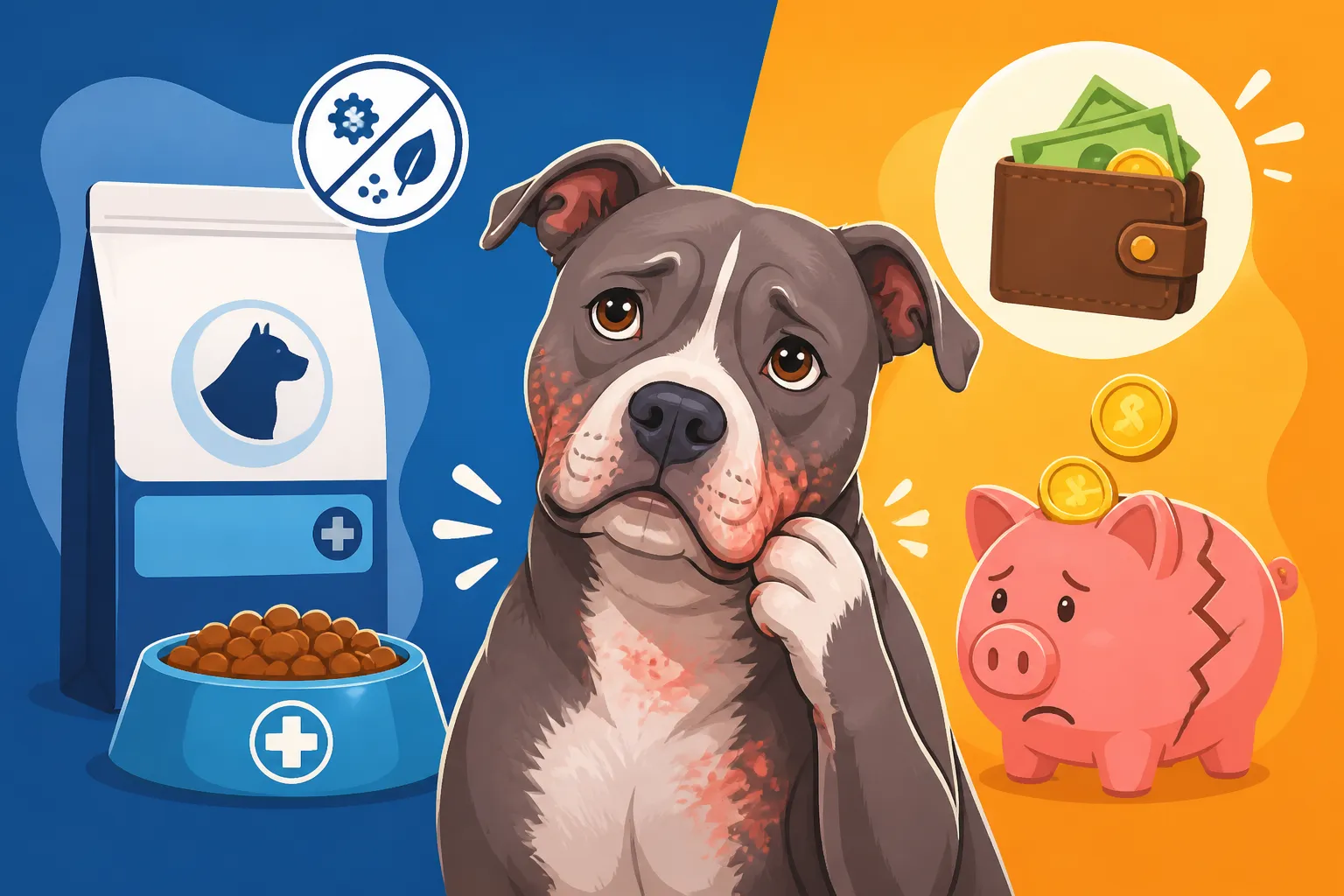
Prescription Diet Costs for an Allergic Pit Bull
It's incredibly frustrating when your beloved Pit Bull starts scratching, chewing, and just generally being miserable because of relentless allergies. You try everything – different foods, fancy shampoos, endless trips to the vet – only to find that sometimes, the only real relief comes from a prescription diet. But then you see the price tag, and it can feel like a punch to the gut. This guide is here to walk you through why these specialized foods are often necessary, what drives their cost, and how you can navigate the expenses of feeding an allergic Pit Bull without breaking the bank or sacrificing their well-being.
Understanding Why a Prescription Diet Becomes Necessary for Your Allergic Pit Bull
When your Pit Bull is constantly itching, licking their paws, or dealing with recurrent ear infections, it's heartbreaking. You just want them to be comfortable, but finding the root cause can be a long and expensive journey. Often, after ruling out parasites and environmental triggers, food allergies or sensitivities come into sharp focus.
The Frustration of Chronic Itching and Unexplained Symptoms
Picture this: your tough, muscular Pit Bull, usually full of boundless energy, is now spending hours rubbing their face on the carpet, gnawing at their paws until they're raw, or shaking their head constantly because their ears are inflamed. These aren't just minor irritations; they're signs of deep discomfort. Many Pit Bulls are prone to skin issues, and what often starts as a small patch of irritation can quickly escalate into widespread inflammation, secondary bacterial or yeast infections, and a cycle of itching and scratching that seems impossible to break. We see these chronic issues all the time, from widespread Pit Bull Skin Allergies and the Atopy Pattern to obsessive Pit Bull Paw Licking and Chewing. It's a relentless battle, and as an owner, you feel helpless watching them suffer. You've probably already cycled through several "sensitive skin" or "limited ingredient" foods from the pet store, hoping for a miracle, only to be met with disappointment.
How a Veterinary Diet Targets Specific Allergens
This is where a prescription diet comes into play, and it’s a whole different ballgame from what you'll find on regular shelves. The primary goal of these veterinary-exclusive foods is to either avoid common allergens entirely or to break down proteins into such tiny fragments that your dog's immune system doesn't recognize them as a threat.
There are generally two main types of prescription diets for allergies:
- Hydrolyzed Protein Diets: These diets contain proteins that have been chemically broken down into their component amino acids or very small peptides. Think of it like pre-digesting the food for your dog's immune system. Since the protein fragments are so small, the immune system is less likely to recognize them as an allergen, preventing an allergic reaction. This is often the gold standard for diagnosing and managing true food allergies because it minimizes the chance of an immune response.
- Novel Protein Diets: These diets use protein sources that your Pit Bull has likely never encountered before, like venison, duck, rabbit, or even alligator. The idea is that if your dog has never eaten it, they haven't had the chance to develop an allergy to it. These are often used as part of An Eight Week Food Trial on an Itchy Pit Bull to pinpoint specific triggers. The key here is novelty – if your Pit Bull has already been exposed to lamb or salmon in their previous foods, it might not be a truly novel protein for them.
What sets these diets apart isn't just the ingredient list, but the strict manufacturing process. They are made in dedicated facilities to minimize the risk of cross-contamination with common allergens like beef, chicken, or dairy. This meticulous attention to detail is crucial for dogs with severe allergies, as even tiny traces of an allergen can trigger a flare-up. Your veterinarian will typically recommend an Limited Ingredient Diets for an Itchy Pit Bull as the starting point for diagnosis.
Breaking Down the Cost Components of Prescription Diets
Let's face it, prescription diets often come with a higher price tag than your average bag of kibble, and that can be a real shock. It’s not just about the fancy label; there are tangible reasons why these specialized foods cost what they do.
The Sticker Shock: Why Prescription Diets Seem Pricier
When you look at a bag of prescription kibble, you might wonder why it's significantly more expensive than the large bags you used to pick up at the grocery store. Part of it boils down to the research and development that goes into creating these specialized formulas. Companies invest heavily in scientific studies to ensure the diets are effective, palatable, and nutritionally complete for dogs with specific health needs.
Then there's the ingredient quality and sourcing. For hydrolyzed diets, the enzymatic process to break down proteins is complex and costly. For novel protein diets, sourcing less common ingredients like venison or rabbit can be more expensive than conventional chicken or beef. Furthermore, the specialized manufacturing processes mentioned earlier – dedicated production lines to prevent cross-contamination – add to the overhead. It’s not just food; it’s a therapeutic tool designed to manage a medical condition, which naturally increases its value and, consequently, its cost. You're paying for the science, the quality control, and the peace of mind that comes with a diet specifically formulated to help your dog's allergies.
Dry Kibble Versus Wet Food Options
Just like with regular dog food, prescription diets come in both dry kibble and wet (canned) varieties. Each has its own cost implications:
- Dry Kibble: Generally, prescription dry kibble is the more economical option for most Pit Bull owners. You can buy larger bags, which often have a lower cost per pound, and it stores well. Given that Pit Bulls are often medium to large, feeding a wet-only prescription diet can become prohibitively expensive very quickly. However, some Pit Bulls, especially those with dental issues or who are particularly picky, might struggle with dry kibble.
- Wet Food: Prescription wet food tends to be considerably more expensive per calorie or per serving than dry kibble. The moisture content means you're often paying for water, and the canning process also adds to the production cost. While it can be more palatable for some dogs and a good way to ensure hydration, relying solely on wet prescription food for a Pit Bull can lead to substantial monthly bills. Many owners find a balance by feeding a primary dry prescription diet and using a small amount of the wet version as a topper or for administering medication.
The choice often comes down to your Pit Bull's specific needs, your vet's recommendation, and your budget. It's not uncommon for an owner to initially try wet food for palatability during the diagnostic phase, then transition to a dry formula once the right diet is identified.
Factor in Your Pit Bull's Size and Activity Level
Your Pit Bull's robust build and often high energy levels directly influence how much food they need, and thus, your monthly prescription diet expenses. A lean, powerful Pit Bull, even if they're a couch potato, will consume more calories than a toy breed. If you have a working Pit Bull who's active daily, perhaps participating in dog sports or long hikes, their caloric needs will be even higher.
A typical Pit Bull might weigh anywhere from 30 to 60 pounds, sometimes more, depending on their specific type and build. A 50-pound Pit Bull will naturally require a larger daily ration of a prescription diet than a smaller dog, amplifying the overall cost. For instance, if a bag of specialized kibble lasts a small terrier a month, it might only last your Pit Bull two or three weeks. This is a critical factor when calculating Feeding a Pit Bull to Keep Muscle Without Fat while on a restricted diet. Always consult your vet to determine the appropriate calorie intake for your dog's ideal weight and activity level, especially when transitioning to a new diet. Overfeeding or underfeeding can both lead to problems, and getting the portion size just right will help manage costs while maintaining your dog’s health.
Strategies for Managing Prescription Diet Expenses Without Compromising Health
Dealing with the ongoing costs of a prescription diet can be daunting, but there are smart ways to approach it. You don't have to choose between your Pit Bull's health and your financial stability.
Buying in Bulk and Exploring Online Retailers
One of the most effective ways to reduce the cost of prescription diets is to buy in larger quantities. Just like with human groceries, bigger bags often offer a better price per pound. However, ensure you have adequate, cool, dry storage for larger bags to prevent the food from going stale or spoiling, which would defeat the purpose.
Online retailers have become a game-changer for prescription pet food. Websites like Chewy often carry a wide selection of veterinary diets and can offer competitive pricing, especially when combined with subscription services. Many of these services provide a small discount for auto-ship orders and often include free shipping, which can add up to significant savings over time. You'll typically need your veterinarian to approve the prescription with the online pharmacy, ensuring your Pit Bull gets the correct formula.
Always be wary of unofficial sellers or unusually low prices, as these could indicate counterfeit products or expired food, which could be harmful to your dog. Stick to reputable online pharmacies or direct purchases from your vet to ensure authenticity and freshness.
Leveraging Pet Insurance and Veterinary Programs
When considering the cost of prescription diets, pet insurance can sometimes come to mind. It's important to understand that most standard pet insurance policies, including those from providers like Healthy Paws, generally do not cover the cost of prescription diets for existing conditions. If your Pit Bull was diagnosed with allergies before you enrolled them in a policy, the allergies (and associated diet) would typically be considered a pre-existing condition and excluded from coverage. However, if your Pit Bull develops a new allergy after you’ve been enrolled in pet insurance for a while, it's worth checking your policy details, as some plans might offer limited coverage for therapeutic diets under certain circumstances, usually requiring specific diagnoses and veterinary recommendations. Always read the fine print on your Pit Bull Pet Insurance and Breed Exclusions carefully.
Beyond insurance, many veterinary clinics offer loyalty programs or bulk purchase discounts directly to their clients for prescription foods. It never hurts to ask your vet if they have any programs that could help reduce your ongoing costs. They might also have samples or smaller bags available if you're trying a new formula, saving you from buying a large bag that your Pit Bull might not tolerate.
Considering Home-Cooked or Fresh Food Under Veterinary Guidance
For some Pit Bull owners, the idea of a home-cooked or fresh food diet feels like a natural step, especially when dealing with complex allergies. The appeal is understandable: you control every single ingredient, ensuring no hidden allergens slip in. However, this is a path that must be undertaken with strict veterinary supervision, ideally with a board-certified veterinary nutritionist.
Creating a nutritionally complete and balanced diet at home for a dog, particularly one with specific dietary needs due to allergies, is incredibly complex. Without precise formulation, you risk nutrient deficiencies or imbalances that can lead to other health problems over time. The cost can also be surprising, as high-quality, human-grade ingredients, especially novel proteins, can add up. Plus, there’s the significant time commitment for meal preparation. While services like Ollie can provide fresh, pre-portioned meals, you still need to ensure their formulas are appropriate for your specific allergic Pit Bull and their unique triggers. Always confirm with your vet how their ingredients and processing align with your dog's allergy management plan. Never attempt a homemade diet for an allergic dog without expert guidance to avoid the pitfalls detailed in Home Cooking for a Pit Bull and the Balance Problem.
Long-Term Outlook: Balancing Quality of Life and Financial Realities
Embarking on a prescription diet for your allergic Pit Bull is a commitment, both financially and emotionally. But it's also an investment in their long-term health and comfort. Considering the full picture, including the unseen costs of not using a prescription diet, can help frame the decision.
The Unseen Costs of Not Using a Prescription Diet
It's easy to focus on the upfront cost of that specialized bag of kibble, but what often goes overlooked are the cascading expenses and impacts of not properly managing your Pit Bull's allergies. If your dog continues to suffer from uncontrolled allergies, you’ll likely face a cycle of:
- Frequent Vet Visits: More appointments for flare-ups, ear infections, skin irritation, and general discomfort. Each visit incurs exam fees and potentially diagnostic tests.
- Medication Costs: This can include antibiotics for secondary bacterial infections (leading to courses like Pit Bull Pyoderma and Antibiotic Courses), antifungals for yeast, steroids or other anti-inflammatory drugs to control itching, and pain relief if they've chewed themselves raw. These medications can be expensive and often only offer temporary relief without addressing the root cause.
- Specialty Shampoos and Treatments: Medicated baths, wipes, and sprays become a regular expense as you try to soothe their skin.
- Emotional Toll: Watching your Pit Bull constantly itch, scratch, and be visibly uncomfortable takes a huge toll on you as an owner. The stress and worry can be immense.
- Reduced Quality of Life: A chronically itchy and uncomfortable dog isn't living their best life. They might be less playful, more irritable, and generally less joyful.
When you add up all these "hidden" costs, the daily expense of a prescription diet often starts to look like a more economical, and certainly more humane, long-term solution. It's about proactive management rather than reactive crisis control. This holistic view helps many owners see the true value, despite the higher initial cost, especially when considering What a Pit Bull Costs a Year With Allergies.
Regular Re-evaluation and Adjustments
Allergies aren't static; they can change over time. What works today might need tweaking in a year or two. This means your Pit Bull's prescription diet isn't necessarily a "set it and forget it" solution. Regular check-ups with your veterinarian are crucial to monitor their progress, assess their skin and coat health, and ensure the diet is still providing optimal results.
Your vet might suggest adjusting the specific formula, introducing Omega Oils for Pit Bull Skin and Coat or other supplements, or exploring additional treatments if new symptoms arise or if their current diet's effectiveness wanes. Open communication with your vet about your Pit Bull's condition and your budget is key. Don't hesitate to discuss concerns about cost; your vet wants what's best for your dog and can often help explore all available options, whether that's different prescription brands, alternative sourcing, or combining approaches to keep your Pit Bull comfortable and healthy for years to come.
Disclaimer
This article is for general informational purposes only and does not constitute professional advice. Laws, prices and regulations vary by location and change over time. Consult a qualified professional for guidance on your specific situation.