How Hard a Growing Pit Bull Should Work
It’s a truly exhilarating experience to bring home a bouncing Pit Bull puppy. You see that boundless energy, that eager-to-please sparkle in their eyes, and you naturally want to engage them, play with them, and help them develop into the magnificent, muscular dogs they're meant to be. But here's the catch many new owners grapple with: pushing them too hard, too fast, can actually do more harm than good to their still-developing bodies. This guide will walk you through understanding your growing Pit Bull's physical limits, suggesting safe activities, and knowing how to prevent lifelong injuries.
Understanding the Delicate Growth Plates in a Pit Bull Puppy
When you look at your young Pit Bull, they might seem like a miniature version of a strong adult, full of gusto and ready for anything. However, beneath that adorable, clumsy exterior, their bones are still very much a work in progress. This stage is incredibly vulnerable, and understanding their skeletal development is paramount to ensuring their long-term health and mobility.
What Growth Plates Are and Why They Matter
Growth plates, also known as epiphyseal plates, are areas of cartilage located near the ends of long bones in young, growing animals. These plates are where new bone tissue is produced, allowing the bones to lengthen and the puppy to grow taller. Think of them like the construction zones of your puppy's skeleton. They are softer than mature bone and are particularly susceptible to injury. Unlike a mature bone, which might fracture in the shaft under stress, a growth plate is more likely to be damaged, potentially leading to uneven growth, deformities, or even stunted development of the limb. A simple twist, fall, or impact that an adult dog might shrug off can be devastating to a puppy's growth plates.
The Timeline of Pit Bull Skeletal Development
Pit Bulls, like other medium to large breeds, have a relatively prolonged growth period compared to smaller dogs. While they might reach most of their height by 8-12 months, their growth plates typically don't fully close and ossify (harden into solid bone) until they are around 12-18 months of age, sometimes even later for larger individuals or specific bone structures. This means that for a significant portion of their puppyhood and adolescence, their bones are still vulnerable. During this time, activities that involve repetitive impact, jumping from heights, or sudden twists can easily cause micro-traumas or even significant damage to these delicate areas. It’s a marathon, not a sprint, when it comes to their physical development. Understanding The Age a Pit Bull Finishes Growing can help you set appropriate expectations for physical activity.
Long-Term Consequences of Early Damage
The ramifications of growth plate injuries in a young Pit Bull can be severe and lifelong. If a growth plate is damaged, it might close prematurely or unevenly. This can lead to a limb that is shorter or crooked, causing chronic lameness, pain, and significantly increasing the risk of developing conditions like Pit Bull Hip Dysplasia Showing at One to Two Years or elbow dysplasia later in life. Imagine a foundation that wasn't properly set; everything built upon it will be unstable. These structural issues can severely limit a dog's athletic potential and quality of life, often leading to early onset arthritis and a need for costly, ongoing veterinary care. Preventing these injuries in puppyhood is far easier and more humane than managing their painful consequences down the line.
The Dangers of High-Impact Exercise for Young Pit Bulls
While it's tempting to want your robust Pit Bull puppy to engage in all sorts of vigorous activities, it's crucial to understand that certain types of exercise can be detrimental to their developing bodies. What might seem like fun to you could be setting them up for a lifetime of joint pain.
Activities to Strictly Avoid or Limit
There's a common misconception that because Pit Bulls are known for their strength and athleticism, they should be pushed into intense physical activities from a young age. However, activities that involve high-impact jumps, sustained running on hard surfaces, or sudden stops and starts should be strictly limited or avoided entirely until their growth plates have closed. This includes things like competitive agility, intense fetch sessions where they jump high to catch a disc, long runs on pavement, or even rough-housing with much larger, heavier adult dogs. Think about Why a Growing Pit Bull Should Not Jump Hard. These actions place excessive stress on their immature joints and soft growth plates, making them prime candidates for injury. Even seemingly innocent activities like repeatedly running up and down stairs can be problematic for their still-forming hips and elbows.
The Pitfalls of Over-Training and Forced Exercise
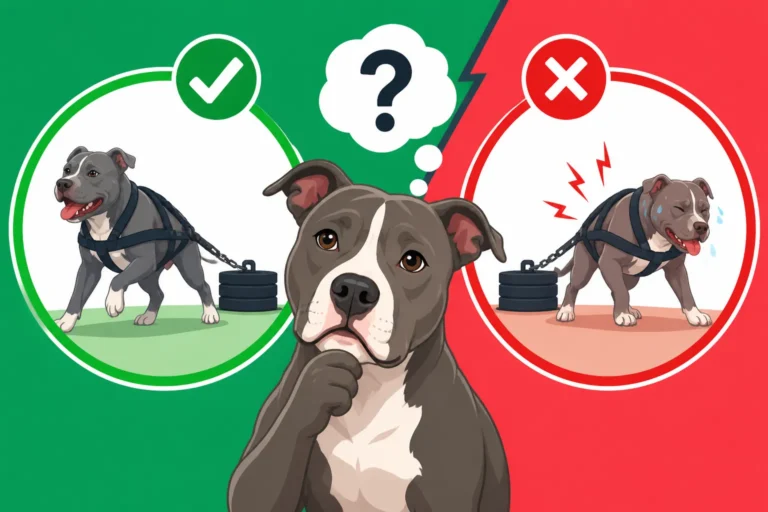
The difference between healthy exercise and over-training is subtle but critical for a growing Pit Bull. Forced exercise, such as compelling a puppy to keep running or walking beyond their natural desire, is particularly damaging. A puppy should always be allowed to set their own pace and decide when they've had enough. Over-training can lead to not only physical injuries but also mental fatigue and a negative association with exercise. Unlike adult dogs, puppies aren't always great at self-regulating when they're having fun, so it's up to us to monitor their energy levels and call it a day before they push themselves too far. Forcing a puppy to jog alongside a bike, for example, is a classic error that can lead to significant orthopedic problems down the road.
Specific Risks to Joints and Ligaments
Beyond growth plate fractures, high-impact activities put enormous strain on a Pit Bull's developing joints and ligaments. Cruciate ligament tears, patellar luxation (kneecap displacement), and early onset arthritis are all risks associated with inappropriate exercise during growth. Their ligaments and tendons are still strengthening and are not yet robust enough to withstand the forces generated by aggressive twists, turns, and jumps. A young Pit Bull's strong desire to play can mask underlying discomfort, making it even harder for owners to spot potential issues until they become more severe. Prevention is key here – a torn cruciate ligament, for instance, is not only excruciating for the dog but also incredibly expensive to repair, often requiring complex surgery and months of rehabilitation. Learning about potential issues like Pit Bull Joint and Ligament Injuries can help you be more vigilant.
Safe and Structured Exercise for Developing Pit Bulls
While there are activities to avoid, that doesn't mean your energetic Pit Bull puppy should be confined to a kennel! There are plenty of wonderful, safe ways to help them burn off energy, build muscle appropriately, and develop into well-adjusted adults without risking injury.
Gentle Play and Controlled Walks
The best exercise for a growing Pit Bull comes in the form of gentle, self-directed play and controlled, short walks. Think free play in a securely fenced yard, where they can sniff, explore, and run in short bursts at their own discretion. Short, frequent walks on soft surfaces like grass or dirt trails are ideal. These walks should be about exploration and sniffing, not covering long distances at a brisk pace. For a young puppy, a good rule of thumb is 5 minutes of structured exercise per month of age, twice a day. So, a 4-month-old puppy might get two 20-minute walks. This allows them to build stamina and muscle without overtaxing their joints. Engaging them with appropriate chew toys, which can be found readily on sites like Chewy or Amazon, can also provide mental and physical stimulation in a safe, controlled manner.
Introducing Mental Stimulation and Low-Impact Training
Mental exercise is just as important as physical exercise for a developing Pit Bull, and often it's less strenuous on their body. Puzzle toys, scent games (like hiding treats around the house for them to find), and short, positive reinforcement training sessions can be incredibly tiring for a puppy's brain. Teaching basic obedience commands like "sit," "stay," "down," and a reliable recall not only strengthens your bond but also provides crucial mental engagement. Low-impact training, such as practicing heeling or walking on a loose leash for short periods, is also excellent. These activities encourage focus and coordination without the jarring impact of running and jumping. Look for engaging puzzle toys that can withstand a strong Pit Bull jaw to keep them occupied and mentally stimulated.
Appropriate Exercise Duration and Frequency
Consistency trumps intensity when it comes to puppy exercise. Instead of one long, exhausting session, aim for several shorter bursts of activity throughout the day. This aligns better with a puppy's natural energy cycles and allows their bodies to rest and recover. For example, a morning walk, some midday play in the yard, and an evening training session followed by quiet chew time works well. A short burst of activity like a flirt pole session, which can be easily managed by the owner to control jumps and twists, is better than an uncontrolled game of fetch for 30 minutes straight. Remember, a tired puppy isn't necessarily a well-exercised puppy; a mentally stimulated and physically contented puppy is the goal.
| Activity Type | Safe for Growing Pit Bulls (Under 18 months) | Risks & Considerations |
|---|---|---|
| Free Play (fenced yard) | Yes, self-directed short bursts | Avoid extreme heights or rough play with large dogs |
| Leashed Walks (soft ground) | Yes, short and frequent (5 min/month of age) | Avoid long distances, hard pavement, forced pace |
| Mental Games/Puzzle Toys | Yes, highly recommended | Ensure toys are durable and appropriate size |
| Obedience Training | Yes, low-impact, positive reinforcement | Avoid repetitive jumping or high-stress drills |
| Swimming | Yes, gentle, supervised | Always supervise, use life vest for beginners, ensure warm water |
| Hiking (easy trails) | Yes, short distances, soft surfaces | Avoid steep inclines/declines, rocky terrain, long treks |
| Agility Training (light) | Limited, focus on groundwork | Avoid jumps, weaves, or tight turns until growth plates close |
| Running/Jogging | No, not until growth plates close | High impact on joints, potential for overuse injuries |
| Competitive Fetch/Disc | No, high jumps and sudden stops | Major risk for growth plate damage and ligament tears |
| Stairs (repetitive) | Limited, best to avoid if possible | Repetitive stress on hips and elbows |
Recognizing the Signs of Overexertion or Injury in Your Growing Dog
As a Pit Bull owner, you become an expert in your dog's quirks and behaviors. When they're growing, that expertise needs to extend to spotting subtle signs that they might be pushing themselves too hard or, worse, dealing with an injury. It’s a delicate balance between encouraging activity and preventing harm.
Subtle Clues Your Pit Bull is Hurting
Your Pit Bull puppy can be incredibly stoic, often hiding discomfort until it becomes quite advanced. This makes it crucial to pay attention to subtle behavioral changes. Are they less enthusiastic about playtime than usual? Are they lagging behind on walks, even short ones? Do they seem reluctant to jump into the car or onto the couch (if allowed)? Perhaps they're lying down more often or shifting their weight frequently when standing. Excessive licking or chewing at a particular limb or joint can also be a tell-tale sign of discomfort, sometimes related to pain, but also worth investigating for allergies, as discussed in Pit Bull Paw Licking and Chewing. Changes in their appetite or a general dullness in their demeanor might also indicate pain. Don't dismiss these minor shifts; they're your dog's way of communicating.
Limping, Lameness, and Gait Changes
More overt signs of injury include limping or lameness. This can range from a very slight, intermittent limp that you only catch occasionally to a noticeable favoring of a limb. Pay attention to how they get up and lie down. Do they seem stiff after rest? Is one leg less coordinated than the others? A change in their gait – how they walk or run – is another red flag. They might "bunny hop" with their back legs, or perhaps one leg swings out unnaturally. Sometimes, puppies with hip or elbow issues will develop a "stiff" or "choppy" trot rather than a fluid movement. Observing your Pit Bull as they move on different surfaces and at various speeds can help you identify these changes. Remember, a persistent limp, no matter how slight, is never normal for a growing puppy and warrants investigation. The First Hip Signs in a Two Year Old Pit Bull can manifest earlier in some cases, so vigilance is key.
When to Seek Veterinary Attention
If you notice any of the above signs, or if your Pit Bull puppy experiences an acute injury (like a bad fall or collision), it's always best to err on the side of caution and consult your veterinarian immediately. Early diagnosis and intervention can make a massive difference in the prognosis for growth plate injuries or developing joint conditions. Your vet may recommend a physical examination, X-rays, or other diagnostics to determine the extent of the injury. Don't wait to see if it "gets better on its own," especially with a growing dog. What might seem like a minor sprain could be a serious growth plate fracture with long-term implications if left untreated. Prompt veterinary care can prevent a temporary setback from becoming a lifelong disability.
Fueling Healthy Growth: Nutrition and Exercise Intertwined
Proper nutrition is the bedrock upon which healthy skeletal and muscular development is built. For a powerful breed like the Pit Bull, getting their diet right during their growth phase is just as important as managing their exercise, ensuring their body has all the right materials to construct a robust adult frame.
The Importance of a Balanced Large-Breed Puppy Diet
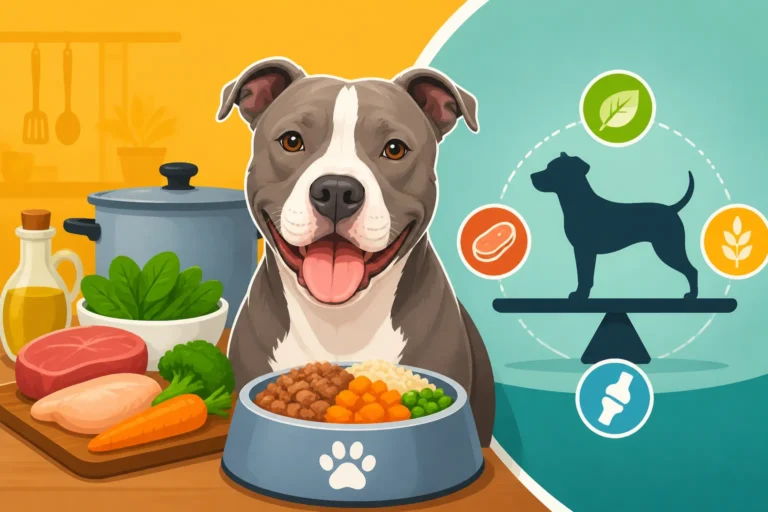
Feeding a growing Pit Bull isn't just about giving them enough calories; it's about providing the right balance of nutrients. Puppy foods specifically formulated for large breeds are crucial. These diets are designed with controlled calcium and phosphorus levels to prevent excessively rapid growth, which can put undue stress on developing bones and joints. They typically have a slightly lower calorie density than regular puppy foods to help manage weight. High-quality protein supports muscle development, while essential fatty acids contribute to overall health. Avoid generic "all life stages" foods or puppy foods not specifically designed for large breeds, as these can inadvertently lead to growth problems. Many excellent large-breed puppy formulas are available from reputable brands on platforms like Ollie, Chewy, and Amazon. Always double-check the labels and consult your vet for recommendations on Whether a Pit Bull Puppy Needs Large Breed Food.
Managing Weight to Protect Growing Joints
One of the biggest nutritional mistakes owners make with large breed puppies is allowing them to become overweight. Carrying excess weight during critical growth phases places immense pressure on still-forming bones, joints, and ligaments. This significantly increases the risk of conditions like hip and elbow dysplasia. It's a cruel irony: you want your puppy to be strong, but making them fat actually weakens their long-term health. Keep your Pit Bull puppy lean, not chunky. You should be able to easily feel their ribs without seeing them, and they should have a discernible waist when viewed from above. Adjust food portions according to their activity level and growth rate, not just the bag's recommendations, which are often generalized. Regularly assessing Pit Bull Weight and Muscle on a Working Frame is important even in puppies.
Hydration and Rest for Optimal Recovery
Beyond solid food, proper hydration and ample rest are non-negotiable for a growing Pit Bull. Water is vital for every bodily function, including nutrient transport, joint lubrication, and temperature regulation. Always ensure your puppy has access to fresh, clean water, especially after play or walks. Just as important as exercise is rest. Puppies, particularly active breeds like Pit Bulls, need a lot of sleep to grow and recover. During sleep, their bodies produce growth hormones, repair tissues, and consolidate learning. A growing Pit Bull puppy might need 18-20 hours of sleep per day. Provide a comfortable, quiet, and secure space for them to rest, like a well-appointed crate. Over-tired puppies can become irritable, prone to accidents, and more susceptible to injury.
Adjusting Exercise Routines as Your Pit Bull Matures
The beautiful thing about your Pit Bull's journey is watching them mature. As they transition from a clumsy puppy to a coordinated adult, their physical capabilities will change, and so too should their exercise regimen. This isn't a static plan; it evolves with them.
Transitioning to More Vigorous Activity
Once your veterinarian confirms that your Pit Bull's growth plates have fully closed, typically around 12-18 months of age (and sometimes later for larger-boned individuals), you can begin to gradually introduce more vigorous activities. This transition should be slow and incremental, allowing their muscles, tendons, and ligaments to strengthen further. Start by extending walk durations, introducing short, controlled bursts of running on soft surfaces, or light jogging. Monitor their response closely for any signs of soreness or fatigue. Just because their growth plates are closed doesn't mean their bodies are instantly bulletproof; building stamina and strength takes time. This is the stage where you can safely start thinking about more active sports or longer excursions.
Introducing Advanced Training and Sports
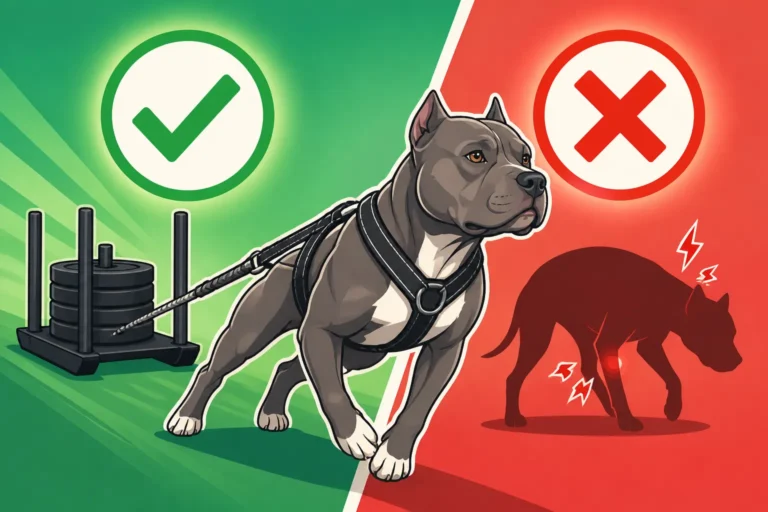
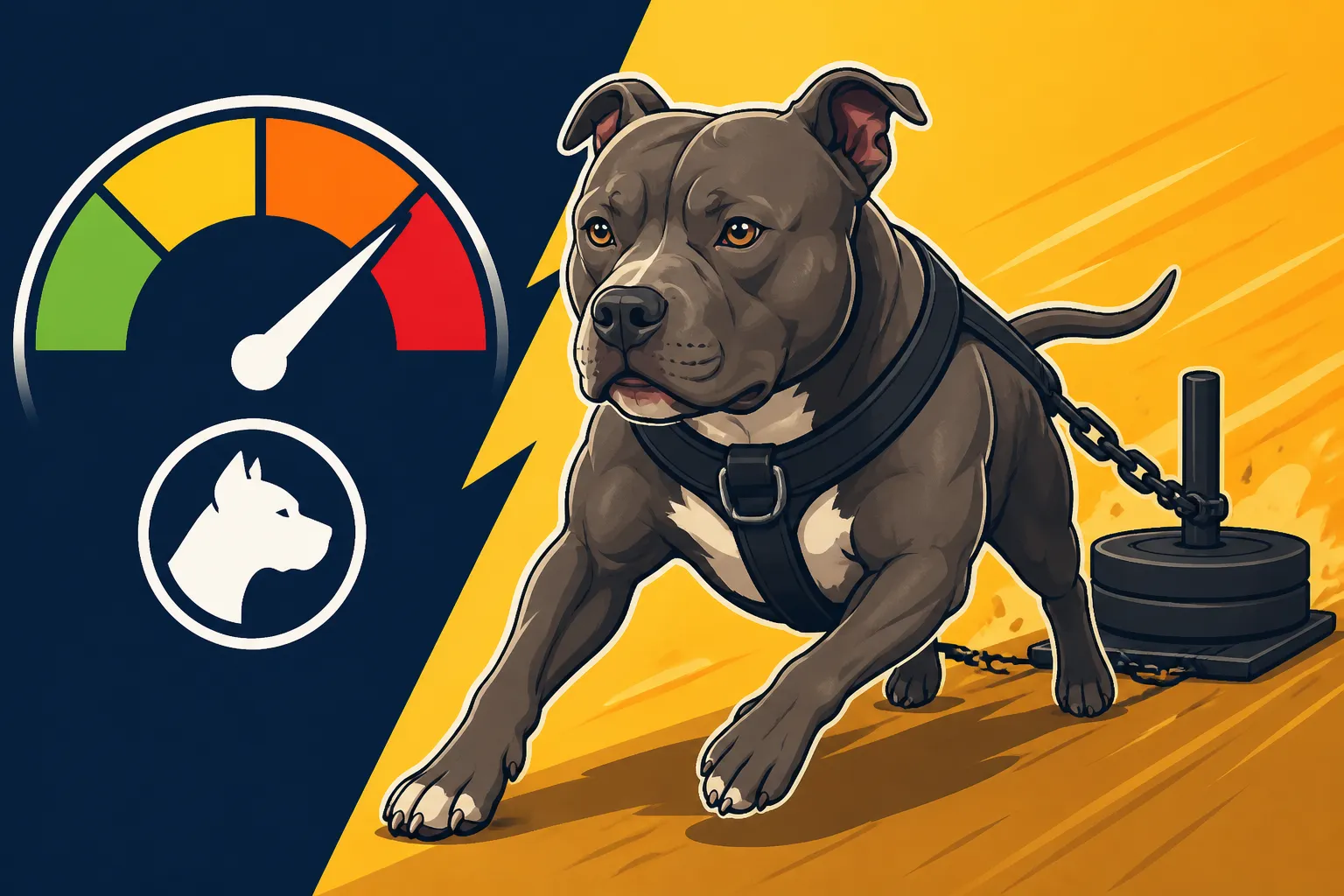
With a fully developed skeletal system and a solid foundation of fitness, an adult Pit Bull can excel in a wide range of activities. This is where their natural athleticism truly shines. Consider introducing them to dog sports like dock diving, advanced agility (with careful attention to proper form and warm-ups), scent work, or even urban mushing or canicross if you enjoy running. Weight pull, while controversial, is another structured sport where Pit Bulls often excel, but it requires careful conditioning and expert guidance. For all these activities, focus on proper technique, gradual progression, and always prioritize your dog's enjoyment and safety. These activities not only provide physical outlets but also immense mental stimulation, which is crucial for a happy, well-adjusted Pit Bull. You can even consider aiming for a Canine Good Citizen Testing With a Pit Bull certification, which demonstrates excellent manners and control.
Lifelong Fitness for a Healthy Adult Pit Bull
Maintaining a consistent and appropriate exercise routine throughout your Pit Bull's adult life is vital for their physical and mental well-being. Regular exercise helps manage their weight, strengthens their cardiovascular system, keeps their joints mobile, and reduces the risk of behavioral issues stemming from boredom or pent-up energy. As they age, you'll need to continue to adapt their routine. A senior Pit Bull will likely benefit from shorter, more frequent walks and low-impact activities like swimming or gentle scent work, rather than long runs. The goal is always to keep them active and engaged, adjusting the intensity and duration as their needs change. A lifetime of thoughtful exercise contributes significantly to a Pit Bull's overall health and happiness, helping them stay strong and vibrant for as long as possible.
Disclaimer
This article is for general informational purposes only and does not constitute professional advice. Laws, prices and regulations vary by location and change over time. Consult a qualified professional for guidance on your specific situation.