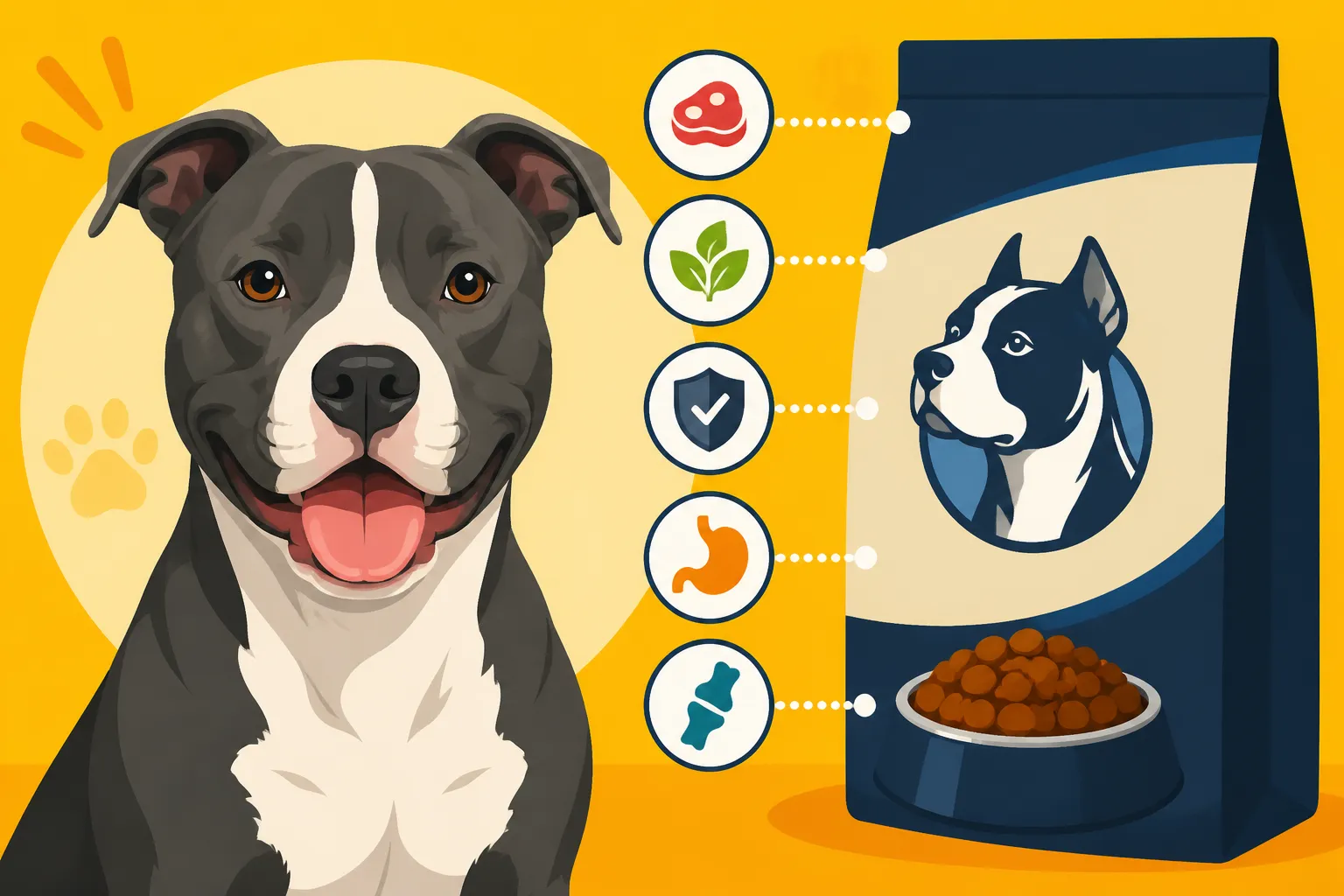
What to Check on a Pit Bull Food Bag
Choosing the right food for your Pit Bull can feel like navigating a minefield of marketing claims, buzzwords, and confusing labels. It's a real frustration for many of us, wanting to give our powerful, athletic dogs the best nutrition possible, but getting bogged down in the sheer volume of choices and the lack of clear guidance. This comprehensive guide will walk you through exactly what to look for and what to understand on a Pit Bull food bag, helping you make informed decisions for your furry family member.
Understanding the Basics of Pit Bull Nutrition
Before you even start scrutinizing a label, it's essential to grasp the fundamental nutritional needs of a Pit Bull. These are strong, often high-energy dogs with a magnificent muscular build that needs proper fuel to maintain. Their dietary requirements are geared towards supporting this active lifestyle and robust physique.
Protein Content and Sources for Muscular Pit Bulls
When you pick up a bag of dog food, the protein content should be one of the first things that catches your eye, especially for a muscular breed like a Pit Bull. Protein is absolutely crucial for maintaining and building that impressive muscle mass, supporting healthy organs, and providing essential amino acids for countless bodily functions. Think of it as the building blocks for your dog's entire system. For an adult Pit Bull, you're generally looking for a food with a crude protein percentage in the mid-to-high 20s, perhaps even into the 30s if your dog is particularly active or a young adult. Puppies, with their rapid growth, often need even higher protein levels.
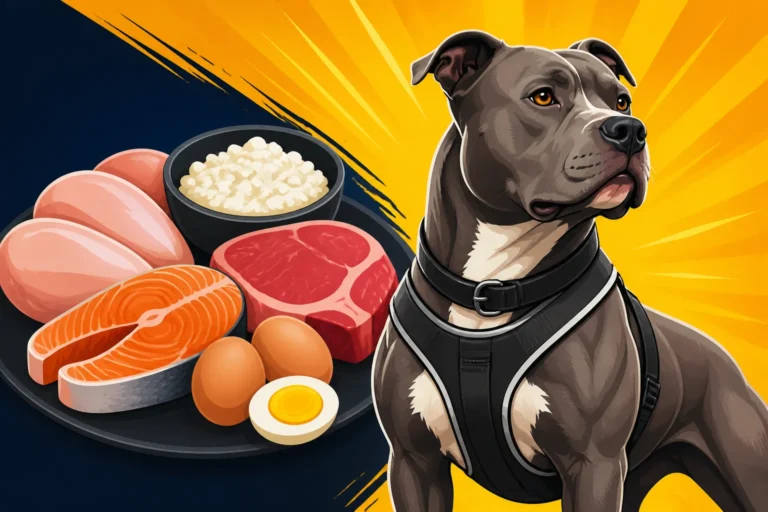
But it's not just about the percentage; the source of that protein matters immensely. The best dog foods will list identifiable, whole protein sources as the first few ingredients. We're talking about real meat like chicken, beef, lamb, turkey, or fish. These provide high-quality, easily digestible protein. Look for terms like "deboned chicken," "lamb meal," or "salmon." The "meal" designation (e.g., chicken meal) might sound less appealing than "deboned chicken," but it simply means the meat has been rendered to remove water, resulting in a more concentrated protein source. This isn't necessarily a bad thing, as long as it's a named animal source.
What you want to be wary of are generic terms like "meat by-products" or "animal digest" listed high up. While by-products can contain nutritious organ meats, the vagueness means you don't know the quality or consistency of the source. Similarly, plant-based proteins like peas or lentils can contribute to the overall protein percentage, but they don't offer the same complete amino acid profile as animal protein. While they have their place in a balanced diet, they shouldn't be the primary protein source for a Pit Bull. A healthy diet for these dogs needs that strong animal protein foundation.
Fat Content for Energy and Skin Health
Fat often gets a bad rap in human diets, but for dogs, it’s a powerhouse. It’s a concentrated source of energy, provides essential fatty acids, and helps absorb fat-soluble vitamins (A, D, E, and K). For a Pit Bull, especially one that's active, a healthy fat content is vital. You're typically looking for a crude fat percentage in the mid-teens, perhaps 12-18% for adult maintenance, with slightly more for very active dogs or growing puppies. Too little fat can lead to a dull coat, dry skin, and lack of energy, while excessive fat without sufficient exercise can quickly lead to unwanted weight gain, adding strain to their joints.
Beyond just the percentage, the type of fat is important. Look for named animal fats like "chicken fat" or "salmon oil," or beneficial plant-based oils such as flaxseed oil. These sources provide a good balance of omega-3 and omega-6 fatty acids, which are critical for skin and coat health. Pit Bulls, unfortunately, are often prone to skin sensitivities and allergies, so ensuring a good intake of these essential fatty acids can be a significant benefit. Omega Oils for Pit Bull Skin and Coat are not just for a shiny coat; they play a role in reducing inflammation and supporting the skin barrier, which is a big deal if you're dealing with an itchy Pit Bull.
When you see unspecified "animal fat" on the label, it's a red flag, much like generic "meat by-products" for protein. You want to know the source. The right balance of fats provides sustained energy for their active lifestyle, supports cellular function, and contributes to that beautiful, healthy sheen on their short coats. If your Pit Bull is struggling with dry skin or a dull coat, adjusting the fat sources in their diet could make a noticeable difference.
Carbohydrates for Sustained Energy
Carbohydrates are often misunderstood in dog food, but they are a valuable source of readily available energy, fiber, and essential nutrients. For an active Pit Bull, complex carbohydrates provide sustained energy throughout the day, preventing energy crashes and supporting their stamina. Good carbohydrate sources also contribute dietary fiber, which is crucial for digestive health, promoting regular bowel movements, and maintaining a healthy gut microbiome.
When evaluating the carbohydrate content on a food bag (which isn't usually listed as a percentage but can be estimated by subtracting protein, fat, moisture, and ash from 100%), focus on the quality of the sources. Look for whole grains like brown rice, oats, barley, or quinoa. Sweet potatoes, peas, and lentils are also excellent sources of complex carbohydrates and fiber. These ingredients release energy slowly, providing a steady fuel supply for your Pit Bull's activities, from a vigorous play session to a long walk.
What you want to steer clear of are excessive amounts of simple carbohydrates or cheap fillers like corn, wheat, or soy listed as the primary carbohydrate sources. While these aren't inherently "bad" for all dogs, they can be potential allergens for some Pit Bulls and often offer less nutritional value compared to whole grains or vegetables. Furthermore, diets heavily reliant on these less digestible carbs can sometimes lead to digestive upset or contribute to inflammation in sensitive dogs. A good food bag will prioritize wholesome, nutrient-dense carbohydrate sources that contribute to overall health, not just bulk.
Deciphering the Food Label: Key Information
The food bag is packed with information, but it's not always presented in the most straightforward way. Learning to read beyond the pretty pictures and marketing claims is a skill every Pit Bull owner needs.
The Ingredient List – What to Look For First
When you pick up that bag, the ingredient list is your primary tool for evaluating its quality. Don't be swayed by marketing on the front that says "natural" or "premium" until you've flipped it over and read the fine print. The law requires ingredients to be listed in descending order by weight, before processing. This means the first few ingredients make up the largest portion of the food, and they should ideally be high-quality, whole food items.
For your Pit Bull, start by identifying the first three to five ingredients. Are they named meats (like "chicken," "lamb meal," or "salmon")? This is a great sign, indicating a strong animal protein base. Following those, look for whole grains (like "brown rice," "oats"), vegetables (like "sweet potato," "carrots"), and fruits (like "blueberries," "apples"). These are all good indicators of a nutrient-dense formula. If you see generic terms like "meat and bone meal," "animal fat," or excessive amounts of corn or wheat gluten among the first few ingredients, it’s often a sign of a lower-quality food that uses cheaper fillers rather than premium components. For a breed that often struggles with Pit Bull Skin Allergies and the Atopy Pattern, knowing exactly what's going into their bowl is paramount. Sometimes, it's the vague ingredients that can trigger reactions.
Consider if your Pit Bull has any known sensitivities. If they've had issues in the past, or you suspect Food Allergies Behind Pit Bull Itching, you'll want to carefully check for common culprits like chicken, beef, dairy, wheat, or soy. For such cases, a Limited Ingredient Food for a Pit Bull With Atopy might be recommended by your vet, and the ingredient list on those bags will be very short and transparent, making it easier to identify and avoid specific allergens. Remember, an ingredient list is like a recipe – you want to recognize and feel good about what’s going into your dog’s meals.
AAFCO Statement and Nutritional Adequacy
This is perhaps one of the most important, yet often overlooked, pieces of information on a dog food bag. Somewhere on the label, usually near the Guaranteed Analysis, you'll find a small statement from AAFCO (Association of American Feed Control Officials). This isn't a government agency, but rather an organization that sets standards for pet food labeling and nutrient profiles. The AAFCO statement is your assurance that the food is nutritionally complete and balanced for a specific life stage.
The statement typically reads something like, "[Brand Name] Dog Food is formulated to meet the nutritional levels established by the AAFCO Dog Food Nutrient Profiles for [Life Stage]." The life stages are usually "Growth" (for puppies and pregnant/nursing dogs), "Maintenance" (for adult dogs), or "All Life Stages." For your Pit Bull, selecting the appropriate life stage is critical. A growing Pit Bull puppy needs significantly different nutrient ratios and calorie density than a mature adult or a senior dog. Feeding an "All Life Stages" food can be suitable, especially if it's formulated with slightly higher nutrient levels to meet the demands of growth, but for an adult dog, a specific "Maintenance" formula might be better if they are prone to weight gain or less active.
If a food doesn't have an AAFCO statement, or if it says something vague like "for supplemental feeding only," it means the food is not complete and balanced and should not be fed as a primary diet. This is usually reserved for treats or specialty foods. Always ensure your Pit Bull's primary food explicitly states it meets AAFCO profiles for their current life stage. This tiny block of text is your guarantee that the food provides all the necessary nutrients in the correct proportions without you having to be a canine nutritionist yourself.
Guaranteed Analysis – Beyond the Percentages
The Guaranteed Analysis (GA) provides percentages for the minimum crude protein and crude fat, and maximum crude fiber and moisture. While these numbers are useful, they can also be a bit deceptive if you don't know how to interpret them properly. For example, a food with 25% crude protein might seem lower than another with 30%, but if the first food has only 10% moisture and the second has 75% moisture (like a wet food), the actual protein content on a dry matter basis is very different.
To compare foods fairly, especially between wet and dry, you need to convert to a dry matter basis. Here's how:
- Find the moisture percentage. This is always listed as a maximum.
- Subtract the moisture from 100% to get the dry matter percentage.
- Divide the crude protein (or fat) percentage by the dry matter percentage, then multiply by 100.
- Example: Food A (kibble): 25% protein, 10% moisture. Dry matter: 90%. Dry matter protein: (25 / 90) * 100 = 27.8%.
- Example: Food B (wet food): 8% protein, 80% moisture. Dry matter: 20%. Dry matter protein: (8 / 20) * 100 = 40%.
As you can see, the wet food, despite its lower "crude protein" percentage, actually has more protein per unit of dry matter. This conversion helps you compare apples to apples.
The GA also gives you crude fiber (maximum) and sometimes other components like Omega fatty acids (minimum). Crude fiber indicates digestibility and gut health support; typically, 3-7% is healthy for most dogs. Higher fiber might be found in weight-loss formulas or specific digestive support diets. While the GA provides a snapshot of the macronutrients, remember that it doesn't tell you about the quality or source of those nutrients, which is why reading the ingredient list in conjunction with the GA is so critical. This data is part of determining The Calorie Target for a Lean Pit Bull and ensuring they get proper nutrition without overfeeding.
Avoiding Common Pitfalls and Problematic Ingredients
Knowing what to look for is half the battle; knowing what to actively avoid is the other. There are certain ingredients and practices in pet food manufacturing that can be detrimental to your Pit Bull's health.
Steering Clear of Fillers, Artificial Additives, and Preservatives
Many dog food manufacturers use cheap fillers to bulk up their products without adding significant nutritional value. These often include corn, wheat, and soy, particularly when listed in various forms (e.g., "corn meal," "corn gluten meal," "whole ground corn"). While not all dogs react negatively to these, they can be potential allergens or simply less digestible for some Pit Bulls, leading to digestive upset or skin issues. Instead, prioritize foods with whole, identifiable grains or grain-free alternatives if appropriate for your dog. For a breed that we often worry about Whether a Pit Bull Mix Inherits Its Skin Problems, avoiding potential irritants from the get-go is a smart strategy.
Beyond fillers, be vigilant about artificial colors, flavors, and preservatives. Dogs don't care what color their kibble is, so artificial dyes (like Red 40, Yellow 5, Blue 2) are added purely for human appeal. Artificial flavors are often used to make less palatable ingredients seem more appealing. These synthetic additives offer no nutritional benefit and could potentially contribute to sensitivities in some dogs. Similarly, artificial preservatives like BHA, BHT, and ethoxyquin, while approved for use, have raised some concerns. Look for foods that use natural preservatives like tocopherols (Vitamin E), ascorbic acid (Vitamin C), or rosemary extract. These are safer, healthier alternatives that effectively keep the food fresh. Reading the back of the bag carefully can help you make a more conscious choice for your Pit Bull's long-term health.
Understanding Allergenic Ingredients and Sensitivities
Pit Bulls are, unfortunately, a breed prone to various allergies, with skin allergies being particularly common. Food allergies can manifest as itchy skin, chronic ear infections Pit Bull Ear Infections and What Drives Them, paw licking Pit Bull Paw Licking and Chewing, or even gastrointestinal upset like vomiting and diarrhea. While it's a common misconception that grain is the primary culprit, common food allergens for dogs are actually protein sources such as chicken, beef, dairy, eggs, soy, and wheat.
If your Pit Bull is exhibiting signs of allergies, a food elimination trial under veterinary guidance is usually recommended. This involves feeding a novel protein or hydrolyzed protein diet for a strict period (typically 8-12 weeks) to see if symptoms resolve. When you are looking at food bags for an allergic Pit Bull, you will be searching for very specific ingredients. You might look for novel proteins like venison, duck, rabbit, or kangaroo, or for single-source protein foods. It's crucial to ensure that the food is genuinely a "limited ingredient" diet and doesn't contain hidden allergens. Reading the entire ingredient list, even for trace amounts or derivatives, is vital. Brands like Zignature or Canidae Pure often offer limited ingredient options you might find on platforms like Chewy or Amazon, making your search a bit easier.
Remember, simply switching to a "grain-free" diet won't necessarily solve a food allergy unless grains were the specific allergen for your dog. Focus on identifying and avoiding the specific protein or carbohydrate source your Pit Bull reacts to. This might mean investing in slightly more expensive, specialized diets, but the relief for your dog's discomfort is invaluable.
Raw Diets vs. Kibble – Making an Informed Choice
The debate between raw (BARF – Biologically Appropriate Raw Food) diets and traditional kibble is a passionate one among dog owners. Both have their proponents and their criticisms, and understanding the pros and cons is crucial for your Pit Bull.
Kibble: This is the most common and convenient option. It's generally more affordable, shelf-stable, and formulated to be nutritionally complete and balanced, as long as it carries that all-important AAFCO statement. Quality kibble provides consistent nutrition and is easy to store and measure, making it simple to manage The Calorie Target for a Lean Pit Bull and track their intake. The downside can be the processing methods, which can sometimes diminish nutrient integrity, and the inclusion of fillers or artificial additives in lower-quality brands. However, premium kibble brands have come a long way, focusing on high-quality ingredients and gentle processing.
Raw Diets: Proponents of raw feeding argue that it's a more natural, biologically appropriate diet for dogs, often citing benefits like shinier coats, cleaner teeth, improved digestion, and higher energy levels. Raw diets typically consist of raw muscle meat, organs, bones, and sometimes a small amount of fruits and vegetables. Services like Ollie deliver fresh, human-grade, often raw or gently cooked meals directly to your door, making the process more accessible for owners who want to avoid traditional kibble. The main concerns with raw feeding are nutritional imbalances (if not carefully prepared by an expert), and the risk of bacterial contamination (like Salmonella or E. coli) which can pose a risk to both your dog and human household members. Proper handling, storage, and sourcing of ingredients are paramount with raw diets. If you're considering a raw diet, extensive research and consultation with a veterinarian experienced in canine nutrition are highly recommended to ensure it's done safely and completely. Home Cooking for a Pit Bull and the Balance Problem is a related consideration, as home-prepared raw or cooked meals require precise nutritional balancing.
Ultimately, the best choice depends on your Pit Bull's individual needs, your lifestyle, your budget, and your comfort level with potential risks. Many owners find a high-quality kibble perfectly adequate, while others prefer the fresh approach.
Special Considerations for Your Pit Bull
Beyond the general nutrition guidelines, your Pit Bull’s unique circumstances will influence the best food choice. Their age, activity level, and any specific health issues need to be taken into account.
Life Stage and Activity Level Adjustments
A Pit Bull's nutritional requirements aren't static; they change significantly throughout their life, and their activity level plays a huge role.
Puppies: Growing Pit Bull puppies have immense energy needs and require a diet specifically formulated for "Growth" or "All Life Stages." They need higher protein and fat content to support rapid muscle and bone development. However, it's crucial not to overfeed a Pit Bull puppy, as excessively fast growth can contribute to orthopedic issues like Pit Bull Hip Dysplasia Showing at One to Two Years later in life. Look for foods that support controlled growth. Feeding a Pit Bull Puppy to Fifty Pounds involves careful portion control and monitoring their body condition regularly.
Adults: Once your Pit Bull reaches full maturity (typically between 12-24 months), they transition to an "Adult Maintenance" formula. Their caloric needs will stabilize, focusing on sustaining muscle mass and energy without promoting unhealthy weight gain. An adult Pit Bull that's highly active, engaging in dog sports, or has a very high metabolism will naturally require more calories than a more sedate companion. This is where understanding Reading Pit Bull Body Condition Under Muscle is key, as their powerful build can sometimes hide excess weight.
Seniors: As your Pit Bull ages, typically around seven years old, their metabolism slows down, and their activity level may decrease. Senior Pit Bull Food After Ten should reflect these changes. Senior formulas often have slightly lower calorie content to prevent obesity, and may include ingredients to support joint health, like glucosamine and chondroitin. They also tend to have highly digestible protein sources to help maintain muscle mass in their later years. It's about keeping them comfortable and healthy in their golden years, managing their weight to reduce stress on aging joints.
Managing Specific Health Concerns Through Diet
Diet can be a powerful tool in managing various health issues that Pit Bulls might face.
Allergies and Skin Issues: As mentioned earlier, many Pit Bulls are prone to skin sensitivities. If your dog is itchy, has chronic ear infections, or develops rashes, diet can play a significant role. Switching to a Limited Ingredient Food for a Pit Bull With Atopy with a novel protein source (e.g., duck, venison, lamb) can often help identify and mitigate allergic reactions. Some specialized diets also incorporate higher levels of omega fatty acids to support skin barrier health. Regular bathing with medicated shampoos, if recommended by your vet, works in tandem with diet.
Joint Health: Pit Bulls are robust dogs, but their athletic build and genetics can sometimes predispose them to joint issues like hip and elbow dysplasia, or cruciate ligament injuries Cruciate Ligament Tears in a Muscular Pit Bull. While diet isn't a cure, it can provide crucial support. Many premium foods, especially those aimed at large breeds or seniors, include joint-supporting ingredients like glucosamine, chondroitin, and MSM. Maintaining a lean body weight is also paramount, as every extra pound significantly increases strain on their joints. Joint Support for a Heavily Muscled Pit Bull is not just about supplements; it's about a holistic approach to nutrition and weight management. Pit Bull Obesity and Joint Strain is a serious concern, and proper feeding can prevent unnecessary wear and tear.
Weight Management: Pit Bulls have a tendency to gain weight if their caloric intake isn't balanced with their activity. It can be tricky to tell muscle from fat on a Pit Bull, making Telling Muscle From Fat on a Pit Bull an important skill for owners. If your Pit Bull is overweight, look for "light" or "weight management" formulas. These foods are typically lower in calories and fat, but higher in fiber to help your dog feel full. Strict portion control, regular exercise, and using Treat Costs Through Pit Bull Training sparingly are all vital parts of a successful weight loss program. Sometimes, a vet-prescribed diet is necessary for effective weight reduction. If you find your Pit Bull is leaving food in their bowl, it might not be the food itself, but perhaps a symptom of an underlying issue, warranting a vet visit, especially if it leads to A Pit Bull That Refuses Food for a Day.
The Importance of Freshness and Storage
You've spent time choosing the perfect food bag for your Pit Bull, but your efforts could be undone if the food isn't stored properly. Dog food, especially kibble, can go stale, lose nutrients, or even develop harmful mold or bacteria if not cared for.
Always check the "best by" date on the bag before purchasing and certainly before feeding. This date indicates when the food is at its peak nutritional value and freshness. Once opened, kibble should ideally be stored in its original bag, placed inside an airtight container. The original bag often has a grease-resistant lining that helps preserve freshness, and it also contains crucial information like the lot number and "best by" date in case of a recall. Exposing kibble to air, humidity, and heat can accelerate oxidation, causing fats to go rancid and nutrients to degrade. Clear plastic containers, while convenient, should be stored in a dark place as light can also degrade nutrients.
Store food in a cool, dry place, away from direct sunlight. The garage might seem like a convenient spot, but fluctuating temperatures and humidity can be problematic. A pantry or climate-controlled utility room is usually best. For wet or fresh food, always follow the manufacturer's refrigeration instructions and discard any uneaten portions after the recommended time. Feeding your Pit Bull fresh, properly stored food ensures they're getting the full nutritional benefits you've so carefully selected for them.
What to Check on a Pit Bull Food Bag: Quick Reference
Navigating dog food labels can be daunting, but focusing on these key aspects will help you make an informed choice for your Pit Bull.
| Category | What to Look For | What to Be Wary Of | Why It Matters |
|---|---|---|---|
| Ingredient List | Named meat/fish as first 1-3 ingredients (Chicken, Beef Meal, Salmon) | Generic "meat by-products," "animal digest," "meat and bone meal" high on list | High-quality protein is vital for muscle, organs, and overall health. Identifiable sources mean quality. |
| Protein Content | Mid-to-high 20s or 30s (%) for adults; higher for puppies (on dry matter basis) | Very low protein (under 20% dry matter) for an active Pit Bull | Supports muscle maintenance, growth, and essential body functions. |
| Fat Content | Mid-teens (12-18%) for adults; slightly more for active dogs; named fats/oils (Chicken Fat, Salmon Oil, Flaxseed) | Unspecified "animal fat"; very low fat content (under 10%) | Concentrated energy, supports skin/coat health, aids vitamin absorption. |
| Carbohydrates/Fiber | Whole grains (Brown Rice, Oats, Barley), vegetables (Sweet Potato, Peas), 3-7% crude fiber | Excessive cheap fillers (Corn, Wheat, Soy) as primary carb source | Sustained energy, digestive health, nutrient delivery. Avoid potential allergens/irritants. |
| AAFCO Statement | "Formulated to meet the nutritional levels… for [Life Stage]" (Growth, Maintenance, All Life Stages) | "For supplemental feeding only"; no AAFCO statement | Guarantees the food is nutritionally complete and balanced for your dog's age. |
| Additives/Preservatives | Natural preservatives (Tocopherols/Vitamin E, Ascorbic Acid/Vitamin C, Rosemary Extract) | Artificial colors (Red 40, Blue 2), artificial flavors, BHA, BHT, Ethoxyquin | Avoids unnecessary chemicals that could cause sensitivities or have health concerns. |
| Specific Needs | Specific formulas for puppies, seniors, weight management, or sensitivities | Generic "one-size-fits-all" if your dog has specific needs | Tailors nutrition to your Pit Bull's unique life stage, health conditions, or activity level. |
Disclaimer
This article is for general informational purposes only and does not constitute professional advice. Laws, prices and regulations vary by location and change over time. Consult a qualified professional for guidance on your specific situation.