What a Pit Bull Breeder Should Be Able to Show
Bringing a Pit Bull into your home is a huge decision, and unfortunately, navigating the world of breeders can feel like a minefield. You want to ensure you're getting a healthy, well-adjusted puppy from someone truly committed to the breed, but it's hard to know what questions to ask or what information a responsible breeder should genuinely be able to provide. This guide will walk you through the essential documentation, transparency, and support a reputable Pit Bull breeder should offer, empowering you to make an informed choice.
Documentation of Health Testing on Parents
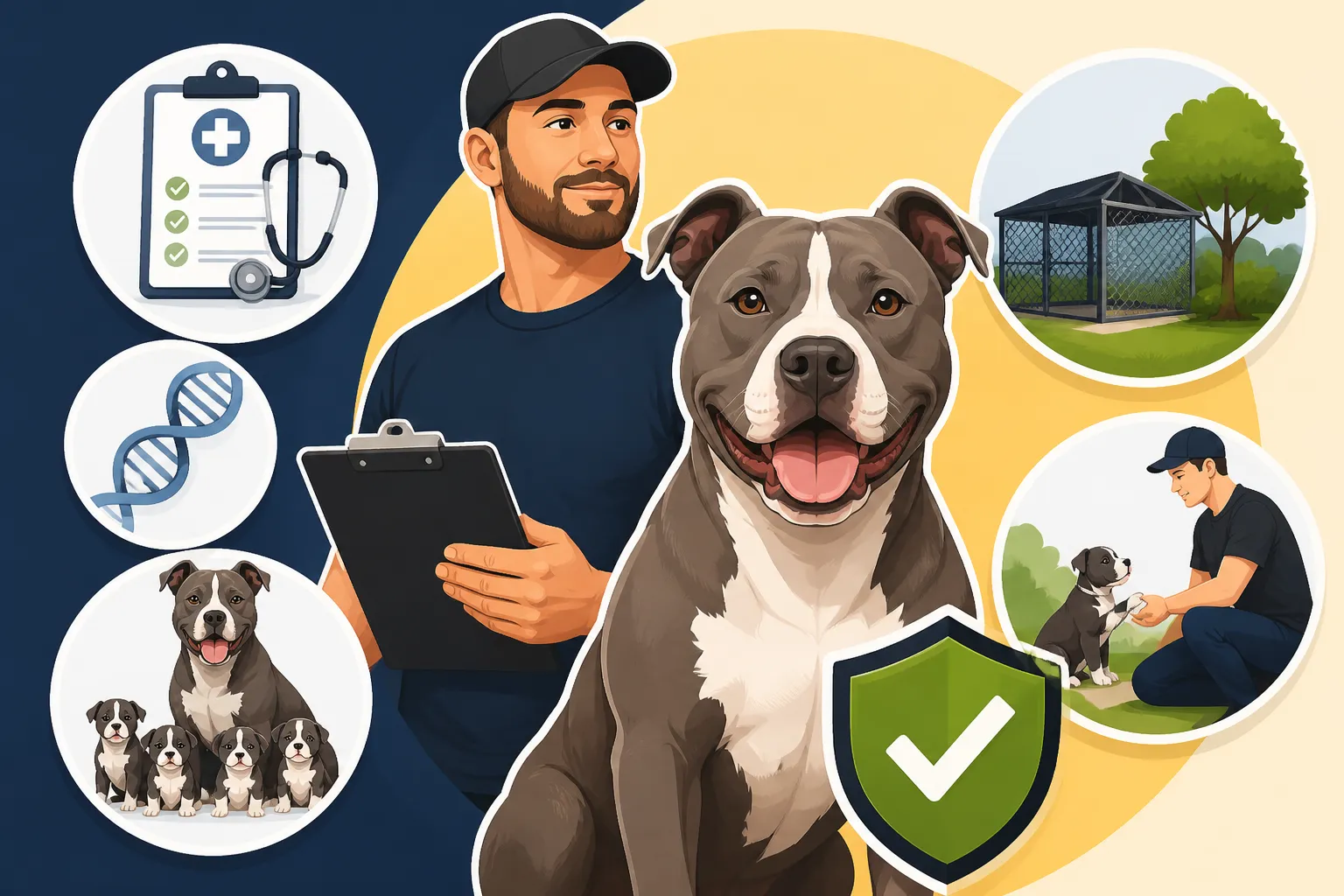
One of the most crucial things a responsible Pit Bull breeder should be able to show you is proof of health testing for both parent dogs. It's not enough for them to just say their dogs are healthy; you need to see the actual results of specific screenings. This commitment to health screening is a hallmark of someone dedicated to improving the breed and preventing heritable conditions. Without these tests, you're essentially buying a puppy blind, hoping for the best, and potentially setting yourself up for heartache and significant veterinary bills down the line.
Orthopedic Clearances for Hips and Elbows
For a powerfully built and athletic breed like the Pit Bull, hip and elbow health are paramount. Dysplasia in these joints can lead to debilitating arthritis and pain, often requiring extensive medical management or even surgery. A reputable breeder will have sent X-rays of their breeding dogs' hips and elbows to a recognized registry for evaluation. In North America, this usually means the Orthopedic Foundation for Animals (OFA) or the University of Pennsylvania Hip Improvement Program (PennHIP).
The results from these organizations provide objective grades on joint conformation. For OFA, you'll look for "Fair," "Good," or "Excellent" hip scores, and "Normal" elbow scores. PennHIP provides a distraction index, which is a numerical measure of hip laxity, with lower numbers indicating tighter hips. If a breeder shows you certificates, don't just glance at them; ask to see the official documentation. A truly transparent breeder will be proud to share these results and explain what they mean, not just for the parents, but for the potential health of their puppies. You can often look up these results online using the parent dogs' registered names or registration numbers, adding an extra layer of verification. Understanding What an OFA Hip Grade Says About a Pit Bull is key here.
Cardiac and Thyroid Screening
Beyond joints, a responsible Pit Bull breeder should also screen for heart and thyroid conditions, which can impact a dog's overall health and longevity. Cardiac issues, such as aortic stenosis, can be hereditary and significantly affect a dog's quality of life and lifespan. Thyroid problems, particularly hypothyroidism, can lead to a host of issues from skin problems and weight gain to lethargy.
For cardiac health, a breeder should be able to show you a cardiologist's report indicating that the parents have been cleared for common hereditary heart conditions. This often involves a thorough examination and possibly an echocardiogram by a board-certified veterinary cardiologist, not just a general vet listening with a stethoscope. Similarly, for thyroid function, they should have documentation of normal thyroid panel results from a diagnostic laboratory. These tests help minimize the risk of passing on these serious health challenges to future generations. These types of conditions can certainly take years off a Pit Bull if not properly managed or prevented.
DNA Panels for Genetic Diseases
In modern breeding, DNA testing has become an invaluable tool for identifying carriers or affected dogs for specific genetic diseases. While Pit Bulls are generally considered a robust breed, certain conditions like cerebellar ataxia can occur in some lines. This neurological disorder is devastating and can be entirely avoided through responsible breeding.
A breeder should provide documentation of DNA testing for any known genetic conditions prevalent in their specific lines or recognized in the breed type they are working with (e.g., American Pit Bull Terrier, American Staffordshire Terrier). These tests typically involve a cheek swab or blood sample and can determine if a dog is "clear," a "carrier," or "affected." Breeding two carriers together, for example, risks producing affected puppies. A breeder who actively screens for these conditions demonstrates a proactive approach to health and a commitment to producing the healthiest puppies possible. Knowing Cerebellar Ataxia in an American Staffordshire Terrier is particularly relevant here, along with understanding The NCL-A DNA Test for a Pit Bull Line.
Evidence of Temperament and Socialization Efforts
Beyond physical health, a Pit Bull's temperament and early socialization are incredibly important, not just for the dog's well-being but also for how they integrate into society. Given the unfair stereotypes sometimes attached to the type, a responsible breeder goes above and beyond to ensure their puppies are confident, stable, and well-adjusted from day one. You're looking for a breeder who actively works on early socialization and can provide insights into the personality traits of both parents.
Parent Dog Temperament Assessment
A good breeder knows their dogs inside and out. They should be able to describe the temperament of both the mother and father in detail, offering insights into their personalities, energy levels, and how they interact with people, other dogs, and different environments. More importantly, they should allow you to meet at least the mother, and ideally the father, or provide clear information and perhaps videos of the father if he is off-site. Observing the mother's demeanor firsthand can tell you a lot about the genetic predisposition for calmness, confidence, and friendliness that might be passed on to the puppies.
Ask about how the parent dogs handle new situations, strangers, and unexpected noises. Do they have any titles or certifications, such as a Canine Good Citizen (CGC) title, which demonstrates basic manners and a stable temperament in public? While a CGC is not a guarantee, it shows a commitment to training and proof of a well-adjusted dog. A breeder should be able to articulate why they chose these specific dogs for breeding, often emphasizing their excellent temperaments as much as their health clearances and conformation. They understand What ATTS Pass Rates Show About Pit Bull Temperament and strive for excellent examples.
Early Puppy Socialization Protocols
The first few weeks of a puppy's life are critical for development, shaping how they will react to the world as adults. A responsible breeder implements a robust early socialization program. This means puppies are exposed to a variety of sights, sounds, textures, and gentle human interactions from a very young age. This isn't just about cuddles; it's a structured approach to building resilience and confidence.
Ask the breeder about their specific socialization plan. Do they introduce puppies to different surfaces, from carpet to tile to grass? Are they exposed to household noises like vacuums, doorbells, and children's voices? Do they receive regular, gentle handling by various people, including men, women, and older children? Do they handle different body parts, like ears and paws, to prepare them for future vet visits and grooming? A breeder who can detail these efforts shows they are actively investing in the puppies' behavioral health, setting them up for success in their new homes. This early work is crucial to Socializing a Pit Bull Puppy Thoroughly and forms the foundation for What to Teach a Pit Bull Puppy and When.
Exposure to Novel Stimuli and Environments
Beyond the immediate home environment, truly dedicated breeders ensure puppies have some exposure to novel stimuli and carefully controlled new environments before going to their forever homes. This doesn't mean taking unvaccinated puppies to a dog park, but it does mean thoughtful introductions to a wider world.
For instance, some breeders might set up an "adventure box" with various toys, tunnels, and textures. Others might play desensitization sounds like thunder or city traffic at low volumes. They might also introduce puppies to different types of appropriate toys, chew items available from retailers like Chewy, and even start very basic crate conditioning. This gradual exposure helps puppies develop coping skills and learn that new things aren't necessarily scary. A breeder who understands the importance of these experiences will be eager to share their methods and show you how they are preparing your future family member to be a confident and well-adjusted dog.
Contracts, Guarantees, and Lifetime Support
A responsible Pit Bull breeder isn't just selling you a puppy; they're entering into a long-term relationship with you. This commitment is often formalized through a comprehensive contract and expressed through their willingness to offer lifetime support. These documents and assurances protect both you and the puppy, providing peace of mind and demonstrating the breeder's ethical standards.
Health Guarantee and Return Policy
A robust health guarantee is a non-negotiable aspect of a reputable breeder's contract. This guarantee typically covers certain hereditary health conditions for a specified period, often the first year or two of the puppy's life. It should clearly outline what happens if a serious, inheritable health issue arises, such as offering a replacement puppy, a refund, or assistance with veterinary costs. Be wary of breeders who offer no health guarantee or whose guarantee is vague and difficult to interpret.
Equally important is a clause addressing what happens if, for any reason, you are unable to keep the dog at any point in its life. A responsible breeder will always stipulate that the dog must be returned to them if you can no longer provide care. They don't want their dogs ending up in shelters or unknown situations. This "take-back" clause is a strong indicator of their lifelong commitment to the well-being of every puppy they produce. It shows they care deeply about where their dogs end up.
Spay/Neuter Agreement and Breeding Restrictions
Most reputable Pit Bull breeders will sell puppies on a strict spay/neuter contract, especially if the puppy is being sold as a pet rather than a show or breeding prospect. This means you agree to spay or neuter your puppy by a certain age, and proof of this procedure is often required. This practice helps to ensure that only carefully selected, health-tested, and temperament-sound dogs are used for breeding, preventing accidental litters and reducing the number of dogs in shelters.
If a puppy is sold with breeding rights, the breeder should have a clear set of criteria that must be met before breeding, including health clearances, age requirements, and often specific titles or achievements. A good breeder is not looking to simply mass-produce puppies; they are carefully planning each litter with specific goals in mind. They understand When to Neuter a Pit Bull Without Costing Joints and will advise on appropriate timing.
Lifetime Support and Mentorship
The relationship with a responsible breeder doesn't end when you take your puppy home. They should offer lifetime support and mentorship, serving as a valuable resource throughout your dog's life. This means they are available to answer questions about training, behavior, health, and nutrition. They should be genuinely interested in the puppy's progress and happy to receive updates.
Think of your breeder as a trusted advisor. They have years of experience with the breed and can often troubleshoot minor issues or point you in the right direction for professional help if needed. Some breeders even organize reunions or informal gatherings, fostering a sense of community among their puppy owners. This level of ongoing support is invaluable, especially for first-time Pit Bull owners, and distinguishes a truly dedicated breeder from someone just looking to make a quick sale. They should be able to provide advice on things like Feeding a Pit Bull to Keep Muscle Without Fat or Pit Bull Dental Care Around Hard Chewing.
Transparency in Living Conditions and Practices
A responsible breeder operates with transparency, not secrecy. They should be open about their breeding practices, the living conditions of their dogs, and their overall philosophy. You should feel comfortable asking any question that comes to mind, and they should provide thoughtful, honest answers. Any hesitation or reluctance to show you certain things should be a major red flag.
Opportunity to Visit and Observe
A reputable breeder will welcome you to their home or facility to meet the puppies and their mother. This isn't just a formality; it's a critical opportunity for you to observe the environment where the puppies are being raised. Pay attention to cleanliness, the puppies' health and energy levels, and how the mother interacts with her pups and with you. Are the dogs kept in a clean, stimulating environment? Do they seem well-socialized and happy?
While some breeders might have specific visiting hours to protect the health and safety of young puppies, they should never refuse a visit entirely or insist on meeting you in a neutral location like a parking lot. This is a common tactic of puppy mill operators or unethical breeders who have something to hide. A breeder who invites you into their space demonstrates confidence in their practices and pride in their dogs. They want you to feel comfortable with your choice, and that comfort comes from seeing things for yourself.
Meeting Both Parents and Other Dogs
Ideally, you should have the opportunity to meet both parents of the litter, though sometimes the father lives with another owner. Meeting the mother is absolutely essential. Observe her behavior, health, and temperament. Is she friendly and confident? Does she appear healthy and well-cared for? If the father is available, observe him too. This allows you to get a clearer picture of the genetic predisposition for temperament and physical traits that your puppy will inherit.
Beyond the parents, take note of any other dogs living in the household. Are they well-socialized and integrated into the family? Do they appear to be in good health and condition? A breeder who keeps their dogs as cherished family members, rather than simply breeding machines, often provides a better start for their puppies. They will be happy to discuss the Pit Bull Temperament and the ATTS Results of their breeding stock.
Openness About Breeding Philosophy and Daily Routine
A truly responsible breeder isn't just a dog owner; they are a custodian of the breed. They should be passionate about Pit Bulls and articulate their breeding philosophy. Ask them about their goals for their breeding program: are they aiming for specific temperament traits, improved health, or conformation to a breed standard? How do they select their breeding stock, and why did they choose this particular pairing?
Furthermore, they should be transparent about the daily routine of their dogs and puppies. What do the puppies eat (many good quality foods are available on Chewy)? How often are they fed? What kind of enrichment do they receive? How are they potty trained and introduced to basic commands? A breeder who can speak enthusiastically and knowledgeably about these details shows a deep commitment to the welfare and development of their puppies.
Here's a quick summary of what a reputable Pit Bull breeder should provide:
| Category | What to Ask For / Observe | Importance |
|---|---|---|
| Health Clearances | OFA/PennHIP certificates for hips/elbows | Prevents debilitating joint issues |
| Cardiologist's report for heart health | Screens for inherited heart conditions | |
| Thyroid panel results | Identifies thyroid dysfunctions | |
| DNA test results for cerebellar ataxia (and other relevant conditions) | Avoids specific genetic diseases | |
| Temperament & Socialization | Meet both parents (especially mother) | Assess genetic temperament; observe maternal care |
| Detailed explanation of early socialization routine | Builds confidence and resilience in puppies | |
| Observation of puppy interaction (with littermates, humans, environment) | Shows successful early development; puppy's personality | |
| Contracts & Support | Written health guarantee (1-2 years typically) | Protection against hereditary health issues |
| Spay/neuter agreement or breeding stipulations | Promotes responsible breeding; prevents accidental litters | |
| Return policy (dog must come back to breeder) | Ensures dog's welfare if owner can no longer keep it | |
| Promise of lifetime support/mentorship | Ongoing resource for owner; commitment to dog's well-being | |
| Transparency & Practices | Invitation to visit premises (clean, stimulating environment) | Verifies ethical living conditions; no "puppy mill" concerns |
| Open discussion of breeding philosophy and goals | Demonstrates dedication to breed improvement | |
| Information on daily puppy care, feeding, enrichment | Shows active involvement in puppy development |
Choosing a Pit Bull puppy is a journey, and finding a breeder who can provide all these assurances is paramount. Don't rush the process, ask tough questions, and trust your gut. Your future family member deserves a healthy start from a dedicated and responsible breeder.
Disclaimer
This article is for general informational purposes only and does not constitute professional advice. Laws, prices and regulations vary by location and change over time. Consult a qualified professional for guidance on your specific situation.