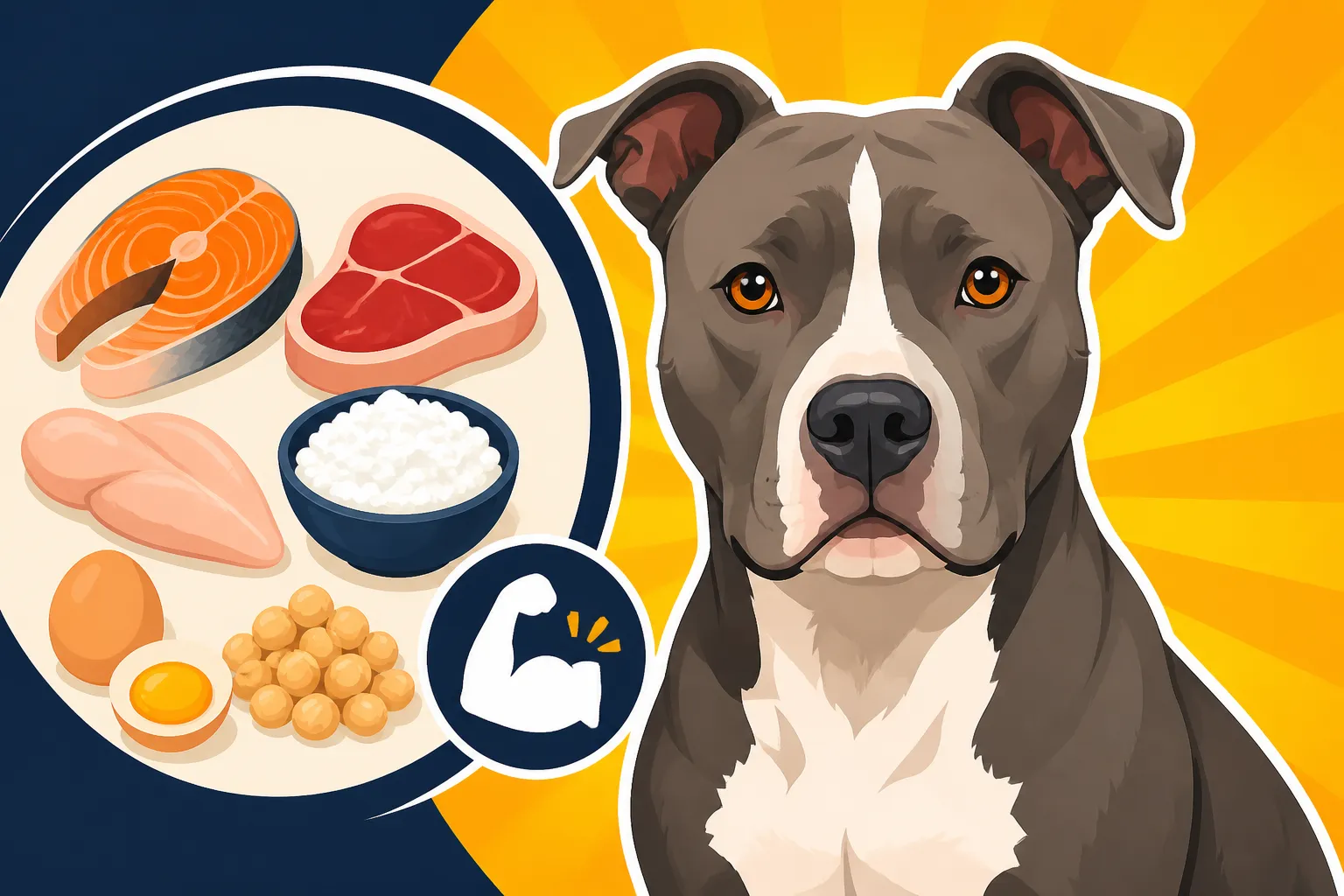
Novel Proteins Worth Trying on a Pit Bull
It's incredibly disheartening when your beloved Pit Bull is constantly itchy, scratching, and gnawing at their skin, making both of your lives miserable. You've tried everything – medicated baths, topical treatments, maybe even some allergy medications – but the problem just keeps coming back, leaving you wondering what else there is to try. Often, the culprit might be hiding in plain sight: their food. This comprehensive guide will walk you through the world of novel proteins, why they might be the game-changer your itchy Pit Bull needs, and how to successfully incorporate them into their diet.
Understanding Novel Proteins for Pit Bulls
When your Pit Bull is relentlessly scratching, licking, or developing skin issues, it’s easy to blame environmental allergies or seasonal irritants. However, a significant number of dogs, including many Pit Bulls, suffer from food allergies or sensitivities that manifest as skin problems. This can be frustrating because the symptoms often look identical to environmental allergies, making diagnosis tricky. That's where the concept of "novel proteins" steps in as a powerful tool in your detective work to find relief for your furry friend.
What Makes a Protein "Novel"?
Simply put, a novel protein is a protein source that your Pit Bull has never, or very rarely, been exposed to before. Think of it like this: if your dog has eaten chicken, beef, lamb, and turkey for their entire life, those are considered "common" proteins. Their immune system has had plenty of chances to develop a reaction to them if it's predisposed to do so. A novel protein, on the other hand, is something completely new to their system. The idea is that if their immune system hasn't encountered this protein before, it won't have developed an allergic response to it.
The goal isn't just about finding a new protein; it's about finding one that effectively "resets" their immune system's reaction to food. It's not about being "better" or "more nutritious" than common proteins inherently, but rather about being different enough to avoid triggering an existing allergic response. This is why careful selection and a strict feeding trial are absolutely paramount to success. Without a truly novel source, you risk continuing the cycle of irritation.
The Role of Food Allergies in Pit Bull Itching
Pit Bulls, with their often sensitive skin and propensity for various dermatological conditions, are unfortunately common candidates for food allergies. While genetics play a role in their skin sensitivity, dietary components can be a major trigger. When a Pit Bull develops a food allergy, their immune system mistakenly identifies a harmless protein in their food as a threat. This triggers an inflammatory response that often shows up as skin issues like intense itching, redness, ear infections, or paw chewing. You might find your dog constantly A Pit Bull Chewing Its Feet Through the Night or displaying Pit Bull Skin Allergies and the Atopy Pattern.
The challenge with food allergies is that they can develop at any age, even after years of eating the same food without a problem. It's not usually an immediate, dramatic reaction like some other allergies; instead, it's often a chronic, low-grade inflammation that grinds away at your dog's comfort. Understanding that food is a common driver behind these persistent issues is the first step toward exploring solutions like novel proteins. It takes patience and dedication to isolate the dietary triggers, but the relief your Pit Bull will feel is well worth the effort.
Common Novel Protein Sources to Consider
Once you've decided to explore novel proteins, the next step is to figure out which ones are truly "novel" for your specific Pit Bull. This means reviewing their past diet history with a fine-tooth comb. If they've had a food with duck in it before, even as a treat, duck might not be a truly novel protein for them. The key is to pick something entirely new.
Here’s a look at some of the common novel protein options that have found success with many allergic dogs:
Less Common Meats
These are often the first stop for many owners looking into novel proteins, as they still feel familiar to feed compared to some other options.
- Duck: Duck is a fantastic choice for many dogs, particularly those who have primarily eaten chicken or beef-based foods. It’s a rich protein source, often readily available in various forms from kibble to raw or gently cooked diets. Many mainstream brands and specialty pet food companies offer duck formulas. It's generally well-tolerated and quite palatable for most dogs, making the transition easier. You can often find limited ingredient diets featuring duck at your local pet store or through online retailers like Chewy.
- Venison: As a lean, red meat, venison offers a different flavor profile and protein structure compared to more common meats. It’s often used in prescription hydrolyzed protein diets or specialty limited ingredient foods because it's less likely for dogs to have been exposed to it. However, it can be a bit pricier and less common to find in every pet food aisle. If your Pit Bull has a robust history of eating common proteins, venison can be an excellent step into truly novel territory.
- Rabbit: Rabbit is another lean, highly digestible protein that is often chosen for dogs with multiple sensitivities. It’s becoming more widely available in specialty pet food stores and online, sometimes even in raw frozen formulations. Given that most dogs haven't eaten rabbit before, it makes a strong candidate for a novel protein diet. Its milder flavor can also be appealing to picky eaters.
- Kangaroo: While definitely a more exotic option, kangaroo is an excellent truly novel protein for many dogs. It's extremely lean and rarely encountered in conventional pet foods, making it a powerful choice for sensitive dogs whose owners have already tried duck or venison without success. It's primarily available through specialized pet food retailers, often in frozen raw or dehydrated forms, and can be more expensive. For Pit Bulls with severe or persistent allergies, kangaroo can be a lifeline.
Fish-Based Options
While some fish like salmon are becoming more common in everyday dog foods, certain varieties can still serve as novel proteins, especially if your Pit Bull has not had a lot of fish in their diet previously. Fish also bring the added benefit of Omega-3 fatty acids, which are fantastic for skin and coat health.
- Whitefish (e.g., Cod, Pollock, Tilapia): Depending on your dog's diet history, a single-source whitefish formula can be a novel protein. Many commercial diets use a mix of fish, so finding a limited ingredient diet with just one type of whitefish is key. Fish offers not only a different protein but also those beneficial Omega-3s, which can help calm inflammation in the skin. However, if your Pit Bull has already been on a "fish formula" food that contains multiple fish types, it might not be truly novel. You might consider Omega Oils for Pit Bull Skin and Coat as a separate supplement to support skin health regardless.
- Sardine/Mackerel: These smaller, oily fish are typically less common as primary protein sources in kibble compared to salmon. If your Pit Bull hasn't had much exposure to them, a diet centered on these fish could be beneficial. They are packed with Omega-3s and can offer a different protein profile. Similar to other fish, ensuring it's a single-source diet and truly novel for your dog is important.
Other Unique Choices
For Pit Bulls with very complex allergies or those who have reacted to multiple "less common" meats and fish, venturing into truly unique protein sources can be the next step.
- Alligator: Yes, you read that right! Alligator meat is extremely novel for almost all domestic dogs. It’s a lean, exotic protein that you won't find in typical dog food formulas. Because of its rarity, it's often used as a last resort for dogs with severe, chronic food allergies who haven't responded to anything else. You'll likely find alligator protein in very specialized, often higher-end, limited ingredient diets.
- Insect Protein (e.g., Black Soldier Fly Larvae): This is perhaps the most novel protein you can get, and it's gaining traction in the pet food industry as an environmentally friendly and highly digestible option. It’s a completely different protein structure from any traditional meat or fish. For dogs who have sensitivities to almost everything else, insect protein can be a truly groundbreaking solution. Brands are starting to offer kibble and treats made with insect protein, which can be found online through retailers like Amazon or specialty pet shops. This might sound unusual, but it’s a legitimate, nutritionally complete option.
Here’s a quick overview of some novel protein considerations:
| Protein Source | Typical Availability | Novelty Level (General) | Potential Benefits | Considerations |
|---|---|---|---|---|
| Duck | Good (kibble, wet, raw) | Moderate-High | Palatable, often single-source LIDs | Check past diet for prior exposure |
| Venison | Moderate (specialty kibble, wet) | High | Lean, unique flavor, good for sensitive stomachs | Can be pricier, less common |
| Rabbit | Moderate (specialty kibble, raw) | High | Lean, highly digestible, excellent for multiple allergies | Sometimes harder to find |
| Kangaroo | Low (specialized raw/dehydrated) | Very High | Extremely lean, truly exotic, low allergen risk | Expensive, limited availability |
| Whitefish (e.g., Cod) | Moderate (LIDs, some kibble) | Moderate | Omega-3s, good for skin and coat | Ensure single-source, not mixed fish |
| Alligator | Very Low (specialty LIDs) | Extremely High | Ultra-novel, last resort for severe allergies | Very expensive, very limited availability |
| Insect Protein | Low (emerging brands) | Extremely High | Environmentally friendly, highly digestible, truly novel | Not all dogs find it palatable, still niche |
How to Implement a Novel Protein Diet
Embarking on a novel protein diet for your Pit Bull isn't just about picking a new bag of food; it's a dedicated, scientific process. This isn't a casual switch, but a diagnostic tool to pinpoint the allergen, so precision is key.
The Strict Food Trial
The absolute cornerstone of using novel proteins is a strict, unyielding food trial. This means feeding only the chosen novel protein source and nothing else – no treats, no table scraps, no flavored medications, no chews, no rawhides, no bits of food dropped on the floor, and absolutely no sneaking in their old food. It's often referred to as an "elimination diet," and it's the only way to accurately determine if a food allergy is the problem.
This trial needs to last for a minimum of 8 to 12 weeks. Yes, that's a long time, and it requires incredible discipline from everyone in the household. But if you cheat, even once, you reset the clock. During this period, you'll meticulously observe your Pit Bull for any changes in their itching, redness, ear infections, paw licking, or digestive upset. You might notice subtle improvements first, like less intense itching, before seeing significant relief. For more on this, check out Eight Weeks of Nothing Else for an Itchy Pit Bull.
The idea is that if the irritating protein is removed from the diet, the immune system will calm down, and symptoms will subside. If your Pit Bull's symptoms significantly improve or disappear during this strict trial, then you’ve successfully identified that their previous diet was the problem.
Sourcing Novel Protein Foods
Finding suitable novel protein diets for your Pit Bull can take a little legwork, especially if you're looking for truly exotic options.
- Prescription Diets: Your veterinarian might recommend a prescription hydrolyzed protein diet. In these diets, common proteins (like chicken or soy) are broken down into such tiny molecules that the immune system can't recognize them as allergens. This can be a good starting point if you're unsure which protein is the culprit or if truly novel options are hard to find. These are only available through your vet.
- Limited Ingredient Diets (LIDs): Many pet food brands offer Limited Ingredient Diets (LIDs) that feature a single novel protein source and a single carbohydrate source, with minimal other ingredients. When selecting an LID, scrutinize the ingredient list carefully to ensure it doesn't contain any hidden common proteins or potential allergens your dog has previously eaten. Brands like Natural Balance or Zignature often have a good selection of LIDs. You can often find a wide variety of these options on large online pet retailers like Chewy or Amazon, allowing you to compare different brands and protein sources.
- Raw or Gently Cooked Diets: Some owners opt for raw or gently cooked diets with a single novel protein, either commercially prepared or home-cooked. This can offer greater control over ingredients. If you choose a commercially prepared raw diet, ensure it's balanced and complete. Services like Ollie, for example, offer gently cooked, human-grade food that can sometimes be customized with novel protein options, or you might find a specific line that fits the bill for a food trial. However, Home Cooking for a Pit Bull and the Balance Problem is a real concern; if you go this route, consult with a veterinary nutritionist to ensure nutritional completeness, as homemade diets can easily be deficient without expert guidance.
Monitoring and Reintroduction
During the 8-12 week trial, keep a detailed journal. Note daily symptoms, your dog's energy levels, stool quality, and any other observations. Photos can also be helpful for tracking skin changes.
If, after the trial, your Pit Bull's symptoms have significantly improved, congratulations! You've likely found your answer. The next step is called "reintroduction," which is optional but incredibly useful for identifying the specific allergen. This involves slowly reintroducing single, common proteins (e.g., chicken, then beef, then lamb) one at a time, for about a week each, and watching for a return of symptoms. If symptoms flare up after reintroducing chicken, you know chicken is the problem. If nothing happens, chicken is likely safe. This helps you understand exactly what to avoid long-term.
Once you know what to avoid, you can then settle your Pit Bull on a balanced diet using the successful novel protein or a combination of safe proteins. Remember that Whether a Diet Change Settles Pit Bull Itching isn't always instant, but persistence pays off.
Challenges and Considerations with Novel Proteins
While novel protein diets can be a lifesaver for itchy Pit Bulls, they aren't without their own set of challenges. It’s important to go into this process with open eyes and a realistic understanding of what it entails.
Cost and Availability
Let's be honest: novel protein diets can often come with a higher price tag. Proteins like kangaroo, alligator, or even specialty insect-based foods are generally more expensive to source and process than common chicken or beef. This cost can add up quickly, especially over an 8-12 week trial period and potentially for the rest of your Pit Bull’s life. If you're looking at What a Pit Bull Costs a Year With Allergies, diet often becomes a significant line item.
Availability can also be an issue. While duck and venison are becoming easier to find, truly exotic proteins might require ordering online from specialized retailers or visiting niche pet boutiques. This means you might not be able to just pop into any grocery store or even major pet store to grab your dog's food. Planning ahead and managing your stock becomes crucial. This can be a particular challenge if your Pit Bull needs a Prescription Diet Costs for an Allergic Pit Bull, which will only be available through your veterinary office or approved online pharmacies.
Ensuring Nutritional Completeness
When embarking on a novel protein diet, especially if you're considering a home-cooked route, ensuring complete and balanced nutrition for your Pit Bull is absolutely paramount. It's a common misconception that simply feeding a new protein will automatically provide everything your dog needs. Without careful formulation, homemade diets can lead to serious nutritional deficiencies or excesses over time, which can create new health problems.
Commercial limited ingredient diets (LIDs) from reputable brands are formulated to be nutritionally complete, but it’s still wise to double-check the AAFCO (Association of American Feed Control Officials) statement on the label to ensure it meets the nutritional levels established for all life stages or specific life stages (e.g., adult maintenance, growth). If you're preparing food at home, even if it feels simpler to control ingredients, it is vital to work with a veterinary nutritionist. They can help you create a recipe that includes all the necessary vitamins, minerals, and fatty acids to keep your muscular Pit Bull healthy, not just allergy-free. This is crucial for their long-term health, as a deficiency could potentially cause more problems than the allergy itself.
Persistence and Patience
Perhaps the biggest "challenge" with novel protein diets isn't the food itself, but the human element: persistence and patience. As mentioned, an effective food trial requires an unwavering commitment of 8 to 12 weeks. During this time, you might feel discouraged, wonder if it's working, or be tempted to give your dog a "just one" treat. But every deviation can compromise the entire process, delaying answers and prolonging your Pit Bull's discomfort.
It’s also important to remember that a food trial only addresses food allergies. If your Pit Bull also has environmental allergies, they might still show some itching even on the perfect novel protein diet. However, if the food allergy is resolved, their overall comfort level should dramatically improve, and any remaining environmental allergies might be easier to manage. Remember that Running a Food Trial on a Pit Bull requires dedication, but the clarity it can bring to your Pit Bull's health is invaluable.
This journey requires a team effort with your veterinarian, who can guide you through the process, recommend appropriate diets, and help you interpret your Pit Bull’s response. While it demands a significant investment of time, effort, and sometimes money, finding relief for your itchy Pit Bull and identifying their dietary triggers is an incredibly rewarding outcome that will greatly enhance their quality of life.
Disclaimer
This article is for general informational purposes only and does not constitute professional advice. Laws, prices and regulations vary by location and change over time. Consult a qualified professional for guidance on your specific situation.