Pit Bull Nail Trimming and Thick Nails
One of the most common frustrations Pit Bull owners face isn't just about managing their incredible strength or boundless energy, but something as seemingly simple as keeping their nails trimmed. Those strong, dense nails can be a real challenge, often leading to anxiety for both dog and owner, not to mention the risk of painful quicking. This comprehensive guide will walk you through understanding why your Pit Bull's nails are so tough, the best tools and techniques for safe trimming, and how to make this essential grooming task a positive experience for everyone involved.
Understanding Pit Bull Nails
Pit Bulls, with their sturdy build and active lifestyles, often develop incredibly strong and thick nails. It's not just a superficial characteristic; these nails are built for grip, digging, and providing traction during powerful movements. Understanding the unique structure of your dog's nails is the first step toward confident and effective trimming.
The Unique Anatomy of Pit Bull Nails
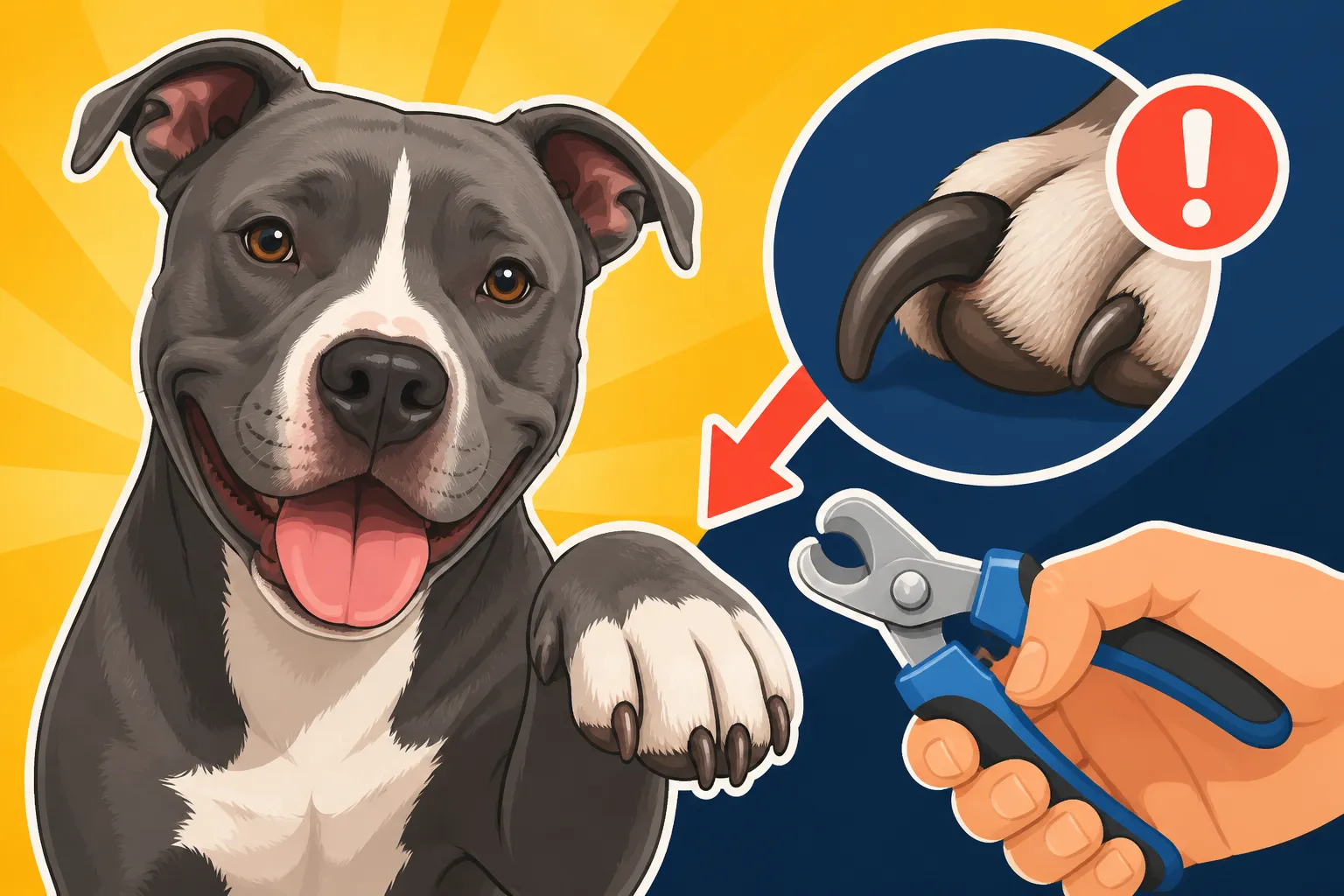
Pit Bull nails tend to be dense, robust, and often darker than those of some other breeds, which can make locating the "quick" a bit trickier. The quick is the living part of the nail, containing blood vessels and nerves. If you cut into the quick, it’s not only painful for your dog but also causes bleeding, which can be alarming and make your dog associate nail trimming with a negative experience. Many Pit Bulls have dark nails, making the quick invisible from the outside, requiring a cautious approach of trimming small bits at a time.
Their nail beds are also typically well-developed, supporting the nail's growth and strength. Because Pit Bulls are often highly active, their nails are constantly exposed to various terrains, which can contribute to their toughness. Unlike some dogs whose nails might wear down naturally on pavement, many Pit Bulls, especially those with naturally fast-growing or particularly hard nails, require regular intervention to keep them at a healthy length. This inherent toughness means you'll need robust tools and a clear understanding of the process.
Why Pit Bull Nails Get So Thick
Several factors contribute to the impressive thickness of a Pit Bull’s nails. Genetics play a significant role; the breed standard often emphasizes strong bone structure and powerful limbs, which naturally extend to the nails. Beyond genetics, their activity level, or sometimes a lack thereof, can influence nail density. Dogs that spend a lot of time on soft surfaces, like carpet or grass, don't get the natural abrasion that helps wear down nails, leading to faster growth and increased thickness.
Diet can also play a subtle part, though it's less about making them "thicker" and more about overall nail health and growth rate. A balanced diet supports healthy keratin production, the main component of nails. Pit Bulls, known for their powerful jaws and love of chewing, might also experience changes in nail health if they have nutritional deficiencies, though this is less common with commercial high-quality foods. Ultimately, it’s a combination of their inherent physical traits and their environment that dictates just how robust those nails become, demanding a consistent and dedicated approach to maintenance.
The Challenges of Trimming Thick Pit Bull Nails
Let's be honest, nail trimming is rarely a walk in the park for most dog owners, but with a strong-willed, powerful Pit Bull and those exceptionally thick nails, it can feel like a genuine battle. The challenges go beyond just the physical act of cutting; they often involve fear, trust, and the consequences of overgrown nails.
The Dreaded Quick
The quick is the Achilles' heel of nail trimming. It's the live tissue within the nail that, if cut, causes pain and bleeding. With a Pit Bull's typically thick and often dark nails, locating the quick can be like finding a needle in a haystack. Many owners find themselves hesitant, making tiny, ineffective clips out of fear, or worse, accidentally cutting too deep. When you cut the quick, not only does your dog yelp and pull away, but it can bleed quite a bit, making a mess and increasing their fear of future trimmings.
This fear isn't just on the dog's side; owners develop an apprehension as well. The memory of a yelp or the sight of blood can make you dread the next trimming session, leading to procrastination. This delay, however, only exacerbates the problem, as longer nails mean longer quicks, creating a vicious cycle where trimming becomes even more intimidating and difficult. It’s a delicate balance of confidence and caution, knowing that each successful, pain-free trim builds trust.
Anxiety and Resistance
Pit Bulls, like all dogs, pick up on our emotions. If you're nervous about trimming their nails, they'll sense it. This, combined with any past negative experiences (like hitting the quick), can lead to significant anxiety and resistance. A Pit Bull that thrashes, pulls away, or even tries to bite during nail trimming isn't being "bad"; they're likely scared or uncomfortable. Their powerful build means that if they decide they don't want their nails trimmed, it can be incredibly difficult, if not impossible, to safely complete the task alone.
This resistance can manifest in various ways: struggling, whining, trying to chew at the clippers, or even outright refusal to let you touch their paws. Building positive associations is crucial, but overcoming deeply ingrained fear takes patience and consistency. For a breed that already faces public scrutiny, managing their behavior during routine care like nail trims is paramount, ensuring they remain calm and cooperative, especially if the situation ever requires professional handling or emergency vet visits. Consistency in Positive Reinforcement Training With a Pit Bull can make a huge difference here.
When Nails Become Overgrown
Allowing Pit Bull nails to become overgrown isn't just an aesthetic issue; it's a significant health concern that can lead to pain, mobility problems, and even long-term structural damage. When nails grow too long, they push back into the nail bed, putting pressure on the toe joints. Imagine walking in shoes that are too small, constantly pushing your toes upwards – that's what your Pit Bull experiences. This constant pressure can cause discomfort, make walking painful, and force your dog to shift their weight, leading to improper posture and strain on their joints, hips, and spine.
Overgrown nails can also curl under and grow into the paw pads, causing painful infections and making every step agonizing. In severe cases, they can even alter the structure of the paw, splaying the toes and predisposing your Pit Bull to Pit Bull Joint and Ligament Injuries or chronic arthritis. The longer the nails get, the longer the quick becomes, making it even harder to trim them back to a healthy length without causing pain. This is why regular, even small, trims are vital for your Pit Bull's comfort and long-term health.
Essential Tools for Pit Bull Nail Trimming
Having the right equipment is absolutely crucial when it comes to tackling those formidable Pit Bull nails. Trying to make do with dull clippers or inappropriate tools will only lead to frustration for you and discomfort for your dog. Investing in quality tools designed for strong nails will make the process smoother, safer, and more effective.
Choosing the Right Clippers
For Pit Bulls with their thick, strong nails, not just any clippers will do. You need heavy-duty, sharp clippers that can make a clean cut without crushing the nail. There are generally two main types: scissor-style (or "plier-style") and guillotine-style. Many owners find the scissor-style clippers, like those from brands often found on Chewy or Amazon, offer more control and leverage for Pit Bull nails. These resemble a pair of pliers with sharp, curved blades that shear through the nail. Look for ones with comfortable, non-slip handles and a safety guard to prevent cutting too much at once.
Guillotine clippers work by placing the nail through a small hole and then squeezing a handle, pushing a blade through the nail. While effective for some dogs, they can sometimes crush thicker nails if not perfectly sharp or if used incorrectly, which can be uncomfortable for your Pit Bull. Regardless of the style you choose, ensure the blades are incredibly sharp. Dull clippers don't cut; they squeeze and splinter, causing pain and making your dog even more resistant. Replace them regularly, or have them professionally sharpened, to ensure optimal performance.
The Benefits of a Nail Grinder
For many Pit Bull owners, a nail grinder becomes a game-changer, especially if their dog is anxious about clippers or if their nails are particularly thick and dark. Grinders use a rotating abrasive head to file down the nail gradually, rather than cutting it. This incremental approach significantly reduces the risk of hitting the quick, as you can see the nail thinning and the quick becoming more visible (as a small dark dot in the center) before you go too far.
The grinding motion also creates a much smoother edge, preventing jagged nails that can snag on carpets or scratch you. While the noise and vibration of a grinder can initially be off-putting for some dogs, many Pit Bulls learn to tolerate it, and even enjoy it, especially with proper desensitization and positive reinforcement. High-quality cordless grinders are available from various brands on platforms like Amazon, offering different speeds and abrasive strengths to suit your dog's specific needs. The ability to slowly reduce the nail's length and gently push the quick back over time makes it an invaluable tool for maintaining nail health without stress.
Accessory Tools for Success
Beyond clippers or a grinder, a few essential accessories can make your Pit Bull's nail trimming experience much more successful and safer. First and foremost, always have styptic powder (or a styptic pencil) readily available. This powder quickly stops bleeding if you accidentally nick the quick. Don't skip this step; even the most experienced trimmers can have an accident, and being prepared minimizes stress for both you and your dog.
Next, high-value treats are non-negotiable. Pit Bulls are often highly food-motivated, and using delicious treats (like small pieces of cooked chicken or cheese, or even specially made training treats you can get from Chewy) turns nail trimming into a positive association. Puzzle feeders or lick mats smeared with peanut butter can also be fantastic distractions. Finally, a good headlamp or bright flashlight can be incredibly helpful, especially for dogs with dark nails. Shining a light through the nail can sometimes help illuminate the quick, making it easier to see where to cut or grind safely. Consider a comfortable, secure harness or muzzle if your Pit Bull is particularly anxious or prone to snapping, for everyone's safety, always under positive and calm conditions.
A Step-by-Step Guide to Trimming Thick Nails
Approaching nail trimming with a structured, patient, and positive mindset is key, especially with a strong and intelligent dog like a Pit Bull. This isn't just about getting the job done; it's about building trust and making it a routine without drama.
Creating a Calm Environment
Before you even pick up the tools, dedicate some time to setting the stage. Choose a quiet time of day when your Pit Bull is relaxed, perhaps after a good walk or a play session when they're a bit tired. A calm environment means minimizing distractions: turn off the TV, ask family members to give you space, and choose a comfortable spot where your dog feels secure. This might be on a mat on the floor, on a raised grooming table if they're used to it, or even snuggled on the couch if it helps them feel at ease.
Have all your tools laid out and ready: clippers or grinder, styptic powder, and plenty of those high-value treats. If using a grinder, turn it on briefly in another room so your dog can get used to the sound from a distance before it comes near them. The goal is to create an atmosphere of calm confidence, communicating to your Pit Bull that this is a normal, non-threatening part of their routine. A relaxed owner goes a long way in having a relaxed dog. You can even incorporate a familiar cue or phrase, like "nail time," said in a cheerful voice, to signal what's coming.
Technique for Clippers
When using clippers on your Pit Bull's thick nails, precision and small cuts are paramount. Hold your dog's paw firmly but gently, isolating the nail you're working on. Ensure their fur is out of the way. Position the clippers at a 45-degree angle, aiming to cut straight across the tip, just below where the quick ends. For dark nails, visualize a "dot" in the center of the nail—this is roughly where the quick begins. Your goal is to make small, thin slices off the end of the nail, rather than attempting one large cut. After each small snip, check the cut surface of the nail. If you see a grayish-white center, you're in the safe zone. If a small, dark dot (the quick) appears, stop immediately.
Make one or two small snips on each nail, reward generously with a treat, and praise your dog enthusiastically. If your Pit Bull is particularly anxious, you might only do one paw, or even just one nail, per session, slowly building up their tolerance over several days. Consistency is more important than speed. Remember, you're not just trimming nails; you're reinforcing trust. If your Pit Bull is resistant to having their paws handled, check out tips on Training a Pit Bull to a Higher Standard Than Other Dogs for building foundation behaviors.
Technique for Grinders
Using a grinder offers a bit more forgiveness than clippers, especially for thick, dark Pit Bull nails. Start by letting your dog get accustomed to the grinder's sound and vibration. Turn it on near them, offer treats, and praise. Don't touch their nails with it yet. Once they're comfortable, gently hold their paw and carefully touch the grinder (while off) to each nail, again, rewarding immediately. When ready to grind, gently hold a single toe, ensuring the fur is pulled back so it doesn't get caught. Turn the grinder on and touch it to the very tip of the nail, grinding for only a second or two at a time.
Use a light touch and avoid pressing hard, as this can generate heat and cause discomfort. Just like with clippers, grind in short bursts, checking the nail after each pass. You'll see white dust, and as you get closer to the quick, you might notice a slightly darker circle or oval appearing in the center of the nail, surrounded by white. This is your cue to stop. Move from one nail to the next, taking breaks and offering treats and praise frequently. Many owners find grinding offers a much less stressful experience once the initial desensitization is complete, allowing for more frequent, smaller adjustments that keep the quick receding and the nails at an optimal length.
Dealing with Difficult Situations
Even with the best intentions and the right tools, you might encounter bumps in the road when it comes to Pit Bull nail trimming. Overgrown nails, a highly sensitive dog, or an accidental quick cut can all present challenges. Knowing how to calmly and effectively address these situations is crucial for your dog's well-being and your peace of mind.
Handling Overgrown Nails
If your Pit Bull's nails have become significantly overgrown, the quick will have grown out with them, making it impossible to trim them back to a healthy length in a single session without causing pain. The key here is a gradual approach. Instead of aiming for perfection immediately, focus on trimming small amounts off the very tip every few days or once a week. Each small trim encourages the quick to recede slightly over time, allowing you to gradually work the nails back to a proper length. This might take weeks or even months, but patience is vital.
Using a grinder can be particularly effective for overgrown nails because it allows for very precise, incremental removal without the shock of a sudden clip. Regular short sessions are much better than infrequent, traumatic long ones. If the nails are severely overgrown, curling into the paw pad, or causing obvious lameness, it's always best to consult your veterinarian. They can safely trim the nails, potentially under sedation if necessary, and address any secondary issues like infection or discomfort. They might also discuss a more aggressive trimming schedule to get the quick to recede faster, often through a series of short trims over several weeks.
Desensitization for Nail-Averse Pups
For Pit Bulls who have developed a strong aversion to nail trimming, desensitization and counter-conditioning are your best friends. This isn't a quick fix, but a patient, consistent process that gradually changes their emotional response from fear to indifference or even enjoyment. Start small: simply touch their paw, say "good," and give a high-value treat. Repeat this many times over several days, slowly increasing the duration of the touch and the areas you touch (toes, pads, nails).
Once they are comfortable with paw handling, introduce the clippers or grinder without actually trimming. Let them sniff the tool, touch it to their nail (while off), and offer treats. If using a grinder, turn it on briefly away from them, then closer, always pairing the sound with treats. The goal is to create a positive association: "tool equals treat." Only when they are calm and accepting should you attempt a single, tiny trim. If they tolerate one nail, reward profusely and stop. Build up slowly over days or weeks, always ending on a positive note. Remember, any step backward means you went too fast; just revert to an easier step and proceed more gradually. Consistency here, coupled with delicious rewards, can transform a fearful pup into one who tolerates, or even enjoys, nail time. This echoes principles from Pit Bull Training and Certification Costs regarding patience and specialized training.
Dealing with an Accidental Quick Cut
It happens to the best of us, and it's certainly not the end of the world. If you accidentally cut into the quick, your Pit Bull will likely yelp, pull away, and the nail will bleed. Your immediate priority is to stop the bleeding. Remain calm, as your stress will transfer to your dog. Immediately apply styptic powder to the bleeding nail. Press it firmly against the tip of the nail for a few seconds. The powder contains agents that constrict blood vessels and promote clotting. If you don't have styptic powder, cornstarch or flour can work in a pinch, though they are less effective.
Once the bleeding has stopped, reassure your Pit Bull with a calm voice and gentle pets. Don't immediately try to continue trimming other nails, especially not that paw. Give them a break, perhaps offer a special chew or toy. The most important thing is to avoid making a big dramatic fuss, which can reinforce their fear. Clean up any blood, but don't scold or punish your dog. After the incident, go back to desensitization, maybe just handling their paws and offering treats for a few days before attempting another trim. The goal is to quickly normalize the situation and rebuild trust.
Maintaining Nail Health Beyond Trimming
Nail trimming is just one piece of the puzzle when it comes to overall paw and nail health for your Pit Bull. A holistic approach that includes proper nutrition, regular inspections, and appropriate activity can contribute significantly to stronger, healthier nails and happier paws.
Dietary Support for Nail Strength
While nail thickness is largely genetic, diet certainly plays a role in the overall health and integrity of your Pit Bull's nails. A well-balanced diet rich in essential nutrients supports strong keratin production, making nails less prone to brittleness, cracking, or splitting. Look for high-quality dog foods that list real meat as the first ingredient and contain a good balance of protein, fats, and carbohydrates.
Specific nutrients that can benefit nail health include Omega-3 and Omega-6 fatty acids (found in fish oil, flaxseed, and some specialized dog foods like those from Ollie or even some premium brands on Chewy). These fats are crucial for skin and coat health, which extends to the nails. Biotin, a B vitamin, is also known to support nail strength and growth, though deficiencies are rare with a complete and balanced commercial diet. If your Pit Bull experiences chronic brittle or soft nails, discussing dietary supplements with your vet might be worthwhile. However, remember that thick, strong nails are often a breed characteristic, not necessarily a sign of a deficiency. Good nutrition also ties into keeping your Pit Bull at a healthy weight, which impacts How Weight Multiplies the Load on Pit Bull Joints.
Regular Paw Pad and Nail Checks
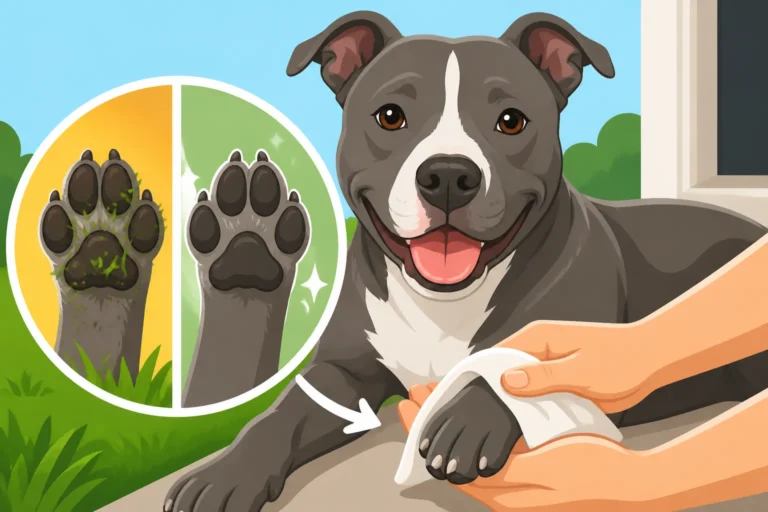
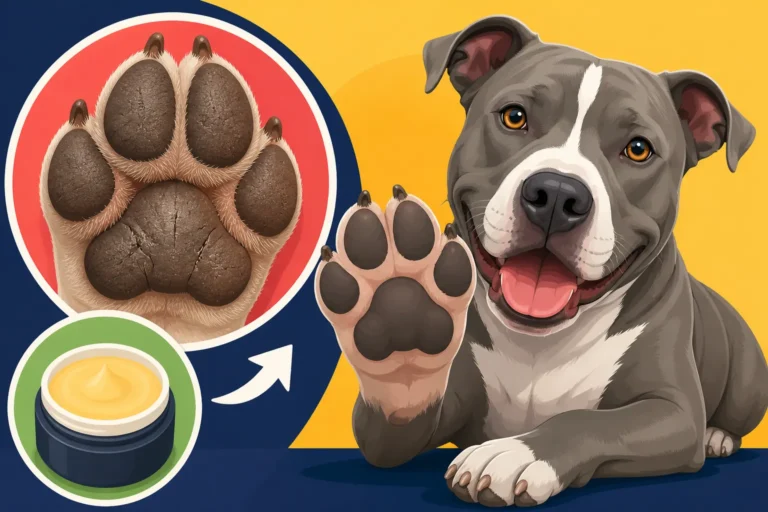
Beyond the scheduled trimming, making regular paw and nail checks a routine part of your Pit Bull's care is invaluable. Aim to do a quick check daily or every few days, especially after walks or playtime outdoors. This involves gently lifting each paw and examining the nails, paw pads, and between the toes. Look for any signs of cracking, splitting, discoloration, or redness around the nail bed. Check the paw pads for cuts, abrasions, or embedded debris like thorns or small pebbles.
Early detection of issues can prevent minor problems from escalating into painful infections or injuries. For instance, if you notice a nail is chipped, you can smooth it out before it snags or causes further damage. Inspecting between the toes can reveal irritation from allergens or the beginnings of a yeast infection, which might be linked to Pit Bull Paw Licking and Chewing. This routine handling also reinforces your dog's comfort with having their paws touched, making future grooming and vet visits less stressful. It's an easy habit to integrate into cuddle time or after a meal.
Professional Grooming as an Option
Let's face it, sometimes despite your best efforts, trimming your Pit Bull's nails can remain a struggle. If your dog is excessively fearful, aggressive during trims, or if their nails are particularly challenging (e.g., extremely overgrown, brittle, or oddly shaped), don't hesitate to seek professional help. A professional groomer or veterinary technician has specialized tools, experience, and techniques for handling difficult dogs and challenging nails. They can often get the job done quickly and efficiently, minimizing stress for both you and your Pit Bull.
Even if you prefer to do most of the trimming yourself, an occasional professional trim can be beneficial. It allows a skilled eye to assess your Pit Bull's nail health, correct any issues, and give you pointers on your technique. For deeply fearful dogs, your veterinarian might even recommend sedation for nail trims initially, while you work on desensitization at home. There's no shame in enlisting help; your Pit Bull's comfort and well-being are the top priority. Think of it as another tool in your arsenal, much like seeking professional assistance for Pit Bull Dental Cleaning Schedule or other health needs.
Disclaimer
This article is for general informational purposes only and does not constitute professional advice. Laws, prices and regulations vary by location and change over time. Consult a qualified professional for guidance on your specific situation.