Flirt Pole Sessions and Pit Bull Joints
It's incredibly tempting to watch our powerful Pit Bulls unleash their inner athlete with a flirt pole, seeing them leap and dart with such joy. But that explosive energy, while amazing, puts a tremendous amount of stress on their joints, and many owners worry about accidental injuries or long-term wear and tear. This guide will walk you through how to enjoy flirt pole sessions safely with your Pit Bull, protecting those crucial joints while still providing invigorating mental and physical exercise.
Understanding Flirt Pole Mechanics and Pit Bull Instincts
A flirt pole is essentially a long stick with a lure (often a toy or rag) attached to a rope at the end. It's designed to mimic the erratic movement of prey, activating a dog's natural chase and prey drive. For a Pit Bull, with their incredible agility, speed, and powerful musculature, a flirt pole can seem like the ultimate game. They love the challenge, the quick changes in direction, and the satisfying "capture" of the lure.
Why Pit Bulls Love Flirt Poles So Much
Pit Bulls are natural athletes with a deep-seated desire to work and play. Their lineage as bull-and-terrier types means they often possess a strong prey drive, boundless energy, and impressive physical capabilities. When you swing a flirt pole, you're tapping directly into these instincts. The sudden movements, the lure darting just out of reach, the satisfying "catch" – it's all incredibly rewarding for a Pit Bull. They get to engage their minds as they strategize the chase and burn off physical energy in bursts, which is often a perfect fit for their intensity. This kind of focused activity can also be a fantastic outlet for dogs who might otherwise struggle with boredom or pent-up energy, making them more relaxed and content companions around the house.
The Dynamics of High-Impact Play
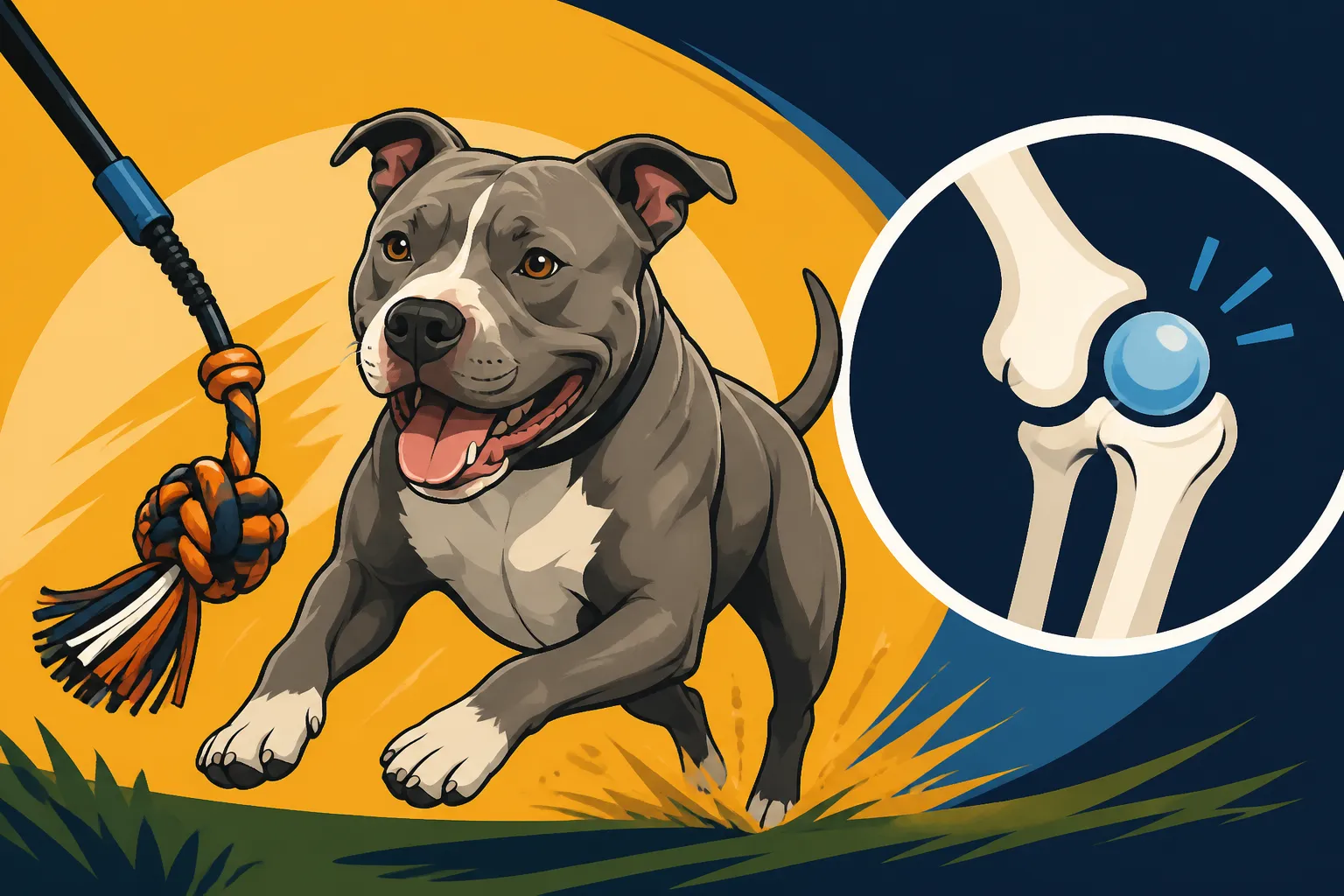
The very excitement that makes flirt poles so engaging also makes them potentially risky if not managed carefully. Imagine your Pit Bull, all muscle and drive, tearing after that lure. They're accelerating from a standstill to top speed in a flash, making sharp 180-degree turns, and often launching themselves into vertical jumps to snatch the toy mid-air. Each of these actions, especially on unforgiving surfaces, sends shockwaves through their joints. The knees take a brutal hit during sudden stops and pivots, the shoulders absorb impact from jumps and landings, and the spine can twist and flex under extreme forces. It’s not just the single big jump, but the cumulative effect of many such high-intensity movements within a short session that can lead to problems over time, from minor strains to serious ligament tears. Understanding these dynamics is the first step in mitigating the risks and keeping your beloved companion sound.
The Potential Joint Strain from High-Impact Play
While the thrill of a flirt pole is undeniable, the physical demands it places on a Pit Bull's body are immense. Their powerful build and enthusiastic approach can sometimes be a double-edged sword, making them more susceptible to certain types of injuries if proper precautions aren't taken.
Knees and Cruciate Ligament Concerns
One of the most vulnerable areas during flirt pole play is the knee joint, specifically the cranial cruciate ligament (CCL). This ligament is vital for stabilizing the knee, and the sudden stops, twists, and pivots inherent in chasing a lure can put extreme strain on it. Think of a basketball player changing direction suddenly – their knees take a tremendous load. Now imagine a powerfully built Pit Bull, even heavier and more explosive, doing the same thing repeatedly. Over time, this repetitive stress can lead to micro-tears in the ligament, weakening it until a full rupture occurs. A complete CCL tear often requires significant surgery, a long recovery, and can be a substantial financial burden. It's why managing these high-impact movements is critical for dogs like Pit Bulls. Cruciate Ligament Tears in a Muscular Pit Bull can be a devastating diagnosis, and careful play can reduce the risk.
Hips and Shoulder Impact
Beyond the knees, a Pit Bull’s hips and shoulders are also heavily involved in flirt pole activities. High jumps put considerable pressure on the shoulders as they land, and repeated take-offs and landings can exacerbate pre-existing conditions like Pit Bull Hip Dysplasia Showing at One to Two Years. For dogs already predisposed to hip issues, the twisting and turning can be particularly detrimental. The powerful hind legs, crucial for those explosive bursts of speed and vertical leaps, transfer significant force through the hip joints. While a healthy Pit Bull might handle these forces well initially, cumulative stress, especially on hard surfaces or without proper warm-up, can accelerate the wear and tear on cartilage and ligaments. It's not just about avoiding a single catastrophic injury; it's about preserving joint health for a lifetime of activity.
The Risks of Hard Surfaces and Improper Technique
Playing on hard, unforgiving surfaces like concrete or asphalt significantly increases the impact on joints. These surfaces offer little shock absorption, meaning every jump, landing, and pivot sends maximum force through bones and cartilage. A softer surface, like grass or packed dirt, provides a much-needed cushion. Beyond the surface, improper flirt pole technique can be just as damaging. Whipping the lure too fast, encouraging excessively high or uncontrolled jumps, or forcing sharp, sudden turns without allowing the dog to decelerate naturally can be incredibly dangerous. It's not a race; it's a controlled exercise. The goal is engagement and exercise, not maximum exertion at all costs. An owner who isn't mindful of their dog's body language or pushes them too hard risks serious injury to their companion.
Safe Practices for Flirt Pole Fun and Joint Protection
Enjoying the flirt pole with your Pit Bull doesn't have to mean risking their joint health. With a few thoughtful adjustments and consistent practices, you can ensure these sessions remain a fun, invigorating part of their routine while actively protecting their body.
Warm-Ups and Cool-Downs Are Non-Negotiable
Just like a human athlete, your Pit Bull needs to properly warm up before intense activity and cool down afterward. Skipping these crucial steps is like asking a cold rubber band to stretch its furthest – it's far more likely to snap. A proper warm-up involves 5-10 minutes of light activity, such as a brisk walk or some gentle trotting. This increases blood flow to muscles and joints, making them more pliable and less prone to injury. Think about doing some slow circles with the flirt pole, keeping the lure low, allowing for some stretches and gentle movements before the high-energy chase begins. Afterward, a cool-down of another 5-10 minutes of walking helps gradually lower their heart rate and allows muscles to relax, preventing stiffness and soreness. It's about respecting their athletic body.
Choosing the Right Surface and Duration
The surface where you play makes a monumental difference. Always opt for softer, more forgiving surfaces like grass, packed dirt, or even sand if available. Avoid concrete, asphalt, or slippery floors at all costs, as these surfaces provide no shock absorption and magnify impact forces on joints. Imagine running on pavement versus a grassy field – the difference in joint stress is huge.
Equally important is the duration of your sessions. Pit Bulls have incredible bursts of energy, but sustained high-impact activity can lead to fatigue, which increases the risk of missteps and injuries. Keep flirt pole sessions short and sweet – think 5-10 minutes of intense play, broken up by rest periods, rather than one long, continuous stretch. A good rule of thumb is to end the session while your dog is still eager for more, not when they're completely exhausted. Over-exercising can be just as detrimental as under-exercising, especially for developing joints in younger dogs. Building Pit Bull Fitness Safely emphasizes controlled progression over brute force.
Incorporating Joint Support and Regular Checks
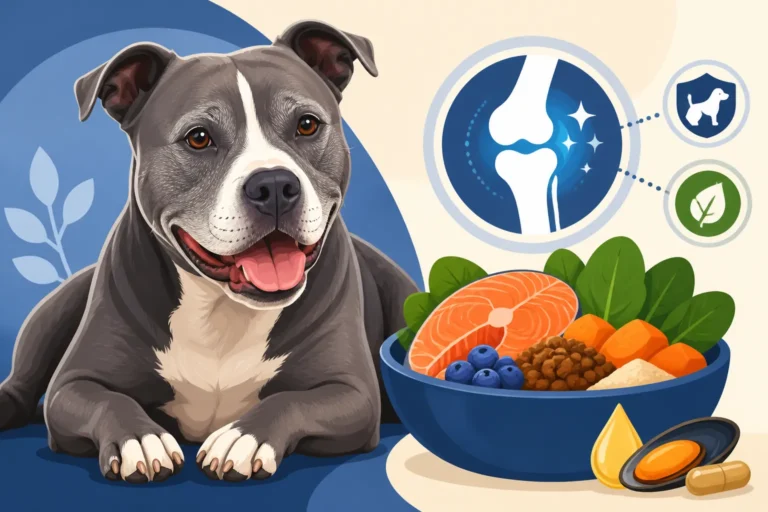
To further support your Pit Bull's joint health, especially if they are highly active or getting older, consider incorporating joint supplements into their diet. Ingredients like glucosamine, chondroitin, and Omega-3 fatty acids are common in these supplements and can help maintain cartilage health and reduce inflammation. Brands like Chewy and Amazon offer a wide array of reputable joint supplements, or you might find them integrated into specialized diets, some of which Ollie offers. It's wise to discuss these options with your veterinarian to ensure they're appropriate for your dog's specific needs.
Beyond supplements, making a habit of regularly checking your Pit Bull's joints for any signs of discomfort or lameness is crucial. After a play session, gently palpate their legs, watching for any reactions. Look for subtle limping, stiffness when getting up, reluctance to jump, or changes in their gait. Catching these signs early can prevent minor issues from becoming major problems. If you notice anything unusual, it’s always best to consult your vet.
Here's a quick guide to safe flirt pole practices:
| Practice | Safe Approach | Avoid These |
|---|---|---|
| Warm-Up | 5-10 min brisk walk/trot, gentle lure movements | Going from rest to intense play |
| Playing Surface | Grass, packed dirt, sand, rubber mats | Concrete, asphalt, slippery tile/wood |
| Session Duration | Short bursts (5-10 mins max), break into multiple sessions | Prolonged, continuous high-impact play until exhaustion |
| Lure Movement | Sweeping arcs, keeping lure low, encouraging chase, not forced jumps | Rapid, unpredictable jerking, high vertical jumps, forcing sharp, unyielding turns |
| Dog's Condition | Enthusiastic, responsive, not overly tired | Fatigued, limping, reluctant to engage, panting excessively |
| Joint Support | Discuss joint supplements with vet, balanced diet | Neglecting diet quality or supplement needs for active/aging dogs |
Recognizing Signs of Joint Stress and When to Seek Help
Even with the best intentions and most careful play, our Pit Bulls are still active animals, and injuries can happen. Being vigilant and knowing what to look for can make all the difference in getting them timely care and preventing further damage.
Subtle Indicators of Discomfort
Sometimes, joint pain isn't obvious limping. It can manifest in much more subtle ways, especially in stoic breeds like Pit Bulls who often try to hide discomfort. You might notice your dog is slower to get up after lying down, or seems stiffer in the mornings. Perhaps they're reluctant to jump into the car or onto the couch when they used to do so without a second thought. They might start favouring one leg slightly, or shifting their weight when standing. Pay attention to changes in their play style – are they less enthusiastic about running or chasing? Are they not jumping as high? Pit Bull Joint and Ligament Injuries often start with these barely-there signs. Some dogs might even groom excessively at a particular joint or vocalize softly when touched. Any change in their normal movement or behavior after activity should be a red flag. Don't dismiss it as just "getting old" too quickly, especially if they are still relatively young.
When to Call the Veterinarian
There are certain signs that absolutely warrant an immediate call to your veterinarian. If your Pit Bull is suddenly unable to bear weight on a limb, if there's obvious swelling or heat around a joint, or if they cry out in pain when a specific area is touched, these are all emergency indicators. Persistent limping that doesn't resolve with a day or two of rest, a refusal to eat, or signs of extreme lethargy accompanied by mobility issues also mean it's time for professional evaluation. Don't try to self-diagnose or wait it out, especially with a dog as muscular and powerful as a Pit Bull. Their bodies can sometimes mask the severity of an injury, and what seems minor could be a significant issue like a ligament tear or a hairline fracture. Early veterinary intervention can lead to a much better prognosis and a faster recovery for your furry family member. Keeping an eye on their Pit Bull Weight and Muscle on a Working Frame is also important, as excess weight can exacerbate any joint issues.
Long-Term Joint Health and Preventative Measures
Beyond specific injury concerns, thinking about your Pit Bull's long-term joint health is paramount. This involves a holistic approach that goes beyond just flirt pole sessions. Ensuring they maintain a lean, healthy weight is one of the most impactful things you can do; How Weight Multiplies the Load on Pit Bull Joints significantly. Every extra pound your Pit Bull carries puts additional stress on their joints, accelerating wear and tear. A high-quality diet, potentially supplemented with joint-friendly ingredients, provides the building blocks for healthy cartilage. Regular, moderate exercise, like brisk walks or swimming (which is low-impact), helps maintain muscle strength around joints without excessive strain. For an aging Pit Bull, or one with known joint issues, your vet might recommend specific Joint Support for a Heavily Muscled Pit Bull or even a specialized prescription diet to help manage their condition. It’s about being proactive and consistent in their care, so they can enjoy a comfortable and active life for as long as possible.
Disclaimer
This article is for general informational purposes only and does not constitute professional advice. Laws, prices and regulations vary by location and change over time. Consult a qualified professional for guidance on your specific situation.