Whether to Walk a Pit Bull Above Eighty Degrees
It's a beautiful summer day, or perhaps just a scorching afternoon, and you're looking at your energetic Pit Bull, ready for a walk. But then you glance at the thermometer and see it creeping past that 80-degree mark, maybe even higher. Immediately, a wave of concern washes over you: is it really safe to take your beloved, muscular companion out in this heat? This guide is here to help you understand the very real risks of walking your Pit Bull when temperatures soar, and how to make informed decisions to protect their health and happiness.
The Hidden Dangers of High Temperatures for Your Pit Bull
When the mercury rises, what feels like a pleasant warmth to us can be a significant hazard for our canine companions, especially a robust and active breed like a Pit Bull. Their bodies don't regulate temperature in the same way ours do, and seemingly innocuous conditions can quickly turn dangerous.
Scorching Pavement and Paw Pad Burns
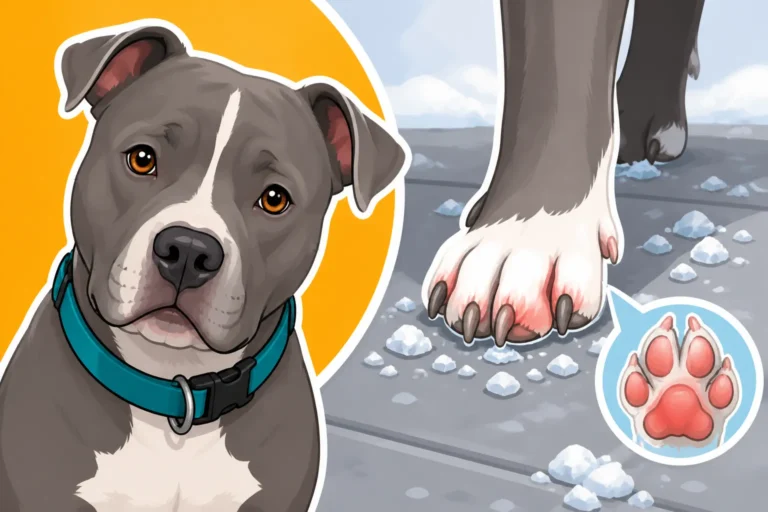
One of the most immediate and often overlooked dangers of walking a Pit Bull above eighty degrees Fahrenheit is the temperature of the ground beneath their paws. While the air might be 85 degrees, asphalt or concrete in direct sunlight can easily reach temperatures of 120-150 degrees or even hotter. Think about walking barefoot on that same surface – you wouldn't last a second, and neither should your dog.
Pit Bulls have tough paw pads, no doubt, but they are not impervious to extreme heat. Walking on hot surfaces can cause severe burns, leading to blisters, peeling skin, pain, and even infection. Imagine having burned feet and trying to walk; it's excruciating for them. These injuries can take weeks to heal and require intensive veterinary care. It’s a silent threat because your dog might not immediately show discomfort until the damage is already done. Always test the pavement with the back of your hand for at least seven seconds before letting your Pit Bull walk on it. If it's too hot for your hand, it's too hot for their paws. This is a critical factor, even more so than the air temperature itself. You can find more specific advice in Pit Bull Paw Pad Injuries on Hard Ground.
Understanding Heatstroke Physiology in a Muscular Dog
Heatstroke is a life-threatening condition that occurs when a dog's body temperature rises to dangerous levels, usually above 105 degrees Fahrenheit, and they can no longer regulate it effectively. Pit Bulls, with their dense musculature, can generate a lot of internal heat during exercise, and their short coats, while not trapping heat like a thick double coat, also offer less insulation against direct sun. Unlike humans who sweat profusely across their entire body, dogs primarily cool themselves through panting and sweating through their paw pads. This mechanism is far less efficient in extreme heat or high humidity.
When a Pit Bull overexerts itself in hot conditions, its internal temperature can spike rapidly. This can lead to a cascade of systemic failures, including damage to organs like the brain, kidneys, liver, and heart. Early signs might seem mild, but heatstroke can progress quickly, leading to collapse, seizures, and even death if not addressed immediately. It's not just about the absolute temperature; it's the combination of temperature, humidity, and activity level that creates the risk. A jog that's perfectly fine on a 70-degree day can be deadly on an 85-degree day with high humidity. Understanding Heat Tolerance in a Short-Coated Pit Bull is key to prevention.
How to Gauge the Real Heat Impact on Your Dog
Knowing the air temperature is just the first step. To truly assess the safety of an outdoor activity for your Pit Bull, you need to consider several other environmental factors and your dog's individual circumstances.
Beyond the Thermometer: Humidity and Sun Exposure
The air temperature is what we usually look at, but humidity is a huge silent killer when it comes to canine heat stress. High humidity prevents dogs from effectively cooling themselves through panting. When the air is already saturated with moisture, the evaporative cooling process from panting becomes significantly less efficient, trapping heat within their bodies. A 80-degree day with 90% humidity can be far more dangerous than a 90-degree day with dry air. Always check the "feels like" temperature or the heat index, which accounts for both temperature and humidity.
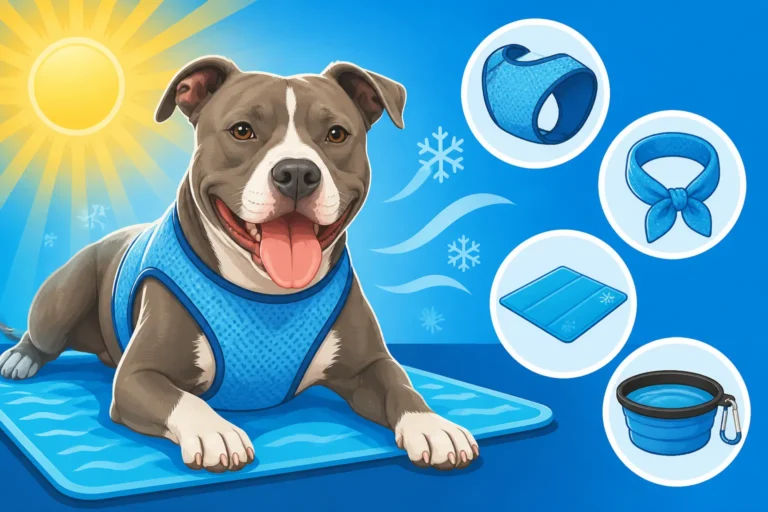
Direct sun exposure also plays a massive role. Walking in direct sunlight on a hot day will cause your Pit Bull to heat up much faster than walking in the shade. Pavement, as mentioned, absorbs and radiates heat, making shaded routes preferable. Even if the air temperature seems manageable, prolonged exposure to direct sun, especially during the hottest parts of the day, can contribute significantly to overheating. Consider a cooling bandana or vest for additional protection, which you can often find on sites like Amazon, to help manage their core temperature.
Your Dog's Personal Heat Risk Profile
Every Pit Bull is an individual, and their tolerance for heat can vary. Factors like age, overall health, fitness level, and even their body condition play a crucial role.
- Age and Health: Puppies and senior Pit Bulls are generally more susceptible to heat stress. Puppies have less developed thermoregulation, and older dogs may have underlying health conditions, like Heart Disease in a Pit Bull or Hypothyroidism and a Thinning Pit Bull Coat, which can impair their ability to cope with heat. Dogs with respiratory issues or obesity will also struggle significantly more. A healthy, lean Pit Bull might handle a quick, shaded walk better than an overweight one, but even then, caution is paramount. You should consult your vet if your Pit Bull has any chronic conditions before exercising them in warm weather.
- Acclimation and Fitness: A Pit Bull that is regularly exercised in warm (but not hot) conditions might be slightly more acclimated than one that's primarily an indoor dog. However, this acclimation has limits, and it never negates the risks of truly high temperatures. A highly conditioned working Pit Bull still needs breaks and access to water. Their drive to please can sometimes override their discomfort, making it crucial for you, the owner, to recognize their limits and signs of fatigue. Remember, a Pit Bull’s strong will means they might push themselves harder than they should, so it's up to us to be their advocate.
Smart Alternatives and Cooling Strategies for Hot Days
So, the thermometer is high, and the pavement is sizzling. Does this mean your Pit Bull is destined for a day of boredom? Absolutely not! There are plenty of creative and safe ways to keep your energetic companion stimulated and exercised without putting them at risk.
Shifting Walk Schedules and Seeking Shade
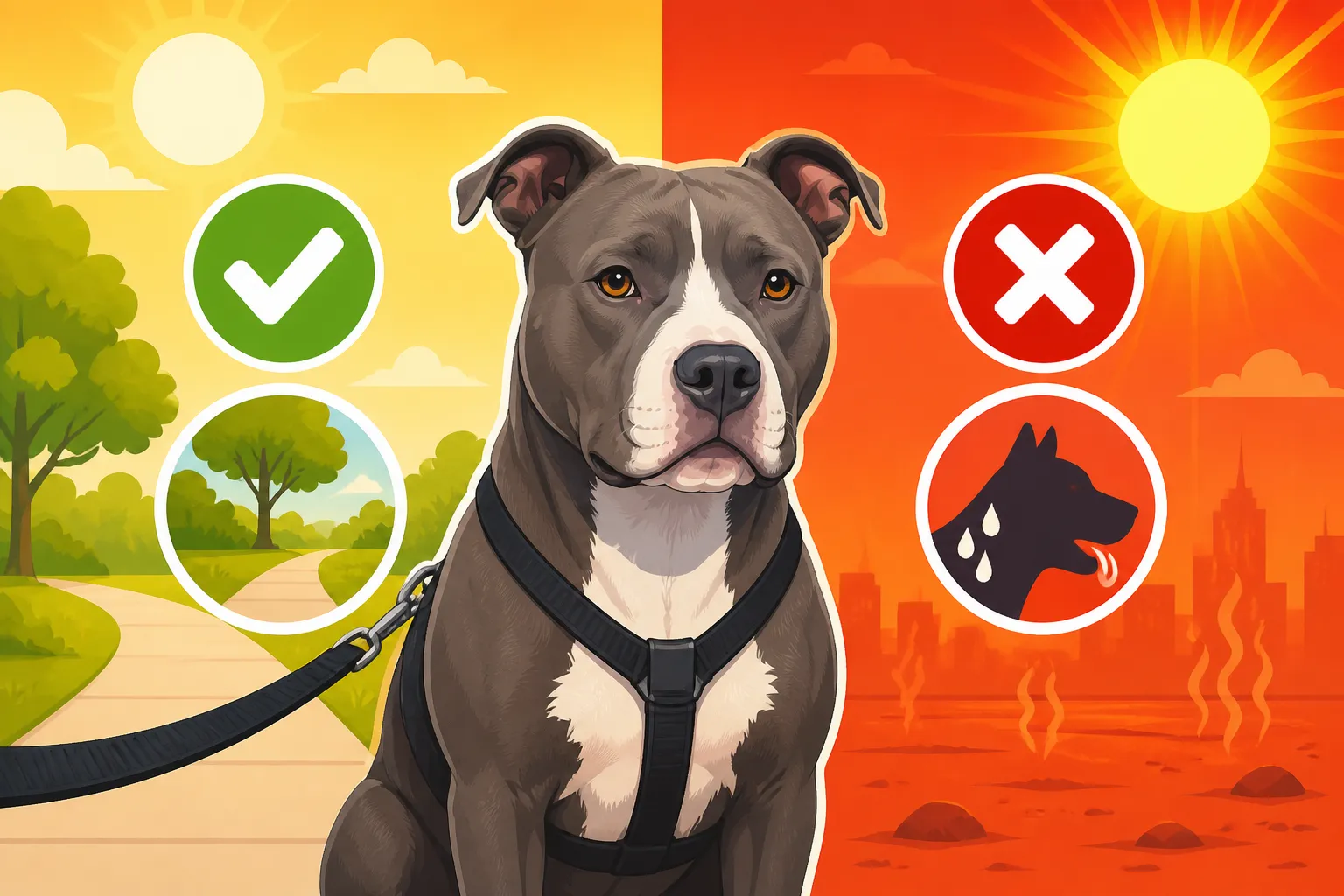
The most straightforward solution is to adjust when you walk. Avoid the peak heat of the day, which is typically between 10 AM and 4 PM, but can extend longer depending on your location. Instead, plan walks for early mornings, when the air is coolest and the pavement hasn't had a chance to heat up, or late evenings after the sun has gone down and surfaces have cooled. Even if you're not seeing 80 degrees, those prime daylight hours can still be dangerous.
When you do venture out, actively seek shaded routes. Walk on grassy verges or dirt trails if available, as these surfaces absorb far less heat than asphalt or concrete. Look for parks with ample tree cover. Even a short walk down a shady street is infinitely better than a longer one in direct sun. Always carry fresh water for your Pit Bull and offer it frequently. A collapsible water bowl from Chewy is a handy accessory for these walks. Even on short outings, access to water is non-negotiable for their hydration and cooling.
Water Fun and Indoor Enrichment
If outdoor walking is off the table due to extreme heat, embrace water-based activities or indoor play. Many Pit Bulls absolutely adore water!
- Swimming and Sprinkler Fun: A kiddy pool filled with cool water in your backyard can be a fantastic way for your Pit Bull to cool down and play. Supervised swimming in a safe lake or dog-friendly pool is another excellent option for exercise and cooling. Just ensure the water quality is good and they know how to swim, or wear a life vest. A simple sprinkler can provide endless entertainment and a great way to cool off without submersion.
- Indoor Games and Training: Don't underestimate the power of mental stimulation and indoor exercise. Engage your Pit Bull with puzzle toys, which you can load with treats (perhaps even frozen ones for an extra cool-down element). Scent work, where you hide treats around the house for them to find, is mentally exhausting and requires minimal physical exertion. Indoor fetch with a soft toy, practicing obedience commands, or learning new tricks are all great ways to burn energy and keep their minds sharp. Indoor Games for a Housebound Pit Bull offers many ideas. For dogs used to a lot of outdoor activity, adapting their nutrition might also be necessary. Some owners find brands like Ollie helpful for adjusting portion sizes or formulas based on activity levels.
Cooling Gear and Hydration Habits
There's a fantastic array of products available to help keep your Pit Bull cool when temperatures are high, even if they're just lounging indoors.
- Cooling Vests and Mats: Cooling vests work by evaporative cooling or by containing ice packs. When wet, they slowly release moisture, helping to cool your dog's core. Cooling mats, often filled with a gel that absorbs body heat, provide a cool spot for your Pit Bull to lie down on indoors or outdoors in the shade. You can find many options for these on Amazon or Chewy.
- Hydration: Always have fresh, cool water available to your Pit Bull, both indoors and out. Consider adding ice cubes to their water bowl on hot days. Some dogs enjoy special frozen treats, like plain broth ice cubes, which can encourage hydration and provide a little cooling. Keeping them well-hydrated is crucial for preventing heat-related issues, as it supports their natural cooling mechanisms. Ensuring your Pit Bull has regular access to water, especially Pit Bull Water Intake After Hard Exercise, is essential.
Recognizing and Responding to Heat Stress Signals
Even with the best intentions and precautions, sometimes a Pit Bull can still get overheated. Knowing the signs of heat stress and how to react quickly can make all the difference in preventing a life-threatening situation.
Early Warning Signs of Overheating
Your Pit Bull won't explicitly tell you they're too hot, so it's up to you to be vigilant and recognize the subtle and not-so-subtle cues.
- Excessive Panting: While panting is normal for cooling, excessive, rapid, and deep panting, especially if it seems labored or doesn't subside quickly after stopping activity, is a key indicator.
- Increased Thirst and Drooling: If your dog is drinking vast amounts of water or drooling much more than usual, it's a sign their body is working hard to cool down.
- Lethargy and Weakness: A dog that is usually energetic becoming unusually sluggish, tired, or even wobbly on their feet is a major red flag. They might lag behind on a walk or seek out cool, dark spots to lie down.
- Bright Red Gums or Tongue: Check your Pit Bull's gums. If they are brighter red than normal, it indicates increased blood flow and body temperature. The tongue might also appear very dark red.
- Stumbling or Lack of Coordination: As heatstroke progresses, neurological symptoms can appear. Your dog might stumble, sway, or appear disoriented.
- Vomiting or Diarrhea: These are serious signs of internal distress and should prompt immediate concern.
It’s easy to dismiss some of these as simply being "tired," especially after a walk, but with Pit Bulls, who often have a high pain tolerance and a strong drive, it's safer to err on the side of caution. If you're observing any of these signs, it's time to act. For more detailed information, refer to Spotting Heat Trouble in a Working Pit Bull.
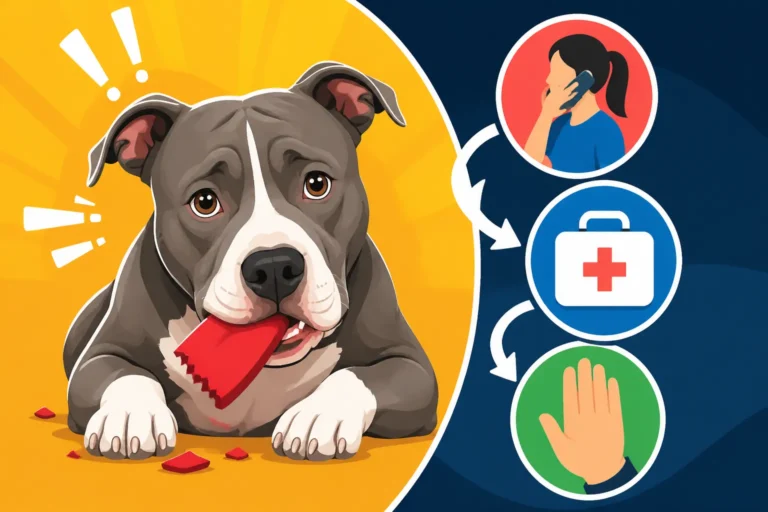
Emergency Response to Heatstroke
If you suspect your Pit Bull is experiencing heatstroke, every second counts. Immediate action can save their life.
- Move to a Cooler Area: Get your dog out of the sun and into the shade or an air-conditioned space immediately.
- Apply Cool Water: Wet your dog down with cool (not ice-cold) water. Focus on areas like the armpits, groin, belly, and paw pads. You can use a hose, wet towels, or even stand them in a shallow basin of water. Avoid using ice-cold water, as it can cause blood vessels to constrict, trapping heat inside their body, and can lead to shock.
- Offer Small Amounts of Water: If your dog is conscious and able to swallow, offer small sips of cool water. Do not force them to drink.
- Fan Your Dog: Use a fan or even a piece of cardboard to create airflow over their wet body, which aids in evaporative cooling.
- Seek Veterinary Attention Immediately: Even if your dog seems to be recovering, they need to be checked by a veterinarian as soon as possible. Heatstroke can cause internal damage that isn't immediately apparent. Your vet can assess for organ damage, administer IV fluids, and provide other necessary treatments. Time is critical, so don't delay the vet visit. Call ahead to let them know you're coming so they can be prepared.
Taking these steps quickly can dramatically improve your Pit Bull's chances of recovery. Always prioritize their safety over completing a walk or exercise routine when the weather turns extreme. It’s better to be overly cautious than to face a preventable tragedy.
| Temperature Range (Fahrenheit) | Humidity Level | Pavement Test | Risk Level | Recommendations |
|---|---|---|---|---|
| Below 70 | Any | Safe | Low | Normal exercise, ensure water access. |
| 70-80 | Low-Moderate | Safe | Moderate | Monitor closely, ensure water, watch for heavy panting. |
| 70-80 | High | Safe | High-Moderate | Shorter walks, stick to shade, frequent water breaks, consider cooling vest. |
| 80-85 | Low-Moderate | Check | High | Short, essential walks only. Early/late, shady routes. Test pavement. |
| 80-85 | High | Check | Very High | Avoid walks. Focus on indoor activities or water play. |
| Above 85 | Any | Hot | Extreme | NO WALKS. Stay indoors in AC. Restrict strenuous activity. |
This article is for general informational purposes only and does not constitute professional advice. Laws, prices and regulations vary by location and change over time. Consult a qualified professional for guidance on your specific situation.