Pit Bull Ear Infections and What Drives Them
It’s a frustratingly common scenario: you wake up to the sound of your beloved Pit Bull shaking their head vigorously, or you notice them relentlessly scratching at an ear that looks red and feels hot. You sigh, because you know exactly what this means – another ear infection. These aren't just minor irritations; chronic ear infections can be painful, persistent, and deeply impact your dog's quality of life, not to mention your vet budget. This guide is here to unravel the complex world of Pit Bull ear infections, helping you understand why they happen, how to spot them, and what truly effective strategies look like for long-term relief.
Understanding the Pit Bull Ear Anatomy and Why It's Prone to Infection
Pit Bulls, with their generally short, sleek coats and sturdy builds, often appear quite resilient. However, their ear anatomy, like that of many dogs, presents a unique challenge that can make them particularly susceptible to recurrent infections. It’s not just bad luck; there are structural and physiological reasons at play that set the stage for trouble.
The Unique Structure of a Pit Bull's Ear Canal
Unlike our horizontal ear canals, a dog's ear canal takes a sharp turn, heading first vertically down, then horizontally inward towards the eardrum. Think of it like a deep, inverted L-shape. This design is fantastic for protecting the delicate inner ear from external debris, but it's also a perfect trap for moisture, wax, and microscopic invaders. For a Pit Bull, whose ears can be quite deep and sometimes hang rather than stand erect, this creates an ideal warm, dark, and humid environment where bacteria and yeast thrive. Air circulation is naturally limited, which further exacerbates the problem, especially after a swim or a bath when water can get trapped deep inside.
This anatomical quirk means that even a perfectly healthy Pit Bull has a baseline susceptibility that owners of, say, a German Shepherd with open, erect ears, might not face to the same degree. It requires a more vigilant approach to ear care. You can be doing everything "right" in terms of general hygiene, but if you're not specifically addressing the unique architecture of their ear canal, you're constantly playing catch-up. This deep, winding path makes it hard for any trapped debris or fluid to simply drain out on its own, demanding proactive intervention from us as their caregivers.
Factors Beyond Anatomy that Contribute to Ear Issues
While anatomy is a significant player, it’s rarely the sole culprit. Several other factors come into play, creating a perfect storm for ear infections. One of the biggest, and often overlooked, contributors is inflammation. When the tissues lining the ear canal become inflamed, they swell, further narrowing that already constricted pathway. This swelling traps more moisture and exudate, reduces air flow even more, and makes it incredibly difficult for any medication to penetrate and do its job effectively.
Furthermore, any underlying systemic health issues can weaken a Pit Bull's natural defenses, making them more vulnerable. For instance, a compromised immune system, perhaps due to chronic stress or another illness, might not be able to fend off opportunistic pathogens as easily. Environmental factors, like high humidity during summer or exposure to certain irritants, also play a role. Even something as simple as dusty conditions or regular swimming can tip the delicate balance within the ear, paving the way for infection. Understanding these multifaceted contributors is the first step in truly breaking the cycle of recurring ear infections in your Pit Bull.
The Most Common Causes of Pit Bull Ear Infections
It’s easy to just blame "bacteria" when your Pit Bull gets another ear infection, but that's often just the secondary problem. To truly get ahead of these frustrating issues, we need to dig deeper and understand the primary drivers. Most ear infections aren't random occurrences; they're usually symptoms of an underlying condition that creates the perfect breeding ground for those pesky microbes.
Environmental Allergies and Their Impact
Environmental allergies, often referred to as atopy, are a massive driver behind chronic ear infections in Pit Bulls. Just like humans can get hay fever, dogs can react to pollen, dust mites, molds, and even certain grasses. When a Pit Bull with atopy encounters these allergens, their immune system overreacts, triggering inflammation throughout their body. And where does this inflammation often manifest itself most prominently? In their skin and, you guessed it, their ears.
This inflammatory response causes the lining of the ear canal to swell, become red, and produce excessive wax. This creates that warm, moist, and nutrient-rich environment that yeast (Malassezia) and bacteria just absolutely adore. It's a vicious cycle: the allergies trigger inflammation, which leads to infection, which causes more discomfort, and often, more scratching, further irritating the ear. It’s not uncommon for owners to first notice their Pit Bull relentlessly Pit Bull Ear Infections and Allergy Links before they even realize the full scope of their dog's environmental sensitivities. Managing these underlying allergies, often through strategies like frequent bathing with medicated shampoos, wiping paws after walks, and sometimes medication, is absolutely crucial for breaking the cycle of recurrent ear infections.
Food Sensitivities and Gut-Ear Connection
Another significant, and often overlooked, cause of chronic ear infections is food sensitivity or allergy. While environmental allergies tend to be more common, a subset of Pit Bulls will react to certain ingredients in their diet, most commonly proteins like chicken, beef, dairy, or wheat. Unlike a true food allergy, which can cause immediate and severe reactions, food sensitivities often present as chronic, low-grade inflammation that manifests in various ways, including persistent skin itching, gastrointestinal upset, and yes, recurrent ear infections.
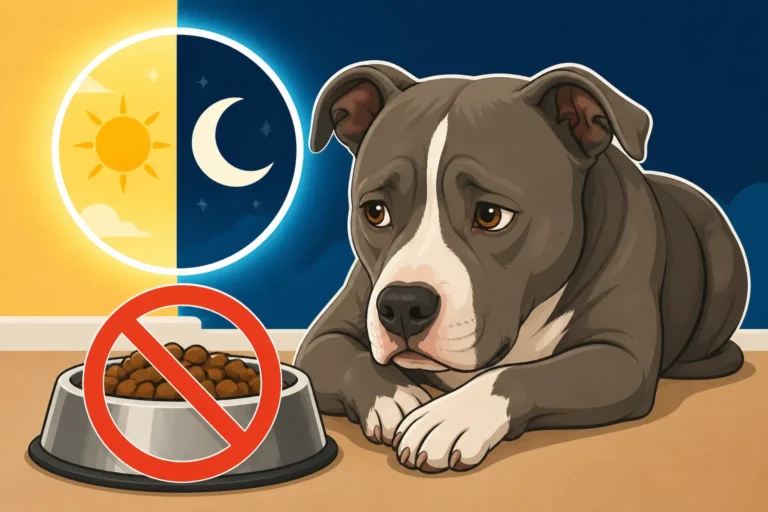
The connection might seem indirect, but it’s very real. When a Pit Bull ingests an ingredient they're sensitive to, it can trigger widespread inflammation, similar to environmental allergies. This inflammation can affect the skin barrier, including the delicate lining of the ear canal, making it susceptible to secondary yeast and bacterial infections. Owners might notice their Pit Bull chewing their feet through the night or rubbing its face on the carpet, alongside those tell-tale ear issues. The only way to definitively diagnose a food allergy is through a strict An Eight Week Food Trial on an Itchy Pit Bull using a novel protein or hydrolyzed diet. This means feeding nothing else for an extended period, which can be challenging but incredibly rewarding if it resolves the ear issues.
Yeast and Bacterial Overgrowth as Secondary Issues
It's vital to remember that while yeast and bacteria are what we often treat in an ear infection, they are usually secondary invaders that capitalize on an already compromised ear environment. Think of them as opportunistic squatters. When allergies (environmental or food) cause inflammation, moisture, and excess wax production in the ear canal, it changes the pH and creates an ideal breeding ground for these microorganisms.
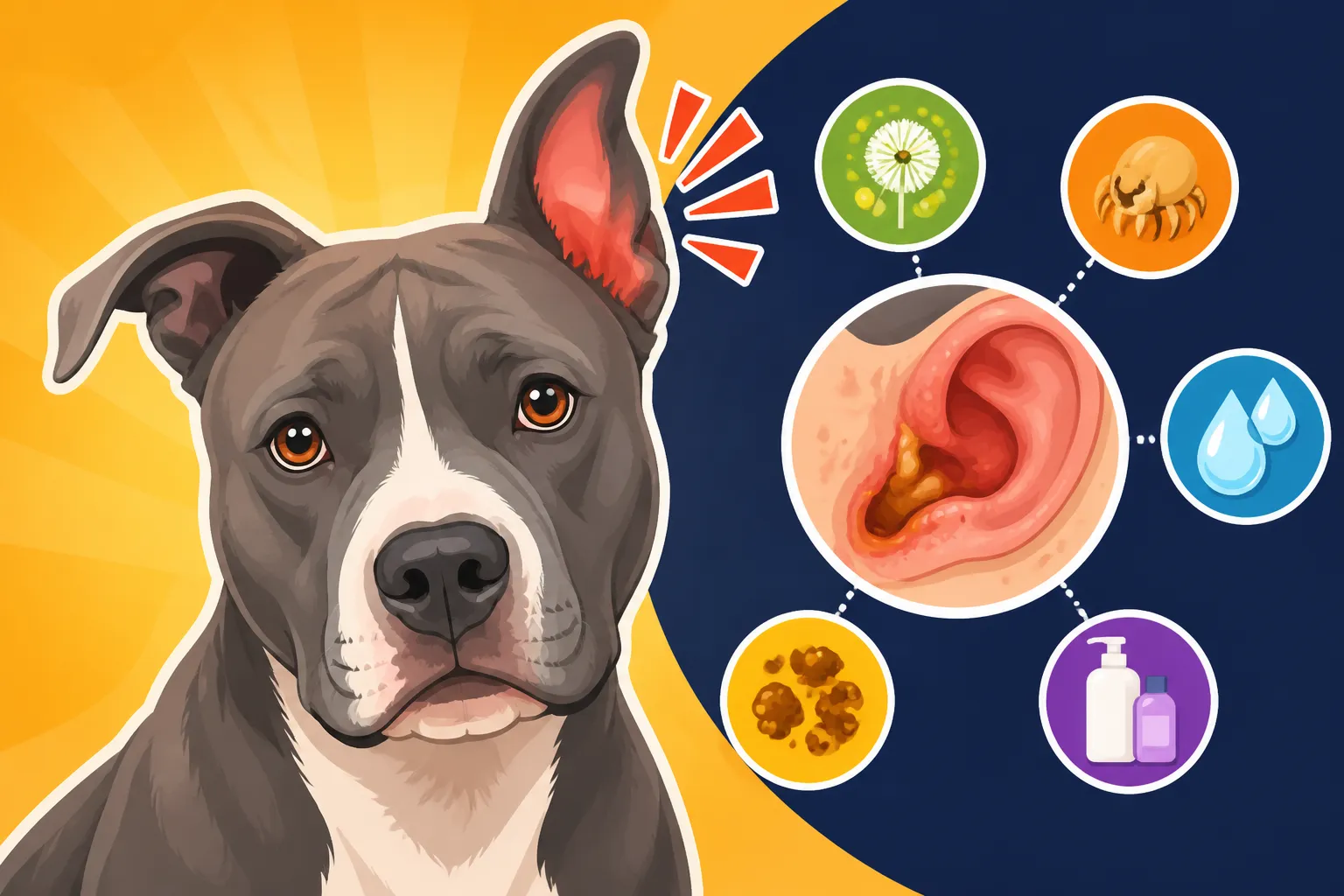
- Yeast (Malassezia): This fungus is a normal inhabitant of a dog's skin and ears in small numbers. However, when the ear environment becomes warm, moist, and inflamed, yeast populations can explode. A yeast infection often presents with a characteristic sweet, musty odor, greasy discharge, and intense itching. The ear skin may appear red, thickened, and sometimes even darkened or leathery with chronic issues.
- Bacteria: Various types of bacteria, most commonly Staphylococcus or Pseudomonas, can also take advantage of an inflamed ear. Bacterial infections often lead to a more purulent (pus-like) discharge, severe pain, and sometimes a foul odor. Pseudomonas in particular can be very aggressive and difficult to treat, sometimes even causing ulceration of the ear canal.
The key takeaway here is that while antibiotics or antifungals are necessary to clear up these secondary infections, they won't stop the problem from recurring if the underlying cause, whether it's allergies, an autoimmune condition, or something else, isn't identified and managed. This is where comprehensive diagnostics and a partnership with your vet, potentially backed by your pet insurance like Healthy Paws, really comes into play.
Recognizing the Signs of an Ear Infection in Your Pit Bull
As Pit Bull owners, we get pretty good at reading our dogs. But sometimes, the signs of an ear infection can be subtle at first, especially if your dog is stoic or trying to hide their discomfort. Catching these issues early is key to preventing more painful, advanced infections and making treatment easier.
Behavioral Cues and Discomfort
Your Pit Bull's behavior is often the first clue that something is amiss with their ears. They might start shaking their head more frequently and with greater intensity, as if trying to dislodge something annoying. This head shaking can sometimes even lead to an aural hematoma, which is a blood blister on the ear flap caused by repeated trauma. Another common sign is incessant scratching at the affected ear, often with a back paw or by rubbing their head against furniture or the carpet. This can sometimes lead to localized skin irritation or even open sores on the ear flap itself, creating an entry point for further infection.
You might also notice changes in their general demeanor. A usually playful and energetic Pit Bull might become more withdrawn, grumpy, or less enthusiastic about their usual activities. They might flinch or whine when you try to touch their head or ears, indicating pain. Some dogs will even hold their head tilted to one side, favoring the infected ear. If you have a multi-dog household, you might observe them avoiding playful interactions with other dogs if the ear pain makes them feel vulnerable or irritable. These behavioral shifts are a clear signal that your Pit Bull is experiencing discomfort and needs your attention.
Visual and Olfactory Indicators
Beyond behavioral changes, there are several visual and olfactory signs that scream "ear infection!" The first thing to do is to gently lift your Pit Bull’s ear flap and take a good look inside. A healthy ear canal should be pale pink, clean, and free of any strong odor. With an infection, you’ll likely see redness and inflammation, making the skin appear beefy red and swollen. You might also notice discharge, which can vary in color and consistency depending on the type of infection:
- Dark brown, waxy discharge: Often indicative of a yeast infection.
- Yellow, green, or pus-like discharge: Usually points to a bacterial infection.
- Black, crumbly discharge: Can sometimes indicate ear mites, though less common in adult dogs than puppies.
Beyond the visible discharge, the smell is a dead giveaway. Yeast infections often have a distinct sweet, musty, or "yeasty bread" smell, while bacterial infections can produce a very strong, foul, almost pungent odor. Don't ignore these sensory clues; they are valuable indicators. The skin around the ear opening and on the inside of the ear flap might also appear greasy or oily. In chronic cases, the skin can become thickened, leathery, and even hyperpigmented (darkened) due to persistent inflammation. Any combination of these visual and olfactory signs warrants a trip to the vet.
Diagnosis and Veterinary Intervention for Pit Bull Ear Problems
When you suspect an ear infection, a trip to the veterinarian is non-negotiable. Trying to treat it yourself with over-the-counter remedies without a proper diagnosis can not only be ineffective but can also worsen the problem or mask a more serious underlying issue. Your vet has the tools and expertise to pinpoint the exact nature of the infection and develop an appropriate treatment plan.
The Importance of a Proper Ear Exam and Diagnostics
Upon arrival at the vet, they will perform a thorough physical examination, paying close attention to your Pit Bull's ears. This usually involves:
- Visual Inspection: Looking at the outer ear, checking for redness, swelling, discharge, or any signs of trauma from scratching.
- Otoscopic Examination: Using an otoscope, a specialized instrument with a light and magnifying lens, the vet will carefully look deep inside the ear canal. This allows them to assess the severity of inflammation, identify any foreign bodies (like grass awns, which are surprisingly common), check for tumors, and most importantly, confirm that the eardrum (tympanic membrane) is intact. If the eardrum is ruptured, certain medications cannot be used.
- Ear Swab and Cytology: This is arguably the most crucial diagnostic step. A sterile cotton swab is used to collect a sample of the discharge from the ear canal. This sample is then rolled onto a microscope slide, stained, and examined under a microscope. This cytology allows the vet to identify whether the infection is caused by yeast, bacteria (and often the type and shape of bacteria), or ear mites. This microscopic evaluation is vital because yeast, rods, and cocci all require different types of medication. Without it, treatment is essentially a guessing game.
- Culture and Sensitivity (if needed): If the infection is severe, chronic, or doesn't respond to initial treatment, your vet might recommend a culture and sensitivity test. This involves sending a sterile sample to a lab to grow the specific bacteria present and then test which antibiotics are most effective against that particular strain. This prevents unnecessary antibiotic use and targets the infection precisely.
These diagnostic steps are fundamental. Guessing at the cause of an ear infection is a recipe for recurrence and frustration. Getting an accurate diagnosis right from the start, which could be covered by your Healthy Paws pet insurance, saves time, money, and your Pit Bull a lot of discomfort in the long run.
Common Treatments and Medications
Once the type of infection is identified, your vet will prescribe a targeted treatment plan. This almost always involves topical medications applied directly into the ear, and sometimes oral medications for more severe or widespread issues.
- Topical Ear Medications: These typically come in liquid or ointment form and contain a combination of ingredients:
- Antifungals: To combat yeast (e.g., miconazole, clotrimazole).
- Antibiotics: To kill bacteria (e.g., gentamicin, neomycin, enrofloxacin).
- Corticosteroids: To reduce inflammation, swelling, and pain (e.g., dexamethasone, hydrocortisone). Reducing inflammation is critical as it helps open the ear canal, allowing the other medications to penetrate more effectively.
- Oral Medications: For severe infections, particularly those caused by resistant bacteria or those that extend beyond the ear canal, oral antibiotics or antifungals may be prescribed. Oral steroids might also be used short-term to quickly reduce severe inflammation and make your Pit Bull more comfortable.
- Ear Cleaners: Your vet will likely recommend a specific ear cleaner to use before applying medication. These cleaners help to remove debris, wax, and discharge, allowing the medication to reach the infected tissues. It's incredibly important to use the cleaner recommended by your vet, as some over-the-counter cleaners can be irritating or even harmful if the eardrum is ruptured. Learning how to properly clean a Pit Bull ear is vital for success.
It’s crucial to follow your vet’s instructions precisely regarding dosage and duration of treatment, even if your Pit Bull's ear looks better after a few days. Stopping medication too early is a common reason for recurrence and can contribute to antibiotic resistance. A follow-up visit is often scheduled to ensure the infection has completely cleared and to discuss long-term management strategies.
Effective Home Care and Prevention Strategies
While veterinary treatment is essential for clearing an active ear infection, the battle against recurrent ear problems is often won at home. A consistent, proactive approach to ear care can drastically reduce the frequency and severity of infections, making life much more comfortable for your Pit Bull and less stressful for you.
Routine Cleaning and Maintenance
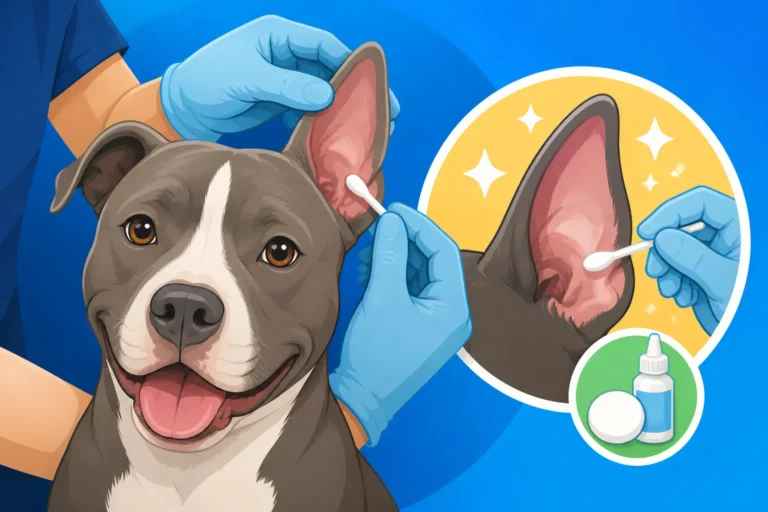
Regular ear cleaning is the cornerstone of prevention, especially for Pit Bulls prone to issues. However, "regular" doesn't mean jamming a Q-tip into their ear canal. That can actually push debris deeper and even damage the eardrum. Instead, focus on gentle, thorough cleaning using a vet-approved solution.
- Choose the Right Cleaner: Your vet can recommend a good quality ear cleaner, often one with drying agents or mild antiseptics, suitable for your Pit Bull's specific needs. Some popular options for allergic dogs include those containing salicylic acid or phytosphingosine.
- The Cleaning Process: Gently lift your Pit Bull's ear flap. Fill the ear canal with the cleaning solution until it overflows. Don't be shy; you want to flush the canal. Then, massage the base of the ear for 20-30 seconds. You'll hear a squishy sound, which means the cleaner is breaking up wax and debris. Allow your dog to shake their head (it's messy, so do it outside or in a bathroom!). Finally, use cotton balls or gauze wrapped around your finger to gently wipe away any visible solution and debris from the outer ear and the accessible part of the canal. Avoid cotton swabs unless specifically instructed by your vet for specific folds, and never go deeper than you can see.
- Frequency: For Pit Bulls with chronic allergies, weekly or bi-weekly cleaning might be necessary. For those less prone, cleaning once a month or after swimming is usually sufficient. Over-cleaning can sometimes cause irritation, so find a balance that works for your individual dog. If your Pit Bull experiences Pit Bull Ear Infections Every Few Months, establishing a consistent cleaning routine can make a huge difference.
Dietary Adjustments and Supplements
Since food sensitivities are a common underlying cause of ear issues, examining your Pit Bull’s diet is a critical preventative step. If your vet suspects food allergies, a strict elimination diet is the gold standard for diagnosis. This means feeding a novel protein (one your dog has never eaten before, like duck or venison) or a hydrolyzed protein diet for a minimum of 8-12 weeks, with absolutely no other treats, chews, or flavored medications. It’s tough, but if your dog’s ears clear up during this trial and flare again when the old food is reintroduced, you've found a major piece of the puzzle. Many owners report a dramatic decrease in ear infections after identifying and eliminating offending ingredients, often with the guidance of a vet and perhaps support from their Healthy Paws policy for diagnostic testing.
Beyond diet changes, certain supplements can support overall skin and ear health:
- Omega-3 Fatty Acids: Fish oil supplements (EPA and DHA) are powerful anti-inflammatories. They can help reduce the systemic inflammation that contributes to allergic reactions and subsequent ear issues. Look for high-quality, vet-approved products.
- Probiotics: A healthy gut microbiome contributes to a strong immune system and can help manage allergic responses. Discuss with your vet if a daily probiotic supplement might benefit your Pit Bull.
- Antioxidants: Vitamins E and C, along with other antioxidants, can support skin health and immune function.
Remember, supplements are not a magic bullet and should always be discussed with your vet to ensure they are appropriate and won't interact with any other medications.
Environmental Management to Reduce Triggers
If environmental allergies are the main culprit, managing your Pit Bull's exposure to allergens can significantly reduce ear flare-ups. This isn't always easy, but every little bit helps:
- Regular Bathing: Frequent baths (as often as weekly for highly allergic dogs) with a hypoallergenic or medicated shampoo can help wash away pollen, dust mites, and other allergens from your Pit Bull's coat and skin. This is particularly important after walks or outdoor play, especially during peak allergy seasons.
- Paw Wipes: Allergens can easily accumulate on paws. Wiping your Pit Bull's paws with a damp cloth or hypoallergenic wipe after every outdoor excursion can prevent them from tracking allergens into the house and then licking or chewing them, which can also inflame the ears due to a systemic reaction. This also helps with Pit Bull Paw Licking and Chewing which is often allergy-related.
- Air Filters: Using high-efficiency particulate air (HEPA) filters in your home can reduce airborne allergens like dust mites and pollen, creating a cleaner indoor environment for your dog.
- Bedding Hygiene: Wash your Pit Bull's bedding weekly in hot water to kill dust mites.
- Avoid Irritants: Be mindful of potential irritants in your home, such as strong air fresheners, cleaning products, or even certain lawn care chemicals, which can trigger sensitivities. If your dog suffers from Pit Bull Atopy and Seasonal Itching, these measures become even more crucial.
By combining these home care strategies with your vet's guidance, you can create a robust defense against those persistent ear infections.
When Chronic Ear Infections Signal Something More Serious
While most ear infections stem from allergies, a pattern of recurrent, persistent, or unusually severe infections should always prompt a deeper investigation. Sometimes, these frustrating ear problems are just the tip of an iceberg, hinting at a more significant underlying health challenge that needs to be addressed. Ignoring these warning signs can lead to permanent damage and prolonged suffering for your Pit Bull.
Underlying Health Conditions to Consider
If your Pit Bull is constantly battling ear infections despite consistent cleaning, dietary management, and appropriate veterinary treatment, it's time to explore other potential causes:
- Hypothyroidism: An underactive thyroid gland can affect a dog's metabolism, skin health, and immune system, making them more susceptible to skin and ear infections. Other signs of hypothyroidism might include weight gain, lethargy, hair loss (especially on the flanks and tail), and a dull, dry coat. A simple blood test can diagnose this condition, and medication can effectively manage it. If you notice your Pit Bull gaining weight on the same food or a Hypothyroidism and a Thinning Pit Bull Coat alongside ear issues, discuss testing with your vet.
- Autoimmune Diseases: In rare cases, the immune system can mistakenly attack the body's own tissues, leading to chronic inflammation, including within the ears. These conditions are more complex to diagnose and manage, often requiring specialized testing and immunosuppressive medications.
- Tumors or Polyps: Growths within the ear canal, though less common, can block air circulation, trap debris, and create an environment ripe for infection. These might be benign polyps or, less commonly, cancerous tumors. An otoscopic exam can sometimes reveal these, but advanced imaging like CT or MRI might be needed for definitive diagnosis.
- Foreign Bodies: While a vet usually checks for this during the initial exam, sometimes small foreign bodies like grass awns can migrate deeper into the ear canal or get lodged in a way that's hard to spot without sedation. These can cause constant irritation and infection.
- Drug Resistance: If bacterial infections keep recurring, the bacteria might have developed resistance to common antibiotics. This highlights why culture and sensitivity testing is so important for chronic or unresponsive cases.
It’s important to share your Pit Bull's full What a Pit Bull Health History Should Cover with your vet, including any other symptoms you've noticed, even if they seem unrelated. A holistic view is crucial for uncovering these deeper issues.
Advanced Treatments for Stubborn Cases
When standard treatments and addressing underlying causes aren't enough, or if the ear canal has sustained irreversible damage, more advanced interventions might be considered:
- Immunotherapy (Allergy Shots): For severe environmental allergies that don't respond to other management strategies, your vet might refer you to a veterinary dermatologist. After allergy testing (blood tests or intradermal skin tests), a customized allergy vaccine can be formulated for your Pit Bull. These injections, given at home or by your vet, aim to desensitize your dog to their specific allergens over time, significantly reducing their allergic reactions and, consequently, their ear infections.
- Video Otoscopy: This specialized procedure involves using a magnified camera to explore the ear canal in much greater detail than a standard otoscope. Performed under sedation, it allows for thorough cleaning, removal of deep foreign bodies, biopsies of growths, and evaluation of the eardrum with precision.
- Total Ear Canal Ablation (TECA): This is a drastic surgical procedure reserved for cases of severe, chronic, end-stage ear disease where the ear canal is permanently damaged, thickened, calcified, and unresponsive to all medical treatments. In a TECA, the entire ear canal is surgically removed, eliminating the source of chronic infection and pain. While it sounds extreme, for dogs suffering from relentless pain and infection, it can provide immense relief and a dramatically improved quality of life. This surgery is often performed by a board-certified veterinary surgeon and can be a significant expense, making pet insurance like Healthy Paws incredibly valuable for such complex procedures.
These advanced options demonstrate that there are always avenues to explore for Pit Bulls with truly stubborn ear problems. The goal is always to restore comfort and prevent suffering.
Debunking Common Myths About Pit Bull Ear Care
There's a lot of information, and misinformation, floating around about Pit Bulls and their ears. It's easy to fall prey to old wives' tales or misconceptions, especially when you're desperate for solutions to chronic problems. Let's clear up a couple of the more pervasive myths.
Ear Cropping and Infection Risk
One of the most enduring myths is that ear cropping prevents ear infections in Pit Bulls. The logic often goes: "It opens up the ear, allowing more air circulation, therefore fewer infections." While it's true that an open, erect ear can have better air circulation than a floppy one, the scientific evidence to support cropping as a preventative measure against ear infections is simply not there. In fact, most veterinary organizations, including the American Veterinary Medical Association (AVMA), oppose ear cropping and tail docking as elective cosmetic procedures, citing ethical concerns and a lack of proven medical benefit.
The reality is that ear infections are primarily driven by underlying causes like allergies, moisture, and yeast/bacterial overgrowth, not simply the shape of the ear flap. A cropped ear can still get infected if the dog has allergies, goes swimming frequently, or has an underlying thyroid condition. Cropping an ear doesn't change the fundamental "L-shape" of the internal ear canal, which is the primary anatomical factor. Moreover, the cropping procedure itself is painful, involves general anesthesia, and carries surgical risks like infection, hemorrhage, and poor healing. The focus should always be on addressing the root cause of the ear infections, not on altering a dog's natural anatomy for unproven benefits.
The "Dirty Dog" Misconception
Another common misconception, particularly when dealing with the strong odors that can accompany ear infections, is that your Pit Bull's ears are simply "dirty" because you're not cleaning them enough or your dog isn't generally clean. This leads to owners aggressively cleaning their dog's ears, often with harsh chemicals or too frequently, which can actually irritate the delicate ear canal further and make the problem worse.
While hygiene is important, and regular cleaning (as described earlier) is a key part of prevention, the "dirty dog" label often misses the mark. As we've discussed, chronic ear infections are usually a symptom of an underlying issue – allergies, food sensitivities, or even systemic health problems. The excess wax, discharge, and odor aren't just dirt; they're the inflammatory byproducts and microbial growth caused by these deeper issues. Your dog isn't "dirty"; their body is reacting to an internal or external trigger, and their ears are showing the signs. Shifting from a mindset of "my dog is dirty" to "my dog has an underlying health issue affecting their ears" is crucial for effective long-term management and can help you approach the problem with more empathy and strategic action, rather than just reaching for the strongest cleaner.
Living with a Pit Bull Prone to Ear Infections
Having a Pit Bull who regularly battles ear infections can be incredibly draining, both emotionally and financially. It’s easy to feel frustrated, helpless, or even guilty. But it’s important to remember that this is a common challenge for many dog owners, and with a proactive approach and the right support system, you can significantly improve your Pit Bull's quality of life.
Building a Strong Partnership with Your Vet
Your veterinarian is your most valuable ally in managing chronic ear infections. Think of them not just as someone who prescribes medication, but as a partner in your Pit Bull’s long-term health. An open, honest, and continuous dialogue is key.
- Be Detailed: When discussing ear issues, provide your vet with as much detail as possible. When did it start? How often does it happen? What does the discharge look like? What have you tried at home? Have you noticed any other symptoms like itching elsewhere, changes in appetite, or lethargy?
- Follow Instructions Diligently: This cannot be stressed enough. Finish all medications, even if the ears look better. Attend all follow-up appointments. Incomplete treatment is a primary reason for recurrence and can lead to antibiotic resistance.
- Don't Be Afraid to Ask Questions: If you don't understand why a particular treatment is prescribed, or how to administer it, ask! Your vet wants you to succeed.
- Consider a Specialist: If your Pit Bull’s ears remain a persistent problem despite your regular vet's best efforts, don't hesitate to ask for a referral to a veterinary dermatologist. These specialists have advanced training and tools specifically for complex skin and ear conditions. They can often provide a fresh perspective and explore treatment avenues that might not be available at a general practice.
Having a robust pet insurance plan, like one from Healthy Paws, can also be a huge relief here. The costs of frequent vet visits, diagnostic tests, medications, and potentially specialist consultations can quickly add up, especially for chronic conditions. Knowing you have support for these expenses can allow you to pursue the best possible care without added financial stress.
The Emotional Toll on Owners and Dogs
Let’s be honest: chronic health issues take a toll. For owners, the constant worry, the expense, the messy cleanings, and the disheartening cycle of "it's better, no it's back again" can be emotionally exhausting. You might feel frustrated that you can’t fully solve the problem, or guilty that your dog is in discomfort. It’s okay to acknowledge these feelings.
For your Pit Bull, chronic ear infections mean chronic pain and irritation. Imagine constantly having an itchy, painful, or gooey ear. This can lead to a reduced quality of life, affecting their sleep, their willingness to play, and even their temperament if they're always uncomfortable. They might become more irritable, less tolerant of handling, or even withdrawn. Our dogs rely on us to advocate for them and manage their pain.
It’s important to practice self-compassion and remember that you are doing your best. Celebrate small victories, like a longer stretch between flare-ups. Be patient with your dog; their head shaking and scratching are symptoms of pain, not naughtiness. Focus on the consistency of your care and the bond you share. Living with a dog prone to ear infections is a marathon, not a sprint, but with dedication and the right support, you can help your Pit Bull live a much more comfortable and happy life.
Comparison of Common Ear Infection Types
| Feature | Yeast Infection (Malassezia) | Bacterial Infection (e.g., Staph, Pseudo) | Ear Mites (Otodectes cynotis) |
|---|---|---|---|
| Common Symptoms | Head shaking, scratching, red/inflamed ear, greasy discharge. | Intense head shaking, scratching, severe pain, purulent discharge. | Intense itching, dark, crumbly "coffee ground" discharge. |
| Odor | Sweet, musty, yeasty bread-like smell. | Foul, pungent, often strong and unpleasant. | Mild, sometimes absent, but often secondary bacterial odor. |
| Discharge Color | Dark brown, waxy, sometimes yellowish. | Yellow, green, thick, pus-like. | Black, dry, crumbly. |
| Appearance of Ear | Red, swollen, greasy, sometimes thickened/hyperpigmented. | Red, swollen, very painful, sometimes ulcerated. | Redness from scratching, often less internal swelling. |
| Primary Cause | Usually secondary to allergies or moisture. | Often secondary to allergies, foreign bodies, or moisture. | Contagious parasites, more common in puppies/multi-pet homes. |
| Diagnosis | Cytology (yeast visible on microscope). | Cytology (bacteria visible), Culture & Sensitivity for resistance. | Otoscopy (mites visible), Cytology (eggs/mites visible). |
| Typical Treatment | Topical antifungals, sometimes oral antifungals. | Topical antibiotics, often oral antibiotics, ear cleaning. | Topical miticides, sometimes oral medication. |
| Recurrence Risk | High if underlying allergies or moisture not managed. | High if underlying cause (allergies, foreign body) not addressed. | Low once all pets treated, but re-exposure is a risk. |
Disclaimer
The information provided in this article is for educational and informational purposes only and does not constitute veterinary medical advice. Always consult with a qualified veterinarian for any health concerns or before making any decisions about your Pit Bull's health care.