Whether Mixed Ancestry Adds Years to a Pit Bull
Many Pit Bull owners hold onto the hope that a mixed-breed dog, often affectionately called a "Pit Bull mix," will inherently be healthier and live longer than a purebred. It's a deeply ingrained belief that genetic diversity automatically trumps known pedigrees, but this common assumption can lead to misunderstandings and an unpreparedness for potential health challenges. This comprehensive guide aims to unpack the truth behind whether mixed ancestry genuinely adds years to a Pit Bull's lifespan, exploring the complexities of genetics and what truly contributes to a long, healthy life for these wonderful dogs.
Understanding Hybrid Vigor and the Mixed Breed Landscape
The idea that mixed-breed dogs are healthier than purebreds largely stems from a concept known as hybrid vigor, or heterosis. While there's a kernel of truth to this idea, its application to the often-vague category of "Pit Bull mixes" isn't always as straightforward as we might hope.
The Concept of Hybrid Vigor Explained
Hybrid vigor refers to the increased strength, health, and fertility often observed in offspring from two genetically distinct parents. In simple terms, when you cross two different lines or breeds, the diverse gene pool can mask recessive genes that might carry predispositions to certain diseases. If a purebred dog inherits two copies of a recessive gene for a specific condition from its closely related parents, it will express that condition. However, if that same dog is crossed with a genetically distinct dog, the offspring is more likely to inherit a dominant, healthy gene from the other parent, thus preventing the expression of the recessive disease. This is why first-generation crosses, like a deliberate pairing of two distinct purebreds, often show improved health.
For instance, if one purebred line is known for a specific eye condition caused by a recessive gene, and another purebred line is completely free of that gene, their first-generation offspring might benefit from hybrid vigor. They would likely inherit one healthy dominant gene from the unaffected parent, preventing the expression of the condition, even if they carry the recessive gene. This genetic diversity can sometimes lead to a robust constitution and potentially a longer, healthier life by reducing the incidence of certain single-gene inherited disorders.
The Reality for "Pit Bull Mixes"
Here's where the nuance comes in. When we talk about "Pit Bull mixes," we're rarely talking about a carefully planned, first-generation cross between two health-tested purebred dogs. More often, these dogs come from unknown backgrounds, perhaps multiple generations of random breeding where the genetic lineage is incredibly complex and diverse. While this deep mix can still offer some benefits of hybrid vigor by broadening the gene pool, it's not a guarantee.
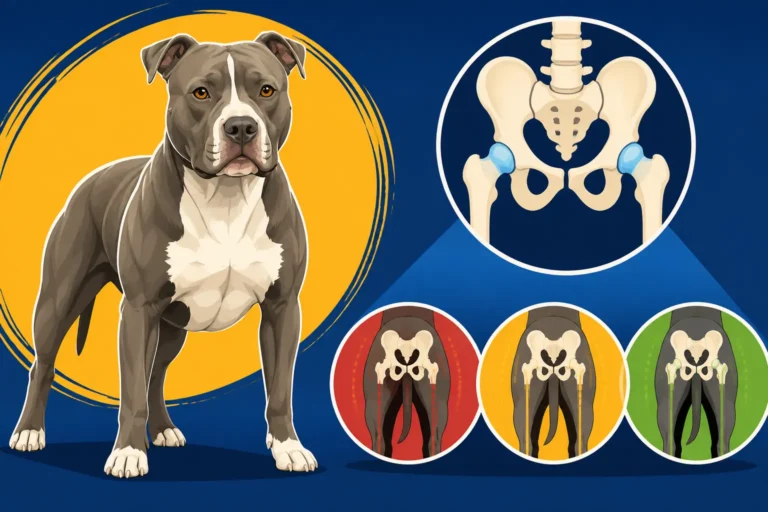
The term "Pit Bull" itself is a type, not a single recognized breed by many major registries, comprising breeds like the American Pit Bull Terrier, American Staffordshire Terrier, and Staffordshire Bull Terrier, as well as various mixes. Each of these breeds, and countless others they might be mixed with, comes with its own set of potential genetic predispositions. A "Pit Bull mix" isn't necessarily a healthier dog; it's simply a dog with an unknown genetic cocktail. The "mix" could just as easily introduce genes from breeds prone to other health problems, or even combine predispositions in unfortunate ways. For example, a Pit Bull mixed with a German Shepherd might now carry risks for both Pit Bull Hip Dysplasia Showing at One to Two Years and other issues common in German Shepherds, like degenerative myelopathy. Without knowing the genetic health of the parentage, it's difficult to predict whether the mix will genuinely confer a health advantage or simply present a different set of challenges.
Common Pit Bull Health Concerns and Genetic Inheritance
Like all breeds and types of dogs, Pit Bulls are predisposed to certain health conditions. Understanding these can help clarify how mixed ancestry might, or might not, alter their health trajectory.
Predispositions in Pit Bull Type Dogs
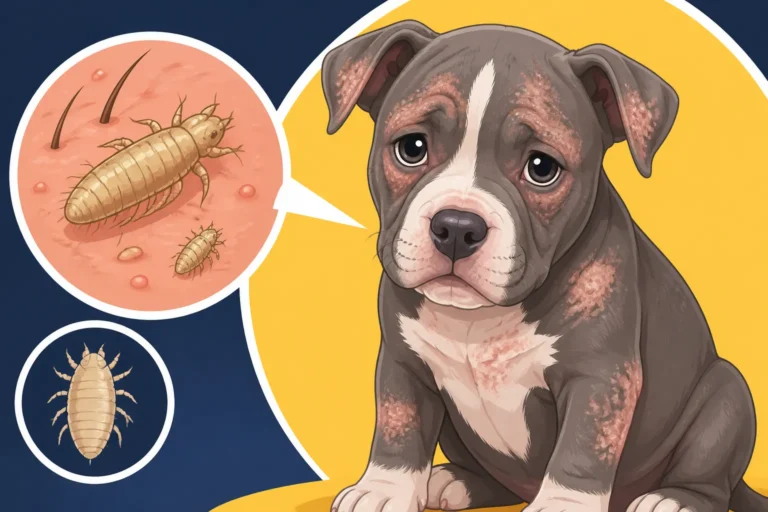
Pit Bull type dogs, encompassing breeds like the American Pit Bull Terrier, American Staffordshire Terrier, and Staffordshire Bull Terrier, are generally robust and resilient. However, they do have a propensity for specific health issues that owners should be aware of. Skin allergies are a very common concern, often manifesting as Pit Bull Skin Allergies and the Atopy Pattern, leading to itching, irritation, and secondary infections. These can be seasonal or year-round and often require diligent management.
Joint issues, particularly hip and elbow dysplasia, are also seen in Pit Bulls, especially the larger, heavier-boned individuals. Pit Bull Hip Dysplasia Showing at One to Two Years is a painful condition where the hip joint doesn't form correctly, leading to arthritis. Heart conditions, such as aortic stenosis, and Pit Bull Heart and Thyroid Conditions like hypothyroidism, also appear in the breed, though often less frequently than joint or skin problems. These conditions can significantly impact a Pit Bull's quality of life and longevity if not managed effectively. The genetic basis for many of these conditions is often polygenic, meaning multiple genes contribute to their development, along with environmental factors. This complexity makes it challenging to predict inheritance.
How Mixed Ancestry Influences These Conditions
The impact of mixed ancestry on these specific predispositions is varied and depends heavily on the genetic makeup of the other breeds involved. If a Pit Bull is mixed with a breed that has a very low incidence of, say, hip dysplasia, and the specific genes involved are different, there's a chance the offspring might have a reduced risk. The hybrid vigor effect could potentially "dilute" the genetic load for that particular issue.
However, it's not a guaranteed solution. If the other breed in the mix also has a predisposition to a similar condition, or a different but equally debilitating one, then the mix might not offer any health advantage. For example, if a Pit Bull prone to Pit Bull Skin Allergies and the Atopy Pattern is mixed with a Labrador Retriever, another breed known for skin issues, the resulting puppies could still be highly susceptible to allergies; in fact, they might inherit the worst of both worlds. Furthermore, the genetic testing that responsible purebred breeders perform, such as those covered in What Testing a Pit Bull Breeder Should Have Done, is typically absent in randomly bred mixes. This lack of parental health information means you're flying blind, unable to assess the potential genetic risks coming from either side of the mixed heritage.
It’s easy to believe that simply being a "mix" provides protection, but the reality is more nuanced. A mixed breed can inherit a complex array of genetic strengths and weaknesses, making their health profile unpredictable. What one gains in terms of hybrid vigor for one condition, they might lose by inheriting a new predisposition from another part of their ancestry.
Factors That Truly Drive a Pit Bull's Lifespan
While genetic background plays a role, several other factors have a far more consistent and measurable impact on how long and how well a Pit Bull lives, regardless of whether they are purebred or a mix.
The Role of Responsible Breeding Versus Random Mixing
One of the most significant factors influencing a dog's health trajectory is the intent and knowledge behind its breeding. Responsible purebred breeders invest heavily in understanding the genetic lines of their dogs, performing extensive health screenings for conditions common in their breed. For example, a reputable breeder of American Pit Bull Terriers might screen for hip and elbow dysplasia, cardiac issues, and even certain inherited skin conditions. This meticulous approach aims to minimize the risk of passing on known genetic diseases, providing puppies with the best possible start. The goal is to produce healthy, sound dogs that adhere to breed standards.
Conversely, "random mixing" or accidental litters, which account for many "Pit Bull mixes," typically lack any such health screening. The parents' health histories are often unknown, their temperaments untested, and their genetic predispositions a mystery. This isn't to say that randomly bred dogs are inherently unhealthy, but rather that you're relying entirely on chance. While an individual mix could be perfectly healthy, the odds of inheriting an unknown genetic issue are higher when parental health isn't transparent or proactively managed. Sometimes, the only information you get about a rescue dog’s background is a general breed guess, making proactive management of potential genetic issues a guessing game. It's a gamble that can pay off with a perfectly robust dog, but it also carries a higher risk of unexpected health challenges.
Lifestyle, Environment, and Veterinary Care
Beyond genetics, the day-to-day care and environment a Pit Bull lives in profoundly influence its lifespan. These are the aspects where owners have the most control and can make the biggest difference.
-
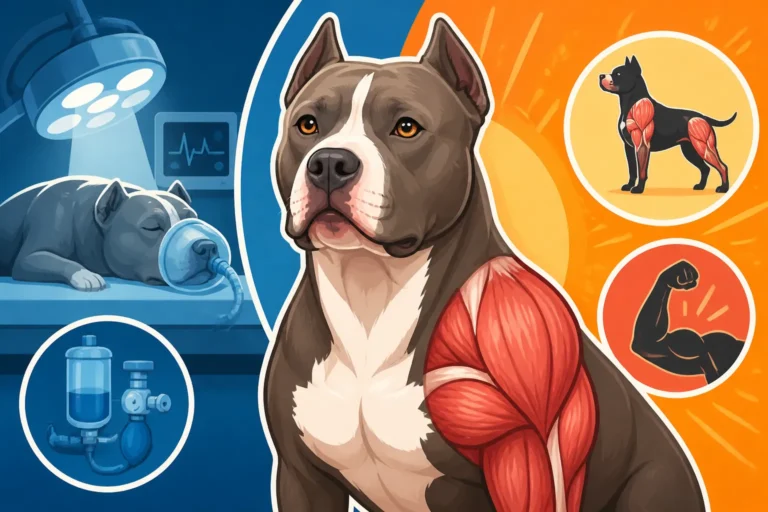
Nutrition: A high-quality, balanced diet is fundamental. Feeding a Pit Bull to Keep Muscle Without Fat is crucial for these athletic dogs. Obesity is a major contributor to a shortened lifespan, leading to joint strain, heart disease, and diabetes. Ensuring your Pit Bull maintains a lean, healthy weight through proper portion control and quality food is paramount.
-
Exercise: Pit Bulls are powerful, energetic dogs that require consistent physical activity. Pit Bull Exercise for a Powerful Athletic Dog not only keeps their bodies fit but also their minds engaged, reducing behavioral problems that can lead to stress. Whether it's daily walks, runs, or structured play, adequate exercise is vital.
-
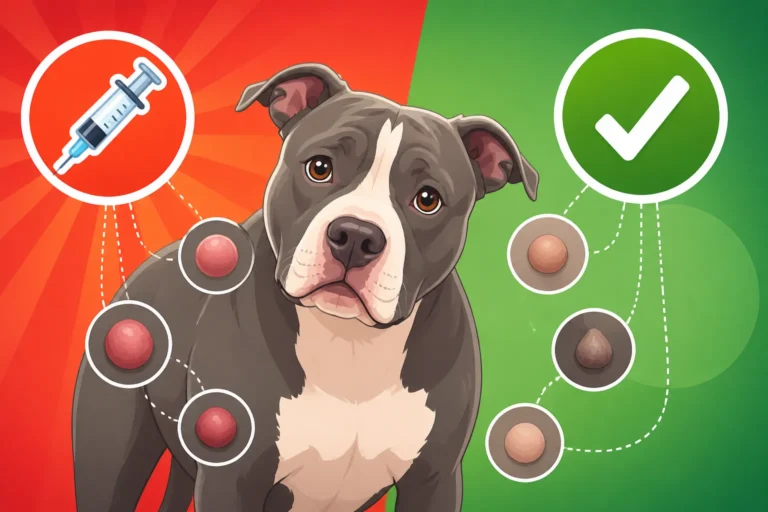
Preventative Veterinary Care: Regular check-ups are non-negotiable. Annual vet visits, appropriate Pit Bull Puppy Vaccination and Parvovirus schedules, and year-round Year-Round Parasite Cover for a Pit Bull against fleas, ticks, and heartworm are essential. Early detection of issues, like Pit Bull Ear Infections and What Drives Them or the subtle signs of Pit Bull Obesity and Joint Strain, allows for timely intervention, preventing minor problems from escalating into major health crises. This consistent, proactive veterinary care is perhaps the single most impactful factor in extending a dog's life. Services like Healthy Paws pet insurance can be invaluable here, helping to cover the costs of unexpected illnesses or injuries, ensuring that financial concerns don't prevent your Pit Bull from receiving the best possible medical attention throughout their life.
-
Mental Stimulation and Environment: A stable, loving home environment with plenty of mental enrichment reduces stress, which can indirectly impact physical health. Consistent training, puzzle toys, and social interaction contribute to a well-adjusted dog.
-
Dental Health: Often overlooked, Pit Bull Dental Disease and Hard Chewing can lead to serious systemic health problems if left untreated. Regular dental care, including brushing and professional cleanings, is critical.
These lifestyle and care factors often outweigh the subtle genetic advantages or disadvantages of mixed versus purebred ancestry. A well-cared-for purebred with known genetic predispositions can easily outlive a neglected or poorly nourished mixed-breed dog.
Navigating the Health of a Mixed-Breed Pit Bull
Bringing a mixed-breed Pit Bull into your home is a joyous occasion, but it also comes with unique considerations regarding their health. Since their genetic tapestry is often unknown, a proactive and attentive approach is essential.
What to Expect with an Unknown Genetic Background
Adopting a mixed-breed Pit Bull, especially from a shelter or rescue, often means you have very little information about their parents or their genetic history. This can be both exciting and a little daunting. On one hand, you get a truly unique dog with a blend of traits. On the other, you're embracing a bit of a mystery when it comes to potential health issues. You won't have a clear lineage of health testing results, which means you can't predict with certainty if they're predisposed to conditions like specific allergies or joint problems based on their ancestry.
This lack of a clear genetic roadmap means you need to be extra vigilant. Pay close attention to any changes in your dog's behavior, appetite, energy levels, or physical condition. Mild limping, excessive scratching, changes in coat quality, or unusual thirst can all be subtle indicators of underlying issues. Embrace regular veterinary check-ups as your primary tool for early detection. Sometimes, a DNA test can be helpful in identifying the specific breeds in your dog's mix. While these tests don't diagnose diseases, knowing the dominant breeds can offer clues about potential predispositions. For example, if a test reveals a significant percentage of Bulldog, you might then be more alert to conditions common in Bulldogs, such as respiratory issues or skin fold dermatitis. This insight, while not a guarantee, can help you and your vet tailor preventative care and be on the lookout for specific symptoms.
Proactive Health Management for Any Pit Bull Type Dog
Regardless of whether your Pit Bull is purebred or a magnificent mix, the foundation for a long and healthy life remains the same: consistent, high-quality care. Don't fall into the trap of thinking a mixed breed is automatically bulletproof; instead, focus on the fundamentals that truly build resilience and longevity.
- Premium Nutrition and Weight Management: As we discussed, a lean body mass is crucial. Choose a high-quality dog food appropriate for their life stage and activity level, and measure portions carefully. Regular body condition scoring, feeling for ribs and a discernible waist, helps ensure they aren't carrying excess weight, which can exacerbate issues like arthritis later in life.
- Regular, Appropriate Exercise: These strong, intelligent dogs need an outlet for their energy. Daily walks, runs, play sessions, or even dog sports like agility or obedience will keep them physically and mentally stimulated. Proper exercise helps maintain muscle mass, supports joint health, and reduces boredom-related destructive behaviors.
- Preventative Veterinary Care: This is your strongest ally. Adhere to your veterinarian's recommendations for annual check-ups, vaccinations, and year-round parasite control. Don't skip these appointments, even if your dog seems perfectly healthy. Many conditions, like early-stage dental disease or subtle heart murmurs, can be detected during routine exams before they become symptomatic. When unexpected health issues do arise, having a robust pet insurance plan, such as those offered by Healthy Paws, can provide peace of mind. It allows you to make medical decisions based on what's best for your dog, rather than being constrained by potential treatment costs for everything from routine care to emergency surgeries.
- Consistent Grooming and Hygiene: Regular bathing, nail trims, and Pit Bull Dental Disease and Hard Chewing care are not just about aesthetics. They are opportunities to inspect your dog's skin, coat, ears, and paws for any abnormalities. For instance, being diligent about cleaning their ears, especially if they are prone to Pit Bull Ear Infections and What Drives Them, can prevent recurrent issues.
- Training and Socialization: A well-adjusted dog is often a healthier dog. Stress, anxiety, and behavioral issues can take a toll on physical health. Consistent positive reinforcement training and appropriate socialization contribute to a happy, confident companion, which in turn supports overall well-being.
Ultimately, whether your Pit Bull lives a long, healthy life has less to do with their mixed or purebred status and more to do with the dedicated, informed care you provide every single day.
| Factor | Purebred Pit Bull (Responsibly Bred) | "Pit Bull Mix" (Unknown Ancestry) | Impact on Lifespan (General) |
|---|---|---|---|
| Genetic Health Information | Extensive health testing data for parents, known predispositions. | Limited to no genetic health history; unknown predispositions from multiple breeds. | Allows for proactive screening and informed decision-making (better for purebred). |
| Hybrid Vigor Potential | None (within breed). | Possible, if genetically diverse parents; often overstated for multi-generational mixes. | Can potentially reduce incidence of some recessive diseases, but not guaranteed and depends on parental health. |
| Known Predispositions | Specific risks for the breed (e.g., hip dysplasia, allergies). | Risks from all component breeds, plus unknown combinations; can be a lottery. | May dilute specific risks but could introduce entirely new ones from the mix. |
| Early Detection/Prevention | Easier to target specific screenings based on known breed risks. | Broader vigilance required; DNA tests can offer clues, but general health monitoring is key. | Proactive care crucial for all, but more informed for purebreds with known genetic history. |
| Lifestyle & Veterinary Care | High Impact: Quality diet, exercise, regular vet visits, weight management are paramount. | High Impact: These factors overwhelmingly determine health and longevity, often more than ancestry. | Consistently high quality of care significantly enhances lifespan for any dog, regardless of genetic background. |
Disclaimer
The information provided in this guide is intended for general knowledge and informational purposes only, and does not constitute professional veterinary advice. Always consult with a qualified veterinarian for any health concerns or before making any decisions related to your Pit Bull's health and well-being.