Whether a Pit Bull Puppy Needs Large Breed Food
It’s a common worry for many Pit Bull puppy parents: you see these strong, sturdy pups growing so fast, and you wonder if the standard puppy food is truly enough, or if they need something specifically formulated for "large breeds." The truth is, figuring out the best diet for your growing Pit Bull can feel like navigating a minefield of conflicting advice, especially with their unique build and powerful growth spurts. This guide will walk you through the nuances of Pit Bull puppy nutrition, helping you understand whether large breed puppy food is the right choice for your fur baby and why making an informed decision is so crucial for their long-term health.
Understanding Growth Rates in Pit Bull Puppies
Pit Bulls, encompassing several breeds like the American Pit Bull Terrier, American Staffordshire Terrier, and Staffordshire Bull Terrier, are known for their powerful, muscular builds. While they might not reach the sheer size of a Great Dane or Irish Wolfhound, their rapid growth and dense musculature mean their skeletal development needs careful consideration. A puppy’s early months are a critical period for bone and joint formation, and imbalances in nutrition during this time can have lasting consequences. It's not just about getting big; it's about getting big correctly.
Why Growth Plate Closure Matters
Your Pit Bull puppy's bones are growing from areas called growth plates. These are soft, cartilaginous areas at the ends of long bones that gradually harden into solid bone as the puppy matures. This process, known as growth plate closure, happens at different rates for different bones and typically completes by The Age a Pit Bull Finishes Growing. Until these growth plates are fully closed, they are vulnerable to injury and abnormal development. Too much weight, too much calcium, or too rapid growth can put undue stress on these delicate areas, leading to issues later in life. Imagine building a house quickly without letting the foundation settle properly – it’s a recipe for structural problems down the line.
The concern with feeding an overly rich diet, especially one high in calories or certain minerals, is that it can accelerate this growth process unnaturally. While you might think faster growth means a bigger, stronger dog, it actually increases the risk of developmental orthopedic diseases like hip and elbow dysplasia. These conditions can cause pain, lameness, and require expensive surgeries or lifelong management. For a breed already prone to certain joint issues, like Pit Bull Hip Dysplasia Showing at One to Two Years, protecting those growth plates is paramount.
The Dangers of Rapid Growth
The desire to see our puppies grow into magnificent adults can sometimes lead us to overfeed them, or choose diets that push their growth too quickly. But rapid growth, particularly in the first year, is often a recipe for skeletal problems, not a sign of optimal health. When a puppy grows too fast, their bones and cartilage may not have enough time to mature and strengthen properly. This is like trying to stretch a growing piece of elastic too much, too soon – it loses its integrity and can snap or deform.
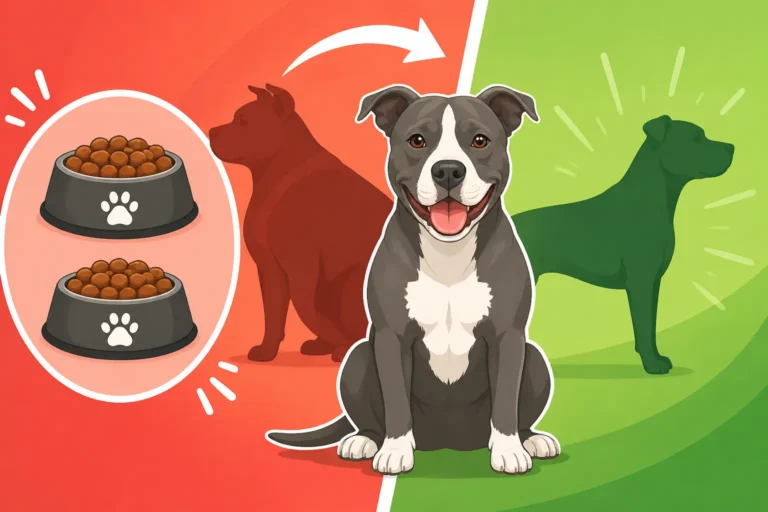
An excessive calorie intake during puppyhood can contribute to overweight or obese puppies, which in turn puts extra strain on their developing joints. Even if your Pit Bull looks lean and muscular, carrying extra weight during those critical growth phases can exacerbate underlying genetic predispositions to joint problems. It's a delicate balance; you want healthy, steady growth, not a sprint to adulthood. Pit Bull Obesity and Joint Strain is a real concern, and it starts with what and how much they eat as puppies. This isn't about denying them food; it's about providing the right kind of fuel for a marathon, not a quick burst.
What "Large Breed" Actually Means for Dog Food
When you walk down the pet food aisle, you’ll notice a distinct section for "large breed puppy" formulas. It's not just marketing; these foods are specifically designed with the unique growth needs of larger dogs in mind. However, the term "large breed" can be a bit ambiguous, and whether a Pit Bull falls squarely into this category is where the confusion often lies for new owners.
Key Nutritional Differences in Large Breed Formulas
Large breed puppy foods differ from standard puppy foods primarily in their caloric density and mineral balance, particularly calcium and phosphorus. Standard puppy foods are typically higher in calories and calcium to support the rapid growth of smaller and medium-sized breeds. However, for larger breeds, this can be detrimental.
Here's why:
- Lower Caloric Density: Large breed puppy foods usually have fewer calories per cup. This helps control the rate of growth, preventing the "too fast, too soon" scenario that can lead to orthopedic problems. Slower, more controlled growth allows bones and joints more time to develop correctly and strengthen.
- Controlled Calcium and Phosphorus Levels: This is perhaps the most crucial difference. Excessive calcium intake in large breed puppies has been directly linked to developmental orthopedic diseases. Large breed formulas maintain a carefully balanced calcium-to-phosphorus ratio and a lower overall calcium content. This prevents conditions like osteochondritis dissecans (OCD) and hypertrophic osteodystrophy (HOD), where cartilage and bone development go awry.
- Added Joint Support: Many large breed puppy foods also include ingredients like glucosamine and chondroitin. While the effectiveness of these supplements is still debated, they are often added with the intention of supporting healthy joint development.
Choosing the right formula isn't just about protein content; it’s about the subtle, yet critical, balance of nutrients.
Pit Bull Size Classification
So, where does a Pit Bull fit into this "large breed" classification? This is where it gets a little tricky, and often leads to the question, Whether a Pit Bull Puppy Needs Large Breed Food. Pit Bulls, generally speaking, are considered medium-sized dogs, typically weighing between 30 to 60 pounds as adults, though some can be larger. They don't usually grow to the 80+ pound range that unequivocally marks a dog as a "large breed" like a Mastiff or a Bernese Mountain Dog.
However, Pit Bulls possess a unique combination of rapid early growth, dense muscle mass, and a genetic predisposition to certain orthopedic issues. Their strong, athletic build means their joints bear a significant load even at a healthy weight. Because of these factors – their rapid, powerful growth and their joint health considerations – many veterinarians and experienced Pit Bull owners advocate for treating them as if they were large breed puppies, at least in terms of their diet. The goal is to mitigate the risk factors associated with fast growth and nutrient imbalances. Therefore, while not strictly "large breed" by sheer adult size, their growth kinetics and orthopedic vulnerabilities often make large breed puppy food a prudent choice.
Deciding If Large Breed Puppy Food Is Right for Your Pit Bull
This isn't a one-size-fits-all answer, and that's the frustrating part. Every puppy is an individual, and what works for one might not be ideal for another. However, there are clear guidelines and expert recommendations that can help you make the best decision for your specific Pit Bull puppy. Don't just guess; make an informed choice.
Consulting Your Veterinarian
The absolute best first step in deciding on your Pit Bull puppy's diet is to talk to your veterinarian. They know your puppy’s specific health history, can assess their current growth rate, and understand their breed-specific risks. A good vet will take into account factors like:
- Current Weight and Projected Adult Size: While Pit Bulls are generally medium, there's a range. A vet can help estimate if your puppy is tracking towards the higher end of the weight spectrum, making large breed food even more advisable.
- Growth Curve: Your vet can chart your puppy's growth to ensure it's steady and not too rapid. They're looking for a smooth curve, not a sudden spike.
- Genetic Predispositions: If you have information about your puppy’s parents and their health history, especially regarding joint issues, your vet can factor that in. What a Pit Bull Health History Should Cover is a vital piece of information when making these decisions.
- Activity Level: A highly active puppy might burn more calories, but it doesn't necessarily mean they need a more calorically dense food; it means their intake needs to be carefully managed.
Your vet can recommend specific brands or types of large breed puppy food, and guide you on portion sizes. They might even suggest supplements if they see a specific need, though generally, a balanced diet is preferred over adding supplements haphazardly. Don't be shy about asking questions and expressing your concerns. This is your partner in your Pit Bull's health journey.
Reading Food Labels and Ingredients
Once you have a general direction from your vet, it's time to become a savvy label reader. Not all "large breed" foods are created equal, and even among reputable brands, there can be variations.
Here's what to look for:
- AAFCO Statement: Ensure the food meets the nutritional levels established by the AAFCO (Association of American Feed Control Officials) for "growth" or "all life stages."
- Calorie Content: Compare the calorie content (kcal/cup) to standard puppy foods. Large breed formulas should generally have a lower number.
- Calcium and Phosphorus Levels: This is key. Look for a calcium percentage between 0.9% and 1.5% on a dry matter basis, and a calcium-to-phosphorus ratio between 1:1 and 1.5:1. Anything significantly higher for calcium, especially above 1.5%, could be problematic for a rapidly growing large/medium breed puppy.
- Protein and Fat: While protein is crucial for muscle development, extremely high protein (above 30%) or very high fat content can contribute to excessive calorie intake and rapid growth. Look for moderate levels suitable for controlled growth.
- Main Ingredients: The first few ingredients should be identifiable protein sources (e.g., chicken meal, lamb, fish meal) and complex carbohydrates (e.g., brown rice, barley). Avoid foods with excessive fillers or by-products as primary ingredients.
Many quality pet food brands, often available on platforms like Chewy or Amazon, offer large breed puppy formulas that fit these criteria. Some brands even offer fresh-food options, like Ollie, which allows for precise portion control and can be tailored to your dog's specific needs, though you'd still want to ensure the nutritional balance is right for a growing Pit Bull. Always double-check the ingredient list and guaranteed analysis on the bag or online product description.
Alternative Feeding Strategies for Optimal Growth
Beyond choosing the right type of food, how you feed your Pit Bull puppy plays a monumental role in their healthy development. It’s not just about what they eat, but how much and when. These strategies are designed to support steady, controlled growth and minimize strain on developing joints.
Controlled Portions and Weight Monitoring
This is perhaps the most critical aspect of feeding a growing Pit Bull. Even if you choose a large breed puppy food, overfeeding it can negate all the benefits. The goal is to provide enough nutrients for healthy growth without promoting excessive weight gain or rapid growth spurts.
- Follow Feeding Guidelines, But Adjust: Start with the feeding guidelines on your chosen food bag for your puppy's current weight and age. However, these are just starting points. Every puppy's metabolism is different. You need to adjust based on your puppy's body condition. You should be able to easily feel, but not necessarily see, their ribs, and they should have a discernible waist when viewed from above.
- Weigh Your Puppy Regularly: Invest in a good scale or use your vet's scale during visits. Tracking What a Pit Bull Puppy Weighs Month by Month is invaluable. This allows you to monitor their growth curve and make adjustments to their food intake as needed. If they're gaining weight too quickly, reduce their portions slightly. If they're too lean, you might increase it.
- Measure Food Precisely: Don't eyeball it. Use a standard measuring cup or, even better, a kitchen scale to weigh out their kibble. This ensures consistency and accuracy. For a growing Pit Bull, The Calorie Target for a Lean Pit Bull should be carefully managed to prevent excess weight.
- Avoid Free-Feeding: Leaving food out all day allows for overconsumption. Stick to scheduled meals, typically two or three times a day for puppies. This helps with digestion, house training, and portion control.
Remember, a slightly lean puppy is generally healthier than an overweight one, especially during growth. It might feel like you're underfeeding them, but you're actually promoting stronger, healthier joint development in the long run.
Balanced Homemade Diets
Some Pit Bull owners, particularly those dealing with allergies or sensitivities, explore homemade diets. While this can be a viable option, it comes with a significant caveat: achieving nutritional completeness and balance, especially for a growing puppy, is incredibly difficult without expert guidance. It's not as simple as cooking some chicken and rice.
- The Challenge of Balance: Growing puppies have very specific needs for protein, fat, carbohydrates, vitamins, and minerals. Crucially, the calcium-to-phosphorus ratio needs to be meticulously balanced for proper bone development. Without precise formulation, a homemade diet can lead to serious deficiencies or excesses that harm your puppy's long-term health. This is why Home Cooking for a Pit Bull and the Balance Problem is a very real concern.
- Consult a Veterinary Nutritionist: If you are seriously considering a homemade diet, you must work with a board-certified veterinary nutritionist. They can formulate a recipe tailored to your Pit Bull puppy's specific needs, taking into account their age, weight, growth rate, and any health conditions. This isn't a casual endeavor; it requires significant commitment and ongoing monitoring.
- Supplements Aren't a Shortcut: Attempting to balance a homemade diet by simply adding a generic vitamin or mineral supplement is rarely effective and can sometimes cause more harm than good by throwing existing nutrient ratios out of whack. A nutritionist will prescribe specific, measured supplements if needed, as part of a complete recipe.
For most Pit Bull puppy owners, a high-quality commercial large breed puppy food, carefully portioned, is the safest and most reliable way to ensure optimal nutrition for healthy growth. If you're exploring fresh food options, brands like Ollie often have plans that are formulated by veterinary nutritionists, which can offer a balanced middle ground between kibble and fully homemade.
Ultimately, whether your Pit Bull puppy needs large breed food largely comes down to their individual growth trajectory and your commitment to controlled feeding. By prioritizing steady, healthy growth over rapid weight gain, and by working closely with your veterinarian, you can set your Pit Bull up for a long, active, and healthy life.
| Feature | Standard Puppy Food | Large Breed Puppy Food | Why It Matters for Pit Bulls |
|---|---|---|---|
| Calorie Density | Higher (more calories per cup) | Lower (fewer calories per cup) | Prevents rapid growth and obesity, reducing joint strain. |
| Calcium Content | Higher (can exceed 1.5% DM) | Controlled (typically 0.9% – 1.5% DM) | Excessive calcium can cause skeletal deformities in fast-growing pups. |
| Calcium:Phosphorus Ratio | Can vary; sometimes higher calcium | Balanced (typically 1:1 to 1.5:1) | Crucial for proper bone and cartilage development. |
| Protein Level | Moderate to High | Moderate to High | Good protein needed for muscle, but not at the expense of controlled growth. |
| Joint Support (Glucosamine/Chondroitin) | Less common or lower amounts | Often included | Proactive support for developing joints, though primary benefit is controlled growth. |
| Growth Rate Supported | Faster, ideal for smaller/medium breeds | Slower, steady, ideal for large/heavy breeds | Encourages healthy skeletal maturation, less stress on growth plates. |
Disclaimer
This article is for general informational purposes only and does not constitute professional advice. Laws, prices and regulations vary by location and change over time. Consult a qualified professional for guidance on your specific situation.