The Bull and Terrier Origin of the Pit Bull
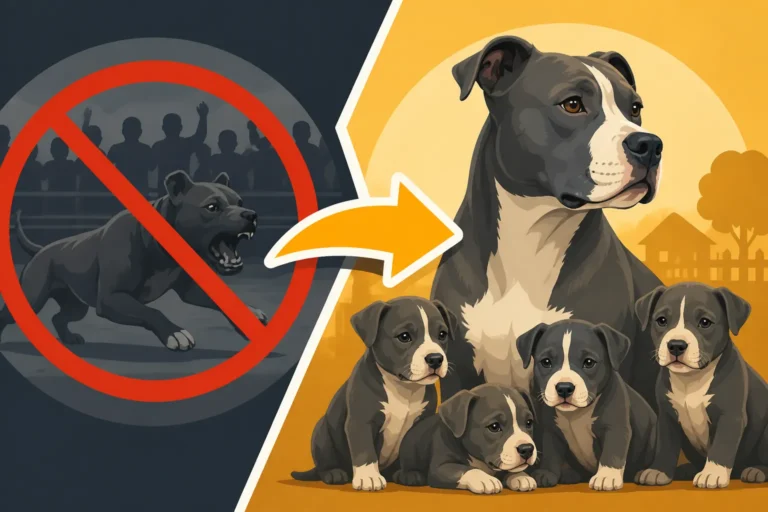
It's incredibly common for people to throw around the term "Pit Bull" without truly understanding where these incredible dogs came from, often leading to unfair judgments and a lot of confusion. Many assume their history is solely rooted in fighting, but the truth is far more complex, weaving a tale of working dogs, human entertainment, and ultimately, dedicated companions. This guide will take a deep dive into the fascinating, sometimes difficult, and often misunderstood "bull and terrier" origins of the Pit Bull type dogs we know and love today, exploring how these powerful breeds evolved from their ancient ancestors to the loyal family members they are.
Setting the Stage: The Ancient Roots of Bull and Terrier
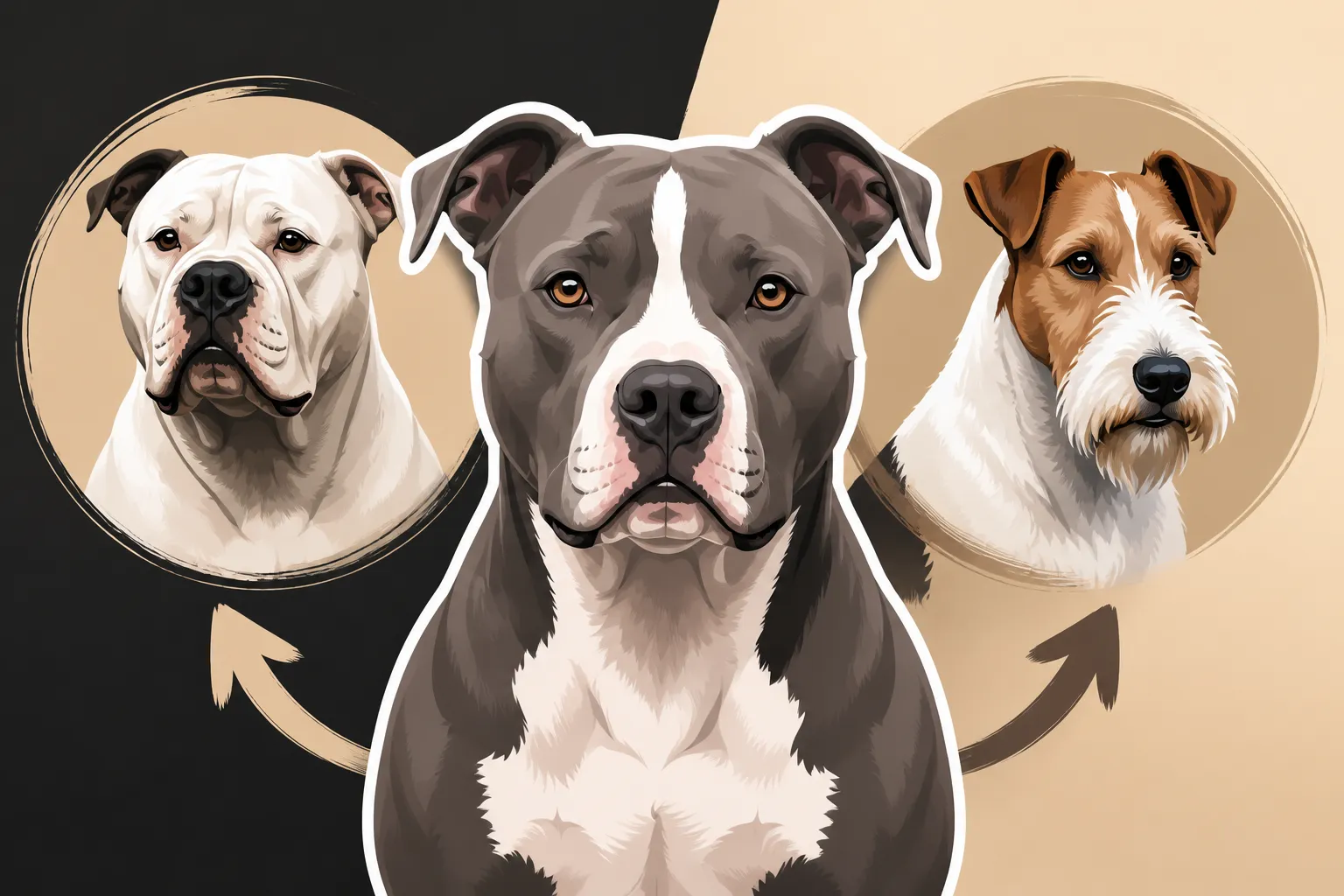
To truly grasp the origin of the Pit Bull, we need to rewind the clock much further than most people realize. These dogs didn't just spring into existence overnight for fighting; they are the result of centuries of selective breeding, drawing on the distinct traits of two very different ancestral canine lines: the powerful "bulldogs" and the tenacious "terriers." Understanding these separate lineages is crucial to appreciating the unique combination that eventually defined the Pit Bull type.
Ancient Bulldogs: A Different Ancestor
When we talk about "bulldogs" in this historical context, we aren't referring to the chunky, endearing English Bulldog you see waddling around today, though they share a common ancestor. Instead, picture a much more athletic, powerful, and driven dog, bred specifically for a brutal sport: bull-baiting. These were strong, sturdy animals, lower to the ground, with incredibly powerful jaws and a high pain tolerance, qualities honed over generations for grabbing and holding onto large, dangerous animals. Their primary function was to latch onto a bull's nose or ear and hold it there, a task requiring immense courage and physical fortitude.
These early bulldogs were the original "sporting dogs" of their era, but their sport was one of cruelty and spectacle. They weren't bred for companionship or obedience, but for their ability to withstand tremendous force and never let go. This selective breeding for tenacity and strength against powerful adversaries would later become a defining, and often misunderstood, characteristic in their descendants. It's a heritage that imbues them with incredible determination, a trait that can be channeled into positive pursuits but also carries the weight of their past.
Terriers: The Tenacious Earth Dogs
On the other side of the genetic ledger, we have the terriers. The word "terrier" itself comes from the Latin word "terra," meaning earth, a nod to their primary job: hunting vermin by going to ground. These were feisty, quick, and intelligent dogs, bred for their unwavering courage in facing down rats, foxes, and badgers in their dens. They had a relentless drive to dig, a high prey drive, and an almost fearless nature when confronting smaller, often aggressive, animals.
Terriers were essential working dogs for farmers and common folk, helping to control pest populations that threatened crops and livestock. They needed to be agile, quick-thinking, and utterly determined, often working independently to pursue their quarry. This tenacity, combined with their boundless energy and sometimes fiery disposition, made them invaluable for their specific tasks. This part of the Pit Bull's The Terrier Half of the Pit Bull heritage explains much about their lively spirit and problem-solving minds.
The Unfortunate Birth of Blood Sports
The history of the bull and terrier crosses is deeply intertwined with the grim reality of blood sports, practices that were once widespread forms of entertainment and gambling. It's a difficult part of their story, but one that must be understood to truly grasp the selective pressures that shaped these dogs. These spectacles were brutal, not just for the animals involved, but also for setting a dangerous precedent for the perception and use of powerful dog breeds.
Bull Baiting: A Spectacle of Cruelty
Bull-baiting was a "sport" that involved setting dogs, primarily bulldogs, on a tethered bull. The objective for the dogs was to latch onto the bull and hold it, while the bull would try to gore or trample the dogs. This was a hugely popular pastime for centuries across Britain, drawing large crowds and bets. The qualities needed for a bulldog to succeed in this gruesome sport were immense strength, a low center of gravity, powerful jaws, and an unyielding grip—often referred to as "gameness." These dogs were seen as tools for entertainment, and their welfare was certainly not a primary concern.
The sheer brutality of bull-baiting ingrained certain physical and temperamental traits into these ancestral bulldogs. Only the toughest, most tenacious dogs survived and were bred, creating a lineage defined by its ability to endure and perform under extreme duress. This selective pressure was not for aggression towards humans, but for a very specific type of aggression and resilience towards other animals, particularly large livestock.
The Rise of Dog Fighting and Ratting
As public sentiment began to turn against the overt cruelty of bull-baiting and bear-baiting, legislation started to emerge seeking to ban these practices. However, this didn't end the human desire for blood sports; instead, it often shifted them to more clandestine, smaller-scale forms. Dog fighting, which was easier to hide from authorities, grew in popularity. This new arena required a dog with a different, yet equally specific, set of traits. The old bulldogs, while incredibly powerful, were sometimes too slow or cumbersome for the agility required in a pit fight against another dog.
Simultaneously, rat-baiting also gained traction as a popular betting sport. Here, terriers excelled, demonstrating their speed, agility, and fierce prey drive in dispatching large numbers of rats in a confined space. This sport showcased the terrier's instinct for quick, decisive action against smaller, fast-moving targets. This era marked a crucial pivot point, leading breeders to seek a dog that combined the strength and tenacity of the bulldog with the agility and quickness of the terrier.
From Bull Baiting to Rat Pits: The Creation of the "Pit"
The pivotal moment in the formation of what we now recognize as the Pit Bull type came when these historical forces—the banning of large-scale baiting and the rise of smaller, more hidden dog fights—converged. Breeders began to actively cross the powerful, determined bulldogs with the agile, fiery terriers, hoping to create a superior fighting machine for the new underground sports. This intentional cross gave birth to the "bull and terrier" hybrid, the direct ancestor of today's Pit Bull breeds.
The 1835 Cruelty to Animals Act
A landmark moment in this transition was the passage of the Cruelty to Animals Act in England in 1835. This legislation effectively outlawed bull-baiting and bear-baiting, pushing these brutal spectacles out of the public square and into the shadows. While this was a victory for animal welfare on one front, it inadvertently spurred the growth of dog fighting. Smaller, more easily concealed, dog-on-dog contests became the preferred method for gamblers and those seeking cruel entertainment. This act directly led to a new demand for a specific type of dog.
With the larger baiting sports made illegal, the focus shifted entirely to the pit. The existing bulldogs, while fearless, often lacked the quickness and agility needed for prolonged, dynamic dog fights. Their heavy build was ideal for holding a bull, but less so for maneuvering against another dog. This change in demand created the perfect environment for the engineered cross. The law's intention was good, but its unintended consequence was a refinement of breeding specifically for dog-on-dog combat.
The Engineered Cross: Bulldog and Terrier Traits
This is where the true "bull and terrier" cross began. Breeders systematically combined the raw power, bone structure, and incredible bite strength of the bulldog with the speed, agility, and fierce "gameness" of the terrier. The goal was to create a dog that could not only deliver a powerful attack but also move quickly, endure pain, and never back down. These crosses were the ultimate blend of their ancestors, inheriting the best (and unfortunately, the worst, in the context of their use) traits of both. This is the origin of The British Crosses Behind the Pit Bull we refer to today.
The result was a dog that possessed the formidable jaw strength and robust build of the bulldog, combined with the sharp reflexes, boundless energy, and unyielding determination of the terrier. This combination made them exceptionally effective in the fighting pit, capable of both delivering and sustaining damage. They were, in essence, purpose-built for their new, terrible task, designed to be agile enough to evade attacks and strong enough to deliver them. You can really see this blend in many Pit Bull mixes today, where some inherit more of the bulldog's stockiness and others lean into the terrier's leaner, quicker build.
Selection for Gameness and Strength
The defining characteristic sought in these bull and terrier crosses was "gameness." This term, in the context of dog fighting, referred to a dog's willingness to continue fighting regardless of pain, injury, or exhaustion. It wasn't about aggression towards humans; in fact, handlers often needed to step into the pit to separate dogs, so a truly game dog was expected to be handler-friendly. This selection for gameness meant that dogs exhibiting extreme tenacity and endurance in the face of injury were prized above all else. This meant How Baiting Bans Created the Pit Bull with such a specific set of traits.
Alongside gameness, sheer physical strength and bite power were paramount. Breeders selected for dogs with strong musculature, powerful jaws, and a solid build that could withstand the rigors of a fight. This intense selective breeding for specific traits, driven by the brutal demands of fighting, solidified the physical and psychological blueprint of the bull and terrier type. It's a testament to the resilience of these dogs that their underlying loyal and affectionate nature could still emerge despite such a challenging evolutionary path.
Crossing the Atlantic: Pit Bulls in Early America
As immigrants from the British Isles sought new lives in America, they often brought with them their working dogs, including the increasingly popular bull and terrier types. These dogs weren't just passengers; they were valuable assets, cherished for their utility and companionship, traits that would help them integrate into the fabric of American life far beyond the fighting pits. This journey across the ocean marked a significant shift in their role and perception.
Immigrants and Their Working Dogs
Many of the families who migrated to America in the 19th century were farmers, laborers, and working-class individuals seeking opportunity. They brought with them the dogs that had served them well in their homelands – dogs capable of working, protecting, and keeping pests at bay. The bull and terrier type fit this bill perfectly. They were robust, intelligent, and versatile, making them ideal companions for settlers establishing new lives and livelihoods in a developing country. These were not just pets; they were integral parts of the household economy. This is how When Pit Bull Ancestors Crossed the Atlantic.
These dogs quickly found new purposes, far removed from the fighting pit. They became invaluable on farms for herding livestock, protecting property from predators, and even helping with hunting. Their strength and tenacity, originally honed for darker purposes, were perfectly suited to the demanding life of early American agriculture and settlement. They were valued for their steadfastness and courage, traits that translated well into protecting a homestead and family.
Pit Bulls on American Farms and Front Porches
Once on American soil, the bull and terrier dogs truly began to thrive in a broader context. They became common sights on farms, where their strength and determination made them excellent catch dogs for rogue livestock and formidable guardians against coyotes and other threats. Their intelligence and eagerness to please, when channeled correctly, made them highly trainable for various tasks. They weren't just relegated to working roles, either; their affectionate nature and loyalty saw them welcomed onto front porches and into family homes.
These dogs became beloved family members, often depicted in historical photographs with children, showcasing their gentle and protective instincts towards their human families. They were seen as symbols of American grit and resilience, reflecting the spirit of the new nation. Pit Bull Type Dogs on American Farms became a common sight, embodying the strong, dependable nature admired in working breeds. Their image was often associated with wholesome, family values, a stark contrast to the narratives that would emerge much later.
The Evolution of Type: Divergence and Development
As the bull and terrier type flourished in America, various lines and types began to emerge, influenced by regional preferences, breeding goals, and the growing interest in formalized dog registries. This period saw the informal "Pit Bull" type start to diverge into distinct breeds, each with its own characteristics and standards, even as they retained their shared ancestry. It's a testament to their versatility that they could evolve in so many different directions.
Formal Recognition and Breed Splits
By the late 19th and early 20th centuries, as dog fancy became more organized, there was a push to establish official breed standards and registries. This quest for formal recognition, however, led to splits within the broader "bull and terrier" group. Different organizations had varying criteria and goals, leading to the establishment of separate breeds that, to the untrained eye, often looked very similar. This process of formalization was both a blessing and a curse, giving some lines official status while leaving others in a more ambiguous "type" category.
This divergence means that what many people colloquially call a "Pit Bull" today might actually be one of several distinct breeds, or a mix thereof. The historical lineage is shared, but the paths diverged. It's like how different types of apples all come from the same basic tree, but have been bred for different qualities. Understanding these splits is key to appreciating the nuances within the "Pit Bull" umbrella.
The American Pit Bull Terrier (APBT) and UKC
One of the earliest and most significant formal recognitions came from the United Kennel Club (UKC), which in 1898 became the first registry to officially recognize the American Pit Bull Terrier (APBT). The UKC's original intent was to create a registry for working dogs, including those with a history in pits, but with an emphasis on performance and character. The APBT standard emphasizes athleticism, strength, and a confident but not aggressive temperament towards humans. The UKC sought to move beyond the brutal history and focus on the breed's positive attributes. You can read more about The American Pit Bull Terrier as the UKC Defines It to understand their specific standard.
The UKC's recognition was a crucial step in legitimizing the breed beyond its fighting past, attempting to showcase its potential as a versatile working and companion dog. While the UKC acknowledged the breed's origins, it aimed to promote responsible breeding and ownership, focusing on the dog's all-around utility and loyalty. Many dedicated APBT enthusiasts today are passionate about preserving the breed's original athleticism and temperament, advocating for them as intelligent, capable dogs.
The American Staffordshire Terrier (AmStaff) and AKC
A few decades later, in the mid-1930s, another branch of the bull and terrier family sought recognition from the American Kennel Club (AKC). The AKC, generally preferring to distance itself from any association with fighting, initially registered these dogs under the name Staffordshire Terrier. They were essentially the same dogs as the APBT at that time, but bred to slightly different physical standards, with a greater emphasis on conformation for show purposes rather than working ability. In 1972, the name was officially changed to the American Staffordshire Terrier (AmStaff) to distinguish it from its English cousin, the Staffordshire Bull Terrier. Why the AKC Took In Pit Bulls in 1936 is a fascinating piece of this history, highlighting the different philosophies of these registries.
The AmStaff, while sharing ancestry with the APBT, has been bred for generations under a slightly different lens, focusing on a more consistent appearance and a steady temperament suitable for the show ring and family life. Both the APBT and AmStaff are incredibly intelligent and eager to please, and many owners use products from places like Chewy for their training treats and durable toys to keep these smart dogs engaged. Despite their shared roots, the separate registry paths led to subtle, yet distinct, differences in their respective breed standards and typical characteristics. You can delve into The American Staffordshire Terrier Standard for a comprehensive breakdown.
Beyond the Fighting Pit: The Pit Bull as a Working Dog
While the dark shadow of blood sports often dominates discussions about the Pit Bull's origins, it's vital to remember that these dogs quickly transcended those brutal beginnings. They found their true calling as versatile working dogs and cherished family members, roles that truly highlight their intelligence, loyalty, and boundless enthusiasm. Their strength and drive, originally bred for one purpose, proved adaptable to many positive ones.
Family Companions and Farmhands
In America, particularly through the late 19th and early 20th centuries, bull and terrier types were widely adopted as loyal family companions. Their protective instincts, combined with a deep affection for their human families, made them ideal household dogs. They were patient with children, watchful guardians of the home, and dedicated playmates. It wasn't uncommon to see them featured in family photographs, often alongside infants and toddlers, reflecting their accepted role as "nanny dogs"—a term that, while perhaps misleading in its modern interpretation, certainly points to their trusted status within the family unit.
Beyond the family home, their utility on farms was unquestionable. Their strength, agility, and keen intelligence made them invaluable. They excelled at tasks like herding cattle, catching hogs, and serving as general farm dogs, protecting livestock from predators and deterring trespassers. This broad spectrum of roles, from cuddly companion to rugged working partner, showcases the incredible versatility and adaptability inherent in the breed.
War Heroes and Mascots
The Pit Bull type also etched its place in American history through service during wartime. During both World War I and World War II, these dogs were celebrated as mascots, symbols of courage, resilience, and unwavering loyalty. Perhaps the most famous example is Sergeant Stubby, a brindle-and-white bull terrier mix who became the most decorated dog of World War I, saving his regiment from gas attacks, finding wounded soldiers, and even capturing a German spy. His story is a powerful testament to the breed's intelligence, bravery, and deep bond with humans.
These dogs were seen as true American heroes, embodying the spirit of the soldiers they accompanied. Their images were proudly displayed on propaganda posters, symbolizing courage and strength. This positive public perception during these eras stands in stark contrast to the negative stereotypes that would unfortunately emerge much later, highlighting how dramatically public opinion can shift over time regarding certain breeds.
Early Advertising and Pop Culture
In the early 20th century, the Pit Bull type enjoyed immense popularity, reflecting their widespread acceptance and positive image. They were frequently featured in advertising campaigns for various brands, from RCA Victor (with the iconic Nipper, often depicted as a bull terrier mix) to Buster Brown shoes (with Tige, a loyal Pit Bull companion). Their image was one of reliability, trustworthiness, and friendly companionship. You can explore Pit Bull Type Dogs in Early Twentieth Century Advertising to see some of these historical depictions.
These cultural representations painted a picture of a beloved family dog, a symbol of American ideals. They were seen as dogs that were loyal, dependable, and charismatic. This widespread presence in popular culture further cemented their image as cherished members of society, a far cry from the breed-specific legislation and negative headlines that would unfortunately become prevalent towards the end of the 20th century.
The Legacy Today: Understanding Modern Pit Bull Types
The historical journey of the bull and terrier type is a complex tapestry woven with threads of utility, sport, and companionship. Today, this rich and sometimes troubled past continues to influence how Pit Bull type dogs are perceived, understood, and treated. Untangling the history is crucial for understanding the modern challenges and triumphs faced by these loyal dogs and their dedicated owners.
The Enduring Misconceptions
Despite their long history as valued companions and working dogs, the Pit Bull type faces significant misconceptions today. The echoes of their fighting past, combined with sensationalized media reporting and a lack of understanding about responsible breeding and training, have led to widespread fear and prejudice. Many people incorrectly believe that Pit Bulls are inherently aggressive, dangerous, or have "locking jaws"—myths that are simply not supported by scientific evidence or breed experts. This often leads to Why a Pit Bull Gets Less Benefit of the Doubt than other breeds.
These misconceptions have real-world consequences, contributing to breed-specific legislation (BSL) in many areas, housing restrictions, and higher insurance premiums for owners. It's a frustrating reality for those who know and love these dogs, as it overshadows their true nature as affectionate, intelligent, and eager-to-please animals. Part of being a responsible Pit Bull owner today means actively working to dispel these myths and educate the public.
Distinguishing Pit Bull Types
One of the greatest sources of confusion is the term "Pit Bull" itself. As we've explored, it's not a single breed, but rather a catch-all term often used to describe several distinct breeds and their mixes. Understanding the differences between the American Pit Bull Terrier (APBT), the American Staffordshire Terrier (AmStaff), and the Staffordshire Bull Terrier is vital for accurate discussions about these dogs. While they share a common ancestry, each has its own breed standard and typical characteristics, recognized by different kennel clubs. There are also newer breeds like the American Bully that often get lumped under the "Pit Bull" label.
| Breed Name | Primary Registry | Key Characteristics (General) | Historical Focus |
|---|---|---|---|
| American Pit Bull Terrier (APBT) | UKC, ADBA | Athletic, medium-sized, strong, often leaner build. | Working dog, performance, some fighting background |
| American Staffordshire Terrier (AmStaff) | AKC | Stockier, more muscular, broad head, show conformation. | Show dog, family companion, conformation |
| Staffordshire Bull Terrier | AKC, UKC | Smaller, compact, very muscular, known as "Nanny Dog." | Family companion, ratting, sometimes dog fighting |
| American Bully | ABKC | Very broad, extremely muscular, shorter muzzle, heavier bone. | Companion, show dog (distinct from APBT/AmStaff) |
This table helps illustrate the specific distinctions, but it's important to remember that individual dogs within these types can vary greatly. DNA testing has also revealed that many dogs visually identified as "Pit Bulls" are actually complex mixes of various breeds, making blanket categorizations even more challenging. You can learn about Which DNA Panel Tells You If It Is a Pit Bull to understand better.
Advocacy and Education
Today, a significant part of Pit Bull ownership involves advocacy and education. Dedicated owners, rescue organizations, and breed advocates work tirelessly to change public perception, promote responsible ownership, and fight against discriminatory legislation. They emphasize the importance of early socialization, consistent positive reinforcement training, and proper management to ensure these dogs thrive as beloved family members. Products from stores like Chewy, offering everything from sturdy leashes to puzzle toys, are invaluable tools for responsible owners in their training and enrichment efforts.
By understanding the bull and terrier origins, acknowledging the historical context, and focusing on the individual dog rather than broad, often inaccurate, labels, we can all contribute to a more informed and compassionate future for Pit Bull type dogs. Their journey from ancient bulldogs and tenacious terriers to the loving companions they are today is a powerful story of resilience, adaptability, and the enduring bond between humans and dogs. Emphasizing their true temperament, as often shown in tests like the ATTS, where Pit Bull Temperament and What Testing Shows, can help shift the narrative.
Disclaimer
This article is for general informational purposes only and does not constitute professional advice. Laws, prices and regulations vary by location and change over time. Consult a qualified professional for guidance on your specific situation.