The American Pit Bull Terrier and the UKC
It can be incredibly confusing trying to understand the different terms thrown around when people talk about "Pit Bulls." Many folks assume it's one single breed, but the reality is far more nuanced, often leading to misunderstandings about what a particular dog truly is. This guide aims to clear up some of that confusion by focusing specifically on the American Pit Bull Terrier (APBT) and its recognition by the United Kennel Club (UKC).
Understanding the American Pit Bull Terrier as a Breed
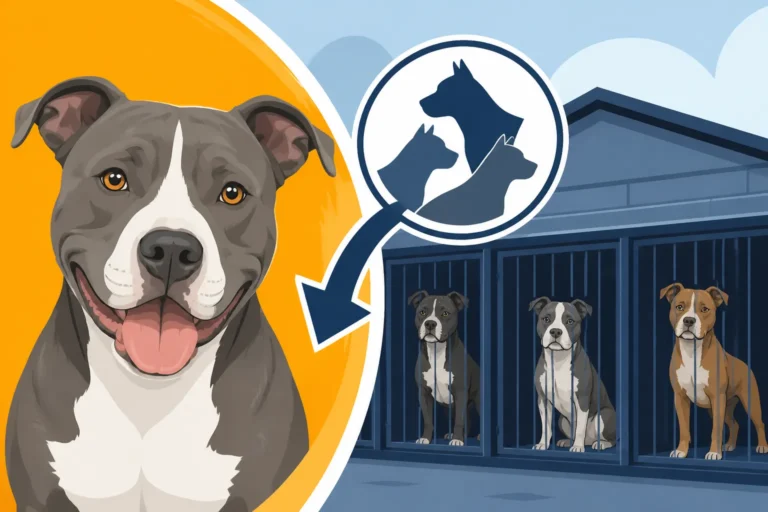
When you hear "Pit Bull," it's often a catch-all term that can describe a look rather than a specific breed. This broad categorization causes a lot of headaches for owners and leads to misidentification. However, the American Pit Bull Terrier (APBT) is, in fact, a distinct breed with a recognized standard, history, and registry, setting it apart from the general "Pit Bull type" umbrella.
Defining a Breed Versus a Type
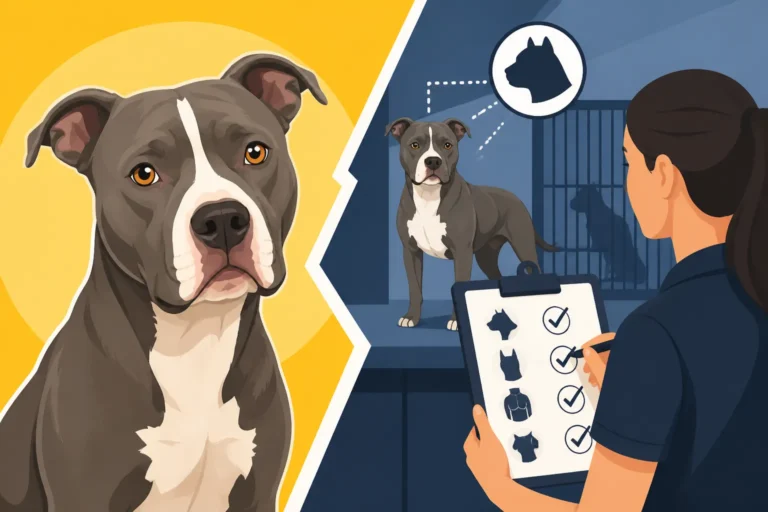
The biggest hurdle for many new or prospective Pit Bull owners is grasping the difference between a breed and a type. A "type" refers to a group of dogs that share similar physical characteristics, often derived from a common ancestry. Think of how "hound type" might describe a Beagle, a Bloodhound, or a Basset, all with different origins and specific breed standards. Similarly, "Pit Bull type" commonly includes the American Pit Bull Terrier, the American Staffordshire Terrier, and sometimes even the Staffordshire Bull Terrier or American Bully, simply because they share a certain look and general build. This broad classification is often used by shelters, the media, and even insurance companies, which creates a lot of stress and confusion for owners who know their dog's specific lineage.
A "breed," on the other hand, is a specific lineage of dogs that have been selectively bred over generations to possess consistent characteristics, both physical and temperamental, and are recognized by a reputable kennel club or registry. For the American Pit Bull Terrier, the United Kennel Club (UKC) is one such registry that has recognized and maintained the breed standard for over a century. This distinction is crucial because while a dog might look like a Pit Bull, it only qualifies as a registered American Pit Bull Terrier if it can trace its ancestry back to UKC-registered APBTs. This clear definition helps maintain the breed's integrity and allows for consistent breeding goals, focusing on health, temperament, and adherence to the standard.
Common Misunderstandings About the Term "Pit Bull"
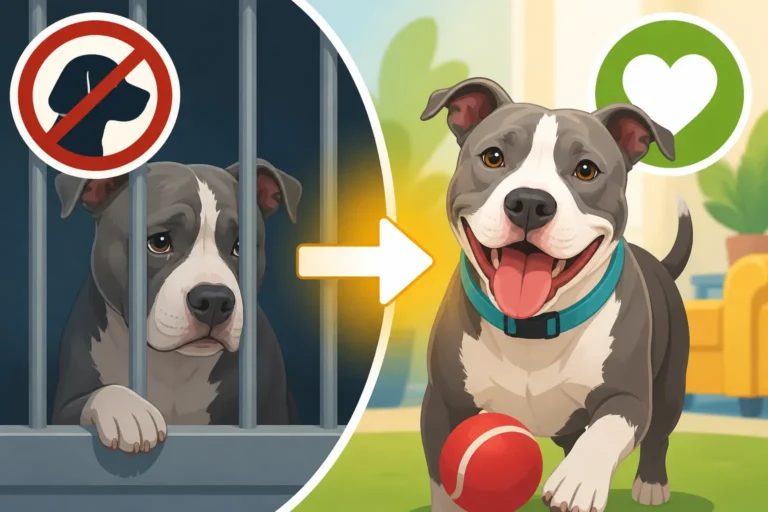
The general public's understanding of the term "Pit Bull" is perhaps one of the most significant challenges facing owners of APBTs and related breeds. Many people envision a generic, blocky-headed dog, often with a tough-guy image, without understanding the diversity even within the "type." This can lead to knee-jerk reactions, fear, and even breed-specific legislation that impacts responsible owners. The term often carries a heavy stigma, regardless of the individual dog's temperament or training.
It's common for a dog to be visually identified as a "Pit Bull" in a shelter setting, even when its genetic makeup is a complex mix of several breeds, none of which might be a purebred APBT. This makes finding housing or insurance incredibly difficult, as these labels can trigger blanket bans or inflated premiums. Many owners find themselves constantly educating others, explaining that their dog, while perhaps looking like a "Pit Bull," is a distinct breed like the APBT, or a unique mix. This constant need for advocacy can be exhausting, but it's vital for shifting public perception and challenging the misinformation that surrounds these wonderful dogs. Understanding Why No Registry Recognizes a Breed Called Pit Bull helps explain some of this broad classification, while also highlighting the importance of the UKC's work with the APBT.
The United Kennel Club's Historical Role
The United Kennel Club (UKC) plays a monumental role in the history and preservation of the American Pit Bull Terrier. Unlike some other major registries, the UKC has always embraced the APBT, recognizing its foundational significance and its unique place in canine history. This long-standing relationship provides a solid framework for breed enthusiasts and ensures that the APBT continues to be bred responsibly according to a defined standard.
History of UKC and APBT Recognition
The United Kennel Club was established in 1898, and it's quite remarkable to note that the American Pit Bull Terrier was one of the very first breeds they recognized. This wasn't a casual decision; it was a deliberate move to register working dogs based on their functional ability and ancestry, rather than purely on arbitrary conformation standards. The UKC saw the value in these robust, tenacious, and loyal dogs that had been developed for specific tasks, primarily as farm dogs, guardians, and catch dogs, roles that required immense strength, courage, and intelligence.
The UKC's early recognition provided a crucial avenue for breeders to maintain accurate pedigrees and ensure the integrity of the APBT lines. At a time when many other nascent kennel clubs were either hesitant or outright refused to acknowledge dogs associated with "pit fighting" – despite the breed's much broader utility – the UKC stepped up. This commitment meant that serious breeders had a reliable registry to document their dogs, track health, and work towards improving the breed according to a clear standard. This early adoption firmly established the UKC as the premier registry for the American Pit Bull Terrier, a legacy that continues to this day. They understood that the dog itself was a product of working history, and that history deserved respect and proper documentation.
What UKC Registration Means for Owners
For owners of an American Pit Bull Terrier, UKC registration carries significant weight and offers several advantages. Firstly, it provides proof of your dog's purebred status and documented lineage. This isn't just a fancy piece of paper; it means your dog descends from a verifiable line of APBTs, bred to the UKC standard. This can be incredibly reassuring, especially when dealing with breed-specific regulations or insurance companies that might be more lenient with registered purebreds than with a generic "Pit Bull type" label.
Beyond mere documentation, UKC registration opens doors to a wide array of activities and competitions. The UKC is known for its diverse events, including conformation shows, obedience trials, agility, weight pull, and even protection sports. These activities are designed to celebrate the APBT's natural athleticism, intelligence, and working drive. Participating in UKC events allows owners to bond with their dogs, demonstrate their capabilities, and connect with a community of like-minded enthusiasts who appreciate the breed for its true qualities. Whether you're interested in showing your dog, proving its working ability, or simply want to ensure you're getting a dog from a reputable line, UKC registration is a cornerstone for responsible APBT ownership. When buying supplies for training or competition, owners often turn to trusted retailers like Chewy for sturdy leashes, high-quality food, and other gear.
The American Pit Bull Terrier's Rich History
To truly appreciate the American Pit Bull Terrier, one must delve into its origins. This isn't a breed that emerged from aristocratic show kennels, but rather from the grit and practicality of working-class backgrounds, forged by the demands of a developing nation and specific historical circumstances.
Tracing Back to the Bull and Terrier Crosses
The story of the American Pit Bull Terrier begins across the Atlantic, in 19th-century Britain. Here, a specific crossbreeding endeavor was underway: the powerful, tenacious Old English Bulldog was bred with agile, spirited terriers. The aim was to create a dog that combined the Bulldog's strength and gripping ability with the terrier's gameness, speed, and sharp instincts. These "Bull and Terrier" crosses were initially developed for blood sports, particularly bull-baiting and bear-baiting, which were popular but brutal spectacles of the era. When these activities were outlawed in 1835 in the UK, the focus shifted to rat-baiting and dog fighting, which required smaller, quicker dogs.
As immigrants moved from Britain and Ireland to the burgeoning United States, they brought these "Bull and Terrier" dogs with them. These dogs were not yet distinct breeds as we know them today but rather a heterogeneous group of working dogs. They quickly found new purposes in America, adapting to the diverse needs of their owners. This foundational ancestry, blending power with agility, would shape the future APBT. Understanding The British Crosses Behind the Pit Bull gives a deeper insight into this initial genetic blend that created such a formidable and versatile animal.
Early Roles of These Dogs in America
Upon arriving in America, these Bull and Terrier type dogs quickly proved their worth far beyond the pits. They became invaluable assets on farms and homesteads, where their strength, courage, and versatility were highly prized. They excelled at tasks like herding livestock, protecting property from predators, and even hunting wild game, especially those that required a powerful grip and unwavering determination. Their intelligence and loyal nature also made them excellent family companions, known for their devotion to their human families.
These dogs were true "all-rounders," working dogs in every sense. They were often referred to by various names such as "Half and Half," "Bull Terriers," or "Pit Bulls" (referencing the pit in which they had once worked), but they were consistently valued for their industriousness and courage. It was through this practical application on American soil that the distinct qualities of what would become the American Pit Bull Terrier began to solidify. They were bred for a purpose, for soundness, and for a willingness to work alongside humans. This period was crucial in shaping the temperament and physical traits that the UKC would later formalize in its breed standard for The American Pit Bull Terrier as the UKC Defines It.
The UKC's Breed Standard for the American Pit Bull Terrier
The UKC breed standard for the American Pit Bull Terrier is more than just a guideline for breeders; it's a blueprint for the ideal APBT, encompassing both physical characteristics and inherent temperament. It describes a dog that is powerful yet agile, courageous yet affectionate, and above all, a capable and loyal companion.
Physical Characteristics: Size, Build, and Coat
The UKC standard paints a very specific picture of the American Pit Bull Terrier. It describes a medium-sized, solidly built, short-coated dog, with smooth, well-defined musculature. The ideal weight can vary quite a bit, generally ranging from 30 to 60 pounds, with males often at the higher end. However, the standard emphasizes proportion and athletic ability over sheer size. A well-conditioned APBT should have a powerful, blocky head, a strong, clean-cut muzzle, and expressive, intelligent eyes.
Their bodies are compact, powerful, and agile, designed for speed and strength. The chest is deep, and the ribs are well-sprung, providing ample lung capacity for stamina. The loin is short and muscular, leading to powerful hindquarters that propel the dog with surprising force. The tail is thick at the base, tapering to a point. The coat is short, stiff to the touch, and lies flat, coming in virtually any color, pattern, or combination, with the exception of merle, which is not accepted. This detailed description helps breeders maintain the functional integrity of the breed, ensuring that APBTs continue to possess the physical attributes necessary for their active lives. Many APBT owners rely on high-quality dog food, often found at places like Chewy, to support their dog's muscular build and energetic lifestyle.
Temperament Guidelines from the Standard
While physical attributes are important, the UKC breed standard places immense emphasis on the APBT's temperament, describing it as one of its most defining and cherished characteristics. The ideal APBT should be confident, intelligent, and possess an unyielding enthusiasm for life. They are noted for their zest, courage, and spirit, often described as having a strong "will to please." A well-bred and properly socialized APBT is typically very affectionate with its human family, exhibiting a friendly and outgoing nature, often eager to engage with people.
However, the standard also acknowledges certain traits that are part of the breed's historical development. It states that "the majority exhibit some level of dog aggression, and for this reason, the APBT requires an owner who will carefully socialize and train the dog." This doesn't mean they are inherently vicious; rather, it highlights the importance of responsible ownership, management, and appropriate training to ensure they are polite and safe in society. For example, a UKC-registered APBT bred to standard should not exhibit human aggression, and such a trait is considered a serious fault. The standard really emphasizes the dog's stability and good nature with people, while being honest about the need for careful socialization around other dogs. Pit Bull Temperament and the ATTS Results delves deeper into how this temperament is assessed and understood.
Distinguishing the APBT from Other "Pit Bull" Types
The term "Pit Bull" is often used as a blanket label, lumping together several distinct breeds and mixes. For those seeking a purebred American Pit Bull Terrier, it's crucial to understand how it differs from its closest relatives, particularly the American Staffordshire Terrier, which shares a common lineage but has evolved into a separate breed with its own distinct standard.
Comparing to American Staffordshire Terriers
The American Pit Bull Terrier (APBT) and the American Staffordshire Terrier (AmStaff) are perhaps the most frequently confused breeds under the "Pit Bull type" umbrella. Their histories are deeply intertwined, stemming from the same "Bull and Terrier" crosses brought to America. For a long time, they were essentially the same dog, with breeders diverging on their goals. The UKC continued to register them as American Pit Bull Terriers, focusing on preserving the working traits and athletic build.
However, in 1936, the American Kennel Club (AKC) decided to recognize a segment of these dogs under the name "Staffordshire Terrier," later changing it to "American Staffordshire Terrier" in 1972 to distinguish it from the smaller Staffordshire Bull Terrier. The AKC's focus was on establishing a show dog that adhered to a specific conformation standard, emphasizing a slightly heavier, stockier build and a more consistent appearance. While both breeds share many admirable qualities, AmStaffs are generally bred to be heavier in bone, with a broader head and a more uniform, "bully" appearance, often weighing a bit more than the average APBT. The UKC APBT, by contrast, maintains a sleeker, more agile, and athletic build, with a strong emphasis on functional working traits rather than just show ring aesthetics. This split history is key to understanding How AmStaffs and APBTs Split in the 1930s.
Here's a quick comparison of the general distinctions:
| Feature | American Pit Bull Terrier (UKC) | American Staffordshire Terrier (AKC) |
|---|---|---|
| Primary Registry | United Kennel Club (UKC) | American Kennel Club (AKC) |
| Focus | Working dog, athleticism, functional capability | Conformation show dog, specific appearance standard |
| Build | Leaner, more athletic, powerful, agile | Heavier boned, stockier, more compact, often broader |
| Weight Range | Typically 30-60 lbs (emphasis on proportion, not max size) | Often 50-80 lbs (can be heavier, depends on individual lines) |
| Head Shape | Powerful, broad, but often less "blocky" | Distinctly broad, deep, often more "blocky" |
| Coat Colors | Virtually all colors/patterns (except merle) | All colors permitted, but too much white, black and tan, or liver penalized |
| Temperament | High drive, game, often dog selective, good with people | Confident, stable, good with people, dog tolerance varies |
Briefly Touching on Staffordshire Bull Terriers and American Bullies
Beyond the APBT and AmStaff, two other breeds often get mistakenly lumped into the "Pit Bull" category: the Staffordshire Bull Terrier and the American Bully. The Staffordshire Bull Terrier, often called a "Staffie," is a distinct breed originating from England, much smaller and stockier than its American cousins, typically weighing 24-38 pounds. They are known for their extreme affection towards humans and often referred to as "nanny dogs" due to their excellent reputation with children in the UK. Their history is also rooted in bull-and-terrier crosses, but their development took a different path, resulting in a significantly different physical and temperamental profile.
The American Bully is a much more recent development, emerging in the 1990s. This breed was created by crossing various "Pit Bull type" dogs, including the American Pit Bull Terrier and American Staffordshire Terrier, with other bulldog breeds to create an even more exaggerated, muscular, and "bully" appearance. The American Bully comes in various "pockets" or sizes (Pocket, Standard, Classic, XL), often characterized by their extremely broad chests, massive heads, and overall heavy bone structure. While they derive from APBT lineage, their breeding goals have diverged considerably, resulting in a dog that is distinct from the athletic, functional APBT. It's important for potential owners to understand these differences to ensure they are getting the breed that best suits their lifestyle and expectations.
Living With a UKC-Registered American Pit Bull Terrier
Bringing a UKC-registered American Pit Bull Terrier into your home is a commitment to an intelligent, powerful, and incredibly loyal companion. Their specific needs, both for training and exercise, are paramount to ensuring a well-adjusted and happy dog.
Training and Socialization Emphasis
Given the APBT's powerful build, intelligence, and often dog-selective tendencies, training and socialization are not just recommendations; they are absolute necessities. Early and consistent socialization, starting from puppyhood, is critical. This involves exposing your APBT puppy to a wide variety of sights, sounds, people, and environments in a positive and controlled manner. The goal isn't necessarily for your APBT to be best friends with every dog it meets, but rather to be neutral, polite, and confident in various situations.
Formal obedience training, ideally with a trainer experienced in working with strong, driven breeds, is highly recommended. Focus on positive reinforcement methods, building a strong bond and clear communication. Commands like "sit," "stay," "come," and especially a solid "leave it" and "drop it" are invaluable. Remember that a well-trained APBT is a testament to its owner's dedication, and a dog with a solid foundation of manners is better equipped to navigate a world that often views them with apprehension. Training a Pit Bull to a Higher Standard Than Other Dogs is a realistic approach many owners must adopt, and it truly makes a difference.
Exercise and Mental Stimulation Needs
American Pit Bull Terriers are naturally athletic and possess significant stamina and drive. They were bred for endurance and powerful bursts of activity, so they absolutely thrive on regular, vigorous exercise. A simple walk around the block twice a day isn't going to cut it for most APBTs. They need opportunities to run, play, and burn off physical energy, ideally for at least an hour or more daily. This could include fast-paced walks, jogging, hiking, secure off-leash play in a fenced yard, or dog sports like agility, flyball, or weight pull (for appropriately aged and conditioned dogs). You can find durable leashes and harnesses suitable for a strong dog on Chewy that will stand up to their power.
Beyond physical exertion, mental stimulation is equally important for these intelligent dogs. An under-exercised or bored APBT can quickly become destructive or engage in nuisance behaviors like excessive barking. Incorporate puzzle toys, scent work, training sessions, and interactive games into their daily routine. Activities like "find it" games, teaching new tricks, or even advanced obedience can provide the mental workout they need. A well-exercised and mentally stimulated APBT is far more likely to be a calm and content companion at home. Consider reading Pit Bull Exercise for a Powerful Athletic Dog for more ideas on keeping your dog fit and happy.
Proper Nutrition for an Active APBT
Feeding a UKC-registered American Pit Bull Terrier, especially one that leads an active life, requires careful attention to nutrition. These dogs are muscled athletes, and their diet needs to support their energy levels, maintain a lean physique, and promote overall health. High-quality dog food, rich in protein, is generally recommended to support muscle development and repair. Look for foods where meat is the first ingredient, and avoid those with excessive fillers or artificial additives.
Portion control is also crucial. Despite their active nature, APBTs can gain weight if overfed, which can put unnecessary strain on their joints, especially as they age. Use a measuring cup and stick to recommended feeding guidelines, adjusting based on your dog's activity level and body condition. Regular checks of their weight and body shape will help you determine if they're maintaining an ideal lean muscle mass. Many owners find it helpful to consult with their veterinarian or a canine nutritionist to tailor a diet specific to their APBT's age, activity level, and any potential health concerns. Feeding a Pit Bull to Keep Muscle Without Fat provides an excellent resource for managing your dog's diet effectively.
Disclaimer
This article is for general informational purposes only and does not constitute professional advice. Laws, prices and regulations vary by location and change over time. Consult a qualified professional for guidance on your specific situation.