Why the Pit Bull Cross Was Made at All
Many people welcome a Pit Bull type dog into their lives today and often wonder about the history behind these unique and often misunderstood animals. It's a journey filled with both fascinating practicality and a darker past, quite different from how we view dogs today. This guide will take a candid look at the historical motivations that led to the creation of the various Pit Bull crosses, exploring the traits that were valued and the environments that shaped them, giving you a deeper understanding of their incredible resilience and complex heritage.
Understanding the Ancestry: A Mix of Purpose
To truly grasp why the Pit Bull cross came into existence, we need to rewind the clock several centuries and look at the "ingredients" that went into their making. These weren't random pairings; they were calculated decisions based on the perceived utility of specific dog types for the pastimes and needs of the time. It’s a bit like a chef selecting very particular flavors to create a new dish, except in this case, the "flavors" were canine traits and the "dish" was a dog built for intense tasks.
The Old English Bulldog: Power and Grip
When we talk about the "bulldog" in the ancestral mix, we're not talking about the charming, often chunky, short-nosed Bulldogs we see strolling through parks today. The Old English Bulldog was a very different animal. Imagine a dog built like a tank, with immense jaw strength, a formidable grip, and a low center of gravity that made it incredibly stable and difficult to dislodge. These dogs were bred almost exclusively for "bull-baiting," a brutal pastime where dogs would grab onto a tethered bull's nose and hold on. The sheer power required for such a task meant that these dogs were selected for extreme physical prowess, unwavering determination, and a pain tolerance that is frankly hard for us to fathom now.
Their physical structure was perfectly adapted for this purpose. The broad head housed powerful jaw muscles, and the relatively short muzzle allowed for a vice-like grip without obstructing breathing. Their thick, loose skin around the neck offered some protection from counter-attacks. This relentless grip and raw power were highly valued traits for the era's blood sports, creating a dog that was essentially a biological grappling machine. While it’s uncomfortable to dwell on, understanding this specific, intense functionality is crucial to appreciating one half of the Pit Bull's genetic puzzle.
The Terriers: Tenacity and Drive
On the other side of the ancestral equation, we have the various terriers. Again, these were not the dainty, manicured show terriers of modern dog shows, but hardy, working dogs bred for an entirely different kind of grit. Terriers, by their very nature, were developed to "go to ground" – to dive into burrows and confront prey like foxes, badgers, and rats. This required a profound level of tenacity, fearlessness, and relentless drive. They might have been smaller than the bulldogs, but what they lacked in brute force, they made up for in sheer, unadulterated gameness and agile ferocity.
These terrier breeds were known for their quick reflexes, boundless energy, and an unshakeable determination to pursue and engage their quarry, no matter the odds. They were often used in rat-baiting pits, another gruesome "sport" where dogs were pitted against numerous rats. This highlighted their speed, agility, and quick-thinking in a chaotic environment. The terrier contribution brought a spark of relentless, energetic drive and an almost boundless eagerness to engage. They were quick, clever, and had an almost infuriating ability to keep going long after other dogs would have given up. This "never-quit" attitude, combined with their sharp minds and agile bodies, provided the perfect complement to the bulldog’s power.
The Grim Reality of Blood Sports
It’s impossible to discuss the origins of the Pit Bull type dog without confronting the uncomfortable truth of blood sports. These practices, once disturbingly common, are the direct historical impetus behind the deliberate cross-breeding that led to these dogs. While we celebrate their loving nature and intelligence today, it's vital to acknowledge the historical context that shaped them, even if it makes us wince.
The Rise of Bull and Bear Baiting
For centuries, bull and bear baiting were popular forms of public entertainment in Britain and other parts of Europe. Imagine large crowds gathering to watch dogs, primarily the Old English Bulldogs, engage in a brutal spectacle against a tethered bull or bear. These were not mere animal fights; they were organized events meant to display the "courage" and tenacity of the dogs. The dogs would attempt to grab and hold onto the larger animal, enduring significant injury in the process. This was considered a sport, a spectacle, and even a way to "tenderize" meat, though the latter claim was largely a myth used to justify the cruelty.
These events were deeply ingrained in the culture of the time, seen as a legitimate form of entertainment. However, as societal views slowly began to shift, particularly in the 19th century, there was growing opposition to such overt cruelty. The calls for abolition grew louder, fueled by animal welfare advocates and changing moral sensibilities. This eventually led to significant legal changes, the most impactful of which was The 1835 Act That Shaped the Pit Bull, which made bull and bear baiting illegal in the United Kingdom. This legislative shift, while a victory for animal welfare, inadvertently pushed the demand for certain dog traits into a darker, more clandestine arena.
The Shift to Dog Fighting
With the public spectacles of bull and bear baiting outlawed, those who enjoyed such "entertainment" didn't simply abandon their interests. Instead, the focus shifted to a more easily concealed and less publicly scrutinized activity: dog fighting. This new format had different requirements for the canine participants. A dog fighting pit was smaller, often held in private barns, cellars, or hidden locations. A large, slow-moving bulldog, while powerful, might not have been agile enough or possess the stamina needed for prolonged, dynamic engagement with another dog.
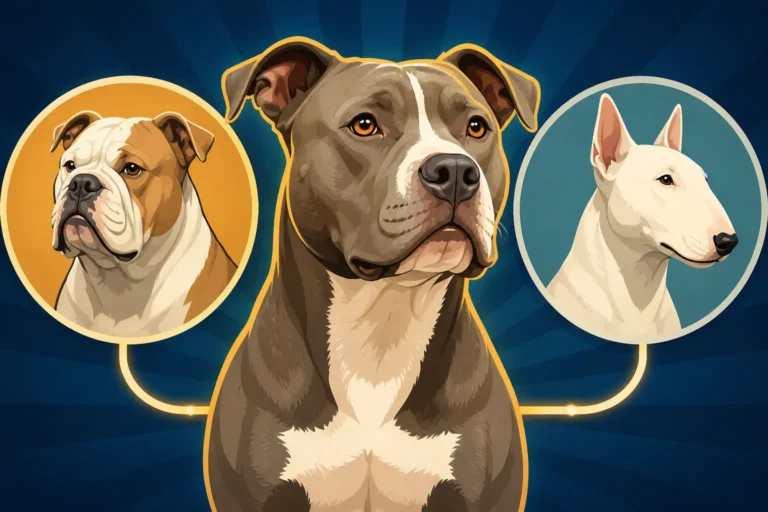
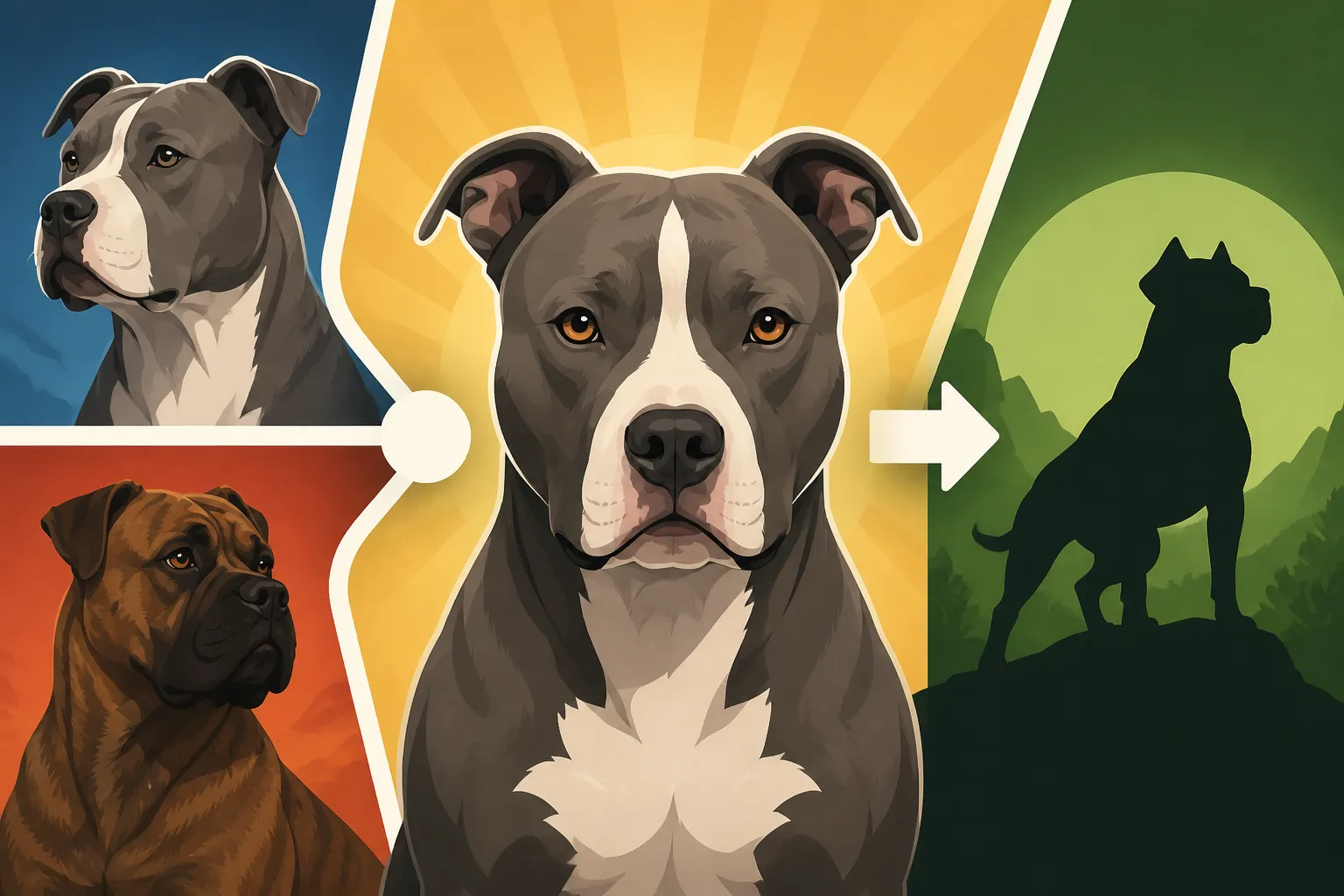
This is where the deliberate cross-breeding truly took hold. Breeders sought to combine the formidable power, strength, and incredible gripping ability of the Old English Bulldog with the lightning-fast reflexes, agility, and unparalleled "gameness" (the willingness to continue fighting despite pain or injury) of the terriers. The goal was to create a dog that was more compact, quicker, and had the relentless drive to engage another dog in a prolonged struggle. This combination was believed to yield the ultimate fighting machine, a dog that could outmaneuver, outlast, and overpower its opponent. This shift to dog fighting directly led to How Baiting Bans Created the Pit Bull, marking a pivotal moment in the development of these dogs. It’s a somber chapter, but one that is absolutely essential for understanding their origins.
The Genesis of the Bull-and-Terrier Cross
The creation of the bull-and-terrier cross wasn't an accident. It was a targeted breeding effort, a grim testament to human ingenuity applied to a cruel purpose. Breeders knew exactly what they wanted, and they set out to produce it with chilling efficiency. This focused approach is why we see such consistent traits appear in these early lines.
Combining Desired Traits for a New "Sport"
The ideal dog for the fighting pit needed a very specific blend of characteristics. It needed the raw power, the powerful bite, and the heavy bone structure of the bulldog to inflict damage and hold its ground. But it also needed the agility, speed, and boundless energy of the terrier to maneuver, dodge, and maintain an attack over an extended period. Think of it as seeking the best attributes of two different athletic archetypes: the heavyweight boxer and the nimble, relentless wrestler. Breeders aimed for a dog that could take a hit, deliver a punishing blow, and keep coming back for more, often against a dog of similar size and drive.
The physical traits that emerged were a direct result of this selective breeding. A shorter muzzle still allowed for a formidable grip, but a slightly longer leg and more athletic build provided better speed and agility. The powerful shoulders and neck of the bulldog combined with the wiry endurance of the terrier created a compact, muscular, and incredibly tough animal. Mentally, these dogs were bred for an intense focus, an incredible tolerance for pain, and a strong drive to succeed in the pit. This single-minded focus, tragically, was what made them so effective in their intended role. This blend of attributes is what truly defines The Bull and Terrier Origin of the Pit Bull.
Early Naming and Recognition
In these early days, there wasn't a formal breed registry or a universally accepted name for these crosses. They were simply known as "bull-and-terriers," "pit bulls," or "pit bull terriers," reflecting their genetic make-up and intended environment. The emphasis was on performance, not pedigree or aesthetics. A dog was valued for its ability to excel in the pit, and its name reflected its function. There were no intricate breed standards; success in the pit was the only standard that mattered.
As these dogs gained notoriety, particularly in various regional fighting circles, their reputation solidified. Their remarkable strength, courage, and stamina became legendary, albeit in a dark context. It's fascinating how, even without official recognition, a distinct "type" of dog emerged, instantly recognizable to those involved in the subculture. This period saw the informal establishment of what would become the foundation stock for modern Pit Bull type breeds.
The Journey to America and a New Purpose
The story of the Pit Bull type dog doesn't end in the fighting pits of England. With waves of immigration, particularly from Ireland and Britain in the 19th century, these dogs made their way across the Atlantic. What happened next is a testament to their adaptability and, in many cases, a hopeful turning point for their kind.
Immigration and the Working Dog
When immigrants made the arduous journey to America, they brought with them not just their hopes and dreams, but also their dogs. These bull-and-terrier crosses were not typically brought over as pampered pets; they were working animals, valued for their utility. On the farms and homesteads of the new world, their strength, courage, and versatility found new, more constructive outlets. They became invaluable assets, performing a variety of tasks that required toughness and resilience.
These dogs excelled at tasks like herding cattle, guarding livestock against predators, and protecting the family home. Their powerful build and protective instincts, originally honed for fighting, translated remarkably well into roles that required a strong, capable guardian. Many an early American farm would have boasted a bull-and-terrier type dog, a testament to their practicality. They were known for their ability to handle large animals, their unwavering loyalty to their human families, and their tireless work ethic. This period really highlights How Pit Bull Type Dogs Reached America and started to integrate into the fabric of American life, often as indispensable members of working households. They were seen as all-around farm dogs, capable of almost anything.
Evolving Roles and Public Perception
As America urbanized and the need for farm dogs diminished in many areas, the bull-and-terrier types adapted again. Their inherent loyalty, intelligence, and playful nature started to shine through in a domestic setting. They became beloved family companions, known for their devotion to children and their robust, playful spirit. In the early 20th century, these dogs were incredibly popular and widely celebrated in American culture.
They featured prominently in advertising, acted as mascots for military units, and were often depicted as the quintessential American family dog – brave, loyal, and good-natured. The iconic "Petey" from The Little Rascals is perhaps the most famous example, a friendly, bandana-wearing companion to children, symbolizing loyalty and good cheer. This era is often referenced when discussing the Why the Pit Bull Nanny Dog Story Rests On. While the literal "nanny dog" claim is largely a myth (no dog should ever be left unsupervised with children), the affectionate moniker certainly points to a widespread public perception of these dogs as trusted, family-oriented companions. It’s a stark contrast to their origins in the fighting pit and a testament to the fact that while a dog’s history may be shaped by human intent, their true nature often transcends it.
Modern Pit Bull Type Dogs: Legacy and Responsibility
The legacy of the bull-and-terrier cross continues today in what we broadly refer to as "Pit Bull type dogs." Understanding their historical journey helps us appreciate the complexity of these animals and the unique responsibilities that come with owning one in the modern world. They carry a history, but they are also individuals, shaped by their upbringing and environment.
The American Pit Bull Terrier and American Staffordshire Terrier
Today, the "Pit Bull" umbrella generally covers several distinct breeds, with the two most commonly recognized being the American Pit Bull Terrier (APBT) and the American Staffordshire Terrier (AmStaff). Both trace their lineage back to those original bull-and-terrier crosses, but they diverged over time due to different breeding goals and the development of separate breed clubs and registries. The American Pit Bull Terrier is recognized by the United Kennel Club (UKC) and is often associated with a slightly more athletic, leaner build, staying closer to the original working dog type. You can learn more about The American Pit Bull Terrier and the UKC.
The American Staffordshire Terrier, on the other hand, is recognized by the American Kennel Club (AKC). When the AKC decided to recognize these dogs in the 1930s, they aimed for a slightly heavier, more uniform type, emphasizing conformation and a stable temperament suitable for the show ring and family life. The breed standard for the AmStaff often calls for a more robust, stocky build compared to many APBTs. This distinction is clearly detailed in The AmStaff as the AKC Recognizes It. While visually similar and sharing common ancestry, these two breeds have evolved with slightly different focuses, though both retain the signature strength, intelligence, and devotion of their forebears.
Responsible Ownership in the Present Day
Today, owning a Pit Bull type dog comes with a unique set of responsibilities, largely because of their powerful build, their history, and unfortunately, the prevailing stereotypes that still exist. While their ancestors were bred for challenging and often violent tasks, modern Pit Bulls are cherished family members known for their goofy personalities, unwavering loyalty, and deep affection for their human companions. However, their physical capabilities mean that they require thoughtful, consistent training and socialization from a young age.
A strong, athletic dog needs an owner who can manage them, not just physically, but mentally. Early and ongoing socialization is key to ensuring they grow into well-adjusted adults, comfortable in various environments and around different people and other animals. Positive reinforcement training, focusing on good manners and impulse control, is essential. For many Pit Bull owners, there's a conscious effort to ensure their dog is a shining ambassador for the type, overcoming misconceptions through impeccable behavior. This often means Training a Pit Bull to a Higher Standard Than Other Dogs, setting them up for success in a world that might judge them more harshly. Investing in quality training classes and equipment, readily available from retailers like Chewy, can make a huge difference in their development. It’s about channeling their incredible drive and intelligence into positive outlets, ensuring they thrive as loving, well-behaved members of the family.
Why the Initial Cross Persisted: Beyond the Pit
The initial bull-and-terrier cross, born out of a grim necessity, proved to be far more than just a "fighting dog." The combination of traits resulted in an animal of remarkable versatility and resilience, qualities that ensured its survival and widespread appeal even as the world around it changed. These dogs weren't just good at one thing; they were generally good dogs for a myriad of purposes, a testament to the powerful genetic blend.
Adaptability and Versatility
The core strength, tenacity, and intelligence that made the bull-and-terrier effective in the pit also made them incredibly adaptable. Once removed from that cruel environment, their physical prowess translated into exceptional working ability. They could be powerful farmhands, capable of dealing with challenging livestock. Their endurance and drive made them excellent hunting partners, especially for catching game. Even their protective instincts, which were a double-edged sword in fighting, became a valuable asset for guarding property and loved ones. This inherent versatility meant they weren't pigeonholed into a single role, allowing them to integrate into diverse aspects of human life.
For example, a dog capable of holding its own against a bull could easily manage a stray pig or herd reluctant sheep. Their focus and drive could be channeled into vigorous games of fetch or long days exploring the fields. This inherent "can-do" attitude, combined with their robust health, made them highly sought-after companions for those who needed a dependable and capable dog. Many people often wonder about specific aspects of this history, such as The British Crosses Behind the Pit Bull which explains the diverse foundation. Their physical hardiness also contributed to their success; these were not fragile dogs, but animals built to withstand the rigors of a demanding life.
Unwavering Loyalty and Affection
Perhaps the most enduring quality that allowed the bull-and-terrier cross to persist and thrive, even beyond its intended brutal purpose, was its profound loyalty and affection towards humans. Despite being bred for aggression towards other animals, these dogs were, and largely remain, incredibly devoted to their human handlers. This trait, often referred to as "game-dog temperament" by those in the fighting world, meant they were typically trustworthy and biddable with people, allowing handlers to easily separate them during fights without fear of being bitten themselves.
This human-focused loyalty is what truly allowed them to transition from fighting dogs to beloved family pets. Their deep bond with people meant they sought human companionship and approval, making them highly trainable and eager to please in a domestic setting. This fundamental good nature towards humans is a critical, often overlooked, part of their early history. It’s what allowed families to take them into their homes, trusting them with children and integrating them fully into daily life. This strong human bond is a characteristic you still see in Pit Bulls today, making them incredibly loving and dedicated companions. The love and devotion these dogs show, even generations removed from their origins, is a powerful testament to this deep-seated trait.
The Pit Bull's Place in American History
The journey of the Pit Bull type dog from its origins in European blood sports to its prominent place in American households is a fascinating and complex one. Their story is deeply intertwined with American history, reflecting changing attitudes towards animals, immigration patterns, and the evolution of the family dog.
From Immigrant's Companion to National Icon
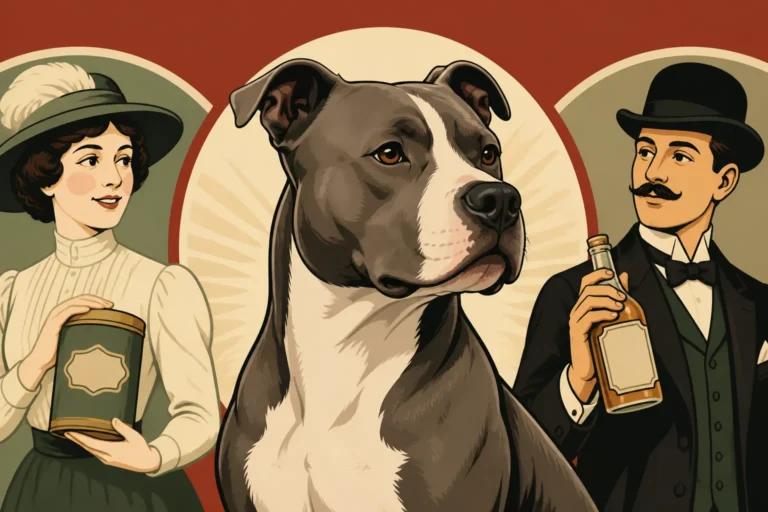
As mentioned, these bull-and-terrier crosses arrived in America with immigrants seeking new opportunities. They quickly became symbols of hard work, resilience, and strength – traits highly valued in a nation building itself. They were the dogs of farmers, soldiers, and everyday families. During the early 20th century, their image was overwhelmingly positive, embodying the spirit of determination. They were on war posters, in advertisements for everything from shoes to automobiles, and even featured on the covers of magazines. Their image was synonymous with courage, loyalty, and strength, reflecting a proud American ideal.
They were seen as the quintessential "everyman's dog," dependable and robust. This era of widespread acceptance and positive portrayal cemented their place in the national consciousness as more than just a working animal. They were companions, protectors, and symbols of the American dream. This period of their history is truly reflected in Pit Bull Type Dogs in Early Twentieth Century Advertising, showcasing just how integrated and respected they were. This historical context is often lost in modern discussions, making it important to remember how deeply woven they once were into the positive fabric of American life.
The Shift in Perception and Modern Challenges
Unfortunately, this overwhelmingly positive public image began to shift dramatically in the latter half of the 20th century. A combination of factors, including media sensationalism, a rise in dog fighting (albeit in hidden circles), and a misunderstanding of their breed characteristics, led to a rapid and devastating decline in their public perception. They transitioned from beloved icons to feared "menaces" in the eyes of many. This shift had profound consequences, leading to breed-specific legislation, housing discrimination, and an overwhelming presence in animal shelters across the country.
This negative perception has been a significant challenge for Pit Bull owners and advocates. It's a heavy weight these dogs carry, often being judged unfairly based on stereotypes rather than individual temperament. Today, the work often involves educating the public, promoting responsible ownership, and showcasing the true nature of these intelligent, affectionate, and resilient dogs. Organizations and individual owners dedicate countless hours to rehabilitating their image, focusing on proper training, socialization, and demonstrating the loving reality of living with a Pit Bull. Understanding The Cost of a Pit Bull Reputation helps contextualize the challenges many owners face, from securing housing to finding insurance, all because of misplaced fear and outdated information. Despite these challenges, the unwavering loyalty and affectionate nature of Pit Bull type dogs continue to win hearts, slowly but surely turning the tide of public opinion back towards appreciation and respect.
| Ancestral Dog Type | Key Traits Contributing to the Cross | Modern Manifestation in Pit Bulls |
|---|---|---|
| Old English Bulldog | Immense jaw strength, powerful grip, low center of gravity, physical toughness, pain tolerance | Powerful build, strong bite, muscularity, endurance, resilience |
| Terriers | Tenacity, gameness, agility, quick reflexes, high drive, intelligence, boundless energy | High drive, eagerness to please (when channeled), athleticism, intelligence, playful energy, strong prey drive (requires management) |
| Combined Purpose | To create a dog with superior strength, grip, agility, and gameness for dog fighting. | Versatile companion, loyal family protector, athletic partner for sports, highly trainable with positive methods. |
Disclaimer
This article is for general informational purposes only and does not constitute professional advice. Laws, prices and regulations vary by location and change over time. Consult a qualified professional for guidance on your specific situation.