The American Staffordshire Terrier Standard
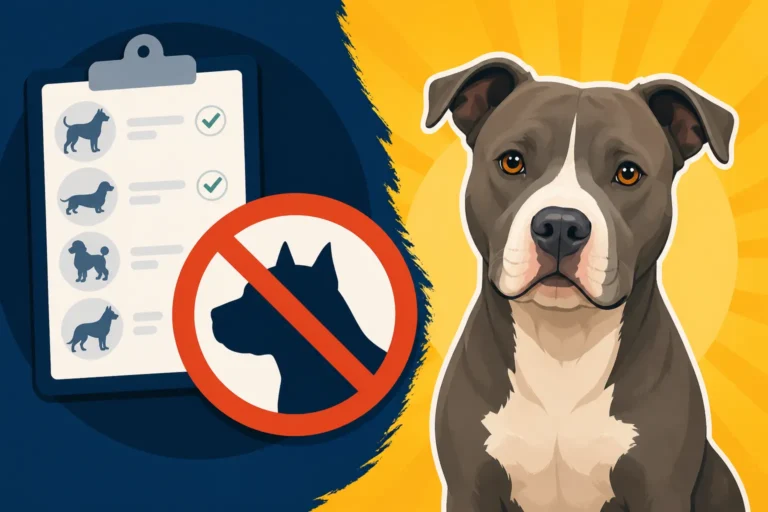
It's incredibly frustrating when you're trying to understand a specific dog breed, but all you hear are confusing terms like "Pit Bull type" or vague generalities. You just want clear information about the American Staffordshire Terrier, a dog often lumped in with many others, but which actually has its own distinct history and characteristics. This guide is here to cut through that noise and provide a detailed look at the American Staffordshire Terrier breed standard, helping you understand what makes an AmStaff an AmStaff, according to the official guidelines.
Understanding the American Staffordshire Terrier's Place in History
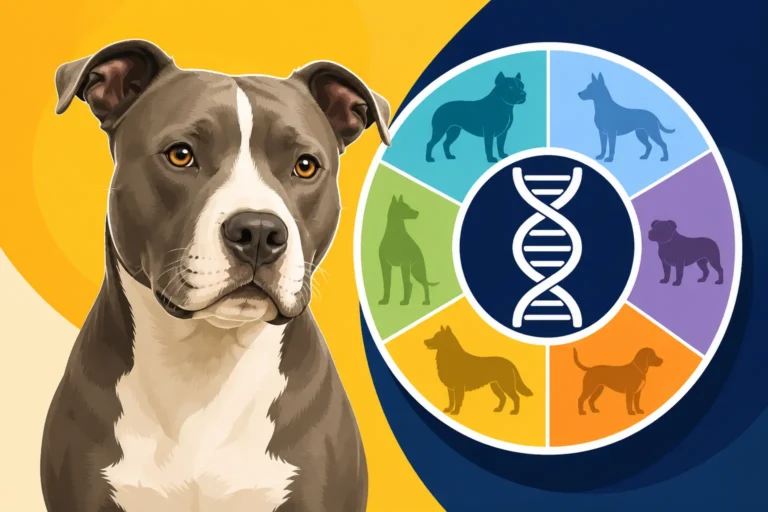
The story of the American Staffordshire Terrier, or AmStaff as it's often affectionately called, is deeply intertwined with the broader history of "Pit Bull type" dogs, but it carved out its own distinct path. Many people are still confused about the various bully breeds and where the AmStaff fits in, which is totally understandable given the historical twists and turns. It’s important to remember that while they share common ancestry, the AmStaff has been recognized and developed under specific standards for a long time.
The AKC's Recognition and Distinct Development
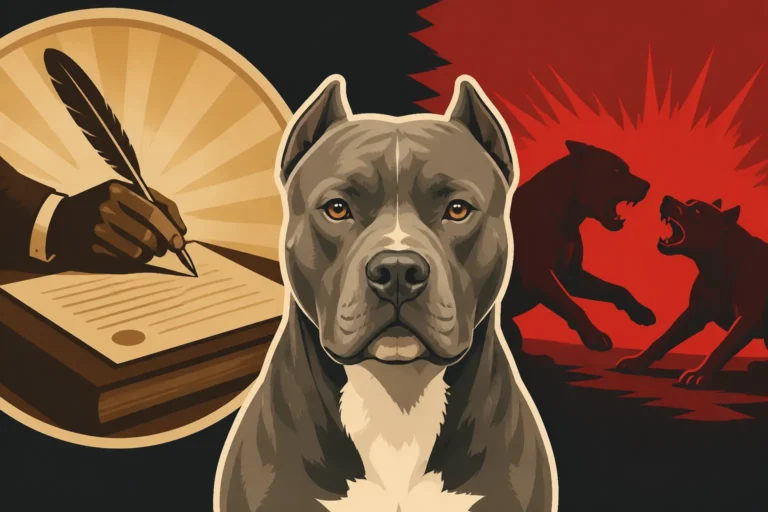
Back in the day, the dogs that would eventually become known as American Staffordshire Terriers were simply called "Pit Bull Terriers" or "Staffordshire Terriers" in America. These were dogs bred for strength, courage, and a sturdy build, often used on farms or in rough-and-tumble games that thankfully are no longer practiced. When the American Kennel Club (AKC) began to recognize these dogs in 1936, they initially registered them as Staffordshire Terriers. This was a pivotal moment because it set them on a different course from dogs registered with the United Kennel Club (UKC) as American Pit Bull Terriers. It marked the formal beginning of a distinction that many people still struggle to grasp today, despite it being nearly a century old. This recognition meant breeders would now select for specific traits to meet a written standard, rather than purely for working ability. You can learn more about this split in How AmStaffs and APBTs Split in the 1930s.
This separation wasn't just about a name; it was about solidifying a particular type within the broader "Pit Bull" umbrella. The AKC sought to emphasize a dog that was a family companion, a show dog, and an all-around reliable animal, while still retaining its impressive athleticism. The focus shifted slightly from the original working purposes to a dog that could excel in conformation rings and be a stable member of a household. This deliberate development meant that while the roots were shared, the trajectory diverged significantly, leading to the distinct characteristics that define the AmStaff today. It's truly a testament to dedicated breeders who wanted to elevate these dogs beyond their less savory past.
The Renaming to American Staffordshire Terrier in 1972
Fast forward to 1972, and the breed received its current name: the American Staffordshire Terrier. This change was largely to distinguish it from its smaller English cousin, the Staffordshire Bull Terrier, and to reflect its American development. It was also a way to further solidify its identity and prevent confusion, though ironically, the term "Pit Bull" continued to be a catch-all for many different dogs, obscuring the AmStaff's unique status. The name change was more than just semantics; it was a clear declaration of the breed's identity and its journey.
This renaming solidified the AmStaff's standing as a distinct breed within the AKC. It highlighted the work that had gone into developing and refining the breed in the United States, emphasizing its unique characteristics and lineage. While some might see it as merely a superficial change, it was a crucial step in formalizing the breed's identity and helping to differentiate it from other bull and terrier types. This distinction is still incredibly important for breeders, exhibitors, and owners who appreciate the specific traits and heritage of the AmStaff.
The Physical Standard of the American Staffordshire Terrier
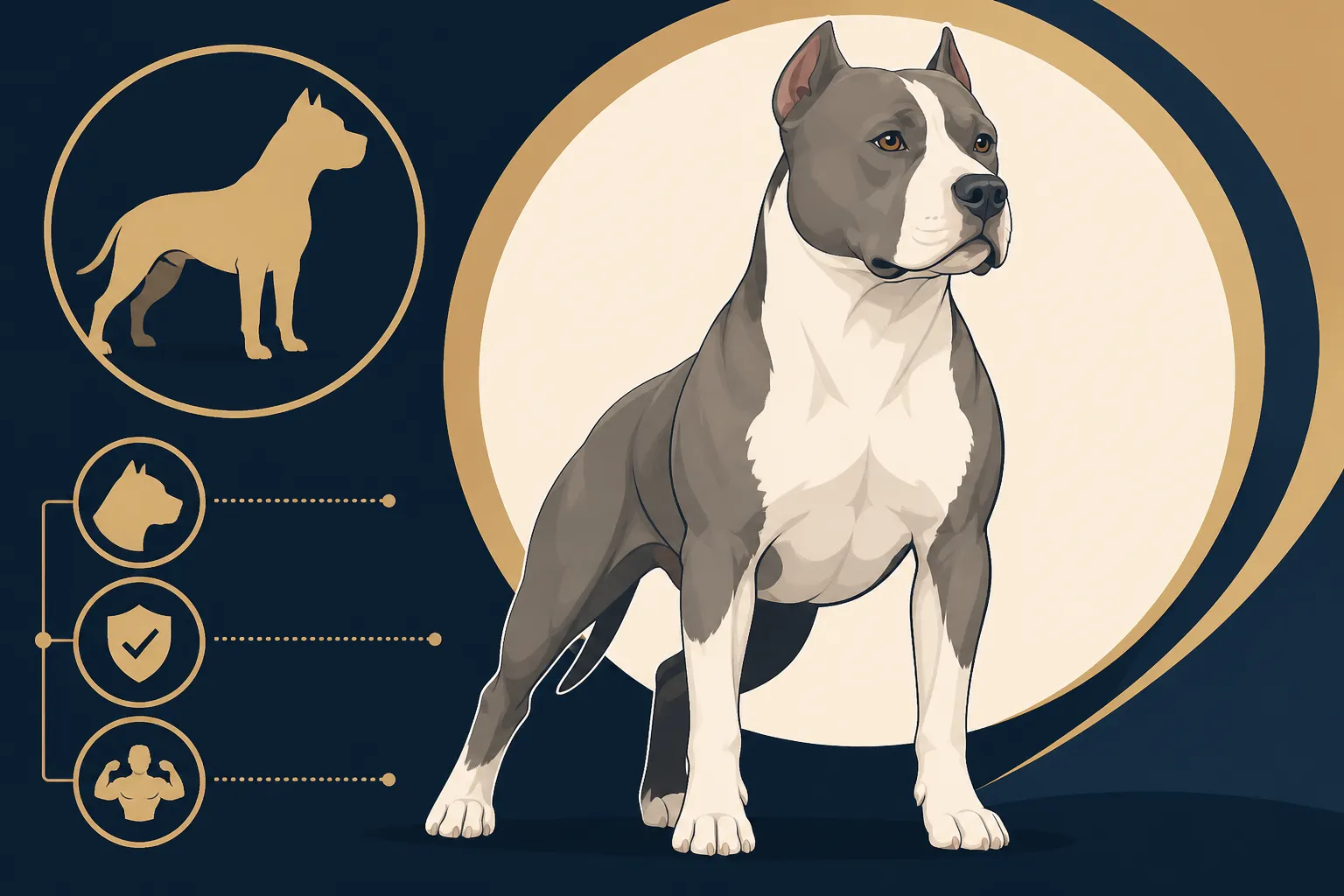
When we talk about a breed standard, we're essentially looking at a blueprint – a detailed description of the ideal specimen. For the American Staffordshire Terrier, this blueprint outlines everything from their head shape to their tail set, ensuring consistency and preserving the breed's unique attributes. This isn't just about aesthetics; it's about maintaining functionality, health, and the overall integrity of the breed.
Ideal Size, Weight, and Proportions
The AmStaff standard describes a dog of considerable strength, well put together, muscular yet agile. Males typically stand between 18-19 inches at the shoulder, with females slightly smaller at 17-18 inches. While the standard doesn't specify a precise weight, it emphasizes that the weight should be proportionate to the height, giving a compact, muscular, and balanced appearance. You shouldn't see an AmStaff that looks overly leggy or overly heavy; balance is key. They should convey power without bulk, exhibiting a strong, athletic build. This ideal proportion is crucial for their overall health and longevity, ensuring their frame can comfortably support their muscle mass without undue strain. Think of a well-conditioned athlete – powerful, but not cumbersome. More on this can be found in Pit Bull Height, Weight and Build.
A significant departure from the standard might indicate issues with breeding or a mix with other types. For instance, an AmStaff that is significantly oversized might be crossed with an American Bully, which has a different breed standard emphasizing greater bulk. Maintaining these proportions is vital for activities like agility or obedience, where a balanced physique contributes to performance and reduces the risk of injury. It also speaks to the dog's endurance and ability to engage in sustained activity without quickly tiring.
Head, Muzzle, and Jaw Structure
The head is a defining characteristic of the AmStaff, contributing significantly to its powerful yet intelligent expression. The standard calls for a medium-length head, deep through, with a broad skull and very pronounced cheek muscles. The muzzle should be medium in length, rounded on the upper side, and dropping away abruptly below the eyes. The jaws should be well-defined, strong, and capable of a powerful bite, with the upper teeth meeting tightly over the lower teeth in a "scissors bite." This particular combination gives the AmStaff its distinctive look – strong, formidable, but not coarse.
The eyes are typically dark and round, set low and wide apart, giving a soulful and often intelligent gaze. Eye color or eye rim pigmentation can be important considerations in the show ring, reflecting overall breed purity. The ears can be cropped or uncropped, though many owners are opting for natural ears these days, a trend that reflects changing perspectives on cosmetic alterations. Both cropped and natural ears are acceptable under the standard, as long as they are set high and not too large. The powerful jaw and broad muzzle also mean they need sturdy toys and chews, perhaps from a brand like Chewy, that can stand up to their impressive bite strength.
Coat, Color, and Markings
The AmStaff's coat is short, stiff to the touch, and glossy. It's a low-maintenance coat, generally requiring minimal grooming beyond regular brushing to remove loose hair and keep it shiny. When it comes to color, the standard is quite liberal, allowing for any color, solid, parti, or patched. However, certain patterns or colors are considered less desirable for show purposes, such as liver, black and tan, or merle, or if there is more than 80 percent white. These markings don't affect a dog's health or temperament, but they are points of consideration in the conformation ring.
Regular grooming, even for a short-coated dog, is important. Not only does it help manage shedding, but it also allows you to regularly check your AmStaff's skin for any issues. While their coats are generally easy to care for, ensuring a healthy diet rich in omega fatty acids can contribute to a fantastic sheen. You might find a wide variety of grooming brushes and specialized shampoos for sensitive skin on Chewy, which can be helpful for maintaining that healthy, vibrant coat that the standard praises.
The Temperament Standard of the American Staffordshire Terrier
Beyond the physical appearance, the breed standard also outlines the desired temperament, which is arguably even more important for a companion animal. For the AmStaff, this section emphasizes traits that make them excellent family dogs and stable members of society, directly contrasting some of the unfair stereotypes they often face.
Valued Traits: Courage, Intelligence, and Affection
The American Staffordshire Terrier breed standard unequivocally states that the temperament should be one of "unfailing courage, stability, and friendliness." It describes a dog that is intelligent, eager to please, and devoted to its family. A well-bred and well-socialized AmStaff is known for its outgoing nature, its deep affection for humans, and its confidence. They are typically very people-oriented dogs, thriving on interaction and inclusion in family activities. This is the heart of the breed – a loyal, courageous companion who wants nothing more than to be part of your world.
It's crucial to understand that while they possess immense physical capabilities, aggression towards humans is considered a serious fault within the breed standard. This means that reputable breeders actively select against such traits. They want to produce dogs that are stable and predictable, not dogs that pose a risk to people. This inherent desire to be good companions is often overlooked by those who only see the "Pit Bull" label and mistakenly assume inherent aggression. Pit Bull Temperament and What Testing Shows delves deeper into these aspects.
Managing Drive and Sociability
While friendliness towards humans is paramount, the standard also acknowledges the AmStaff's historical working background. They are powerful, intelligent, and can possess a strong prey drive, along with varying degrees of dog selectivity. This means that while they might adore people, they may not always be universally friendly with other dogs, particularly as they mature. This isn't aggression, but often a preference for human company or a strong sense of personal space with canine counterparts. Proper socialization from a young age is absolutely critical to help guide their natural instincts.
Owners must be prepared to manage their AmStaff's interactions, especially with other dogs, through consistent training and responsible handling. This is where dedicated training and management plans come in. Pit Bulls Living With Other Dogs offers insight into how to navigate multi-dog households. Using durable leashes and harnesses, perhaps from a selection found on Chewy, can be essential for managing a strong, energetic AmStaff on walks. Early and ongoing training, especially focusing on impulse control and polite greetings, will help them thrive in various social situations.
The Standard in Practice: Breeding, Showing, and Ownership
Understanding the AmStaff standard isn't just for breeders and show enthusiasts; it offers invaluable insights for anyone considering bringing one of these magnificent dogs into their home. It helps set expectations, informs responsible breeding practices, and highlights the dedication required for good ownership.
Guiding Responsible Breeding Decisions
For breeders, the American Staffordshire Terrier standard is their bible. It guides every breeding decision, from selecting parent dogs with desired physical traits and sound temperaments to carefully evaluating puppies. Reputable breeders strive to produce AmStaffs that not only meet the physical ideal but also possess the stable, friendly, and courageous temperament outlined in the standard. This means extensive health testing, pedigree research, and a commitment to passing on the best possible genes. If you're looking for a puppy, always ask what specific measures a breeder takes to meet the standard, especially concerning temperament and health. What a Pit Bull Breeder Should Be Able to Show details what good breeders offer.
Breeders who truly adhere to the standard prioritize the long-term health and well-being of the breed over fleeting trends or exaggerated features. They understand that deviating too far from the standard can lead to health issues or temperamental faults. This dedication helps ensure that future generations of AmStaffs continue to embody the qualities that make them such beloved companions. They aren't just selling puppies; they're safeguarding a legacy.
The Role of the Standard in Dog Shows
In the world of dog shows, the breed standard is the yardstick against which every AmStaff is measured. Judges meticulously evaluate each dog, looking for how closely it conforms to the ideal outlined in the standard. This includes everything from the angle of their shoulders to the set of their ears, and crucially, their overall demeanor and confidence in the ring. A dog that is shy, fearful, or aggressive would be immediately excused, reinforcing the importance of temperament. These shows aren't just beauty contests; they're evaluations of how well a dog embodies the traits deemed essential for its breed.
Participating in dog shows helps preserve the breed by providing a venue for breeders to assess their stock and make informed decisions for future pairings. It also educates the public on what an AmStaff should look like and act like, helping to dispel misconceptions fueled by misidentification and negative media portrayals. For many owners, it's a fantastic way to bond with their dog and celebrate the unique qualities of the breed.
Implications for Everyday Ownership
For the everyday AmStaff owner, understanding the standard can be incredibly empowering. It helps you recognize a well-bred AmStaff and appreciate its intended characteristics. It also underscores the importance of proper training and socialization to bring out the best in these dogs. An AmStaff, by standard, is a confident, intelligent, and loyal companion. To live up to that, they need dedicated owners who provide consistent training, ample exercise, and loving guidance. This includes everything from early puppy socialization to continued exposure to new experiences as an adult. Training a Pit Bull to a Higher Standard Than Other Dogs is a great resource.
The standard essentially describes a dog that, with the right environment and training, can be an incredible asset to a family. Knowing this can help you advocate for your dog, especially in situations where they might be unfairly judged. It allows you to confidently state that your AmStaff, if well-bred and trained, is a testament to what the breed should be: a stable, courageous, and affectionate companion. You'll find many resources for training books, durable toys, and even specialized harnesses suitable for a strong AmStaff on sites like Chewy, all of which can support you in raising a dog that reflects the best of the breed.
Here's a quick overview of some key aspects of the American Staffordshire Terrier standard:
| Feature | Standard Description | Importance |
|---|---|---|
| General Appearance | Powerful, muscular, agile, yet graceful. Should be symmetrical and well-balanced. | Reflects historical working ability, overall health, and breed type. |
| Size | Males: 18-19 inches; Females: 17-18 inches at shoulder. Weight proportionate to height. | Ensures functional structure, prevents over-exaggeration. |
| Head | Medium length, deep through, broad skull, pronounced cheek muscles. | Distinctive breed type, powerful jaw for intended uses. |
| Muzzle | Medium length, rounded on top, abrupt drop below eyes. Strong, clean jaws. | Contributes to powerful bite and characteristic expression. |
| Eyes | Dark and round, set low and wide apart. | Reflects intelligence and standard breed appearance. |
| Ears | Cropped or uncropped, set high. Uncropped ears preferred to be short and rose or half prick. | Acceptable variations, but proper set is key. |
| Coat | Short, stiff to the touch, and glossy. | Easy maintenance, part of the breed's clean lines. |
| Color | Any color, solid, parti, or patched. Less desirable: more than 80% white, black and tan, liver. | Wide variety, but show standards have preferences for clarity. |
| Temperament | Unfailing courage, stability, and friendliness. Intelligent, devoted. | Crucial for companion animal role; aggression towards humans is a fault. |
Conclusion
The American Staffordshire Terrier breed standard isn't just a dusty old document; it's a living guide that shapes the breed, protects its integrity, and provides a clear picture of what a true AmStaff should embody. It's a testament to the dedication of those who have worked to develop and preserve these courageous, affectionate, and intelligent dogs, ensuring they are recognized for their distinct qualities rather than being lost in broad, often misleading, generalizations. By understanding this standard, you not only gain a deeper appreciation for the AmStaff but also become a more informed and responsible advocate for the breed.
Disclaimer
This article is for general informational purposes only and does not constitute professional advice. Laws, prices and regulations vary by location and change over time. Consult a qualified professional for guidance on your specific situation.