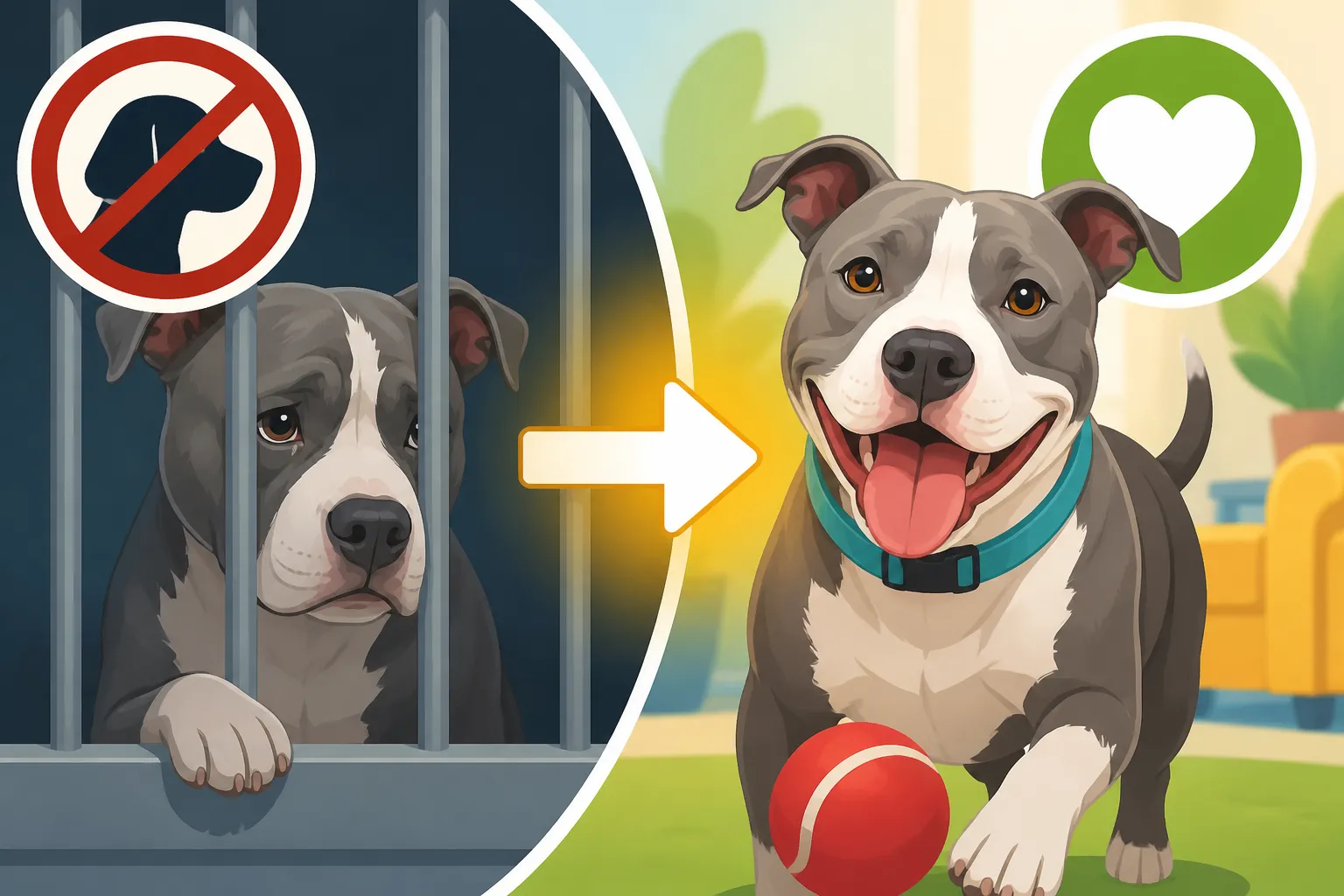
What Happens When Shelters Drop the Pit Bull Label
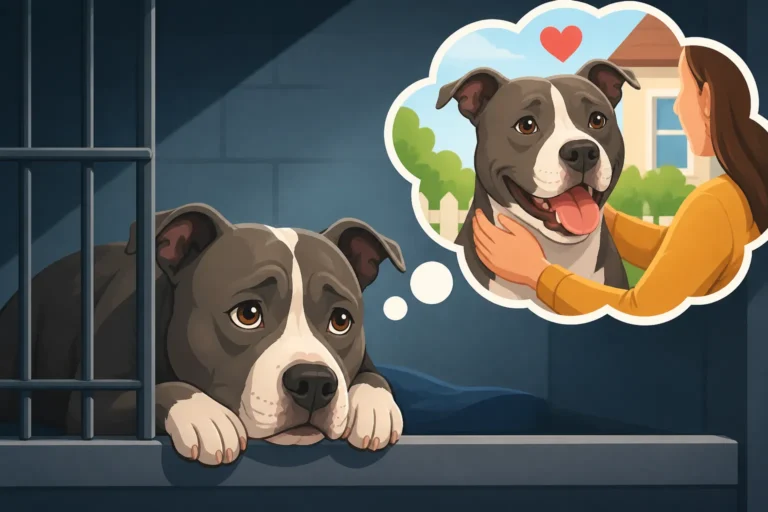
For too long, countless dogs in shelters have faced an uphill battle for adoption simply because of their appearance, lumped under the broad and often misleading "Pit Bull" label. This immediate categorization, based purely on visual cues, can dramatically impact a dog's chances of finding a forever home, leading to longer stays, higher euthanasia rates, and a cycle of misunderstanding. This guide will dive deep into what truly happens when animal shelters bravely choose to drop these arbitrary breed labels, exploring the significant shifts in operational practices, public perception, and, most importantly, the lives of the dogs themselves.
The Shifting Landscape of Shelter Dog Identification
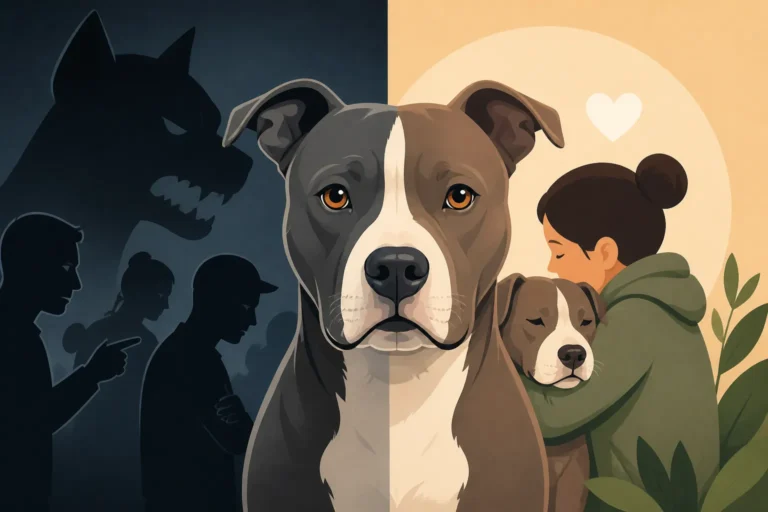
The term "Pit Bull" itself is a source of endless confusion and debate. It's not a single breed recognized by major kennel clubs; rather, it's a catch-all term for a type of dog with similar physical characteristics, often encompassing American Pit Bull Terriers, American Staffordshire Terriers, Staffordshire Bull Terriers, and sometimes even American Bulldogs or various mixes. This generalized label has unfortunately become a lightning rod for breed-specific legislation, housing restrictions, and insurance woes, leading to an unfair bias against many wonderful, loving dogs. Shelters are increasingly recognizing that this label does more harm than good, obscuring individual personalities and perpetuating harmful stereotypes.
The Problem with the "Pit Bull" Label
Imagine a beautiful, goofy dog, all wiggles and licks, arriving at a shelter. If that dog happens to have a blocky head, a muscular build, and a short coat, there's a high chance it will be immediately labeled a "Pit Bull" or a "Pit Bull mix." This isn't based on genetic testing, but on a visual assessment by staff who may or may not be trained in breed identification, and who are often simply trying to categorize the dog for their system. The issue isn't the dogs themselves, but the baggage that comes with the label. Suddenly, this dog is seen through a filter of negative public perception, often associated with aggression or unpredictability, regardless of its actual behavior or history.
This labeling often dictates everything from how the dog is marketed to potential adopters to how long it might wait in the kennel. A dog with a less stigmatized label might be adopted within days, while a "Pit Bull" type dog, despite being equally (or even more) loving, gentle, and well-behaved, could languish for weeks or months. This creates a heartbreaking disparity, where a dog's fate is sealed not by its actions or disposition, but by a superficial visual assessment and societal bias. It's a profound injustice that countless shelter professionals have wrestled with for years, seeing deserving dogs overlooked time and again. For a deeper understanding of the term, you can read Why Pit Bull Is a Type and Not a Breed.
Beyond Visual Breed Identification
Recognizing these systemic issues, many forward-thinking shelters are now making a conscious decision to move away from visual breed identification altogether. Instead of guessing a breed, they describe dogs based on their physical traits ("medium-sized, short-coated, brindle dog") and, most importantly, their individual behavior and personality ("affectionate, playful, enjoys cuddles, walks well on a leash"). This shift acknowledges the scientific reality that visual breed identification is notoriously inaccurate. Studies have shown that even experienced professionals often misidentify breeds, especially for mixed-breed dogs. DNA tests frequently reveal a complex genetic tapestry that bears little resemblance to what a dog "looks like."
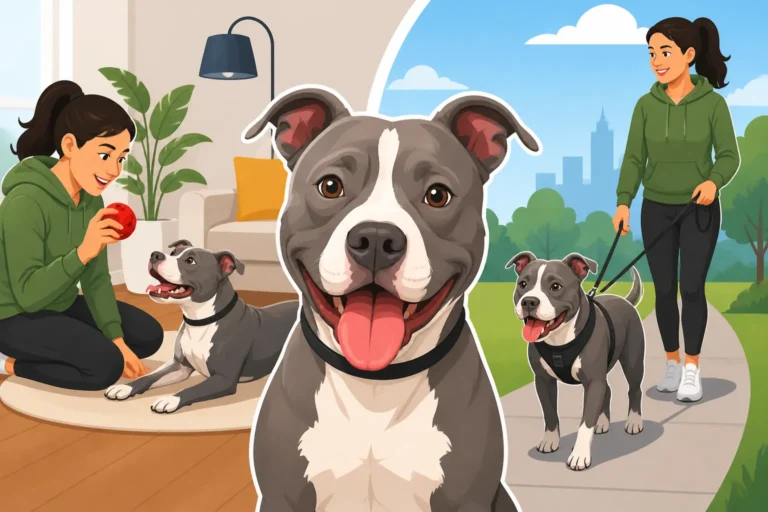
By prioritizing the individual, shelters can present dogs as unique beings rather than representatives of a feared or misunderstood "type." This means that instead of seeing a "Pit Bull," an adopter sees a "friendly, energetic companion who loves to play fetch" or a "calm, gentle soul who enjoys quiet evenings on the couch." This subtle but powerful change reframes the entire adoption narrative, opening doors for dogs that might otherwise be invisible behind a stigmatizing label. It’s about letting the dog speak for itself, through its actions and personality, rather than through a perceived ancestry. If you're curious about how shelters have traditionally identified these dogs, check out How Shelters Decide a Dog Is a Pit Bull.
Operational Changes in Breed-Neutral Shelters
The decision to drop breed labels isn't just a philosophical one; it requires significant operational changes within a shelter. It's about retraining staff, rethinking marketing strategies, and fundamentally altering how dogs are assessed and presented to the public. This process is often a journey, not a single flick of a switch, and involves dedication from every team member.
Focusing on Individual Temperament and Behavior
When breed labels are removed, the spotlight immediately shifts to individual behavior assessments. Shelters invest more time and resources into observing each dog's personality, quirks, and needs. This involves:
- Detailed Behavioral Assessments: Staff, and often volunteers, spend extensive time with each dog, observing how they interact with people (strangers, children), other dogs, and even cats (if applicable). They note play styles, energy levels, training history (if known), and any specific anxieties or preferences.
- Narrative Descriptions: Instead of a simple "Pit Bull mix," a dog's profile might now read: "Meet Buster, a sweet, medium-sized boy with a blocky head and a soft brindle coat. Buster loves gentle pets, enjoys leisurely walks, and would thrive in a quiet home where he can be your shadow. He's a bit shy at first but blossoms with patience." This paints a much clearer, more appealing picture of the individual dog.
- "Matchmaking" Focus: Adoption counselors become true matchmakers, focusing on pairing a dog's actual needs and temperament with an adopter's lifestyle and experience. This means asking more in-depth questions about daily routines, previous pet experience, housing situations, and what the adopter is truly looking for in a companion. This often leads to more successful placements because the focus is on compatibility, not preconceived notions.
This comprehensive approach allows adopters to connect with the dog as an individual, fostering a deeper bond and increasing the likelihood of a successful, long-term adoption. It also empowers shelter staff to advocate for each dog based on what they know about its personality, rather than what society assumes about its breed.
Communicating with Potential Adopters
One of the biggest changes is how information is presented to the public. Marketing materials, website profiles, and adoption conversations all pivot away from breed identification.
- Evocative Language: Shelter websites and social media posts use vibrant, descriptive language that highlights a dog's unique traits and personality. Photos and videos showcase the dog's joy, playfulness, or calm demeanor, helping potential adopters see past any physical stereotypes.
- Educational Outreach: Shelters actively educate the public on the inaccuracies of visual breed identification and the benefits of a breed-neutral approach. They explain that "Pit Bull" is a type, not a breed, and emphasize that behavior is not intrinsically linked to physical appearance. This often involves community events, informational pamphlets, and direct conversations with potential adopters.
- Transparency About Behavior: While not focusing on breed, shelters are transparent about any known behavioral needs or challenges a dog might have. For example, if a dog is dog-selective, the profile will clearly state, "Fido would thrive as the only dog in the home," rather than attributing it to a "Pit Bull" trait. This ensures responsible placement and manages adopter expectations.
By focusing on clear communication and education, shelters empower adopters to make informed decisions based on a dog's actual character, helping to break down outdated biases. You might find it interesting to consider Whether DNA Should Decide a Pit Bull Label in this context.
Updating Internal Records and Systems
Behind the scenes, dropping breed labels requires a practical overhaul of administrative systems. This often means working with software providers or developing internal protocols to reflect the new approach.
- New Categorization: Instead of "Breed: American Pit Bull Terrier mix," records might now use "Primary Visual Type: Medium-Mixed Breed" or simply focus on weight and coat characteristics. This often replaces breed fields with personality descriptors or energy levels.
- Staff Training: Extensive training is provided to all staff, from intake to adoption counselors, on how to accurately assess and describe dogs without relying on breed labels. This includes understanding canine body language, assessing sociability, and effectively communicating a dog's traits to the public.
- Partnership Communications: Shelters must also educate their network of rescue partners, foster homes, and even local veterinary clinics about their new approach. This ensures consistency in how dogs are identified and discussed, preventing a dog from being "re-labeled" once it leaves the immediate shelter environment.
This systematic change ensures that the breed-neutral philosophy is embedded at every level of the organization, leading to a more consistent and impactful outcome for the dogs in their care.
The Impact on Adoption Outcomes and Dog Welfare
The most profound effects of dropping the Pit Bull label are seen in the lives of the dogs themselves and in the broader community's perception. This isn't just about making shelters look good; it's about saving lives and fostering more compassionate communities.
Increased Adoption Rates and Reduced Stays
Perhaps the most compelling evidence for a breed-neutral approach is the data on adoption rates. When shelters stop labeling dogs by perceived breed, the number of dogs finding homes, especially those previously stuck under the "Pit Bull" umbrella, often rises significantly.
- Broader Appeal: Without the stigmatizing label, potential adopters are more likely to stop at a kennel or click on a profile that they might have otherwise skipped. They see a dog, not a stereotype, and are open to forming a connection based on the dog's individual charm. This increased visibility leads to more inquiries and, ultimately, more adoptions.
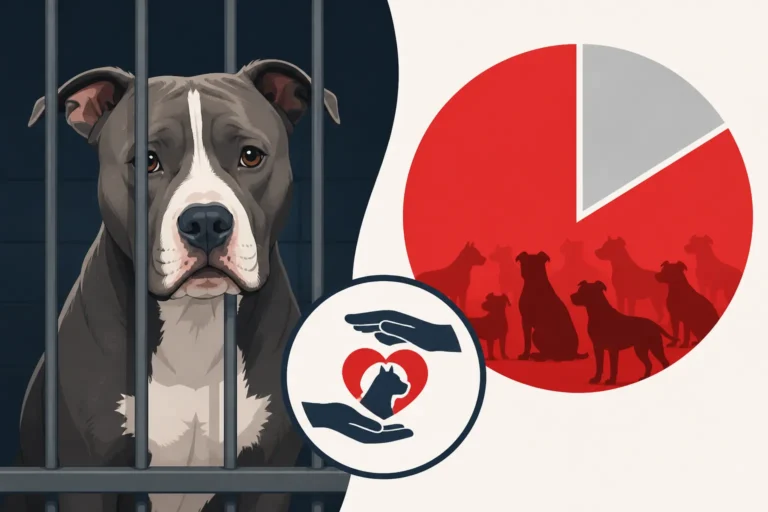
- Reduced Length of Stay: Consequently, dogs spend less time waiting in the shelter environment. Shorter stays are incredibly beneficial for a dog's mental and physical health. Long-term kennel residency can lead to stress, anxiety, behavioral deterioration, and increased susceptibility to illness. Moving dogs through the adoption process more quickly frees up valuable kennel space for other animals in need, benefiting the entire shelter population. You can explore this further in How Long a Labelled Pit Bull Waits for Adoption.
- Fewer Euthanasias: In many instances, the reduction in length of stay and increase in adoptions directly translates to a decrease in euthanasia rates for healthy, adoptable dogs that would have previously been overlooked because of their perceived breed. This is the ultimate goal for any rescue organization: to save more lives.
The ripple effect of these changes is immense, creating a more efficient and humane system that benefits dogs and the communities they live in.
Shifting Public Perception of "Bully Breeds"
Beyond individual adoptions, dropping breed labels contributes to a broader cultural shift in how "bully breeds" are perceived. This is a long game, but every successful adoption of a previously labeled "Pit Bull" helps chip away at misconceptions.
- Challenging Stereotypes: When a family adopts a dog they fell in love with, and that dog happens to have "Pit Bull" characteristics but was never labeled as such, they become living proof that behavior is individual, not breed-specific. These families become advocates, sharing their positive experiences and helping to dismantle negative stereotypes within their own social circles.
- Focus on Responsible Ownership: The conversation shifts from blaming a "breed" to emphasizing responsible ownership, training, and socialization for all dogs, regardless of their appearance. This encourages a more proactive and educated approach to pet ownership, which benefits the entire canine population. For instance, understanding Pit Bull Leash Manners and Physical Strength is crucial for any strong dog.
- Empowering Adopters: Adopters feel more empowered to choose a dog based on genuine connection and compatibility, rather than feeling pressured by external biases or the fear of a "difficult" breed. They are guided by their hearts and the dog's true nature, leading to more joyful and enduring relationships.
This gradual reshaping of public opinion is vital for the long-term welfare of all dogs, especially those that have historically faced unfair discrimination. More on this can be found in Pit Bulls in Culture and Public Perception and How Public Opinion on Pit Bulls Has Shifted.
Better Matching of Dogs and Families
A focus on individual behavior rather than breed leads to better matches between dogs and their new families. This is crucial for reducing returns and ensuring lifelong homes.
- Understanding Specific Needs: Instead of assuming a "Pit Bull" needs a strong, experienced owner (which might be true for some but not all), shelters now articulate exactly what this particular dog requires. Does he need a quiet home? Does she thrive with another playful dog? Is he good with children? These detailed insights help adopters find a dog that truly fits their lifestyle, not just their idea of a certain breed.
- Reduced Returns: When dogs are matched based on temperament and lifestyle compatibility, there's a higher chance the adoption will succeed. Adopters are less likely to be surprised by a dog's behavior if they were fully informed about its personality and needs upfront, rather than operating under a generic breed stereotype. For example, a dog described as "a playful tug-of-war enthusiast" might need durable toys, which adopters can easily find on platforms like Chewy, ensuring they are prepared for their new companion's quirks.
- Tailored Advice and Resources: Shelters can provide more specific post-adoption support and resources. If a dog is particularly energetic, they can recommend specific training classes or enrichment activities. If a dog is shy, they can offer advice on gradual introductions to new environments. This individualized support is far more effective than generic advice based on a broad breed category. Many shelters partner with local trainers experienced in positive reinforcement, recognizing that Pit Bull Training and Certification Costs are an investment in a good family member, regardless of breed type.
This careful matchmaking process is a cornerstone of responsible animal welfare, fostering successful adoptions and stronger community bonds. Consider also Pit Bull Temperament and What Testing Shows for more context on individual assessment.
Navigating Challenges and Addressing Concerns
While the move to drop breed labels is overwhelmingly positive, it's not without its challenges and requires thoughtful navigation. Shelters often face internal and external skepticism that needs to be addressed with education and transparency.
Addressing Community and Staff Skepticism
Changing long-held beliefs and practices can be difficult, and shelters often encounter resistance from various stakeholders.
- Internal Resistance: Some long-term staff or volunteers might be accustomed to the old system and hesitant to change. They might genuinely believe that breed labels provide useful information or worry about potential risks. Addressing this requires thorough training, open dialogue, and demonstrating the positive outcomes through data and success stories. It's important to validate their concerns while presenting the evidence for the new approach.
- Public Concerns: Members of the public, accustomed to seeing dogs labeled, might be skeptical or even apprehensive. Some might worry that shelters are "hiding" dangerous dogs by not disclosing their breed. This is where transparent communication and education are paramount. Shelters must clearly explain their new assessment protocols, emphasize their commitment to safety, and show how a behavioral focus actually leads to safer and better matches.
- Navigating External Restrictions: Even with a breed-neutral policy, shelters may still operate within communities that have breed-specific legislation (BSL) or encounter landlords and insurance companies with breed restrictions. In these cases, shelters must be strategic about how they advise adopters. While they won't label the dog, they might educate adopters about local laws or landlord policies and discuss how to navigate them responsibly. This delicate balance ensures dogs find homes while respecting external constraints. This is often where a Whether a CGC Title Helps a Pit Bull Policy or other certifications become relevant, as they provide an objective measure of a dog's training, rather than relying on a visual breed guess.
Successfully navigating these concerns requires patience, consistent communication, and a steadfast commitment to the welfare of the dogs.
Ensuring Responsible Placement and Follow-Up
The ultimate success of dropping breed labels lies in ensuring that dogs are placed responsibly and that support continues post-adoption. This proactive approach helps build trust and maintain positive outcomes.
- Thorough Adoption Counseling: Instead of a quick check of a breed box, adoption counselors engage in extensive conversations with potential adopters, delving into their experience, home environment, and expectations. They discuss the dog's known behaviors, energy levels, and any specific training needs. This ensures the adopter is fully prepared for the individual dog they are bringing home.
- Post-Adoption Support: Many shelters offer post-adoption resources, such as free behavior helplines, training advice, or discounted classes. This support system is vital, especially for adopters new to a strong, energetic dog type, regardless of its "breed" label. Offering resources that are easily accessible, like information on durable toys and enrichment products from Chewy, can help adopters manage common challenges and build a strong bond.
- Continuous Learning and Adaptation: Shelters must continually evaluate their breed-neutral programs, collecting data on adoption success rates, lengths of stay, and post-adoption returns. This ongoing assessment allows them to refine their processes, address any emerging issues, and further strengthen their commitment to responsible, breed-neutral adoptions. This iterative process is key to maximizing the benefits for the dogs and the community.
By focusing on responsible placement, comprehensive support, and continuous improvement, shelters can ensure that dropping the Pit Bull label leads to lasting, positive outcomes for dogs and their new families. It's a testament to the power of seeing each dog as an individual, deserving of love and a fair chance.
Disclaimer
This article is for general informational purposes only and does not constitute professional advice. Laws, prices and regulations vary by location and change over time. Consult a qualified professional for guidance on your specific situation.