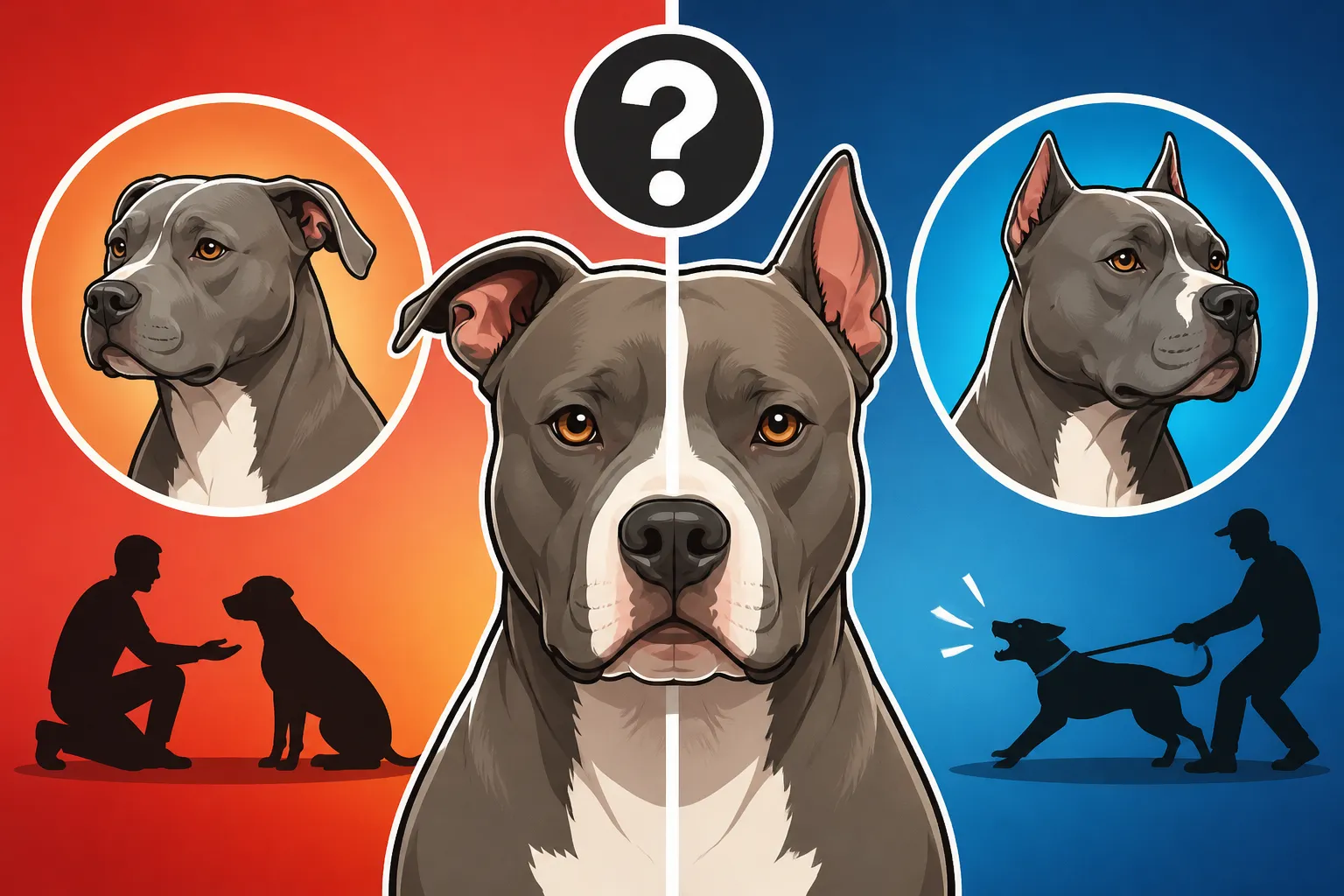
Whether Cropped Ears Change Pit Bull Reactions
Many Pit Bull owners, myself included, have pondered whether the practice of ear cropping truly changes how these wonderful dogs react to the world, or how the world reacts to them. It's a question rooted in both concern for our beloved companions and the often-misunderstood public perception of the breed. This guide is here to shed light on whether a Pit Bull's cropped ears fundamentally alter its behavior, communication, or temperament, offering clarity on a topic that stirs a lot of debate and sometimes, outright confusion.
The Purpose and History of Ear Cropping in Pit Bulls
To understand the discussion around cropped ears, we first need to look at why this practice even began and why it persists in some circles today. It’s not a recent phenomenon, but rather a tradition with deep historical roots, evolving into a cosmetic choice over time.
Historical Reasons for Cropping
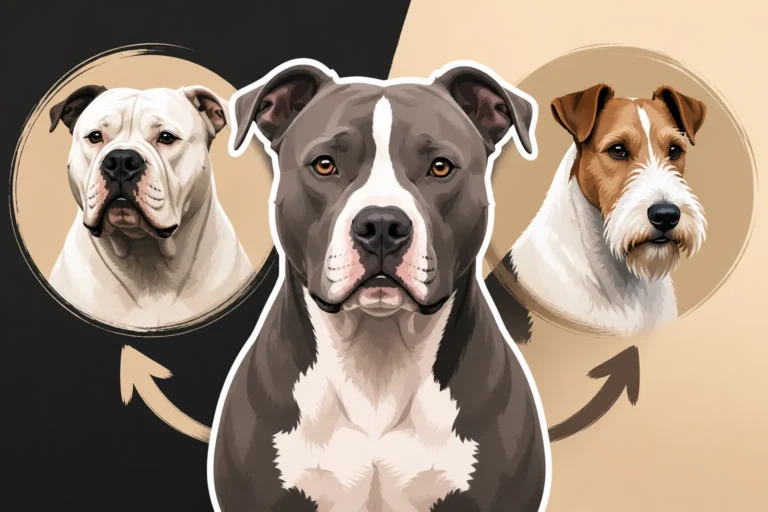
Historically, ear cropping in dogs, especially those used for work like guarding or fighting, was done for what were then considered practical reasons. Pit Bull-type dogs, with their bull-and-terrier ancestry, were originally bred for tasks that involved grappling with other animals. In these harsh environments, long, floppy ears were seen as a liability. They could be easily torn, bitten, or become a handle for an opponent. The idea was that removing this vulnerable appendage would protect the dog from injury and reduce the risk of painful ear infections resulting from trauma. Of course, modern veterinary science would tell you that the incidence of ear infections in dogs with cropped ears versus natural ears, especially in a household pet, is not significantly different unless there's an underlying allergy or anatomical issue at play. For instance, floppy ears can sometimes trap moisture, leading to yeast or bacterial infections, but cropping isn't a magical cure, and certainly, injuries from fighting aren't a relevant concern for today's pets.
Beyond physical protection, there was also a belief that cropped ears made a dog appear more formidable. This visual deterrent was thought to enhance the dog's effectiveness in guarding roles or to intimidate in the pit. It was a utilitarian choice born from a very different era, a time when dogs were viewed more as working tools than cherished family members. It's crucial to separate these historical, often brutal, contexts from the reality of owning a Pit Bull today.
Modern Aesthetic Preferences
As the roles of Pit Bull-type dogs shifted from fighting pits and working farms to family homes, the practice of ear cropping didn't disappear. Instead, it transformed into largely an aesthetic choice. Many owners and breeders continued cropping ears because it became synonymous with the "look" of the breed in certain circles. For some, it enhances the distinctive head shape and muscular physique that they associate with Pit Bulls. It’s often seen as part of the breed's traditional presentation, particularly in show rings for some registries.
This preference is highly subjective and deeply personal for owners. It's not uncommon to hear people say they simply prefer the "alert" or "powerful" appearance that cropped ears lend to a Pit Bull. However, this aesthetic comes with significant ethical considerations regarding animal welfare and whether a cosmetic procedure justifies the discomfort and potential risks to the animal. For many, the natural, soft, expressive ears of a Pit Bull are just as beautiful, if not more so, allowing for a full range of canine communication. The debate often comes down to individual owner choice versus the broader conversation about what's best for the dog's overall well-being and ability to interact naturally.
How Ear Cropping Might Affect a Pit Bull's Behavior and Communication
While the procedure itself doesn't change a Pit Bull's inherent personality, the physical alteration of the ears can absolutely impact how a dog communicates with others and how it is perceived by both humans and other canines. This is where the real crux of the "reaction" question lies.
Impact on Dog-to-Dog Communication
Ears are an incredibly important part of a dog's body language. Along with their tail, eyes, and posture, a dog's ears provide subtle, yet vital, cues about their mood, intentions, and emotional state. Think about it: ears flattened back can signal fear or submission, perked up and forward suggest alertness or curiosity, while relaxed ears indicate comfort. When a dog's ears are cropped, a significant portion of this expressive range is removed.
Imagine a situation where your Pit Bull, with its cropped ears, is meeting another dog at the park. The other dog might be trying to read its signals, perhaps a tentative ear flick to show deference, but your dog's cropped ears simply aren't capable of conveying that nuance. This can lead to misunderstandings. Another dog might misinterpret a neutral cropped ear as a sign of assertiveness or even aggression, simply because it can't read the finer details of ear position that would otherwise indicate a more relaxed or cautious demeanor. This isn't to say cropped-ear Pit Bulls can't communicate, but they are working with a reduced "vocabulary," and it places a greater burden on the other parts of their body language – tail wags, eye contact, body posture – to convey messages clearly. This can potentially lead to more guarded or even escalated interactions with dogs who are particularly sensitive to canine social cues. Strong socialization and training are key here. Socializing a Pit Bull Puppy Thoroughly can help them learn to navigate these interactions.
Effects on Human Perception and Interaction
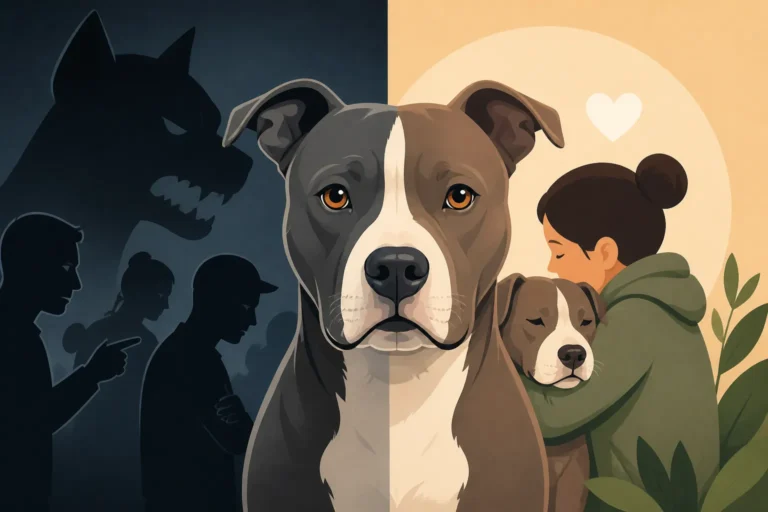
Just as other dogs might struggle to read cropped ears, humans also often form different perceptions based on appearance. Unfortunately, Pit Bull-type dogs already face significant stereotypes and biases. Cropped ears, for some members of the public, can reinforce negative imagery associated with fighting dogs or aggressive tendencies. This can lead to fear, avoidance, or even discriminatory reactions from strangers. An otherwise friendly, well-behaved Pit Bull with natural ears might be seen as less intimidating than the exact same dog with cropped ears, purely based on appearance.
This perception gap can create real challenges for owners. You might find people crossing the street to avoid you, landlords imposing stricter rules, or even difficulties in finding a pet sitter. It’s an unfortunate reality that the visual cues, even if superficial, play a big role in initial human interactions. As owners, we often have to work twice as hard to demonstrate our Pit Bull's true gentle nature, and cropped ears can sometimes make that uphill battle a little steeper. This isn't about blaming the dog or the owner, but acknowledging the societal baggage that comes with certain appearances. You'll often be asked to train your Pit Bull to a higher standard. Training a Pit Bull to a Higher Standard Than Other Dogs is a topic many owners grapple with.
Pain, Healing, and Early Experiences
While the long-term behavioral impact of ear shape is negligible, the procedure of ear cropping itself, and the subsequent healing period, absolutely involves discomfort and a recovery process. This is a surgical procedure, typically done under anesthesia, followed by weeks of bandage changes, potential pain medication, and careful monitoring to ensure proper healing and avoid infection. During this time, a puppy will naturally experience pain and restriction.
If not managed with extreme care, or if the puppy experiences significant, prolonged pain or negative associations during this critical developmental window, it could theoretically impact their early socialization experiences. A puppy that is uncomfortable or in pain is less likely to engage positively with new people, places, or other animals. While most reputable vets and breeders would ensure proper pain management and a gentle recovery, it's a factor to consider in a puppy's overall early development. It's not the look of the cropped ear that changes reactions here, but the experience of the surgery and recovery that could, in rare cases, affect a puppy's initial willingness to explore and socialize. However, for the vast majority, if done responsibly, this temporary discomfort doesn't lead to lasting temperament changes once healing is complete. Owners often look for soothing options for their pups during this time, and you might find comforting dog beds or gentle toys on sites like Chewy.
What Science and Behaviorists Say About Cropping and Temperament
It's easy to get caught up in anecdotes and personal opinions, but when it comes to a dog's intrinsic nature, what does the science say? This area has been widely discussed among veterinary professionals and animal behaviorists.
No Scientific Link to Temperament Change
Here’s the clearest point: there is no scientific evidence to suggest that cropping a Pit Bull's ears fundamentally alters its inherent temperament. A dog's personality, its genetic predisposition for certain behaviors, its reactivity, its friendliness – these are all shaped by a complex interplay of genetics, early socialization, and consistent training throughout its life. The physical shape of its ears simply doesn't factor into this equation. If a Pit Bull is naturally outgoing and friendly, cropping its ears won't make it aggressive. Conversely, if a Pit Bull has underlying behavioral issues, cropping its ears won't magically solve them.
Behaviorists universally emphasize that a dog's temperament is formed through its upbringing, exposure, and learning experiences, particularly during the crucial The Weeks That Shape a Pit Bull Puppy. These factors far outweigh any impact that a cosmetic surgical procedure like ear cropping might have on its core personality. The procedure affects how it looks and communicates, but not its inner disposition or core "who it is" as a dog. So, if you're concerned about whether a cropped-ear Pit Bull might be inherently meaner or more aggressive, the answer, from a scientific standpoint, is a resounding no.
Importance of Socialization and Training
Given that ear cropping doesn't change temperament, what does truly shape a Pit Bull's reactions and behavior? The answer, unequivocally, lies in comprehensive socialization and consistent, positive reinforcement training. From the moment you bring a Pit Bull puppy home, every interaction, every new experience, every lesson contributes to the dog it will become. Exposing your puppy to a wide variety of sights, sounds, people, and well-behaved dogs in a controlled and positive manner helps them develop into a confident, well-adjusted adult.
Training, especially focusing on impulse control, leash manners, and appropriate greetings, is paramount for any Pit Bull. Because of the public perception issues, a well-trained Pit Bull is an ambassador for the breed. Whether its ears are cropped or natural, a Pit Bull that knows its commands, understands boundaries, and has a strong bond with its owner will navigate the world much more successfully. This proactive approach to raising a balanced dog is what truly dictates its reactions, not the shape of its ears. For example, ensuring your Pit Bull has excellent Pit Bull Leash Manners and Physical Strength is far more impactful than its ear appearance.
Legal and Ethical Considerations
It's also worth noting that the practice of ear cropping is highly contentious and illegal in many parts of the world, including most of Europe, Australia, and parts of Canada. Even within the United States, where it's still legal in many states, it's widely condemned by veterinary associations like the American Veterinary Medical Association (AVMA), which considers it an unnecessary cosmetic procedure. The ethical debate centers on whether it's justifiable to perform a painful, irreversible surgery on an animal for purely aesthetic reasons, especially when it provides no proven health benefit and can impair natural communication.
For potential owners, this means considering not just the dog's well-being but also the legal landscape and ethical implications. Adopting a Pit Bull with already cropped ears is different from choosing to have the procedure done. If you're considering a puppy, research your local laws and the stance of veterinary professionals in your area. This broader discussion of ethics and legality often influences public perception, further complicating how a cropped-ear Pit Bull is viewed in society.
Responsible Ownership Regardless of Ear Style
Ultimately, the choice or reality of a Pit Bull having cropped ears doesn't change the core responsibilities of being a loving and diligent owner. What truly matters is how you raise, train, and advocate for your dog.
Prioritizing Training and Socialization
Regardless of whether your Pit Bull has long, floppy ears or neatly cropped ones, the foundations of good behavior and a stable temperament are built upon consistent training and extensive socialization. Start early with positive reinforcement. Reward desired behaviors generously, whether with tasty treats you can find on Chewy or enthusiastic praise. Exposure to different environments, people, and other dogs (once fully vaccinated and appropriate for their age) is critical. A well-socialized Pit Bull is more confident, less reactive, and better equipped to handle novel situations calmly. This reduces the likelihood of negative reactions, from barking at strangers to inappropriate greetings.
Focus on basic obedience commands like "sit," "stay," "come," and a reliable "leave it." These aren't just tricks; they are tools for safety and communication between you and your dog. A Pit Bull that responds reliably to commands demonstrates self-control and allows you to manage situations effectively, regardless of how others might perceive its appearance. Think about getting a solid Canine Good Citizen and Why It Matters for a Pit Bull certification – it's a testament to good training.
Understanding Pit Bull Body Language Cropped or Natural
Even with cropped ears, Pit Bulls are highly expressive dogs. It’s your job as an owner to learn to read their complete body language cues, and perhaps even more importantly, to help others understand them. Pay close attention to their eyes, the set of their mouth, their tail carriage and movement, and their overall posture. A soft gaze and a loose, wagging tail typically signal friendliness, even if the ears are erect. A stiff body, direct stare, and high, slowly wagging tail can indicate tension.
Teach children and respectful adults how to approach your dog safely and how to interpret its signals. For example, if your Pit Bull offers a polite "sit" for a greeting, that's a positive sign. However, if they turn their head away or tense up, it's a cue to give them space. Reading Pit Bull Body Language Before a Greeting is a skill every owner should master. For dogs with cropped ears, you might need to be extra vigilant in reading the other dog's signals, as your dog’s communication might be less clear to them.
Here's a quick comparison of natural vs. cropped ear communication:
| Feature | Natural Ears (Full Range) | Cropped Ears (Limited Range) |
|---|---|---|
| Expression | Can be flattened, perked, rotated, relaxed, showing nuance | Often fixed in an upright position, limiting subtle movements |
| Cues | Fear, curiosity, relaxation, aggression, submission | Primarily conveys alertness or neutrality due to fixed position |
| Dog-to-Dog Communication | Clear, comprehensive signaling to other canines | Potential for misinterpretation due to missing ear signals |
| Human Perception | Generally seen as more "natural," softer, less intimidating | Can sometimes reinforce "tough" or "aggressive" stereotypes |
| Owner Task | Read full body language; educate others | Read full body language extra carefully; advocate & educate |
Advocating for Your Pit Bull
Part of being a responsible Pit Bull owner, especially if your dog has cropped ears, involves being a strong advocate for your companion. You will encounter people who judge your dog solely on its appearance or breed type. Be prepared to gently educate them, to model responsible ownership, and to showcase your Pit Bull's excellent manners and loving personality.
This might mean proactively Handling a Pit Bull in Public Without Incident by keeping your dog close on a leash, ensuring they greet politely, or even choosing to avoid certain situations where misunderstandings are more likely. Carry training treats and be ready to reinforce positive interactions. Sometimes, simply having a friendly, well-behaved dog is the best advocacy. For those unavoidable situations or if your dog needs extra management for safety, consider Muzzle Training Every Pit Bull Should Have as a responsible practice, regardless of ear style. It’s all about setting your Pit Bull up for success in a world that doesn't always give them the benefit of the doubt.
Disclaimer
This article is for general informational purposes only and does not constitute professional advice. Laws, prices and regulations vary by location and change over time. Consult a qualified professional for guidance on your specific situation.