Shelter Behavior Evaluations on a Pit Bull
One of the most heart-wrenching realities for anyone looking to adopt a Pit Bull type dog from a shelter is the sheer amount of scrutiny they face. These dogs often carry a heavy burden of public perception, and shelter staff are acutely aware of the need to ensure they're sending dogs into homes where they'll thrive and be safe. This guide will walk you through what exactly goes into a shelter behavior evaluation for a Pit Bull, helping you understand the process and what shelters are really looking for when they assess these often-misunderstood dogs.
What Exactly is a Shelter Behavior Evaluation?
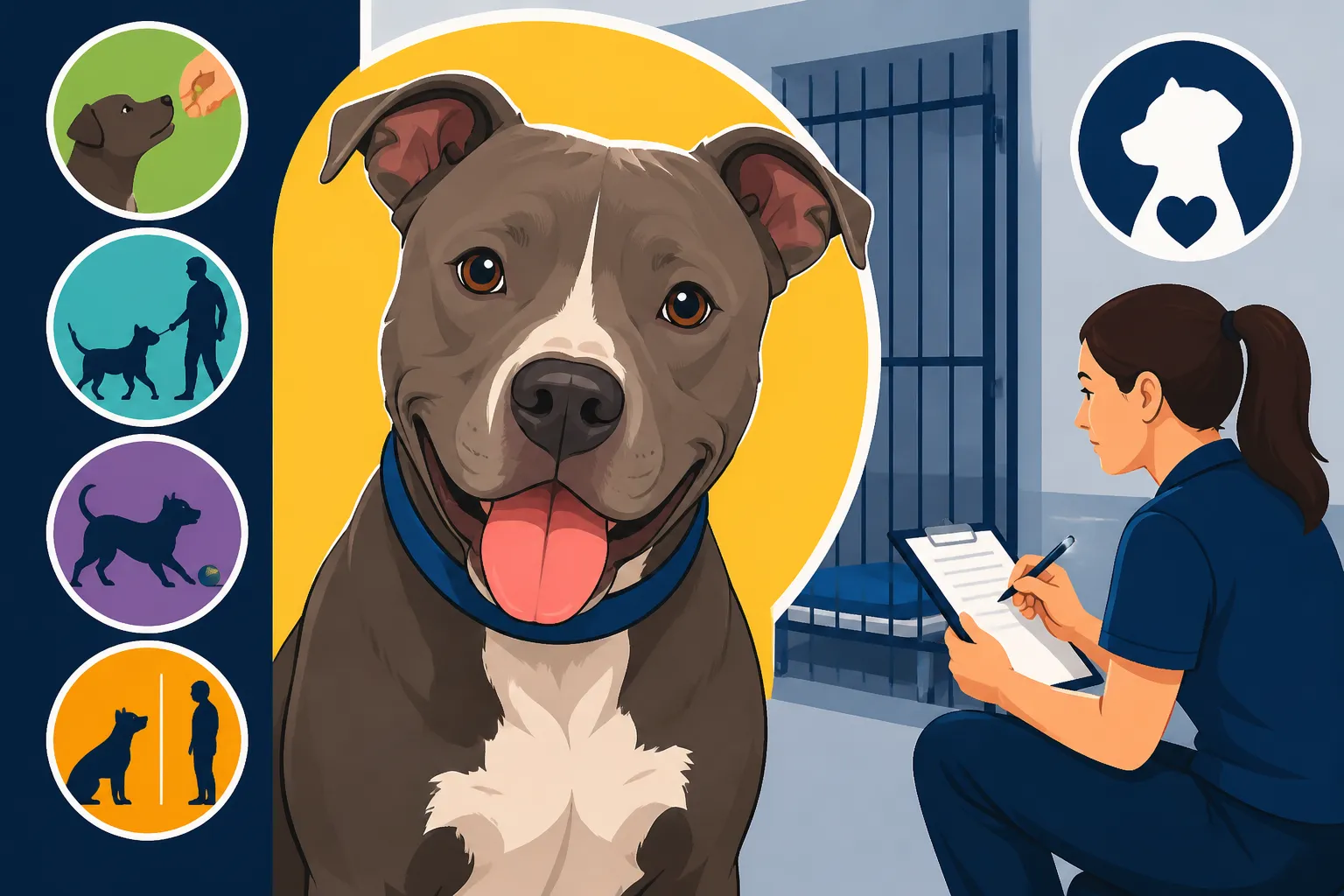
When a dog enters a shelter, especially a Pit Bull type dog, a behavior evaluation isn't just a quick peek into their kennel. It's a structured assessment designed to understand the dog's temperament, how they react to various stimuli, and how they might fit into a home environment. Think of it as a comprehensive personality test, but for a canine, and with much higher stakes. Shelters are trying to gauge everything from their sociability with people and other dogs, to their tolerance for handling, and their reactions to common household items or sounds.
The Purpose Behind the Process
The primary goal of a behavior evaluation is to ensure the safety of the dog, potential adopters, and the wider community. For Pit Bulls, who, rightly or wrongly, often attract extra attention due to their powerful build and certain stereotypes, this assessment takes on even greater significance. It's about more than just checking boxes; it’s about making informed decisions to prevent incidents and ensure successful adoptions. Shelter staff want to see beyond the initial kennel stress or shyness to understand the dog's true nature. They're looking for indicators of fear, anxiety, resource guarding, or reactivity that might pose challenges in a new home, and conversely, they're looking for signs of resilience, playfulness, and trainability. It’s a delicate balance, and often the staff are working with limited time and resources.
Distinguishing Evaluations from Training
It’s crucial to understand that a behavior evaluation is not a training session, nor is it designed to fix behavioral issues. Instead, it’s a snapshot of the dog's current behavior. While good evaluations might identify areas where training would be beneficial, their core purpose is diagnostic. It’s about assessing existing traits, not creating new ones. A dog might show some leash pulling during an evaluation, for example, which simply indicates that a new owner will need to work on Pit Bull Leash Manners and Physical Strength, rather than disqualifying the dog entirely. The evaluation helps the shelter place the dog in a home equipped to handle those specific needs, or to provide realistic expectations to potential adopters.
Why Are These Evaluations Especially Critical for Pit Bulls?
The breed-specific legislation (BSL) and general public perception surrounding Pit Bulls mean that shelters often approach their evaluations with an extra layer of caution and thoroughness. It’s an unfortunate reality that a dog labeled "Pit Bull" will often face more hurdles and more intense scrutiny than other breeds.
Navigating Public Perception and Stereotypes
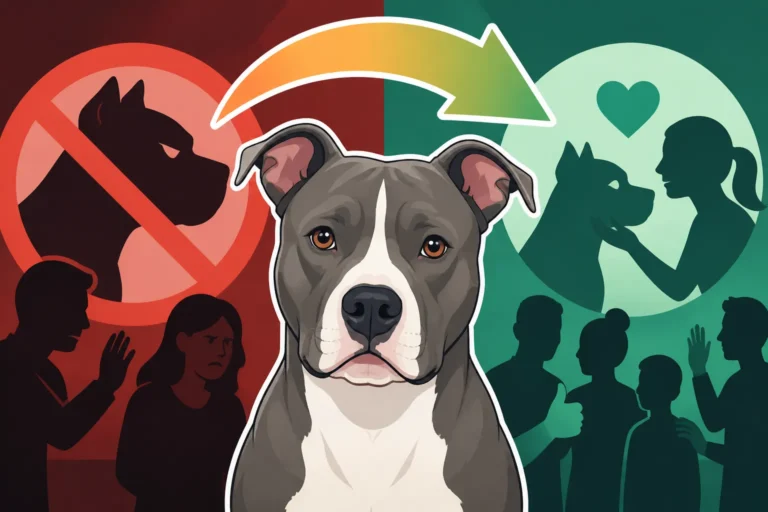
Let's be honest, Pit Bulls get a bad rap. Despite countless individual dogs being loving, gentle family members, the media often paints a different picture. This isn't fair to the dogs, but it's a reality that shelters must contend with. When a shelter labels a dog as a Pit Bull type, whether it’s an American Pit Bull Terrier, an American Staffordshire Terrier, or a mix, they know the adoption pool might shrink, and potential adopters might come in with preconceived notions. The behavior evaluation becomes a vital tool to showcase the individual dog's personality and challenge those stereotypes. It helps staff advocate for the dog, providing concrete examples of their friendliness, playfulness, or calm demeanor. It’s often the best chance a dog has to demonstrate Pit Bull Temperament and What Testing Shows beyond just their appearance.
The Impact of Breed Identification in Shelters
The very act of identifying a dog as a "Pit Bull" in a shelter can significantly impact its journey to a forever home. Visual identification alone isn't always accurate, and many dogs labeled as Pit Bulls are actually mixed breeds. Regardless, once that label is applied, the dog can face longer waits for adoption, specific housing restrictions for potential adopters, and even higher euthanasia rates in some areas. Why a Pit Bull Label Changes a Shelter Outcome is a very real concern. Therefore, the behavior evaluation serves as essential documentation. It provides objective (as much as possible) data about the dog's behavior, allowing shelters to counter negative stereotypes with real-world observations. It's about giving each dog a fair shot, regardless of what they look like or what breed they're perceived to be. This data can sometimes even help foster programs present these dogs more accurately to potential adopters.
What Does an Evaluation Typically Involve?
Behavior evaluations can vary widely between shelters, from informal observations to highly structured tests. However, there are common elements most reputable shelters will include to get a comprehensive picture of a Pit Bull's temperament.
Observation in the Kennel Environment
The evaluation often starts before the dog even leaves its kennel. How does the Pit Bull react when people approach its kennel? Do they bark excitedly, cower in the back, or wag their tail expectantly? Are they guarding their food or toys? These initial observations can give crucial clues about their baseline comfort level and how they handle new people in their space. A dog that is fearful or highly reactive in its kennel might need a different approach than one who is relaxed and friendly. These initial observations are important because kennel stress can often mask a dog's true personality, making it vital to get them into a less stressful environment for further testing.
Handling and Touch Sensitivity
A key part of any evaluation involves handling the dog. This tests their tolerance for various types of touch, which is crucial for vet visits, grooming, and everyday interactions in a home. Evaluators will typically check:
- Overall Body Handling: Gently petting, lifting paws, touching ears, tail, and muzzle. They'll observe if the dog leans into the touch, stiffens, tries to pull away, or even snaps. A dog that tolerates handling well is generally easier to live with and safer for families.
- Restraint and Manipulation: Simulating situations like a vet exam or nail trim. This might involve holding the dog briefly, checking their teeth, or gently tugging on their leash to see their response.
- Resource Guarding: This is a big one. Evaluators might offer a high-value treat or toy and then attempt to take it away or approach the dog while it's eating. A dog that growls, stiffens, or attempts to bite to protect resources needs a very specific type of home and experienced owners. For Pit Bulls, where bite statistics are often misconstrued, identifying resource guarding early is paramount for responsible placement.
This stage is vital for understanding a dog’s comfort with physical interaction and how they might react when their personal space or possessions are challenged. It’s not about provoking aggression but observing natural responses to common scenarios.
Interactions with People and Other Dogs
Understanding how a Pit Bull interacts with different individuals is critical. This usually involves several components:
- Stranger Acceptance: How does the dog react to unfamiliar people? Do they solicit attention, ignore them, or show fear/aggression? This might be tested with different staff members, or even volunteers, approaching calmly, offering treats, and engaging in gentle play. A dog that struggles with Getting a Pit Bull Used to Handling by Strangers might need a home committed to slow introductions and positive reinforcement.
- Play Style: Observing how the dog engages in play with toys or people can reveal a lot about their energy levels, bite inhibition, and general demeanor. Do they play gently or are they overly excitable or rough?
- Dog-to-Dog Introductions: For shelters with multiple dogs, carefully managed introductions to other calm, well-socialized dogs are often part of the evaluation. This isn't a free-for-all at a dog park, but a controlled environment to see if the Pit Bull shows appropriate greeting behaviors, play bows, or signs of dog-selectivity. Whether a Pit Bull Can Live With Another Dog is a common question, and these tests provide the best answer. A dog that is dog-selective, meaning they prefer certain canine companions over others, isn't necessarily aggressive but requires owners who understand how to manage these preferences.
- Tolerance of Noise and Sudden Movements: Evaluators might expose the dog to various sounds (loud noises, children's toys) or sudden movements to gauge their startle response and recovery time. A dog that recovers quickly is generally more resilient.
It's a nuanced dance, observing Reading Pit Bull Body Language Before a Greeting to ensure safety for everyone involved. Some shelters even use specialized equipment, readily available from retailers like Chewy, such as long lines or specific harnesses, to ensure control during these interactions.
Table: Common Behavior Evaluation Components and Observations
| Evaluation Component | What is Assessed | Positive Observation | Cautionary Observation |
|---|---|---|---|
| Kennel Presence | Initial reaction to people approaching | Relaxed, curious, soft tail wag | Excessive barking, cowering, lunging at bars |
| Handling/Touch | Tolerance for physical interaction | Leans into touch, allows paw/ear checks | Stiffens, pulls away, growls, snaps |
| Resource Guarding | Reaction to food/toy approach/removal | Shares willingly, allows approach | Growls, snaps, rigid body posture over item |
| Stranger Introduction | Reaction to unfamiliar people | Seeks attention, relaxed body, takes treats gently | Barks aggressively, hides, avoids contact |
| Dog-to-Dog Interaction | Sociability with other dogs | Play bows, loose body, mutual sniffing | Stiff body, hard stare, growls, attempts to mount/snap |
| Environmental Sounds | Reaction to sudden noises or movements | Startles, recovers quickly | Prolonged fear, panic, uncontrollable barking |
| Leash Manners | Basic obedience on a leash | Walks calmly, responds to cues | Pulls excessively, lunges, ignores handler |
Limitations and Controversies of Evaluations
Despite their best intentions, shelter behavior evaluations are not without their critics and limitations. One major point of contention is that a dog's behavior in a stressful shelter environment may not reflect its true personality in a calm home. A dog that is fearful or anxious in the kennel might be a perfectly sweet and calm companion once settled. Conversely, a dog that performs well in a structured test might still exhibit issues like separation anxiety or resource guarding once truly relaxed in a new environment.
Another controversy revolves around the subjectivity of the evaluators themselves and the specific protocols used. Different shelters might have different standards or interpretations of behavior, leading to inconsistent outcomes. The American Society for the Prevention of Cruelty to Animals (ASPCA) and other organizations have published guidelines to standardize evaluations, but variations persist. Ultimately, while these evaluations provide valuable insights, they are just one piece of the puzzle. An open mind from potential adopters, along with detailed conversations with shelter staff about the dog’s history and known behaviors, is always the best approach. After adoption, resources like Chewy can be invaluable for finding puzzle toys, durable chews, or comfort items to help a new Pit Bull adjust and thrive.
Adopting a Pit Bull is a commitment, and understanding the evaluations they undergo helps prepare you for a loving, long-term relationship. It's about seeing past the label and understanding the individual dog beneath.
Disclaimer
This article is for general informational purposes only and does not constitute professional advice. Laws, prices and regulations vary by location and change over time. Consult a qualified professional for guidance on your specific situation.