Entropion in a Pit Bull
It can be incredibly distressing to see your tough, resilient Pit Bull constantly rubbing their eyes, squinting, or producing excessive tears. What might seem like a simple irritation or seasonal allergy could actually be a painful genetic condition known as entropion, where an eyelid rolls inward, causing hair and eyelashes to chafe against the sensitive cornea. This guide aims to demystify entropion in Pit Bulls, equipping you with the knowledge to identify its signs early, understand the diagnostic process, and navigate the treatment options available to ensure your furry friend’s comfort and vision.
Understanding Entropion in Your Pit Bull
Entropion is a well-known ocular condition in dogs, but it often catches new Pit Bull owners off guard. It’s a structural issue, not just an irritation, and understanding its mechanics and why certain breeds are predisposed is the first step toward effective management.
What Entropion Is and How It Affects Eyes
Simply put, entropion is when a section of the eyelid — either the upper or lower, or sometimes both — folds inward towards the eyeball. Imagine having a constant eyelash stuck in your eye, but instead of just one, it’s a whole row of stiff hairs continuously scraping against the delicate surface of your cornea. This constant friction leads to chronic irritation, pain, and can cause a cascade of secondary issues.
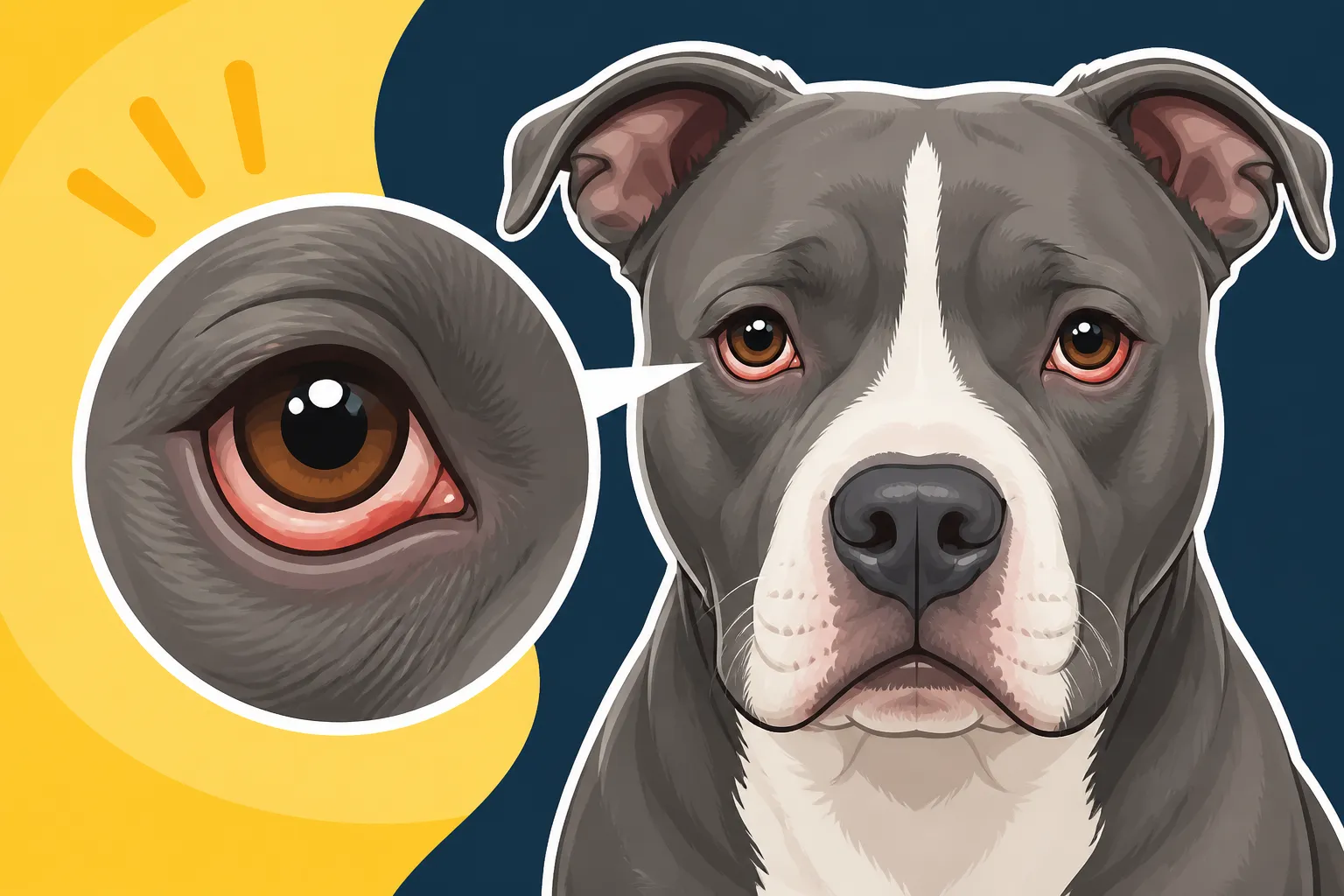
The immediate effects are usually visible: redness, excessive tearing (epiphora), and squinting (blepharospasm). Your dog is trying to protect their eye from the foreign sensation. Over time, however, this persistent rubbing can cause more severe problems. The cornea, the clear outer layer of the eye, can become ulcerated, scratched, or even pigmented in an attempt to protect itself, leading to vision impairment or, in severe, untreated cases, blindness. It’s a painful cycle that only worsens without intervention. This isn't just a cosmetic issue; it's a genuine welfare concern that impacts your dog's daily comfort and long-term eye health.
Why Pit Bulls Are Prone to Entropion
While entropion can occur in any dog breed, Pit Bull-type dogs, including American Pit Bull Terriers and American Staffordshire Terriers, are among those genetically predisposed to the condition. Their characteristic broad heads and deep-set eyes, combined with certain facial structures, can contribute to the way their eyelids sit. Often, it's not a singular factor but a combination of eyelid length, the muscle tension around the eye, and even the amount of fat or tissue surrounding the eyeball that creates the inward roll.
For Pit Bulls, the lower eyelid is most commonly affected, particularly the lateral (outer) aspect. However, some dogs can experience it in the upper eyelid or even develop a spastic entropion, which is an inward rolling caused by intense pain from another eye condition. It's often inherited, meaning if a Pit Bull’s parents or close relatives had entropion, there’s a higher chance their offspring will too. This makes knowing your dog's What a Pit Bull Health History Should Cover incredibly important, especially if you adopted them from a breeder or rescue organization. Reputable breeders will often screen for such conditions and avoid breeding affected dogs to reduce the prevalence in the breed line.
Spotting the Signs of Entropion Early
Catching entropion early can make a world of difference in preventing more serious complications and alleviating your Pit Bull's discomfort. It requires a keen eye and attention to subtle changes in their ocular health and behavior.
Common Visual Cues and Eye Irritation
The most obvious signs of entropion are usually visual and directly related to the constant irritation of the eye. You might notice your Pit Bull squinting frequently, especially in bright light or after waking up. Their eyes may appear watery, with tears constantly overflowing and staining the fur around their eyes, sometimes leading to a reddish-brown discoloration due to porphyrin in the tears. The whites of their eyes might look red or inflamed, and the eyelids themselves could appear swollen.
When you gently examine their eye, you might even be able to see the eyelid margin rolling inward, or the eyelashes touching the cornea. Sometimes, a thick, mucous discharge might be present, indicating a secondary bacterial infection developing due to the chronic irritation. If you see signs similar to Pit Bull Paw Licking and Chewing but concentrated around the face, it might be your Pit Bull trying to relieve the irritation. Don't confuse these with general eye boogers; entropion-related discharge is often more persistent and accompanied by other signs of discomfort. It's crucial not to dismiss these signs, even if they seem minor at first, as the underlying problem can be progressive and worsen over time.
Behavioral Changes That Signal Discomfort
Beyond the visible eye symptoms, your Pit Bull might exhibit behavioral changes that indicate they are in pain or discomfort. They might rub their face excessively with their paws or against furniture and carpets, trying to relieve the itching or irritation. This can further exacerbate the problem by introducing bacteria and potentially causing self-trauma to the delicate eye tissues.
You might also notice a decrease in their usual playful demeanor, or they might become more withdrawn or irritable, especially if their vision is compromised or they are in constant pain. A dog in chronic pain isn't a happy dog. For instance, if your typically energetic Pit Bull suddenly seems hesitant to play or engage in their usual activities, or if they start bumping into things, it could be a subtle sign of vision impairment. They may also be more sensitive to touch around their head or eyes. Any noticeable change in your dog's usual habits, especially when accompanied by the visual cues, warrants immediate veterinary attention. Their robust nature often means they'll try to hide discomfort, so these behavioral shifts are significant indicators.
Diagnosing and Treating Entropion
Once you suspect entropion, getting an accurate diagnosis from your veterinarian is the next critical step. Fortunately, there are effective treatment options available, ranging from temporary relief to permanent surgical correction.
The Veterinary Examination Process
When you take your Pit Bull to the vet for suspected entropion, the examination will typically be straightforward but thorough. Your veterinarian will visually inspect your dog’s eyes and eyelids, often using an ophthalmoscope to get a magnified view. They’ll look for the inward rolling of the eyelid, assess the degree of irritation to the cornea, and check for any secondary issues like conjunctivitis or corneal ulcers.
A fluorescein stain test is often performed to detect corneal ulcers. This involves applying an orange dye to the eye; if an ulcer is present, the dye will stick to the damaged area and glow under a blue light. This test is painless and quickly reveals the extent of corneal damage. Your vet might also use a Schirmer tear test to measure tear production, as sometimes dry eye can mimic or complicate entropion. The diagnostic process aims not only to confirm entropion but also to rule out other eye conditions, such as Pit Bull Cataracts and Eye Problems or foreign bodies, that might present with similar symptoms. In some cases, especially with young puppies, your vet might initially opt for temporary solutions to see if the pup grows out of it before considering surgery.
Surgical Solutions for Long-Term Relief
For most Pit Bulls with persistent or severe entropion, surgery is the definitive and most effective treatment. The goal of the surgery, known as blepharoplasty, is to remove a small, crescent-shaped piece of skin from the affected eyelid, which then tightens the lid and everts it (turns it outward) to its normal position. The procedure is typically performed under general anesthesia.
There are various surgical techniques, and your vet or a veterinary ophthalmologist will choose the best approach based on the individual characteristics of your dog's eye and the severity of the entropion. Sometimes, in younger puppies, a temporary eyelid tacking procedure might be performed. This involves placing sutures that temporarily pull the eyelid into the correct position, allowing the puppy to grow into their facial structure. If the entropion persists as they mature, a permanent surgical correction can then be performed.
Recovery generally involves wearing an Elizabethan collar (the "cone of shame") to prevent your dog from rubbing or scratching the surgical site, along with prescribed eye drops or ointments to prevent infection and reduce inflammation. While the idea of surgery can be daunting, especially when thinking about Pit Bull Surgery Costs From Hips to Teeth, it offers a long-term solution that significantly improves your Pit Bull's quality of life and prevents future pain and vision loss.
Non-Surgical Management and Temporary Relief
While surgery is often the best long-term solution, there are non-surgical approaches that can provide temporary relief, especially for puppies, or as a stop-gap measure while awaiting surgery. These methods primarily focus on protecting the eye and reducing irritation.
Your vet might prescribe lubricating eye drops or artificial tears to help create a barrier between the rough hairs and the cornea, reducing friction. Antibiotic eye drops or ointments may be used if there's a secondary bacterial infection present, which is common with chronic irritation. Topical corticosteroids might also be prescribed to reduce inflammation, but these must be used cautiously and only under veterinary supervision, as they can worsen corneal ulcers. For puppies, a technique called eyelid tacking can be used. This involves placing temporary sutures to pull the eyelid into a more normal position, allowing the puppy's face to grow and hopefully correct the issue naturally without permanent surgery. This temporary solution often buys time to see if the entropion resolves as the puppy matures. It’s important to understand that these non-surgical methods manage symptoms, but they don't correct the underlying anatomical problem. They can offer comfort, but for a permanent fix, surgery is typically needed.
Post-Operative Care and Financial Considerations
Having your Pit Bull undergo surgery for entropion is a significant step, and proper post-operative care is crucial for a successful outcome. It’s also wise to be prepared for the financial aspects involved, even with the best intentions.
Ensuring a Smooth Recovery at Home
The period immediately following entropion surgery is vital for healing and preventing complications. Your Pit Bull will likely come home with an Elizabethan collar (E-collar), which is non-negotiable for protecting the surgical site. This cone prevents them from rubbing or scratching their eyes, which could dislodge sutures, introduce infection, or cause further damage. It might be annoying for your dog, but it's essential for their recovery.
You’ll typically need to administer prescribed eye drops or ointments for a week or two, which help prevent infection and manage inflammation. Make sure to follow your vet’s instructions precisely regarding dosage and frequency. Keep the surgical area clean and dry, gently wiping away any discharge with a sterile saline solution and gauze, as instructed by your vet. You’ll need to monitor the incision site for any signs of infection, such as excessive redness, swelling, unusual discharge, or a foul odor, and report these to your vet immediately. Most vets will schedule a follow-up appointment within 10-14 days to remove sutures and check on the healing process. During this time, limit strenuous activity to prevent any accidental trauma to the healing eye. Keeping your Pit Bull calm and comfortable is key to a smooth recovery.
Budgeting for Entropion Treatment
The cost of treating entropion in a Pit Bull can vary widely depending on the severity of the condition, whether it affects one or both eyes, the specific surgical technique used, and the veterinary clinic's location. A full surgical correction, including pre-operative bloodwork, anesthesia, the procedure itself, medications, and follow-up visits, can range from a few hundred dollars to upwards of two thousand dollars per eye. This doesn't include potential costs for managing secondary infections or corneal ulcers prior to surgery.
It’s always a good idea to get a detailed estimate from your veterinarian before proceeding. Many Pit Bull owners find that pet insurance, like plans offered by Healthy Paws, can be incredibly helpful in mitigating these unexpected costs. If you enrolled your Pit Bull in a comprehensive pet insurance plan before the condition was diagnosed, it could cover a significant portion of the surgical expenses, making a huge difference in your financial planning. Even without insurance, discussing payment plans with your vet or exploring options like CareCredit can help make the necessary treatment more accessible. While Pit Bull Pet Insurance and Breed Exclusions can be a concern, many reputable providers offer coverage for treatable conditions like entropion. Being prepared for the financial aspect allows you to make the best decisions for your Pit Bull's health without undue stress. For a deeper dive into financial preparedness, consider reading about What a Pit Bull Costs Across Its Whole Life.
| Treatment Type | Description | Pros | Cons |
|---|---|---|---|
| Lubricating Eye Drops | Artificial tears or gels applied to the eye. | Provides immediate, temporary relief from friction; inexpensive. | Does not correct the underlying issue; requires frequent application. |
| Antibiotic Eye Drops | Medicated drops to treat secondary bacterial infections. | Clears up infections; reduces inflammation. | Only treats secondary issues, not entropion itself; prescription needed. |
| Eyelid Tacking | Temporary sutures placed to evert the eyelid, often for puppies. | Minimally invasive; allows puppy to grow; sometimes permanent solution. | Not always effective long-term; requires removal of sutures. |
| Surgical Blepharoplasty | Permanent removal of skin to reshape the eyelid. | Definitive, long-term solution; prevents further corneal damage. | Invasive; requires general anesthesia; higher cost; post-op care needed. |
Disclaimer
The information provided in this article is for general educational purposes only and is not a substitute for professional veterinary advice. Always consult with a qualified veterinarian for any health concerns or before making any decisions related to your Pit Bull's medical care.