The DNA Panel Worth Running on a Rescue Pit Bull
Bringing a rescue Pit Bull home is an incredibly rewarding experience, but it often comes with a big question mark hanging over their head: what exactly is their background? Many of us fall in love with a sweet face at the shelter, only to be told they’re a “Pit Bull mix” or simply a “Pit Bull type,” leaving us with little to no idea about their true genetic makeup, potential health predispositions, or even inherited behavioral traits. This lack of information can be frustrating and even a bit worrying. This comprehensive guide is here to shed light on why a DNA panel isn't just a fun novelty for your rescue Pit Bull, but a powerful tool that offers invaluable insights, peace of mind, and a roadmap for their best possible care.
Why a DNA Panel is More Than Just a "Breed Reveal" for Your Rescue Pit Bull
When you adopt a rescue, especially one labeled as a "Pit Bull," you're often stepping into a beautiful unknown. While the love is instant, the practicalities of understanding their needs can be a real puzzle. A DNA panel doesn't just satisfy curiosity; it's a foundational step in becoming the most informed and proactive advocate for your beloved companion.
Unraveling the Mystery of "Pit Bull Type" Labels
Let's be real: the term "Pit Bull" is incredibly confusing, isn't it? It's not actually a single breed, but rather a catch-all term for several breeds with similar physical characteristics, predominantly the American Pit Bull Terrier, American Staffordshire Terrier, and sometimes even the Staffordshire Bull Terrier or the American Bully. Shelters, bless their hearts, do their best, but relying on visual identification alone to determine a dog's breed is notoriously inaccurate. What looks like a "Pit Bull" to one person might be a Boxer mix or even a Labrador mix to another.
This ambiguity creates a ton of headaches for owners. You might be told your sweet rescue is a "Pit Bull," but without a DNA test, you really don't know if that's accurate or if they're actually a mix of several different breeds. This uncertainty can cause real anxiety, especially when you encounter Where Pit Bull Legislation Still Applies or struggle with finding housing or insurance. A DNA test provides concrete, scientific data that can challenge vague labels and give you a clear understanding of your dog's actual genetic heritage. It brings clarity to a label that has caused so much strife and misunderstanding.
Knowing the exact breed percentages from a reputable DNA panel helps you understand that Why Pit Bull Is a Type and Not a Breed is more than just semantics—it's about accuracy. When a shelter labels a dog as a Pit Bull, it's usually based on visual assessment, which, as studies have shown, is often incorrect. Imagine finding out your "Pit Bull" is actually 50% Labrador Retriever and 25% Boxer, with only a small percentage of American Staffordshire Terrier. This information can totally change perceptions and open doors that might have been closed by a generic label.
Beyond Breed: Identifying Genetic Health Predispositions
This is where DNA testing truly shines, moving beyond mere curiosity to critical health management. Every breed, like people, has a genetic blueprint that can unfortunately carry predispositions to certain health conditions. Pit Bull types are no exception, and neither are the various breeds that often make up a "Pit Bull mix." Knowing these predispositions isn't about doom and gloom; it's about empowerment.
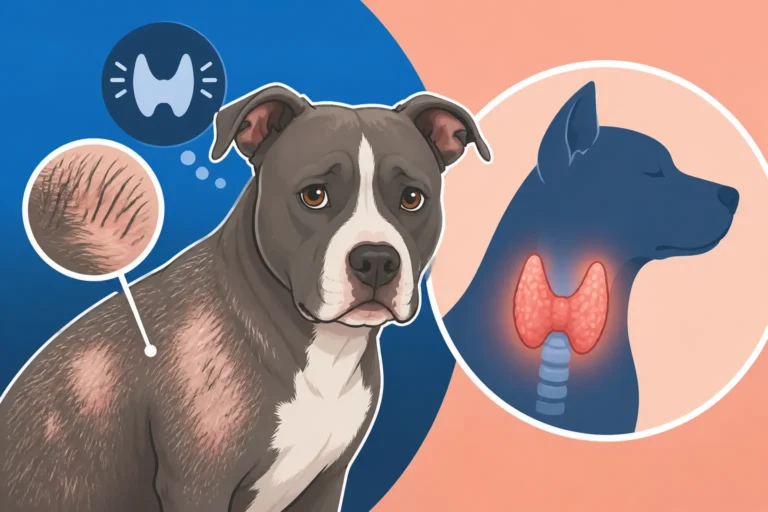
For instance, many larger, athletic breeds, including Pit Bull types and their common mixes, can be prone to joint issues like Pit Bull Hip Dysplasia Showing at One to Two Years or Pit Bull Elbow Dysplasia and Front End Lameness. Others might carry markers for certain heart conditions or Pit Bull Heart and Thyroid Conditions. Skin conditions, such as Pit Bull Skin Allergies and the Atopy Pattern, are also incredibly common in the broader bully breed family. Without a DNA panel, these potential issues remain hidden, only to surface later, often after significant discomfort for your dog and unexpected veterinary bills for you.
With DNA results in hand, you can have a much more informed conversation with your veterinarian. You can discuss proactive screening protocols, specific dietary considerations, appropriate exercise regimens, and even potential preventive measures. For example, if your dog carries a marker for hip dysplasia, your vet might recommend specific joint supplements earlier in life or suggest less impact-intensive exercise. This kind of foreknowledge can be a game-changer for your dog's long-term health and can help you create a comprehensive What a Pit Bull Health History Should Cover from the start. It also helps you budget for future care, and some pet insurance providers, like Healthy Paws, appreciate owners who are proactive about their dog's health, even if they don't cover the DNA test itself.
Understanding Behavioral Tendencies and Training Needs
Behavior is a complex interplay of genetics, environment, and training, but genetics absolutely lay a foundation for certain tendencies. While no DNA test can predict your dog's exact personality, knowing the breeds in their makeup can offer valuable clues about their inherent drives and needs. Pit Bull types, for example, are often celebrated for their intense focus and athletic drive, but they can also have high prey drives or be prone to Pit Bull Dog Selectivity and Multi-Dog Homes later in life.
If your DNA panel reveals a strong terrier component, you might anticipate higher energy levels and a stronger instinct for digging or chasing small animals. If there's a significant bully breed percentage, you might focus more intently on early, consistent socialization and polite leash manners. This isn't about stereotyping your dog; it's about understanding what might come naturally to them and then tailoring your training and management strategies accordingly. For instance, if you discover your dog has breeds known for high energy, you know they'll need more than just a quick walk around the block. They might thrive with activities like agility, scent work, or consistent mental enrichment through puzzle toys.
Understanding these predispositions allows you to be a more effective trainer and a more empathetic owner. You can proactively address potential challenges, like a strong pulling instinct on the leash or a tendency towards guarding resources, rather than reacting to them when they become ingrained behaviors. It helps you design a training program that truly meets their needs, such as focusing on Recall Training a Pit Bull From Scratch with breeds known for independence, or prioritizing impulse control around other dogs. This nuanced understanding can alleviate many frustrations and build a stronger bond with your unique rescue dog.
Choosing the Right DNA Panel for Your Pit Bull
So, you're ready to unlock the secrets of your Pit Bull's DNA – fantastic! But walking into the world of canine DNA testing can feel a bit overwhelming with all the options out there. It's not just about picking the first one you see; it's about choosing a reputable service that provides comprehensive and accurate information.
Key Features to Look For in a DNA Testing Service
When you're sifting through options for your rescue Pit Bull, think of it like researching a major purchase for yourself. You want quality, reliability, and excellent support. Two of the most widely recognized and reputable companies in canine DNA testing today are Embark and Wisdom Panel. They've built their reputations on extensive breed databases and scientific rigor.
First and foremost, look for comprehensiveness. You don't just want a breed breakdown; you want genetic health screening, trait analysis, and often, family tree insights. A top-tier panel will test for hundreds of genetic health conditions, not just a handful. For instance, many Pit Bull types and common mixes are predisposed to conditions like degenerative myelopathy or certain heart conditions, so you want a test that screens for these specific issues. You also want a test that offers a detailed breakdown of coat color genetics, adult size predictions, and even physical traits like ear floppiness or tail curl.
Accuracy and database size are paramount. These companies continuously expand their genetic reference panels, which means their ability to accurately identify breeds and pinpoint specific genetic markers improves over time. A larger, more diverse breed database allows for more precise identification, especially for truly mixed-breed dogs or those with less common ancestral breeds. Be wary of tests that are significantly cheaper or promise results too quickly without detailing their scientific process. You're investing in valuable information, so ensure the science behind it is solid. Finally, consider the user-friendliness of their reports. A good DNA service will present its findings in an easy-to-understand format, with clear explanations of health risks, breed percentages, and what all that information means for your specific dog.
Understanding the Different Types of Information Provided
Once you get those exciting results, you'll find a wealth of information. It can be a lot to digest, but understanding the categories will help you make sense of it all.
Breed Breakdown
This is often the most anticipated part for owners of rescue dogs. Your report will show a percentage breakdown of all the breeds identified in your dog's DNA. It usually goes back several generations, showing an ancestral tree that illustrates which breeds contributed to your dog's genetic makeup. You might see a strong percentage of American Staffordshire Terrier, some Boxer, a dash of Great Dane, and even a small amount of an unexpected breed like German Shepherd or Border Collie. This detailed breakdown can be incredibly enlightening, especially if your dog was generically labeled as a "Pit Bull mix." It gives you specific breeds to research and understand, replacing assumptions with facts. This information is crucial, as Whether a DNA Test Settles the Pit Bull Question is often asked, and it truly provides a concrete answer regarding breed composition.
Health Markers
This section is arguably the most important. Genetic health screenings look for specific gene mutations associated with inherited diseases. The results will typically tell you if your dog is clear (meaning they don't carry the mutation and won't develop the disease due to this specific gene, nor will they pass it on), a carrier (meaning they have one copy of the mutation and won't develop the disease themselves but could pass it on to offspring), or at-risk (meaning they have two copies of the mutation and are likely to develop the disease, or have a significantly increased risk).
For a rescue Pit Bull, knowing they are at risk for something like a specific cardiomyopathy or a form of progressive retinal atrophy allows you to discuss early screening and preventative strategies with your vet. If they are a carrier for something, it's good to know for future breeding decisions (though most rescues are spayed/neutered), or simply for awareness if they ever need medical care. This information helps your vet tailor preventive care and decide on diagnostic tests, especially if you want to be thorough in creating their What a Pit Bull Health History Should Cover.
Trait Analysis
Beyond health and breed, DNA panels also delve into fun and interesting physical traits. This might include predicting your dog's adult weight, explaining why they have a short or long coat, what color their nose or eyes are, or even if they're predisposed to shedding more or less. You might discover why your "Pit Bull" has a curly tail if they have a Pug ancestor, or why they have blue eyes with a hint of Husky DNA. While these traits aren't typically health-critical, they add another layer to understanding your unique companion and can be helpful for things like grooming expectations or even sizing up for a harness that fits a broad Harness Fit Across a Broad Pit Bull Chest.
Here’s a comparison of two popular DNA test kits:
| Feature | Embark for Breed & Health | Wisdom Panel Essential |
|---|---|---|
| Price (Approx.) | $129-$199 | $99-$129 |
| Breeds Tested | 350+ | 350+ |
| Genetic Health Tests | 250+ diseases | 25+ diseases |
| Trait Insights | 35+ physical traits | 20+ physical traits |
| Genetic Diversity | Yes | No |
| Turnaround Time | 2-4 weeks | 2-3 weeks |
| Vet Report Included | Yes | Yes |
| Family Tree | Yes | Yes |
Note: Prices and features can vary, always check the provider's website for the most current information.
What to Do With Your Pit Bull's DNA Results
Getting those email notifications that your Pit Bull's DNA results are ready is a moment of pure excitement and sometimes a little apprehension. But once you've poured over the percentages and scrolled through the health markers, the big question is: now what? This isn't just a fun fact sheet to show off; it's a powerful tool to guide your dog's care.
Partnering with Your Veterinarian for Proactive Care
The very first and most crucial step after receiving your DNA results is to share them with your veterinarian. Think of these results as a personalized instruction manual for your dog's health. Your vet can interpret the genetic health markers within the context of your dog’s overall physical exam, lifestyle, and any symptoms they may (or may not) be showing. They are the expert who can translate genetic predispositions into actionable health strategies.
For example, if the DNA panel indicates a higher risk for Pit Bull Hip Dysplasia Showing at One to Two Years, your vet might recommend specific X-rays earlier than usual, suggest a tailored joint supplement regimen, or advise on weight management to lessen joint strain. If there's a predisposition to certain Pit Bull Heart and Thyroid Conditions, your vet might recommend more frequent cardiac screenings, baseline bloodwork for thyroid function, or specific dietary adjustments. This proactive approach can lead to earlier detection, better management, and potentially a higher quality of life for your Pit Bull. Remember, these results are not a diagnosis, but rather a guide for your vet to build a truly customized health plan. It’s also important to note that proactive health management like this can sometimes even influence discussions about pet insurance, like those offered by Healthy Paws, although they generally don't cover the cost of the DNA test itself.
Tailoring Training and Management Strategies
Beyond health, the breed breakdown in your DNA results can offer incredibly useful insights into your Pit Bull’s innate behaviors and energy levels. This allows you to tailor your training and daily management to better suit their natural tendencies, leading to a happier, better-adjusted dog and a less frustrated you!
For instance, if your results show a strong percentage of working breeds like herding dogs or high-drive terriers mixed into your Pit Bull, you’ll know they likely need more than just casual walks. They might thrive on structured activities that engage both their body and mind, like advanced obedience, agility, or scent work. If the results highlight breeds known for strong prey drive, you'll understand why your dog might be extra focused on squirrels on walks and can implement management strategies like using a secure long line in open areas or focusing intensely on Recall Training a Pit Bull From Scratch.
Similarly, if your dog's genetic makeup includes breeds known for being more independent or having a tendency towards Pit Bull Dog Selectivity and Multi-Dog Homes, you can proactively work on polite greetings, management in multi-dog environments, and continued socialization under strict supervision. This isn't about boxing your dog into a stereotype, but rather about understanding their predispositions so you can channel their natural instincts positively and provide the right outlets for their energy and intelligence. It allows you to anticipate potential challenges and set your dog up for success with appropriate training and a fulfilling environment.
Advocating for Your Pit Bull in the Community
Sadly, Pit Bulls and Pit Bull types often face unfair stigma and breed-specific legislation. Your DNA results can become a powerful tool for advocacy, helping you educate others and challenge misconceptions about your individual dog.
If you live in an area with Where Pit Bull Legislation Still Applies or encounter landlords, HOAs, or even insurance companies with breed restrictions, a DNA panel can provide concrete evidence of your dog's actual genetic makeup. Imagine being able to show that your dog, while visually resembling a "Pit Bull," is predominantly a mix of Labrador Retriever, Bulldog, and something else entirely, with only a minor percentage of a restricted breed, or even none at all. This data can open doors that might otherwise be closed, allowing you to secure housing or obtain insurance without the blanket breed discrimination. It provides objective information that can help shift perspectives from fear to understanding.
Even if you don't face direct legislative challenges, being able to articulate your dog's specific breed components can help you educate friends, family, and strangers. It allows you to move beyond the generic "Pit Bull" label and talk about your unique dog's specific heritage and the wonderful traits that come with it. It empowers you to be a responsible owner who understands their dog thoroughly and can advocate for them effectively, helping to promote a more positive and accurate image for your cherished companion in the community.
Addressing Common Questions and Misconceptions
It’s completely normal to have a ton of questions swirling around DNA testing, especially when it comes to Pit Bulls. There's a lot of information out there, and sometimes, a lot of misinformation too. Let's clear up some of the common confusions.
Do DNA Results Always Match Visual Identification?
Here’s the thing that surprises a lot of people: often, they don't! The human eye, no matter how experienced, is incredibly unreliable when it comes to accurately identifying a dog's breed, especially if it's a mix. What we perceive as a "Pit Bull look" can actually be the result of a combination of physical traits from several different breeds. This is why it's so common for shelters to label a dog as a "Pit Bull type" or "Pit Bull mix" based solely on phenotype (their physical appearance) rather than their actual genotype (their genetic makeup).
You might have a dog that looks every inch a classic Pit Bull—the blocky head, the muscular build, the short coat—only to find their DNA panel reveals they are primarily a Boxer, American Bulldog, and maybe some unknown super-mutt, with a surprisingly small percentage of actual American Pit Bull Terrier or American Staffordshire Terrier. Conversely, a dog that doesn't scream "Pit Bull" at first glance might have a significant amount of those breeds in their DNA. This discrepancy highlights How Shelters Decide a Dog Is a Pit Bull and why these visual assessments, while well-intentioned, can lead to mislabeling. DNA testing cuts through this visual bias, providing an objective genetic truth that can be incredibly validating and informative for owners.
The Cost-Benefit of DNA Testing
Let's be honest, canine DNA tests aren't free, and the cost can be a consideration. A comprehensive test, like those offered by Embark or Wisdom Panel, can range from $100 to $200. Is it worth it? For many rescue Pit Bull owners, the answer is a resounding yes, because the benefits far outweigh the upfront expense in the long run.
Think about it this way: the peace of mind alone is invaluable. Knowing your dog's genetic health predispositions allows for proactive care, which can potentially catch issues early before they become major, costly problems. For example, if you know your dog is predisposed to certain joint issues, you might start joint supplements earlier, adjust their exercise routine, or get regular screenings. This preventative approach could save you thousands in emergency or advanced treatment down the line. It also helps you manage long-term conditions more effectively, reducing discomfort for your dog and stress for your wallet.
Beyond health, the behavioral insights can lead to more targeted and effective training, preventing behavioral issues that might otherwise require expensive professional trainers. It helps you understand your dog's true needs, leading to a more harmonious household. For owners facing breed restrictions, the DNA results can be the key to securing housing or insurance, preventing the huge costs and heartache associated with displacement. While pet insurance companies like Healthy Paws typically don't cover the cost of the DNA test itself, they are there to help with unexpected vet bills once a condition manifests, making proactive DNA testing a smart complementary tool. It’s an investment in knowledge that supports a lifetime of informed care.
What About Mixed Ancestry and Health Predictions?
Many rescue Pit Bulls are, indeed, wonderful mixes of several breeds, and that’s a beautiful thing. There's a concept called "hybrid vigor," which suggests that mixed-breed dogs can sometimes be healthier than purebreds because they benefit from a broader gene pool, theoretically making them less susceptible to the genetic conditions that can plague specific inbred lines.
However, "hybrid vigor" doesn't mean mixed breeds are immune to inherited diseases. Your dog can still inherit genetic predispositions from any of the breeds in their lineage. If your dog is 10% Labrador Retriever and that 10% happens to carry a gene for a specific heart condition, they still have a risk of developing it. The percentage of a "risk breed" in their DNA doesn't necessarily dictate the level of risk; it simply confirms the presence of that genetic material. A DNA panel helps identify these specific markers, regardless of the percentage, giving you a clearer picture of their individual genetic susceptibilities.
It’s important to remember that a DNA result is about predispositions and probabilities, not certainties. Being "at-risk" doesn't mean your dog will get the disease, just that their genetic makeup indicates a higher likelihood. Conversely, being "clear" doesn't mean they are invincible; environmental factors, diet, and general aging still play huge roles in overall health. The results provide valuable pieces of the puzzle, allowing you and your vet to make the most informed decisions possible about your amazing, one-of-a-kind rescue Pit Bull.
Disclaimer
This article is for general informational purposes only and does not constitute professional advice. Laws, prices and regulations vary by location and change over time. Consult a qualified professional for guidance on your specific situation.