Finding a Vet Comfortable With Pit Bulls
It's a frustrating, often disheartening experience for many Pit Bull owners: trying to find a veterinarian who genuinely understands and appreciates their dog, rather than just tolerating them or, worse, subtly judging them. We all want a vet who sees our beloved companion as an individual first, and a breed second, one who prioritizes their health and well-being above any tired stereotypes. This guide is here to walk you through how to confidently find a vet comfortable with Pit Bulls, ensuring your dog gets the compassionate, expert care they deserve.
The Unique Challenge of Finding a Pit Bull Friendly Vet
Let's be honest, walking into some veterinary clinics with a Pit Bull can feel like walking on eggshells. You’re often bracing yourself for thinly veiled judgment, extra scrutiny, or even outright refusal of service. This isn't just in your head; it's a very real hurdle many Pit Bull owners face, and it stems from a complex mix of outdated perceptions and a lack of specific experience with these wonderful dogs.
Overcoming Breed Stereotypes and Bias
The unfortunate truth is that Pit Bulls, or dogs perceived as such, carry a heavy burden of public misconception. News stories, breed-specific legislation, and fear-mongering have painted a picture that is far from the reality many owners know. This bias can seep into professional environments, including veterinary practices. You might encounter receptionists who seem hesitant, or vets who approach your dog with an overly cautious or even fearful demeanor. This isn't about your dog's actual behavior; it's about preconceived notions that have nothing to do with their sweet, goofy, or sometimes anxious personality. It's a frustrating reality to navigate when all you want is quality healthcare for your furry family member. Imagine calling a clinic and being met with a curt, "We don't treat those types of dogs here," or having staff visibly tense up as you walk through the door. This kind of interaction undermines trust and makes you question if your dog will truly receive objective care.
The Importance of a Non-Judgmental Practice
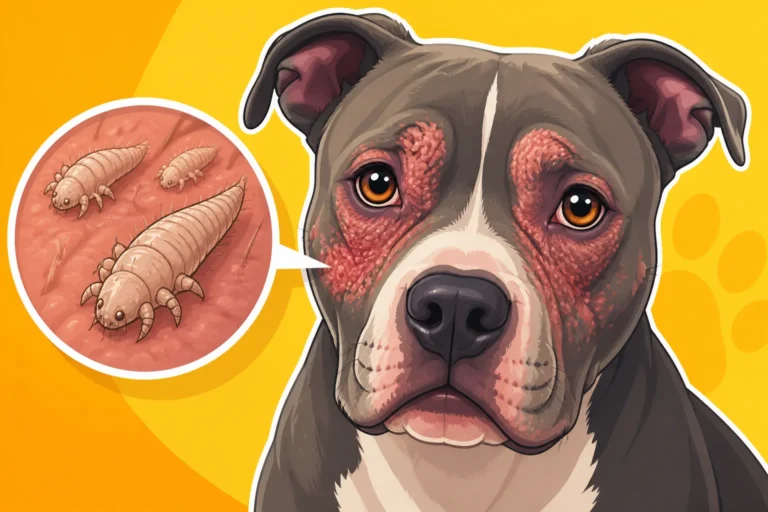
A veterinary practice that approaches every animal with an open mind and a focus on individual care is paramount, especially for Pit Bulls. When a vet and their staff are non-judgmental, it creates a safe space for you to openly discuss all aspects of your dog's health and behavior without fear of misinterpretation or blame. This open communication is absolutely crucial. If you feel like your vet is already prejudiced against your dog because of their appearance, you might hesitate to mention a minor behavioral change or a new lump, fearing it will be unfairly attributed to their breed. A truly compassionate vet understands that a dog's health is a partnership between them and the owner. They should see past the "Pit Bull" label to recognize your dog's specific needs, whether that's addressing Pit Bull Skin Allergies and the Atopy Pattern or providing appropriate advice on managing their diet. Without this foundation of trust, you can't be sure your dog is getting the best possible care, and that's a disservice to both of you.
Key Qualities of a Compassionate Pit Bull Veterinarian
Once you start looking, it helps to know exactly what you're seeking in a veterinary team. It's not just about a friendly face; it's about a deep understanding and specific competencies that cater to the unique needs of powerful, often misunderstood, breeds like Pit Bulls.
Experience with Muscular, Strong-Willed Breeds
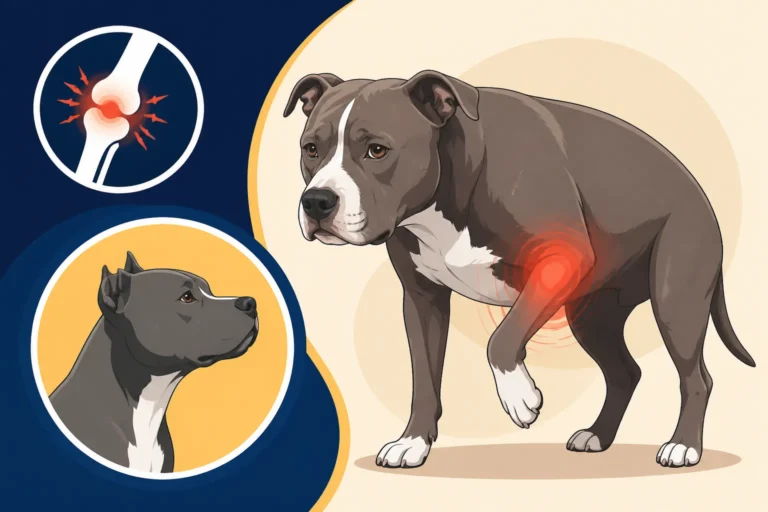
Pit Bulls are robust, athletic dogs, and their physical makeup can influence their veterinary care. A vet experienced with these types of breeds will understand things like their natural stoicism, which can sometimes mask pain or discomfort, making diagnosis trickier. They'll also be comfortable with their physical strength when it comes to handling for examinations, blood draws, or nail trims. It’s a completely different experience to safely restrain a 60-pound Pit Bull for a procedure than a smaller, less powerful dog. This experience means they know how to approach your dog in a way that minimizes stress and fear, often utilizing positive reinforcement and gentle handling techniques. They'll also be attuned to specific breed-related health concerns, like being proactive about potential Pit Bull Hip Dysplasia Showing at One to Two Years or considering how Anesthesia and Muscle Mass in a Pit Bull might require adjusted protocols for surgeries or dental cleanings. This isn't about giving your dog "special" treatment, but appropriate treatment based on their physical and behavioral characteristics.
Open-Mindedness and a Focus on the Individual Dog
Perhaps the most critical quality is a veterinarian's genuine open-mindedness. This means they will assess your dog based on who they are — their temperament, their specific medical history, and their unique personality — rather than falling back on generalizations about "Pit Bulls." They understand that every dog is an individual, just like every person. A good vet will engage with you to understand your dog's home environment, their habits, and your concerns, creating a tailored care plan. They won't assume your dog is aggressive because of their jaw shape, or attribute a skin issue solely to breed without proper investigation. For instance, when discussing something like Pit Bull Ear Infections and What Drives Them, an open-minded vet will explore all potential causes, from allergies to environmental factors, rather than jumping to conclusions. This personalized approach ensures accurate diagnoses and effective treatments, fostering a sense of trust and partnership crucial for long-term health management.
Excellent Communication and Educational Approach
A truly great vet for your Pit Bull will also be an excellent communicator and educator. They should take the time to explain diagnoses, treatment options, and preventive care in a way that you can easily understand, avoiding overly technical jargon. They should be patient with your questions and willing to explore all avenues of care, respecting your decisions as the primary caregiver. This also includes discussing sensitive topics with empathy and clarity, such as when your dog might be slowing down and you’re contemplating The Hardest Call a Pit Bull Owner Makes. They should empower you with knowledge about your dog's health, offering insights into things like proper nutrition to maintain a healthy Pit Bull Weight and Muscle on a Working Frame, or the nuances of managing chronic conditions. A vet who sees you as a partner in your dog's health journey, providing transparent information and supportive guidance, is invaluable.
Practical Steps to Vetting a Veterinary Clinic
Finding the right vet doesn't have to be a shot in the dark. There are concrete steps you can take to assess potential clinics and ensure they align with your values and your Pit Bull's needs.
Initial Phone Call and Clinic Website Review
Before you even step foot in a clinic, a little legwork can save you a lot of time and potential heartache. Start with a phone call. This is your chance to ask some crucial questions. Don't shy away from being direct. Ask: "Do you treat Pit Bulls?" and "Are there any breed restrictions or specific policies for these types of dogs?" Pay attention to the tone of the receptionist; do they sound welcoming and knowledgeable, or hesitant and uncomfortable?
Here are some questions to consider asking during that initial call:
| Question Category | Specific Questions to Ask | What to Listen For / Look For |
|---|---|---|
| Breed Acceptance | "Do you have any breed restrictions for dogs, specifically Pit Bull type dogs?" | A clear "No, we treat all dogs," or a positive, confident response. Any hesitation or a "let me check" might signal potential issues. |
| "How much experience do your vets and staff have with powerful, muscular breeds like Pit Bulls?" | Look for confidence and specific examples if possible, like "Our team is highly experienced with all breeds, including strong ones." | |
| Handling Protocol | "What are your standard handling protocols for large or strong dogs during exams, blood draws, or procedures?" | They should mention positive reinforcement, gentle handling, and minimizing stress. Avoid clinics that immediately jump to forceful restraint. |
| Clinic Atmosphere | "What is the general atmosphere like in your waiting room? Is it usually busy, and do you have separate waiting areas for dogs that need more space?" | Helps assess stress levels for your dog. A calm environment or options for separate waiting can be a huge plus. |
| Communication | "How do you involve owners in decision-making for their pet's care, and how do you handle questions or concerns?" | Should emphasize partnership, clear explanations, and being available for questions. |
| Emergency Care | "How do you handle urgent care situations during and outside of business hours?" | Clear instructions for emergencies, whether they handle them in-house or refer to an emergency clinic. Understanding Emergency Signs That Cannot Wait in a Pit Bull is crucial here. |
In parallel, check their website and social media. Look for photos of a diverse range of breeds, including Pit Bulls or similar-looking dogs. Read their mission statement and "About Us" sections. Do they emphasize compassionate, inclusive care? Are there positive testimonials from other large-breed owners? Sometimes, clinics will subtly signal their openness (or lack thereof) through their online presence. You might even find local online groups for Pit Bull owners that can offer recommendations for "Pit Bull friendly vets near me."
The "Meet and Greet" Visit Without Your Dog
Once you've narrowed down a few possibilities, schedule a "meet and greet" where you go to the clinic without your dog. This allows you to observe the environment, staff, and overall vibe without the added stress of managing your Pit Bull. Pay close attention to:
- Reception Area: Is it clean, organized, and welcoming? How do the receptionists interact with other clients and their pets?
- Staff Demeanor: Do the staff members seem calm, friendly, and genuinely happy in their roles? Do they make eye contact and smile?
- Waiting Room Dynamics: Is it chaotic or orderly? Are there signs of staff being overwhelmed? This can tell you a lot about how they manage patient flow and potentially stressful situations.
- Questions: This is your opportunity to ask more in-depth questions about their philosophy of care, their approach to pain management, or how they handle situations that might trigger anxiety in a strong dog. You could inquire about their vaccination protocols, like Pit Bull Puppy Vaccination and Parvovirus, or how they manage annual Year-Round Parasite Cover for a Pit Bull. This visit helps you gauge if their actions match their words from the phone call.
Observing Staff Interaction During the First Appointment
When you finally bring your Pit Bull in for their first appointment, whether it's for a routine check-up or something more specific like discussing When to Neuter a Pit Bull Without Costing Joints, pay very close attention to how the entire team interacts with your dog. Does the receptionist offer a treat and a kind word? Does the veterinary technician approach your dog calmly, perhaps squatting down to their level, allowing them to sniff their hand before attempting to examine them?
Most importantly, observe the veterinarian's approach:
- Body Language: Do they seem relaxed and confident around your Pit Bull, or stiff and hesitant?
- Engagement: Do they speak softly and offer treats? Do they respect your dog's boundaries and let them warm up, rather than immediately rushing into an examination?
- Listening: Do they listen to your cues about your dog's comfort levels or specific anxieties? For example, if your dog is sensitive about their paws, do they acknowledge this and adjust their approach?
- Handling: Are they gentle and firm without being forceful? Do they use proper restraint techniques that prioritize your dog's safety and comfort?
This first visit is critical. It's not just about the medical advice, but about the experience. You want your Pit Bull to feel as comfortable and safe as possible, and that starts with a veterinary team that genuinely wants to build a positive relationship with them.
Building a Lasting Relationship with Your Vet Team
Finding the right vet for your Pit Bull is just the first step. Nurturing that relationship and becoming a proactive participant in your dog's care is essential for their long-term health and well-being.
Open Communication is a Two-Way Street
Once you've found a clinic where you feel comfortable, maintaining open and honest communication with your veterinary team is vital. This means providing them with a complete and accurate What a Pit Bull Health History Should Cover, including any behavioral quirks, past incidents, or subtle changes you've noticed. Don't hold back information, even if you think it might make your dog look "bad." A good vet needs the full picture to provide the best care. Similarly, don't be afraid to ask questions, no matter how small they seem. If you don't understand a diagnosis, a medication's side effects, or a treatment plan, speak up! It’s also important to voice any concerns you have about your dog’s comfort or stress levels during visits. Your feedback helps the vet team tailor their approach and ensure future visits are as smooth as possible for your Pit Bull. Remember, you are your dog's most important advocate.
Understanding Costs and Planning for the Future
Veterinary care, especially for a large, active breed, can be a significant financial commitment. Openly discuss costs with your vet and understand all your options. A good clinic will be transparent about fees and provide estimates for procedures. They should also be willing to discuss various treatment pathways that fit your budget, without compromising care. This is where investing in pet insurance, like a policy from Healthy Paws, can be a game-changer. Pet insurance can help mitigate the financial stress of unexpected illnesses or injuries, allowing you to make medical decisions based on what's best for your Pit Bull, rather than what you can afford out-of-pocket. Discussing these options proactively, especially for potential long-term issues or major surgeries, can make a huge difference.
Advocating for Your Pit Bull
Ultimately, you are your Pit Bull's voice and their most important advocate. Even with the best vet in the world, you play a critical role in ensuring they receive optimal care. This means trusting your gut instincts if something doesn't feel right, asking for clarification when needed, and sometimes, even seeking a second opinion. It also involves consistently following through on at-home care instructions, whether it’s administering medication, maintaining a specific diet, or providing necessary exercise. Being a strong advocate means being informed, engaged, and unwavering in your commitment to your Pit Bull's health and happiness. Your bond with your dog is unique, and a great vet partnership empowers you to cherish and protect that bond through all of life's stages.
Disclaimer
The information provided in this guide is for general informational purposes only and does not constitute veterinary advice. Always consult with a qualified veterinarian for any health concerns or before making any decisions about your pet's medical care.