Congestive Heart Failure in an Older Pit Bull
Watching your beloved Pit Bull start to slow down in their golden years is tough enough, but when those changes hint at something more serious like a heart condition, it can feel truly overwhelming. Congestive Heart Failure (CHF) in older Pit Bulls is a challenging diagnosis that brings a host of new anxieties and questions. This comprehensive guide will walk you through what CHF means for your older companion, how to spot the often subtle signs, what to expect from diagnosis and treatment, and how you can manage their care to ensure they live their remaining time as comfortably and happily as possible.
Understanding Congestive Heart Failure in Older Pit Bulls
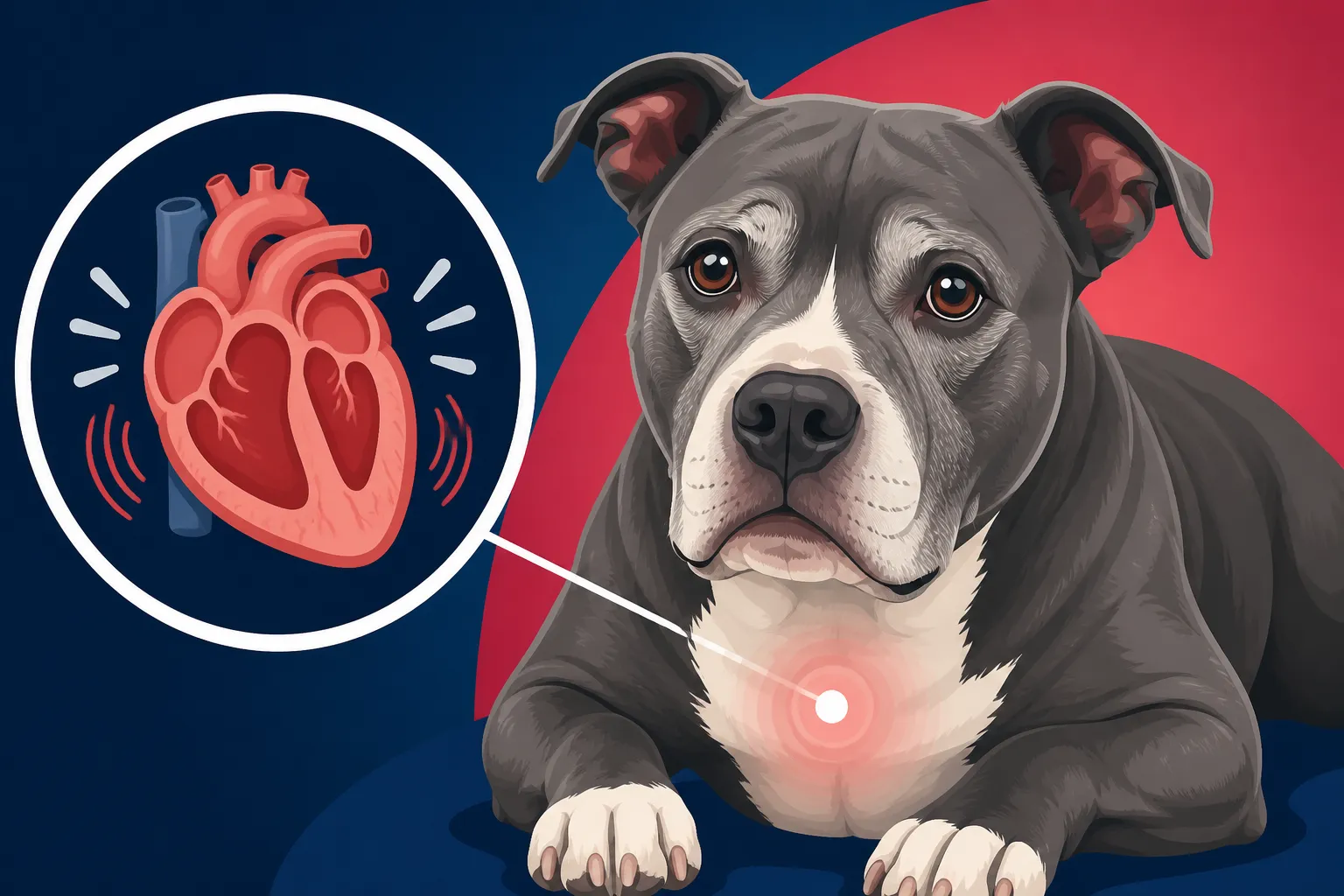
Congestive Heart Failure isn't a single disease, but rather a final stage where the heart can no longer pump blood effectively enough to meet the body's needs. This leads to a backup of fluid, or "congestion," in the lungs or other parts of the body, hence the name. For an older Pit Bull, this often means their once robust and powerful heart is struggling, and that can be a really heartbreaking thing to witness. It's a progressive condition, meaning it generally worsens over time, but with proper management, we can significantly improve their quality of life for a good while.
When we talk about the causes of CHF in older dogs, it usually boils down to two main culprits. The first, and most common, is degenerative mitral valve disease (DMVD), also known as myxomatous mitral valve disease. This is where the valve between the left atrium and left ventricle starts to thicken and doesn't close properly, allowing blood to leak backward. Over time, this leakage puts a strain on the heart, causing it to enlarge and eventually fail. While smaller breeds are often more prone to DMVD, larger dogs, including Pit Bulls, can certainly develop it as they age.
The second major cause is dilated cardiomyopathy (DCM), a condition where the heart muscle itself becomes thin and weak, reducing its ability to pump blood. While DCM is more famously associated with breeds like Doberman Pinschers and Great Danes, it can affect any large breed, including Pit Bulls, especially as they get older. Sometimes, these conditions are genetic, lying dormant for years before manifesting in old age. Other times, factors like nutrition or chronic underlying issues can contribute to the heart's decline. Regardless of the specific cause, the end result is a heart that struggles to keep up, leading to the tell-tale signs of fluid accumulation and poor circulation that characterize CHF. Recognizing that this isn't just "old age" but a specific medical condition is the first crucial step in getting your Pit Bull the help they need.
Recognizing the Subtle Signs of CHF
One of the trickiest parts about Congestive Heart Failure in an older Pit Bull is that the early signs can be incredibly subtle, easily mistaken for just normal aging. Your otherwise vibrant companion might just seem a little "off" – a bit more tired, a bit less enthusiastic. But as a Pit Bull owner, you know your dog's energy and spirit, and paying close attention to these minor shifts can make all the difference in catching CHF early. It’s not just about a sudden collapse; it's often a slow, creeping progression of symptoms that build over weeks or months.
A persistent cough is often one of the first red flags. It might start as a dry, hacking cough, particularly noticeable at night or after waking up, or even after exercise or excitement. This isn't just a regular "clearing the throat" cough; it's often an attempt by the body to clear fluid accumulating in the lungs. You might notice them having trouble settling down for sleep, pacing, or shifting positions trying to find a comfortable spot. As the condition progresses, the cough can become wetter, like they're trying to clear something from their chest. It’s so easy to dismiss this as kennel cough, allergies, or just something irritating their throat, but in an older Pit Bull, especially one with a known heart murmur, it warrants immediate attention.
Beyond the cough, look for changes in breathing. Your Pit Bull might start breathing faster or with more effort, even when resting. Count their resting respiratory rate when they're asleep – anything consistently above 20-30 breaths per minute could be a sign of trouble. This labored breathing, or dyspnea, is due to fluid building up in the lungs, making it harder for oxygen to transfer into the bloodstream. You might also notice reduced exercise tolerance. That beloved long walk or enthusiastic game of fetch might be cut short, or they might lag behind you more than usual. Lethargy, weakness, and a general lack of stamina are also common. They might seem less interested in food, or even experience weight loss despite still eating. Sometimes, you might even notice a distended abdomen, which can be fluid accumulation in the belly (ascites), a sign of right-sided heart failure. Any of these signs, particularly if they are worsening, should prompt an immediate call to your veterinarian. These are often the same subtle indications that might suggest other serious health issues, reinforcing the importance of regular checkups for How Often a Ten Year Old Pit Bull Needs Checking
Early Warning Signs to Track at Home
Keeping a close eye on your older Pit Bull’s routine and health at home can be invaluable. One of the most important things you can do is learn to monitor their resting respiratory rate. When your Pit Bull is sound asleep, not dreaming or panting, count how many breaths they take in 15 seconds and multiply by four to get their breaths per minute. A healthy dog typically has a rate between 10 to 30 breaths per minute. If you consistently find your dog's rate creeping above 30, it’s a strong indicator that something might be amiss with their heart or lungs. Keeping a journal can help you track these numbers over time, providing objective data to share with your vet.
Beyond breathing, pay attention to their eating and drinking habits. A sudden decrease in appetite, or pickiness with food, could be a subtle sign of discomfort or nausea associated with poor circulation. Similarly, changes in thirst or urination frequency might indicate kidney issues, which can sometimes go hand-in-hand with heart disease. Observe their gum color; healthy gums are pink and moist. Pale or bluish gums could signal poor oxygenation. Even subtle behavioral shifts, like increased anxiety, restlessness, or seeking out quiet, cool places more often, can be your Pit Bull’s way of communicating distress. These details, combined with the general slowing down that comes with When a Pit Bull Starts Slowing Down, are crucial pieces of the puzzle for your vet.
Diagnosis and Treatment Options for CHF
When you notice those concerning signs in your older Pit Bull, the very first step is getting them to the vet. Don't wait, because early diagnosis can truly extend and improve their life. Your veterinarian will start with a thorough physical examination, listening carefully to your dog's heart and lungs. They might pick up on a heart murmur, which is an abnormal sound caused by turbulent blood flow, or irregular heart rhythms. Sometimes, even without a murmur, signs of fluid in the lungs can be detected. They’ll also check your Pit Bull's pulse, gum color, and feel their abdomen for any signs of fluid accumulation.
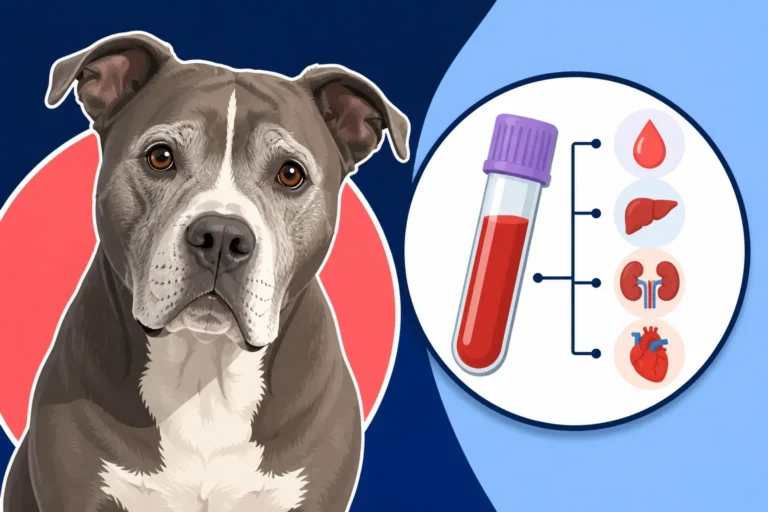
To get a clearer picture, your vet will likely recommend a series of diagnostic tests. Chest X-rays are incredibly common and vital, as they allow the vet to visualize the size and shape of the heart and, crucially, to see if there's fluid build-up in or around the lungs. An electrocardiogram (ECG) measures the electrical activity of the heart, helping to detect any arrhythmias or abnormal heartbeats. Blood tests are also usually performed to assess overall health, kidney and liver function (which can be affected by heart disease and medications), and to rule out other conditions. For a more definitive diagnosis and to pinpoint the exact cause and severity of the heart condition, a cardiac ultrasound, known as an echocardiogram, is often recommended. This non-invasive test allows a veterinary cardiologist to see the heart's structure in real-time, assess valve function, measure chamber sizes, and determine the pumping efficiency. This is truly the gold standard for diagnosing specific heart diseases.
Once CHF is diagnosed, the focus shifts to managing the condition and improving your Pit Bull's quality of life. Unfortunately, there's no cure for most forms of CHF, but a combination of medications can often significantly slow its progression and alleviate symptoms. Common medications include diuretics like Furosemide, which help remove excess fluid from the body and reduce congestion in the lungs. ACE inhibitors, such as Enalapril or Benazepril, are often prescribed to relax blood vessels and reduce the workload on the heart. Pimobendan is another powerful drug that helps the heart muscle contract more strongly and dilates blood vessels, improving blood flow. Other medications, like Spironolactone, might be added to further manage fluid retention. Your vet will tailor a specific medication regimen to your Pit Bull's individual needs, and these prescriptions will be lifelong. It's a lot to take in, and the cost of ongoing care and medications can add up, making pet insurance a valuable consideration for long-term health management. Many owners find peace of mind knowing that a company like Healthy Paws can help with the costs associated with chronic conditions, allowing them to focus on their pet's health. You might be surprised at the array of Heart Disease in a Pit Bull
| Symptom Category | Common CHF Signs | Potential Overlap with Normal Aging |
|---|---|---|
| Respiratory | Persistent, soft cough (especially at night) | Occasional cough/gag (mild irritation) |
| Increased resting respiratory rate (>30 breaths/min) | Mild panting after exertion | |
| Labored or difficult breathing | Heavier breathing in heat | |
| Energy/Stamina | Lethargy, profound weakness | General slowing down, less play |
| Exercise intolerance, quick tiring | Reduced endurance from age | |
| Appetite/Weight | Decreased appetite, picky eating, weight loss | Minor appetite changes (often due to dental issues) |
| Physical Changes | Distended abdomen (ascites) | Slight weight gain around the middle |
| Pale or bluish gums | (Rarely seen with normal aging) | |
| Fainting or collapsing spells | (Rarely seen with normal aging) |
This table highlights why vigilance is so important. While some symptoms can mimic normal aging, the persistence and severity of CHF signs typically differentiate them. When you're dealing with conditions like these, or managing other age-related issues such as Pit Bull Cataracts and Eye Problems
Living with a Pit Bull with CHF: Management and Quality of Life
Receiving a diagnosis of Congestive Heart Failure can be emotionally devastating, but it’s not a death sentence, especially with an older Pit Bull who has already lived a long, happy life. With dedicated care and management, you can provide your beloved companion with a good quality of life for months, and sometimes even years, to come. The goal isn't to cure, but to control symptoms, minimize discomfort, and maximize their joy. This journey requires commitment, vigilance, and a strong partnership with your veterinary team.
One of the most critical aspects of home management is diligent monitoring. Your vet will likely ask you to continue tracking your Pit Bull’s resting respiratory rate at home. Regular checks allow you to detect any increases that might signal fluid buildup, prompting an early intervention before a crisis occurs. Beyond breathing, keep an eye on their energy levels, appetite, and general demeanor. Any significant changes should be reported to your vet promptly. It’s also important to manage their diet. Low-sodium diets are often recommended to help reduce fluid retention, so you'll need to be careful about treats and human foods. Your vet can recommend specific therapeutic diets or provide guidance on preparing low-sodium meals if you're inclined towards home-cooking.
Administering medications consistently and on schedule is absolutely vital. Many Pit Bulls with CHF will be on multiple medications, sometimes several times a day. Missing doses or giving them inconsistently can lead to a rapid decline. Create a system that works for you – pill organizers, phone reminders, or a chart where you tick off each dose. Regular follow-up appointments with your vet are also crucial to monitor their progress, adjust medication dosages as needed, and conduct repeat X-rays or blood tests to check kidney function, which can be affected by diuretic medications. Remember, pet insurance plans, like those offered by Healthy Paws, can be incredibly beneficial in offsetting the recurring costs of these necessary medications and vet visits, easing a significant financial burden during an already stressful time. Keeping up with these appointments is just as important as the care required for other chronic conditions, such as Pit Bull Skin Allergies and the Atopy Pattern
Creating a Comfortable Environment and Routine
Adjusting your home environment can make a big difference for a Pit Bull with CHF. Since their exercise tolerance will be reduced, intense play sessions or long, strenuous walks are out. Instead, opt for shorter, more frequent, and gentle strolls, allowing them to sniff and explore at their own pace. Avoid extreme temperatures, as both heat and cold can put extra strain on a compromised heart. Keep them indoors during the hottest parts of the day or bundle them up in winter. A comfortable, easily accessible sleeping area is essential; consider a supportive orthopedic bed if they have joint issues (a common concern for Pit Bull Arthritis After the Age of Seven). Elevated food and water bowls can also make eating and drinking easier for some dogs with respiratory distress.
Emotional support is just as important as medical care. Your Pit Bull can pick up on your stress, so try to remain calm and reassuring. Spend quality time with them, offering gentle petting, quiet companionship, and familiar routines. Every day is a gift, and creating a peaceful, loving environment where they feel safe and comfortable is paramount. Be aware of signs of extreme distress, such as severe difficulty breathing, sudden collapse, persistent coughing that won't stop, or bluish gums. These are emergencies that require immediate veterinary attention. Knowing when to make The Hardest Call a Pit Bull Owner Makes is part of this journey, but with attentive care, you can often provide many more good days filled with love and comfort. Ensure you also understand the broader spectrum of Pit Bull Heart and Thyroid Conditions
Disclaimer
The information provided in this guide is intended for informational purposes only and does not constitute professional veterinary advice. Always consult with a qualified veterinarian for any health concerns or before making any decisions related to your Pit Bull's health care.