Pit Bull Sunburn on a Pink Nose
It’s a truly disheartening moment when you notice your beloved Pit Bull's usually adorable pink nose looking red, peeling, or even blistered from the sun. We put so much effort into keeping our dogs healthy and happy, and discovering a painful sunburn on such a sensitive area can leave us feeling guilty and wondering what we could have done differently. This guide is here to walk you through why pink noses are so vulnerable, how to spot the signs of sunburn, what immediate steps you can take, and most importantly, how to prevent this painful problem from ever happening again.
Understanding Why Pit Bulls with Pink Noses Are Prone to Sunburn
Many Pit Bulls, especially those with lighter coats or dilute colors like blue or fawn, often have beautiful pink noses. While absolutely charming, this unpigmented skin is a major vulnerability when it comes to sun exposure. It's not just about aesthetics; it's about a real, physical susceptibility that can lead to significant discomfort and serious health issues if not properly managed.
The Science Behind Pink Noses and UV Sensitivity
Think of your own skin – the darker your skin, the more melanin it contains, offering a natural shield against the sun's ultraviolet (UV) rays. For Pit Bulls with pink noses, that natural shield is almost entirely absent. Melanin is the pigment responsible for skin, hair, and eye color, and its primary role is to absorb and dissipate UV radiation. A pink nose simply doesn't have enough melanin, if any, to provide adequate protection. This means that even a moderate amount of sun exposure can quickly lead to painful sunburn, much faster and more severely than on a dog with a black, fully pigmented nose. It's like having perpetually exposed, fair skin right on their face, the part that's often pointed directly at the sun during walks or outdoor play.
Breed-Specific Vulnerabilities
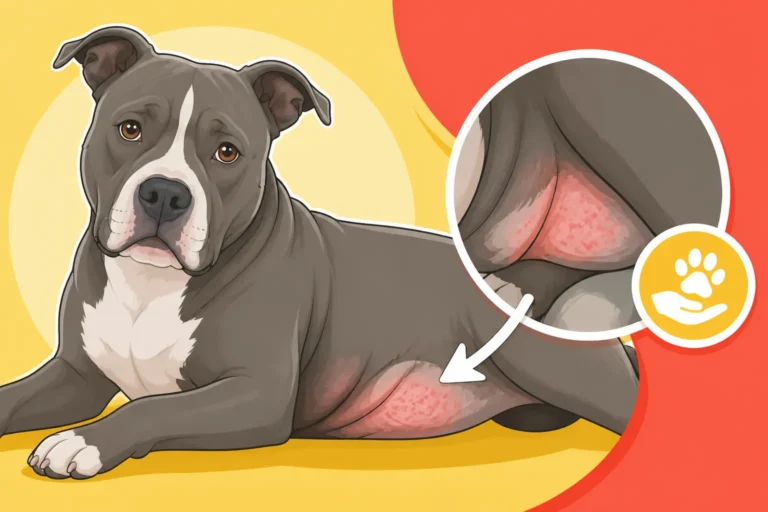
While any dog can get sunburned on unpigmented areas, Pit Bulls often have other traits that increase their risk. Their short, dense coats, which we love for their sleek appearance, offer less protection compared to breeds with long, thick fur. This means not only their noses but also areas like their bellies, inner thighs, and ear tips are more exposed. Additionally, Pit Bulls are active dogs who love to be outdoors, whether it's playing fetch in the park, lounging in a sunbeam in the yard, or accompanying you on a hike. This increased outdoor time naturally translates to more potential UV exposure. The combination of minimal pigmentation on the nose and other vulnerable areas, coupled with their active, outdoor-loving nature, makes sunburn a genuine concern for many Pit Bull owners. It’s crucial to remember that this isn't a flaw in the dog; it's simply a genetic trait that requires extra consideration from us as their caregivers.
The Dangers of UV Exposure
Beyond the immediate pain and discomfort, the dangers of UV exposure for a Pit Bull's pink nose are quite serious and cumulative. Repeated sunburns can lead to chronic skin damage, which includes thickening of the skin, dryness, and a heightened risk of infection if the skin barrier is compromised. Even more concerning is the long-term risk of skin cancer. Just like in humans, dogs can develop various forms of skin cancer from sun exposure, including squamous cell carcinoma and melanoma. Squamous cell carcinoma, in particular, tends to show up in areas like the nose and ear tips, areas directly exposed to the sun. These cancers can be aggressive, requiring extensive treatment and significantly impacting your dog's quality of life. Prevention isn't just about avoiding a temporary owie; it's about safeguarding their health for their entire life, and potentially saving you from heartbreaking vet visits and costly treatments later on, which even a good pet insurance like Healthy Paws might struggle with if the condition becomes pre-existing.
Recognizing the Signs of Sunburn on Your Pit Bull's Pink Nose
Spotting sunburn on your Pit Bull's pink nose can be tricky initially because the area is already pink. However, a keen eye can quickly pick up on the subtle changes that indicate your dog has had too much sun. It’s vital to distinguish between early irritation and more severe damage to provide the right care.
Early Warning Signals
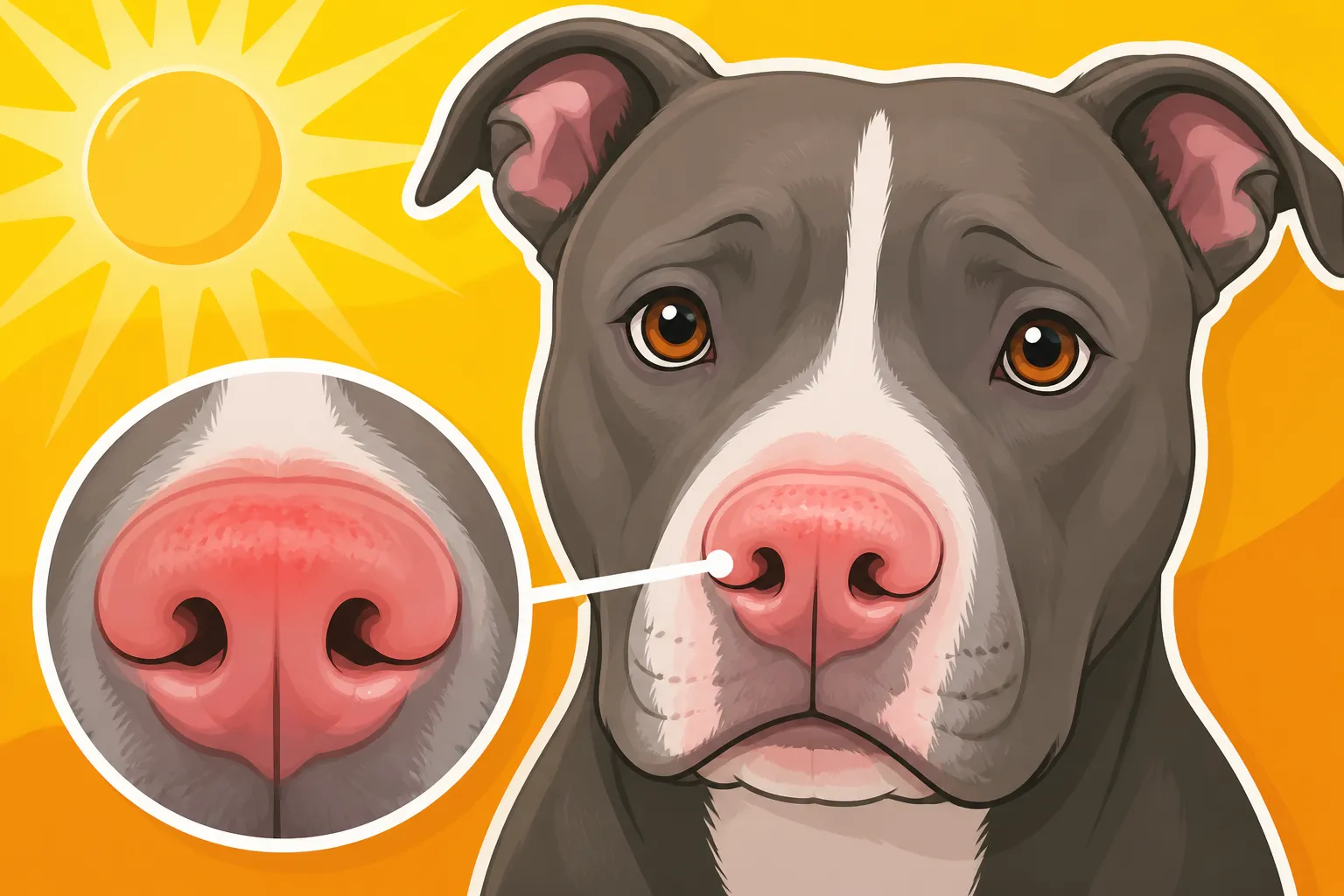
The very first signs of sunburn on a pink nose are usually subtle but noticeable if you're looking closely. You might see increased redness, a deeper shade of pink than usual, or a slightly inflamed appearance. The area will likely be tender to the touch, and your Pit Bull might flinch or pull away if you try to pet their nose. You might also notice them rubbing their face more often on furniture, the carpet, or their paws – a common indicator of irritation, much like a Pit Bull rubbing its face on the carpet for allergies. As it progresses, a mild peeling or flaking of the skin may occur, similar to how human skin peels after a mild burn. This is the body's way of shedding damaged cells. If you catch it at this stage, it's often manageable with basic home care and diligent sun avoidance.
Advanced Symptoms and Complications
If the sunburn is severe or goes unnoticed, it can quickly escalate to more serious symptoms and potential complications. You might observe blistering, where small, fluid-filled sacs appear on the nose. The skin might become crusty or scabby, indicating deeper tissue damage. Swelling is also common, making the nose appear puffy and distorted. Your Pit Bull will likely be in significant pain, exhibiting signs such as lethargy, loss of appetite, and an unwillingness to be touched around the head. They may also paw at their nose excessively.
A significant concern with advanced sunburn is the risk of secondary bacterial infections. When the skin barrier is damaged, bacteria from the environment or even naturally present on the skin can invade, leading to pus, a foul odor, and more intense inflammation. These infections often require veterinary attention and a course of antibiotics. In very rare, extreme cases, severe sunburn can even contribute to heatstroke, especially if coupled with prolonged heat exposure, so it’s important to understand your Pit Bull's heat tolerance in a short-coated Pit Bull.
Distinguishing Sunburn from Other Skin Issues
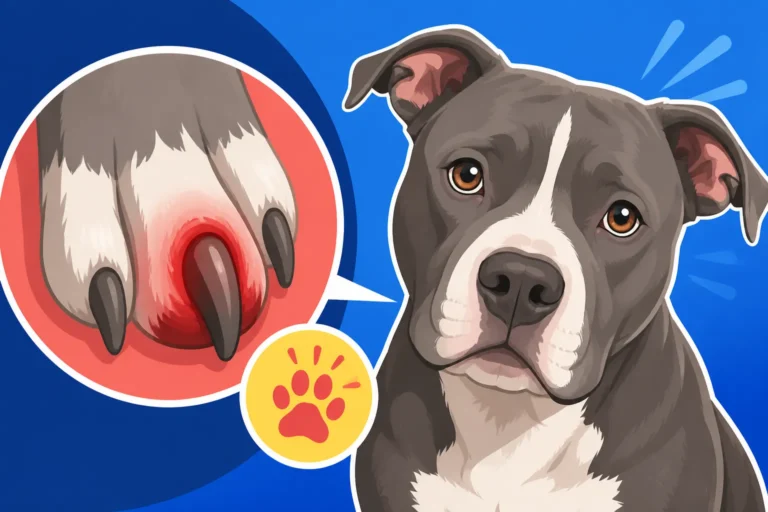
It’s important to remember that not every red, irritated nose is a sunburn. Pit Bulls can suffer from a variety of skin conditions that present similarly. For instance, Pit Bull Skin Allergies and the Atopy Pattern often manifest with redness, itching, and inflammation around the face, paws, and belly, leading to behaviors like Pit Bull Paw Licking and Chewing. Contact allergies, such as a Pit Bull Belly Rash and Contact Allergy, could also cause irritation if your dog's nose comes into contact with an irritant. Autoimmune conditions, though rarer, can also affect the nose, causing depigmentation, crusting, and ulceration.
The key to differentiation lies in the context and progression. Sunburn typically follows direct, prolonged sun exposure, often with a clear history of being outdoors during peak UV hours. Allergic reactions might appear without sun exposure, and often come with other symptoms like generalized itching or gastrointestinal upset if it's a food allergy. If you're unsure, or if the symptoms don't resolve quickly with sun avoidance and gentle care, it's always best to consult your veterinarian. They can perform diagnostic tests, such as skin scrapings or biopsies, to rule out other conditions and ensure your Pit Bull gets the correct diagnosis and treatment.
Immediate Care and Long-Term Treatment for Sunburned Pit Bull Noses
Once you've identified sunburn on your Pit Bull's pink nose, immediate action is crucial to alleviate pain and prevent further damage. While some mild cases can be managed at home, severe burns or any signs of infection warrant a trip to the vet. Long-term, consistent care is paramount to prevent recurrence and monitor for complications.
First Aid at Home
For mild to moderate sunburn, the first and most important step is to get your Pit Bull out of the sun immediately. Bring them indoors or into deep shade. Next, you want to soothe the irritated skin. A cool, damp cloth applied gently to the nose for 10-15 minutes can provide significant relief. You can repeat this several times a day.
After cooling, consider applying a veterinarian-approved topical treatment. Aloe vera gel (ensure it's 100% pure and does not contain any additives, especially xylitol, which is toxic to dogs) can be very soothing and help with healing. However, be cautious as some dogs might try to lick it off. Another option is a plain, unscented, pet-safe moisturizer containing ingredients like vitamin E or colloidal oatmeal, specifically designed for sensitive canine skin. Your vet might also recommend a very mild corticosteroid cream for inflammation or an antibiotic ointment if there's any hint of a secondary infection, though these should only be used under professional guidance. The goal is to reduce inflammation, provide moisture, and protect the skin barrier while it heals. Remember, gentle is key – your dog's nose will be very sensitive.
When to Seek Veterinary Help
It's really important to know when home care isn't enough and professional help is needed. If your Pit Bull’s nose shows any of the following, don't hesitate to call your vet: severe blistering, open sores, deep crusting, pus, a foul odor, or significant swelling. These are all signs of a more serious burn or a secondary bacterial infection that requires prescription medication.
Additionally, if your dog is exhibiting signs of systemic illness such as lethargy, loss of appetite, vomiting, or fever, these could indicate a more widespread issue or severe pain that needs immediate attention. Your vet might prescribe oral antibiotics for infection, stronger pain relief, or specialized medicated creams. They can also properly clean and dress any open wounds, preventing further contamination and promoting healing. Early intervention can prevent minor issues from becoming major problems, potentially saving you from more extensive treatments down the line. Even if you have pet insurance like Healthy Paws, addressing these issues promptly is best for your dog's comfort and recovery.
Managing Chronic Sun Exposure Effects
For Pit Bulls who have experienced severe or repeated sunburns, ongoing management is crucial. This isn't just about treating acute episodes; it's about mitigating the long-term effects and staying vigilant for potential complications. Regular veterinary check-ups become even more important, as your vet can closely monitor the healed skin for any suspicious changes. This is particularly true if your Pit Bull has a history of Cancers That Show Up in an Older Pit Bull.
You should also make it a habit to perform your own routine skin checks, perhaps during your weekly grooming sessions as part of Pit Bull Skin Checks During Weekly Grooming. Look for any persistent dryness, changes in skin texture, new lumps, bumps, or discolorations on the nose or any other sun-exposed areas. Early detection of precancerous lesions or skin cancers significantly improves the prognosis. Your vet might recommend regular biopsies of any questionable spots. In some cases, lifelong sun protection measures and even specialized diets or supplements designed to support skin health, like Omega oils, may be advised to strengthen the skin's natural defenses against environmental stressors.
Effective Strategies for Preventing Pit Bull Sunburn
Preventing sunburn on your Pit Bull's sensitive pink nose is far easier and less painful than treating it. With a little planning and consistency, you can ensure your furry friend enjoys the outdoors safely, without the worry of harmful UV rays.
Timing Walks and Outdoor Activities
One of the simplest yet most effective ways to prevent sunburn is by managing when your Pit Bull is exposed to direct sunlight. The sun's UV rays are strongest between 10 AM and 4 PM. During these peak hours, it’s best to keep your Pit Bull indoors or ensure they have access to ample, consistent shade. Plan walks and outdoor play for early mornings or late evenings when the sun is lower in the sky and its rays are less intense.
If you absolutely must be outside during these hours, keep outdoor sessions brief and ensure your dog is always in the shade. Remember that reflected sunlight from pavement, sand, or water can also contribute to sunburn, so even in partial shade, some caution is needed. This conscious timing not only protects their nose from sunburn but also helps prevent overheating, especially for a Heat Tolerance in a Short-Coated Pit Bull.
Choosing the Right Sun Protection Products
Just like humans, dogs can benefit from sunscreen, but it's vital to use products specifically formulated for canines. Human sunscreens often contain ingredients that are toxic to dogs if ingested, such as zinc oxide and para-aminobenzoic acid (PABA). While zinc oxide is a physical blocker, it can cause stomach upset or red blood cell damage if licked. Always look for dog-specific sunscreens that are non-toxic, fragrance-free, and ideally, waterproof. Active ingredients like titanium dioxide are generally considered safe for dogs.
Apply the sunscreen generously to your Pit Bull's pink nose, ear tips, and any other thinly furred or unpigmented areas about 15-20 minutes before going outside. Reapply every 2-3 hours, or more frequently if your dog has been swimming or is particularly active. A quick search online will show you several reputable brands offering dog-safe sunscreen. Some owners also find that applying a thin layer of pet-safe balm or even petroleum jelly can offer a slight physical barrier, though it’s not as effective as proper sunscreen.
| Feature | Dog-Specific Sunscreen | Human Sunscreen (Caution!) |
|---|---|---|
| Safety for Dogs | Formulated with non-toxic ingredients, safe if licked. | May contain toxic ingredients like Zinc Oxide, PABA, Salicylates, Octinoxate, Homosalate. |
| Ingredients | Often uses Titanium Dioxide as a primary blocker. | Wide range of chemical and mineral blockers, many unsafe for canine ingestion. |
| Application | Easy to apply, sometimes in spray or stick form. | Designed for human skin, might be thick or difficult to spread on fur/nose. |
| Licking Risk | Minimal risk if licked after application. | High risk of poisoning if licked; dogs will often groom. |
| Effectiveness | Provides broad-spectrum UV protection for pets. | Offers good UV protection, but safety for dogs is compromised. |
| Recommendation | Always recommended for canine use. | Avoid unless explicitly vet-approved and confirmed safe. |
Physical Barriers and Environmental Management
Beyond timing and topical products, consider physical barriers and modifications to your dog's environment. For instance, specially designed dog hats or visors can provide shade for their nose and eyes, though getting some Pit Bulls to wear them consistently can be a training challenge. If you do go this route, ensure the hat is comfortable, doesn't obstruct their vision, and that they are gradually accustomed to wearing it.
When your Pit Bull is in the yard, make sure there are always shaded areas available, whether it's under a tree, an umbrella, or a covered patio. If your dog loves to lounge in a particular sunny spot, consider relocating their bed or adding a temporary sun sail. For indoor sun-worshippers, adjust blinds or curtains during peak sun hours to prevent direct sunlight from reaching their favorite napping spots. Remember that even on cloudy days, a significant amount of UV radiation can penetrate clouds, so don't let a grey sky lull you into a false sense of security. Implementing these strategies will help ensure your Pit Bull's pink nose remains healthy and protected.
Disclaimer
The information provided in this article is for general informational purposes only and is not a substitute for professional veterinary advice. Always consult with a qualified veterinarian for any health concerns or before making any decisions related to your pet's health and treatment.