Umbilical Hernias in a Pit Bull Litter
Discovering a soft lump on your brand new Pit Bull puppy’s belly can be a terrifying moment, sending your mind racing with "what ifs" about their health and future. This guide is here to unravel the mystery of umbilical hernias in Pit Bull litters, offering clear, empathetic insights into what they are, why they happen, and how best to ensure your furry family member gets the care they need.
Understanding Umbilical Hernias in Pit Bull Puppies
It’s completely normal to feel a wave of panic when you notice something unusual on your tiny puppy. Umbilical hernias are one of those things that sound scary but, in most cases, are quite manageable. Understanding what you're dealing with is the first step toward peace of mind.
What Exactly is an Umbilical Hernia?
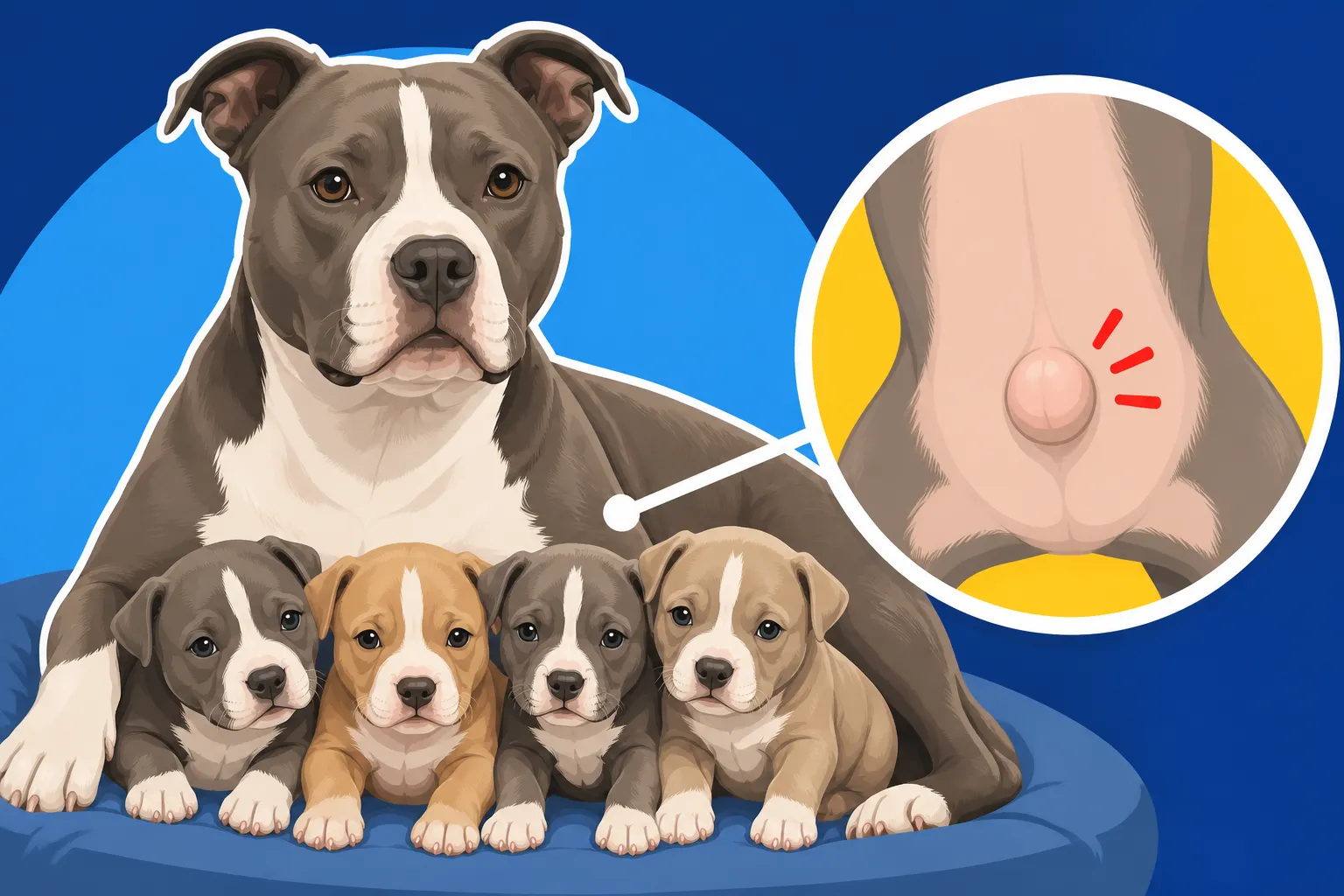
Think back to when your puppy was just a tiny bean growing inside their mother. They were connected by the umbilical cord, which passed through an opening in their abdominal wall. After birth, this opening, called the umbilical ring, is supposed to close up completely within a few days to a couple of weeks. When it doesn't quite close all the way, a small defect remains. An umbilical hernia is essentially a weakness or hole in this abdominal wall, right where the umbilical cord once was, allowing a bit of abdominal fat, or sometimes even a tiny piece of intestine, to protrude through.
What you typically see and feel is a soft, often dome-shaped lump on your puppy's belly, usually near where their belly button would be. It's often "reducible," meaning you can gently push it back into the abdomen, and it will pop back out when your puppy strains, barks, or stands up. It's important to differentiate this from other kinds of lumps, like an insect bite or a small cyst, but the location and characteristic softness are usually strong indicators. This particular type of hernia is relatively common in puppies, and while it definitely warrants veterinary attention, it’s not usually an immediate emergency unless other symptoms are present.
Causes and Risk Factors in Pit Bulls
When it comes to umbilical hernias, genetics often play a starring role. While they can occur in any breed, Pit Bull type dogs do seem to have a higher incidence, suggesting a genetic predisposition. This means that if a parent dog had an umbilical hernia, even a small one that resolved naturally or was surgically corrected, their puppies might be at a slightly increased risk. This is why responsible breeders, who perform What Testing a Pit Bull Breeder Should Have Done, pay close attention to the health history of their breeding lines.
Beyond genetics, there can be environmental factors, though these are less common as primary causes. For instance, if the umbilical cord was tied off too tightly or cut improperly at birth, it could theoretically contribute to the issue, but this is rare. More often, it’s simply a developmental fluke where the muscles just didn't quite knit together perfectly. It’s not something you, as an owner, caused, nor is it usually a sign of poor care. It's just one of those things that can happen. Understanding that it's often an inherent characteristic can help alleviate any guilt or confusion you might be feeling.
Identifying a Hernia in Your Pit Bull Puppy
Spotting an umbilical hernia is usually quite straightforward, especially once you know what to look for. During those early weeks, as you’re snuggling and checking over your new Pit Bull puppy, gently feel their belly, particularly around the navel area. You'll be looking for that soft bulge. It might be tiny, like a pea, or a bit larger, like a grape or even a walnut. It usually feels soft and squishy to the touch.
The best time to check is when your puppy is relaxed, maybe even asleep. If you can gently push the lump back in, and it disappears under the skin, that’s a classic sign of a reducible umbilical hernia. Don't worry if it pops back out when they stand or stretch – that's just the pressure from their abdominal contents. This is a normal part of monitoring your puppy’s health, along with tracking their growth and development, which you can read more about in What a Pit Bull Puppy Weighs Month by Month. If you're ever unsure about a lump or bump, it's always best to have a veterinarian check it out. They can quickly confirm if it's indeed an umbilical hernia or something else entirely, giving you much-needed clarity.
When to Worry and What to Do
While many umbilical hernias are benign and pose little immediate threat, it's crucial to know the signs that indicate a more serious problem. This knowledge empowers you to act quickly if your puppy's condition changes.
Differentiating Between Reducible and Incarcerated Hernias
Most umbilical hernias you'll encounter are what we call "reducible." This means that the contents – usually just fat – can be gently pushed back into the abdomen. A reducible hernia feels soft, squishy, and doesn't cause your puppy any pain when you touch it. These are generally not an emergency, though they still need to be managed.
The real concern arises with an "incarcerated" or, even worse, "strangulated" hernia. An incarcerated hernia happens when a piece of abdominal tissue, typically fat or a loop of intestine, gets trapped within the hernia sac and cannot be pushed back into the abdomen. This is more serious. A "strangulated" hernia is an incarcerated hernia where the blood supply to the trapped tissue is cut off. This is a medical emergency that requires immediate veterinary attention.
Signs of an incarcerated or strangulated hernia include:
- The lump becoming firm, hard, or swollen.
- The lump feeling warm to the touch.
- Your puppy showing signs of pain when the lump is touched.
- Vomiting or loss of appetite.
- Lethargy or weakness.
- A change in the color of the skin around the hernia (red, purple, or dark).
If you observe any of these symptoms, consider it an emergency and contact your vet right away. You can learn more about other critical health concerns in Emergency Signs That Cannot Wait in a Pit Bull.
Veterinary Consultation and Diagnosis
The moment you suspect your Pit Bull puppy has an umbilical hernia, or any unusual lump, your first call should be to your veterinarian. Even if it's just a small, reducible one, getting a professional diagnosis is essential. During your puppy's initial vet visits, which also cover crucial topics like Pit Bull Puppy Vaccination and Parvovirus, your vet will conduct a thorough physical examination. They'll palpate the area, assessing the size, consistency, and reducibility of the hernia. They'll also measure the "ring," which is the actual opening in the abdominal wall, to get a better idea of the potential for complications.
In many cases, a physical exam is all that's needed for diagnosis. For very small hernias, especially those detected early, some vets might recommend a "wait and see" approach. Many tiny umbilical hernias will actually close on their own as the puppy grows and the abdominal muscles strengthen. However, the vet will advise you on what to monitor for and when to return for a recheck. If there's any doubt about the contents of the hernia or if it's showing signs of incarceration, your vet might suggest imaging, such as an ultrasound, to get a clearer picture of what's inside. These initial diagnostic steps are crucial for developing the best plan for your puppy's long-term health. Factor in these visits when you're considering The First Month Cost of a Pit Bull, and remember that a provider like Healthy Paws might help manage unexpected expenses.
Monitoring Small, Asymptomatic Hernias
For those small, soft, and reducible umbilical hernias that don't seem to bother your Pit Bull puppy, your vet might suggest a period of observation. This means you become your puppy’s personal monitor, keeping a close eye on the hernia’s size and characteristics. It's a bit like watching a tiny pot, waiting for it to boil or, hopefully, to just… shrink away.
During this monitoring period, you'll want to check the hernia regularly, ideally once a day. Note any changes:
- Size: Is it getting bigger or smaller? Measure it against a coin or a small object for consistency.
- Consistency: Does it still feel soft, or is it becoming firmer?
- Reducibility: Can you still gently push it back in? If it ever feels stuck, contact your vet immediately.
- Pain: Does your puppy react negatively when you touch it?
- Skin: Is the skin over the hernia healthy, or is it red, warm, or discolored?
While waiting is an option for many, some vets recommend surgical intervention even for small hernias that aren't causing problems, especially if they are larger than a fingertip, to preemptively avoid potential issues down the line. The larger the hernia opening, the greater the risk that a piece of intestine could eventually slip through and become trapped, leading to a much more serious situation. This proactive approach can save you and your Pit Bull puppy a lot of stress and potential complications in the future.
Treatment Options and Prognosis
Deciding on the best course of action for your Pit Bull puppy's umbilical hernia involves weighing various factors, but rest assured, with proper care, the outlook is overwhelmingly positive.
Surgical Repair of Umbilical Hernias
For umbilical hernias that don't close on their own, are larger in size, or show any signs of complication, surgical repair is the definitive treatment. Your vet will typically recommend surgery when the puppy is a bit older, often around the time they are spayed or neutered. This is a common practice because it minimizes the number of times your puppy needs to go under anesthesia, which is always a consideration, especially for a muscular breed like Pit Bulls, as discussed in Anesthesia and Muscle Mass in a Pit Bull.
The surgery itself is usually straightforward. The vet makes a small incision over the hernia, gently pushes any protruding tissue back into the abdomen, and then sutures the abdominal muscles closed to repair the defect. It’s a relatively quick procedure, especially when performed by an experienced veterinary surgeon. Combining this with a spay or neuter also makes financial sense, as you're covering one anesthesia and recovery period. For instance, discussions around When to Neuter a Pit Bull Without Costing Joints often factor in these practical considerations for overall health and cost management. While pet insurance can be a fantastic way to prepare for these eventualities, a provider like Healthy Paws, for example, often helps ease the burden of unexpected surgical costs.
Post-Surgery Care and Recovery
Just like any surgery, proper post-operative care is crucial for a smooth recovery and to prevent complications. Your Pit Bull puppy will come home with sutures or surgical glue and a specific set of instructions from your vet. The most important rule? Keep them calm and prevent them from licking or chewing at the incision site. This usually means an Elizabethan collar (the "cone of shame") for 10-14 days. It’s not fun for them, but it’s absolutely necessary.
You’ll also need to restrict their activity. No jumping, no roughhousing, and definitely no sprinting around the yard. Leashed potty breaks are generally fine, but keep them short and controlled. Your vet will likely prescribe pain medication to keep your puppy comfortable during this period, and it’s vital to administer it exactly as directed. You'll also need to check the incision site daily for any signs of redness, swelling, discharge, or if the sutures appear to be coming undone. Any concerns should prompt a call to your vet. Following these instructions diligently will ensure your Pit Bull puppy heals properly, minimizes the risk of infection, and prevents the hernia from recurring.
Long-Term Outlook for Pit Bulls with Hernias
The good news is that the long-term prognosis for Pit Bull puppies who undergo successful umbilical hernia repair is excellent. Once the hernia is surgically closed and has healed, the vast majority of dogs go on to live perfectly normal, healthy lives without any further issues related to the hernia. Recurrence is rare when the repair is done correctly, and the post-operative care instructions are followed.
For breeders, understanding the potential genetic link is important. If you’re a breeder, discussing the incidence of hernias in your lines with a vet is a wise step, as covered in What a Pit Bull Breeder Should Have Cover. For pet owners, once the hernia is gone, it’s typically not something you’ll have to worry about again. It’s a one-time fix for a common puppy ailment. Having a comprehensive pet insurance plan, perhaps from a reputable company like Healthy Paws, can certainly provide peace of mind for such unexpected medical needs throughout your Pit Bull's life. Embrace the joyful journey with your healthy, happy Pit Bull, knowing that you've taken all the right steps to care for them.
| Feature | Reducible Umbilical Hernia | Incarcerated/Strangulated Umbilical Hernia |
|---|---|---|
| Appearance | Soft, squishy bulge, often disappears with gentle pressure. | Firm, hard, swollen lump; does not push back in. |
| Tenderness | Usually not painful to the touch. | Painful, sensitive to the touch. |
| Puppy's Behavior | Normal appetite, activity, no signs of distress related to hernia. | Lethargy, loss of appetite, vomiting, whining, restless, painful. |
| Skin Over Hernia | Normal skin color and temperature. | Red, purple, dark, or warm to the touch. |
| Contents | Typically fat; rarely intestine. | Can be fat or intestine, trapped and potentially compromised. |
| Urgency | Non-emergency; monitor or plan for elective repair. | MEDICAL EMERGENCY; immediate veterinary attention required. |
Important Disclaimer
The information provided in this article is intended for general knowledge and informational purposes only, and does not constitute medical advice. Always consult with a qualified veterinarian for any health concerns or before making any decisions related to your pet's health or treatment.