States That Bar Insurers From Refusing a Pit Bull
One of the biggest headaches for Pit Bull owners isn't finding the right food or the perfect leash, it's securing basic home insurance. Many of us have faced that gut-wrenching moment when an insurer flat-out refuses coverage or drastically inflates premiums simply because of our dog's breed. This guide is here to shed light on a crucial development: the growing number of states that are stepping up to protect Pit Bull owners from this unfair discrimination.
Understanding the Insurance Landscape for Pit Bulls
For years, many Pit Bull owners have felt like second-class citizens in the insurance world. It’s a frustrating reality that impacts everything from finding a place to live to simply having peace of mind. The struggle often starts even before you fall in love with your canine companion.
The Breed-Specific Ban Problem
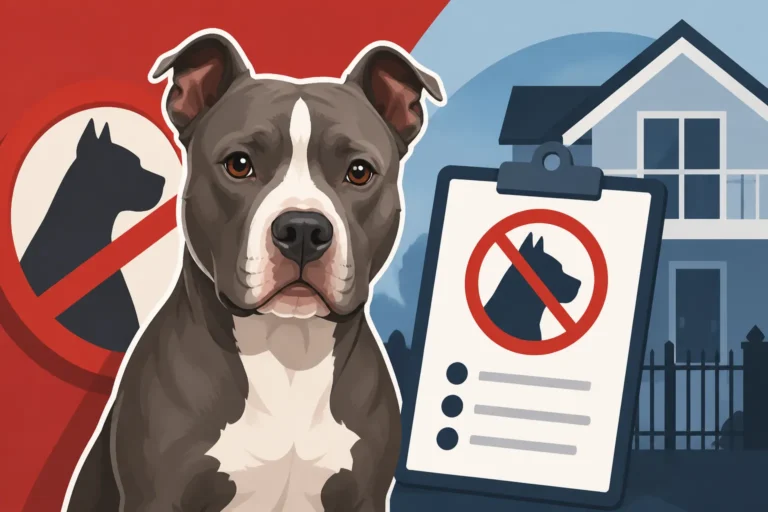
The core issue stems from what's known as "breed-specific discrimination" or "breed bans" in insurance policies. This isn't just about Pit Bulls, though they are disproportionately affected. It also includes other breeds or types often labeled as "aggressive" or "dangerous" by insurance companies, such as Rottweilers, German Shepherds, Doberman Pinschers, and sometimes even Akitas or Chows. These policies aren't based on an individual dog's temperament or training; they're blanket exclusions purely because of how a dog looks or what breed it's perceived to be.
Imagine you're moving into a new home, all excited to start a new chapter with your beloved Pit Bull by your side. You call around for homeowners insurance quotes, only to be met with a firm "no" or an astronomical premium from multiple carriers, all citing your dog. It's not just a minor inconvenience; it can actively prevent you from securing a mortgage or finding suitable housing, especially when considering Homeowners Carriers That Refuse Pit Bulls. This breed-specific approach often relies on outdated statistics or generalized fears, rather than actual risk assessment of the specific animal or household. It creates a significant barrier for responsible dog owners who invest time and resources into training and socializing their pets.
The Impact on Homeowners and Renters
This breed discrimination isn't just a hypothetical problem; it has very real, tangible consequences for Pit Bull owners. For homeowners, it can mean being dropped by an existing insurer, making it incredibly difficult to find new coverage. Many mortgage lenders require proof of homeowners insurance, so a denial could put your home purchase in jeopardy. If you do find coverage, it might come with an exclusion for dog-related liability claims, leaving you vulnerable in the event of an incident, or you might find yourself paying a significantly higher What a Pit Bull Adds to a Homeowners Premium. This effectively means you're paying for insurance that doesn't fully protect you or your dog in the way you need.
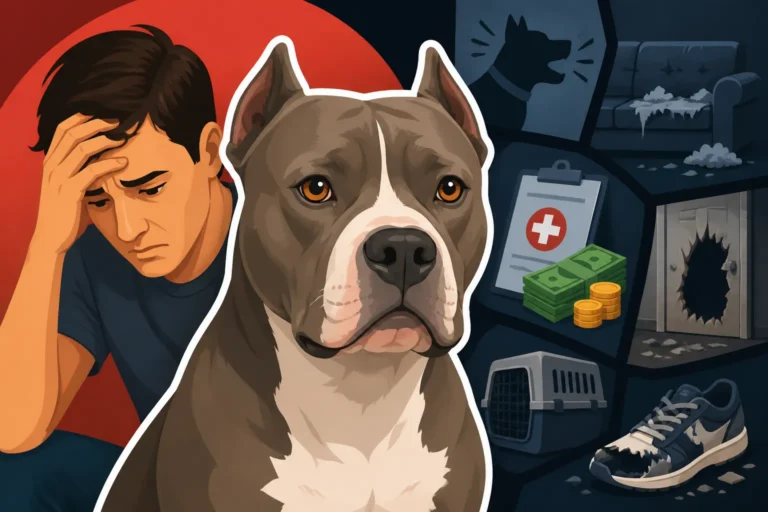
For renters, the situation can be even more precarious. Landlords, often pressured by their own insurance companies, may implement breed restrictions, leading to a frustrating search for pet-friendly housing. Even if a landlord is open to Pit Bulls, finding Renters Insurance That Accepts a Pit Bull that doesn't exclude your dog can be a monumental task. This often forces loving families to make an agonizing choice between their home and their dog, or to live in constant fear of losing their housing. The financial strain can also be immense, as some policies might require a separate rider or higher deductible specifically for a Pit Bull.
States Leading the Way: Legislative Protections for Pit Bull Owners
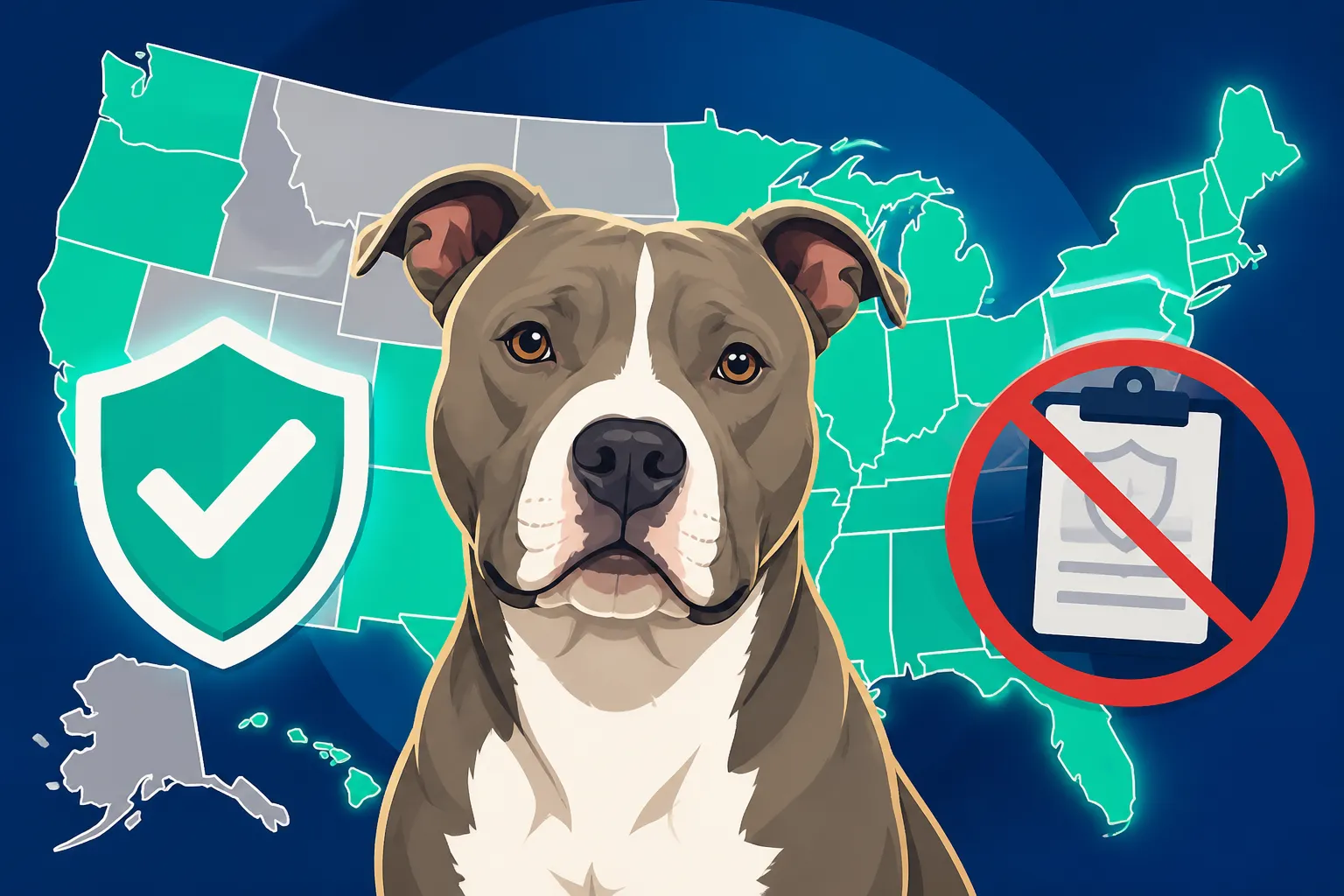
Thankfully, not all hope is lost. A growing number of states have recognized the unfairness of breed-specific insurance discrimination and have enacted laws to prevent it. These legislative efforts are a huge win for Pit Bull owners and advocates who have been fighting for fair treatment.
The Legal Framework: How States Enforce Non-Discrimination
These state laws generally prohibit insurance companies from denying, canceling, or increasing premiums on homeowners or renters insurance policies based solely on the breed of dog owned. Instead of focusing on arbitrary breed labels, these laws aim to shift the focus to individual dog behavior and responsible ownership. This means that an insurer cannot, by law, refuse to cover you simply because you own a Pit Bull. They must assess risk based on factors such as an individual dog's bite history, any documented aggressive behavior, or the owner's history of claims, rather than a blanket generalization about a specific breed.
This legislative shift is rooted in the understanding that "dangerous" dogs are not born, but rather are a product of factors like training, socialization, and environment. Many of these laws align with the recommendations of veterinary organizations and animal welfare groups, which consistently argue against breed-specific legislation. By moving away from breed-based profiling, these states are promoting a more equitable and accurate assessment of risk, ultimately benefiting all responsible dog owners.
Specific State Examples: A Deeper Dive
Several states have taken definitive action on this issue.
- Michigan: One of the pioneering states, Michigan enacted legislation that prevents insurance companies from discriminating against homeowners based on the breed of dog they own. The law states that an insurer cannot refuse to issue or renew a policy, or charge a higher premium, based solely on the breed or type of dog. They can, however, consider a dog's past behavior, such as a prior bite history. This has made a significant difference for Pit Bull owners in Michigan, allowing them more stable and affordable insurance options.
- Pennsylvania: In Pennsylvania, legislation explicitly prohibits insurers from canceling or refusing to issue a policy to an owner of a dog based solely on breed. Instead, any underwriting decisions related to dogs must be based on a documented history of dangerous behavior. This provides a strong legal shield for owners of Pit Bulls and other commonly restricted breeds, shifting the burden of proof onto the insurer to demonstrate an actual risk rather than relying on stereotypes.
- New York: New York also has laws in place that prevent insurance companies from discriminating against specific breeds of dogs. Similar to other states, the focus is placed on an individual dog's behavior and history, rather than blanket breed exclusions. This means if your Pit Bull has a clean record, an insurer can't use its breed as an excuse to deny you coverage.
- Nevada: Nevada's law stipulates that insurance companies cannot discriminate against a policyholder based solely on the breed of dog owned. This protection extends to homeowners and renters, ensuring broader access to coverage regardless of your dog's genetics.
- Rhode Island: This state also has legislation forbidding insurers from denying coverage or increasing rates based on dog breed alone, pushing for a more individualized risk assessment.
This table provides a quick overview of some states with non-discrimination laws for dog breeds in insurance:
| State | Insurance Type Covered | Key Provisions | Considerations |
|---|---|---|---|
| Michigan | Homeowners | Prohibits refusal or higher premiums based solely on breed. | Can consider documented bite history or aggressive behavior. |
| Pennsylvania | Homeowners, Renters | Prohibits cancellation/refusal based solely on breed. | Underwriting must be based on documented dangerous behavior. |
| New York | Homeowners, Renters | Prohibits discrimination based solely on breed or perceived breed. | Individual dog's behavior and history are considered. |
| Nevada | Homeowners, Renters | Insurers cannot deny/cancel/charge more based on breed. | Focuses on individual dog's dangerous propensities, if any. |
| Rhode Island | Homeowners, Renters | Forbids denying coverage or raising rates solely due to dog breed. | Aims to promote responsible dog ownership over blanket bans. |
| Illinois | Homeowners, Renters | Prohibits discrimination based on breed or perceived breed. | Insurers can consider an individual dog's specific dangerous acts. |
| New Jersey | Homeowners, Renters | Prevents insurers from canceling policies or increasing premiums based on breed. | Requires evidence of prior dangerous behavior. |
Note: This table is not exhaustive and laws can change. Always verify current laws in your specific state.
Recent Legislative Changes and Trends
The momentum behind these non-discrimination laws is growing. States like New Jersey and Illinois have also joined the ranks, enacting similar protections. This trend reflects a broader societal shift away from breed-specific legislation (BSL) in general, which many communities have found to be ineffective and discriminatory. For instance, cities like Denver, Colorado, after years of strict breed bans, have repealed their BSL, signaling a move towards more responsible ownership laws that focus on behavior rather than breed. Denver's Pit Bull Permit After the 2020 Repeal shows a shift in approach.
Advocacy groups and responsible pet owner organizations are continually pushing for more states to adopt similar legislation. They provide valuable resources and educational campaigns to lawmakers, highlighting that responsible ownership, training, and socialization are far more impactful than a dog's breed when it comes to public safety. This sustained effort is crucial because, even in states without specific anti-discrimination laws, insurers are starting to face public pressure and legal challenges regarding their breed-specific policies. This growing trend offers hope that soon, more Pit Bull owners across the country will be able to secure insurance without facing arbitrary discrimination.
What These Laws Mean for Pit Bull Owners
These non-discrimination laws aren't just legal jargon; they represent a significant victory for Pit Bull owners, offering tangible benefits and changing the landscape of pet ownership.
Ensuring Fair Access to Coverage
The most immediate and impactful benefit is the guarantee of fair access to insurance coverage. In states with these laws, you should no longer be automatically denied homeowners or renters insurance solely because you own a Pit Bull. This means you can apply for policies with the confidence that your dog's breed won't be an automatic disqualifier. It removes a major hurdle for many families looking to buy or rent property, allowing them to choose a home without worrying about whether their furry family member will create an insurmountable insurance problem.
This also means that if you're shopping for insurance, you can compare quotes more broadly and potentially find more competitive rates. Before these laws, many Pit Bull owners were limited to a handful of "high-risk" insurers or had to accept policies with significant exclusions or higher costs. Now, in protective states, you can genuinely shop around and assess different carriers based on their overall coverage, customer service, and pricing, rather than just whether they'll even consider insuring you with your dog. This empowers owners to make better financial decisions for their households.
Potential Premium Implications
While these laws prevent outright denial based on breed, the impact on premiums can be a bit more nuanced. In theory, you should no longer face arbitrarily inflated premiums just for owning a Pit Bull. Your premium should primarily be determined by standard factors like your home's value, location, claims history, and other typical risk assessments. This is a huge relief for many, as What a Pit Bull Adds to a Homeowners Premium could often be substantial and unjustified.
However, it's important to understand that an insurer might still increase premiums or include specific clauses if your dog has a documented history of aggressive behavior or prior incidents. For example, if your Pit Bull has a bite history, even in a protective state, that incident could be a legitimate underwriting factor. The key difference is that the decision must be based on your individual dog's behavior, not on general breed stereotypes. This underscores the importance of responsible ownership and preventing incidents, as What a Bite Claim Does to a Pit Bull Policy can still be significant, regardless of breed.
Documentation and Proof Requirements
Even in states with protective laws, it's always a good idea to be prepared with documentation regarding your Pit Bull. Insurers, even when legally restricted from breed discrimination, may still ask questions about your dog to assess liability risk. Having a well-documented history of responsible ownership can work in your favor. This includes:
- Training records: Certificates from obedience classes, Canine Good Citizen (CGC) titles, or proof of other training achievements. Whether a CGC Title Helps a Pit Bull Policy is often affirmative, as it demonstrates your commitment to a well-behaved dog.
- Veterinary records: Proof of regular check-ups, vaccinations, and spay/neuter status.
- Pet insurance: Having a separate pet insurance policy, such as one from Healthy Paws, shows you're proactively managing your pet's health and potential unexpected costs, which can reflect positively on your overall responsibility.
- Letters of recommendation: From trainers, veterinarians, or even neighbors who can attest to your dog's good temperament.
- Photos of your dog: To show they are well-cared for and not exhibiting signs of neglect.
While these documents might not be explicitly required by law to secure coverage, presenting them can help build trust with an insurer, mitigate any lingering breed-based biases they might hold (despite legal restrictions), and demonstrate that you are a responsible pet owner. It helps paint a complete picture that goes beyond just the breed label.
Navigating the Nuances: Exceptions and Challenges
While legislative protections are a massive step forward, it's crucial for Pit Bull owners to understand that these laws aren't always a magic bullet. There are still complexities and situations where securing comprehensive insurance can remain challenging.
When Insurers Can Still Decline or Cancel
Even in states with non-discrimination laws, insurers still retain the right to decline or cancel policies under certain circumstances. The critical distinction is that these reasons cannot be solely based on breed. Instead, they typically focus on individual behavior and risk assessment. For example:
- Documented bite history: If your Pit Bull has a history of biting or causing injury, an insurer can legally consider this when making underwriting decisions, regardless of the state's breed discrimination laws. This is about the dog's actions, not its breed. This applies to all breeds, not just Pit Bulls.
- Aggressive behavior: If your dog has a documented history of unprovoked aggression, even without a bite incident, it could be a factor. This could be evidenced by police reports, animal control records, or previous claims.
- Lack of verifiable information: If you cannot provide clear information about your dog's history, an insurer might be more cautious.
- Other liability risks: The insurer might find other reasons unrelated to your dog to deny coverage, such as a history of property claims, poor credit, or other risk factors in your household.
It's vital for owners to understand that these laws protect against breed-specific discrimination, not against consequences arising from a dog's actual dangerous behavior. This reinforces the paramount importance of Training a Pit Bull to a Higher Standard Than Other Dogs and ensuring proper socialization to avoid incidents.
The Role of Incident History
An individual dog's incident history plays a significant role in insurance decisions, even in protective states. If your Pit Bull has been involved in an incident, whether it resulted in a bite, injury, or significant property damage, that event will likely be part of the underwriting process. Insurers use past claims as a predictor of future risk. A prior incident can lead to:
- Higher premiums: Expect your rates to increase significantly if there's a claim related to your dog.
- Exclusions: The insurer might offer a policy but with a specific exclusion for dog-related liability claims. This means they'll cover other perils, but if your dog causes an injury, you're on your own.
- Non-renewal: Your current insurer might choose not to renew your policy, forcing you to seek new coverage, which can be difficult after a claim.
This highlights why diligent training, responsible management (like proper leash use and supervision), and proactive socialization are so crucial. Every responsible Pit Bull owner should be focused on preventing incidents, not just for the well-being of others and their dog, but also for their own financial protection. Documenting a Pit Bull's Training Record and good behavior can be helpful in showing an insurer your commitment to responsible ownership, but a serious incident will always carry weight.
Understanding Umbrella Policies
Even if you live in a state with anti-discrimination laws and have a good homeowners policy, considering an umbrella insurance policy is a smart move for any dog owner, especially those with larger, stronger breeds like Pit Bulls. An umbrella policy provides additional liability coverage above and beyond the limits of your standard homeowners or auto insurance. This extra layer of protection can be incredibly valuable because dog-related liability claims can be substantial.
For example, if your homeowners policy covers $300,000 in liability and your dog causes an incident that results in a $500,000 lawsuit, an umbrella policy could cover the remaining $200,000. Without it, you would be personally responsible for that amount. Umbrella Cover in a Pit Bull Household is not breed-specific itself, meaning it generally covers any liability that might arise from your household, including those involving your dog, regardless of breed. The cost is often surprisingly affordable for the peace of mind it offers, typically ranging from a few hundred dollars a year for an additional million dollars in coverage. This provides an essential safety net, protecting your assets in case of an unforeseen and costly incident.
Beyond Legislation: Other Strategies for Insuring Your Pit Bull
Even in states with protective legislation, or especially if you live in a state without such laws, there are proactive steps Pit Bull owners can take to improve their chances of securing fair insurance coverage. It's all about demonstrating responsible ownership and being persistent.
Finding Breed-Neutral Carriers
Not all insurance companies practice breed-specific discrimination, even in states where it's not legally prohibited. Many carriers have moved towards a more inclusive model, focusing on an individual dog's history rather than its breed. It takes some digging, but they are out there.
Start by looking for insurance providers known for their pet-friendly policies. Some larger companies have publicly stated stances against breed discrimination. Don't be afraid to call and ask directly about their dog liability policies. Specifically, inquire if they have a "breed list" or if they make underwriting decisions based on an individual dog's behavior and history. Some regional carriers or smaller, independent agencies might also offer more flexibility than large national chains. Websites that compare insurance policies often allow you to filter by pet-friendliness or list carriers that are known to be more accommodating to specific breeds.
Even if you have to go through an independent insurance broker, it might be worth it. These brokers often have access to multiple insurance companies and can help you find one that fits your needs without breed restrictions. They can also provide guidance on how to best present your dog's information to an insurer.
Showcasing Responsible Ownership
Insurance companies are ultimately about assessing risk. The more you can demonstrate that you are a responsible, proactive dog owner, the lower your perceived risk will be. This can be a powerful tool in advocating for your Pit Bull, whether you're in a protective state or not.
- Obedience Training: Enroll your Pit Bull in obedience classes and get a certificate. The Canine Good Citizen (CGC) program, offered by the American Kennel Club, is particularly recognized and valuable. Achieving a CGC title demonstrates that your dog has good manners and is well-behaved in public, which can make a significant impression on an insurer. Showing an Insurer a Pit Bull's Training Record can make a huge difference.
- Muzzle Training: Even if your dog has never shown aggression, muzzle training your Pit Bull can be a responsible proactive measure. It shows you're prepared for any scenario, from vet visits to emergencies, and prioritizes safety.
- Socialization: Ensure your Pit Bull is well-socialized from a young age with various people, places, and other animals. A well-adjusted dog is less likely to react negatively in new situations.
- Secure Containment: Demonstrate that your property is securely fenced and that your dog is always on a leash in public. Responsible containment minimizes the risk of incidents.
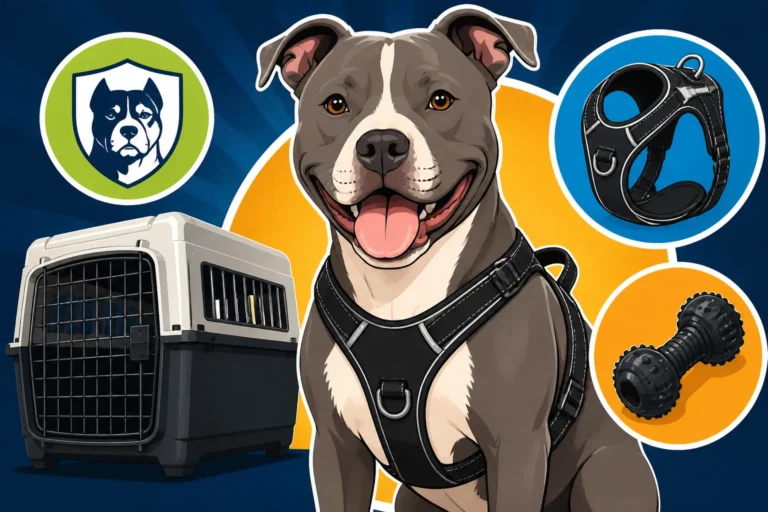
- Pet Insurance: As mentioned, investing in pet insurance, perhaps from a reputable provider like Healthy Paws, shows your dedication to your dog's health and your ability to manage potential veterinary costs, which can reduce your overall risk profile. Furthermore, while Chewy isn't an insurance provider, it's a great resource for responsible pet ownership, offering everything from high-quality training treats for positive reinforcement to durable leashes and harnesses designed for strong breeds, all of which contribute to a well-managed and lower-risk pet.
These proactive measures not only make your Pit Bull a better-behaved companion but also provide tangible evidence to insurance companies that you are a responsible and low-risk policyholder.
Pet Insurance as a Complement
It's important to distinguish between homeowners/renters liability insurance and pet health insurance. While the former covers damages your dog might cause to others or their property, pet insurance, like plans offered by Healthy Paws, covers your dog's veterinary bills for accidents, illnesses, and sometimes even routine care.
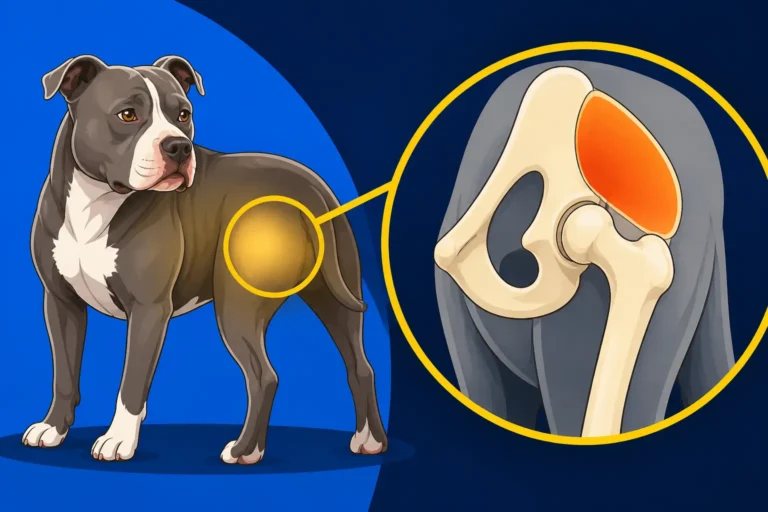
While pet insurance doesn't directly solve the issue of homeowners liability breed discrimination, it can indirectly help by demonstrating overall responsible ownership. More importantly, it provides a crucial safety net for your Pit Bull's health. Pit Bulls, like any breed, can be prone to certain health conditions, such as Pit Bull Skin Allergies and the Atopy Pattern or Pit Bull Hip Dysplasia Showing at One to Two Years. Having pet insurance ensures you can afford the best possible care for your dog, preventing health issues from escalating into behavioral problems caused by pain or discomfort. It also shows a commitment to your dog's welfare that can be beneficial when presenting your case to an insurer. Think of it as part of your overall responsible pet ownership package. It handles the health risks, while you work on managing the liability risks.
Disclaimer
Please note that insurance laws and company policies are subject to change and can vary significantly by state and even by individual insurer. This article provides general information and should not be considered legal or financial advice. Always consult with a qualified insurance professional and review your specific policy details to understand your coverage.