Saving Ahead of a Pit Bull Allergy Year
Let's be real: owning a Pit Bull is a journey filled with immense love and boundless energy, but it can also come with its fair share of challenges, especially when chronic health issues like allergies enter the picture. The sudden, often recurring, financial drain of vet visits, medications, and special diets for an itchy, uncomfortable dog can hit hard, leaving many owners feeling overwhelmed and financially unprepared. This guide is here to walk you through understanding the real costs associated with managing a Pit Bull's allergies and, more importantly, how to proactively save and budget to keep your beloved companion healthy and happy without breaking the bank.
Understanding the Financial Burden of Pit Bull Allergies
When your Pit Bull starts scratching incessantly, developing hot spots, or constantly licking their paws, your heart sinks, and a different kind of worry often sets in: the financial one. These aren't just minor irritations; Pit Bull Skin Allergies and the Atopy Pattern can be complex, persistent, and expensive to manage.
The Unexpected Vet Bills
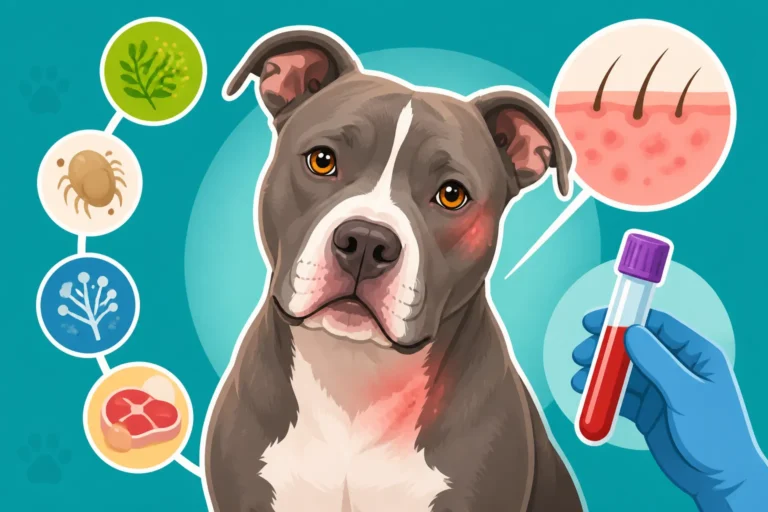
The moment you notice your Pit Bull's skin flaring up or their ears getting red and yeasty, a trip to the vet is inevitable. What often starts as a single appointment can quickly spiral into a series of diagnostic tests and specialist visits, each adding to the mounting costs. You're looking at initial consultation fees, which can range from $60 to $150 depending on your location and clinic. Then come the diagnostics: skin scrapes to rule out mites (around $50-$100), cytology to check for bacterial or yeast infections (another $50-$150), and potentially blood work to screen for underlying issues. If these initial tests don't pinpoint the problem, your vet might recommend referral to a veterinary dermatologist, which means a whole new set of consultation fees, often upwards of $200-$300 just for the initial visit. These specialists might then suggest comprehensive allergy testing, such as intradermal skin testing or serum IgE blood tests, which can run anywhere from $300 to $800, without even factoring in the cost of sedation if skin testing is chosen. It’s easy to rack up hundreds, even thousands, of dollars before a clear diagnosis is even made, which is a common frustration for Pit Bull owners trying to get to the bottom of their dog's persistent itching.
Recurring Medication and Treatment Costs
Once a diagnosis is in hand, the real long-term financial commitment often begins. Pit Bull allergies, particularly atopy or environmental allergies, are usually chronic conditions that require ongoing management rather than a one-time cure. This means a continuous expense for medications and treatments. Many Pit Bulls find relief with drugs like Apoquel or Cytopoint. While incredibly effective, these aren't cheap. Apoquel can cost between $60 and $150 per month, depending on your dog's weight and the dosage. Cytopoint injections, which offer relief for 4-8 weeks, might range from $100 to $200 per injection.
Beyond systemic medications, you'll likely need medicated shampoos, conditioners, and ear cleaners. A good medicated shampoo can be $20-$40 a bottle, and if your dog needs weekly or bi-weekly baths, those bottles don't last long. Ear cleaning solutions, crucial for What Chronic Pit Bull Ear Care Runs a Year, often cost $15-$30 a bottle, and again, consistent use means frequent repurchases. For some Pit Bulls, especially those with severe environmental allergies, immunotherapy (allergy shots or oral drops) is recommended. After the initial testing, the cost of these custom-made allergens can be $500-$1,000 for a year's supply, requiring regular refills. It's a constant cycle of managing symptoms, making Pit Bull Allergy Treatment as a Recurring Bill a significant line item in your monthly budget.
Specialized Diets and Supplements
When allergies are suspected, especially food allergies, dietary changes become a critical, and often expensive, part of the management plan. Your vet might recommend a limited ingredient diet or a hydrolyzed protein diet. These specialized kibbles are typically pricier than standard dog food. A 25-pound bag of a prescription hydrolyzed protein diet can easily cost $80-$120 and might only last a few weeks for a muscular Pit Bull. If your dog thrives on a novel protein diet, such as duck or venison, those kibbles also tend to be on the higher end of the price spectrum.
Beyond the main meal, many owners opt for supplements to support skin and coat health or reduce inflammation. Omega-3 fatty acids, often in the form of fish oil, are highly recommended for their anti-inflammatory properties and ability to improve skin barrier function. A quality omega-3 supplement can range from $20-$50 per month. Probiotics, used to support gut health which is increasingly linked to immune response and skin health, might add another $15-$40 monthly. While these supplements can be incredibly beneficial, they are additional costs that add up over time. Some premium pet food brands, like Ollie, offer fresh, human-grade food that can be customized for dietary sensitivities, but these options generally come at a higher price point than conventional kibble.
Strategic Budgeting for Allergy-Prone Pit Bulls
Feeling like you're constantly chasing bills when your Pit Bull has an allergy flare-up is exhausting. The good news is that with a bit of foresight and strategic planning, you can soften the financial blow significantly. It's all about being proactive rather than reactive.
Creating a Dedicated Allergy Fund
One of the smartest moves you can make is to establish a specific savings account or fund solely for your Pit Bull's allergy management. Think of it as your dog's personal health safety net. Start by estimating what your average annual allergy costs might look like. If your Pit Bull needs Cytopoint every two months, that’s six injections a year. If they're on a monthly Apoquel prescription, factor that in. Add in medicated shampoos, ear cleaners, and a couple of vet check-ups for flare-ups. Let's say, conservatively, you estimate $1,500-$3,000 per year for a moderate case. Divide that by 12, and you have a monthly savings goal. Even if it's just $50-$100 a month consistently put aside, it will make a massive difference when that unexpected $400 vet bill lands. Having these funds ring-fenced means you're not dipping into your emergency fund or struggling to cover costs when a bad Pit Bull Atopy and Seasonal Itching season hits.
Tracking and Estimating Annual Expenses
You can't effectively plan if you don't know where your money is going. Start meticulously tracking every single expense related to your Pit Bull's allergies. This includes vet visit co-pays, diagnostic tests, prescriptions, over-the-counter medications, special foods, and even specific treats you buy to avoid triggering sensitivities. Keep a dedicated spreadsheet or use a note-taking app on your phone. After a year of tracking, you'll have a much clearer, data-driven understanding of your actual annual costs. This allows you to refine your monthly savings goal for the dedicated allergy fund.
For example, a typical allergy year might look something like this:
| Item | Estimated Annual Cost |
|---|---|
| Vet consultations (2-3) | $200 – $450 |
| Allergy testing | $0 – $800 |
| Apoquel/Cytopoint | $720 – $1,800 |
| Medicated shampoos | $100 – $200 |
| Ear cleaning solution | $60 – $120 |
| Omega-3 supplements | $240 – $600 |
| Prescription diet | $960 – $1,440 |
| Total Annual Estimate | $2,280 – $5,410 |
Note: These are estimates and can vary significantly based on severity, location, and specific treatments.
This table shows just how quickly costs can add up. By tracking your own specific expenses, you can create a far more accurate forecast and set a realistic savings target, ensuring you're not caught off guard.
Exploring Pet Insurance Options
Pet insurance can be a lifesaver for chronic conditions like allergies, but it requires careful consideration. Not all policies are created equal, and understanding the fine print is crucial. Look for comprehensive accident and illness plans, as most wellness plans typically won't cover ongoing allergy treatments beyond perhaps routine exams. The biggest hurdle with pet insurance and allergies is often the "pre-existing condition" clause. If your Pit Bull has already been diagnosed with allergies before you enroll in a policy, subsequent treatments for that specific allergy will likely not be covered. This is why getting insurance early, ideally when your dog is a puppy or before any signs of allergies appear, is highly recommended.
When researching, pay close attention to:
- Deductibles: How much you have to pay out of pocket before coverage kicks in.
- Reimbursement rates: The percentage of covered vet bills the insurer pays back (e.g., 70%, 80%, 90%).
- Annual limits: The maximum amount the policy will pay out in a year.
- Breed restrictions/exclusions: While less common now, some older policies might have specific clauses related to certain breeds.
Companies like Healthy Paws are known for their comprehensive coverage and excellent customer service, but it's essential to get quotes from several providers and compare their plans carefully. Enrolling early can provide peace of mind and significantly reduce your out-of-pocket costs for Apoquel and Cytopoint for an Itchy Pit Bull, prescription foods, and vet visits if allergies develop later.
Practical Ways to Reduce Allergy Costs (While Maintaining Care)
While some allergy costs are unavoidable, there are many proactive steps you can take to manage your Pit Bull's allergies more economically without compromising their health and comfort. It's about being diligent and making smart choices.
Proactive Management and Prevention
Prevention is almost always cheaper than treatment. For Pit Bulls prone to environmental allergies, consistent proactive care can significantly reduce the frequency and severity of flare-ups, thereby cutting down on emergency vet visits and medication needs.
- Regular Bathing: Medicated Baths for a Pit Bull With Atopy can be incredibly effective. Even if your Pit Bull isn't currently having a flare, regular bathing with a gentle, hypoallergenic shampoo helps wash away environmental allergens like pollen, dust mites, and dander from their coat before they can irritate the skin. Aim for weekly or bi-weekly baths, and consider using an oatmeal-based soothing shampoo.
- Paw Wiping: After every walk, especially in grassy or dusty areas, wipe your Pit Bull's paws thoroughly. This simple act of Rinsing Pollen Off a Pit Bull After Walks can remove a significant amount of allergens that would otherwise be licked into their system or tracked into your home. Keep dog-safe wipes or a shallow bowl of water near the door.
- Environmental Control: Minimize indoor allergens by vacuuming frequently with a HEPA filter vacuum, washing pet bedding weekly in hot water, and considering an air purifier for rooms where your Pit Bull spends a lot of time.
- Parasite Prevention: Flea allergy dermatitis is a common trigger for itching. Ensuring Year-Round Parasite Cover for a Pit Bull with a high-quality flea and tick preventative is non-negotiable, even if you don't see fleas. This small monthly cost can prevent a much larger expense of treating a severe flea bite reaction.
These consistent habits can keep your Pit Bull's skin barrier healthy and reduce their allergen load, leading to fewer flare-ups and fewer costly vet visits.
Smart Shopping for Supplies and Medications
Once your Pit Bull's allergy management plan is established, you can often find ways to save on recurring expenses.
- Generic Medications: Always ask your veterinarian if there's a generic equivalent or a more cost-effective alternative to a prescribed medication. For example, some antihistamines are available over-the-counter and can be used under vet guidance.
- Online Pharmacies and Retailers: For stable, long-term medications or prescription diets, purchasing from reputable online pet pharmacies or large retailers can often save you money compared to buying directly from your vet's office. Many veterinarians will provide written prescriptions that you can fill elsewhere. Websites like Chewy often offer competitive pricing on prescription diets, medicated shampoos, and supplements, and may even have auto-ship options that come with a discount. Just ensure the pharmacy is legitimate and requires a vet's prescription for prescription items.
- Bulk Purchasing: If your Pit Bull uses a specific medicated shampoo or supplement regularly, check if it's available in larger, more economical sizes. Sometimes buying a double pack of ear cleaner or a larger bottle of fish oil can yield significant savings over time.
Always communicate with your vet about your budget concerns. They might be able to suggest equally effective, yet more affordable, treatment protocols or products.
Leveraging Vet Payment Plans and Programs
Even with the best planning, an unexpected severe flare-up or a new diagnostic test can still present a hefty bill. Knowing your options for financial assistance can relieve stress in these moments.
- Veterinary Payment Plans: Many veterinary clinics understand the financial strain of pet care and offer in-house payment plans for larger bills. Don't be afraid to ask if this is an option. While not all clinics offer them, it's worth inquiring.
- CareCredit: This is a healthcare credit card specifically designed for medical expenses, including veterinary care. It offers special financing options, often with deferred interest if the balance is paid within a certain promotional period. It can be a good option for immediate, significant expenses, but it's important to understand the terms to avoid accruing interest.
- Rescue Organizations and Charities: For owners facing severe financial hardship, some breed-specific Pit Bull rescue groups or national animal welfare organizations offer financial aid or grants for veterinary care. While these resources are often limited, they can be a lifeline in desperate situations. Do some research in your local area for "pit bull rescue financial aid" or similar terms.
The Role of Diet and Environment in Allergy Management
Managing your Pit Bull's allergies isn't just about medications; it's also deeply intertwined with what they eat and their daily environment. These factors play a huge role in their overall skin health and comfort.
Navigating Food Trials and Hypoallergenic Diets
If your vet suspects food allergies are contributing to your Pit Bull's itching, the most accurate diagnostic tool is a strict food trial. This isn't just about switching to a "sensitive stomach" food; it's a very specific, often challenging, process.
- The Eight-Week Food Trial: As detailed in An Eight Week Food Trial on an Itchy Pit Bull, this involves feeding your Pit Bull a novel protein (one they've never eaten before, like duck or venison) or a hydrolyzed protein diet (where proteins are broken down so small the immune system doesn't recognize them as allergens) for a minimum of eight consecutive weeks. During this time, absolutely nothing else should pass their lips – no treats, no table scraps, no flavored medications, no flavored toys. This level of strictness is often the hardest part for owners, but it's crucial for accurate results. If symptoms improve dramatically during the trial, then a food allergy is highly likely.
- Choosing the Right Diet Long-Term: After a successful food trial, you'll work with your vet to carefully reintroduce specific ingredients to identify the culprit, or you'll stick with the novel or hydrolyzed diet long-term. Hydrolyzed protein diets, like those from Purina Pro Plan Veterinary Diets or Royal Canin, are often excellent choices for truly food-allergic dogs. For some, a carefully selected limited ingredient diet from a brand like Natural Balance or Zignature, focusing on a single protein and carbohydrate source, can also work well. Remember, buying these specialized foods in larger bags when possible, or through online retailers like Chewy, can help offset the higher cost.
Environmental Controls and Allergen Reduction
Even if food isn't the primary issue, environmental allergens like pollen, dust mites, and mold spores are common triggers for Pit Bulls. Reducing their exposure to these can significantly improve their comfort.
- Pollen Management: During high pollen seasons, limit outdoor activities during peak pollen hours (usually early morning and late afternoon). As mentioned, thoroughly wiping down your Pit Bull's paws, belly, and face after every outdoor excursion helps remove sticky pollen before it can be absorbed through the skin.
- Dust Mite Control: Dust mites thrive in warm, humid environments, particularly in bedding and carpets. Regularly wash your Pit Bull's bed in hot water, vacuum frequently (especially carpets and upholstered furniture), and consider using dust mite covers on your own bedding if your dog sleeps with you. Using a dehumidifier in humid climates can also help.
- Air Filters: Installing high-efficiency particulate air (HEPA) filters in your furnace or using portable air purifiers in key rooms can significantly reduce airborne allergens, creating a cleaner breathing and living environment for your sensitive Pit Bull.
These environmental modifications, while requiring some effort and perhaps an initial investment in a good air purifier or vacuum, can translate into fewer vet visits and less reliance on medication over time, ultimately saving you money and improving your Pit Bull's quality of life.
Supplements and Probiotics for Skin Health
While not a cure, certain supplements can play a supportive role in managing your Pit Bull's allergies by bolstering their skin barrier and immune system, potentially reducing the severity of flare-ups.
- Omega-3 Fatty Acids: Often derived from fish oil, these powerful anti-inflammatory agents are fantastic for skin health. They help to strengthen the skin's natural barrier, making it less permeable to allergens, and reduce the body's inflammatory response. Look for high-quality supplements specifically formulated for dogs, ensuring they provide a good balance of EPA and DHA. Regular use can lead to a healthier, less itchy coat, as discussed in Omega Oils for Pit Bull Skin and Coat.
- Probiotics: Emerging research suggests a strong link between gut health and overall immune function, including skin health. A healthy gut microbiome can help regulate the immune system, potentially reducing allergic reactions. Introducing a high-quality canine probiotic supplement can support a balanced gut flora.
- Antioxidants: Vitamins E and C, along with other antioxidants, can help combat oxidative stress associated with chronic inflammation, further supporting skin health.
It's crucial to discuss any supplements with your veterinarian before adding them to your Pit Bull's regimen, as they can sometimes interact with medications or be inappropriate for certain health conditions. However, when used correctly, these supplements can contribute to overall skin resilience, potentially making your Pit Bull less reactive to allergens and allowing you to reduce the frequency or dosage of more expensive medications.
Long-Term Outlook and Adaptability
Living with an allergic Pit Bull isn't just a temporary phase; for many, it's a lifelong commitment. Accepting this reality and learning to adapt your lifestyle will be key to both your sanity and your dog's enduring comfort.
Preparing for Lifelong Management
The honest truth is that for most Pit Bulls, allergies don't simply disappear. As explored in Whether a Pit Bull Allergy Ever Goes Away, they are typically chronic conditions that ebb and flow with seasons, environmental changes, and sometimes even stress. This means preparing for long-term management rather than seeking a quick fix.
- Partnership with Your Vet: Your veterinarian becomes an essential partner in this journey. Regular check-ups, open communication about your Pit Bull's symptoms, and honest discussions about your budget are vital. Don't hesitate to ask questions, explore different treatment options, or request referrals to specialists if needed. A consistent relationship with a vet who understands your Pit Bull's history can make all the difference in navigating the ups and downs of allergy management.
- Patience and Persistence: There will be good days and bad days. Some treatments work wonderfully for a while and then seem to lose efficacy. It requires patience to find the right combination of medications, diet, and environmental controls that work best for your individual Pit Bull. Persistence in adhering to treatment plans, even when your dog seems fine, is crucial to preventing severe relapses. This long-haul perspective helps you mentally and financially prepare for the ongoing nature of the condition.
Adjusting Your Lifestyle for an Allergic Pit Bull
Caring for an allergic Pit Bull often means making adjustments to your daily routines and even your living environment. These changes, though sometimes challenging, ultimately create a more comfortable life for your furry friend.
- Consistent Routines: Sticking to a consistent schedule for baths, medication administration, and paw wiping is paramount. Allergies thrive on inconsistency. If you miss baths or forget doses, you're more likely to see a flare-up. Incorporate these tasks seamlessly into your daily life – perhaps an evening paw wipe becomes part of your pre-bedtime routine, or baths are scheduled for a specific day each week.
- Managing Exposure: Identify your Pit Bull's triggers as much as possible and try to minimize exposure. If grass pollen is a major issue, consider walking on pavement during peak seasons or using protective dog booties. If dust mites are problematic, regular house cleaning becomes even more important. It's about finding a balance between enjoying life and protecting your dog from unnecessary discomfort.
- Empathy and Observation: Learn to read your Pit Bull's body language for subtle signs of discomfort or itching before it escalates into a full-blown flare. Early intervention is always easier and often less expensive than treating a severe secondary infection. An empathetic approach recognizes that their constant scratching isn't misbehavior, but a manifestation of genuine discomfort. Adjusting your routine to accommodate their needs is a testament to the bond you share.
By embracing these long-term strategies and being adaptable, you can successfully manage your Pit Bull's allergies, ensuring they live a full, happy, and as comfortable as possible life, even with the challenges their sensitive skin might present.
Disclaimer
This guide is intended for informational purposes only and does not constitute veterinary medical advice. Always consult with a qualified veterinarian for any health concerns or before making any decisions related to your Pit Bull's care and treatment, especially concerning allergies. Individual needs and conditions may vary.