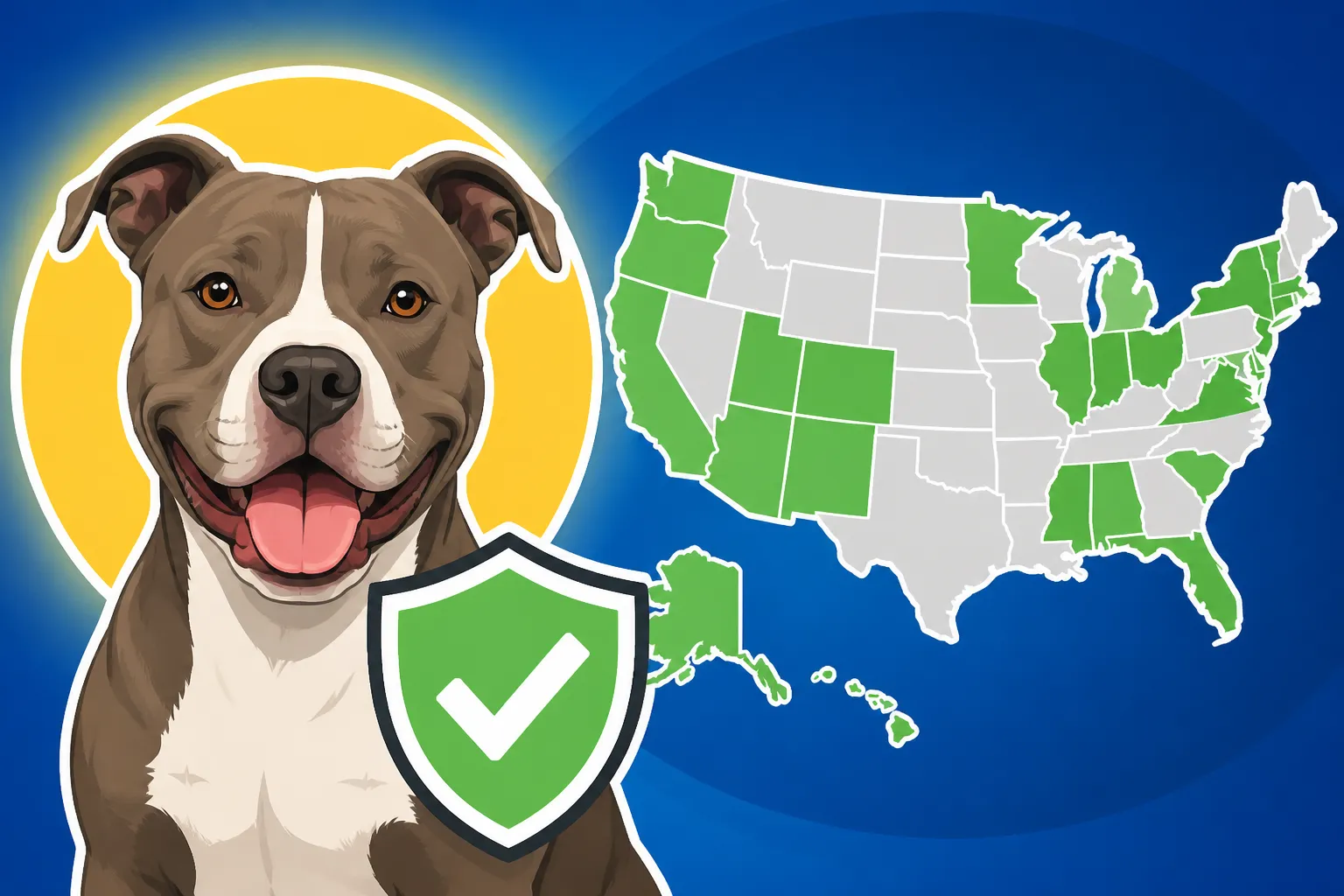
States Where Insurers Cannot Ask About a Pit Bull
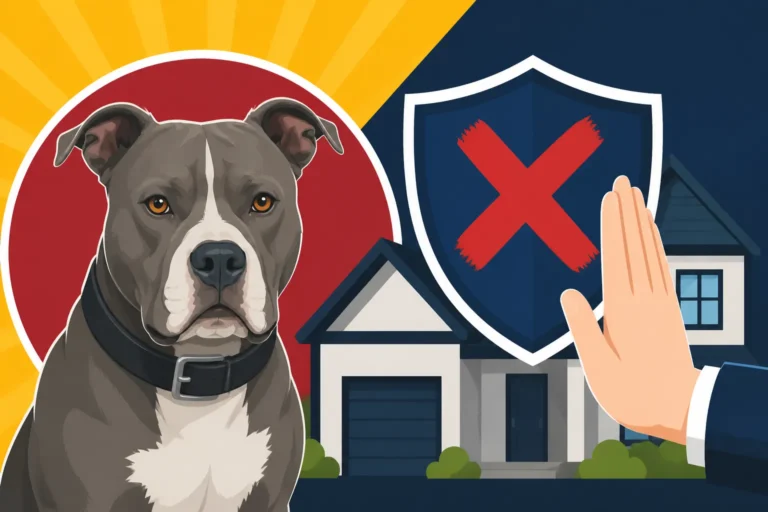
It’s an all too common, disheartening scenario for many Pit Bull owners: you’ve found the perfect home, but then you hit the snag of homeowners or renters insurance. Suddenly, your beloved furry family member, who might be the gentlest soul you know, becomes a "prohibited breed" in the eyes of an insurance company. This frustrating discrimination can lead to higher premiums, outright policy denials, or even prevent you from securing housing. This guide is here to shed some light on the issue, specifically focusing on the growing number of states that have taken legislative action to prevent insurers from discriminating against dogs based solely on their breed.
The Persistent Challenge of Breed-Specific Insurance
For years, Pit Bull owners have navigated a complicated landscape when it comes to housing and insurance. It's not just about finding a pet-friendly apartment; it's about finding a landlord or an insurance carrier willing to look past a breed label and see the individual dog. This issue strikes at the heart of responsible pet ownership, penalizing good owners for the actions of a few or for simply owning a dog that happens to fall under a broad, often ill-defined category.
Why Pit Bull Owners Face Discrimination
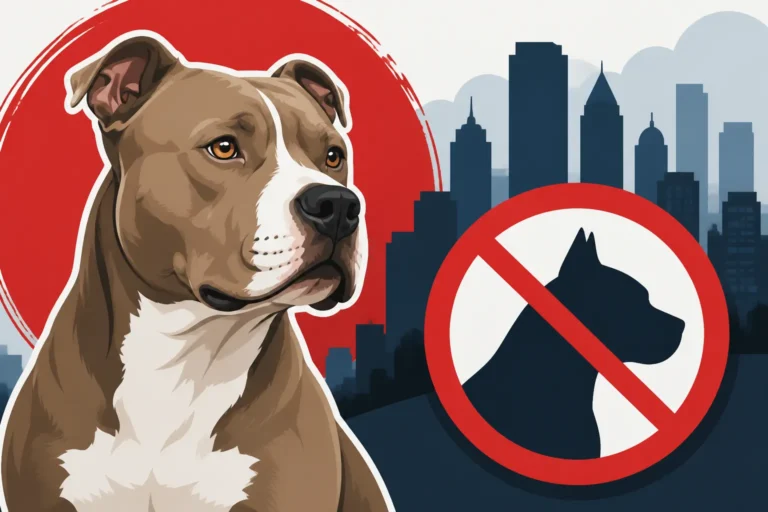
The roots of breed-specific discrimination in insurance often trace back to media sensationalism and a generalized fear surrounding certain breeds, including Pit Bulls. While responsible organizations like the American Veterinary Medical Association (AVMA) and the American Bar Association (ABA) have come out against breed-specific legislation, advocating for laws that focus on individual dog behavior and owner responsibility, many insurance companies have historically maintained blanket bans. They often use statistics, sometimes compiled without robust methodology, to justify higher risk assessments for certain breeds, despite ample evidence suggesting that a dog's behavior is far more influenced by training, socialization, and individual temperament than by its breed alone.
This leads to a situation where a perfectly well-behaved, well-trained Pit Bull can be deemed a higher risk than a poorly trained dog of another breed, simply because of its appearance or ancestry. It's a frustrating double standard that many of us have faced, leaving us feeling unfairly judged and our dogs unfairly stigmatized. Imagine having a dog that has passed rigorous temperament tests, like those offered by the American Temperament Test Society (ATTS), only to have an insurance company refuse you because they don't look past the "Pit Bull" label. This kind of refusal often forces owners into tough choices, sometimes even leading to beloved pets being surrendered to shelters, through no fault of their own.
The Real-World Impact on Homeowners and Renters
The ramifications of breed-specific insurance policies are profound and far-reaching. For homeowners, it can mean being denied coverage altogether, or facing exorbitant premiums that make homeownership unaffordable. You might find yourself searching endlessly for carriers, often having to compromise on coverage or pay significantly more than neighbors with other breeds. This can feel like a constant battle, especially when you consider What a Pit Bull Adds to a Homeowners Premium in states without protective laws.
Renters often face an even tougher uphill climb. Many apartment complexes and landlords have their own breed restrictions, often mirroring what insurance companies dictate. Even if a landlord is open to a Pit Bull, their insurance carrier might not be, forcing them to either deny your application or seek out specialized (and more expensive) commercial policies. This effectively shrinks the pool of available housing dramatically, limiting where you can live and creating immense stress for families. It’s not uncommon to hear stories of families being forced to move or even give up their dogs because they couldn't find Renters Insurance That Will Cover a Pit Bull or a landlord willing to take the "risk" as perceived by their insurer. The emotional toll of constantly being scrutinized or judged for your dog's breed is something only Pit Bull owners truly understand.
States Leading the Way: Laws Against Breed Discrimination in Insurance
The good news is that advocacy efforts by passionate Pit Bull owners, rescue organizations, and animal welfare groups are making a difference. More and more states are recognizing the unfairness and ineffectiveness of breed-specific insurance discrimination and are enacting laws to prevent it. These laws aim to shift the focus from a dog's perceived breed to its actual behavior and the owner's responsibility.
A Landscape of Protection: Where Legislation Exists
While laws vary, a growing number of states now have legislation that prohibits insurance companies from denying homeowners or renters insurance, or charging higher premiums, based solely on the breed of dog owned. It’s important to remember that these laws generally don't prevent insurers from considering a dog's individual bite history or an owner's history of claims related to their dog, but they do prevent blanket discrimination based on breed alone.
Here are some of the states that have implemented such protections, though it's always wise to double-check current state regulations as laws can evolve:
- California: While California has long had some protections, a newer law further solidifies the prohibition against denying or cancelling homeowner's insurance based on breed.
- Colorado: Enacted legislation that prevents insurers from refusing coverage or raising premiums based solely on a dog's breed. Insurers must look at the dog's actual behavior.
- Illinois: A law passed in 2021 states that insurance companies cannot discriminate against homeowners based on the breed of their dog, or its perceived breed.
- Maryland: This state was one of the first to implement significant protections, effectively preventing insurers from using breed as a sole reason for denial or increased premiums.
- Michigan: Legislation prohibits insurance companies from refusing to issue or renew, or from cancelling, a policy of homeowners insurance solely on the basis of the breed or type of dog.
- Nevada: A law passed in 2021 makes it illegal for insurance companies to deny coverage or charge higher premiums based on the breed of dog.
- New Jersey: Legislation prevents insurers from denying, cancelling, or refusing to renew homeowners' insurance policies based on the specific breed of dog owned.
- New York: Enacted a law in 2022 prohibiting insurance companies from denying or cancelling a policy, or charging higher premiums, based on the breed of dog.
- Pennsylvania: As of 2022, Pennsylvania prohibits insurers from denying, canceling, or refusing to renew a homeowner’s policy, or increasing the premium, solely based on the breed of dog.
- Rhode Island: Has legislation preventing discrimination based on dog breed by insurance companies.
- Virginia: A 2022 law states that insurers cannot deny or cancel a policy, or increase premiums, based solely on the breed of a dog.
- Washington: Similar to other states, Washington passed legislation in 2022 making it unlawful for insurers to cancel, deny, or refuse to renew policies based on dog breed.
This is a significant step forward, providing a much-needed reprieve for Pit Bull owners in these areas. It means that an insurance company in these states can't automatically say "no" just because your dog is a Pit Bull. They have to consider the whole picture.
What These Laws Actually Mean for You
For Pit Bull owners living in these protective states, these laws translate into more options, fairer treatment, and potentially lower insurance costs. Instead of facing an immediate brick wall, insurers are now required to evaluate your application based on more objective factors. They’ll look at things like:
- Individual Dog Behavior: Has your specific dog ever bitten anyone? Does it have a history of aggressive behavior documented by animal control or a veterinarian?
- Owner's History: Have you, the policyholder, ever had a previous insurance claim related to a dog bite, regardless of the breed?
- Training and Socialization: While not always a direct factor in policy approval, evidence of a well-trained dog can certainly help your case.
This shift away from arbitrary breed bans means you have a better chance of securing reasonable homeowners or renters insurance. It doesn't mean you're exempt from responsible dog ownership – quite the opposite. These laws empower responsible owners by removing an unfair barrier, but the expectation remains that all dog owners, regardless of breed, ensure their pets are well-behaved and safely managed. If your dog does have a bite history, even in a protective state, insurers can still factor that into their decision, which is a fair assessment based on individual risk.
| State | Year Enacted (Approx.) | Key Protection | Notes |
|---|---|---|---|
| California | 2023 | Prohibits denial/cancellation based on breed alone. | Enhances existing protections. |
| Colorado | 2020 | Insurers cannot refuse coverage or raise premiums solely based on breed. | Focuses on individual dog's behavior. |
| Illinois | 2021 | Prohibits discrimination based on dog breed or perceived breed. | Includes both homeowners and renters insurance. |
| Maryland | 2019 | Prevents insurers from using breed as the sole reason for denial or hike. | Landmark legislation, one of the first. |
| Michigan | 2020 | Cannot refuse to issue/renew or cancel based solely on breed. | Applies to homeowners insurance. |
| Nevada | 2021 | Illegal to deny coverage or charge higher premiums based on breed. | Strong consumer protection for dog owners. |
| New Jersey | 2022 | Prohibits denial, cancellation, or non-renewal based on breed. | Covers homeowners policies. |
| New York | 2022 | Insurers cannot deny/cancel/charge higher premiums due to dog breed. | Significant win for dog owners in a populous state. |
| Pennsylvania | 2022 | Prohibits denial, cancellation, non-renewal, or premium increase by breed. | Comprehensive protection for homeowners. |
| Rhode Island | 2013 | Prevents discrimination by insurance companies based on dog breed. | One of the earlier states to act. |
| Virginia | 2022 | Insurers cannot deny/cancel/increase premiums solely due to dog breed. | Strengthens owner rights regarding insurance. |
| Washington | 2022 | Unlawful for insurers to deny/cancel/refuse renewal based on dog breed. | Broad protection for homeowners and renters. |
Beyond Legislation: Proactive Steps for Pit Bull Owners
Even in states with protective laws, it's wise to remain proactive and prepared. These laws are a fantastic step, but they don't erase all challenges. Being a responsible Pit Bull owner involves more than just loving your dog; it means being an advocate and an informed consumer.
Advocating for Your Dog: Documentation and Training
One of the most powerful tools in your arsenal is a well-trained dog and meticulous documentation. When you apply for insurance, especially if you've ever faced pushback, having a portfolio for your Pit Bull can make a world of difference.
- Training Records: Proof of training classes, especially certifications like the Canine Good Citizen (CGC) award, can demonstrate your dog's good temperament and your commitment to responsible ownership. Many owners wonder Whether a CGC Title Helps a Pit Bull Policy, and while it's not a legal requirement for insurers in protective states, it certainly paints a positive picture of your dog. Showing an insurer a Pit Bull's training record demonstrates proactive responsibility.
- Veterinary Records: Up-to-date vaccination records, regular check-ups, and documentation of spaying/neutering all point to a well-cared-for pet. These records can also confirm your dog's actual breed mix if you've done a DNA test. Sometimes, the breed listed on paper might not fully reflect your dog's genetic makeup, and Whether a DNA Test Gets a Pit Bull Insured can be a question worth exploring if your dog is a mix.
- Microchipping and Licensing: These show responsible identification and compliance with local laws, adding another layer of credibility to your ownership.
- Photos and Testimonials: While less formal, positive photos of your dog interacting calmly with people and other animals, alongside character references from vets or trainers, can also humanize your dog beyond a "breed" label.
By proactively demonstrating that your dog is a well-adjusted, well-managed member of your family, you build a stronger case that you are a responsible owner.
Choosing the Right Insurance Partner
Even with breed-neutral laws, not all insurance companies are created equal. Some may be more receptive than others. It's crucial to shop around and ask very direct questions.
- Directly Ask About Breed Restrictions: Even in states with protective laws, ask prospective insurers if they have any breed restrictions. If they say no, get it in writing. Don't assume.
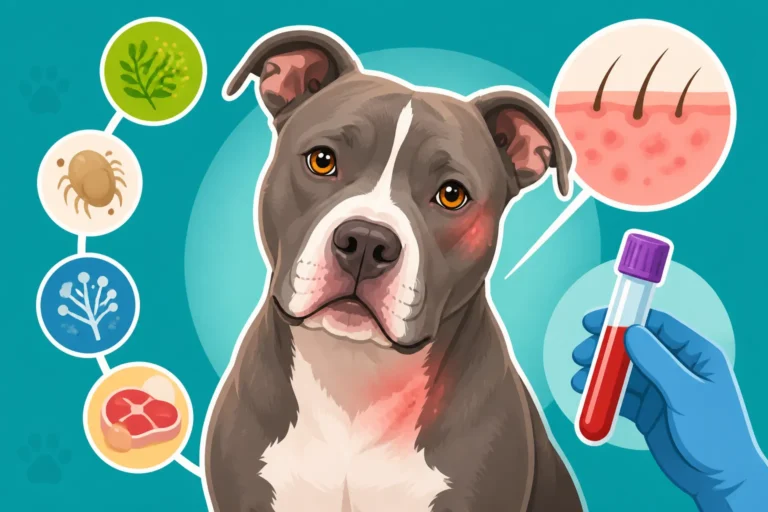
- Explore Pet Insurance: While separate from homeowners or renters insurance, pet health insurance can be a huge benefit. Many pet insurance providers, like Healthy Paws, do not have breed restrictions for health coverage. This means your Pit Bull can get coverage for accidents, illnesses, and emergencies just like any other dog. This can be a huge relief if you're worried about potential vet bills, which can add up quickly, especially with common Pit Bull issues like Pit Bull Skin Allergies and the Atopy Pattern or Pit Bull Hip Dysplasia Showing at One to Two Years. Understanding Pit Bull Pet Insurance and Breed Exclusions is vital, as while health insurance generally doesn't discriminate, the context is different from liability insurance.
- Independent Agents: Working with an independent insurance agent can be very helpful. They work with multiple carriers and can often find policies and companies that are more breed-friendly or have more flexible underwriting guidelines. They might also be more knowledgeable about the nuances of state-specific laws.
- Specialty Carriers: In some cases, if you still face difficulties, there are specialty insurance carriers that focus on "high-risk" policies. These may be more expensive but offer a solution when traditional avenues fail.
Remember, good care for your Pit Bull extends beyond insurance. Ensuring they have a healthy diet, perhaps from a brand like Ollie, or durable, safe chew toys and supplies from Chewy, contributes to their overall well-being, which in turn reflects positively on your ownership.
Building a Secure Future for Your Pit Bull
Securing appropriate insurance for your Pit Bull is a critical step in building a stable and secure life for both you and your dog. It removes a significant barrier and allows you to focus on the joy of companionship, rather than constant worry about potential housing or financial repercussions.
Understanding Your Policy's Nuances
Even with protective laws in place, it's essential to understand the fine print of any insurance policy you purchase. Don't just skim it.
- Liability Limits: Always understand the liability limits of your homeowners or renters policy. While these new laws prevent breed discrimination, they don't necessarily dictate the amount of liability coverage. You want to make sure you have adequate coverage in case of any incident, regardless of your dog's breed. This ties into the broader topic of Getting Liability Cover With a Pit Bull and ensuring you have sufficient protection.
- Exclusions and Conditions: Read through all exclusions and conditions. Some policies might still have clauses that could affect dog-related incidents, even if they don't explicitly name breeds. For example, some policies might have exclusions for dogs with a history of aggression, regardless of breed.
- Umbrella Policies: For an added layer of protection, consider an umbrella insurance policy. This type of policy provides additional liability coverage beyond the limits of your homeowners, auto, or renters insurance. For Pit Bull owners, or any dog owner, it can offer substantial peace of mind. Knowing How Much Umbrella Cover a Pit Bull Owner Buys can significantly reduce financial risk from unforeseen incidents.
The goal is to be fully informed and adequately protected. These protective state laws are a huge win, but they don't replace the need for thorough understanding of your personal insurance coverage.
Supporting Broader Advocacy Efforts
While progress is being made, the fight for fair treatment of Pit Bulls is far from over. Many states still lack these protective laws, and even where they exist, enforcement and continued advocacy are crucial.
- Join Advocacy Groups: Organizations like Best Friends Animal Society, the ASPCA, and various local Pit Bull rescue and advocacy groups are at the forefront of changing hearts, minds, and laws. By joining them, you can lend your voice and support to legislative efforts. Understanding Why Support for Pit Bull Bans Has Fallen is key to empowering these groups.
- Educate Others: As a Pit Bull owner, you are an ambassador for the breed. Your well-behaved, loving dog is the best argument against negative stereotypes. Share accurate information, dispel myths, and demonstrate responsible ownership at every opportunity.
- Contact Your Legislators: If your state does not yet have breed-neutral insurance laws, reach out to your local and state representatives. Share your personal experiences and advocate for legislation that protects responsible pet owners and their dogs. Political engagement is how these changes happen.
These protective laws are a testament to the power of persistent advocacy and the undeniable bond between humans and their dogs. By continuing to be informed, responsible, and vocal, we can ensure that more Pit Bulls and their families find the peace of mind they deserve.
Disclaimer
The information provided in this article is for general informational purposes only and does not constitute legal or insurance advice. While efforts have been made to provide accurate and up-to-date information, insurance laws and regulations vary by state and are subject to change. It is essential to consult with a qualified insurance professional and review your specific policy details to understand your coverage. Always verify current laws and policies in your jurisdiction.