What Allergy Testing Runs on a Pit Bull
It's incredibly frustrating to watch your beloved Pit Bull constantly scratching, licking their paws raw, or shaking their head because their ears are bothering them. You just want them to be comfortable, and the endless cycle of guessing what's causing it, combined with the worry of vet bills, can be truly overwhelming. This guide is here to break down the real costs associated with allergy testing for Pit Bulls, helping you understand what to expect as you navigate finding relief for your furry family member.
Why Pinpointing Pit Bull Allergies is So Crucial
When your Pit Bull starts itching, it's easy to assume it's "just allergies." But that vague term doesn't help you much when you're trying to figure out how to stop the discomfort. Pit Bulls, with their genetic predispositions, often suffer from skin issues, and understanding the specific trigger is the first step toward lasting relief. Without proper testing, you're essentially playing whack-a-mole with symptoms, often leading to temporary fixes and recurring problems.
The Frustration of Persistent Itching and Secondary Issues
There's nothing quite like the sound of your dog scratching themselves incessantly, even when they're trying to sleep. This isn't just an annoyance; it's a sign of real distress for your Pit Bull. Common signs often start subtle – a little more licking of the paws, a slight rub against the carpet, or a shake of the head. Before you know it, these minor irritations can escalate into full-blown issues. We often see Pit Bull Paw Licking and Chewing become so intense that the skin breaks, leading to bacterial or yeast infections. Similarly, what starts as a mild ear itch can quickly turn into painful, chronic Pit Bull Ear Infections and Allergy Links. These secondary infections require their own course of treatment, adding to the expense and extending your dog's discomfort. It's a vicious cycle that many Pit Bull owners unfortunately know all too well.
Beyond Generic Solutions and Temporary Relief
Many owners, understandably, start with over-the-counter remedies, special shampoos, or even a quick food swap from the pet store. While these might offer a fleeting moment of peace, they rarely get to the root of the problem. If your Pit Bull has a true allergy – whether it's environmental, food-related, or a combination – these general approaches often fall short. You might find yourself constantly buying expensive specialty foods from places like Chewy, only to see no real improvement, or trying various sprays and creams that do little more than mask the symptoms for a few hours. This trial-and-error approach, while well-intentioned, can not only be costly in the long run but also delay the effective treatment your Pit Bull truly needs. Understanding the "why" behind the itch is essential to avoiding this frustrating merry-go-round.
Understanding the Different Allergy Triggers in Pit Bulls
Pit Bulls are prone to a variety of allergic reactions, and knowing the potential culprits helps narrow down the best testing approach. The three main categories are:
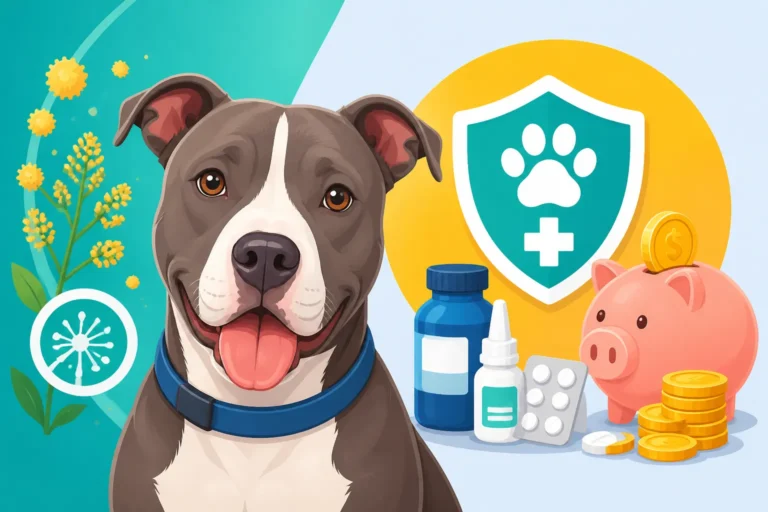
- Environmental Allergies (Atopy): These are by far the most common, caused by allergens in the environment like pollen from trees, grasses, and weeds, dust mites, mold spores, and even dander from other animals. Just like people get hay fever, dogs can react to these airborne particles, often showing symptoms seasonally or year-round depending on the specific allergen. This often manifests as Pit Bull Skin Allergies and the Atopy Pattern.
- Food Allergies: Less common than environmental allergies, but still a significant concern. These occur when a Pit Bull's immune system reacts adversely to certain proteins in their diet, most commonly beef, dairy, chicken, wheat, and soy. Unlike food sensitivities, which cause digestive upset, true food allergies often show up as skin problems, ear infections, or chronic itching. You might be surprised to learn that Pit Bull Food Allergy Signs Beyond the Skin can include gastrointestinal issues too.
- Flea Allergy Dermatitis (FAD): Even a single flea bite can trigger an intense allergic reaction in a sensitive Pit Bull. The saliva from the flea bite is the allergen, leading to severe itching, redness, and inflammation, often around the tail base and hindquarters. This is why consistent, year-round parasite prevention is so critical.
Unpacking the Costs of Allergy Testing Methods
When your vet suggests allergy testing, it's natural to wonder about the price tag. The cost can vary quite a bit depending on the type of test, where you live, and whether a specialist is involved. Let's break down the common methods you'll encounter and what they typically run.
Initial Diagnostic Steps: Skin Scrapings and Cytology
Before diving into expensive allergy-specific tests, your veterinarian will almost always start with some basic diagnostics to rule out other common causes of itching and skin irritation. These initial tests are crucial because many skin problems can mimic allergies.
- What they involve:
- Skin Scraping: This is a simple procedure where your vet gently scrapes a small layer of skin from an affected area with a blade (often dulled or with mineral oil) and examines it under a microscope. They're looking for external parasites like mites, including Demodex or Sarcoptes (mange mites). This can quickly rule out a treatable parasitic infestation.
- Cytology: This involves taking a swab or impression smear from the skin (especially skin folds, between toes, or inside ears) and staining it for microscopic examination. Your vet is checking for an overgrowth of yeast (like Malassezia) or bacteria, which are incredibly common secondary infections in allergic Pit Bulls. These infections exacerbate the itch and need to be treated alongside the underlying allergy.
- Typical Costs: These initial tests are usually quite affordable and often included as part of a general veterinary visit or dermatological exam fee. You can expect to pay anywhere from $30 to $100 per test, but again, if your vet already has your dog in the exam room for a general check-up, they might be bundled. This is money well spent, as identifying and treating a secondary infection can bring your Pit Bull significant relief and make them more comfortable for further diagnostics.
The Gold Standard for Food: The Elimination Diet Trial
When food allergies are suspected, the only truly reliable diagnostic method isn't a blood test, but a meticulously managed food trial. This isn't a quick fix or a simple switch to a "grain-free" food. It requires strict adherence and patience, typically lasting eight weeks or more.
- What it involves: An elimination diet trial, sometimes called a novel protein or hydrolyzed protein diet trial, means feeding your Pit Bull nothing but a specifically chosen, limited-ingredient diet for an extended period. This diet must contain either:
- A "novel protein" source (one your dog has never eaten before, like venison, duck, or rabbit) and a single carbohydrate source.
- A "hydrolyzed protein" diet, where the protein molecules are broken down into such small pieces that the immune system doesn't recognize them as allergens.
This means absolutely no treats, no table scraps, no flavored medications, and no sneaking anything else for the entire duration of the trial. If symptoms resolve during the trial, specific food allergens are then identified by reintroducing individual ingredients one at a time and watching for a reaction. This process is fully explained in our guide An Eight Week Food Trial on an Itchy Pit Bull.
- Typical Costs: The cost here is primarily indirect and ongoing:
- Prescription Diet Food: This is the main expense. High-quality novel protein or hydrolyzed protein diets are significantly more expensive than regular dog food. A large bag (25-30 lbs) can range from $80 to $150+, and you'll be buying these for at least two months. Brands like Royal Canin or Hill's offer excellent prescription options. For example, if you're trying a novel protein, you might find options like those offered by Ollie, though they would still need to be very carefully chosen and approved by your vet to ensure it's truly a "novel" source for your specific dog.
- Treat Alternatives: You'll need to find single-ingredient treats that match the novel protein or are approved for hydrolyzed diets, or simply use some of the prescription kibble as treats.
- Vet Consultations: You'll have initial consultations and follow-up visits to monitor progress, which will incur standard exam fees (typically $50-$100 per visit).
- Why it's important: While costly and demanding, a properly executed food trial is the most accurate way to diagnose food allergies. If your Pit Bull responds well, you can then identify the problematic ingredients and choose a long-term diet that keeps them comfortable.
Blood Tests for Environmental Allergies: Serum IgE Testing
Once flea allergies and secondary infections are ruled out, and if a food trial hasn't resolved the issue, environmental allergies (atopy) are the next likely culprit. Blood tests are a common method for screening these.
- What it involves: A small blood sample is taken from your Pit Bull and sent to a specialized veterinary laboratory. These labs (like Heska or Spectrum Labs) then test the serum for antibodies (specifically IgE) against a wide panel of common environmental allergens. This can include various pollens (trees, grasses, weeds), molds, dust mites, and sometimes insect components. The results come back indicating which allergens your Pit Bull reacted to.
- Typical Costs: Serum allergy testing costs typically range from $250 to $400, depending on the lab used and the number of allergens included in the panel. This fee usually covers the blood draw by your vet and the lab analysis.
- Pros and Cons:
- Pros: It's minimally invasive for your dog, requiring only a blood draw. It can be done by any veterinarian and doesn't require specialized equipment.
- Cons: While generally useful, serum tests can sometimes produce false positives or false negatives, especially for food allergens (which is why elimination diets are preferred for food). They measure a specific type of antibody and don't always perfectly correlate with clinical symptoms. They primarily guide the formulation of allergen-specific immunotherapy (allergy shots or drops) rather than being a standalone diagnostic tool for everyone. If you're considering Pit Bull Skin Allergy Testing, this is one of the main options discussed.
Specialist's Approach: Intradermal Skin Testing (IDST)
For the most accurate identification of environmental allergens, especially if immunotherapy is being considered, your vet might recommend intradermal skin testing, often performed by a board-certified veterinary dermatologist.
- What it involves: This procedure is similar to allergy testing in humans. A small patch of your Pit Bull's fur is shaved on their side, and multiple tiny injections of different purified allergens are administered just under the skin. The dermatologist then observes the injection sites for a localized allergic reaction (redness, swelling) over about 15-20 minutes.
- Typical Costs: Intradermal skin testing is generally the most expensive testing option due to the specialist involvement, the need for sedation, and the time required for the procedure. You can expect costs to range from $400 to $800, sometimes even higher in major metropolitan areas. This typically includes the specialist consultation, the sedation, and the testing itself.
- Pros and Cons:
- Pros: It's considered the "gold standard" for diagnosing environmental allergies because it directly observes the skin's reaction to allergens, providing the most accurate results for immunotherapy formulation.
- Cons: It's more invasive (requiring sedation), more expensive, and requires a referral to a veterinary dermatologist, which might mean traveling if you don't have one locally. Medications like steroids or antihistamines must be stopped weeks in advance, which can be challenging if your Pit Bull is severely itchy.
Factors That Influence Your Total Allergy Management Budget
Getting a diagnosis through allergy testing is a fantastic step forward, but it's important to understand that it's just the beginning of managing your Pit Bull's allergies. Several other factors will contribute to the overall financial commitment.
Geographic Location and Vet Specialization
Where you live can have a significant impact on veterinary costs, including allergy testing and treatment. Vets in large metropolitan areas or regions with a higher cost of living generally charge more for their services than those in rural or smaller towns. For instance, a specialist consultation and intradermal skin test in New York City or Los Angeles might be at the higher end of the spectrum ($800+), while the same procedure in a less populated area could be closer to $400-$500.
Furthermore, the involvement of a veterinary dermatologist naturally increases costs. These specialists have advanced training and equipment, and their expertise is reflected in their fees. While your general practitioner vet can perform initial diagnostics and blood tests, an intradermal skin test must be done by a specialist. Access to these specialists also varies by region; you might need to travel a considerable distance, adding to time and transportation expenses.
Severity and Chronicity of Your Pit Bull's Allergies
A Pit Bull with mild, seasonal allergies that flare up for a few weeks each year will undoubtedly have lower overall costs than a dog suffering from severe, year-round, chronic allergies with frequent secondary infections.
- Mild cases: Might only require occasional medicated baths (e.g., Medicated Baths for a Pit Bull With Atopy), antihistamines, or a short course of medication like Apoquel or Cytopoint during flare-ups. The testing might simply confirm an environmental trigger and then management is mostly about avoidance and symptom control.
- Severe, chronic cases: These dogs often need more intensive diagnostics, multiple vet visits, long-term medication, and possibly immunotherapy. They may experience more frequent secondary bacterial or yeast infections, requiring repeated courses of antibiotics or antifungals, each adding to the bill. This can quickly escalate to Pit Bull Allergy Treatment as a Recurring Bill that runs into hundreds or even thousands of dollars annually. The more severe the allergy, the more aggressive and costly the management plan tends to be.
Ongoing Management and Medication Costs
Allergy testing gives you answers, but it doesn't cure the allergy. Most allergies require ongoing management throughout your Pit Bull's life. These continuing costs are often the largest part of the allergy budget.
- Medications: Many allergic Pit Bulls require prescription medications to control their itching and inflammation. Common options include:
- Apoquel: A daily oral medication that can run $60-$120 per month, depending on your dog's weight.
- Cytopoint: An injectable medication given every 4-8 weeks, costing $80-$200 per injection.
- Steroids: Oral prednisone is cheaper but has more potential long-term side effects.
- Antihistamines: Over-the-counter options like Zyrtec or Benadryl are relatively inexpensive ($10-$30/month), but often less effective for severe cases.
For more on these, check out our guide on Apoquel and Cytopoint for an Itchy Pit Bull.
- Immunotherapy (Allergy Shots/Drops): If your Pit Bull undergoes serum or intradermal testing, your vet might recommend allergen-specific immunotherapy. This involves giving your dog increasing doses of the allergens they react to, aiming to desensitize their immune system over time.
- Initial Vial/Formulation: The first set of vials or oral drops might cost $200-$400.
- Ongoing Refills: Refills typically cost $100-$200 every few months.
While the initial investment can be higher, immunotherapy often proves to be the most cost-effective long-term solution, as it addresses the root cause rather than just managing symptoms. Our article What Allergy Shots Cost a Pit Bull Owner delves deeper into these expenses.
- Specialized Diets: If a food allergy is diagnosed, your Pit Bull will need to stay on a prescription or carefully selected limited-ingredient diet for life. These can range from $70-$150+ per bag of kibble, or even more for fresh-food options.
- Topical Treatments: Medicated shampoos, conditioners, and wipes (e.g., douxo S3, Malaseb) are often necessary to manage secondary infections and soothe irritated skin. These can add $20-$50 per bottle/pack, purchased regularly.
The Role of Pet Insurance in Managing Allergy Costs
Pet insurance can be a lifesaver for managing the high costs associated with chronic conditions like allergies, but there are some critical considerations.
- Pre-existing Conditions: The biggest hurdle is that pet insurance generally does not cover pre-existing conditions. If your Pit Bull showed any signs of allergies (itching, ear infections, skin rashes) before you enrolled them in a policy, or before the policy's waiting period ended, those allergy-related issues will likely be excluded from coverage. This is why enrolling a puppy or a young, healthy dog is always recommended.
- What it can cover: If your Pit Bull develops allergies after their policy is active and waiting periods are met, insurance can significantly reduce your out-of-pocket expenses for diagnostics (like blood tests, cytology, specialist visits), prescription medications (Apoquel, Cytopoint), immunotherapy, and even prescription diets. Many policies will cover 70-90% of eligible vet bills after your deductible. Brands like Healthy Paws are well-regarded for their comprehensive coverage, but it's always best to read the fine print regarding chronic conditions.
- Cost of Premiums: Pet insurance premiums vary based on your Pit Bull's age, breed, location, and the level of coverage you choose. You might pay anywhere from $30 to $80+ per month. When you factor in the potential thousands in allergy treatment costs, the monthly premium can be a worthwhile investment if your dog's allergies are covered. Always get multiple quotes and compare plans carefully to understand what is and isn't included.
Here's a quick overview of typical allergy testing costs:
| Testing Method | What It Primarily Tests For | Estimated Cost Range | Pros | Cons |
|---|---|---|---|---|
| Skin Scraping / Cytology | Mites, yeast, bacterial infections | $30 – $100 (per test) | Quick, affordable, rules out other issues | Doesn't diagnose allergies directly |
| Food Elimination Trial | Food allergies | $160 – $300+ (food cost over 8+ weeks) + Vet Consults | Most accurate for food allergies | Time-consuming, strict, expensive prescription food |
| Serum (Blood) Allergy Test | Environmental allergens (pollen, dust mites) | $250 – $400 | Minimally invasive, widely available | Can have false positives/negatives, less accurate for food |
| Intradermal Skin Test (IDST) | Environmental allergens | $400 – $800+ (specialist fees) | Gold standard for environmental allergies, best for immunotherapy | Invasive (sedation needed), requires specialist, more expensive |
Disclaimer
The information provided in this article is for general informational purposes only and does not constitute veterinary advice. Always consult with a qualified veterinarian for any health concerns or before making any decisions about your pet's health or treatment plan. Individual costs can vary significantly based on location, specific veterinary practices, and your pet's individual needs.