Florida Ending Its Pit Bull Bans in 2024
For years, if you lived in Florida and loved a Pit Bull type dog, you faced a unique and often heartbreaking challenge. The shadow of breed-specific legislation, particularly the state-wide ban on owning Pit Bulls in certain areas, made finding housing, securing insurance, and even just walking your beloved companion in peace a constant source of anxiety. But a monumental shift has arrived, and this guide will walk you through everything you need to know about the official end of Florida's Pit Bull bans in 2024, what it means for you and your dog, and how to navigate this exciting new landscape.
Understanding the Historical Landscape of Breed-Specific Legislation in Florida
For far too long, many Pit Bull owners in Florida lived under the weight of breed-specific legislation (BSL), a set of laws that singled out certain dog breeds, often those perceived as dangerous, and imposed restrictions on their ownership. This wasn't just a minor inconvenience; it created real-life barriers and deep emotional distress for families who simply wanted to love their dogs.
The Old Guard: How Florida's BSL Operated
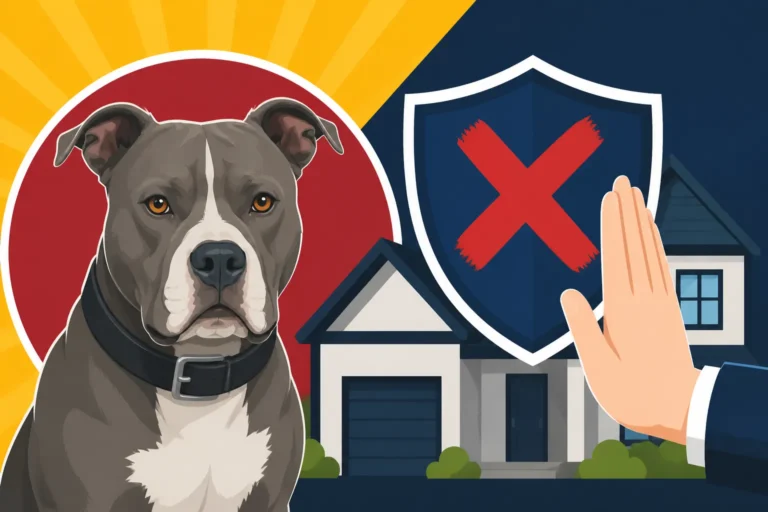
Before 2024, Florida was a patchwork of regulations. While there wasn't a universal statewide ban on Pit Bulls for all residents, individual counties and municipalities had the power to enact their own breed-specific ordinances. The most infamous was Miami-Dade County, which had a long-standing ban on Pit Bulls. This meant that if you lived in Miami-Dade, owning a Pit Bull was illegal, plain and simple. If you moved there with your dog, you faced potential confiscation or a forced rehoming. This kind of law didn't just affect people living within those specific county lines; it created a chilling effect across the state. Many landlords, insurance companies, and even some businesses took a blanket approach, fearing legal repercussions or simply defaulting to the lowest common denominator of restriction, regardless of whether a local ban was actually in place. It made the prospect of finding a rental that accepts a Pit Bull or getting home insurance with a Pit Bull an absolute nightmare.
These bans often stemmed from decades-old incidents and perpetuated stereotypes rather than focusing on individual dog behavior. They were reactive, not proactive, and punished responsible owners for the actions of a few or the reputation of a breed type. This systemic bias ignored the fact that any dog, regardless of breed, can be dangerous if not properly socialized, trained, or cared for.
The Frustrations of Living Under a Ban
Imagine loving a dog, knowing its gentle nature and goofy quirks, only to have it constantly judged and feared by others, and worse, legally discriminated against. That was the daily reality for many Pit Bull owners in Florida. The frustrations were manifold and deeply personal. Simple things like taking your dog to a public park could be fraught with anxiety, not knowing if someone would report you or if you’d encounter prejudice. Securing housing was a Herculean task; many apartment complexes and rental agencies had blanket breed restrictions, often explicitly naming Pit Bulls. Even if a specific area didn't have a ban, the pervasive fear and misinformation meant owners still faced an uphill battle.
Insurance was another huge hurdle. Many homeowners carriers that refuse Pit Bulls were common, leaving owners scrambling or paying exorbitant rates. People often felt like they were forced to conceal their dog's true breed, or move out of a community they loved, just to keep their family intact. The emotional toll of constantly defending your dog, fearing legal repercussions, and navigating a landscape of misunderstanding was immense. It wasn't just about owning a dog; it was about the fundamental right to choose your companion and live without constant threat of separation. The bans implied that your dog was inherently dangerous, regardless of its individual behavior, training, or the love and care you provided.
The Landmark Shift: What Changed in 2024 for Pit Bulls in Florida
The year 2024 marked a monumental turning point for Pit Bull owners across Florida. After years of advocacy, education, and tireless work from animal welfare organizations and passionate individuals, the state finally moved away from its breed-specific policies. This change wasn't just a minor tweak; it was a fundamental shift in how the state views dog ownership, focusing on behavior rather than breed labels.
The New Law: Key Provisions and Implementation
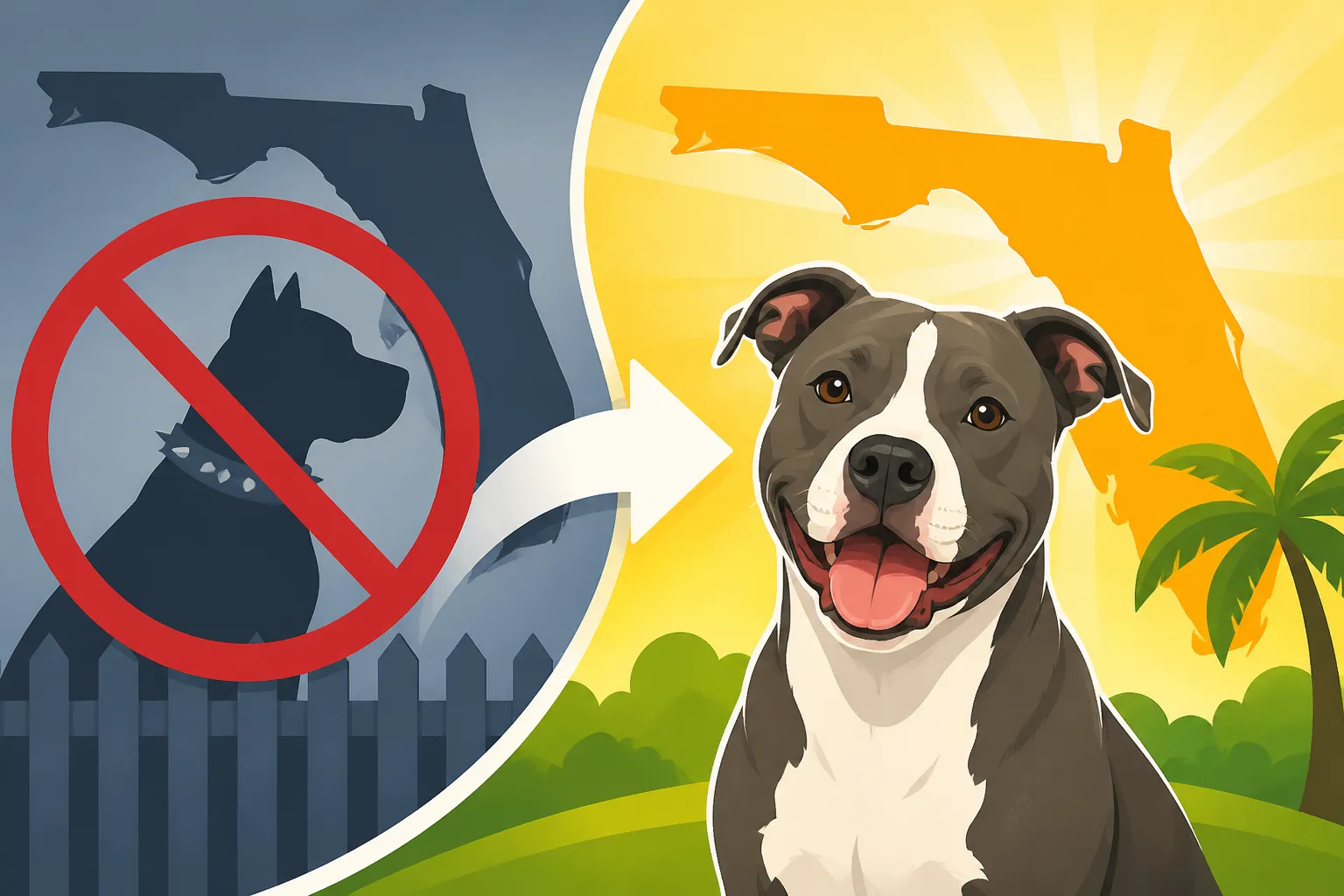
Effective October 1, 2023, Florida Statutes § 767.14 was amended, explicitly prohibiting local governments from enacting or enforcing breed-specific ordinances. This means that counties, cities, and other municipalities can no longer create laws that ban specific breeds of dogs, including Pit Bull type dogs. Furthermore, it effectively repealed existing breed bans, most notably the long-standing ban in Miami-Dade County. This is a game-changer because it takes away the power from local authorities to discriminate based on breed, establishing a statewide standard that values responsible ownership over arbitrary breed labels.
The new law doesn't mean a free-for-all; it simply shifts the focus. Instead of breed bans, local governments are now directed to regulate dangerous dogs based on their individual behavior, bite history, and documented aggression, regardless of what they look like. This aligns Florida with a growing number of states that have recognized the ineffectiveness and unfairness of BSL. It emphasizes that a dog's actions, not its genetics, determine its safety. This legislative victory was the culmination of years of effort by groups like the ASPCA and local humane societies, who championed evidence-based animal control policies.
A Statewide Ripple Effect
The repeal of these bans has sent a wave of relief and excitement through the Pit Bull owner community, and indeed, among all dog lovers in Florida. For residents of Miami-Dade, the change meant they could finally openly own their Pit Bulls without fear of legal reprisal. For others across the state, it brought clarity and protection, ensuring that their local governments couldn't suddenly impose similar bans. This uniform approach is crucial for reducing confusion and inconsistencies that previously plagued dog owners who might move between different jurisdictions.
The statewide ripple effect also influences how landlords, insurance companies, and housing associations will operate. While private entities can still set their own rules, the removal of government-mandated bans significantly weakens the justification for breed discrimination. It empowers owners to advocate more effectively for their dogs, backed by state law. The hope is that this shift will encourage a more educated and nuanced understanding of dogs, moving away from stereotypes towards an appreciation for individual temperament and proper training. It’s a huge step forward for animal welfare and responsible pet ownership in Florida.
Immediate Impacts and New Freedoms for Pit Bull Owners
This landmark legislative change brings immediate and tangible benefits for Pit Bull owners in Florida, opening doors that were once firmly shut. It's about more than just legal ownership; it's about peace of mind, improved access, and the freedom to live openly with your beloved companion.
Owning, Renting, and Insuring Your Pit Bull
One of the most significant immediate impacts is the liberation felt by owners in formerly restricted areas, like Miami-Dade. You can now openly own your Pit Bull without fear of legal action. This means taking your dog to the vet, registering it with the county, or walking it publicly without the constant anxiety that once loomed.
When it comes to housing, this change is a massive step forward, though it's important to understand the nuances. While local governments can no longer ban Pit Bulls, private entities like landlords, apartment complexes, and homeowner associations (HOAs) can still set their own rules regarding dog breeds. However, the absence of a state-sanctioned breed ban provides a powerful argument for Pit Bull owners. You can now approach potential landlords or HOAs with the confidence that the state itself doesn't consider your dog inherently dangerous. This may encourage more places to reconsider their blanket prohibitions, especially with the state embracing more progressive animal welfare laws. Some progressive apartment management companies are already adapting their policies to align with the new state legislation, making it easier for renters. When searching for a new place, look for policies that state breed-neutral language, focusing instead on size, temperament, or individual evaluations rather than specific breeds.
Insurance providers, unfortunately, can still maintain their own breed-specific exclusions. Many insurers still classify Pit Bulls as "high-risk" breeds, potentially leading to higher premiums or outright denial of coverage. However, the legal shift may put pressure on some insurance companies to review their policies over time, especially as other states also move away from BSL. It's crucial for Pit Bull owners to shop around diligently for pet insurance and homeowners/renters insurance. Companies like Healthy Paws are known for their comprehensive pet insurance policies that don't typically exclude breeds, which can be a lifeline for covering unexpected vet bills. For homeowners insurance, seeking out brokers who specialize in "high-risk" dog breeds can often yield better results, as they know which carriers are more accommodating. Always be upfront about your dog's breed when applying for insurance to avoid future claim denials.
Traveling and Relocating Within Florida
The uniformity of the law across Florida makes traveling and relocating within the state significantly less stressful. Previously, a Pit Bull owner driving from, say, Orlando to Miami-Dade had to contend with the stark reality that their dog became illegal upon crossing county lines. This created immense logistical and emotional challenges for families. Now, those anxieties are largely alleviated. You can travel from Pensacola to Key West with your Pit Bull knowing that state law protects your right to own your dog, regardless of the specific municipality you're passing through.
This newfound freedom opens up opportunities for exploring Florida's beautiful state parks and dog-friendly attractions without the specter of breed discrimination. Of course, individual establishments, like hotels or specific parks, may still have their own pet policies (e.g., weight limits, number of pets, general behavior requirements), but these are typically breed-neutral. This means the focus shifts back to your dog's individual behavior and your responsibility as an owner, rather than its perceived breed. When planning trips, a quick call to confirm a venue's pet policy is always a good idea, but the dread of "Is my dog even allowed here?" based solely on its breed is largely gone within Florida's borders.
For those considering a move to Florida with a Pit Bull, the landscape is now much clearer and more welcoming. This state-level change makes Florida a more appealing destination for Pit Bull owners who previously might have dismissed it due to the pervasive BSL.
Navigating the Nuances: What Still Matters Post-Ban
While the statewide repeal of Pit Bull bans in Florida is a huge win, it doesn't mean all restrictions vanish overnight. It's crucial for owners to understand that some nuances still exist, particularly concerning private property rules and the ongoing importance of responsible ownership.
Local Ordinances and Homeowner Association Rules
As we touched on, the new state law prohibits local governments from enacting new breed-specific bans and nullifies existing ones. However, this primarily applies to public ordinances. Private entities still retain the right to establish their own pet policies. This means that an individual landlord, a specific apartment complex, or a homeowner's association (HOA) can still have rules that restrict certain breeds, including Pit Bulls.
For example, your HOA bylaws aimed at Pit Bull type dogs might still be on the books, stipulating weight limits or breed restrictions that effectively exclude your dog. It’s incredibly frustrating, I know, because your Pit Bull is a cherished family member, not a statistic. These private policies are typically governed by contract law, not municipal law, and can be harder to challenge directly through legislation. However, the shift in state law does give you more leverage. You can present the state's stance on breed neutrality to your HOA board or landlord, advocating for a policy change that aligns with modern, evidence-based practices. Some HOAs may be open to grandfathering in existing pets or adopting more inclusive policies if enough residents advocate for it.
It's also important to differentiate between breed bans and breed-neutral dangerous dog laws. Local governments can still pass ordinances defining and regulating "dangerous dogs" based on individual behavior, bite history, or demonstrated aggression. These laws apply to all breeds equally and are designed to protect public safety without unfairly targeting specific dogs. So, while your Pit Bull can't be banned just for being a Pit Bull, it can still face legal consequences if it's deemed dangerous due to its actions. This underscores the perpetual need for responsible ownership.
Continued Responsibility and Public Perception
With great freedom comes great responsibility, and this couldn't be truer for Pit Bull owners post-ban. While the legal landscape has improved, public perception often lags behind legislative change. The stereotypes surrounding Pit Bulls, though largely unfounded, are deeply ingrained in some communities. This means that as a Pit Bull owner, you continue to be an ambassador for your dog and its type.
Maintaining impeccable leash manners is paramount, especially when out in public. A well-trained Pit Bull on a loose leash, ignoring distractions, does more to change public opinion than any legal statute. Consider enrolling your dog in classes to get its Canine Good Citizen certification. This kind of certification demonstrates a dog's good manners and a handler's commitment to responsible ownership, which can be very persuasive when dealing with landlords or skeptical neighbors.
It's also wise to be proactive in your training. Training a Pit Bull to a higher standard than other dogs is often unfortunately necessary due to lingering biases. Ensure your dog is well-socialized, understands basic obedience commands, and is comfortable in various environments. Utilize positive reinforcement and be consistent. If your Pit Bull has any behavioral quirks, addressing them with a professional trainer is always the best course of action. This commitment to responsible ownership is not just about avoiding incidents; it's about continuously chipping away at old stereotypes and showcasing the true nature of these wonderful dogs. Every time a Pit Bull behaves exemplarily in public, it helps to shift the narrative for the entire type.
Looking Ahead: The Future for Pit Bulls in Florida and Beyond
The repeal of Florida's Pit Bull bans is a significant victory, but it's also part of a larger, ongoing movement. This change will undoubtedly have lasting implications for Pit Bulls in the Sunshine State and could serve as a blueprint for similar legislative efforts nationwide.
The Broader Movement Against Breed-Specific Legislation
Florida's decision to end its Pit Bull bans in 2024 is not an isolated event; it's a powerful endorsement of a growing national trend away from breed-specific legislation. Many states and countless municipalities have either repealed their BSL or replaced it with breed-neutral dangerous dog laws. The general consensus among animal welfare organizations, veterinary associations, and responsible dog owner groups is that BSL is ineffective, unfair, and costly to enforce. It fails to enhance public safety because it targets breeds rather than addressing the root causes of dog bites, such as irresponsible ownership, lack of socialization, or neglect.
Organizations like the American Veterinary Medical Association (AVMA) and the ASPCA actively advocate against BSL, pointing to studies that show no evidence that such laws reduce dog bite incidents. Instead, they promote breed-neutral laws that focus on an individual dog's behavior and the owner's responsibility. This shift is happening because communities are recognizing that responsible pet ownership, comprehensive animal control programs, and robust public education are far more effective at preventing dog bites and ensuring community safety than simply banning a particular type of dog. Florida, by removing its bans, has joined the ranks of states leading this progressive charge, adding weight to the argument for a nationwide end to breed discrimination.
Advocating for Responsible Ownership Everywhere
The future for Pit Bulls, both in Florida and beyond, hinges not just on legal changes but on continued advocacy for responsible ownership. This means advocating for fair and enforceable laws, but also taking individual action to be the best possible dog owner. This includes ensuring your dog receives proper training, socialization, and veterinary care. Consider investing in a high-quality food from a brand like Chewy or a subscription service like Ollie to ensure your Pit Bull is well-nourished, which contributes to overall health and temperament.
It also involves proactively educating others. When someone expresses fear or prejudice about your dog, use it as an opportunity for respectful dialogue. Share information about why Pit Bull is a type and not a breed, and about the temperament testing that shows Pit Bulls often perform well. Document your dog's good behavior and training achievements. Support local shelters and rescue organizations that are working to rehome Pit Bulls and educate the public. The more positive interactions people have with well-behaved Pit Bulls and their responsible owners, the faster stereotypes will fade.
As a community, we need to champion policies that hold all dog owners accountable for their dogs' behavior, regardless of breed. This means strong enforcement of leash laws, penalties for neglect, and accessible resources for training and veterinary care. The battle against breed discrimination isn't over, but Florida's new law is a powerful testament to the progress that can be made when empathy, science, and advocacy come together.
Florida's Pit Bull Policy Shift: Before vs. After 2024
Here’s a quick overview of how the landscape has changed for Pit Bull owners in Florida:
| Feature/Area | Before Florida's 2024 Policy Shift | After Florida's 2024 Policy Shift |
|---|---|---|
| Local Breed Bans | Permitted for counties/municipalities (e.g., Miami-Dade ban) | Prohibited statewide; existing bans repealed |
| Public Ownership | Illegal in ban areas, restricted in others, constant fear for owners | Legal statewide, focusing on individual dog behavior |
| Housing (Rentals/HOAs) | Landlords/HOAs often cited local bans as justification for restrictions | Private entities can still restrict, but state law offers leverage |
| Insurance | Many carriers had breed-specific exclusions and denials | Insurers can still exclude, but policy review pressure increases |
| Travel within FL | Risky crossing county lines with varying laws | Generally safe statewide, focused on individual dog rules |
| Focus of Regulation | Breed-specific discrimination and stereotypes | Individual dog behavior and responsible ownership |
| Owner Responsibility | Constant defense of breed, navigating complex legal landscape | Continued emphasis on training, socialization, and advocacy |
Disclaimer
The information provided in this guide is for general informational purposes only and does not constitute legal advice. While Florida state law has changed to prohibit breed-specific bans, private entities (such as landlords, HOAs, and insurance companies) may still have their own breed-specific policies. Owners should always verify local regulations, housing agreements, and insurance policies as they apply to their specific situation. Laws can change, and it is the owner's responsibility to stay informed and seek professional legal counsel if needed.