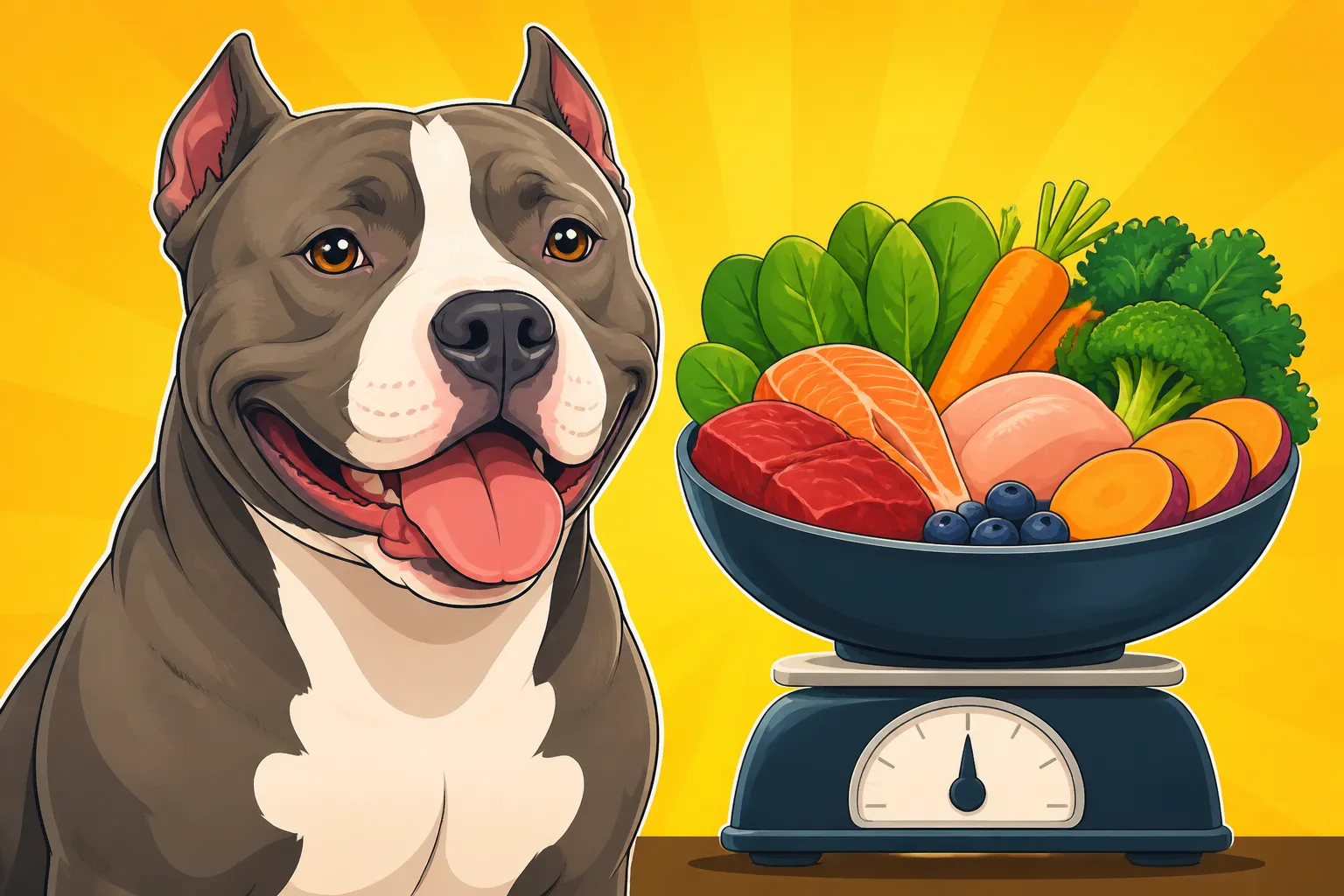
Fresh Food Priced for a Fifty Pound Pit Bull
The search for the perfect food for our Pit Bulls can feel like a never-ending quest, especially when you're navigating the maze of options and trying to figure out what's truly best for their robust health and vibrant energy without breaking the bank. Many of us grapple with wanting to provide the highest quality nutrition, only to be overwhelmed by the price tags, particularly when considering fresh food diets for a solid 50-pound Pit Bull. This guide aims to demystify the cost of feeding a Pit Bull a fresh food diet, outlining the various factors that influence the price and helping you understand what to expect.
Understanding the "Fresh Food" Landscape for Your Pit Bull
Stepping into the world of fresh dog food is a bit like discovering a whole new grocery aisle, one dedicated entirely to canine cuisine that looks surprisingly like your own. It's a departure from the traditional kibble bag and often comes with a different set of expectations and, yes, a different financial commitment.
What Exactly Counts as Fresh Dog Food?
When we talk about "fresh dog food," we're generally referring to meals that are gently cooked or raw, made with human-grade ingredients, and typically delivered to your door in pre-portioned, refrigerated, or frozen packs. Unlike highly processed kibble, which is cooked at extreme temperatures and shelf-stable for months, fresh food aims to retain more nutritional integrity by using minimal processing. This category can encompass various types, from fully prepared, balanced meals that just need thawing or warming, to raw food blends that require careful handling and preparation on your part. Think of companies like Ollie, which deliver customized, fresh-cooked meals right to your door based on your dog's profile.
The appeal lies in the perceived quality of ingredients – often recognizable meats, vegetables, and grains that look like something you'd prepare for yourself. For a muscular breed like a Pit Bull, ensuring they receive all the necessary nutrients to maintain their strength and vitality is paramount, and many owners feel fresh food offers a more transparent and appealing way to achieve this.
Why Consider Fresh Food for a Fifty-Pound Pit Bull?
Our 50-pound Pit Bulls are powerhouse dogs; they're athletic, often energetic, and can have a surprising array of sensitivities that manifest through their skin or gut. Owners often turn to fresh food for a variety of reasons, hoping to address specific health concerns or simply to provide a diet they believe is superior. For instance, many Pit Bulls are prone to skin issues, from seasonal allergies to chronic itching. A limited ingredient diet or a novel protein in a fresh food format can sometimes be a game-changer for these issues, offering an alternative when conventional kibbles don't seem to help. If you've been dealing with a constantly itchy dog, you know the frustration – and the potential vet bills associated with Pit Bull Skin Allergies and the Atopy Pattern This often leads owners to explore dietary changes, including fresh food options.
Beyond allergies, some owners observe improved digestion, shinier coats, better energy levels, and even more stable temperaments when their Pit Bull is on a fresh diet. While these benefits aren't universal, the anecdotal evidence is strong enough that many are willing to make the leap. For a sturdy dog weighing around 50 pounds, getting their caloric and nutritional balance right is crucial for maintaining a healthy weight and avoiding Pit Bull Obesity and Joint Strain. Fresh food often allows for precise portioning, which can be beneficial.
The General Price Structure of Fresh Food Diets
The pricing for fresh dog food generally operates on a subscription model, similar to meal kit services for humans. You typically input your dog's breed, weight, age, activity level, and any dietary sensitivities into a company's online profile builder. The system then calculates a personalized meal plan and a corresponding weekly or monthly cost. This cost usually covers the ingredients, preparation, packaging, and often the shipping right to your home.
Unlike buying a bag of kibble off the shelf, you're paying for convenience and customization. The price per serving or per day is calculated based on these factors, rather than a flat fee. The goal is to provide a perfectly balanced meal tailored to your Pit Bull's specific needs, which inherently comes with a different cost structure than mass-produced dry food. It's less about a single fixed price and more about a sliding scale based on your dog's individual requirements.
Factors Influencing the Price of Fresh Food for a Fifty-Pound Pit Bull
When you're looking at fresh food options, it quickly becomes clear that there isn't a one-size-fits-all price. Several key factors directly impact how much you'll end up paying to keep your 50-pound Pit Bull well-fed and healthy.
Portion Sizes and Caloric Needs
A 50-pound Pit Bull, depending on their age, activity level, and metabolic rate, will have specific caloric needs. An active 2-year-old Pit Bull who runs and plays vigorously might need significantly more calories than a 9-year-old couch potato Pit Bull of the same weight. Fresh food companies use this information to determine the appropriate portion size, and larger portions naturally mean higher costs.
Many companies offer precise caloric calculations to help you understand The Calorie Target for a Lean Pit Bull. For example, a dog needing 1200 calories a day will require more food, and therefore a higher cost, than one needing 900 calories. The fresh food is designed to be fed as a complete meal, so you're not just buying a topping or a treat; you're buying their entire daily sustenance. This means the portion size isn't just a suggestion; it's a carefully calculated amount to meet their energy demands while helping them maintain an ideal body condition. This careful measurement is a core part of the value proposition, ensuring you're Feeding a Pit Bull to Keep Muscle Without Fat efficiently.
Ingredient Quality and Sourcing
The quality of ingredients is arguably the biggest differentiator, and cost driver, in the fresh food market. Many companies pride themselves on using human-grade meats, organic vegetables, and non-GMO grains. These ingredients often cost more to source than the rendered meats and fillers found in some commercial kibbles.
Consider the difference between conventionally raised chicken and grass-fed, antibiotic-free beef – the price points are vastly different in human food, and the same applies to dog food. If your Pit Bull has a sensitive stomach or allergies, you might be looking for novel proteins like venison or duck, or limited ingredient diets, which can also drive up the price. These specialized ingredients are more expensive to procure and incorporate into recipes. For an owner navigating Food Allergies Behind Pit Bull Itching, the ability to choose specific, high-quality proteins can be invaluable, even if it comes at a premium.
Delivery Models and Subscription Services
The convenience of having fresh, pre-portioned meals delivered to your door is a significant part of the fresh food appeal, but it's also a component of the cost. These services typically operate on a subscription model, with meals shipped on a recurring schedule (e.g., every 2-4 weeks). This covers not just the food itself but also the specialized packaging (insulated boxes, dry ice) and shipping costs, especially for frozen products that need to maintain temperature during transit.
Companies like Ollie streamline this process, making it easy to manage your subscription online and adjust delivery schedules as needed. While this convenience saves you trips to the pet store and eliminates the guesswork of portioning, the logistics of cold chain delivery are built into the overall price. Different companies might have varying shipping fees or offer discounts for larger, less frequent orders, so it's worth comparing these aspects when evaluating providers available through platforms like Chewy or directly from individual brands.
Customization for Health Needs
One of the most compelling reasons Pit Bull owners explore fresh food is to address specific health concerns, particularly allergies or sensitivities. Many fresh food providers offer customization options that allow you to exclude certain ingredients (like common allergens such as chicken or beef) or select novel protein sources.
For example, if your Pit Bull needs a Limited Ingredient Diets for an Itchy Pit Bull due to suspected food allergies, you might opt for a recipe with a single protein source and limited carbohydrates. This level of customization, while incredibly beneficial for your dog's health, often comes with an increased cost. Formulating and producing these specialized diets in smaller batches can be more expensive than creating general recipes. It's a trade-off many owners are willing to make, especially after experiencing the frustration and expense of vet visits and medications when trying to manage chronic conditions. Sometimes, investing more in their food feels like a way to prevent other, more costly, health issues down the line, an important consideration even if you have pet insurance like Healthy Paws.
Breaking Down the Costs: What to Expect
Let's get real about what your budget might look like when you choose fresh food for your 50-pound Pit Bull. It’s definitely not the cheapest option on the market, but many owners feel the benefits outweigh the increased expenditure.
Initial Investment Versus Long-Term Costs
When you first sign up for a fresh food service, some companies might offer trial boxes or introductory discounts. These can be a great way to let your Pit Bull try the food and see if it agrees with them before committing to a full subscription. However, these initial lower prices usually don't reflect the true long-term cost. Once the trial period ends, you'll be paying the regular subscription rate.
For a 50-pound Pit Bull, you can expect the monthly cost for a full fresh food diet to be significantly higher than a premium kibble. While it's hard to give exact numbers without knowing specific plans, expect to see figures that reflect the human-grade ingredients, careful preparation, and personalized delivery. It's a continuous expense, much like your own grocery bill, rather than an occasional purchase. This needs to be factored into your regular budgeting. If you're currently paying for various treatments for skin or digestive issues, sometimes the long-term investment in fresh food can reduce those recurring vet bills, offering a different kind of savings.
Comparing Fresh Food to Other Diet Options
To truly understand the cost of fresh food, it helps to put it into perspective against other popular dietary choices for dogs.
- Kibble: This is generally the most economical option. Prices vary wildly depending on ingredient quality, but even high-quality kibble for a 50-pound Pit Bull will typically cost less per month than fresh food. Kibble offers convenience and a long shelf life, but lacks the fresh ingredients and minimal processing of other options.
- Home-Cooked Meals: If you decide to cook for your Pit Bull yourself, the cost will largely depend on the ingredients you buy. While you have complete control over quality, it's incredibly time-consuming, and ensuring nutritional completeness can be challenging without veterinary nutritionist guidance. Often, once you factor in the cost of ingredients and your time, it can approach or even exceed the cost of pre-made fresh food. Also, sourcing all the necessary supplements to balance a home-cooked diet adds to the expense and complexity.
- Raw Diets: Raw feeding can range from commercially prepared raw blends (which can be quite expensive, similar to or more than fresh-cooked options) to DIY raw feeding (which has similar cost and nutritional challenges as home-cooked). The handling and storage requirements are also significant. For a Pit Bull, Monthly Food for a Pit Bull on a Limited Diet could involve commercial raw options, which also carry a premium.
Here's a quick comparison table:
| Diet Type | Typical Monthly Cost (for 50lb Pit Bull) | Convenience Level | Ingredient Quality | Common Benefits (Perceived) |
|---|---|---|---|---|
| Kibble | Low to Moderate | Very High | Varies | Easy storage, long shelf life |
| Fresh Food | Moderate to High | High (delivered) | High (human-grade) | Improved digestion, coat, potentially reduced allergies |
| Home-Cooked | Moderate (ingredients) + High (time) | Low (DIY) | High (owner's choice) | Full control, but requires significant effort & balancing |
| Commercial Raw | Moderate to High | Moderate (frozen) | High | Improved digestion, dental health, shinier coat |
Maximizing Value and Saving Money
While fresh food for your Pit Bull is an investment, there are ways to manage the costs and ensure you're getting the most value for your money.
First, look for introductory offers and discounts. Many fresh food companies, including Ollie and others found on Chewy, frequently run promotions for new customers. These can significantly reduce the initial cost and allow you to try the service for a few weeks without the full financial commitment.
Second, consider a partial fresh food diet. If a full fresh food subscription is too expensive, you might explore using it as a topper for a high-quality kibble. This allows your Pit Bull to enjoy some of the benefits of fresh ingredients, perhaps helping with pickiness or adding moisture, while keeping your overall costs down. This can be a smart compromise, especially if you're Running a Food Trial on a Pit Bull and want to ease them into a new diet.
Third, monitor your Pit Bull's health closely. The ultimate goal of feeding a high-quality diet is to support their overall health and potentially reduce vet visits. If your Pit Bull's chronic allergies improve, or their digestive issues clear up, you might find you're spending less on medications or specialized vet appointments. For example, if you're able to reduce the need for expensive medications like those mentioned in Apoquel and Cytopoint for an Itchy Pit Bull, the increased food cost might be offset. Likewise, if your Pit Bull has a condition like hypothyroidism that impacts their weight or coat, a balanced diet is crucial, and paying attention to their overall health can help you determine the true value of your food choice. Getting a Pit Bull Thyroid Panel Is Worth Running can also help diagnose issues that good food supports.
Finally, always compare options. Don't just settle for the first fresh food company you find. Look at different brands, their ingredient lists, their sourcing practices, and their subscription flexibility. Some companies might offer slightly different pricing structures or bundle in things like supplements, which could be beneficial. Read reviews and consider what other Pit Bull owners are saying about different brands.
Choosing to feed your 50-pound Pit Bull a fresh food diet is a significant decision, both nutritionally and financially. It offers the promise of high-quality ingredients and potential health benefits, but it also demands a higher budget than traditional kibble. By understanding the factors that influence pricing, comparing it to other options, and actively seeking ways to maximize value, you can make an informed choice that truly benefits your beloved Pit Bull without causing undue strain on your wallet.
Disclaimer
This article is for general informational purposes only and does not constitute professional advice. Laws, prices and regulations vary by location and change over time. Consult a qualified professional for guidance on your specific situation.