The Cost of a Pit Bull Puppy Course
Bringing home a rambunctious Pit Bull puppy is an incredibly exciting time, full of wagging tails and tiny, sharp teeth. But let's be real, the sheer thought of properly training and socializing such a powerful breed can feel daunting, and the costs associated with getting it right often sneak up on new owners. This guide is here to walk you through the typical expenses involved in Pit Bull puppy courses, helping you understand what influences pricing and how to budget effectively for this crucial early investment in your dog's future.
Why a Puppy Course is Non-Negotiable for Your Pit Bull
When you bring a Pit Bull puppy into your home, you're not just getting a cute, floppy-eared companion; you're taking on a responsibility that comes with unique expectations and, let's be honest, sometimes unfair judgments from the outside world. This isn't to scare you, but to highlight why a solid foundation of training, especially through a puppy course, isn't just a suggestion—it's absolutely essential. We often find ourselves holding our Pit Bulls to a higher standard than other dogs, and a puppy class helps meet that challenge head-on.
Setting the Right Foundation
Think of a puppy course as building the bedrock of your dog's good manners and confidence. For a Pit Bull, this foundation is even more vital. From the moment they arrive, these intelligent and strong-willed pups need clear boundaries and consistent guidance. A puppy course provides exactly that, helping you establish communication methods that will serve you both for years to come. You’ll learn how to communicate effectively, and your puppy will learn to respond, building a bond based on trust and understanding rather than force. It’s about teaching them to be polite members of society, which is particularly important for a breed that often faces scrutiny. This early training helps ensure your dog is well-adjusted and well-behaved, whether they’re meeting new people or walking calmly past other dogs.
Counteracting Misconceptions
Let's face it, Pit Bulls carry a heavy burden of public misconception. Many people assume they are inherently aggressive or difficult to train. A well-trained Pit Bull is the best ambassador for the breed, and that starts with early, positive exposure and learning. A puppy course teaches your dog appropriate behavior in public settings, around strangers, and with other dogs, helping to dismantle those negative stereotypes one wagging tail at a time. It also gives you the confidence to handle your dog in various situations, knowing that you've invested in their education and their ability to navigate the world calmly. Having a Pit Bull that knows its manners can make a huge difference in how the public perceives not just your dog, but the breed as a whole.
The Critical Period for Learning
Puppies have a critical socialization window, typically between 3 and 16 weeks of age. During this time, they are highly impressionable and open to new experiences. A puppy course capitalizes on this by providing controlled, positive interactions with other puppies, new people, and various sights and sounds. This structured exposure is crucial for preventing fear and anxiety issues later in life. Missing this window can make it much harder to address behavioral challenges down the road. It’s during this time that you can teach your puppy things like What to Teach a Pit Bull Puppy and When, ensuring they grow into a confident, well-adjusted adult dog. Without this critical early intervention, you might find yourself dealing with more significant behavioral issues later on, which can be far more expensive and time-consuming to correct.
What to Expect in a Typical Pit Bull Puppy Class
So, you're convinced a puppy class is the way to go – fantastic! But what actually happens in these classes? It’s more than just sitting your puppy down and expecting miracles. A good puppy course, especially one suitable for a Pit Bull, combines basic obedience with crucial socialization, all within a positive and supportive environment.
Core Curriculum and Skills Taught
Most puppy classes focus on foundational obedience cues, which are vital for any dog, but particularly for a strong and energetic Pit Bull. You can expect to learn commands like "sit," "stay," "come" (recall), "down," and "leave it." These aren't just parlor tricks; they're safety commands that can prevent your dog from getting into trouble or harm's way. For instance, a solid "come" can be a lifesaver if your puppy slips its leash. You'll also work on polite leash walking and reducing pulling, which is incredibly important given the natural strength of a Pit Bull. Understanding Pit Bull Leash Manners and Physical Strength early on can save your shoulders and arms from strain in the future. Many courses also delve into proper handling, getting your puppy comfortable with having their paws touched, ears examined, and bodies gently manipulated – skills that make vet visits and grooming much easier.
Socialization Opportunities
This is arguably one of the biggest benefits of a puppy class. Your Pit Bull puppy will get controlled, supervised exposure to other puppies of varying breeds, sizes, and temperaments. This interaction teaches them appropriate canine social cues, how to play gently, and when to back off. It’s also an excellent way to introduce them to different people – the instructor, other owners, and sometimes even children, if the class structure allows for it. This early, positive Socializing a Pit Bull Puppy Thoroughly is priceless for preventing fear-based reactions or over-excitement when encountering new dogs or people later in life. Instructors are on hand to ensure interactions remain positive and to gently intervene if a puppy is being too rough or too timid, guiding them towards balanced play.
Addressing Common Puppy Challenges
Beyond the basic commands, puppy courses are invaluable for tackling those common, often frustrating, puppy behaviors. This includes things like nipping, jumping, and house-training. Instructors provide practical strategies and troubleshooting tips for managing these issues. For instance, you'll learn techniques for managing Pit Bull Bite Inhibition and Mouthing, redirecting that puppy energy onto appropriate chew toys rather than your hands or furniture. They can also offer advice on crate training and how to make the crate a safe, positive space, as well as strategies for Getting a Pit Bull Puppy Clean in the House. These are the real-world problems that every new puppy owner faces, and having an expert guide you through them can save you a lot of headaches and frayed nerves.
Deconstructing the Costs: What Influences Puppy Course Pricing
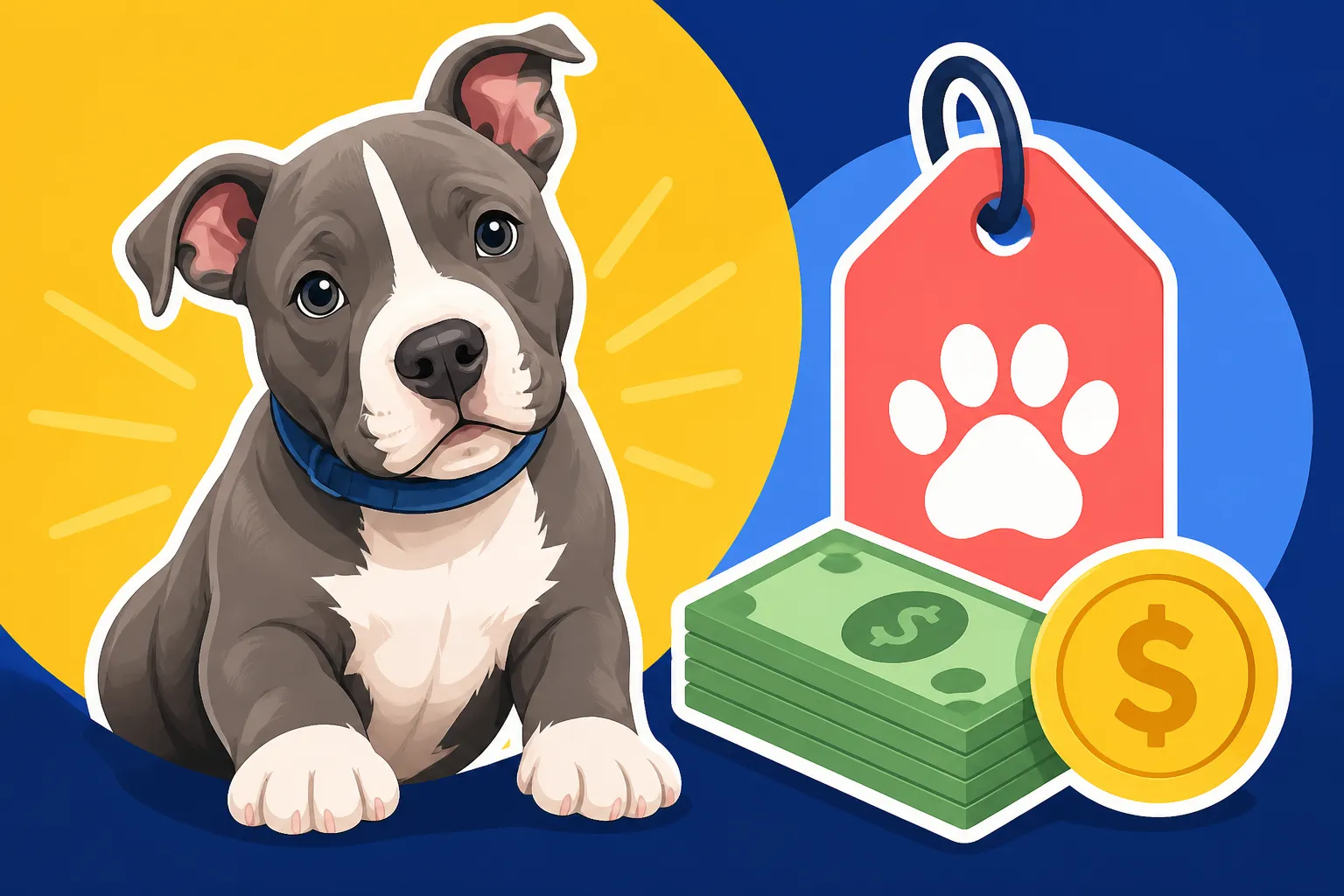
Now let's talk about the dollars and cents. The cost of a Pit Bull puppy course isn't a fixed price tag; it varies widely based on several key factors. Understanding these can help you choose a course that fits both your puppy's needs and your budget. It's an important part of calculating What One Pit Bull Costs From Eight Weeks On.
Instructor Experience and Class Format
One of the primary drivers of cost is the expertise of the instructor and the format of the class.
- Group Classes: These are generally the most affordable option. You'll typically find group puppy classes ranging from a few hundred dollars for a 4-8 week session. They offer excellent socialization opportunities and a chance to learn from other owners' experiences. The trade-off is less individualized attention, as the instructor has to manage several puppies and owners at once.
- Semi-Private Classes: Some trainers offer smaller group settings, perhaps with 2-4 puppies. These usually fall in the mid-range price-wise, offering a blend of group dynamics and more personalized feedback.
- Private Training: One-on-one sessions with a certified professional can be significantly more expensive. These can be ideal if your puppy has specific behavioral challenges, if you prefer learning at your own pace, or if your schedule makes group classes difficult. While the per-hour cost is higher, the progress can be faster and more targeted. If you're looking for Finding a Trainer Experienced With Pit Bulls for private lessons, expect to pay a premium for their specialized knowledge. Online options are also emerging, which can sometimes be more budget-friendly or offer greater flexibility, but you miss out on the in-person socialization.
Location and Facility Quality
Just like real estate, location matters! Puppy courses in metropolitan areas or regions with a higher cost of living will typically be more expensive than those in rural or less populated areas. Think about the overhead for the training facility – rent, utilities, insurance. A state-of-the-art facility with climate control, specialized flooring, and ample space might justify a higher price point compared to a class held in a community hall or a trainer's backyard. However, a fancy facility doesn't always guarantee a better class; always prioritize the trainer's credentials and teaching philosophy over plush amenities. Some places might even offer classes in outdoor, fenced areas, which can be less costly but might be weather-dependent.
Course Length and Inclusions
The duration of the course and what's included can also impact the price. Most puppy courses run for 4 to 8 weeks, with one session per week lasting around an hour. Longer courses or those with more frequent sessions will naturally cost more. Some programs might include extra perks, such as:
- Training Materials: Handouts, clickers, treat pouches, or even a basic leash and collar.
- Online Resources: Access to videos, articles, or a private Facebook group for ongoing support.
- Follow-Up Sessions: A discounted or free drop-in session after the course ends.
- Access to Advanced Classes: Special pricing for intermediate obedience or canine good citizen preparation.
Make sure to read the fine print to understand what you're paying for. Sometimes a slightly more expensive course offers better value if it includes these additional resources that you might otherwise have to purchase separately.
| Course Type | Typical Format | General Cost Range | Pros | Cons |
|---|---|---|---|---|
| Group Puppy Class | 4-8 weeks, 1 hr/week, 4-10 puppies | Varies widely | Affordable, excellent socialization, peer learning | Less individual attention, fixed schedule, variable quality |
| Semi-Private | 4-6 weeks, 1 hr/week, 2-4 puppies | Varies widely | More individualized, good socialization, flexible | Higher cost than group, fewer options, still some group dynamic |
| Private Training | Per session or package, 1:1 | Varies widely | Highly customized, flexible scheduling, focused attention | Most expensive, less peer interaction for puppy |
| Online Courses | Self-paced videos, live Q&A | Varies widely | Flexible, accessible, often lower cost | No in-person socialization, requires self-discipline |
Note: The cost ranges provided here are general estimations. Always check with local trainers for current pricing.
Budgeting for Puppy Training and Beyond
Training your Pit Bull puppy is an investment, not just a one-time expense. It’s part of the broader financial commitment you make when you bring a dog into your life, especially for a breed that needs consistent, positive guidance. Thinking about The First Month Cost of a Pit Bull will definitely include initial training.
Exploring Cost-Effective Options
If the cost of a formal puppy course seems prohibitive, don't despair! There are ways to make quality training more accessible.
- Shelter and Rescue Group Classes: Many animal shelters and breed-specific rescue organizations offer puppy classes at a reduced rate, often taught by experienced volunteers or staff. This is a fantastic way to get professional instruction while supporting a good cause.
- Community Centers: Some community recreation centers or park districts offer basic dog obedience classes that are more budget-friendly than private training facilities.
- Online Resources: While not a substitute for in-person socialization, online courses or resources can supplement your training efforts. Websites like Chewy offer not only a vast array of training tools and treats but also sometimes host free webinars or provide informative articles on puppy training. Utilizing these resources can help you reinforce what you learn in class or fill gaps in your knowledge.
- DIY with Mentorship: If you're truly strapped for cash, consider reaching out to experienced Pit Bull owners in your community or through online groups. While they aren't professional trainers, they might offer invaluable advice or even informal guidance, helping you apply Positive Reinforcement Training With a Pit Bull techniques effectively. Just be sure to vet their advice carefully and prioritize methods that are humane and scientifically sound.
- Volunteer Opportunities: Sometimes, assisting in a more advanced dog training class can earn you a discount on puppy classes, or at least provide valuable learning experience.
The Long-Term Investment of Early Training
It's easy to look at the upfront cost of a puppy course and feel a pinch, but consider it an investment that pays dividends for years to come. A well-trained, well-socialized Pit Bull is less likely to develop behavioral problems that could lead to costly interventions later on. Think about it: an aggressive incident, a dog-on-dog fight, or even property destruction due to boredom or anxiety could lead to significant vet bills, legal fees, or the need for expensive private behaviorists. Early training can prevent many of these scenarios, saving you money and heartache in the long run. Moreover, a well-behaved dog can accompany you to more places, enriching both your lives and strengthening your bond. It's a foundational step towards a harmonious life together. This investment truly contributes to What to Set Aside for a Pit Bull Each Year as it can reduce future unexpected costs.
Saving on Supplies and Ongoing Needs
Beyond the course itself, remember you'll need supplies to support your training at home. High-value treats are crucial for positive reinforcement. Brands like Ollie, known for their fresh, human-grade dog food, can be a fantastic source for irresistible training treats when cut into small pieces. You'll also need a good quality leash and collar or harness. Remember, Pit Bulls are strong, so investing in durable equipment from reputable retailers like Chewy is wise. Don't forget durable chew toys to redirect that powerful chewing instinct, keeping them away from your furniture.
And while you're budgeting, consider the unexpected. Puppies are prone to accidents and illnesses, so exploring pet insurance options can be a smart move. Companies like Healthy Paws offer various plans that can help cover unforeseen veterinary expenses, ensuring you can provide your Pit Bull with the best care without financial stress. While pet insurance typically doesn't cover training classes, it's a vital part of planning for your dog's overall health and well-being, which indirectly supports their ability to thrive in training. Establishing a solid foundation of health and good manners from the start sets your Pit Bull up for a happy, healthy, and well-adjusted life.
Disclaimer
This article is for general informational purposes only and does not constitute professional advice. Laws, prices and regulations vary by location and change over time. Consult a qualified professional for guidance on your specific situation.