Legal Costs After a Pit Bull Complaint
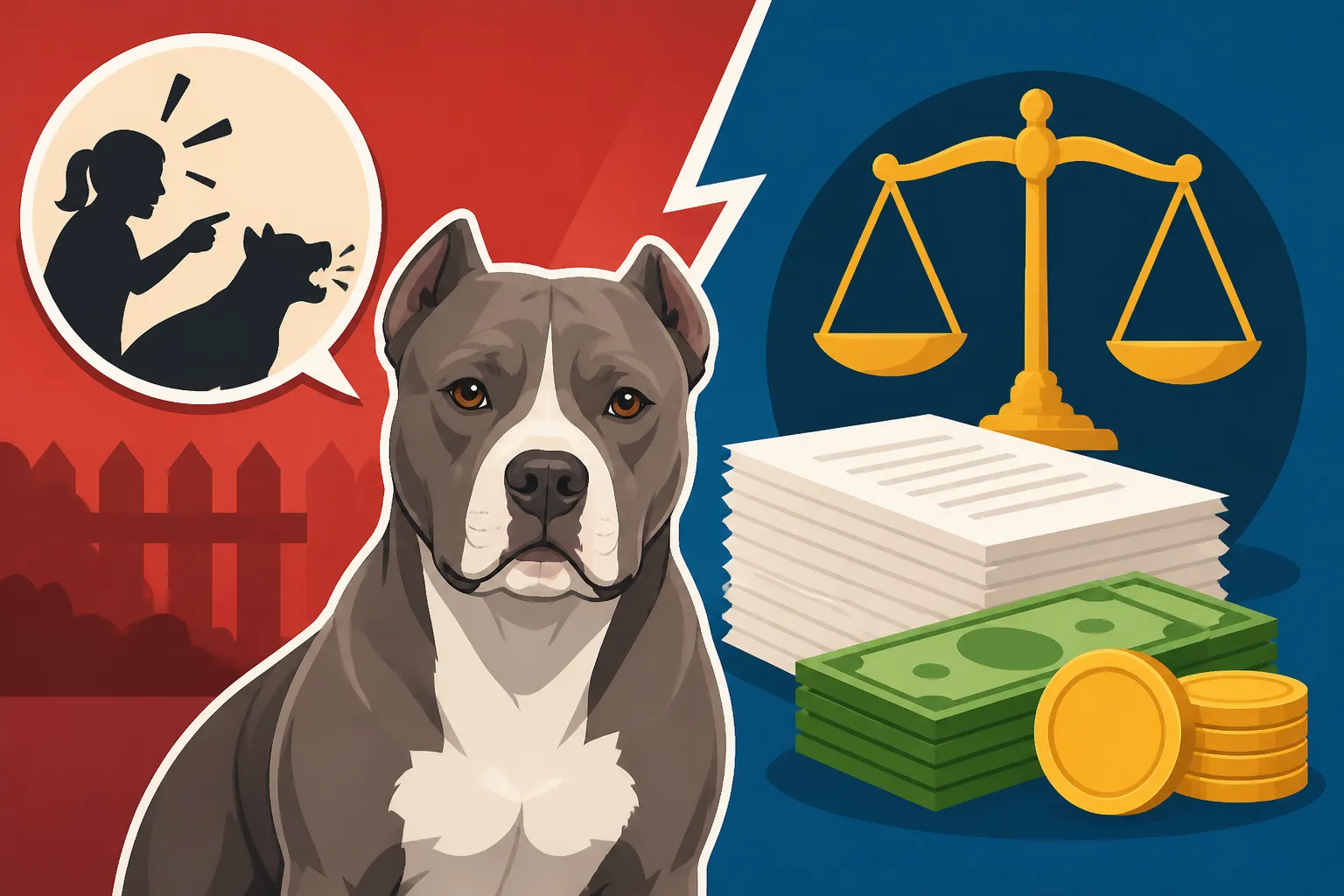
Facing a legal complaint involving your beloved Pit Bull is one of the most stressful and frightening experiences a dog owner can go through. Beyond the emotional toll, the financial implications can be overwhelming, leaving you wondering how you'll navigate the complex legal system and protect your furry family member. This guide aims to shed light on the various legal costs you might encounter after a Pit Bull complaint, from initial fees to potential damages, and offer actionable insights on how to prepare and mitigate these expenses.
Understanding the Landscape of a Pit Bull Complaint
When an incident occurs involving a Pit Bull, the aftermath can quickly escalate beyond a simple apology. Depending on the nature of the event—whether it's a minor nip, a more serious bite, or even perceived aggression that causes distress without physical contact—the legal system can become involved, bringing with it a whole new set of worries. It's not just about what happened, but how it's perceived and how local laws apply.
Initial Reactions and Legal Recourse
Imagine a scenario: your Pit Bull, usually a sweetheart, gets startled by a sudden noise during a walk and nips at a passerby's hand, breaking the skin. Or perhaps your normally playful dog jumps on someone, causing them to fall and injure themselves. In these moments, panic sets in, and often, the first thought isn't about legal fees, but about the immediate welfare of all parties. However, the injured party might decide to pursue legal action, even for seemingly minor incidents, especially if medical bills start piling up or if they feel genuinely traumatized.
This pursuit of legal recourse can range from a civil suit seeking compensation for medical expenses and pain and suffering, to a complaint filed with animal control that could lead to your dog being declared "dangerous" or "vicious," potentially requiring special confinement, muzzling, or even euthanasia in the most severe cases. The emotional charge around Pit Bulls often means that incidents are viewed through a magnified lens, making it even more crucial to understand the legal pathways available to all involved.
The Spectrum of Complaints
The type of complaint filed against your Pit Bull can dramatically affect the potential legal costs. It's not a one-size-fits-all situation.
- Bite Incidents: These are arguably the most common and often the most severe in terms of legal consequences. If your Pit Bull bites another person or animal, especially if it breaks the skin or causes significant injury, you could be facing claims for medical treatment, stitches, antibiotics, follow-up care, and even reconstructive surgery. Beyond direct medical costs, there can be claims for lost wages if the injured party cannot work, and for emotional distress.
- Property Damage: While less frequent, a Pit Bull might cause property damage. Perhaps your dog escapes the yard and damages a neighbor's fence or garden, or chews through property belonging to a guest in your home. These complaints usually involve claims for repair or replacement costs.
- Nuisance Complaints: These are often less about direct injury and more about ongoing issues that disrupt a neighbor's peace. Persistent barking, off-leash roaming, or perceived aggressive posturing (even without contact) can lead to animal control or civil complaints. While typically not incurring large immediate medical bills, repeated nuisance complaints can still lead to fines, mandatory training, or even breed-specific enforcement, all of which carry costs.
- Breed-Specific Legislation (BSL) Violations: In areas where BSL is still active, merely owning a Pit Bull without adhering to specific local ordinances (e.g., leash laws, muzzle requirements, special permits, or specific enclosures) can lead to complaints, fines, and even confiscation of your dog. These are often about preventative measures rather than an incident, but the legal fees to challenge such actions can be substantial. Understanding Where Pit Bull Legislation Still Applies is crucial for any owner.
Each type of complaint carries its own weight and requires a different legal strategy, directly impacting the overall financial burden.
Deconstructing the Legal Costs Involved
Once a complaint moves beyond an informal discussion, you’ll quickly realize that legal processes come with a price tag. These aren't just one-off fees but a collection of expenses that can quickly accumulate, even before a resolution is reached.
Attorney Fees
This is often the largest component of legal costs. Navigating animal law and civil litigation requires specialized knowledge, and a good attorney is your best advocate.
- Hourly Rates: Most attorneys charge an hourly rate for their services. This rate can vary significantly based on the attorney's experience, their firm's prestige, and the complexity of your case. Every phone call, email, meeting, research hour, and court appearance will be billed against this rate. For a case that drags on, these hours can quickly add up to tens of thousands of dollars.
- Retainers: Many attorneys require an upfront retainer, which is a lump sum paid at the beginning of the engagement. This money is held in a trust account and billed against as the attorney performs work. Once the retainer is depleted, you’ll typically be asked to replenish it or pay ongoing invoices.
- Flat Fees: Less common for complex litigation, but some attorneys might offer a flat fee for specific, well-defined tasks, such as reviewing documents or representing you at a single hearing.
- Contingency Fees: In dog bite cases where the victim is suing, their attorney might work on a contingency basis, meaning they only get paid if they win the case (usually a percentage of the settlement or award). However, as the defendant (the Pit Bull owner), you typically won't find an attorney willing to defend you on a contingency basis; you'll be responsible for their fees regardless of the outcome.
It's vital to have a clear fee agreement with your attorney from the outset, detailing how they charge, what's included, and what isn't.
Court Fees and Administrative Charges
Beyond your attorney’s bill, there are a host of charges associated with the legal system itself. These might seem minor individually, but they contribute to the overall burden.
- Filing Fees: When a lawsuit is initiated or a motion is filed, there are fees paid to the court system. These vary by jurisdiction and the type of court (e.g., small claims, civil court).
- Service of Process: Legally notifying the opposing party of the lawsuit typically involves a process server, who charges for their services.
- Discovery Costs: As part of the discovery phase, you might incur costs for obtaining official documents, records, or transcripts. For instance, obtaining veterinary records for your Pit Bull or medical records for the injured party can involve fees.
- Transcript Fees: If depositions are taken, the court reporter’s fees for transcribing the testimony can be substantial, especially for lengthy sessions.
- Mediation or Arbitration Fees: Many courts require or encourage alternative dispute resolution methods like mediation or arbitration before going to trial. The costs for these services, including the mediator's or arbitrator's time, are typically split between the parties.
These administrative costs, while not as dramatic as attorney fees, are non-negotiable parts of the legal process.
Settlements, Damages, and Fines
If the case doesn't go your way, or if you choose to settle out of court, you could be on the hook for significant financial payouts.
- Medical Expenses: This is the most direct cost. You might be required to cover emergency room visits, doctor appointments, surgeries, medications, physical therapy, and even future medical needs stemming from the incident.
- Lost Wages: If the injured party misses work due to their injuries, you could be liable for their lost income. This can be particularly high if the injury is severe and requires a long recovery period.
- Pain and Suffering: This is a non-economic damage meant to compensate the injured party for their physical pain, emotional distress, mental anguish, and loss of enjoyment of life. These amounts can be highly subjective and often represent a large portion of a settlement or judgment.
- Property Damage: As mentioned earlier, if your Pit Bull damaged property, you’d be responsible for repair or replacement costs.
- Fines and Penalties: If the complaint originated with animal control or a municipal body, you might face fines for violating local ordinances, especially if your dog is declared dangerous or if it's a repeat offense. These can be hundreds or even thousands of dollars.
- Punitive Damages: In rare cases where extreme negligence or malicious intent is proven, a court might award punitive damages, which are intended to punish the defendant and deter similar behavior in the future. These can be very large amounts.
Consider a practical example: a neighbor's small dog is seriously injured by your Pit Bull, requiring extensive surgery and veterinary care. You could be facing veterinary bills easily running into the thousands, perhaps even tens of thousands, depending on the severity and follow-up care. On top of that, there might be a claim for the emotional distress of the other dog's owner.
Expert Witness and Investigation Costs
Sometimes, to prove your case or challenge the opposing side, you'll need to bring in experts.
- Animal Behaviorists: In cases involving dog aggression or bites, an animal behaviorist might be called upon to assess your Pit Bull's temperament, review the incident, and provide an expert opinion on the dog's behavior, training history, and potential for rehabilitation. Their fees for assessment, report writing, and court testimony can be substantial.
- Investigators: For complex cases, you might need a private investigator to gather evidence, interview witnesses, or reconstruct the incident.
- Medical Experts: If the extent of the human injury is disputed, your legal team might consult with medical professionals to provide a counter-assessment or validate claims.
- Veterinary Specialists: In cases of injury to another animal, a specialist vet might be needed to provide expert testimony on the extent of the injuries or the likely prognosis.
These expert fees, while crucial for building a strong defense, add another layer of expense to the legal process.
Mitigating Financial Exposure and Proactive Measures
The thought of these potential costs is daunting, but there are ways to prepare and mitigate your financial exposure. Proactive steps and understanding your resources are key.
The Role of Insurance
Insurance is often your first line of defense against the high costs of a Pit Bull-related legal complaint.
- Homeowners or Renters Insurance: Most standard homeowners and renters insurance policies include liability coverage that can help pay for medical expenses, property damage, and legal fees if your dog injures someone or damages their property. However, this is where it gets tricky for Pit Bull owners. Many insurers have Homeowners Carriers That Refuse Pit Bulls or Renters Insurance That Accepts a Pit Bull and other breeds considered "high-risk" or have specific exclusions related to them. It’s absolutely essential to check your policy and speak with your insurance provider before an incident occurs to understand your coverage, or lack thereof. Some states have laws that prevent insurers from discriminating based on breed, but this isn't universal. If your current policy has exclusions, you might need to seek out specialized dog liability insurance or an umbrella policy.
- Pet Insurance: While primarily designed to cover veterinary medical bills for your own pet, some premium pet insurance plans might offer limited third-party liability coverage. This is less common but worth investigating if your other policies fall short. Brands like Healthy Paws focus on accident and illness coverage for your pet, which is fantastic for ensuring your dog's medical needs are met, but may not directly cover third-party liability costs. Always read the fine print.
- Umbrella Policies: An umbrella insurance policy provides additional liability coverage beyond what your homeowners or auto insurance offers. It kicks in when the limits of your primary policies are exhausted, offering an extra layer of protection, which can be invaluable for Pit Bull owners given the potential for high damage claims.
Understanding your current insurance situation and taking steps to ensure adequate coverage is perhaps the single most important financial preparedness step you can take.
Building a Strong Defense
Beyond insurance, your actions as a responsible owner can significantly impact the outcome and cost of a legal complaint.
- Training and Socialization: A well-trained and socialized Pit Bull is less likely to be involved in incidents. Documenting your dog's training classes, certifications (like Canine Good Citizen), and regular socialization experiences can demonstrate responsible ownership. For instance, a reliable recall and solid leash manners are vital. If your Pit Bull pulls hard, investing in quality training tools from retailers like Chewy or specific trainers experienced with powerful breeds is a smart move. A record of consistent positive reinforcement training with a certified trainer can be a powerful piece of evidence in your favor. Knowing Training a Pit Bull to a Higher Standard Than Other Dogs isn't just a recommendation; it's often a necessity.
- Veterinary Care and Health Records: Maintaining up-to-date vaccination records, regular vet check-ups, and addressing any health issues promptly shows you are a diligent owner. A sudden behavioral change leading to an incident could sometimes be linked to an underlying medical condition, which good records can help to prove. Regular check-ups for issues like Pit Bull Skin Allergies and the Atopy Pattern or Pit Bull Ear Infections and What Drives Them are not just about health, but also about preventing discomfort that might lead to reactivity.
- Secure Confinement: Ensuring your Pit Bull cannot escape your property is paramount. A secure fence, escape-proof crate, and proper supervision dramatically reduce the risk of incidents. This includes understanding the specific requirements for your local area regarding dog containment, especially if your dog has been previously flagged.
- Prompt Action After an Incident: If an incident does occur, your immediate actions matter.
- Secure your dog immediately. Remove your dog from the situation safely.
- Assess and assist the injured party. Offer help and call for medical assistance if needed.
- Exchange contact information. Get names, phone numbers, and insurance details from all parties and witnesses.
- Do NOT admit fault. Express concern, but avoid making statements that could be interpreted as an admission of guilt.
- Document everything. Take photos of the scene, injuries, and any property damage. Write down what happened as soon as possible, while details are fresh.
- Seek legal counsel immediately. The sooner you involve an attorney, the better prepared you'll be to respond appropriately and protect your rights.
Having a record of a well-behaved, well-cared-for Pit Bull, perhaps even a healthy diet plan from a service like Ollie to ensure optimal health and temperament, can greatly strengthen your defense if a complaint arises.
Understanding Local Ordinances and Breed-Specific Legislation
Ignorance of the law is never a valid defense, and this holds especially true for Pit Bull owners.
- Know Your Local Laws: Cities, counties, and even homeowner associations can have very specific rules regarding dog ownership, particularly for Pit Bulls. These can include mandatory leash laws, muzzle requirements in public, restrictions on dog parks, specific fencing requirements, licensing surcharges, or outright bans. Failure to comply can lead to fines, confiscation, and contribute negatively to any legal complaint against you. Resources like Cities That Still Restrict Pit Bulls can help you understand the landscape.
- Breed Determinations: In areas with BSL, how a dog is classified as a "Pit Bull" can be a point of contention. Some jurisdictions use visual identification, while others might rely on breed-specific DNA tests. Understanding How a City Decides a Dog Is a Pit Bull and the process for appealing a breed determination can be crucial.
- Housing Restrictions: Even if your city doesn't have BSL, landlords and apartment complexes often have their own breed restrictions. A legal complaint can make finding future housing for you and your Pit Bull incredibly difficult, as discussed in Landlord Breed Clauses Naming Pit Bulls.
Staying informed and actively complying with all regulations is a non-negotiable part of responsible Pit Bull ownership and a key strategy in avoiding legal entanglements and their associated costs.
Long-Term Implications and Moving Forward
A legal complaint, regardless of the outcome, can have ripple effects that extend far beyond the immediate financial costs. It can reshape your relationship with your community, impact your housing, and even take a significant emotional toll.
Impact on Future Housing and Insurance
One of the most enduring challenges after a Pit Bull-related incident is the difficulty in securing housing and insurance.
- Difficulty with Rentals: Many rental properties, apartment complexes, and HOAs have strict breed restrictions. A documented incident, especially if it involved a bite, can make it nearly impossible to rent in many places, as landlords become even more wary of the perceived liability. You might find yourself needing to specifically search for Renters Insurance That Will Cover a Pit Bull that doesn't ask about previous incidents or breed type, which can be an uphill battle. Even if you don't face an outright ban, you might encounter increased pet rent or larger security deposits.
- Insurance Non-Renewal or Higher Premiums: If your insurance company paid out a claim due to a Pit Bull incident, they might non-renew your policy, drastically increase your premiums, or add a specific exclusion for your dog. Finding new insurance can be challenging, as insurers share incident information. You might have to actively seek out Insurers With No Pit Bull Breed Restriction or explore surplus lines carriers, which often come with higher costs and different coverage terms. The incident might follow your insurance record for years, impacting your rates and options.
The Emotional and Social Toll
Beyond the monetary costs, dealing with a legal complaint is deeply draining on a personal level.
- Stress and Anxiety: The uncertainty, the legal proceedings, and the potential outcome for your beloved pet can cause immense stress, anxiety, and sleepless nights. The emotional bond with your dog makes any threat to their well-being incredibly painful.
- Community Stigma: Pit Bulls already face significant public perception challenges. An incident, even a minor one, can exacerbate negative stereotypes, leading to ostracization from neighbors, community spaces, or even friends and family who may no longer feel comfortable around your dog.
- Impact on Your Dog: Depending on the nature of the complaint and any mandated actions, your dog's life could change. They might be required to wear a muzzle in public, be confined more strictly, or undergo behavioral modification. These changes can be stressful for the dog and require extra effort and care from the owner.
- The Hardest Decisions: In the most severe cases, a legal complaint can lead to the devastating decision of euthanasia for your dog, especially if it's deemed a dangerous animal by authorities or the court. This is undoubtedly The Hardest Call a Pit Bull Owner Makes and the ultimate, unimaginable cost.
| Legal Cost Category | Typical Examples | Potential Impact on Owner | Mitigation Strategies |
|---|---|---|---|
| Attorney Fees | Hourly rates, retainers, legal research, court appearances | Can range from thousands to tens of thousands of dollars | Clear fee agreement, seek early counsel, mediation |
| Court & Admin Fees | Filing fees, service of process, discovery, transcripts | Hundreds to thousands of dollars | Understand procedures, maintain good records |
| Settlements/Damages | Medical bills (human/animal), lost wages, pain & suffering, property damage | Potentially very high (tens or hundreds of thousands) | Adequate liability insurance, strong defense |
| Fines/Penalties | Violations of BSL, dangerous dog declarations | Hundreds to thousands of dollars per incident | Know and comply with local laws, secure containment |
| Expert Witnesses | Animal behaviorists, medical experts, investigators | Thousands per expert | Build strong personal documentation (training, vet records) |
| Lost Time | Time off work for court, meetings, appointments | Lost income, personal inconvenience | Proactive management, responsible ownership |
| Future Costs | Higher insurance premiums, difficulty finding housing | Ongoing financial burden, limited options | Maintain excellent dog behavior, full insurance review |
Navigating a legal complaint involving your Pit Bull is a challenging journey, fraught with emotional and financial hurdles. While the costs can be substantial, proactive and responsible ownership, combined with a clear understanding of legal processes and insurance options, can help mitigate the impact. Being prepared, informed, and diligent is the best defense against unforeseen expenses and heartache.
Disclaimer
This article is for general informational purposes only and does not constitute professional advice. Laws, prices and regulations vary by location and change over time. Consult a qualified professional for guidance on your specific situation.