Harnesses and Head Halters for a Pit Bull
There are few things more frustrating than a strong, enthusiastic Pit Bull pulling you down the street, especially when you're just trying to enjoy a walk together. That feeling of being totally out of control, or worse, worrying about how your dog is perceived by others, can really take the joy out of what should be a bonding experience. This comprehensive guide will walk you through the world of harnesses and head halters, helping you understand which tools might be the best fit for managing your powerful companion on walks and ensuring both your comfort and your Pit Bull's safety.
Why Standard Collars Often Fall Short for Muscular Pit Bulls
Many Pit Bull owners start with a standard flat collar, and quickly realize its limitations, particularly if their dog is a strong puller. It's a common starting point, but it can lead to a lot of frustration and even potential harm. You're not alone if you've found yourself wrestling with a collar that just doesn't provide the control you need.
The Problem of Tracheal Strain and Choking
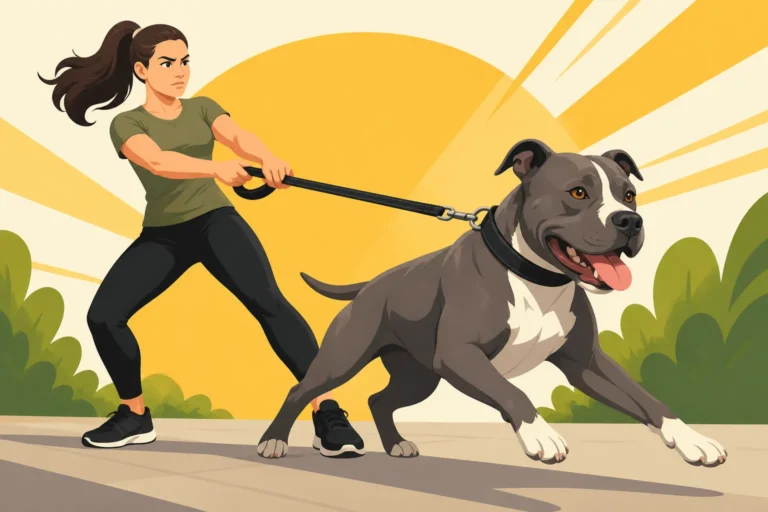
A regular flat buckle collar, while perfectly fine for ID tags and light leash guidance, simply isn't designed for a dog with the sheer power and enthusiasm of many Pit Bulls who decide to pull. When your dog lunges or pulls consistently, all that pressure concentrates directly on their throat. This isn't just uncomfortable for them; it can lead to tracheal damage, a collapsed trachea, or exacerbate existing respiratory issues. Imagine trying to breathe while someone constantly applies pressure to your windpipe – it's unpleasant at best, and dangerous at worst. You might notice your Pit Bull gagging, coughing, or making a wheezing sound after a particularly vigorous pull. This is a clear signal that the collar is causing distress, and it's a sign that a change is needed. You want your dog to enjoy their walk, not come home sounding like they've run a marathon with a tight tie around their neck.
Lack of Effective Control and Leverage
Beyond the health concerns, flat collars often provide very little actual control over a determined Pit Bull. Their powerful necks and broad shoulders mean that they can easily lean into a flat collar and drag you along, turning every walk into a tug-of-war. For a strong, active dog, the stimulation of the outside world—a squirrel, another dog, an interesting scent—can be so compelling that the mild discomfort of a flat collar barely registers. As an owner, you end up feeling like you're constantly fighting against a force of nature, rather than walking calmly with your best friend. This can be incredibly disheartening, and it certainly doesn't help build a positive relationship where your dog learns to walk nicely. What you need is a tool that gives you better leverage and communicates more effectively with your dog, without causing pain or injury. Learning Pit Bull Leash Manners and Physical Strength is crucial for both of you.
Harnesses: A Better Way to Manage a Pulling Pit Bull
Harnesses have become incredibly popular, and for good reason. They offer a much safer and often more effective way to manage a powerful dog on a leash, redirecting pressure away from the delicate neck and distributing it across stronger parts of the body. But not all harnesses are created equal, and understanding the differences is key to finding the right one for your Pit Bull.
Front-Clip Harnesses: Steering Power and Pull Reduction
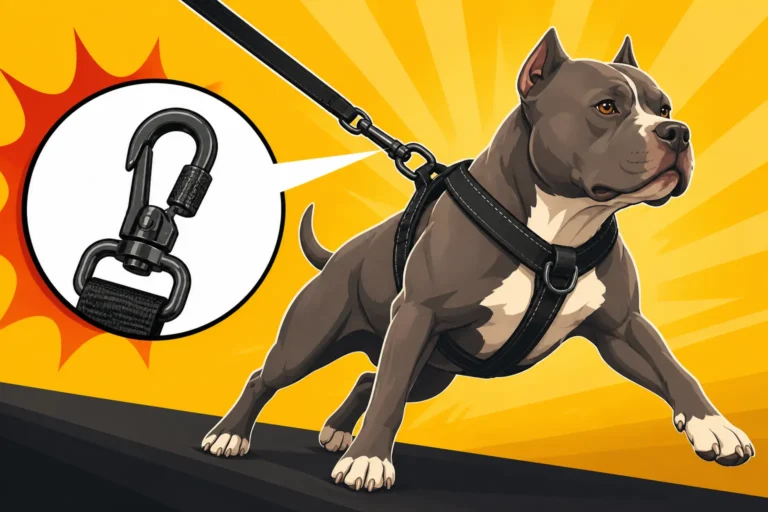
When people talk about "no-pull" harnesses, they are usually referring to front-clip harnesses. These clever pieces of equipment have the leash attachment ring located on the dog's chest, rather than on their back. The genius of this design lies in its mechanics: when your Pit Bull starts to pull, the leash pressure gently steers them to the side, turning them back towards you instead of allowing them to continue forging ahead. This immediately disrupts their forward momentum and makes pulling much less rewarding.
Imagine trying to drive a car with the steering wheel connected to the front bumper instead of the engine. Every time you accelerate, the car would naturally turn. It's a similar principle for dogs. This redirection is not painful, but it is highly effective at getting their attention and making them think twice about pulling. For many Pit Bull owners, switching to a front-clip harness is a game-changer, transforming chaotic walks into much more manageable experiences. Brands like Blue-9 Balance Harness or the Easy Walk Harness are popular choices you can often find readily available through retailers like Amazon. This type of harness is particularly helpful if you're working on improving your dog's general Pit Bull Leash Pulling at Fifty Pounds.
Back-Clip Harnesses: Comfort and Security
Back-clip harnesses are the more traditional style, with the leash attachment located on the dog's back, usually between the shoulder blades. These harnesses are excellent for comfort, security, and dogs who don't pull excessively. They distribute pressure evenly across the chest and back, away from the neck, making them a great choice for dogs that already have good leash manners or for activities where you want maximum freedom of movement, like hiking or running.
However, for a strong puller, a back-clip harness can actually make pulling easier because it allows them to lean their full body weight into the harness, using their powerful shoulders and chest to their advantage. It can feel like they're pulling a sled! So, while incredibly comfortable and secure, if your primary goal is to stop pulling, a back-clip harness might not be your first choice unless you're combining it with intensive training. They are fantastic for dogs that are already well-trained on a leash or as a comfortable option for dogs engaging in activities where consistent pulling isn't an issue. For instance, if you're looking for something secure for car travel or for a dog that consistently walks nicely, a robust back-clip harness could be perfect.
Dual-Clip Harnesses: The Best of Both Worlds
Some harnesses come with both a front and a back clip option. These are incredibly versatile and can be an excellent investment for a Pit Bull owner. You can start by using the front clip for maximum control during training sessions, especially when your dog is still learning not to pull. As their leash manners improve and they become more reliable, you can then switch to using the back clip for a more relaxed walk, or even use both clips simultaneously with a double-ended leash for even finer control.
This allows for a seamless transition as your dog progresses in their training. If you're encountering a new, high-distraction environment, you might revert to the front clip for extra guidance. For a routine neighborhood stroll where your dog is generally well-behaved, the back clip might suffice. This adaptability makes dual-clip harnesses a smart choice, offering longevity and flexibility through various stages of your Pit Bull's training journey. It gives you the power to adjust the level of control based on the situation and your dog's current behavior, making it a valuable tool in your training arsenal.
Head Halters: Gentle Guidance for Powerful Pups
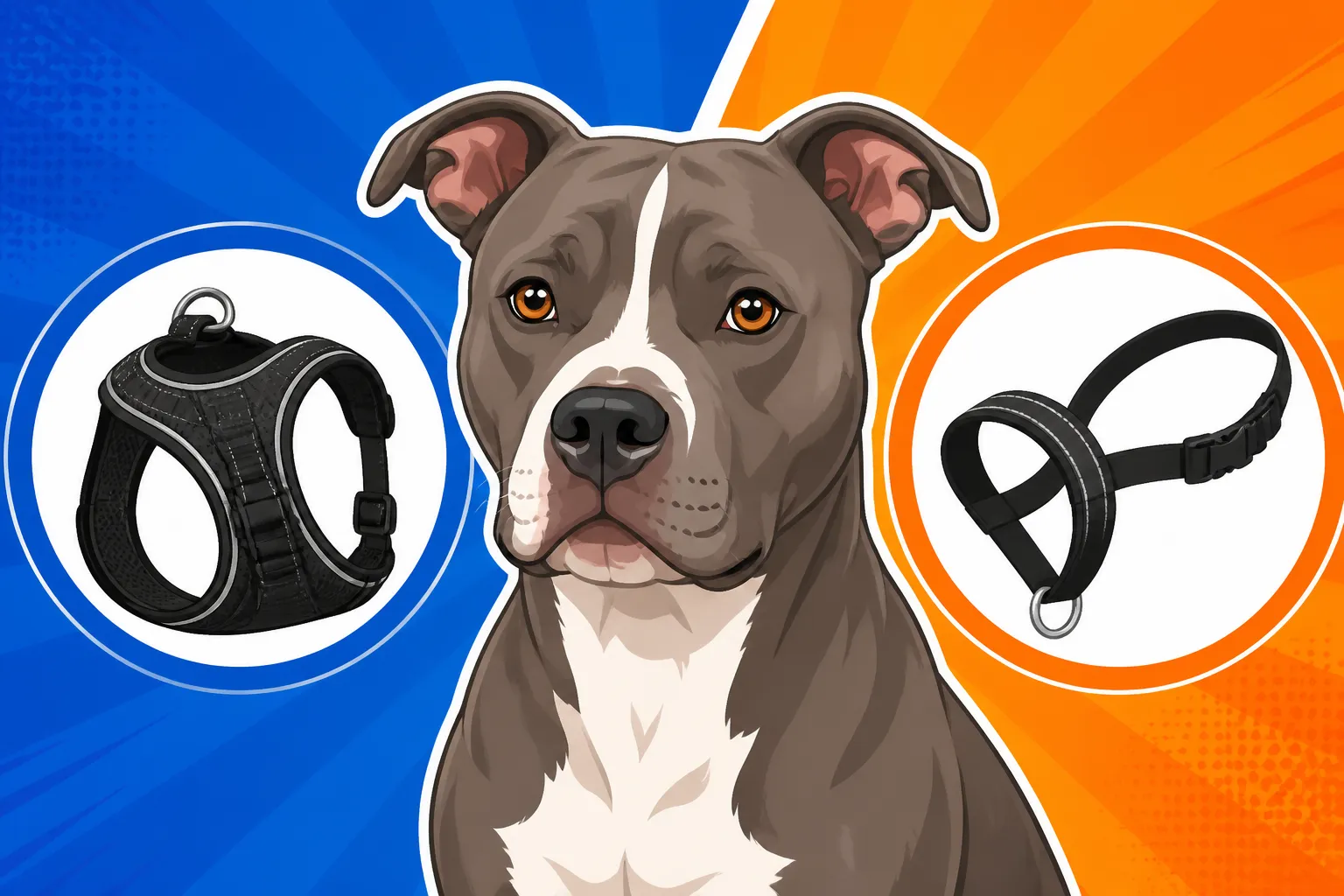
Head halters, sometimes called head collars, are another effective tool for managing strong pullers, particularly those with significant strength or reactivity. They might look a bit like a muzzle, which can lead to misconceptions, but their function is entirely different. They offer a level of control that harnesses can't always match, especially for dogs who are very driven by their noses or prone to lunging.
How Head Halters Provide Control
A head halter works on a principle similar to how a horse is led. It consists of a strap that goes over the bridge of your dog's nose and another that buckles behind their head. The leash then attaches to a ring located under the chin. When your Pit Bull pulls forward, the leash pressure gently turns their head to the side and down, making it impossible for them to continue pulling straight ahead. This not only stops the pulling but also gives you immediate control over their head, which in turn controls their body.
The beauty of a head halter is that it uses minimal physical force. It leverages the natural instinct of a dog to follow its nose, and by controlling the head, you influence the entire body. If your Pit Bull tries to lunge at a squirrel or another dog, a gentle tug on the leash can quickly and safely redirect their attention back to you. This kind of immediate redirection is incredibly valuable for Building a Pit Bull's Impulse Control and teaching them to focus on you, even in distracting environments. It’s a game-changer for many owners struggling with strong, reactive dogs.
Addressing the Muzzle Misconception
One of the biggest hurdles for head halters is their appearance. Because they go over the dog's nose, many people mistake them for muzzles, which can lead to unwanted stares or comments in public. It's important for owners to understand that a head halter is not a muzzle. A muzzle prevents a dog from opening its mouth to bite, while a head halter allows a dog to pant, drink, eat treats, and even pick up toys, all while providing steering control.
It's natural to feel sensitive about public perception, especially with a Pit Bull who might already face unfair judgment. However, the safety and control a head halter offers often outweigh the occasional misunderstanding. If someone asks, you can politely explain that it's a training tool for leash manners. Many trainers and online resources, including those found on reputable sites like BAXTER & Bella, emphasize the benefits of head halters for effective training and management, making them a common and accepted tool among informed dog owners.
Overcoming Initial Resistance and Training Tips
Many dogs, including Pit Bulls, will initially resist a head halter. It feels strange to have something over their nose, and they might try to paw it off, rub their face on the ground, or freeze up. This is a completely normal reaction, and it's crucial not to force it or make the experience negative. The key to successful head halter introduction is positive reinforcement and gradual desensitization.
Start by simply letting your dog sniff the halter, then reward them with a high-value treat. Next, gently slip it over their nose for a second, then immediately remove it and reward heavily. Gradually increase the time they wear it, always associating it with treats, praise, and positive experiences. Feed them their favorite treats while they are wearing it. Take short, happy walks in a low-distraction environment, keeping the walks brief and rewarding compliance. Never use the head halter to yank or punish; it’s a guidance tool. With patience and positive associations, your Pit Bull will learn to accept and even ignore the head halter, realizing it means pleasant walks and tasty rewards. This gradual approach is key, similar to how you would approach Positive Reinforcement Training With a Pit Bull for any new skill.
Finding the Perfect Fit for Your Pit Bull's Unique Build
Getting the right fit for any piece of dog equipment is paramount, but it's especially critical for a Pit Bull. Their powerful, athletic build—broad chests, strong necks, and sometimes deeper keels—means that a "one size fits all" approach simply won't work. A poorly fitting harness or head halter can be uncomfortable, ineffective, and even cause chafing or injury.
Measuring Accurately for Harnesses
To ensure a comfortable and secure fit for a harness, you'll need to take two primary measurements:
- Chest Girth: This is the most crucial measurement. Use a soft tape measure and wrap it around the widest part of your Pit Bull's rib cage, usually just behind their front legs. Make sure it's snug but not tight – you should be able to comfortably slip two fingers under the tape.
- Neck Circumference (for some harnesses): For harnesses that have a fixed neck opening, you'll need this. Measure around the base of their neck, where a collar would naturally sit.
When choosing a harness, pay attention to the adjustability. Pit Bulls can have significant variation in chest depth and width, even within similar weights. Look for harnesses that offer multiple adjustment points – ideally around the neck, chest girth, and even between the front legs. This allows you to customize the fit to avoid rubbing in the armpit area, which is a common complaint. Many brands publish size charts; always refer to these and consider if your dog is at the upper or lower end of a size range. If in doubt, going up a size with more adjustability is often better than going too small. You want the harness to move with your dog, not restrict them or cause discomfort. Thinking about Reading Pit Bull Body Condition Under Muscle can also help you judge the fit.
Ensuring a Secure Fit for Head Halters
Fitting a head halter is slightly different and equally important. The goal is a secure fit that won't slip off but isn't uncomfortably tight or restrictive.
- Neck Strap: This strap should sit high on the neck, snug behind the ears, much like a martingale collar. It should be tight enough that your dog can't easily pull it over their head, but not so tight that it causes choking. Again, the two-finger rule usually applies here.
- Nose Loop: This loop should sit comfortably on the bridge of your Pit Bull's nose, close to their eyes, but not touching them. It should allow them to fully open their mouth to pant and yawn. The fit shouldn't be so loose that it hangs down, nor so tight that it pinches their nostrils.
The challenge with head halters is that they can look deceptively simple, but the nuances of fit are key to their effectiveness and your dog's comfort. A common mistake is leaving the nose loop too loose, which allows the dog to paw it off easily. Conversely, if it’s too tight, it can cause irritation. Regularly check for rubbing or hair loss, especially if your dog is sensitive-skinned. Remember, the goal is gentle guidance, not restraint, and a proper fit ensures the tool works as intended without causing distress.
Checking for Rubs and Chafing Points
Regardless of whether you choose a harness or a head halter, regularly checking your Pit Bull for rubs, chafing, or irritation is crucial. Pit Bulls often have short coats and sensitive skin, making them prone to developing hot spots or skin irritation from ill-fitting gear.
- Harnesses: Pay close attention to the armpit area, the chest bone, and along the sides of the rib cage. These are common points of friction. If you notice redness, bald spots, or scabbing, the harness might be too tight, too loose, or simply not the right shape for your dog.
- Head Halters: Inspect the bridge of the nose and behind the ears. Some dogs might develop a rub if the halter isn't properly padded or if it's consistently pulling in one spot.
If you find any signs of irritation, adjust the fit, try a different brand or style, or consider adding soft padding (like fleece sleeves, often found on Amazon) to the problem areas. The comfort of your dog should always be a top priority. A happy dog in comfortable gear is much more likely to cooperate and learn.
Training for Success: Introducing New Gear to Your Pit Bull
Introducing a new piece of equipment, especially something as unfamiliar as a head halter or a new style of harness, requires patience and a positive approach. Pit Bulls are intelligent and eager to please, but they can also be strong-willed. Rushing the process or forcing the equipment on them can create negative associations, making future training much harder. Think of it as teaching them a new trick, rather than just strapping something on.
Building Positive Associations
The absolute most important step when introducing any new gear is to create positive associations. You want your Pit Bull to think that this new harness or head halter is the best thing ever because it consistently predicts good things happening!
- Treats, Treats, Treats: Have high-value treats readily available. Every time the harness or halter comes out, give a treat. Every time it touches their body, give a treat. Every time they wear it for a few seconds, give a treat.
- Pair with Fun: Only put the new gear on right before something enjoyable, like a walk, playtime, or a training session where they get lots of rewards. Take it off once the fun activity is over.
- Short and Sweet: Keep initial sessions very brief. A few seconds of wearing the gear, followed by praise and treats, is much more effective than forcing them to wear it for an extended period, which could lead to discomfort or frustration. If they are showing signs of stress, take it off, take a break, and try again later. Many training philosophies, like those championed by BAXTER & Bella, emphasize the power of these positive reinforcement techniques. You want them to think, "Oh, good! The harness is out, that means we're going somewhere fun!"
Gradual Desensitization and Practice
Once your Pit Bull tolerates the gear for short periods, you can begin to gradually increase the duration and integrate it into actual walks.
- Start Indoors: Practice putting the gear on and taking it off inside the house, where there are fewer distractions. Let them wear it for a few minutes while you play or give them a puzzle toy.
- Short, Controlled Walks: Once they are comfortable indoors, try very short walks outside in a low-distraction area (your backyard, a quiet street). Focus on rewarding them for walking calmly and ignoring the new sensation of the gear. If using a head halter, they might try to paw at it initially. Ignore the pawing (unless it's causing injury) and reward them heavily the moment they stop and relax.
- Consistency is Key: Make the new gear a regular part of your routine. The more consistently you use it, the faster your Pit Bull will adapt. Don't switch back and forth between different tools if you're trying to establish good habits with one specific item. This is also where high-value treats can really make a difference, as discussed in High-Value Treats That Hold a Pit Bull's Focus.
Troubleshooting Common Issues
Even with the best intentions, you might run into some bumps along the road.
- Resistance to Putting On: If your Pit Bull ducks their head or pulls away when you try to put on the gear, slow down. Go back to basics: just show them the gear, treat. Touch it to their shoulder, treat. Gradually build up to sliding it on. Make it a fun game, not a struggle.
- Rubbing/Pawng at Gear: If they are constantly trying to rub off a head halter or paw at a harness, first check the fit. Is it too tight? Is it rubbing somewhere? If the fit is good, it's likely just novel. Continue with positive reinforcement, rewarding moments of calm. Distract them with treats or a toy when they try to remove it.
- Lack of Effect: If your Pit Bull is still pulling with a front-clip harness or head halter, it might be due to incorrect fit, or you might need to adjust your leash handling technique. Make sure you're using gentle, consistent pressure and immediately releasing the pressure when they respond. Also, consider enrolling in an obedience class. A professional trainer can observe your technique and help troubleshoot. Remember, tools are only as effective as the hands that hold them. They assist in communication, but they don't replace training.
Harnesses vs. Head Halters: A Comparative Look
Deciding between a harness and a head halter isn't always straightforward. Both are excellent tools for managing a strong Pit Bull, but they excel in different situations and might suit different dogs or owners better. Here’s a comparative breakdown to help you make an informed choice.
When a Harness Excels
Harnesses, particularly front-clip designs, are fantastic for a wide range of Pit Bulls and owners. They are generally well-accepted by most dogs after a brief adjustment period, as they don't interfere with their facial structure.
Pros of Harnesses:
- Comfort: Most dogs find harnesses comfortable to wear, as they don't put pressure on the neck or face.
- Wide Acceptance: Less likely to attract negative public attention compared to head halters.
- Versatility: Back-clip harnesses are great for non-pullers or for activities like running, hiking, and car safety. Front-clip harnesses are excellent for pull reduction.
- Safety: Distributes pressure across the chest and shoulders, reducing the risk of tracheal damage. Many are also designed with reflective material for night walks.
Cons of Harnesses:
- Less Direct Control: For very strong pullers or dogs with high prey drive, a front-clip harness might reduce pulling but still allow for some lunging power. It doesn't offer the same immediate head control as a head halter.
- Rubbing Potential: Poorly fitted harnesses can rub in the armpits or across the chest, especially on short-coated Pit Bulls.
- Escape Risk: Some flexible dogs can back out of certain harness designs if not fitted correctly.
When a Head Halter Is the Better Choice
Head halters offer a very specific type of control that can be invaluable for certain situations or dogs that haven't responded well to other methods.
Pros of Head Halters:
- Maximum Control: Provides immediate and precise control over the dog's head, which dictates the direction of the body. This makes it highly effective for stopping lunging, jumping, and strong pulling.
- Gentle Force: Works on the principle of redirection rather than brute force, making it a surprisingly gentle tool despite its powerful effect.
- Focus Tool: By controlling the head, you can more easily redirect your Pit Bull's attention back to you, which is great for impulse control and teaching them to "look."
- Ideal for Reactive Dogs: Can be a game-changer for dogs who react strongly to other dogs, people, or squirrels, as it allows for quick and effective redirection of their gaze and body.
Cons of Head Halters:
- Initial Resistance: Many dogs dislike the sensation of something over their nose and require a dedicated desensitization period.
- Public Perception: Can be mistaken for a muzzle, leading to unwanted comments or judgments.
- Requires Careful Training: Must be introduced with positive reinforcement to avoid creating a negative association. Improper use can cause a dog to resist more or even injure their neck if yanked roughly.
- Potential for Rubs: Like harnesses, poor fit or prolonged use on sensitive skin can lead to irritation on the nose or behind the ears.
Making Your Decision
The best tool for your Pit Bull depends on several factors:
- Your Dog's Pulling Level: Is your Pit Bull a mild puller, a moderate puller, or an absolute freight train? Stronger pullers might benefit more from the direct control of a head halter.
- Your Dog's Temperament: How sensitive is your dog to new sensations? A very resistant dog might do better starting with a harness before progressing to a head halter, if needed.
- Your Comfort Level: Are you comfortable with the appearance of a head halter? Are you prepared for the training commitment it might require?
- Specific Training Goals: Are you primarily focused on stopping pulling, or do you also need to manage reactivity and lunging?
- Your Leash Handling Skills: A head halter requires a lighter touch and finesse, whereas a harness is a bit more forgiving.
Many owners find success starting with a front-clip harness. If that doesn't provide enough control, or if their Pit Bull has specific reactivity challenges, they might then transition to or incorporate a head halter. It's not uncommon to use both at different times or for different situations. For example, a front-clip harness for daily walks, and a head halter for visits to the vet or highly stimulating environments. Remember to invest in quality equipment that fits well, and always prioritize positive reinforcement in your training.
| Feature | Front-Clip Harness | Back-Clip Harness | Head Halter |
|---|---|---|---|
| Primary Benefit | Reduces pulling by redirecting momentum | Comfort and security for non-pullers | Maximum control over head and body direction |
| Leash Attachment | On the chest | On the back | Under the chin (nose loop) |
| Pressure Point | Chest and shoulders | Chest and back | Bridge of nose and back of head |
| Best For | Moderate to strong pullers, training leash manners | Dogs with good leash manners, hiking, car safety | Very strong pullers, reactive dogs, lunging |
| Ease of Acceptance | Generally good | Very good | Requires dedicated desensitization |
| Public Perception | Neutral, generally accepted | Neutral, generally accepted | Often mistaken for a muzzle |
| Control Level | Moderate to high | Low to moderate (for pulling) | Very high |
| Training Impact | Teaches polite walking, less reward for pulling | Minimal impact on pulling (can encourage it) | Excellent for redirection and focus training |
Advanced Considerations and Ongoing Management
Even with the right gear, managing a powerful Pit Bull on a leash is an ongoing journey. Equipment is a tool to facilitate training, not a magical cure. Your dedication to consistent, positive training will always be the most impactful factor.
Combining Tools and Techniques
Sometimes, using a single tool isn't enough, or you might find that combining different approaches offers the best results. For example, some trainers advocate using a double-ended leash with a dual-clip harness, attaching one end to the front clip and the other to the back. This provides a versatile level of control, allowing you to switch between more direct steering and general guidance as needed.
Another strategy, especially for highly reactive Pit Bulls, is to use a head halter in conjunction with a regular collar or even a harness. The leash might be attached primarily to the head halter, but having a backup attachment to a collar ensures that if the head halter were to slip or break, you still have some control. Always remember to practice good leash handling techniques, keeping a loose leash whenever possible and using gentle, communicative cues rather than harsh jerks. Your consistent effort in training skills like Teaching a Pit Bull to Sit Before Every Door before leaving the house can translate into better leash manners outside.
When to Seek Professional Help
There's no shame in admitting you need a little extra help, especially with a dog as powerful and energetic as a Pit Bull. If you've tried different equipment and training methods and are still struggling with pulling, lunging, or reactivity, it's definitely time to consult a certified professional dog trainer.
A good trainer, especially one experienced with powerful breeds, can assess your Pit Bull's specific behavior, identify underlying issues, and teach you the handling skills to use your chosen equipment most effectively. They can also help address any reactivity or anxiety that might be contributing to the pulling. Look for trainers who use positive reinforcement methods and who are transparent about their techniques. Organizations like the Certification Council for Professional Dog Trainers (CCPDT) or the Association of Professional Dog Trainers (APDT) can help you find qualified individuals in your area. Don't underestimate the value of an expert eye and personalized guidance. Many people find success after just a few sessions. Think of it as an investment in both your peace of mind and your Pit Bull's well-being. Knowing Vetting a Trainer Before Booking a Pit Bull is essential.
Long-Term Leash Management for a Lifetime
The goal isn't just to stop pulling right now; it's to build a foundation for polite leash walking throughout your Pit Bull's life. As they age, their energy levels might change, but good habits established early on will serve you both well.
- Regular Practice: Don't let good manners slip. Even after your Pit Bull is a pro on the leash, continue to practice in different environments and reinforce good behavior.
- Mental Stimulation: Remember that a well-exercised and mentally stimulated Pit Bull is often a calmer one on the leash. Incorporate mental games, puzzle toys, and obedience practice into their daily routine.
- Monitor Equipment: Regularly inspect your harnesses and head halters for wear and tear. Straps can stretch, buckles can weaken, and fabric can fray. Replace equipment as needed to ensure safety and effectiveness.
- Adapt as Needed: Your Pit Bull's needs might change over time. What works perfectly for a young, energetic dog might not be ideal for an older one with joint issues. Be flexible and willing to adapt your equipment and training as your dog enters different life stages. For example, an older Pit Bull might benefit from a more supportive harness if they start to have Arthritis in a Pit Bull at Seven.
Ultimately, finding the right equipment and committing to consistent training will transform your walks with your Pit Bull. It removes the frustration, builds trust, and allows you both to enjoy the world together, safely and respectfully.
Disclaimer
This article is for general informational purposes only and does not constitute professional advice. Laws, prices and regulations vary by location and change over time. Consult a qualified professional for guidance on your specific situation.