Pit Bull Play Style and Rough Games
Many Pit Bull owners, myself included, have faced that moment at the dog park or even just in the living room where someone observes their beloved companion's play and recoils, mistaking enthusiastic wrestling and vocalizations for aggression. It's a frustrating situation because, to us, it’s just our Pit Bull being a Pit Bull – robust, physical, and utterly joyful. This guide is here to help you understand the nuances of Pit Bull play style, what "rough" really means in their world, how to ensure it's always safe and appropriate, and how to confidently manage interactions.
Decoding the Pit Bull Play Style
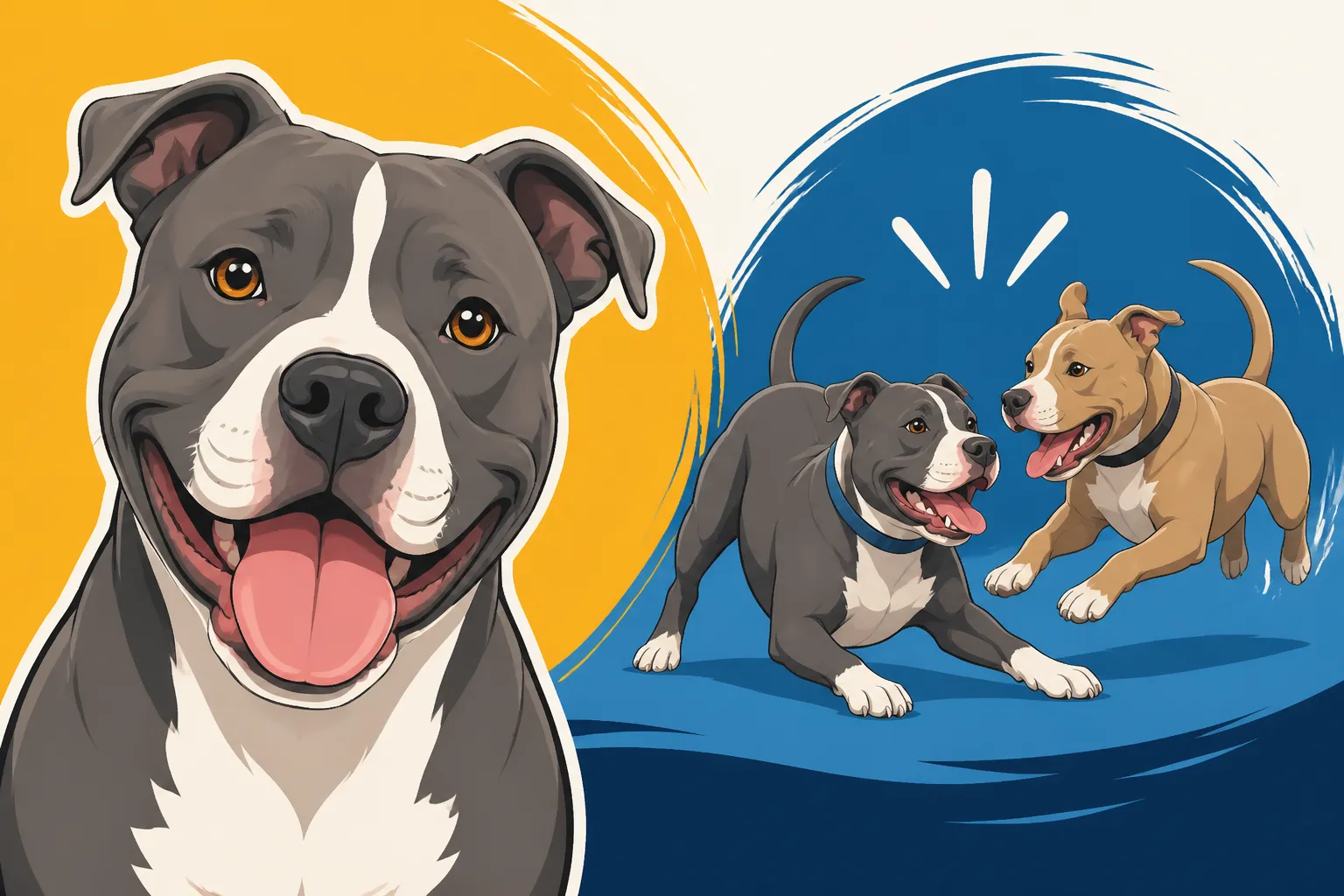
Pit Bulls are magnificent, powerful dogs, and their play reflects that inherent strength and enthusiasm. If you've ever watched two of them go at it, it can look like a canine wrestling match, complete with body slams, growls, and toothy grins. But understanding the context, the history, and the body language is key to appreciating this unique and often misunderstood way of having fun.
The Energetic and Physical Nature
Think about the sheer physical presence of a Pit Bull. They are compact, muscular, and incredibly agile, bred over generations for strength and athleticism. When these traits combine in play, the result is often a highly energetic and physical experience. They don't just gently bat at each other; they engage their whole bodies. This might involve a lot of pushing, bumping, hip-checks, and even full-on body slams that look far more aggressive than they are. For a Pit Bull, this physical contact isn't an act of aggression but a natural expression of their play drive. It’s how they test boundaries, engage their powerful bodies, and release pent-up energy. It’s important to distinguish this from genuine aggressive intent, which will typically be accompanied by stiff body language, whale eye, raised hackles, and a lack of fluidity. They might even make a lot of noise—growls, barks, and excited yips are all part of the Pit Bull play soundtrack, and these vocalizations often surprise people who aren't familiar with the breed.
Inherited Play Drives
To truly grasp a Pit Bull's play style, it helps to look at their lineage. They come from a background of bull-and-terrier crosses, historically bred for tenacity, strength, and a certain level of game. While modern Pit Bulls are cherished family companions, some of these deep-seated drives can still influence their play. They often have a strong "prey drive" and a love for "shake and kill" style games, which manifests as intense tug-of-war, rapid head shakes with a toy, or vigorous chasing. This isn't about aggression towards other dogs or people, but about engaging those ancient instincts in a safe, appropriate context. This is also why many Pit Bulls excel at dog sports like flirt pole, springpole, and even weight pull – activities that channel their physical and mental energy into constructive outlets. Understanding these inherited drives allows us to provide appropriate toys and activities that satisfy their needs without leading to problematic behaviors. Ignoring these drives can lead to boredom and destructive habits.
Reading Pit Bull Body Language During Play
This is probably the most crucial skill for any Pit Bull owner. Because their play can look so intense, knowing the difference between healthy, enthusiastic play and an escalating situation is paramount. Look for key indicators: loose, wiggly bodies, bouncy movements, and exaggerated play bows. Their mouths will often be open in a "play face," sometimes with teeth showing, but the overall expression should be soft, not tense. There should be a give-and-take, with dogs taking turns being on top or chasing. If one dog consistently dominates, or if the play becomes one-sided, it might be time to intervene. Observe the ears – are they soft and relaxed, or pinned back tightly? Is the tail wagging loosely, or held stiffly? A Pit Bull’s tail, even if docked, will still show clear signs of excitement or tension. Pay close attention to any sudden stiffness, freezing, or direct, hard stares, as these are usually signals that play is moving into a more serious interaction. You might even notice subtle signs of self-handicapping, where a larger or stronger Pit Bull will intentionally make themselves vulnerable or let the smaller dog "win" a wrestle, showing good play manners. Understanding Reading a Pit Bull Before a Scuffle Starts is an invaluable skill that applies just as much to preventing play from going awry as it does to avoiding actual fights.
Common "Rough" Play Behaviors
It's easy for an outsider to misunderstand the unique way Pit Bulls engage in play. What looks alarming to the uninitiated is often perfectly normal for these dogs. Let's delve into some of the most common behaviors that might be misinterpreted and what they actually mean in the context of Pit Bull play.
Mouthiness and Play Biting
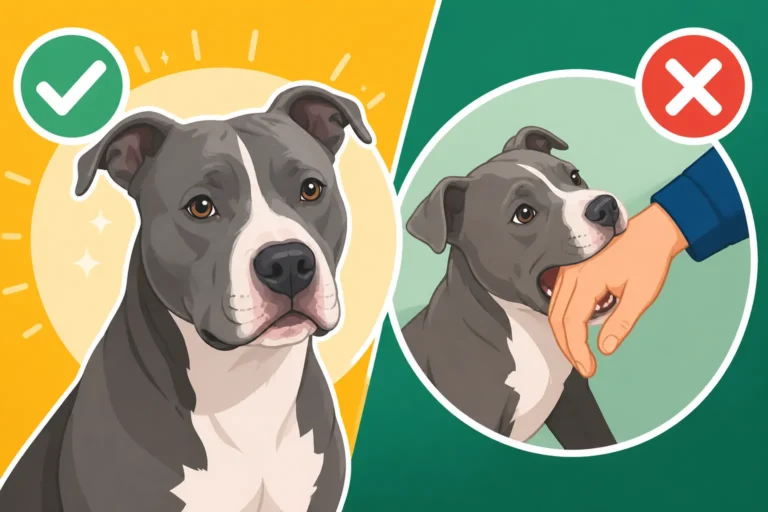
One of the first things a new Pit Bull owner, or an observer, might notice is the intense mouthiness during play. It can look quite intimidating – a Pit Bull with its mouth wide open, teeth flashing, seemingly biting at another dog's neck, legs, or flanks. This is a common concern that often leads people to believe the play is aggressive. However, in healthy Pit Bull play, this mouthiness is usually a form of communication and engagement. They are using their mouths to grab, hold, and pull, much like a puppy learns Pit Bull Bite Inhibition and Mouthing from its littermates. The key is that the bites are inhibited; they are not intended to cause harm. You'll notice a lot of "air biting" or snapping, where they don't actually make firm contact, or if they do, it's very light. If one dog yelps, the other should immediately back off or soften their bite, indicating good bite inhibition. If the play partner isn't yelping, and both dogs are continuing to engage with loose bodies, it's likely just robust, normal play. However, it's crucial for owners to ensure their Pit Bull maintains good bite inhibition, especially when playing with dogs who may be less tolerant of mouthy play.
Wrestling, Takedowns, and Body Slams
This is perhaps the hallmark of Pit Bull play. Forget dainty chasing; Pit Bulls often prefer full-contact wrestling. They will body slam each other, pin one another to the ground, roll around in a heap, and generally engage in a vigorous, physical tussle. To an untrained eye, this can look exactly like a fight brewing. You might see one dog "tackling" another, using their strong shoulders and chest to knock them off balance, or pinning them down with their paws. Again, context is everything. Are the dogs rotating roles, with one pinning the other, then the other returning the favor? Are they taking breaks, shaking off, and re-engaging with play bows? A true fight is usually fast, stiff, and focused on inflicting harm, often with growls that are low and guttural, not high-pitched and excited. Pit Bull wrestling, while boisterous, should still be fluid, reciprocal, and punctuated with breaks. It’s their way of physically interacting and showing off their strength in a friendly manner. It's a bit like two human friends playfully roughhousing; it's intense, but there's a clear understanding it's not serious.
The Intense Tug-of-War
Pit Bulls, with their powerful jaws and love for engaging their entire body, are champions of tug-of-war. They will grip a toy with incredible force, brace their feet, and pull with all their might, often growling and shaking their heads vigorously. This kind of intense tugging, especially with another dog, can look quite alarming, particularly if they are both making growling noises. However, for many Pit Bulls, tug-of-war is a fantastic outlet for their natural drives and a wonderfully engaging form of play. It’s also an excellent way to teach impulse control. When engaging in tug, ensure it’s always on your terms – you initiate, you end the game, and you teach a reliable "drop it" command. This helps prevent resource guarding and ensures the dog understands that the game is shared and controlled. Durable toys are essential here; skip the flimsy plushies and invest in high-quality rubber or rope toys. I’ve found great success with some of the ultra-durable options available on Amazon, specifically designed for powerful chewers.
Establishing Safe and Appropriate Play Boundaries
Given the vigorous nature of Pit Bull play, it's not enough to simply understand it; you also need to actively manage it to ensure safety for all involved. Setting clear boundaries and carefully selecting play environments and partners is crucial for fostering positive experiences.
Setting Up a Secure Play Environment
Where your Pit Bull plays makes a huge difference. An enclosed, safe area is non-negotiable, especially for rougher play styles. This means a securely fenced yard, a dedicated dog park (if your dog is suitable and you're vigilant), or a private dog-friendly space. Avoid busy public areas or off-leash settings without proper containment, as high-energy play can quickly become overwhelming or misinterpreted by others. Ensure the ground is safe, free of sharp objects, and provides good traction to prevent slips and falls during their enthusiastic wrestling. For multi-dog households, especially when you have dogs with different play styles or energy levels, sometimes separating play sessions or providing designated "safe zones" can prevent conflicts. For instance, if you have an older, quieter dog and a young, boisterous Pit Bull, their play might need to be supervised or structured differently. Some owners even use separate play areas for very intense tug sessions to minimize accidental bumps or overstimulation in tight spaces.
Choosing the Right Play Partners
This is perhaps the most critical aspect of safe play for a Pit Bull. Not every dog appreciates a Pit Bull's enthusiastic, physical play style, and that's perfectly okay. It's vital to choose play partners who are equally robust, confident, and enjoy a similar level of intensity. Often, other Pit Bull types, Boxers, or other sturdy, high-energy breeds make excellent companions because they understand and reciprocate the body language. Introduce dogs slowly and always supervise initial interactions. Look for reciprocal play where both dogs are equally engaged and taking turns. If one dog consistently tries to disengage, shows signs of stress (tail tucked, lip licking, whale eye), or continually gives appeasement signals, it's not a good match. Pit Bull Dog Selectivity and Multi-Dog Homes highlights how important it is to recognize that not all dogs will be compatible, and forcing interactions can lead to negative experiences. Respect your Pit Bull's preferences and those of other dogs. It’s much better to have a few trusted playmates than to force interactions with every dog you meet.
Incorporating Training into Play
Playtime isn't just for fun; it's a golden opportunity to reinforce training and impulse control. Commands like "leave it," "drop it," "wait," and a reliable "come" are incredibly valuable during play. For example, during an intense game of tug, practice "drop it" frequently to ensure your Pit Bull releases the toy on command. This not only reinforces your control but also teaches them that releasing the toy means the game will continue, making them more likely to comply. Intermittent interruptions during play, even for a quick "sit" or "stay," can help manage arousal levels and remind your dog that you are still in charge. You can use high-value treats to reward calm behavior during these interruptions. This structured approach helps your Pit Bull understand that while play can be wild, there are still rules and boundaries. If you're looking for structured guidance on integrating training from puppyhood, online platforms like BAXTER & Bella offer comprehensive programs that cover these essential skills, setting a strong foundation for managing play and other behaviors. Even basic obedience learned through a program like that can make a huge difference in controlling play impulses.
Managing and Redirecting Over-Aroused Play
Even with the best intentions and carefully selected play partners, Pit Bull play can sometimes tip into an over-aroused state. This isn't necessarily aggression, but it's a point where the fun can quickly cease, and management becomes essential. Knowing how to recognize the signs and intervene effectively is a crucial skill for responsible Pit Bull ownership.
Recognizing When Play is Escalating
The line between enthusiastic play and over-arousal can be subtle, but there are clear indicators to watch for. If play starts to become one-sided, with one dog relentlessly pursuing or pinning the other without reciprocal engagement, that's a red flag. Watch for changes in body language: a shift from loose, bouncy movements to stiff, targeted movements, or a sudden lack of breaks. Excessive growling that loses its playful tone and becomes deeper or more constant is another warning sign. If either dog starts to ignore attempts to disengage, or if their focus becomes solely on the other dog with intense stares, it's time to step in. Sometimes, one dog will try to escape, tucking their tail, trying to hide behind you, or exhibiting stress signals like lip-licking, yawning, or turning their head away. If these signals are ignored by the play partner, an intervention is necessary. This is especially vital when considering Whether a Pit Bull Belongs at a Dog Park, as these environments often have too many variables to reliably catch escalation.
The Art of Interruption and Cool-Downs
When you spot those escalating signs, a swift, calm interruption is key. Avoid yelling or snatching your dog, as this can increase their arousal. Instead, use a calm, firm verbal cue like "enough" or "break," and then physically separate the dogs. This might mean gently leading one dog away by their collar, or if necessary, stepping between them. A brief cool-down period is essential. This could be a short "time out" where one or both dogs are leashed and walked in a circle, or simply given a minute to sniff the ground and decompress before deciding whether to re-engage. If they re-engage and the problematic behaviors reappear quickly, it's best to end the play session entirely for that day. Teaching your Pit Bull The Word That Stops a Pit Bull Mid-Stride can be incredibly useful here, allowing you to break their focus and redirect them before things get too intense. Remember, a successful interruption isn't a punishment; it's a management technique to ensure continued safety and positive experiences.
Redirecting Energy to Appropriate Outlets
Once play is interrupted or ended, it’s important to redirect your Pit Bull’s remaining energy into something constructive. A highly aroused Pit Bull needs an outlet. This could be a solo activity like a chew toy or a puzzle feeder that requires mental engagement, or a structured activity like a short training session with high-value treats. You could also offer a brief, intense game of fetch or flirt pole by themselves to burn off that last bit of physical energy in a controlled manner. Never just let them continue to fester with unspent energy, as this can lead to frustration and destructive behaviors later on. Long line work in a safe, open field can also be a fantastic way to let them run and burn off steam, combining physical exercise with recall practice. This is where High-Value Treats That Hold a Pit Bull's Focus become invaluable for redirecting their attention away from over-stimulating play towards something calmer and more productive.
Essential Gear and Toys for Robust Play
Equipping yourself with the right gear and toys is paramount when you have a powerful, enthusiastic player like a Pit Bull. Flimsy equipment won't stand a chance, and inappropriate toys can lead to frustration or even injury. Investing wisely here saves money and promotes safer, more satisfying play.
Durable Toys That Withstand Pit Bull Jaws
Let's be honest, many "tough" dog toys don't last five minutes with a determined Pit Bull. Their powerful jaws and intense chewing style mean you need to seek out truly durable options. Look for toys made from solid rubber, reinforced nylon, or extremely dense rope. Brands known for creating toys for power chewers are your best bet. Think about toys designed for interactive play like tug, fetch, or solo chewing. Puzzle toys are also excellent for mental stimulation, but ensure they are sturdy enough not to be destroyed within minutes. It's often a process of trial and error to find what truly stands up to your individual dog's chewing style. Many owners find robust interactive toys, available on platforms like Amazon, to be staples in their Pit Bull's toy box. These aren't just for fun; they're essential for channeling their natural drives. For specific recommendations, check out Chew Toys That Hold Up to a Pit Bull. Always supervise new toys, especially during the first few sessions, to ensure they don't pose a choking hazard once pieces start to break off.
Harnesses and Leashes for Control During Play
While play is often off-leash, a sturdy harness and leash are crucial for getting to and from play areas, managing greetings, and for those moments when you need to safely intervene or cool down an over-aroused dog. A well-fitting, front-clip harness can provide better control for Pit Bulls who tend to pull, especially when they are excited and anticipating play. This distributes pressure across their chest rather than their neck, which is more comfortable and safer for their strong build. For leashes, opt for a strong, comfortable material like nylon or leather, with heavy-duty hardware that won't snap under sudden pressure. Retractable leashes are generally not recommended for Pit Bulls as they offer little control and can be dangerous. A standard 6-foot lead is usually ideal for everyday use. For training, or for situations where you need to give more space, a long line (15-30 feet) can be invaluable in a secure area to practice recall and give your dog a sense of freedom while maintaining safety. For more on this, consider reading Harnesses Built for a Pulling Pit Bull.
Enrichment Tools for Solo Play
Sometimes, your Pit Bull needs to play by themselves, or you need ways to keep them engaged when a playmate isn't available. This is where enrichment tools come into their own. Kongs and other similar durable hollow toys, filled with treats or frozen peanut butter, can keep a Pit Bull occupied for extended periods, providing mental stimulation as they work to extract the goodies. Snuffle mats engage their scent drive, turning mealtime into a fun foraging game. Flirt poles are fantastic for burning off energy in a short burst, mimicking prey chase, and allowing you to engage them safely in a vigorous game without direct contact. Even simple, tough chew toys provide an important outlet for their chewing needs, preventing them from turning to furniture or household items. Rotational play, where you offer a few toys at a time and put others away, can keep interest high. Regularly changing up the toys available can prevent boredom and encourage solo engagement.
When to Seek Professional Guidance
While Pit Bull play can be rambunctious and energetic, it should always remain play. There are times when an owner might feel uneasy, unsure if a behavior is truly normal, or struggle to manage an escalating situation. In these instances, reaching out to a qualified professional is not a sign of failure, but a responsible and proactive step.
Identifying Red Flags in Play Behavior
It's crucial to differentiate normal, albeit intense, Pit Bull play from behaviors that signal genuine concern. Red flags include consistent bullying or one-sided play where one dog is always the aggressor and the other is always the victim. Any instance of actual injury during play, such as a puncture wound or significant scrape, is a serious red flag that indicates a breakdown in bite inhibition or appropriate play boundaries. Stiff body language, hard stares, frozen postures, or a lack of self-handicapping (where a stronger dog doesn't adjust its intensity for a weaker playmate) are all signs that play has crossed a line. Resource guarding of toys or space during play, or an inability to disengage when called, are also indicators that professional help might be beneficial. Pay close attention to your gut feeling – if something feels wrong, it probably is. This is where topics like Breaking Up a Fight Involving a Pit Bull become vital, but ideally, you'd prevent the situation from getting to that point.
The Value of a Qualified Trainer
A professional dog trainer, especially one with experience working with Pit Bull type dogs and their unique play dynamics, can be an invaluable resource. They can observe your dog's play style objectively, help you interpret body language, and identify potential issues that you might miss. A good trainer can provide tailored strategies for managing intense play, improving impulse control, and teaching you how to effectively intervene and redirect. They can also help your Pit Bull build confidence in appropriate social interactions. Look for trainers who use positive reinforcement methods and focus on communication and understanding, rather than punishment. They can guide you in strengthening your bond and enhancing your Pit Bull’s social skills. Vetting a Trainer Before Booking a Pit Bull is an essential read to ensure you find someone truly qualified and aligned with your dog's needs.
Group Classes and Supervised Play Opportunities
For many Pit Bulls, structured group classes or supervised play sessions can be incredibly beneficial. These environments offer a controlled setting where dogs can learn and practice appropriate social skills under the watchful eye of a professional. Puppy classes, even if your Pit Bull isn't a tiny puppy anymore, can offer foundational social skills. For adult dogs, well-run play groups can provide much-needed exercise and mental stimulation while teaching them how to interact respectfully with a variety of dogs. These classes often focus on teaching "manners" during play, such as taking turns, respecting personal space, and responding to handler cues even when excited. They are also a great opportunity for you, as the owner, to learn more about canine body language and how to effectively manage your dog in a social setting. Some facilities even offer specific "bully breed" play groups, recognizing the unique play styles of these dogs and ensuring appropriate pairings.
| Play Behavior | Description | Normal Play Indicators | Red Flag Indicators | Management Strategy |
|---|---|---|---|---|
| Mouthiness / Biting | Open mouths, teeth flashing, grabbing at fur/limbs. | Loose body, soft facial expression, no injury, dog pulls back if playmate yelps. | Stiff body, hard gaze, punctures/scratches, no response to yelps or attempts to disengage. | Teach strong "leave it" and "drop it." Interrupt if too intense. Redirect to appropriate chew toys. Monitor Pit Bull Bite Inhibition and Mouthing. |
| Wrestling / Tackling | Full-body contact, pushing, pinning, rolling around. | Reciprocal (dogs take turns), exaggerated play bows, frequent breaks, fluid movements. | One-sided aggression, no breaks, stiff body, ears pinned, target fixation. | Ensure suitable play partners. Provide safe, soft play surface. Interrupt for cool-downs. Supervise closely. |
| Tug-of-War | Intense pulling on a toy, head shakes, growls. | Engaged, focused, responsive to "drop it," takes turns, happy growls. | Resource guarding, refusal to drop, aggression towards handler or other dogs over toy, excessive shaking. | Always use appropriate, durable toys. Teach "drop it." You initiate and end the game. Avoid prolonged, unsupervised tug with other dogs if guarding is an issue. |
| Chasing | High-speed pursuit, often with vocalizations. | Reciprocal (dogs switch roles), happy barks, dogs take breaks naturally. | One dog always fleeing in fear, panicked yelps, excessive barking/herding, chasing that escalates to pinning without release. | Ensure large, safe, enclosed area. Supervise closely. Interrupt if one dog is clearly stressed. Pit Bull Leash Manners and Physical Strength is important for control when approaching or leaving play areas. |
Disclaimer
This article is for general informational purposes only and does not constitute professional advice. Laws, prices and regulations vary by location and change over time. Consult a qualified professional for guidance on your specific situation.