A Pit Bull Holding Onto What It Takes
It can be incredibly frustrating, and honestly, a little scary, when your usually sweet Pit Bull suddenly clams up, freezes, or even growls when you try to take something from them. This behavior, often called resource guarding, ranges from a mild stiffness over a prized chew to a full-blown defensive display over a stolen sock, and it leaves many owners feeling unsure, worried, and even a bit betrayed. This guide will walk you through understanding why your Pit Bull might be holding onto what it takes, how to recognize the nuanced signs, and most importantly, how to teach them that giving things up is not something to be feared, but a positive exchange that strengthens your bond.
Understanding Why Your Pit Bull Guards Possessions
Resource guarding in dogs, including our beloved Pit Bulls, is a deeply ingrained, natural behavior. It’s not necessarily a sign of a bad dog or a malicious intent; it's often a dog’s way of communicating "this is mine, and I want to keep it." While it’s natural, it can become problematic when it leads to aggression or when the items being guarded are inappropriate or unsafe.
The Ancestral Roots of Guarding Behavior
Think back to their ancestors. In the wild, resources like food, mates, and safe resting places were vital for survival. A dog that couldn't protect its resources might not survive or thrive. This instinct persists in our modern companions, even though their food bowl appears reliably twice a day. For a Pit Bull, a breed known for its resilience and sometimes intense focus, this protective instinct can be particularly strong. They were historically bred to be tenacious, and that tenacity, while valuable in many contexts, can manifest as intense guarding over perceived valuables. It’s less about them being "stubborn" or "dominant" and more about a primal drive to maintain ownership over something they deem important.
Consider a scenario: your Pit Bull finds a particularly delicious, high-value chew, perhaps a bully stick they just got. To them, this isn't just a treat; it's a valuable commodity. If you approach them as they're enjoying it, their instinct might be to stiffen, perhaps hunch over it, and give a low growl. This isn't them being mean; it's their communication. They're saying, "Please don't take this; it's very important to me." Understanding this underlying motivation helps us approach the behavior with empathy rather than frustration.
Factors That Influence Guarding Intensity
Several things can crank up the volume on a Pit Bull's guarding behavior. Past experiences play a huge role. If a dog has had items snatched away without warning or was punished for guarding, they learn that human approach often means loss, which can intensify their defensiveness. This is especially true for rescue dogs whose history might be unknown; they may have experienced food insecurity or competition for items in previous homes or shelter environments.
The type of item being guarded also matters immensely. A tattered old tennis ball might elicit a mild defensive posture, but a stolen steak bone or a valuable toy could provoke a much stronger reaction. Environment can be a factor too; a dog might guard more intensely in a confined space, like their crate, or when they feel cornered. Stress, lack of adequate resources (like not enough chews for multiple dogs), or even pain can exacerbate guarding tendencies. If your Pit Bull is suddenly guarding more than usual, it's always worth a vet check to rule out any underlying discomfort or health issues that might be making them more irritable or insecure. Pit Bull Dental Disease and Hard Chewing can certainly make a dog defensive about anything near its mouth, for example.
Recognizing the Signs of Resource Guarding
It's crucial to spot the early, subtle signs of resource guarding before they escalate into more overt or aggressive displays. Pit Bulls, like many dogs, often give a whole spectrum of signals before resorting to a growl or snap. Learning to read these signals means you can intervene earlier and more effectively, preventing uncomfortable situations for both you and your dog.
Subtle Cues and Body Language
Before your Pit Bull ever growls or snarls, they're likely sending out a barrage of quieter signals. These might include a sudden stiffness in their body, freezing in place, or holding their breath. You might notice them hunching over the item, using their body to shield it from your view. Their eyes might shift, giving you "whale eye," where you see the whites of their eyes as they watch you nervously. Ears might pin back, and lips might be tight. They might even try to quickly gobble down whatever they have, indicating a fear of it being taken away. If they have a toy or chew, they might suddenly pick it up and move away from you, trying to create distance.
Imagine your Pit Bull has a new, exciting puzzle toy. You walk by, and they stop chewing, freeze, and just stare at you, their body tensing. Their head might dip lower, almost covering the toy. These are all subtle hints that they are feeling possessive and anxious about your presence near their valued item. Missing these early signals can inadvertently push your dog to escalate their warnings because they feel their earlier, softer communications weren't understood.
Escalation and Overt Displays
If the subtle signals are missed or ignored, a Pit Bull might escalate their warnings. This can move from a low growl to a more pronounced, rumbling growl, or even a snarl where lips are curled back, showing teeth. A Pit Bull might snap in the air, or even make direct contact without breaking skin – a warning bite. This isn't about aggression for aggression's sake; it's a dog feeling unheard and increasing the intensity of its communication because it feels its resource is still threatened.
A common scenario: your Pit Bull has dragged one of your favorite shoes off the closet floor. You approach, asking them to "drop it." They stiffen, give a quick, low growl, and clamp down harder on the shoe. You might then try to reach for it, and they could snap the air near your hand, or even give a quick nip to warn you off. This is a clear escalation. It's crucial not to punish these overt displays directly, as punishment often suppresses the warning signals (like growling), leading to a dog who bites without warning in the future. Instead, understand that this is a dog in distress, trying to protect what it perceives as its own. Learning to recognize Reading a Pit Bull Growl Correctly is key here.
Setting Up for Success: Environment and Management
Managing your environment is often the quickest and most effective way to prevent resource guarding incidents, especially while you're working on training. Good management means proactively preventing situations where your Pit Bull feels the need to guard.
Controlling Access to High-Value Items
The simplest way to prevent guarding is to manage what your Pit Bull has access to. If your dog tends to guard certain items, make sure those items are not left lying around. This includes everything from remote controls and shoes to special treats or even your children's toys. For high-value chews, consider giving them only when your Pit Bull is in a secure, quiet space where they won't feel interrupted or threatened, such as their crate or a designated "chew spot" in another room.
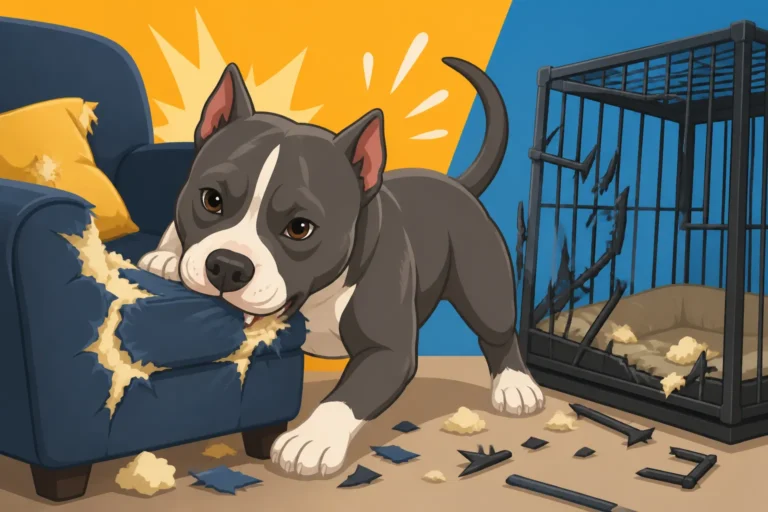
For instance, if you know your Pit Bull will guard that delicious pig ear, don't let them have it in the living room where family members are constantly walking by. Instead, give it to them in their crate with the door closed, or in a quiet laundry room. This removes the perceived threat and allows them to enjoy their treasure in peace. This also applies to items they might steal, like socks or paper towels. Pit Bulls are smart and quick; keeping tempting items out of reach, especially when unsupervised, is paramount. You might find sturdy dog-proof containers or baby gates on Amazon to help with this.
Creating Clear Boundaries for Food and Space
Establishing clear boundaries around meals and resting areas can significantly reduce the likelihood of resource guarding. For food, this means teaching your Pit Bull that mealtimes are predictable and safe. Always feed them in their bowl, in a consistent location. If you have multiple dogs, feed them separately to prevent any competition, which can easily trigger Pit Bull Food Bowl Guarding. A good practice is to create a positive association with your presence near their food. Instead of walking by and hovering, try walking by and tossing an extra, high-value treat into their bowl as you pass. This teaches them that your approach means good things happen, rather than bad.
For space, if your Pit Bull guards their bed or a favorite spot on the couch, teach them a "place" cue to move them off willingly. Make sure they have multiple comfortable resting spots throughout the house so they don't feel the need to aggressively defend just one. If your Pit Bull guards you on the couch, consider having them lie on a dog bed next to the couch instead. This gives them a clear designated area that is theirs, without the expectation of them defending the entire furniture. Having a structured training program, like those offered by BAXTER & Bella, can help you consistently teach these cues and boundaries.
| Item Type | Examples | Common Guarding Behavior | Initial Management Steps |
|---|---|---|---|
| Food & Chews | Kibble, bones, bully sticks, stolen snacks | Hunching, growling, snapping over bowl/chew, eating fast | Feed separately, provide in quiet space, trade up |
| Toys | Favorite balls, squeaky toys, tug ropes | Freezing, stiffening, moving away, growling | Offer multiple toys, rotate toys, teach "drop it" |
| Stolen Household Items | Socks, shoes, remote controls, paper, glasses | Grabbing, running away, stiffening, growling | Keep tempting items out of reach, use baby gates |
| Space | Dog bed, crate, couch, owner's lap | Refusing to move, growling if approached/touched | Provide multiple resting spots, "place" command, ignore |
| People | Specific family member, especially children | Blocking access, growling at others approaching | Crate and rotate for safety, manage interactions |
Training Strategies to Address Resource Guarding
Once you've got management in place, it's time to teach your Pit Bull new, positive associations with people approaching their stuff. This isn't about dominating them; it's about building trust and showing them that giving things up leads to even better things.
The "Trade Up" Game
The "trade up" game is a cornerstone of teaching a Pit Bull to willingly give up items. The core idea is to always offer something better in exchange for what they have. This teaches them that your approach is a signal for an upgrade, not a loss.
Start with low-value items that your Pit Bull isn't highly possessive over. Approach them and offer a high-value treat (like a piece of cooked chicken or cheese) in exchange for the item. As they take the treat, gently take the item. Immediately give the item back to them, or give them an even better treat. Repeat this many times. The goal is to make the act of giving something up a deeply positive experience. Over time, you can gradually work your way up to higher-value items. This takes patience and consistency. The key is to never just take the item away without offering a trade, as this reinforces their fear of loss. For more on this, check out Trading a Pit Bull Off a Stolen Item.
Teaching "Drop It" and "Leave It"
These two commands are invaluable for managing resource guarding. "Leave It" teaches your Pit Bull to ignore an item before they even get to it, while "Drop It" teaches them to release something they already have.
To teach "Leave It":
- Hold a low-value treat in your closed fist.
- Present your fist to your Pit Bull. They will likely try to lick, paw, or sniff it.
- The moment they look away from your hand, say "Yes!" and reward them with a different, higher-value treat from your other hand.
- Repeat until they consistently look away the moment your fist comes out.
- Gradually move to placing the low-value treat on the floor, covered by your hand. Once they "leave" it (look away), remove your hand and let them have a high-value reward from your other hand.
- Progress to leaving the treat uncovered for very short periods, always rewarding with the high-value treat from your hand after they leave the floor treat.
To teach "Drop It":
- Give your Pit Bull a moderately interesting toy.
- Hold a high-value treat near their nose.
- The moment they open their mouth to sniff or take the treat, say "Drop It!" and reward them with the treat.
- As they eat the treat, pick up the toy. After they finish the treat, immediately give the toy back to them. This ensures they don't associate "Drop It" with permanent loss.
- Practice this repeatedly, gradually increasing the value of the item they are dropping and making the time they are without the toy slightly longer before you return it or offer a new one.
Both "Leave It" and "Drop It" require consistency and highly motivating rewards. You'll need some High-Value Treats That Hold a Pit Bull's Focus to make these lessons stick.
When to Seek Professional Help
While many cases of mild resource guarding can be managed and improved with consistent home training, there are times when it's absolutely necessary to bring in a professional. Ignoring severe guarding can put both your family and your dog at risk.
Identifying Severe Guarding Behaviors
How do you know if your Pit Bull's guarding has crossed the line from manageable to severe? Look for these indicators:
- Frequent and intense aggression: Growling, snarling, or snapping becomes common, even over low-value items or when approached from a distance.
- Injury: Your Pit Bull has bitten someone (even if it's just a warning nip that broke skin) or another animal due in a guarding incident.
- Guard over people: Your dog guards specific family members, especially children, preventing others from approaching. A Pit Bull Around a Crawling Child requires immediate professional intervention if guarding is present.
- Unpredictability: The guarding behavior seems to come out of nowhere, or the triggers are so broad that it's nearly impossible to manage.
- Fear and anxiety: Your dog seems genuinely distressed and anxious, not just possessive.
- Inability to manage: You feel overwhelmed, scared, or unable to safely implement training strategies on your own.
If you recognize these signs, please do not attempt to fix it alone. Your safety and your dog's well-being depend on getting expert help.
Choosing the Right Professional
When looking for a professional, it's vital to find someone experienced specifically with aggression and resource guarding, and ideally, with Pit Bull type dogs. Not all trainers are created equal, and some methods can actually worsen guarding behavior.
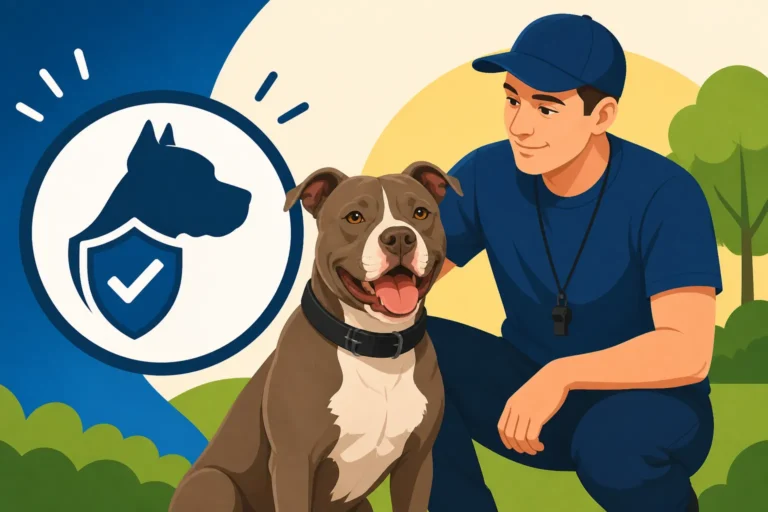
Look for a Certified Professional Dog Trainer (CPDT-KA) or a Certified Dog Behavior Consultant (CDBC). Even better, seek out a Veterinary Behaviorist (Dip ACVB), who is a veterinarian with specialized training in animal behavior and can prescribe medication if anxiety is a contributing factor.
Here’s what to look for in a professional:
- Positive reinforcement based: They should exclusively use positive reinforcement, force-free methods. Avoid anyone who suggests harsh corrections, punitive tools (like prong collars for this issue), or "dominance theory" approaches, as these can easily escalate guarding and erode trust.
- Experience with resource guarding: Ask specific questions about their experience with this particular issue and how they approach it.
- Experience with Pit Bulls: While all dogs are individuals, a trainer familiar with the breed's strengths and tendencies can be an asset. Finding a Trainer Experienced With Pit Bulls is crucial.
- Individualized plans: They should develop a customized plan for your dog and family, rather than a one-size-fits-all approach.
- Client references: Ask for references from past clients who dealt with similar issues.
A good trainer will help you understand the root cause of the behavior, implement safe management strategies, and teach you how to modify your Pit Bull's emotional response to perceived threats through desensitization and counter-conditioning. They might even suggest Muzzle Training Every Pit Bull Should Have as a safety measure during the training process, which is a fantastic tool for managing risk and ensuring everyone's safety without resorting to punishment.
Living with a Resource Guarder Safely and Successfully
Successfully living with a Pit Bull that guards resources requires ongoing commitment to training, careful management, and a deep understanding of your dog's needs. It's not usually a quick fix, but a journey of consistent effort and trust-building.
Long-Term Management Strategies
Even after successful training, some level of management might be necessary for your Pit Bull's entire life, especially with very high-value items or in specific environments. This isn't a failure; it's simply being a responsible and proactive owner.
Continue to control access to tempting items. Keep floors clear of socks, shoes, and children's toys. If your Pit Bull tends to guard their food bowl, always feed them in a quiet, undisturbed area. If you have other pets, especially other dogs, ensure separate feeding times and spaces. Pit Bull Dog Selectivity and Multi-Dog Homes can make resource guarding more complex, necessitating careful planning. Make the "trade up" game a regular, fun activity, not just something you do when there's a problem. Randomly offer a treat and then return their toy, just to reinforce the positive association. Never put your dog in a position where they have to guard. It’s unfair to them and unsafe for you.
Building Trust and Consistency
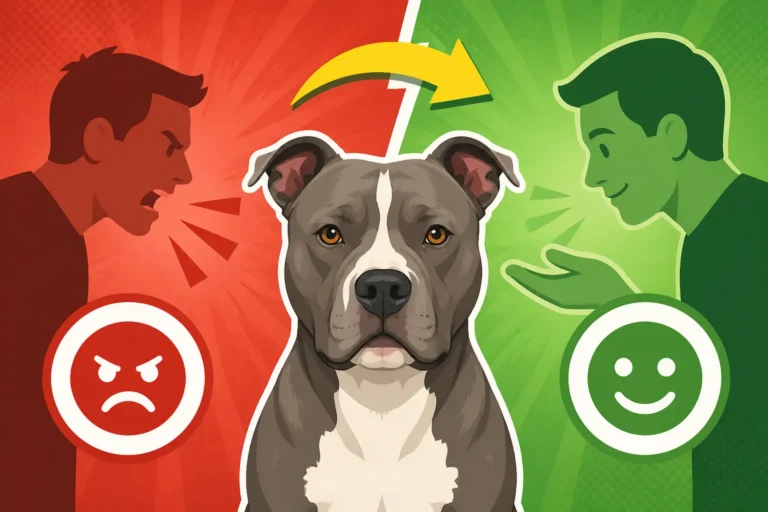
Consistency is paramount in building trust. Your Pit Bull needs to learn that you are a reliable source of good things, not someone who takes things away. Every positive interaction, every successful trade, every time you reinforce "drop it" with a reward, you are strengthening that trust. Avoid unpredictable or confrontational approaches when your dog is guarding. Yelling, physically removing items, or punishing them will only teach them to be sneakier or more aggressive.
Consider incorporating regular "check-ins" during meal or chew times. Walk by, drop an extra tasty treat, and then calmly walk away. Do this often enough that your presence becomes a predictor of good things, reducing the need for your dog to feel defensive. The goal is to reshape their emotional response from fear and possessiveness to comfort and anticipation of reward. This consistent, positive approach will not only help manage guarding but also Building a Pit Bull's Impulse Control in many other areas of their life. Remember, this is about teaching your Pit Bull to choose to give things up, because they trust that something better is coming.
Disclaimer
This article is for general informational purposes only and does not constitute professional advice. Laws, prices and regulations vary by location and change over time. Consult a qualified professional for guidance on your specific situation.