Stopping a Pit Bull That Drags You Down the Street
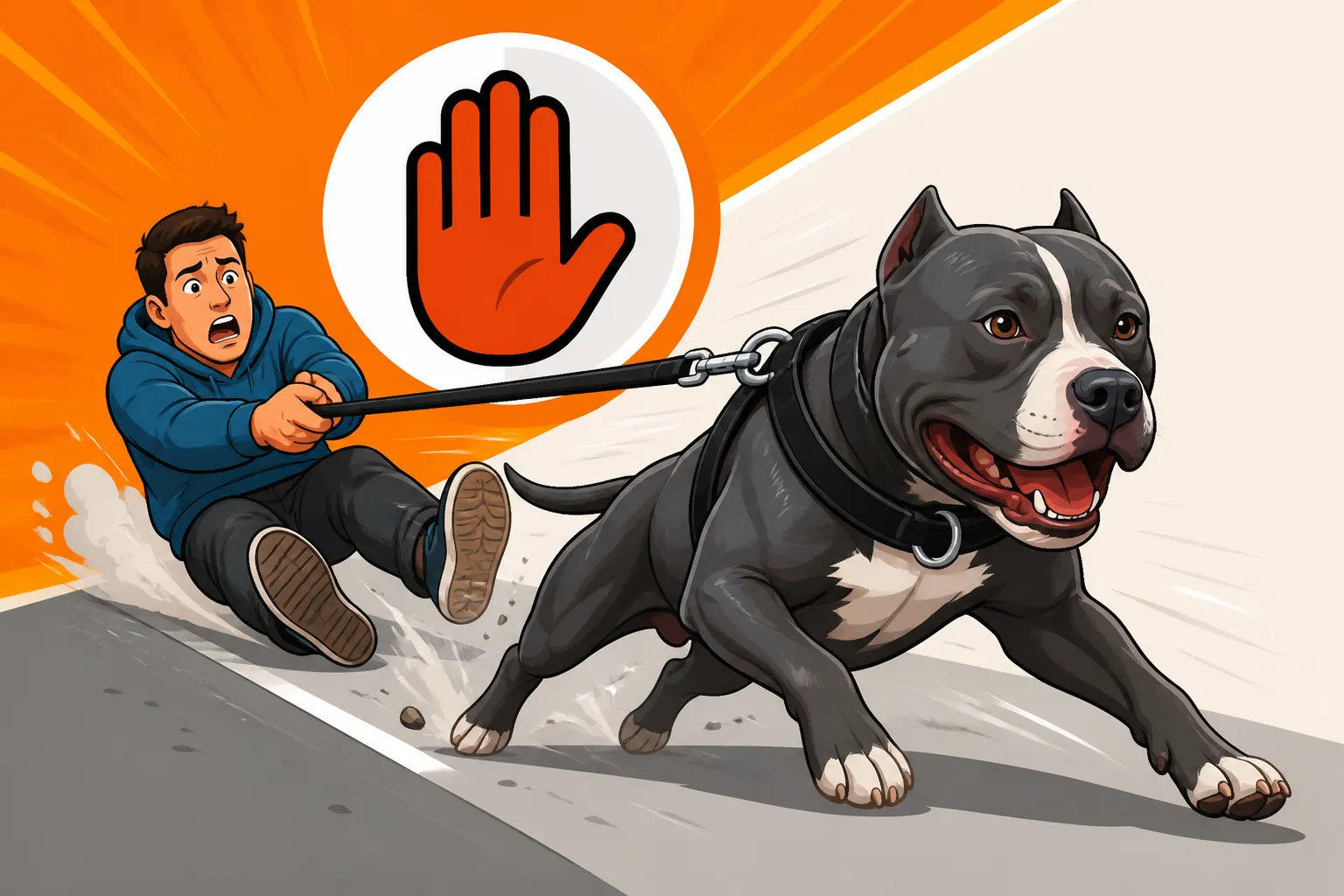
It's incredibly frustrating, and let's be honest, sometimes a little embarrassing, when your strong, enthusiastic Pit Bull decides to become a four-legged locomotive, dragging you down the street with a relentless pull. You feel like you're water skiing on pavement, your arm is practically ripped from its socket, and you end up dreading walks instead of enjoying them. This guide is here to help you reclaim control of your walks, understand why your Pit Bull pulls, and implement effective strategies and tools to enjoy those strolls together.
Understanding Why Your Pit Bull Pulls So Hard
Before we dive into solutions, it’s really helpful to understand why your Pit Bull might be turning into a sled dog every time you step outside. It's rarely out of malice; more often, it's a combination of natural instincts, learned behaviors, and a lack of clear communication from us.
The Pit Bull's Natural Drive
Pit Bulls are powerful, athletic dogs bred for specific tasks that demanded strength, tenacity, and drive. While most of our beloved pets aren't engaged in those historical activities anymore, that inherent physical capability and zest for life are still very much present. When they step out the door, the world is a giant, exciting place full of smells, sights, and sounds, and their natural instinct is to investigate it all with gusto. This isn't just a casual stroll for them; it's an adventure!
Imagine trying to hold back a freight train with a piece of string – that's what it can feel like when a determined Pit Bull decides to surge forward. They have incredible muscle mass and a low center of gravity, which gives them a huge advantage in a tug-of-war. For many Pit Bulls, pulling just feels natural. They haven't been taught otherwise, and it's simply the most efficient way for them to get where they want to go, faster. This isn't about being stubborn; it's about being effective from their perspective.
Lack of Foundation Training
Often, pulling starts because the dog has never truly learned what "loose leash walking" means. We tend to just put a collar and leash on them and head out, assuming they'll figure it out. But loose leash walking is a specific skill that needs to be taught patiently and consistently. If your Pit Bull learned early on that pulling gets them closer to that exciting smell, that squirrel, or just to the park sooner, then pulling becomes a highly reinforced behavior. Every time they successfully drag you to something they want, even for a second, they've been rewarded for pulling.
Furthermore, many owners unintentionally reinforce pulling by allowing it to happen, even if they're grumbling about it. If you eventually give in and let them reach their destination while pulling, you’ve just taught them that persistence pays off. It’s a classic case of intermittent reinforcement, which, ironically, makes the behavior even stronger and harder to extinguish. They think, "If I just pull hard enough, long enough, I'll get there!" Establishing clear boundaries and teaching them what to do instead of pulling is paramount. This foundational work is key to Pit Bull Leash Manners and Physical Strength.
Choosing the Right Gear for Control
While training is the ultimate solution, the right equipment can be a game-changer when you're dealing with a powerful puller. It gives you immediate relief and a better chance to implement your training. Forget the flat collar for now if your Pit Bull is a strong puller; it's doing more harm than good to their throat and your arm.
Front-Clip Harnesses
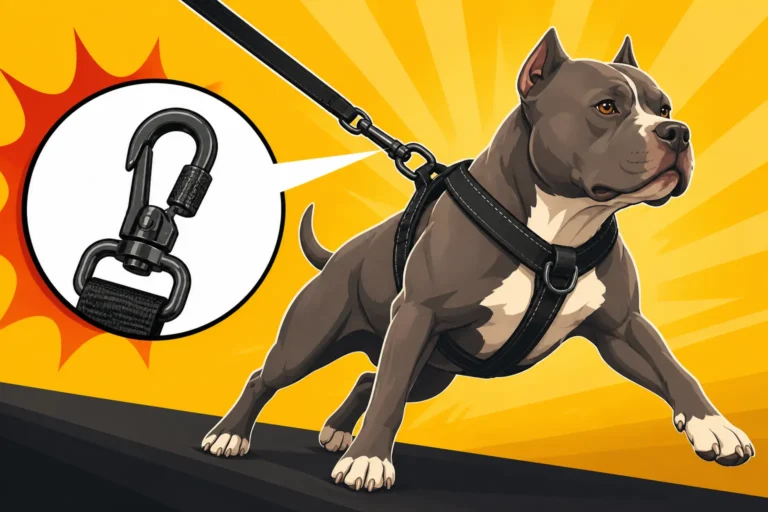
These harnesses are often recommended because they redirect your dog's forward momentum. Instead of the leash attaching to a ring on their back, which allows them to lean into the pull like a sled dog, the leash clips to a D-ring on their chest. When your Pit Bull pulls, the leash pulls them gently to the side, causing them to turn back towards you rather than surge forward. This breaks their momentum and makes pulling less efficient for them.
Brands like Easy Walk or Freedom No-Pull Harnesses are popular choices and readily available on platforms like Amazon. They are designed to fit securely without causing discomfort, assuming you get the right size. It's vital to ensure it fits snugly but doesn't chafe, especially in the armpit area. A well-fitting front-clip harness can provide that immediate, much-needed assistance in managing your walks, transforming them from a wrestling match into a manageable stroll, allowing you to focus on the actual training. For some Pit Bulls, this might be all you need to start seeing a significant improvement.
Head Halters
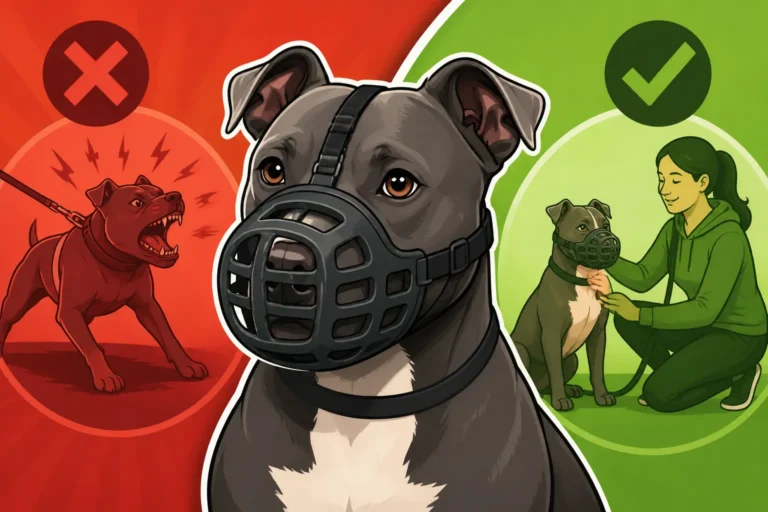
Sometimes called a Halti or Gentle Leader, a head halter looks a bit like a muzzle, but it's not designed to prevent biting; it's a training tool. It fits around your dog's nose and behind their ears, giving you control over their head. Where the head goes, the body follows. If your Pit Bull tries to pull, a gentle tug on the leash will turn their head to the side or down, making it impossible for them to pull forward effectively. This gives you a remarkable amount of control with very little physical effort, which is especially beneficial if you're a smaller handler or have a particularly strong dog.
Many dog trainers find head halters incredibly effective for instant control and for helping dogs learn polite leash manners more quickly. However, introducing a head halter needs to be done gradually and positively. Many dogs initially resist them because they're unfamiliar. Start by letting your Pit Bull wear it for short periods, associating it with treats and praise, before attaching the leash and going for a walk. Never yank on a head halter, as it can be uncomfortable or even cause neck strain. Used correctly and with positive reinforcement, a head halter can be a powerful tool in your loose leash training arsenal, helping you to build Building a Pit Bull's Impulse Control more effectively.
Avoiding Aversive Tools
It's tempting to reach for tools that promise a quick fix, like choke chains or prong collars, when you're desperate to stop your Pit Bull from dragging you. However, these tools work by applying pain or discomfort, which can have negative consequences for your dog's well-being and your relationship with them. While they might suppress pulling in the short term, they don't teach your dog what to do instead. Instead, they teach them to associate walks with pain or fear.
Moreover, given the public perception of Pit Bulls, using aversive tools can unintentionally reinforce negative stereotypes about their temperament. These methods can also lead to reactivity or aggression in some dogs as they become fearful or frustrated. Our goal is to build a cooperative relationship based on trust and clear communication. Focusing on positive reinforcement with a well-fitting front-clip harness or a properly introduced head halter is a far more humane and effective long-term strategy for Positive Reinforcement Training With a Pit Bull.
Here's a quick comparison of common leash tools:
| Leash Tool | Pros | Cons | Best Use |
|---|---|---|---|
| Flat Collar | Simple, common, comfortable for non-pullers | No pulling control, can cause neck/throat damage if dog pulls hard | Dogs with established loose-leash skills, identification tag holder |
| Front-Clip Harness | Redirects pulling, no throat pressure | Can chafe if ill-fitting, dog might still pull but less effectively | Learning loose-leash, managing moderate pullers, general walking |
| Head Halter (Gentle Leader) | Excellent control, little physical effort, redirects head | Requires positive introduction, can be resisted initially, looks like muzzle | Strong pullers, handlers needing maximum control, managing reactivity |
| Back-Clip Harness | Comfortable, good for small dogs | Encourages pulling in strong dogs (like sled dogs), less control | Small dogs, dogs that don't pull, attaching to car seatbelts |
Implementing Effective Loose Leash Training
Once you have the right equipment, it's time to teach your Pit Bull the "how-to" of loose leash walking. This isn't just about stopping the pulling; it's about creating a pleasurable experience for both of you. Consistency and patience are your best friends here.
The "Stop and Go" Method
This is a classic for a reason: it works by immediately removing the reward (forward movement) when your dog pulls. The moment your Pit Bull's leash tightens, you stop dead in your tracks. Don't say anything, don't yank the leash back – just become a tree. Your Pit Bull will likely look back at you, confused, or sniff around. Wait until the leash slackens, even for a second, then immediately mark that moment with a verbal cue like "Yes!" or a clicker, and reward them with a high-value treat. Then, start walking again.
If they pull again, you stop again. It can feel tedious at first, like you're not getting anywhere, but your Pit Bull will quickly connect the dots: pulling stops the walk, a slack leash starts it again. Practice this in a low-distraction environment first, like your living room or backyard, before moving to more stimulating areas. The goal is for them to understand that the only way to move forward is with a loose leash. Over time, you'll be able to walk further and further without stopping. This repetition builds the muscle memory for loose leash walking.
Changing Directions Frequently
Dogs are often predictable in their pulling – they pull straight ahead towards their desired destination. By changing directions frequently and unpredictably, you keep your Pit Bull guessing and force them to pay attention to you rather than what's ahead. As you walk, randomly turn left, right, or even do an about-face. The moment you change direction, your Pit Bull will likely have a moment of confusion or a quick tighten of the leash. As soon as they adjust and the leash slackens, mark it and reward them heavily.
This technique teaches your Pit Bull that you are the director of the walk, not them. It makes them check in with you more often, anticipating your next move. It also prevents them from getting into a steady "pulling stride." Think of it as a dance: you lead, and they follow your cues. This is an excellent way to reinforce High-Value Treats That Hold a Pit Bull's Focus, as they'll associate paying attention to you with getting those delicious rewards. Start with subtle turns and gradually increase the unpredictability as your dog gets better.
Rewarding Consistently
Positive reinforcement is paramount, especially with strong, intelligent breeds like Pit Bulls. You're not just stopping an unwanted behavior; you're teaching and encouraging a desired one. Every single time your Pit Bull walks with a loose leash, even for a few steps, mark that moment and reward them. It could be a small, pea-sized training treat, verbal praise, or a quick pet – whatever your dog values most. The more consistently you reward the right behavior, the faster they will learn it and offer it willingly.
Think about the quality of your treats. For a powerful breed with high drive, standard kibble might not cut it in a distracting outdoor environment. High-value treats, like small pieces of cheese, cooked chicken, or hot dogs, will capture and maintain their attention much more effectively. Keep them readily accessible in a treat pouch so you can reward instantly. The timing of your reward is crucial; it needs to happen within 1-2 seconds of the desired behavior for your Pit Bull to make the connection. Consistent, clear, and immediate rewards will solidify their understanding that a loose leash makes wonderful things happen. You can find excellent training treats on Amazon or learn more about positive methods through online programs like BAXTER & Bella.
Handling High-Distraction Environments
Training in your quiet living room is one thing, but the real world is a whole different ball game. Managing distractions is where a lot of loose leash training breaks down. It requires patience, planning, and a deep understanding of your dog's triggers.
Managing Excitement Around Other Dogs or People
One of the biggest challenges is when your Pit Bull spots another dog or a friendly stranger. Their excitement can send all your careful training out the window. The key here is proactive management and gradual exposure. Start by practicing at a distance where your Pit Bull notices the distraction but isn't yet reacting strongly (known as their "threshold"). At this distance, reward them heavily for calm behavior, for looking at you, or for just walking loosely.
Slowly, over many sessions, you can decrease the distance to the distraction, always ensuring your dog remains under their threshold. If they start to get too excited or pull, increase the distance again. It's not a failure; it's just finding their current comfort zone. You might try practicing outside a dog park at a distance, or on quieter streets. The goal is to teach your Pit Bull that the presence of other dogs or people means good things happen when they pay attention to you, not when they lunge or pull. This ties into Teaching a Pit Bull to Walk Past a Barking Dog and building their focus on you.
Overcoming Strong Scents and Prey Drive
That irresistible whiff of rabbit, the squirrel darting across the path – these natural instincts can be incredibly powerful in a Pit Bull. Their prey drive is often a major factor in sudden, strong pulling. Again, prevention and redirection are your best tools. Be vigilant about your surroundings. If you see a squirrel before your dog does, gently guide them in another direction, ask for a "Watch Me" command, and reward them before they even have a chance to focus on the prey.
When they do catch a scent or spot prey, use your chosen equipment (front-clip harness or head halter) to gently but firmly redirect their attention back to you. Don't yank; instead, give a quick, light tug and immediately release, paired with a verbal cue and a treat once their focus shifts. You might even carry a favorite toy to engage them in a quick game of tug as a distraction if they're particularly fixated. This helps them learn that while those smells and sights are there, you are still the most rewarding thing on the walk. A Pit Bull Chasing Squirrels on Walks provides more insights into this particular challenge.
Practicing in Varied Locations
Once your Pit Bull is doing well with loose leash walking in your immediate neighborhood, don't stop there. True mastery comes from being able to perform the behavior reliably in a variety of environments. Take your Pit Bull to different parks, city streets, even pet-friendly stores. Each new location presents unique smells, sounds, and sights that will challenge their focus and your training.
Start each new location at a lower level of expectation, perhaps reverting to more frequent rewards or stopping more often. Gradually build up their confidence and skill in these new places. The more experiences they have successfully navigating distractions with a loose leash, the more robust their training will become. Remember, this journey is about creating a harmonious partnership, not just about stopping a single behavior. With consistent effort, the right tools, and a lot of yummy treats, you and your Pit Bull can truly enjoy your walks together. Even online training platforms like BAXTER & Bella can offer structured programs to guide you through these varied scenarios.
Disclaimer
This article is for general informational purposes only and does not constitute professional advice. Laws, prices and regulations vary by location and change over time. Consult a qualified professional for guidance on your specific situation.